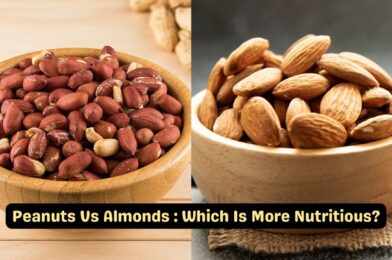
Peanut vs. Almond: Which One Wins The Nutrition Battle?

Peanut vs. Almond: Which One Wins The Nutrition Battle?
Peanuts and almonds, two titans of the nut world, often clash in the battle for snack supremacy. But what about their nutritional punch? Are they heavyweight champions, or do they leave us wanting more?

1. Protein Power: Peanuts pack a mightier protein punch, with 25 grams per 100g compared to almonds’ 21 grams. This makes them a valuable addition for vegetarians and vegans seeking plant-based protein sources.

2. Vitamin E Extravaganza: Almonds reign supreme in the vitamin E arena, boasting a whopping 45% of your daily needs in just one ounce. This antioxidant powerhouse protects cells from damage and promotes heart health.

3. B-Vitamin Bonanza: Peanuts score big in the B-vitamin department, especially folate and niacin. These vitamins are crucial for energy production, cell health, and brain function.

4. Mineral Mania: Both nuts offer a plethora of minerals, but almonds hold a slight edge in magnesium and calcium, important for bone health and muscle function.

5. Dietary Differences: Remember, peanuts are legumes, technically, while almonds are true nuts. This means they may affect some people differently in terms of digestion and allergies.

The Winner?: A Tie!

Declaring a definitive champion is near impossible! Both peanuts and almonds offer unique nutritional benefits, making them valuable additions to a balanced diet. Choose peanuts for a protein and B-vitamin boost, and opt for almonds for their vitamin E and mineral prowess. Remember, variety is key!

So, ditch the boxing gloves and embrace the bounty! Whether you crave crunchy peanuts or creamy almonds, enjoy them guilt-free as delicious sources of health and nutrition.

Bonus Tip: Mix and match! Combining these nuts creates a nutritional powerhouse snack rich in protein, vitamins, and minerals.

Tagged : / / / / /

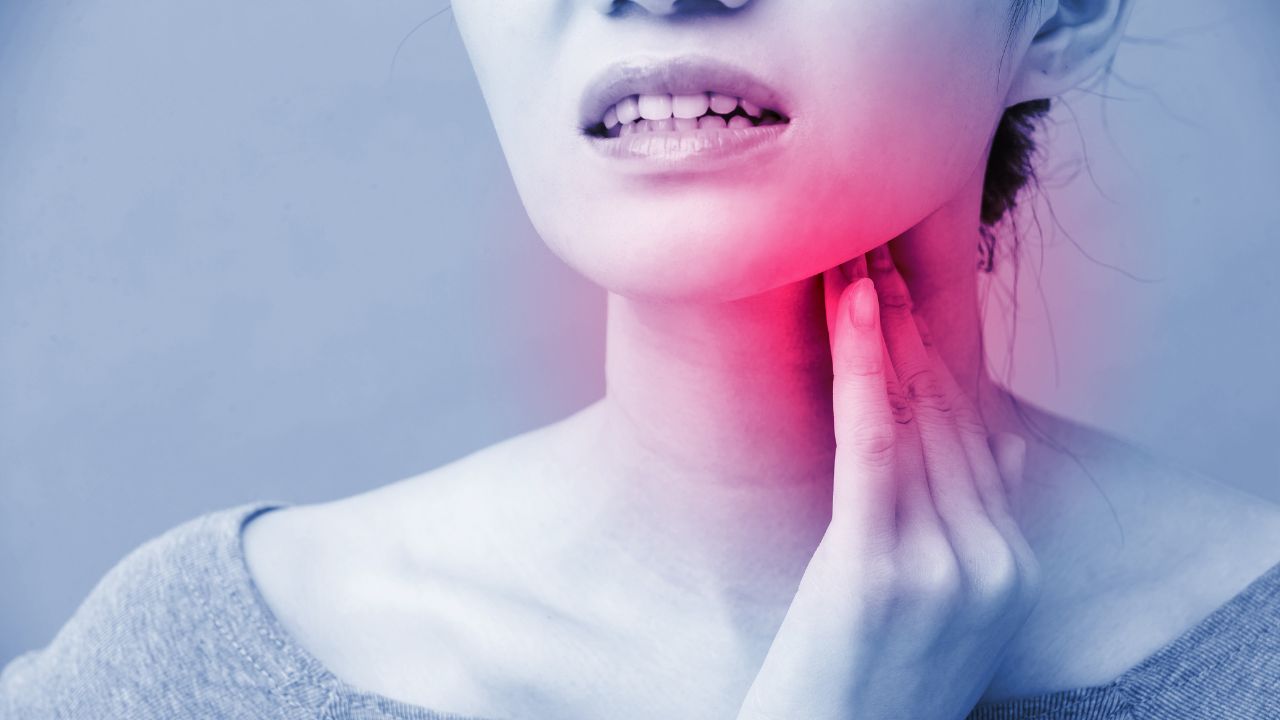
Don’t Let Your Thyroid Hold You Back: Natural Remedies to Support Balance at Home

Don’t Let Your Thyroid Hold You Back: Natural Remedies to Support Balance at Home
Thyroid woes got you down? Feeling fatigued, sluggish, or grappling with unexpected weight changes? Before reaching for conventional medication, consider this: you might have some powerful allies right in your pantry and kitchen garden! While natural remedies can’t “cure” thyroid conditions, they can play a significant role in supporting healthy thyroid function and managing symptoms.

1. Fuel Your Thyroid with the Right Food:

Embrace iodine-rich foods: Seaweed, shellfish, dairy products, and iodized salt are your thyroid’s best friends. Iodine is crucial for hormone production, so make sure you’re getting enough.
Selenium superstars: Brazil nuts, tuna, sardines, and eggs are packed with selenium, another mineral your thyroid craves. It helps convert thyroid hormones into their active forms.
Vitamin B bonanza: B vitamins like B12, B6, and folate are essential for thyroid hormone regulation. Load up on whole grains, beans, legumes, and leafy greens to optimize your intake.
Goitrogen go-slow: Broccoli, kale, cauliflower, and turnips contain goitrogens, which can interfere with iodine absorption in some individuals. Enjoy them in moderation or cook them thoroughly to minimize the effect.

2. Herbs and Supplements for Extra Support:

Ashwagandha: This adaptogenic herb is a thyroid-lover’s dream. It can help regulate hormone production, reduce inflammation, and combat stress, a major trigger for thyroid imbalances.
Coconut oil: This healthy fat boasts medium-chain triglycerides (MCTs) that can boost metabolism and energy levels, potentially benefiting those with hypothyroidism.

Vitamin D: Sunshine deficiency is linked to thyroid issues. Soaking up some rays or taking a vitamin D supplement can be helpful.
Probiotics: A healthy gut microbiome is linked to overall health, including thyroid function. Probiotic-rich foods like yogurt, kimchi, and sauerkraut can be beneficial.

3. Lifestyle Tweaks for a Balanced Thyroid:

  • Stress less, move more: Chronic stress can wreak havoc on your hormones. Prioritize stress-busting activities like yoga, meditation, or spending time in nature. Regular exercise also helps regulate hormones and boost energy levels.
  • Sleep like a king (or queen): Aim for 7-8 hours of quality sleep each night. When you’re sleep-deprived, your body struggles to manage hormones effectively.
  • Hydration hero: Drinking plenty of water is crucial for optimal thyroid function. Aim for 8-10 glasses of water daily to keep your system running smoothly.
    Remember, consulting a healthcare professional is essential before making any dietary or lifestyle changes, especially if you have a diagnosed thyroid condition. They can guide you on a personalized approach that combines natural remedies with conventional treatment, if necessary.

By embracing these natural remedies and lifestyle modifications, you can empower your thyroid to function its best and reclaim your vibrant, energetic self. Remember, you’re not alone on this journey – embrace the support of friends, family, and your healthcare team. Now go forth and conquer your thyroid challenges, one delicious bite and mindful moment at a time!

Tagged : / / /

7 Amazing Foods That Help Prevent Gallstones

7 Amazing Foods That Help Prevent Gallstones
Gallstones are hardened deposits of bile that form in your gallbladder, a small sac located beneath your liver. They can cause pain, nausea, and vomiting, and in some cases, even require surgery. While genetics and certain medical conditions can play a role, diet is also a significant factor in gallstone formation.

Eating a healthy diet rich in fiber, low in saturated fat, and cholesterol can help prevent gallstones. Here are seven amazing foods that you can include in your diet to keep your gallbladder happy and healthy:

1. High-fiber fruits and vegetables: Fiber helps to bind cholesterol and bile acids in the intestines, preventing them from forming into gallstones. Aim for at least 25 grams of fiber per day. Some good choices include fruits like berries, apples, pears, and vegetables like broccoli, Brussels sprouts, and leafy greens.

2. Whole grains: Whole grains are another good source of fiber. They also contain other nutrients, such as magnesium and vitamin B6, which may help to protect against gallstones. Choose whole-wheat bread, brown rice, quinoa, and oats over refined grains. 

3. Olive oil: Olive oil is a healthy monounsaturated fat that can help to reduce cholesterol levels and improve bile flow. Use olive oil for cooking, dressing salads, and drizzling over vegetables.

4. Nuts and seeds: Nuts and seeds are a good source of plant-based protein, fiber, and healthy fats. They also contain magnesium, which may help to prevent gallstones. Choose almonds, walnuts, chia seeds, and flaxseeds.

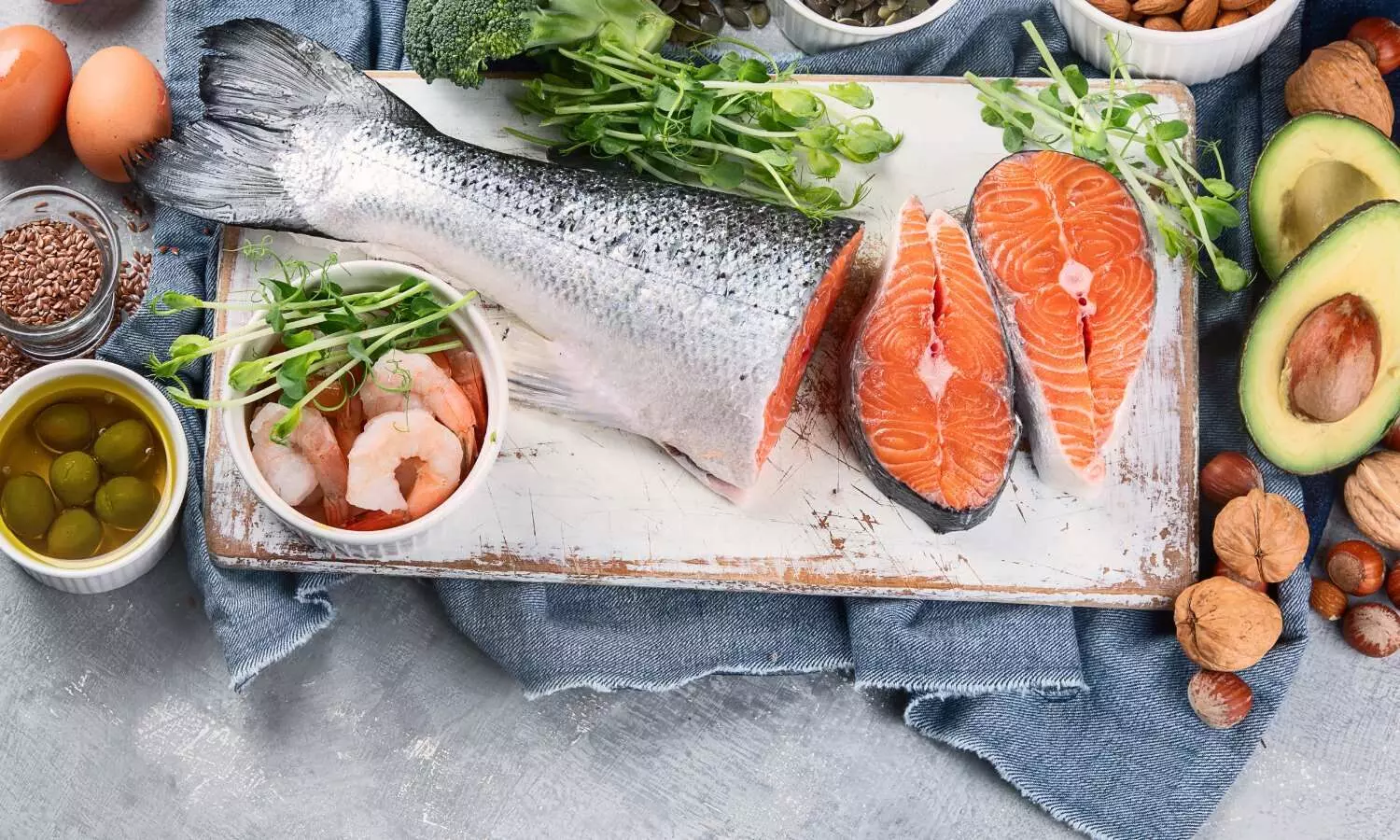
5. Fatty fish: Fatty fish, such as salmon, tuna, and mackerel, are rich in omega-3 fatty acids, which have anti-inflammatory properties. Omega-3s may help to reduce the risk of gallstones. Aim to eat two servings of fatty fish per week.

6. Legumes: Legumes, such as beans, lentils, and chickpeas, are a good source of plant-based protein, fiber, and folate. They may also help to lower cholesterol levels. Aim to include legumes in your diet at least a few times per week.

7. Water: Drinking plenty of water is essential for overall health and can also help to prevent gallstones. Aim to drink eight glasses of water per day.

In addition to eating these foods, it’s also important to limit your intake of saturated fat, cholesterol, and refined sugar. These can all contribute to gallstone formation.

If you are concerned about your risk of gallstones, talk to your doctor. They can help you create a personalized diet plan to reduce your risk.

Remember, these are just general guidelines. It’s always best to talk to your doctor about the best diet for you.

Tagged : / / / /

Protecting Your Little Ones: Warning Signs of Kidney Disease in Children

Protecting Your Little Ones: Warning Signs of Kidney Disease in Children
Our children’s health is our top priority, and keeping their tiny kidneys healthy is crucial. While kidney disease in children is less common than in adults, it’s important to be aware of the warning signs so you can catch any potential issues early on. Early detection and intervention are key to managing kidney disease effectively and preventing complications.

Silent Threat: Why Early Detection Matters

One of the biggest challenges with kidney disease in children is that it often progresses silently, without any noticeable symptoms in the early stages. This makes regular checkups and vigilance from parents all the more important.

Red Flags to Watch Out For:

Changes in urination: This is a key indicator of kidney problems. Look for changes in frequency, urgency, or amount of urine. Blood in the urine (hematuria) is a particularly concerning sign.

Swelling: Puffiness around the eyes, face, feet, or ankles (edema) can be a sign of fluid retention due to kidney dysfunction.

High blood pressure: Even in children, high blood pressure can be a symptom of underlying kidney disease.

Fatigue and lethargy: Unexplained tiredness and lack of energy can be a sign that the kidneys aren’t working properly.

Loss of appetite and nausea: These symptoms can also be associated with kidney problems, especially if accompanied by other warning signs.

Stunted growth: In some cases, kidney disease can affect a child’s growth and development.

Beyond the List:

Remember, every child is different, and these symptoms may not always appear in every case of kidney disease. If you notice any changes in your child’s health or behavior, even subtle ones, it’s always best to consult your pediatrician.

Protecting Your Child’s Kidneys:

While there’s no guaranteed way to prevent kidney disease, there are steps you can take to promote your child’s overall health and kidney function:

  • Encourage a healthy diet: Limit processed foods, sugary drinks, and excessive salt intake. Focus on fresh fruits, vegetables, and whole grains.
  • Ensure adequate hydration: Proper water intake is essential for healthy kidneys. Encourage your child to drink plenty of water throughout the day.
  • Regular exercise: Physical activity is crucial for overall health and can help regulate blood pressure.
  • Manage chronic conditions: If your child has any existing health conditions like diabetes or high blood pressure, ensure they receive proper treatment and monitoring.

    By being aware of the warning signs, taking preventive measures, and seeking medical advice promptly, you can help protect your child’s precious kidneys and ensure their long-term health and well-being. Remember, early detection and intervention are key to managing kidney disease effectively and giving your child the best chance for a healthy life.

Tagged : / / / / /

5 Realistic Ways to Actually Slow Down the Process of Aging

5 Realistic Ways to Actually Slow Down the Process of Aging
Aging is an inevitable part of life, but that doesn’t mean we have to surrender to wrinkles and creaky joints without a fight. By incorporating some simple yet effective habits into our daily lives, we can slow down the aging process and embrace a healthier, more vibrant version of ourselves. Here are 5 realistic ways to achieve just that:

1. Nourish Your Body with a Rainbow of Goodness:

What you eat plays a crucial role in how you age. Ditch the processed junk and embrace a diet rich in fruits, vegetables, whole grains, and healthy fats. These foods are packed with antioxidants and essential nutrients that combat free radical damage, keeping your cells healthy and your skin glowing. Think leafy greens, colorful berries, nuts, and avocados for a diet that’s as delicious as it is anti-aging.

2. Move Your Body, and Keep it Moving:

Regular exercise isn’t just good for your waistline; it’s also a fountain of youth! Physical activity strengthens your muscles and bones, improves circulation, and boosts brain function, all of which contribute to a more youthful appearance and overall well-being. Aim for at least 150 minutes of moderate-intensity exercise per week, or a combination of cardio and strength training. A brisk walk, a fun dance session, or a yoga class can all be fantastic ways to keep your body moving and your cells rejuvenated.

3. Befriend Sleep, Your Ultimate Rejuvenator:

While we sleep, our bodies repair and restore themselves, making sleep essential for both physical and mental health. Aim for 7-8 hours of quality sleep each night to allow your body to do its magic. Create a relaxing bedtime routine, avoid screens before bed, and ensure a cool, dark sleeping environment for optimal slumber. Remember, sleep deprivation shows on your face, so prioritize those precious Zzz’s for a youthful glow.

4. Stress Less, Live More:

Chronic stress wreaks havoc on our bodies, accelerating the aging process. Find healthy ways to manage stress, whether it’s through meditation, yoga, spending time in nature, or simply connecting with loved ones. Learning to relax and de-stress not only improves your mood but also keeps your cells happy and healthy, leading to a more youthful appearance.

5. Embrace the Sunshine, but with Caution:

While moderate sun exposure can be beneficial for vitamin D synthesis, excessive sunbathing is a major contributor to wrinkles and age spots. Protect your skin with a broad-spectrum sunscreen of SPF 30 or higher every time you step out, even on cloudy days. Additionally, consider wearing protective clothing and hats, especially during peak sun hours. Remember, sun protection is essential for maintaining healthy, youthful skin throughout your life.

By incorporating these 5 realistic tips into your daily routine, you can take control of your aging process and embrace a healthier, more vibrant version of yourself. Remember, aging is a natural part of life, but it doesn’t have to define you. With a little effort and the right approach, you can slow down the clock and live your life to the fullest, at any age!

Bonus Tip: Don’t underestimate the power of laughter, social connection, and a positive attitude. Staying positive, having fun, and nurturing your relationships can add years to your life and keep your spirit young.

So, let’s ditch the age-defying creams and quick fixes, and focus on building a healthy lifestyle that promotes inner and outer well-being. Remember, the best way to slow down aging is to embrace life with every fiber of your being, and age gracefully with wisdom, vitality, and a smile!

Tagged : / / /

Setting Weight Loss Goals: The Key to Unlocking a Fitter You!

Setting Weight Loss Goals: The Key to Unlocking a Fitter You!
We all know the drill: New Year, new you, new weight loss goals. But let’s be honest, those resolutions often fizzle out faster than a firework on Diwali. Why? Because vague aspirations like “get fit” or “lose weight” lack the specificity and direction needed for lasting success.

Instead, we need SMART goals: Specific, Measurable, Achievable, Relevant, and Time-bound. These are the goal-setting superheroes that will propel you towards a fitter, healthier you.

Step 1: Be a Detective. Uncover Your “Why”.

Before diving into numbers, ask yourself: why do I want to lose weight? Is it for better health, increased energy, or finally fitting into those dream jeans? Identifying your “why” fuels your motivation and keeps you going when the going gets tough.

Step 2: Ditch the Wishful Thinking, Embrace Reality.

Aiming to shed 20 pounds in a month might sound exciting, but it’s a recipe for disappointment and discouragement. Instead, base your goals on realistic expectations. A healthy weight loss rate is 1-2 pounds per week. So, aiming for 5-10 pounds in a month is far more achievable and sustainable.

Step 3: Make it Measurable. Numbers are Your Friends!

Don’t just say “eat healthier.” Quantify it! Aim for five servings of fruits and vegetables daily, or swap sugary drinks for water. Similarly, instead of “exercise more,” set a specific target like three 30-minute workouts per week. Tracking your progress, whether through a fitness tracker or a simple notebook, keeps you accountable and celebrates your milestones.

Step 4: Keep it Relevant. Tailor Your Goals to Your Lifestyle.

A fitness fanatic’s goals might not work for a busy parent. Choose activities you enjoy and can realistically fit into your schedule. Love dancing? Aim for two Zumba classes a week. Prefer the outdoors? Schedule weekend hikes with friends. Making exercise fun and social increases the chances of you sticking with it.

Step 5: Time Flies, Goals Don’t. Set Deadlines!

Having an end date gives you a clear target and prevents procrastination. Break down your long-term goal into smaller, weekly or monthly milestones. Achieving these mini-victories fuels your confidence and keeps you motivated on the path to success.

Remember, goal setting is a journey, not a destination. There will be bumps along the way, plateaus to conquer, and maybe even a slice of cake that beckons too loudly. But with SMART goals guiding you, you’ll have the resilience and direction to navigate these challenges and emerge fitter, healthier, and most importantly, proud of the amazing you that you’re becoming.

So, unleash your inner goal-setting superhero, embrace the SMART approach, and unlock the door to a fitter, happier you!

Bonus Tip: Celebrate your successes! Reward yourself for reaching milestones, not just the final goal. A new workout outfit, a relaxing spa day, or simply acknowledging your progress can keep you motivated and on track.

Tagged : / / /

Cycling vs Walking: Pedaling Away the Pounds or Pounding the Pavement?

Cycling vs Walking: Pedaling Away the Pounds or Pounding the Pavement?
When it comes to shedding pounds, two age-old contenders stand out: cycling and walking. Both offer a healthy dose of exercise, but which reigns supreme for weight loss? Let’s hop on our bikes and hit the pavement to find out!

Calorie Combustion: Cycling Takes the Lead

Cycling generally burns more calories per minute than walking. A 150-pound person can torch around 260 calories in 30 minutes of moderately paced cycling, compared to 130 calories for brisk walking. This calorie-blasting edge comes from engaging larger muscle groups in your legs and core. So, if you’re looking for a faster calorie burn, cycling might be your champion.

Fat-Burning Battleground: It’s a Tie (With Nuances)

While cycling burns more total calories, walking might have a slight edge in fat-burning. Walking, especially uphill or on uneven terrain, engages more stabilizing muscles and increases fat metabolism. Additionally, a study suggests walking might be better at targeting belly fat, a pesky culprit in health issues. Ultimately, both activities can help you lose fat, and the key lies in consistency and a calorie deficit.

Joint Journey: Walking Wins the Comfort Round

Walking is a low-impact exercise, making it gentler on your joints, especially the knees and ankles. This is particularly beneficial for people with joint pain or limited mobility. Cycling, while generally safe, can put some strain on the lower back and knees, especially with improper posture or on hilly terrain. So, if joint health is a concern, walking might be your smoother stride.

Mental Miles: Choose Your Mood Booster

Both cycling and walking offer mental health benefits. Cycling can be exhilarating, providing a sense of freedom and speed. Walking, on the other hand, can be meditative and grounding, allowing you to connect with nature and your surroundings. Choose the activity that sparks joy and elevates your mood, as consistency is key for long-term weight loss success.

The Verdict: It’s a Draw!

Both cycling and walking are fantastic tools for weight loss, each with its own strengths and weaknesses. The best choice depends on your individual preferences, fitness level, and joint health. You can even mix and match both activities for a well-rounded workout routine. Remember, consistency is key, so find an activity you enjoy and stick with it!

Bonus Tip: Don’t forget about diet! A healthy, balanced diet combined with regular exercise is the ultimate recipe for weight loss success.

So, lace up your shoes or pump up your tires, and get ready to conquer your weight loss goals! Whether you choose to cycle or walk, remember, every step and pedal stroke counts!

Tagged : / / / / /

5 Superfoods for Kidney Health to Include in Your Daily Diet

5 Superfoods for Kidney Health to Include in Your Daily Diet
Our kidneys are silent powerhouses, working tirelessly to filter waste products from our blood and maintain electrolyte balance. Keeping them healthy is crucial for overall well-being, and incorporating certain superfoods into your daily diet can play a significant role. Here are 5 kidney-friendly superstars you should consider adding to your plate:

1. Berries: These antioxidant powerhouses are packed with vitamins, minerals, and fiber, all of which contribute to kidney health. Blueberries, strawberries, and cranberries are particularly beneficial, thanks to their anti-inflammatory properties and ability to help prevent urinary tract infections.

2. Cruciferous Vegetables: Broccoli, kale, and cabbage are loaded with sulforaphane, a compound that helps detoxify the body and protect the kidneys from damage. They’re also rich in vitamin C and potassium, further supporting kidney function.

3. Fatty Fish: Salmon, tuna, and mackerel are excellent sources of omega-3 fatty acids, which have anti-inflammatory effects and can help reduce protein in the urine, a marker of kidney damage. Aim for two servings per week of these oily fish.

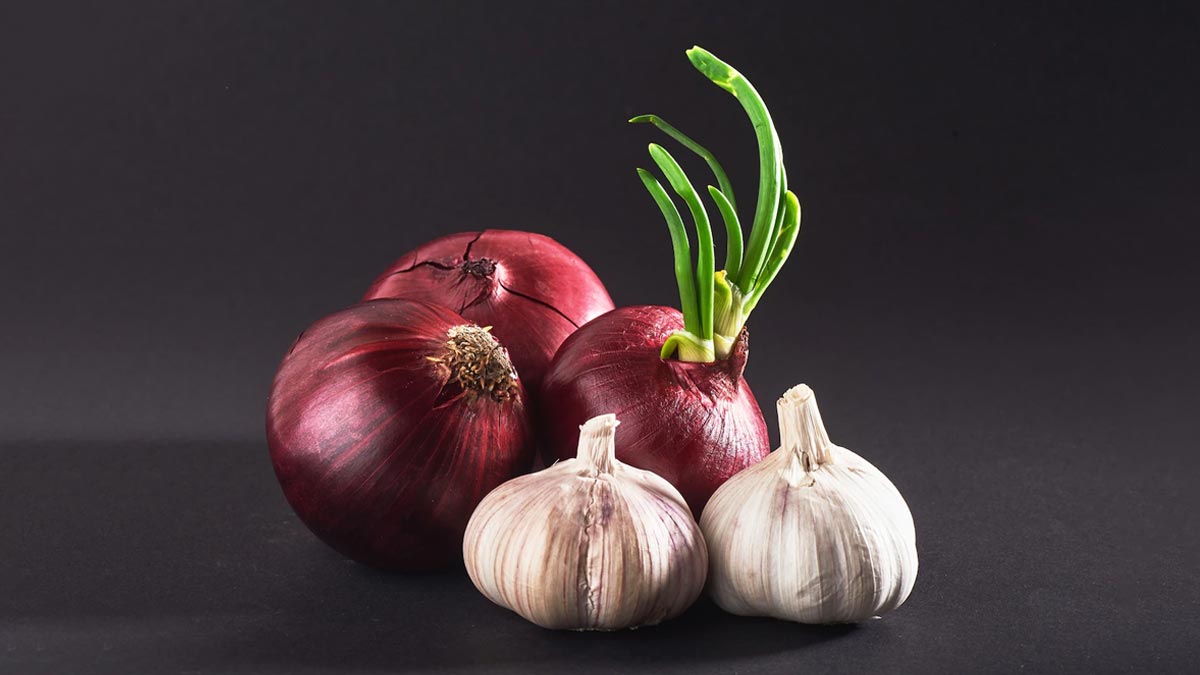
4. Garlic and Onions: These flavorful allies contain allicin, a compound with antioxidant and anti-inflammatory properties. Studies suggest that regular consumption of garlic and onions may help protect against kidney disease.

5. Bell Peppers: These vibrant vegetables are low in potassium and phosphorus, making them ideal for kidney-conscious individuals. They’re also packed with vitamin C and antioxidants, further supporting kidney health.

Remember, while these superfoods are excellent for kidney health, moderation is key. It’s important to consult a healthcare professional for personalized dietary advice, especially if you have any existing kidney concerns.

Bonus Tip: Hydration is essential for kidney function! Aim for eight glasses of water per day, and adjust based on your activity level and climate.

By incorporating these kidney-friendly superfoods into your daily diet and staying hydrated, you can give your silent heroes the support they deserve and contribute to a long and healthy life.

Tagged : / / / /

7 Japanese Habits for a Youthful and Energetic Life

7 Japanese Habits for a Youthful and Energetic Life
Living in Japan is often associated with longevity and well-being. But what exactly are the secrets to their youthful energy? It’s not just about genetics; a big part of it lies in their daily habits. Here are 7 Japanese habits you can incorporate into your own life for a healthier and more vibrant you:

1. Hara Hachi Bu: This translates to “eat until 80% full.” The Japanese practice mindful eating, savoring their food and stopping before they feel stuffed. This not only helps with weight management but also aids digestion and prevents overeating.

2. Green Tea Ritual: Green tea is a staple in the Japanese diet, and for good reason. It’s packed with antioxidants that combat free radicals and inflammation, promoting overall health and longevity. So, ditch the sugary sodas and swap them for a steaming cup of green tea!

3. Embrace Nature: Gardening is a popular activity in Japan, and for good reason. Spending time outdoors surrounded by greenery reduces stress, boosts mood, and provides gentle exercise. Whether you have a balcony garden or a sprawling backyard, commune with nature for a dose of youthful energy.


4. The Power of Hot Baths: The Japanese love their hot baths, or Onsens. Soaking in hot water improves circulation, relaxes muscles, and eases joint pain. It’s also a great way to unwind after a long day, promoting better sleep and reducing stress.

5. Move It or Lose It: Regular exercise is key to maintaining a youthful body and mind. The Japanese prioritize physical activity, whether it’s brisk walking, cycling, or traditional exercises like Tai Chi. Find an activity you enjoy and make it a regular part of your routine.

6. Never Stop Learning: The Japanese value lifelong learning and mental stimulation. They constantly challenge themselves with new hobbies, skills, and intellectual pursuits. This keeps the mind sharp, engaged, and youthful. So, pick up a new language, read a challenging book, or enroll in a stimulating course.

7. Strong Social Connections: Social bonds are vital for overall well-being. The Japanese prioritize strong family and community ties, providing emotional support and a sense of belonging. Nurture your relationships, spend time with loved ones, and build a strong social network.

Remember, adopting these habits is not about drastic changes but about gradual integration into your lifestyle. Start small, be consistent, and witness the positive impact on your energy, health, and overall well-being. With a little Japanese wisdom, you can unlock the secret to a long and vibrant life!

Tagged : / / / / /

Game Changer! Affordable Vaccine Promises Dramatic Drop in “Bad” Cholesterol

Game Changer! Affordable Vaccine Promises Dramatic Drop in “Bad” Cholesterol
A groundbreaking new vaccine developed by researchers at the University of New Mexico School of Medicine is offering a glimmer of hope for millions struggling with high cholesterol. This novel vaccine, if successful, could revolutionize cardiovascular health by offering a safe, affordable, and potentially long-lasting way to lower levels of “bad” cholesterol, or LDL, by up to 30%.

The key lies in targeting the PCSK9 protein, a major culprit behind high LDL levels. Existing PCSK9-inhibiting drugs are incredibly effective but come with a hefty price tag and often require injections every two weeks, making them inaccessible to many patients. This new vaccine, however, works differently.

“Think of it like showing your immune system a wanted poster,” explains Dr. Bryce Chackerian, lead researcher on the project. “The vaccine uses an empty virus shell to display tiny bits of the PCSK9 protein. This triggers your body to naturally produce antibodies that target and neutralize the bad cholesterol, potentially bringing its levels down significantly.”

The potential benefits are immense. High LDL cholesterol is a major risk factor for heart disease, stroke, and other cardiovascular complications. Lowering LDL levels through medication has been proven to save lives, but current options often come with drawbacks like cost, side effects, or inconvenience.

This new vaccine, on the other hand, promises to be:

i. Affordable: Produced using bacteria, the vaccine is estimated to cost a fraction of current PCSK9 inhibitors, making it accessible to a wider population.
ii. Convenient: Unlike bi-weekly injections, the vaccine requires fewer doses, potentially lasting for months or even years.
iii. Safe: Initial trials have shown no significant side effects, making it a potentially suitable option for a broader range of patients.

While the research is still in its early stages, the results so far are encouraging. Animal studies have shown significant reductions in LDL levels, and early human trials have also yielded promising results. However, larger-scale clinical trials are still needed to confirm the vaccine’s safety and efficacy.

“This vaccine has the potential to be a game-changer in the fight against cardiovascular disease,” says Dr. Abinash Achrekar, a cardiologist involved in the study. “If successful, it could give millions of people a safe and affordable way to control their cholesterol and live healthier lives.”

The road to market for this innovative vaccine is still long, but the potential impact is undeniable. Millions of people worldwide struggle with high cholesterol, and this vaccine offers a ray of hope for a future where managing this condition is more accessible and effective than ever before. The scientific community is watching closely, and the world waits with anticipation for the next chapter in this promising story.

Tagged : / / / /

Pink Guava: Beyond the Blush – A Diabetic’s Superfruit Secret

Pink Guava: Beyond the Blush – A Diabetic’s Superfruit Secret
There’s a reason why the blushing, tropical beauty known as the pink guava is rising in popularity, and it’s not just the Instagram-worthy hue. Beyond its irresistible sweetness and refreshing tang, this little fruit packs a secret arsenal of health benefits, particularly for those keeping sugar in check.

So, if you’re managing diabetes or simply looking for a delightful and diabetes-friendly way to boost your well-being, step aside bananas and hello pink guavas! Here’s why:

1. Low Glycemic King: Unlike many fruits that send blood sugar on a rollercoaster ride, pink guava boasts a surprisingly low glycemic index (GI) of around 24. This means it digests slowly, releasing sugar gradually and preventing spikes in blood sugar levels.

2. Fiber Fortress: Guavas are fiber champions, with one serving offering nearly 9 grams of this gut-friendly goodness. Fiber not only slows down sugar absorption but also helps manage weight and keeps you feeling full for longer. This is a win-win for anyone watching their diet and managing blood sugar.

3. Vitamin Wonderland: Don’t be fooled by its tiny size; the pink guava is a powerhouse of vitamins. Vitamin C reigns supreme, offering a whopping 126% of your daily needs in a single serving, boosting your immune system and fighting inflammation. It’s also rich in vitamin A, good for eyes and skin, and B vitamins, essential for energy metabolism.

4. Antioxidant Arsenal: These vibrant fruits are loaded with antioxidants like carotenoids and flavonoids, which combat free radicals and protect your cells from damage. This, in turn, reduces the risk of chronic diseases like diabetes and heart disease.

5. Blood Sugar Balancing Act: Guava not only excels in prevention but also actively aids in blood sugar control. Studies suggest that guava leaf extract can improve insulin sensitivity and help regulate blood sugar levels.

6. Beyond the Bowl: Don’t limit yourself to just devouring slices of this delectable fruit. Get creative! Blend it into smoothies for a tropical twist, incorporate it into salsas for a sweet and spicy kick, or whip up some guava jam for a guilt-free spread.

Beyond the pink flesh, the humble guava reveals a treasure trove of benefits, particularly for those managing diabetes. Its low GI, high fiber content, and vitamin wonderland make it a delicious and powerful ally in a healthy lifestyle. So, embrace the blush of the pink guava and unlock its secret weapons for a sweeter, healthier future.

Tagged : / / / / /

Covid 19 JN.1 on the Rise: Stay Informed, Stay Safe!

Covid 19 JN.1 on the Rise: Stay Informed, Stay Safe!
We have seen some extremely terrible times from 2020 to 2022 because of the Covid -19 pandemic. And now, as the JN.1 subvariant of Covid-19 shows increased activity in India, staying vigilant and informed is crucial. Here’s what you need to know:

The Situation:

JN.1, a descendant of Omicron, has seen cases rise in 8 states, with Gujarat, Karnataka, and Goa reporting the highest numbers. While severity of cases seems similar to previous variants, increased vigilance is necessary due to its transmissibility.

What You Should Do?

  • Stay Up-to-date: Follow reliable news sources and official health advisories for accurate information.
  • Mask Up & Keep Distance: Masks remain essential, especially indoors and in crowded spaces. Maintain healthy social distancing.
  • Hygiene Habits: Frequent hand-washing and sanitizing surfaces are essential for curbing the spread.
  • Get Vaccinated & Boosted: Ensure you’re fully vaccinated and consider boosters, especially for vulnerable individuals.
  • Monitor Symptoms: Be alert for common symptoms like fever, cough, and fatigue. Get tested if you experience any.

Remember:

  • Panic is not the answer. Be informed, take precautions, and trust the healthcare system.
  • Protect yourself and those around you by following simple but effective measures.
  • Together, we can navigate this phase safely and responsibly.

By staying informed and taking responsible actions, we can help control the spread of JN.1 and protect ourselves and our loved ones. Let’s prioritize personal health while staying positive and united in the fight against Covid-19.

Tagged : / / / /

Beyond the Cloth: The Rise of ‘Smart’ Masks in the Covid-19 Era

Beyond the Cloth: The Rise of ‘Smart’ Masks in the Covid-19 Era
Gone are the days of plain old cloth masks. In the age of Covid-19, face masks have become high-tech gadgets, with a new breed of “smart” masks emerging at the forefront of innovation. These masks go beyond basic filtration, boasting built-in air purifiers, rechargeable batteries, and even USB connectivity. But are these futuristic masks worth the hype?

Let’s delve into the key features of these smart masks:

i. Built-in Air Purifiers: Say goodbye to stuffy filters! These masks incorporate miniature air purifiers, using fans and HEPA filters to actively draw in and clean the air you breathe. This can be especially beneficial in polluted environments or for those with respiratory sensitivities.

ii. Enhanced Filtration: Many smart masks offer multi-layered filtration systems, capturing even the tiniest particles. Some even use activated carbon filters to tackle odors and harmful gases.

iii. Battery Power and USB Charging: No more tossing out disposable masks! Smart masks boast rechargeable batteries, powering the air purifier and other features for extended periods. Convenient USB charging makes them easy to top up on the go.

iv. Tech Savvy Features: Some masks take things further with smartphone connectivity, allowing you to monitor air quality, adjust fan speeds, and even track filter replacements.

So, are these high-tech masks worth the investment? While pricey compared to their traditional counterparts, smart masks offer several advantages:

  • Improved Protection: Enhanced filtration and active air purification provide extra peace of mind in high-risk environments.
  • Comfort and Convenience: Rechargeable batteries and comfortable designs make long-term wear more feasible.
  • Tech-driven Insights: Some masks offer valuable data on air quality and filter performance, empowering you to make informed choices.                                                                                                                                                          However, it’s crucial to choose wisely. Not all smart masks are created equal. Look for certifications like N95 or FFP2 for guaranteed filtration effectiveness. Battery life and app compatibility are also important factors to consider.

As the battle against Covid-19 continues, these innovative ‘smart’ masks offer a glimpse into a future where protection and technology go hand-in-hand. Whether you’re a tech enthusiast or simply prioritize top-notch protection, these futuristic masks may be worth exploring. After all, when it comes to your health, who says you can’t be both safe and stylish?

Tagged : / / / /

Clogged Arteries? Consume these 7 Foods in your Daily Diet

Clogged Arteries? Consume these 7 Foods in your Daily Diet
Clogged arteries are a major health concern, and they can lead to serious problems like heart disease, stroke, and peripheral artery disease. But what you eat can make a big difference in your risk of developing clogged arteries.

In this blog post, we will discuss seven foods that you should include in your daily diet to help keep your arteries clear and healthy.

1. Fatty Fish

Fatty fish, such as salmon, sardines, and mackerel, are a great source of omega-3 fatty acids. Omega-3s have been shown to reduce inflammation, lower blood pressure, and improve blood flow. Aim to eat fatty fish at least twice a week.

2. Avocados

Avocados are a good source of monounsaturated fats, which can help to lower LDL (bad) cholesterol and raise HDL (good) cholesterol. They are also a good source of fiber, which can help to keep your blood sugar levels under control.

3. Nuts and Seeds

Nuts and seeds are a good source of healthy fats, fiber, and protein. They also contain antioxidants, which can help to protect your arteries from damage. Aim to eat a handful of nuts or seeds each day.

4. Olive Oil

Olive oil is a good source of monounsaturated fats and antioxidants. It can help to lower LDL cholesterol and raise HDL cholesterol. Use olive oil for cooking, salad dressings, and dips.

5. Fruits and Vegetables

Fruits and vegetables are low in calories and fat and high in fiber, vitamins, and minerals. They can help to lower blood pressure, improve blood flow, and reduce inflammation. Aim to eat five servings of fruits and vegetables each day.

6. Whole Grains

Whole grains are a good source of fiber, which can help to lower LDL cholesterol and improve blood sugar control. Choose whole-wheat bread, brown rice, and quinoa over refined grains.

7. Dark Chocolate

Dark chocolate is a good source of antioxidants, which can help to protect your arteries from damage. Choose dark chocolate with at least 70% cocoa solids.

In addition to eating these foods, there are other things you can do to reduce your risk of clogged arteries. These include quitting smoking, limiting your intake of alcohol, getting regular exercise, and managing stress.

If you are concerned about your risk of clogged arteries, talk to your doctor. They can help you create a plan to reduce your risk.

Tagged : / / / /

Trick Your Stomach, Trim Your Waistline: Could a Vibrating Capsule Be the Key to Weight Loss?

Trick Your Stomach, Trim Your Waistline: Could a Vibrating Capsule Be the Key to Weight Loss?
For those struggling with obesity, the quest for effective weight loss solutions can feel like an endless pursuit. But what if a simple pill – one that vibrates in your stomach – could help curb your appetite and shed those unwanted pounds?

That’s the promise of a revolutionary new development from MIT engineers – a vibrating ingestible capsule designed to trick your brain into feeling full. This tiny pill, about the size of a large vitamin, houses a miniature motor that kicks in once it reaches your stomach. The gentle vibrations stimulate nerve endings that send signals to your brain, mimicking the sensation of a full stomach and reducing your urge to eat.

Early tests on pigs showed promising results: animals who swallowed the pill before meals consumed 40% less food compared to those without it. The researchers believe this technology could offer a minimally invasive and affordable alternative to existing weight-loss treatments, like surgery or expensive medications.

Here’s how it works:

Stomach Stretch Receptors: Your stomach has stretch receptors that signal fullness to your brain. The vibrations from the capsule mimic the activation of these receptors, tricking your brain into thinking you’ve eaten more than you have.

Hormonal Harmony: The capsule also appears to stimulate the release of satiety hormones like leptin, further reinforcing the feeling of fullness.

No Strings Attached: Unlike gastric balloons or restrictive bands, the vibrating capsule doesn’t require surgery or any invasive procedures. You simply swallow it like any other pill, and it passes through your digestive system naturally after about 30 minutes.

While still in its early stages of development, this vibrating capsule technology holds exciting potential for the millions battling obesity. It offers a potentially safe, non-invasive, and convenient way to manage weight and improve overall health.

However, some questions remain:

  • Will it work in humans? While pig trials were successful, human trials are needed to confirm the effectiveness and safety of the capsule in our bodies.
  • Long-term effects: What are the long-term implications of repeatedly stimulating stomach receptors? More research is needed to understand any potential side effects.
  • Accessibility and affordability: Can this technology be made readily available and affordable for everyone who needs it?                                                            Despite these uncertainties, the vibrating capsule presents a glimpse into a future where weight management might be as simple as taking a pill. While it’s not a magic bullet, it could be a valuable tool in the fight against obesity, alongside healthy diet and exercise habits.

So, stay tuned! As research progresses, this vibrating pill might just become the next big shake-up in the weight-loss world. And who knows, maybe a future where a quick rumble in your tummy helps you trim your waistline is closer than we think.

Tagged : / / / / /
Verified by ExactMetrics