7 Japanese Habits for a Youthful and Energetic Life

7 Japanese Habits for a Youthful and Energetic Life
Living in Japan is often associated with longevity and well-being. But what exactly are the secrets to their youthful energy? It’s not just about genetics; a big part of it lies in their daily habits. Here are 7 Japanese habits you can incorporate into your own life for a healthier and more vibrant you:

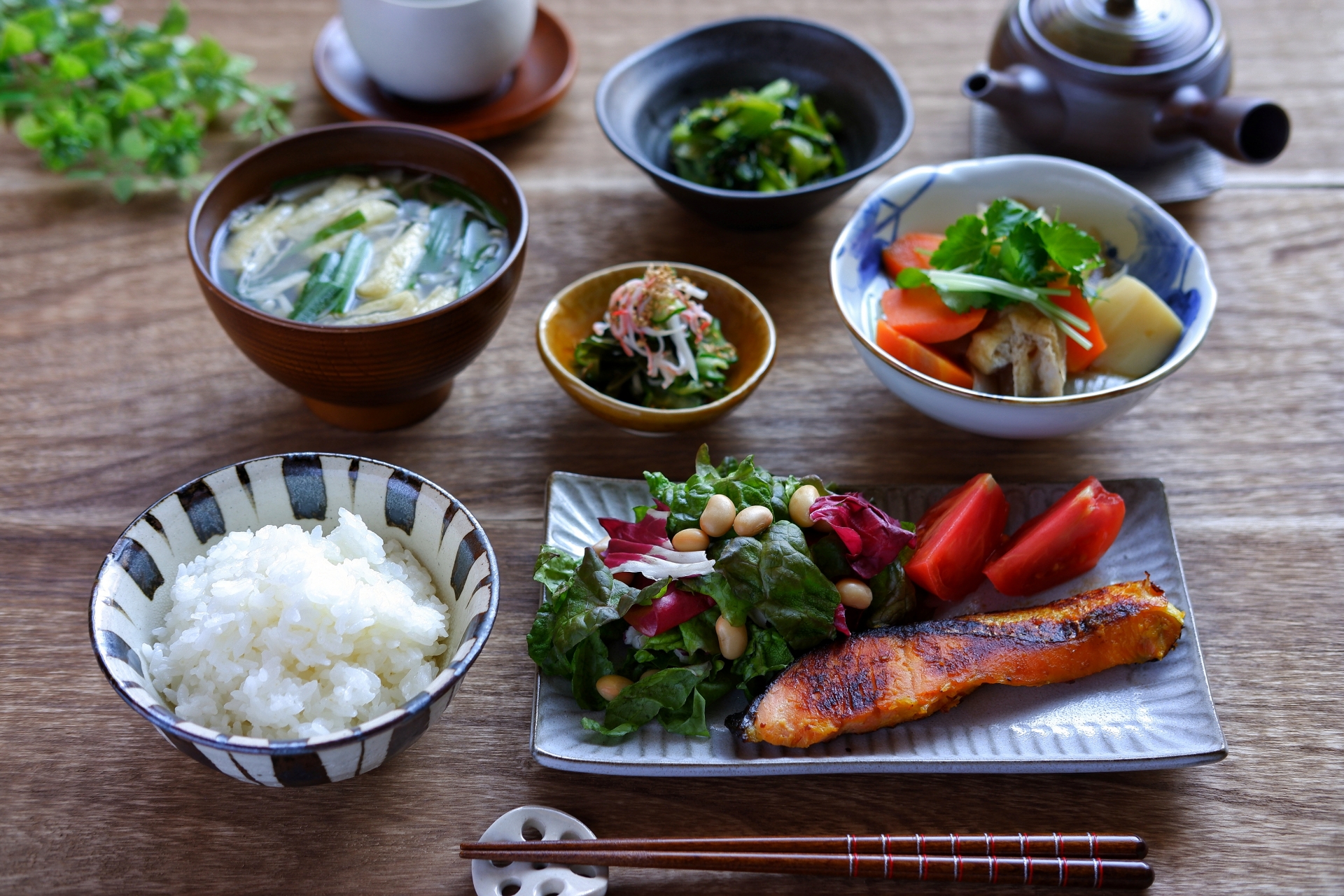
1. Hara Hachi Bu: This translates to “eat until 80% full.” The Japanese practice mindful eating, savoring their food and stopping before they feel stuffed. This not only helps with weight management but also aids digestion and prevents overeating.

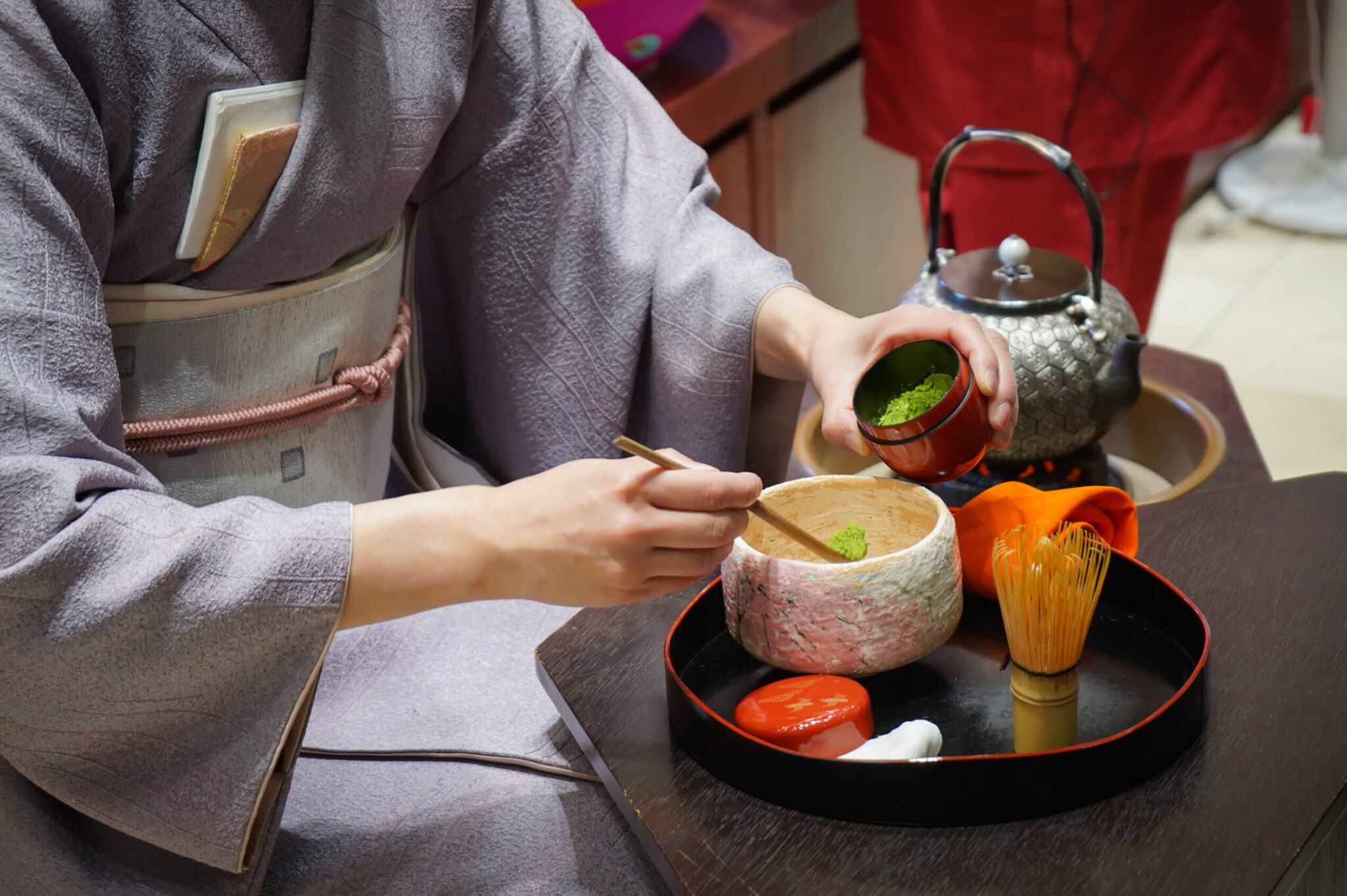
2. Green Tea Ritual: Green tea is a staple in the Japanese diet, and for good reason. It’s packed with antioxidants that combat free radicals and inflammation, promoting overall health and longevity. So, ditch the sugary sodas and swap them for a steaming cup of green tea!

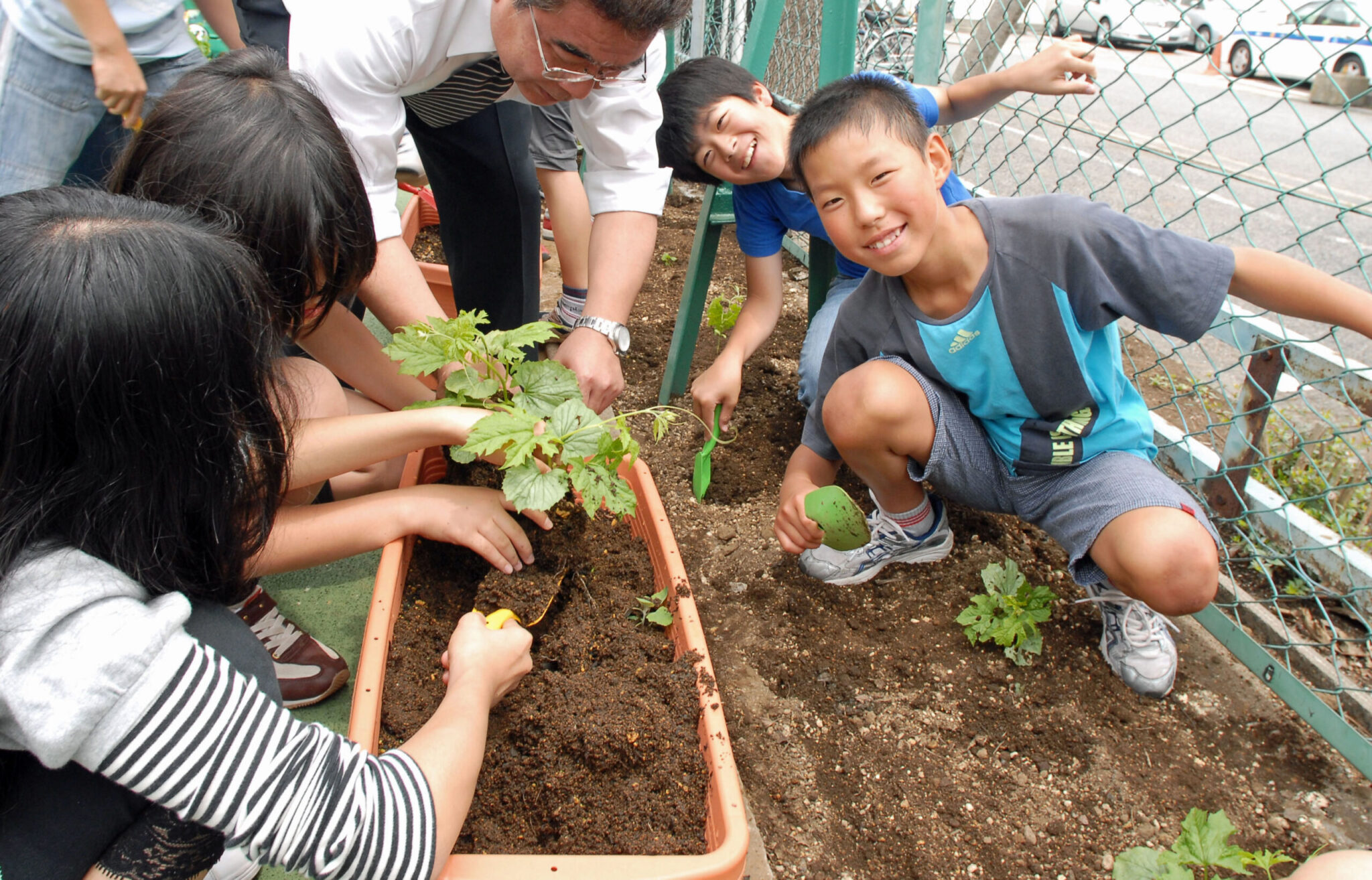
3. Embrace Nature: Gardening is a popular activity in Japan, and for good reason. Spending time outdoors surrounded by greenery reduces stress, boosts mood, and provides gentle exercise. Whether you have a balcony garden or a sprawling backyard, commune with nature for a dose of youthful energy.
 

4. The Power of Hot Baths: The Japanese love their hot baths, or Onsens. Soaking in hot water improves circulation, relaxes muscles, and eases joint pain. It’s also a great way to unwind after a long day, promoting better sleep and reducing stress.

5. Move It or Lose It: Regular exercise is key to maintaining a youthful body and mind. The Japanese prioritize physical activity, whether it’s brisk walking, cycling, or traditional exercises like Tai Chi. Find an activity you enjoy and make it a regular part of your routine.

6. Never Stop Learning: The Japanese value lifelong learning and mental stimulation. They constantly challenge themselves with new hobbies, skills, and intellectual pursuits. This keeps the mind sharp, engaged, and youthful. So, pick up a new language, read a challenging book, or enroll in a stimulating course.

7. Strong Social Connections: Social bonds are vital for overall well-being. The Japanese prioritize strong family and community ties, providing emotional support and a sense of belonging. Nurture your relationships, spend time with loved ones, and build a strong social network.

Remember, adopting these habits is not about drastic changes but about gradual integration into your lifestyle. Start small, be consistent, and witness the positive impact on your energy, health, and overall well-being. With a little Japanese wisdom, you can unlock the secret to a long and vibrant life!

Tagged : / / / / /

These 7 Lifestyle Habits of Japanese People Help Them Live Longer Than Others!

These 7 Lifestyle Habits of Japanese People Help Them Live Longer Than Others!
There was a time when Japanese Mortality rate was quite high but Japan experienced the greatest decrease in mortality after World War 2. As compared to citizens of other nations, it has continuously led the global rankings for living longer and healthier lives. Although there isn’t a single explanation for this, scientists think that a variety of factors have contributed to Japan’s success. Here we present 7 most important and prevalent lifestyle habits among Japanese people that help them live longer:

1. Consumption of vegetables
In contrast to Western nations, the Japanese eat a lot of fresh vegetables, seaweed, fermented soy, rice, and seafood. It makes sure there are enough minerals, vitamins, and phytochemicals. Regarding mortality, the eating habit definitely makes a difference.

2. Different cooking method
Japanese food is typically prepared using a lot of steaming, fermenting, slow cooking, pan-grilling, and stir-frying. In addition, the Japanese cook modest dishes and are accustomed to drinking a bowl of soup prior to each meal. The body obtains enough fibre when a small amount of all vegetables, grains, and fish are taken each day.

3. The history of tea
Due to its anti-bacterial characteristics, Japan’s tea-drinking tradition plays a significant role in the country’s disease-fighting efforts. While coffee doesn’t harm our bodies, matcha and other types of tea are much better for us.

4. Food that is truly fresh
Japan is one of the few nations where this is the case. Japanese people have the good fortune to consume their food hours after it is produced. The enormous amount of agricultural land and the relatively small population help keep demand and supply in balance. The body can produce more energy and be more active throughout the day with the support of fresh meals.

5. Smaller plates and portions
Japanese society places a strong emphasis on manners and portion control. They use chopsticks, eat out of little pots, delicately decorate their food, serve it in tiny dishes, etc. The Japanese never consume food until they are unable to move. Japanese people typically eat until they are 8% full. This promotes greater mobility and simple digestion.

6. More physical activity
Japanese commuters enjoy using public transport. They get up, travel to the closest station, stand in queue for the train, and then walk from the station to their place of employment. Using an automobile is regarded as a luxury even if there are many of them in the country. Every morning, the Japanese receive a wake-up call for exercise. This leads to more energy, improved athletic performance, and greater attention at work.

7. Healthcare
Beginning in 1960, Japan has complete healthcare. Over a dozen times a year, they go to the doctor. Compared to their US counterpart, this is four times more. The fact that it only costs the Japanese government 8% of the GDP is remarkable. It goes without saying that Japanese people are informed of any potential diseases they may have well in advance of any potential harm. SO that get timely medical intervention and most of the diseases are nipped in the bud.

If you can follow all or at least 5 of these practices, you will surely be healthy and you too will get to live a long life.

Tagged : / / / / /
Verified by ExactMetrics