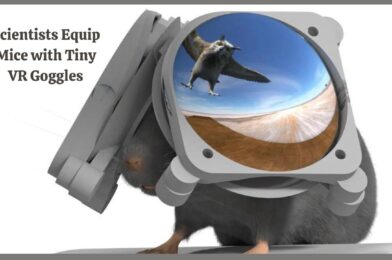
Peeking into the Mind: Scientists Equip Mice with Tiny VR Goggles

Peeking into the Mind: Scientists Equip Mice with Tiny VR Goggles
Imagine strapping a virtual reality headset onto a mouse. Sounds like something out of a sci-fi movie, right? Well, it’s no longer fiction – scientists at Northwestern University have done just that, and it’s opening up a whole new window into the animal mind.

Seeing the World Through Mouse Eyes:

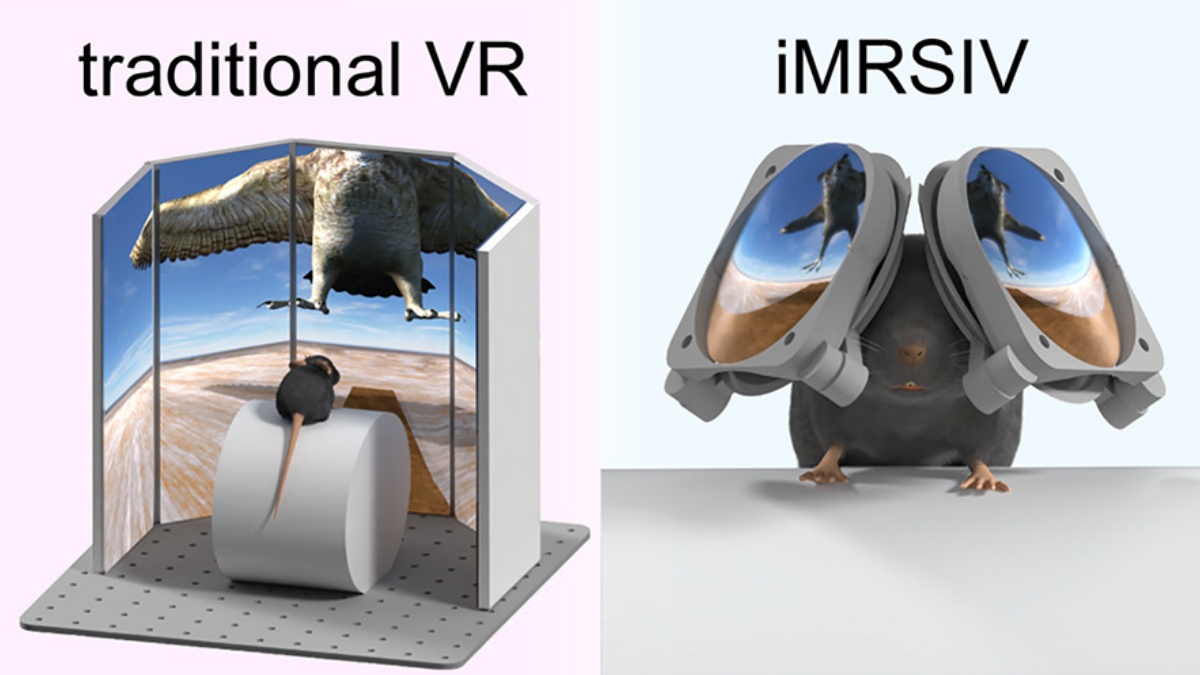
The miniature VR system, aptly named Miniature Rodent Stereo Illumination VR (iMRSIV), is a feat of engineering. It uses custom-designed lenses and miniature displays to create a virtual environment for the mice to explore. This could be anything from a simple maze to a simulated predator attack.

Decoding Neural Activity:

While the mice are immersed in VR, researchers can simultaneously monitor their brain activity using advanced techniques like two-photon microscopy. This allows them to see in real-time which neurons are firing and how different areas of the brain are responding to the virtual stimuli.

Unlocking Animal Cognition:

This technology holds immense potential for understanding animal cognition on a deeper level. Here are some of the questions it can help answer:

How do animals navigate and make decisions in complex environments?
How do they perceive and react to threats?
What are the neural mechanisms underlying fear, anxiety, and other emotions?
Can animals learn and adapt in virtual environments?
Beyond Mice:

While the current research focuses on mice, the iMRSIV system could be adapted for other animals as well. Imagine studying the hunting strategies of lions, the social interactions of monkeys, or the migratory patterns of birds – all in a controlled virtual environment.

Ethical Considerations:

Of course, using animals in research comes with ethical responsibilities. The scientists involved in this project emphasize that the animal welfare of the mice is their top priority. The VR goggles are lightweight and designed to be comfortable for the animals, and the virtual environments are carefully controlled to avoid causing undue stress.

Peeking into the future:

This innovative technology is just the beginning. By peering into the minds of animals, we can gain a deeper understanding of their intelligence, emotions, and behaviors. This knowledge can benefit animal conservation efforts, improve veterinary care, and even shape our understanding of ourselves and our place in the animal kingdom.

The next time you strap on your VR headset, remember the tiny mice who are paving the way for groundbreaking discoveries in animal cognition. Their virtual adventures are revealing the hidden wonders of the animal mind, one pixel at a time.

Tagged : / / /

Don’t Be Fooled: How to Spot Fake Reviews While Shopping Online?

Don’t Be Fooled: How to Spot Fake Reviews While Shopping Online?
In the age of online shopping, reviews reign supreme. They’re the trusted voices guiding us towards the perfect purchase, the virtual friends whispering “yay” or “nay” in our ears. But beware, not all reviews are created equal. A growing shadow lurks in the digital aisles: the fake review.

Fear not, savvy shopper! With a keen eye and a dash of skepticism, you can become a fake-review-slaying superhero. Here’s your arsenal:

1. The Uncanny Valley of Language:

Does the review read like a robot wrote it? Clichéd phrases, overly positive language, and excessive exclamation points are red flags. Look for genuine-sounding language, specific details, and a balanced tone that acknowledges both pros and cons.

2. The Review Time Machine:

A sudden influx of glowing reviews on a new product is cause for suspicion. Reviews should be spread out over time, reflecting real usage patterns. If you see a bunch of five-star raves posted on the same day, your Spidey senses should tingle.

3. The Copycat Caper:

Spotting identical or near-identical reviews across different products or platforms is a dead giveaway. These copy-pasted praises are the work of bots, not real people. Look for unique perspectives and individual voices in your reviews.

4. The Profile Puzzle:

Check the reviewer’s profile. Do they have a history of writing reviews? If their profile is blank or filled with generic reviews for unrelated products, it’s a fishy sign. Look for reviewers with a diverse range of experiences and a focus on specific product categories.

5. The “Too Good to Be True” Trap:

Be wary of reviews that promise miracles or gush about life-changing experiences. A healthy dose of skepticism is always wise. Look for reviews that offer specific examples and focus on the product’s actual features and benefits.

Bonus Tools for the Discerning Shopper:

  • Website Reviewers: Platforms like Fakespot and ReviewMeta analyze review data to identify suspicious patterns.
  • Social Listening: Check social media for user experiences and discussions about the product.
  • Alternative Sources: Look for reviews from independent blogs or trusted tech publications.
    Remember, a healthy dose of skepticism is your best defense against fake reviews. By using these tips and tools, you can navigate the online shopping landscape with confidence, ensuring your hard-earned money goes towards real gems, not manufactured hype. Happy shopping!
Tagged : / / /

The “Two Pizza Rule”: Jeff Bezos’ Recipe for Perfect Meetings

The “Two Pizza Rule”: Jeff Bezos’ Recipe for Perfect Meetings
In the fast-paced world of Amazon, time is money, and meetings are scrutinized with the same laser focus as million-dollar investments. Jeff Bezos, the company’s founder and former CEO, famously implemented the “Two Pizza Rule” to ensure meetings were efficient and productive. So, what exactly is this rule, and why is it considered a recipe for perfect meetings?

The Rule Explained:

Imagine a meeting room filled with enough people to devour two pizzas. That’s the maximum size Bezos allows for any gathering. Why? The logic is simple: smaller groups foster deeper engagement, encourage diverse perspectives, and prevent the dreaded death by a thousand slides.

Benefits of the Two Pizza Rule:

  • Increased Focus: With fewer voices in the room, everyone has a chance to be heard and contribute meaningfully. Discussions become more focused, avoiding tangents and unproductive chatter.
  • Deeper Collaboration: Smaller teams foster a sense of camaraderie and shared ownership. People are more likely to actively participate, brainstorm ideas, and collaborate towards a common goal.
  • Faster Decisions: Streamlined communication and engaged participants lead to quicker decision-making. No more endless meetings that drag on without a clear outcome.
  • Reduced Costs: Smaller meetings mean less wasted time and fewer resources spent on catering and conference rooms. It’s a win-win for both productivity and budget.
  • Beyond the Numbers:

While the “Two Pizza Rule” sets a clear size limit, it’s not just about headcount. Bezos champions a culture of deep thinking, open debate, and a relentless pursuit of the “right” decision, not just the easiest one.

Here are some additional ingredients Bezos adds to his meeting mix:

  • No PowerPoint Presentations: Instead of passive slideshows, Bezos encourages active discussion and whiteboarding sessions, where ideas can be captured and refined in real-time.
  • Focus on Deep Dives: Meetings should have a clear purpose and agenda, delving deep into specific topics rather than skimming the surface of multiple issues.
  • Disagreement is Welcome: A culture of constructive dissent is fostered, where challenging assumptions and questioning ideas leads to better outcomes.

The Two Pizza Rule in Action:

The “Two Pizza Rule” isn’t just a quirky company policy; it’s a core principle that has contributed to Amazon’s success. By keeping meetings small, focused, and driven by the pursuit of truth and innovation, Bezos created an environment where even the biggest ideas could get a seat at the table (and be shared over two delicious pizzas).

So, the next time you find yourself planning a meeting, take a page out of Bezos’ playbook. Keep it small, keep it focused, and be prepared to dive deep. You might just find yourself cooking up a perfect recipe for success.

Tagged : / / /

Black Turmeric: The Spice of Life? 5 Benefits You Probably Didn’t Know

Black Turmeric: The Spice of Life? 5 Benefits You Probably Didn’t Know
Move over, regular turmeric, there’s a new player in town—black turmeric. This rare, deep-hued spice, also known as Kali Haldi, has been used in traditional medicine for centuries, but its recent scientific exploration is revealing incredible potential for promoting longevity and preventing cancer.

At the heart of this buzz lies curcumin, a bioactive compound found in both regular and black turmeric. However, black turmeric boasts a significantly higher concentration, sometimes up to eight times as much. This elevated potency is what makes black turmeric such a promising candidate for improving health and longevity.

1. Longevity Booster:

Black turmeric’s high curcumin content translates to several potential benefits for aging well. Its potent anti-inflammatory properties can combat chronic inflammation, a major contributor to age-related diseases like arthritis and Alzheimer’s. Additionally, curcumin’s antioxidant activity helps scavenge free radicals, the rogue molecules that damage cells and accelerate aging. Studies suggest that curcumin may also boost longevity by activating sirtuins, genes associated with increased lifespan.

2. Cancer Shield:

Black turmeric’s cancer-fighting potential is particularly exciting. Curcumin has been shown to inhibit the growth and spread of cancer cells in various types of cancer, including breast, lung, and colon cancers. Its anti-inflammatory and antioxidant properties play a crucial role here, along with its ability to interfere with cancer cell signaling pathways. While research is still ongoing, early results are promising, hinting at black turmeric’s potential as a complementary therapy alongside conventional cancer treatments.

3. Beyond the Hype:

It’s important to remember that black turmeric, while brimming with potential, is not a magic bullet. A healthy lifestyle with a balanced diet, regular exercise, and proper sleep remains paramount for longevity and cancer prevention. Additionally, research on black turmeric’s specific benefits is still in its early stages, and more clinical trials are needed to confirm its efficacy in humans.

4. Adding the Spice to Life:

So, how can you incorporate black turmeric into your routine? You can use it in place of regular turmeric in cooking, adding its earthy, slightly musky flavor to curries, soups, and stews. Alternatively, consider taking black turmeric supplements, following recommended dosages. However, consult your doctor before taking any supplements, especially if you have any underlying health conditions.

5. The Final Bite:

Black turmeric, with its high curcumin content, emerges as a promising player in the quest for a longer, healthier life. While further research is needed, its potential benefits for longevity and cancer prevention are too intriguing to ignore. So, whether you sprinkle it on your food or explore supplements, adding a touch of black magic to your life just might be the spice of life after all.

Tagged : / / / /

Driverless Dreams Derailed: Nitin Gadkari Shuts Door on Autonomous Cars in India

Driverless Dreams Derailed: Nitin Gadkari Shuts Door on Autonomous Cars in India
In a surprising about-turn, Union Minister for Road Transport and Highways Nitin Gadkari has declared that driverless cars will never be allowed on Indian roads. This statement, made at the Zero Mile Samvad event hosted by IIM Nagpur, throws a wrench in the aspirations of automakers and tech giants hoping to tap into India’s burgeoning car market with self-driving vehicles.

Gadkari’s primary concern centers around job displacement. He estimates that driverless cars could cost millions of Indians their livelihoods, a burden he’s unwilling to bear. India currently faces a driver shortage, further complicating the situation. “Instead of creating unemployment, we should focus on improving public transport and filling the existing driver gap,” he stated.

This stance isn’t entirely new. Gadkari has expressed reservations about driverless cars before, citing safety concerns and the country’s complex traffic conditions. He emphasizes the need for improved road infrastructure and stricter safety regulations before considering autonomous vehicles.

The minister’s announcement throws cold water on a nascent but rapidly growing ecosystem. Several global players, including Tesla and Uber, have expressed interest in entering the Indian market with their self-driving technology. Domestic startups are also innovating in this space, aiming to tailor driverless cars to India’s unique challenges.

While Gadkari’s decision prioritizes immediate job security, it raises questions about India’s preparedness for the future. Driverless cars have the potential to revolutionize transportation, improving efficiency, reducing accidents, and providing mobility solutions for the disabled. Banning them altogether could impede innovation and leave India lagging behind in a rapidly evolving technological landscape.

Experts point out that a blanket ban may be shortsighted. A phased approach, starting with limited trials in controlled environments, could address safety and job concerns while allowing India to explore the benefits of this technology. Additionally, focusing on driver-assistance features like adaptive cruise control and automated parking could offer a middle ground without the immediate job displacement anxiety.

Nitin Gadkari’s decision has sparked a nationwide debate. While some support his focus on protecting livelihoods, others worry about stifling innovation and technological progress. The future of driverless cars in India remains uncertain, hanging in the balance between economic anxieties and the allure of a transformative future.

Tagged : / / / /

Time warp or wishful thinking? Physics student’s time travel hypothesis reignites debate

Time warp or wishful thinking? Physics student’s time travel hypothesis reignites debate
In 2020, Germain Tobar, then a physics student, sent ripples through the scientific community with his audacious claim: he’d cracked the code for time travel. His unpublished paper, titled “Closed Time like Curves in General Relativity: A Novel Approach,” argued that he could reconcile existing equations to allow for closed time like curves (CTCs) – essentially, loops in spacetime that enable travel to the past. Now, three years later, Tobar’s hypothesis has resurfaced online, sparking renewed debate about the feasibility of warping time.

So, are we about to hop in a DeLorean and visit the dinosaurs? Not quite. Tobar’s work is complex and largely untested. He proposes manipulating specific configurations of matter and energy to create wormholes – theoretical tunnels through spacetime – that could serve as time travel conduits. However, his approach hinges on several controversial interpretations of established physics principles, particularly regarding negative energy densities.

The concept of negative energy – energy that “steals” from its surroundings – remains highly speculative. While some theoretical frameworks like quantum vacuum theories suggest its existence, it has never been directly observed. Incorporating such hypothetical entities into a practical framework for time travel raises significant skepticism among many physicists.

“Tobar’s work is interesting and thought-provoking,” says Dr. Amelia Patel, a theoretical physicist at CERN, “but it’s crucial to remember that it’s a theoretical proposition, not a proven concept. The feasibility of his proposed mechanisms to generate negative energy and construct stable wormholes is far from established.”

Despite the caveats, Tobar’s work has reignited excitement among time travel enthusiasts and ignited discussions about the boundaries of known physics. His paper has garnered significant online attention, with blogs and forums dissecting his arguments and sparking lively debates.

“Whether Tobar’s work ultimately paves the way for time travel remains to be seen,” says Dr. Patel, “but one thing is certain: it pushes the boundaries of our understanding of spacetime and encourages us to question what we think we know about the universe’s possibilities. That, in itself, is a valuable contribution to scientific discourse.”

The viral resurgence of Tobar’s hypothesis serves as a reminder that the quest for time travel, while riddled with challenges, continues to captivate our imagination and drive scientific exploration. While jumping to the future or reliving the past might still be science fiction, Tobar’s work stands as a testament to the enduring human desire to unravel the mysteries of time and explore the fabric of our universe.

Key points to note:

Tobar’s hypothesis is theoretical and untested.
The feasibility of negative energy and stable wormholes is highly debated.
Tobar’s work has sparked new discussions about the limits of physics.
The quest for time travel remains a subject of ongoing scientific exploration.

Tagged : / / /
Verified by ExactMetrics