Cancer “ON/OFF” Trigger Switch Found

A team of researchers from the Mayo Clinic believe they’ve discovered a mechanism that can rein in cancer’s uninhibited growth by retraining these wayward cells to die like they’re supposed to.

Definition of the word Cancer. Cancer highlighted with green marker.

Cancer cells maybe be benign or malignant, but they always have the property of uncontrolled division and growth. Ordinary cells stop dividing at a certain point when they hit the hall, but cancerous cells keep going on and on. This turns into a tumour. Biological processors called microRNAs control senescence of cells and produce just enough levels of  PLEKHA7 protein to inhibit division in the cell. In cancer cells, however, the microRNAs seem to be fail in sending enough levels of PLEKHA7 protein. The solution at hand, is to inject the cancer cells with microRNAs which would restore the normal levels of PLEKHA7 protein to not let them over-divide.

“This important study solves a long-standing biological mystery, but we mustn’t get ahead of ourselves,” Henry Scowcroft, Cancer Research UK’s senior science information manager, told The Telegraph. “There’s a long way to go before we know whether these findings, in cells grown in a laboratory, will help treat people with cancer. But it’s a significant step forward in understanding how certain cells in our body know when to grow, and when to stop. Understanding these key concepts is crucial to help continue the encouraging progress against cancer we’ve seen in recent years.”
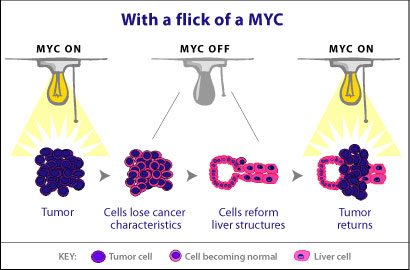
myc_web

The lab results have proved to be effective against quite aggressive forms of cancer. Hopefully, this method would be viable for using as a treatment for cancer.

[adinserter block=”7″]

Author: Technology Blog

Ants know how to cure themselves via self-medication

Nick Bos and his colleagues at the University of Helsinki, Finland have tried to show that ants tend to self-medicate themselves to fight fungal infections. Hydrogen peroxide is a nasty poison but it has been observed that ants self medicate them by eating foods rich in hydrogen peroxide when they suffer from a dangerous fungal disease and this actually increases their chances of survival.

ant

In order to show this, first his team demonstrated that hydrogen peroxide is generally harmful for ants of the Formica fusca species. They fed them one of two diets – either a simple honey-based solution, or this same solution spiked with hydrogen peroxide. It was observed that healthy ants given the spiked diet had a mortality rate of around 20 per cent, compared with around 5 per cent for those who got the harmless solution. But when this same thing was done with ants infected with the fungus Beauveria bassiana, the opposite happened. The death rate of these ants fell from around 60 per cent for those on the ordinary diet to 45 per cent in those given food laced with hydrogen peroxide.

It was also observed that the ants deliberately dosed themselves and that too carefully, when suffering from an infection. When the ants were offered a choice, the healthy ants tended to avoid the spiked food, says Bos. But the infected ants ate more of the solution containing hydrogen peroxide. And when the toxic solution was weak, the infected ants tended to opt for equal amounts of this food and the pure food. Further when a stronger solution was offered, they only fed on it around a quarter of the time.

It is to be noted that hydrogen peroxide is a strong source of reactive oxygen species (ROS). These are chemicals which can harm the body but can also help defend against invading pathogens. Bos and his team presented a possibility that in the wild, these ants might choose to ingest ROS for medicinal purposes by eating aphids or decaying dead ants, both of which can contain these chemicals.

ants_use_natural_medicine-450x300

Though the drop in mortality in self medicating ants isn’t that big but it surely makes a difference when we take an ant colony into consideration where there are thousands of such ants constantly working in high humidity and temperatures.

[adinserter block=”7″]

Author: Technology Blog

Smart Light to Detect Diseases at Early Stages

If technology could detect and comprehend your movements and gestures well enough to open doors, switch on the coffee maker and the TV on command, it would make our lives lazier, no doubt. Researchers at Dartmouth College have developed a sensing system called LiSense that aims to make the light around us “smart.”

smartlightsensor-2@2x

The goal is to turn every indoor space under coverage of these lights into cognitive space, where our gestures could be transmitted as information to control the devices around you.

“Using purely visible light, we can not only stay connected to the internet, but also have the environment know and respond to what we do, how we behave, and how we feel,” Zhou, the lead author says. “Smart light can bring intelligence to all the devices immersed in the light and allow them to act based on our behaviours.”

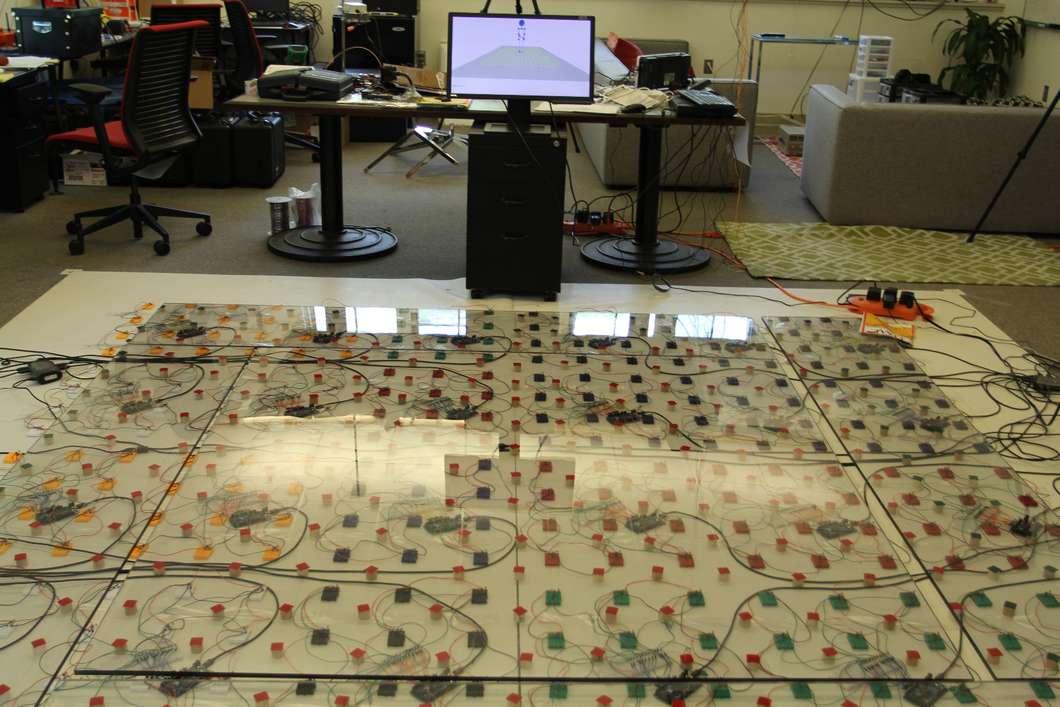
The LiSense lights were prepared to build a person’s rough 3D skeletal posture by interpreting their shadow patterns. A light-sensing testbed was built, and the LED lights above and below, made sense of the person’s movements and formulated postures.

“Consider a person standing under several lights,” Zhou explains. “If we can recover the shadow cast by each light in a different direction, we can aggregate the shadow information and collect the blockage information of a large number of light rays. We then use the information to search for a 3D skeleton posture that best matches the blockage information revealed by these shadows.”

Now, multiple ceiling lights lead to diminished and complex shadows, so beacons were used instead. Beacons separate different light ray patterns from their sources and make the shadow recognition easier.

LiSense makes use of visible light communication (VLC), as most smart devices come equipped with light, the transfer of info via changes in light pattern is the prevailing way. Reconstruction of 3D user skeleton within 16 milliseconds (ms) in real time is possible. Shadow maps of all the LEDs every 11.8 ms, which is comparable to capturing video frames (without using any cameras). It reuses the lighting already available, and doesn’t use electromagnetic interference. Not to mention, the bandwidth is 10,000 greater than radio frequency spectrum.

light2

The immediate goal of the scientists is to reduce the number of lights, and make the lights increase their sensitivity to detect discrete movements. “If the light around us continuously monitors how we move and gesture over time, it might help detect early symptoms of diseases such as Parkinson’s, which has movement-related symptoms,” Zhou explains. “Right now patients have to wear and carry bulky, cumbersome devices, or doctors have to videotape them. Light provides a new possibility—no on-body devices, no cameras.”

[adinserter block=”7″]

Author: Technology Blog

Affordable Medical Devices by Project Glia

Some developing countries rely on the funds and donations to buy even the most basic amenities needed in an ER wing of a hospital. Take a stethoscope, for example. It was not uncommon for doctor Tarek Loubani to hold his ears to the patient’s chest to hear their heartbeats. What costed $200, is now affordable in just $5 thanks to Loubani and his team.

1440099408699875

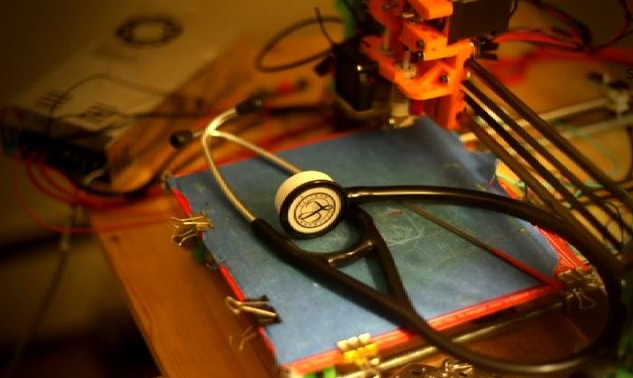
The inspiration struck when Laubani realised how clear his nephew’s toy stethoscope was. If a cheap toy could be that efficient, why couldn’t a handy model be provided in the hospitals at this rate? So, he and his team of doctors and hackers of Gaza, set to work in a project they named the Glia project. This team had been at this for three years now, with incredibly promising result, better than the current quality of industrial stethoscopes.

The head of the stethoscope was 3D printed at the mere cost of 30 cents. Further adding a tube and an earphone, would bring the cost up to $5 USD. Laubani has been testing a acoustic ability of this re-modelled out-of-patent product with tests designed by him, and is confidant that it would ace the final audio tests. What is left for it to be complete, is a y-piece which splits sound coming from the main tube, and goes in the examiner’s both ears.

In this Wednesday, July, 16, 2014, Mads Gilbert, Norwegian doctor who has volunteered at Shifa on and off for 17 years, treats a man at the emergency room of the Shifa hospital in Gaza City. Working at Shifa requires ingenuity. The power goes off repeatedly as aging hospital generators buckle under daily rolling blackouts Gaza residents have lived with for years. “If we are in the middle of an operation (and) lights go out, what do the Palestinians do? They pick up their phones, and they use the light from the screen to illuminate the operation field,” said Gilbert. (AP Photo/Khalil Hamra)

Glia project is already turned its attention to another medical device that they hope can be bought down to a lower cost: an open-source pulse oximeter (a device that monitors blood oxygen levels) and an electrocardiogram. All the date and code of this project is stored in GitHub and accessible worldwide to all doctors and medical professionals to consult and provide their opinions.

[adinserter block=”7″]

Author: Technology Blog
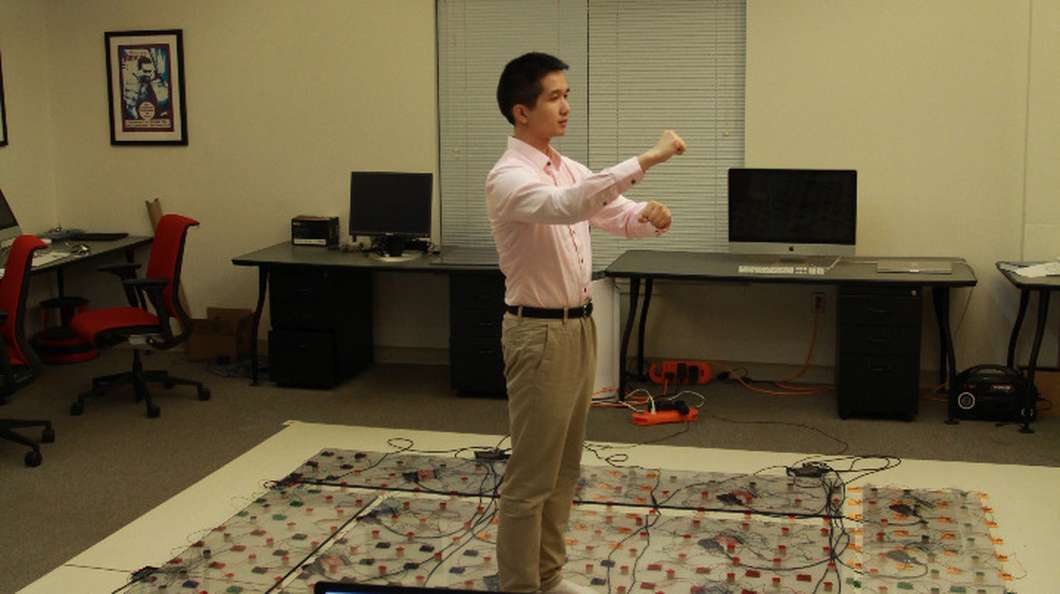
Vomiting machine to explain the transmission of stomach bug

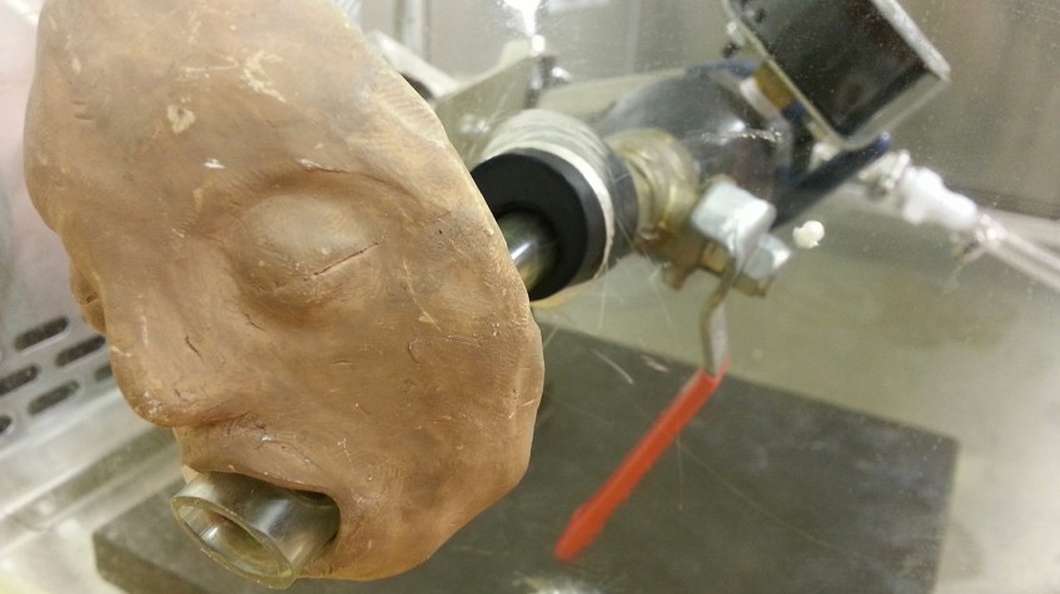
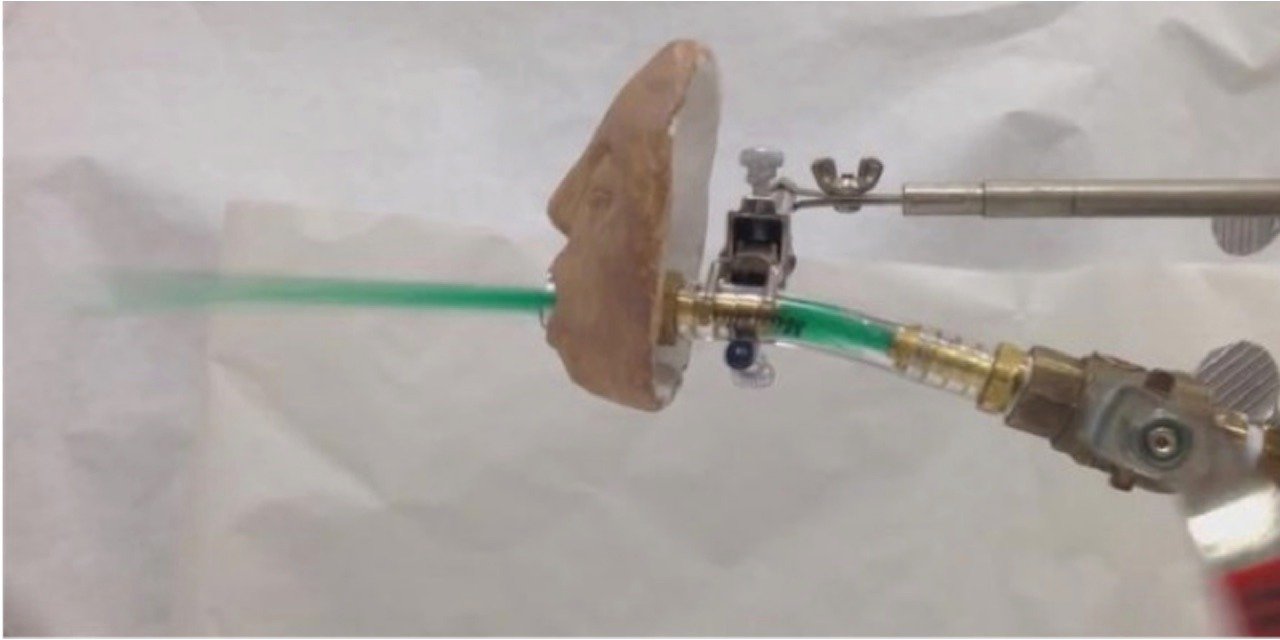
A team of researchers from North Carolina University has developed a system that replicates the body parts integral to the process of vomiting i.e. the mouth, oesophagus and stomach to understand how exactly does a stomach bug transmits from one person to the other. This system uses tubes, a pressure chamber and a sickly clay face sealed inside a plexiglass box.

dn28063-2_600

Norovirus- one of the most notorious viruses, affects around 20 million people per year in the US. It is a nasty bug that brings about inflammation in the stomach and intestines leading to pain, nausea, diarrhoea and death in extreme cases. Despite being a widespread bug, questions regarding how it transmits always remained unanswered. This vomiting machine actually tries to find the answer to these questions.
Earlier it was assumed that norovirus becomes aerosolized or air borne post-puke, stays in the air or on the surfaces and infects other people. But these were just assumptions. Using the machine the researchers set out to confirm these assumptions and find some concrete facts. Since norovirus is highly contagious, the scientists used a bacteriophage called MS2 in its place. MS2 is harmless and is widely used as a replacement in norovirus research. Since the pressure, volume and angle of the vomit could be regulated, the scientists made it to create pukes with variable pressure and volume in a series of experiments.

vomit-machine

They found that of the total virus particles, only a tiny portion of less than 0.3 percent became aerosolized. This figure may seem small amount, but could equate to thousands of virus particles for a single vomit event considering only 20 such viruses can make a susceptible person ill.  Lee-Ann Jaykus, professor of food science at North Carolina State University said: “This machine may seem odd, but it’s helping us understand a disease that affects millions of people. This is work that can help us prevent or contain the spread of norovirus – and there’s nothing odd about that.”

[adinserter block=”7″]

Author: Technology Blog
Artificial Photosynthesis Helping Achieve Hydrogen Production Efficiency Goal

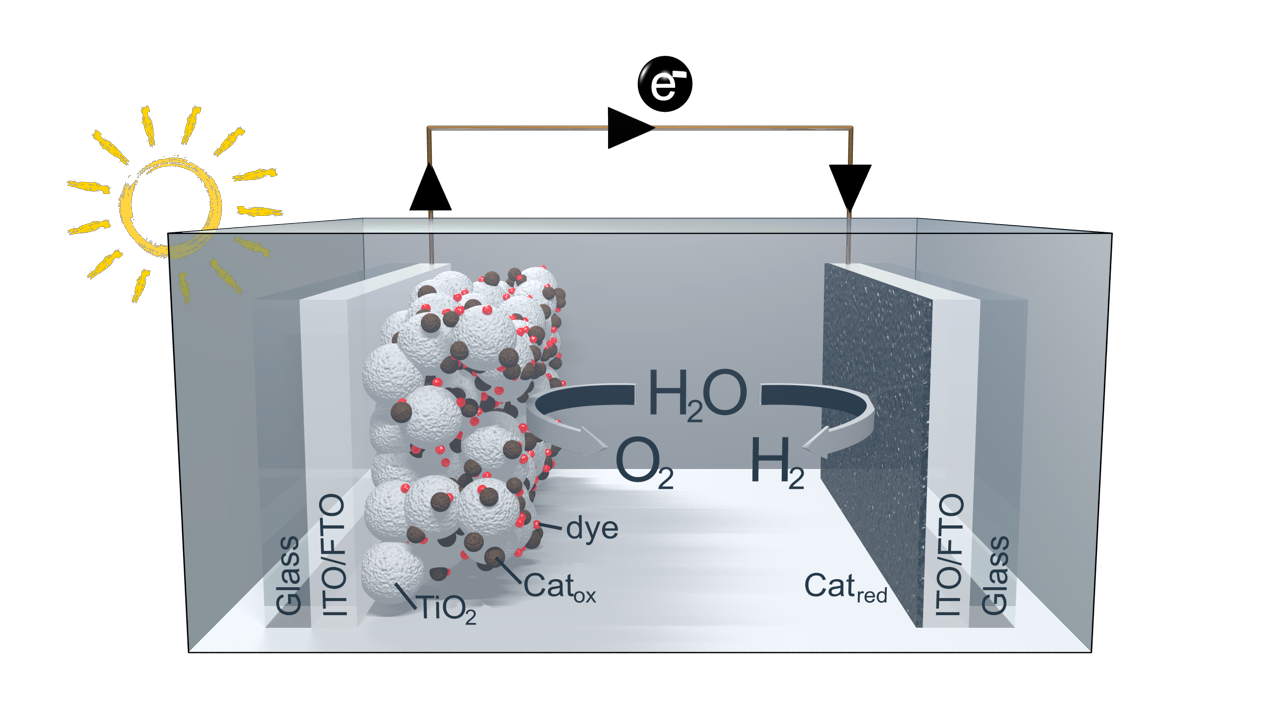
The supply of nonrenewable resources can’t stand up to their demand much longer. As scientists are frantically trying to find a feasible, sustainable renewable resource to fall back on, the possibility of using Hydrogen as a daily fuel can’t be overlooked. The packaging and storage of Hydrogen poses some significant problems, but it is nothing in the face of its theoretical efficiency. Not to mention, we need just water as a starting product to produce it.

water_splitting

While researchers at Monash University in Melbourne claim to have created a solar-powered device that produces hydrogen at a world-record 22 percent efficiency, its practical efficiency achievement continues to progress over the years.

Splitting of water has by far been the most popular and preferred method of production of Hydrogen, as of date. That being said, the net output has been quite low to be of any commercial use, input costs would go up to ramp up the output. In this situation, we have to look for ways to tweak the instruments and other factors involved in the process, to optimise the output. Solar power is the best choice to make the input costs nearly zilch.
“Electrochemical splitting of water could provide a cheap, clean and renewable source of hydrogen as the ultimately sustainable fuel.” said Professor Leone Spiccia, lead in the research, from the School of Chemistry at Monash. “This latest breakthrough is significant in that it takes us one step further towards this becoming a reality.”

To help achieve the required solar-input efficiencies, the very best commercial-grade multi-junction (indium gallium phosphide, gallium arsenide, and germanium) solar cells available must be employed in the process to ensure the maximum sunlight to electricity conversion. Expanded foam Nickel electrodes, increased the surface area and only local river water and pH buffer solution sufficed to bring about the reaction.
In short, high-yield electrodes and high-efficiency cells seem to be the tweaks resulting in this record-breaking 22% goal. Soon, hydrogen might be abundant and its production could become cheap enough to consider as an alternate fuel.

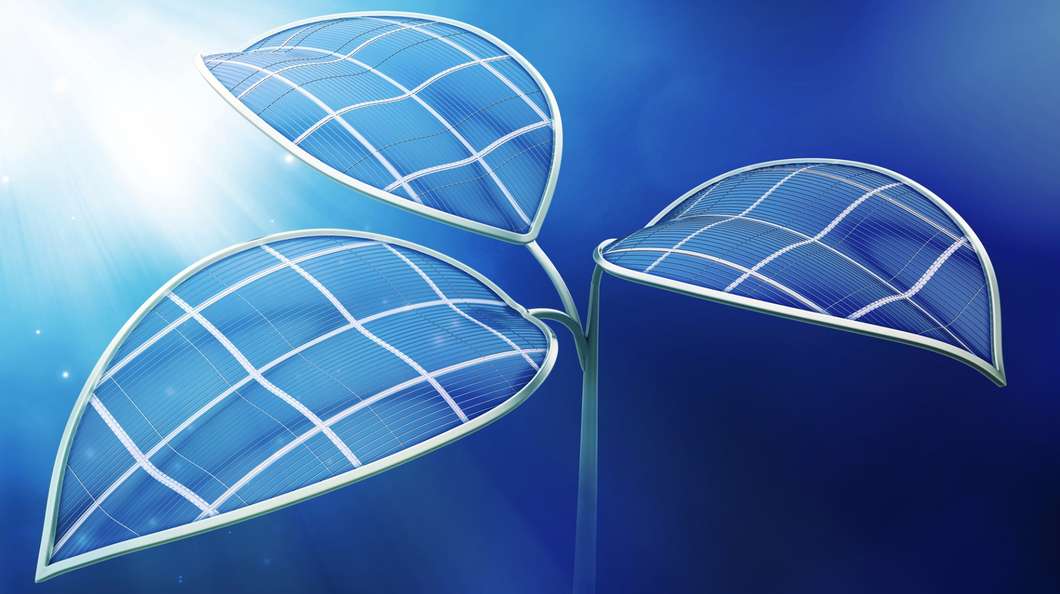
artificial-photosynthesis@2x

“Hydrogen can be used to generate electricity directly in fuel cells,” said Professor Doug MacFarlane, ARC Laureate Fellow and leader of the Energy Program of the ARC Centre of Excellence for Electromaterials Science at Monash. “Cars driven by fuel cell electric engines are becoming available from a number of car manufacturers. Hydrogen could even be used as an inexpensive energy storage technology at the household level to store energy from roof-top solar cells.”

[adinserter block=”7″]

Author: Technology Blog

Converting atmospheric CO2 into Carbon Nanofibers Made easier

Carbon nanofibers are not new, but still we are excited to talk about these somewhat mysterious product of carbon which is so expensive and difficult to manufacture. But, there seems to be a way to convert carbon dioxide from the atmosphere directly into nanofibers by an electrochemical process.

9284.0

To begin with, the researchers had come up a with a “capture and requester” technique, in which they capture carbon in our environment. The ways on the list till now are, injecting carbon dioxide into porous basalt rock, where it is mineralized and then buried, making it impossible for it to seep into the atmosphere (Iceland), and a copper material that can be used to turn captured CO2 into fuel (Dept. of Energy).
Now in this method given by George Washington University’s Department of Chemistry, the carbon dioxide from the atmosphere is taken into a lithium carbonate pot and subjected to a low voltage, whereupon, the solid carbon deposits in the cathode, and oxygen in the anode. Now, if we are not careful, of the temperature attained, and carbon dioxide might form carbon monoxide instead, which is very dangerous to health. This reaction is facilitated by the conversion of visible rays of sunlight into electricity through photovoltaic techniques.

image_3147-Carbon-Nanofibers

The nanofibers produced are currently about 30 to 100 times more expensive than aluminium. So even though they make for incredible sturdy structures in construction, they are not much in use or demand at the moment, but this new technique might open doors and lead to falling of prices for this material. It’s like killing two stones with a bird, as this uses solar energy, produces oxygen and would reduce the levels of global warming if harnessed on a large scale.

[adinserter block=”7″]

Author: Technology Blog
Tiny Lab Grown Human Brain to help Understand Autism

Ohio State University researcher have succeeded in growing a human brain which has up to 99 genes similar, as found in a fetal brain. The study of this organoid would give us insight as to how genes and environmental affect the brain and its development, and the effect drugs have on it. This method would prove to be cheaper and more convenient.

human-brain-stem-cell-afp-290813

This brain, about the size of a pencil eraser, has been made from pluripotent cells that can form just any organ of the human body. Researchers have aimed to produce, and succeeded, in making many organs from totipotent skin cells in the past, but the human brain with its complex array of nerves, is the “holy grail”, as described by Rene Anand, the chemist and neuroscientist behind the work.
Using specific cellular triggers, same as in a human fetus, the cells were arranged into a structure closely resembling a fetus brain at 5 weeks. With further maturity, it developed into a 12-week fetus brain, which had 99 genes matching. The brain also contained major parts such as a retina, a spinal cord, and signaling circuitry etc.
Such a sophisticated structure could help use study genetic and environmental factors which result in autism and Alzheimer’s.
“In central nervous system diseases, this will enable studies of either underlying genetic susceptibility or purely environmental influences, or a combination,” Anand said. “Genomic science infers there are up to 600 genes that give rise to autism, but we are stuck there.” Mathematical calculations aren’t enough to understand what causes autism, he added—“You need an experimental system – you need a human brain.”

A lab-brain grown brain has its limitations as it lacks a blood vessels and veins found in abundance in a human brain. But the optimists speculate that in 16-20 weeks, the development would be more, and the brain would maybe even fill up for the lacking gene.

[adinserter block=”7″]

Author: Technology Blog

Floating libertarian city designs

Ever heard of the term Libertarianism? Libertarianism is the view that each person has the right to live his life in any way he chooses so long as he respects the equal rights of others. And what about Seasteading? It is the concept of building floating cities that are independent of the government. Both these ideas are creative nonetheless but expensive too. Seasteading is something that would require billions of dollars of investment and decades of work.

AndrasGyorfi

You can’t even know how these communities will look unless you see one created in front of you. So to give everyone a peek into this world of Liberatirans combined with seasteading, a design competition was announced by The Seasteading Institute that invited designers and architects to visualize these floating cities. The Seasteading Institute is a group founded by Peter Thiel in 2008, which believes that seasteading is the ideal solution to the government’s inability to “innovate sufficiently.”

It’s a movement that has grown up in the tech world, attracting interest from libertarians and techies alike. The competition was held just to evoke interest in general public. Judged by architects, scientists, engineers, and seasteaders themselves, the competition wrapped up this month—and the results were recently posted online.

The various winners or designs that won include Simon Nummy, an architect, who proposed a three-storey floating buffer surrounding the community to shield it from storms and rough waves. His proposal also included huge tubes made of strong fabric anchored to the ocean floor to create ecosystems where harvestable sea life could flourish. Another winner, titled, Artisanopolis, created by a team of three architects from Roark 3D—-imagines a circular series of wave-breakers surrounding modular floating piers, where PVs and wave-powered turbines collect energy to power the island.

1391254330946812745

Apart from these, huge luxurious yachts, geodesic-inspired biodomes and the tessellated facade (designed by third place winner Matias Perez) were the ther designs that stood out in the competition. These designs may not propose realistic engineering solutions for self-sustaining communities but they do depict the hyper-utopian design ethos of the tech world.

[adinserter block=”7″]

Author: Technology Blog

The biggest thing in the universe gives a setback to age old cosmos theory

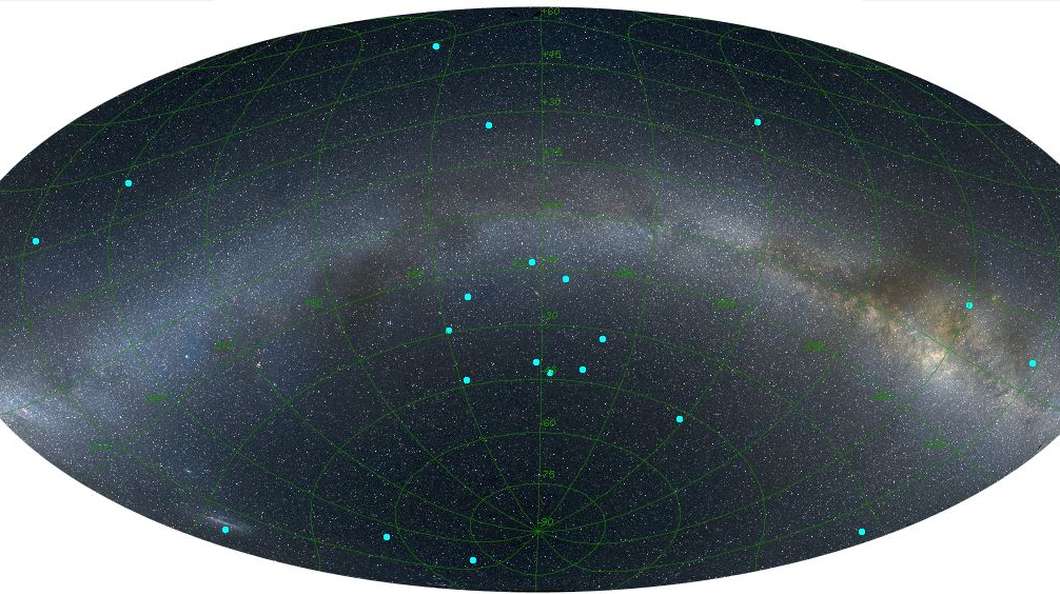
It seems the Cosmological Principle first asserted by Sir Isaac Newton is in jeopardy, as a team of Hungarian-US scientists led by Prof Lajos Balazs have found the largest regular formation in the universe which is a ring of nine galaxies. The Cosmological Principle was developed on the basis of observations of the cosmic microwave background radiation and the structure of the early universe in the past century.

M104_ngc4594_sombrero_galaxy_hi-res

It states that at the largest scale, the structure of the universe is uniform so no matter where you are it looks essentially the same. And even recent works indicate that the largest structures can’t be more than 1.2 billion light years across. But the new discovery contradicts this concept too as this ring of galaxies is seven billion light years away and five billion light years wide and it covers third of our sky.

The team was able to spot the rings by nine Gamma-Ray Bursts (GRB), that originated from those nine galaxies. GRBs are actually most energetic events in the entire universe that produce as much energy in seconds as the sun produces in a lifetime. They are caused by very massive stars collapsing into neutron stars or black holes in times ranging from milliseconds to a few hours. These bursts also help the astronomers to estimate the distance of other galaxies from Mother Earth. The GRBs from these galaxies indicate that the nine galaxies are positioned in a ring shaped like a shell and are all at a similar distance from the earth.

6a00d8341bf7f753ef01bb085e0190970d

Though one can’t see the rings from earth but if one could, it would cover 36 percent of the sky making it 70 times bigger than the full moon. The next important step for the team of astronomer’s is to see if the processes controlling galaxy formation and large scale structure could have produced the ring without violating the Cosmological Principle. If not, it could require rethinking how the Universe evolved. Prof Lajos Balazs commented: “If we are right, this structure contradicts the current models of the universe.”

[adinserter block=”7″]

Author: Technology Blog
The Cost of your Thoughts! Too Cheap?

On what seems to be an idea that popped up from the phrase “penny for your thoughts”, the University of Leicester has conducted a study to determine the price of brainpower in English pennies. A value of a penny was found to be worth of three hours, seven minutes and thirty seconds of thinking.

Brain_power

Osarenkhoe Uwuigbe, a Natural Sciences student at the University of Leicester’s Centre for Interdisciplinary Science, mashed up Economics of thinking and several assumptions about brain power to arrive at the conclusion that 20 watts of energy were used in thinking, i.e., 20% of the total 100 watts of average energy produced. For calculating the cost of power, he used the price per kilowatt hour (kWh) offered by UK energy providers as a reference point.

To break it up:

20 W = 1/5 kW power to keep our minds ticking.

A penny buys 1/16th of a kWh (assuming you can speak as fast as you can think),

This works out to (1/16) ÷ (1/50) = 3.12 hours.

Lastly, Uwuigbe points out the limitations of this paper, and the assumptions that could be wrong, “This model is likely to be an underestimate as power required for the brain to operate does not necessarily translate to power used in thought,” says Uwuigbe. “The brain has several autonomic functions it carries out during thought processing and as a result thought processing could not take 100 percent of the power consumption of the brain.

Penny-for-your-thoughts

Furthermore, it is unlikely that it is possible to think as fast as you speak due to delay caused by biological constraints such as conduction velocity of nerves carrying the signal from the brain to the mouth, the release of Ca2+ ions during muscle contraction of the tongue and lips and so on.”

[adinserter block=”7″]

Author: Technology Blog

LED Lights Control Mice Movements

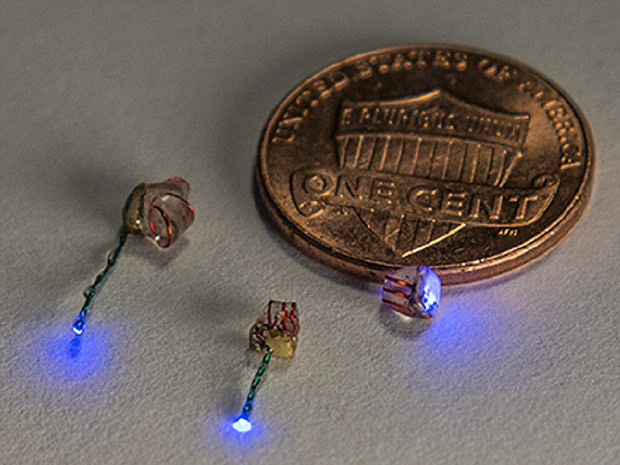
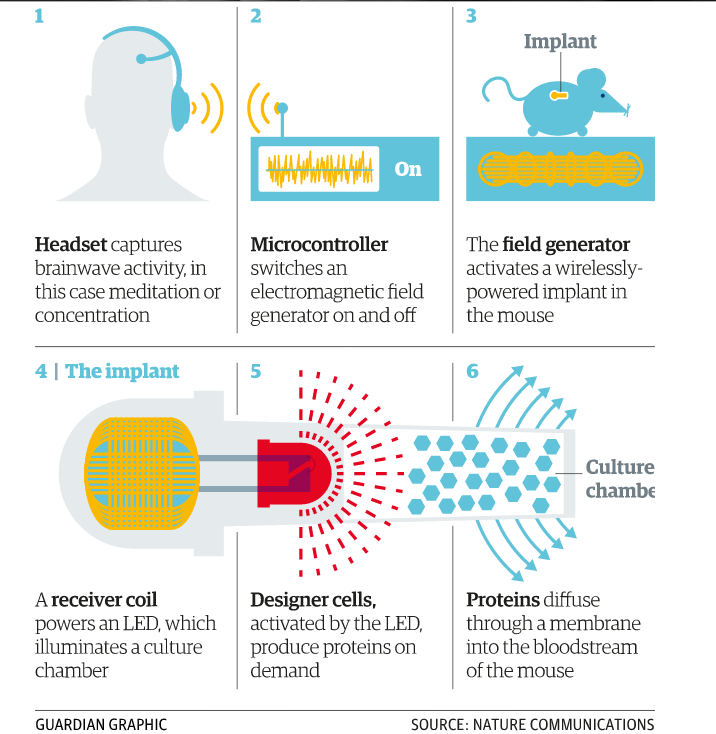
Scientists working with mice have to be careful about a lot things, the mice running away being the least of the problems. This remote-control LED chip can make a mouse completely in its trance by activating neurons in its brain, with light stimulation of peripheral nerves.

NMETHpenny-1439823497896

While the movement of the mice can be influenced, this chip is tiny and thus eliminates the use of those giant cables.

“This is a new way of delivering wireless power for optogenetics,” said Ada Poon, an assistant professor of electrical engineering at Stanford. “It’s much smaller and the mouse can move around during an experiment.”

This LED chip provided the field of optogenetics the needed boost. This chip can be used to interpret and diagnose the behavioural and motor aspects of Parkinson’s disease. This chip weighs just 20-50 milligrams and can be easily sneaked into the brain, or spine, or limbs of a mice. But Poon also realised that a mice housing the chip, would be used to power the chip as. A 2 mm coil could be the powerhouse of the chip, collecting the energy from the mice.

control-genes-with-thought

To rest your fear now, this chip cannot be extended to the human brain. For functioning, this LED requires light activated proteins called opsins, which are found only in special mice genetically altered to express them.

[adinserter block=”7″]

Author: Technology Blog
Glass-Based Paint with Crackfree Properties

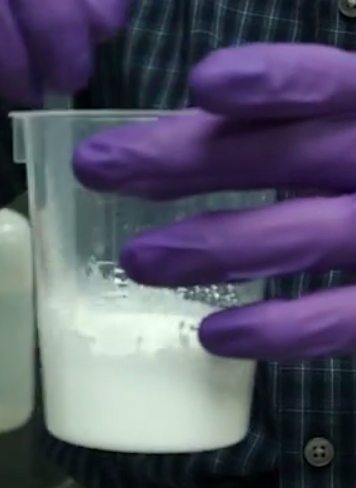
A new water-resistant paint that doesn’t crack, heat or has been recently whipped up by Dr. Jason Benkoski, a scientist at Johns Hopkins University. He used potassium silicate, the chief component in glass that makes water soluble in it to create paint. Once it is sprayed and dried, it’s water resistant properties start to kick in. Added pigment is to boost colour and hidden reflective properties.

Home

Heating up can have adverse effects on the paint job as they can age prematurely, not to mention make them uncomfortable to touch. This new paint moulding with glass which makes it right up reflect back the heat. The traditional paints give off volatile organic components, which this one does not, being mostly inorganic.

Steering away from the organic polymer-based paints available in the market, this new paint is inorganic which gives it the liberty to expand with the heat, and not crack up.

silica-based-paint

The only drawback with this product is that the finished product is very hard, and of unyielding consistency.

[adinserter block=”7″]

Author: Technology Blog

Glasses to help colour-blind people see colours

Colours around us make our world more beautiful and interesting but the world isn’t that colourful for people who suffer from colour blindness. People with normal colour vision have three sets of receptors or cones in their eyes that pick up red, green and blue pigments also known as primary colours.

ht_enchroma_glasses_jc_150514_16x9_992

In the case of colour blind people, their cones or receptors pick up colours with spectra that overlap so they have trouble distinguishing red and green though everything else related to the visual system viz. wiring that connects the retina to the brain and the brain itself are completely normal or intact.

 The EnChroma Labs Company has utilised this same fact in helping colour blind people to see colours. They have made such glasses called EnChroma that let colour blind people see colours by changing how the colour is perceived.  These glasses contain a filter that absorbs light where the spectra overlap the most, effectively pushing a wedge between the frequencies of light that the two cones pick up.

20150324_Valspar_Colorblind

The result is a “colour boost” that allows a colour blind person to distinguish the colours more clearly. It is to be noted that the EnChroma glasses are not a cure for colour blindness. It’s just a tool to make the lives of colour blind people livelier by bringing some colours into it.

[adinserter block=”7″]

Author: Technology Blog
‘Brainy mice’ to help find the cure of Alzheimer’s and schizophrenia

Our brain is a complex maze of nerves and even a small glitch can cause major problems. There are many diseases linked to the brain like Alzhiemer’s, schizophrenia, etc that have posed big questions in front of the researcher fraternity. Now according to a study published in Neuropsychopharmacology, researchers from University of Leeds, UK and Mount Sinai Hospital, Toronto have created bold and intelligent mice by altering a single gene. This little alteration resulted in mice that were less likely to feel anxiety or recall fear.

MICE

Researchers altered a gene to inhibit the activity of an enzyme called phosphodiesterase-4B (PDE4B), which is present in many organs of the vertebrate body, including the brain. In behavioural tests, the PDE4B-inhibited mice showed enhanced cognitive abilities. They tended to learn faster, remember events longer and solve complex exercises better than ordinary mice.

These brainy or smart mice were quicker at learning the location of a hidden escape platform in a test called Morris water maze, showed better quality than ordinary mice to recognise another mouse that they had been introduced to before and also had less recall of a fearful event after several days. They also showed less anxiety, spent more time in open, well-lit spaces as opposed to ordinary mice that prefer dark, enclosed spaces.

391664-brain-disorders

Though the study was conducted using mice, it is to be noted that the enzyme PDE4B is also present in humans. So it is hoped that this study could form the basis for research into new treatments for age-related cognitive decline, cognitive disorders such as Alzheimer’s disease and schizophrenia, and other conditions. Dr Alexander McGirr, from the University of British Columbia, who co-led the study, opines:”In the future, medicines targeting PDE4B may potentially improve the lives of individuals with neuro-cognitive disorders and life-impairing anxiety, and they may have a time-limited role after traumatic events.”

[adinserter block=”7″]

Author: Technology Blog
Verified by ExactMetrics