If technology could detect and comprehend your movements and gestures well enough to open doors, switch on the coffee maker and the TV on command, it would make our lives lazier, no doubt. Researchers at Dartmouth College have developed a sensing system called LiSense that aims to make the light around us “smart.”
The goal is to turn every indoor space under coverage of these lights into cognitive space, where our gestures could be transmitted as information to control the devices around you.
“Using purely visible light, we can not only stay connected to the internet, but also have the environment know and respond to what we do, how we behave, and how we feel,” Zhou, the lead author says. “Smart light can bring intelligence to all the devices immersed in the light and allow them to act based on our behaviours.”
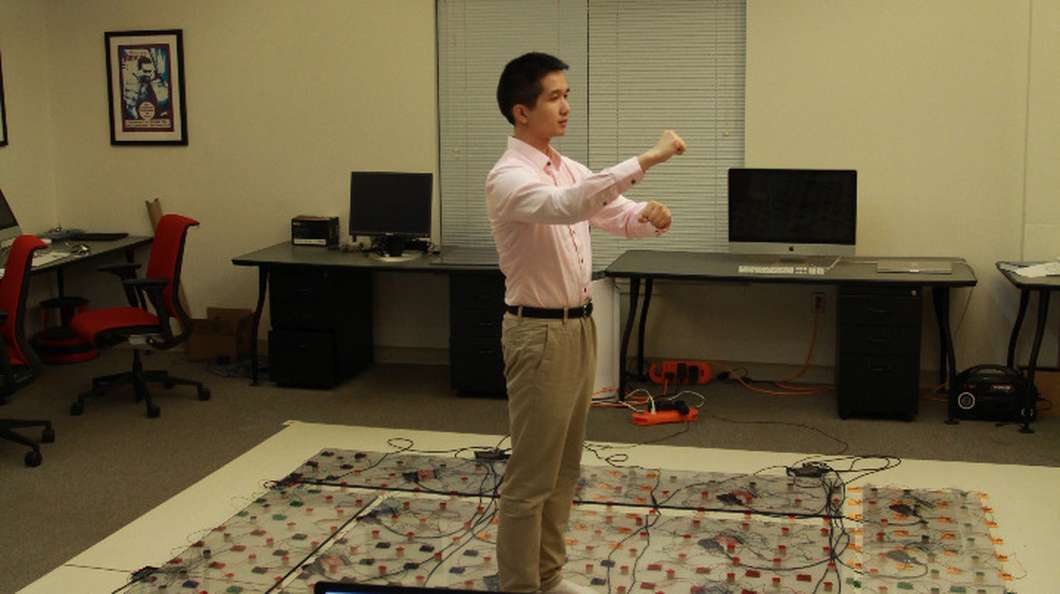
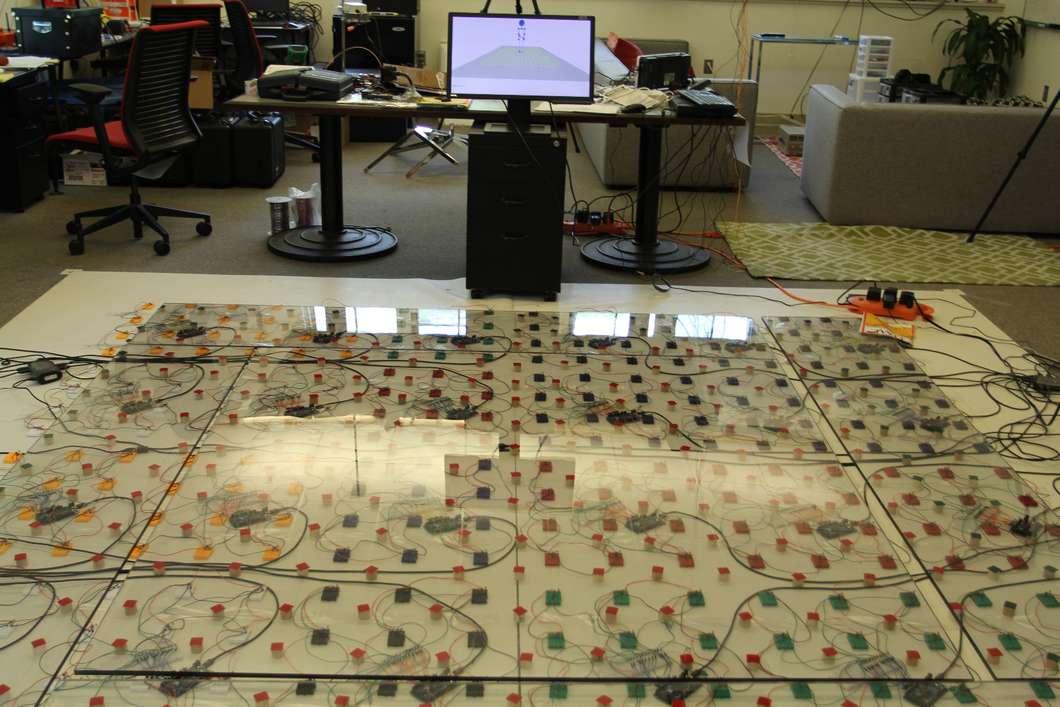
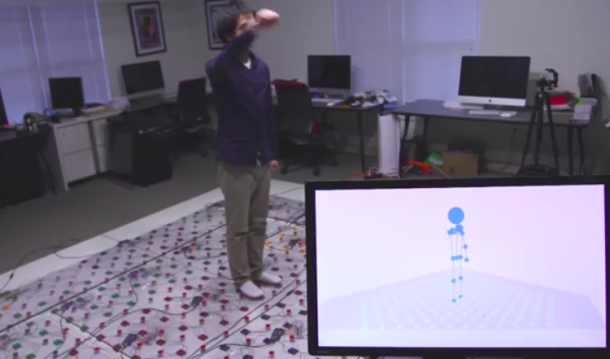
The LiSense lights were prepared to build a person’s rough 3D skeletal posture by interpreting their shadow patterns. A light-sensing testbed was built, and the LED lights above and below, made sense of the person’s movements and formulated postures.
“Consider a person standing under several lights,” Zhou explains. “If we can recover the shadow cast by each light in a different direction, we can aggregate the shadow information and collect the blockage information of a large number of light rays. We then use the information to search for a 3D skeleton posture that best matches the blockage information revealed by these shadows.”
Now, multiple ceiling lights lead to diminished and complex shadows, so beacons were used instead. Beacons separate different light ray patterns from their sources and make the shadow recognition easier.
LiSense makes use of visible light communication (VLC), as most smart devices come equipped with light, the transfer of info via changes in light pattern is the prevailing way. Reconstruction of 3D user skeleton within 16 milliseconds (ms) in real time is possible. Shadow maps of all the LEDs every 11.8 ms, which is comparable to capturing video frames (without using any cameras). It reuses the lighting already available, and doesn’t use electromagnetic interference. Not to mention, the bandwidth is 10,000 greater than radio frequency spectrum.
The immediate goal of the scientists is to reduce the number of lights, and make the lights increase their sensitivity to detect discrete movements. “If the light around us continuously monitors how we move and gesture over time, it might help detect early symptoms of diseases such as Parkinson’s, which has movement-related symptoms,” Zhou explains. “Right now patients have to wear and carry bulky, cumbersome devices, or doctors have to videotape them. Light provides a new possibility—no on-body devices, no cameras.”
[adinserter block=”7″]
Author: Technology Blog