You don’t need glasses for this 3-D display

Watching something in 3-D has its own charm and excitement. The third dimension enhances the visual experiences. But the goggles and glasses accompanying this experience somewhat annoy us and finding a way to watch 3-D content without using those glasses has been a challenge for interface designers from quite a long time. To present a goggle/glass-less 3-D viewing experience, a group of researchers presented a display at this year’s SIGGRAPH, which creates a 3-D human in terrific, minute detail using a 216 projector cluster.

1385847188634292651

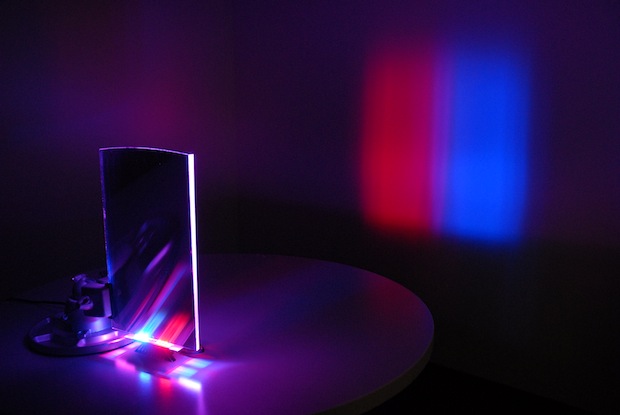
This creative group belongs to USC’s institute for Creative Technologies. They have built an auto-multiscopic 3D display which makes a 3D model of the person with video. The video of the person is captured using 30 cameras in intensely bright light. The images are then divided among the 216 projectors. These projectors are then arranged in a semi circle around a large screen so that when the viewers walk around the screen their eyes smoothly transition from one projection to the other giving the whole experience a feeling of the third dimension and other details.

wedge blue & red AT 091027(2)

The technology produces such realistic images that it is being used to create full scale digital humans that can successfully makes themselves useful in museums or for some educational project. Though it is not interactive, the speech recognition in this technology helps cue up answers to questions so it ‘feels’ interactive. Also the humans are extremely realistic and you get a feel that they are actually listening and maintaining an eye contact with you. This goggle/glass less 3D experience technology is really something to look out for.

[adinserter block=”7″]

Author: Technology Blog

Gecko Inspiration for Space Adhesive

The large diversity of flora and fauna on this planet have all different stories to tell. All the stories have a moral we can take away something from. Scientists have been clever enough to realize this and, many new gadgets and inventions are inspired from the behaviour of a creature already found on the earth.

sm_triplet_feat

The latest example of this would be how gecko gave us an idea to use as extra-terrestrial adhesives. Velcro was the former preferred from of adhesion, but this system poses the problem of needing a “mating surface” to join with the Velcro base.

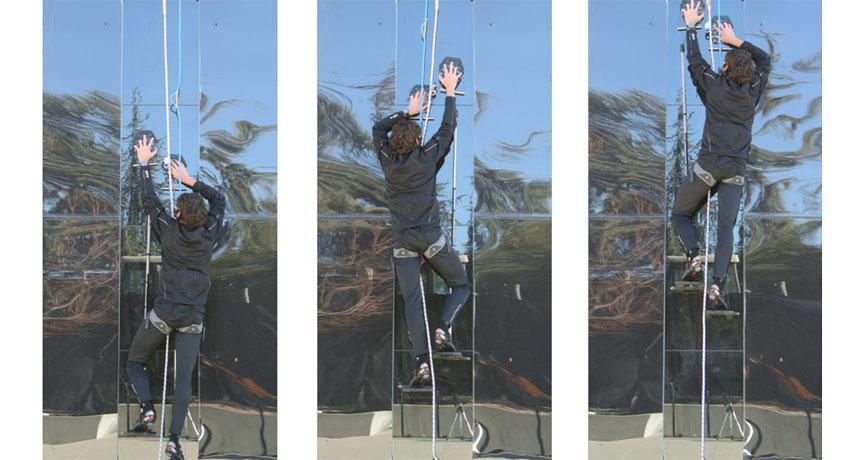
Geckos have countless tiny hairs on their feet which let them climb walls. These hair encrusted feet create van der Waal forces between the wall and the feet as they climb. A related NASA statement explains, “A slight electrical field is created because electrons orbiting the nuclei of atoms are not evenly spaced, so there are positive and negative sides to a neutral molecule. The positively charged part of a molecule attracts the negatively charged part of its neighbor, resulting in ‘stickiness.’”

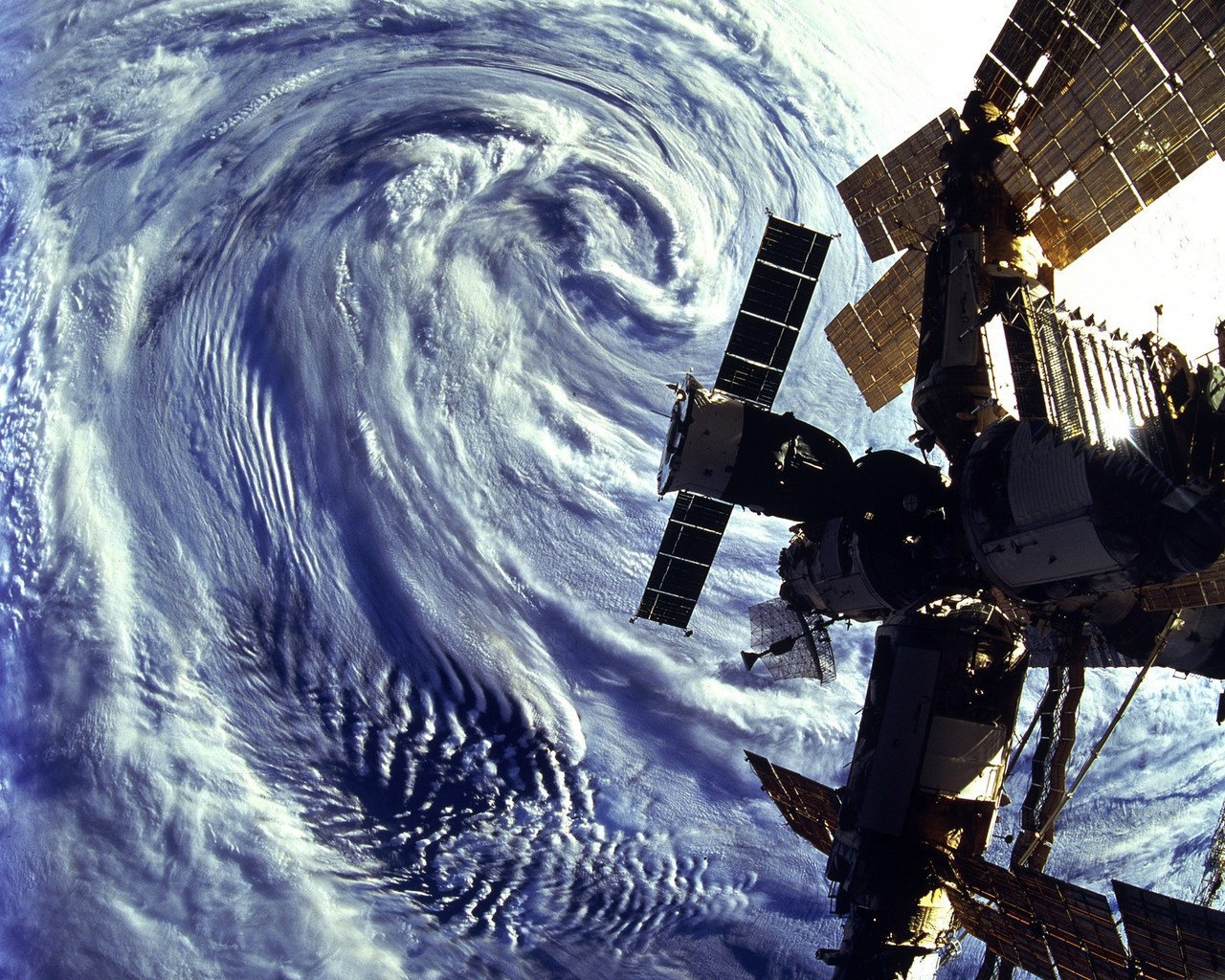
international-space-station-4-640x0

Van der Waals forces are not affected by temperature, pressure, heat or rain, thus this is a full proof “gecko-gripper” system. NASA tested the adhesive they created with this logic and the technology was “able to stick to and manipulate a 10 kilogram cube and a 100 kilogram person.” Over 30,000 successful tests later, Aaron Parness of NASA’s Jet Propulsion Laboratory noted that with this new technology, “We might eventually grab satellites to repair them, service them, and we also could grab space garbage and try to clear it out of the way.”

[adinserter block=”7″]

Author: Technology Blog

Now you can also make that call to the International Space Station

Sometimes flukes become interesting news. One such thing happened when last week amateur radio enthusiast Adrian Lane sent a call to the International Space Station and got a reply! He got the opportunity to chat with the astronaut for 45 seconds because after this, the station went out of range.

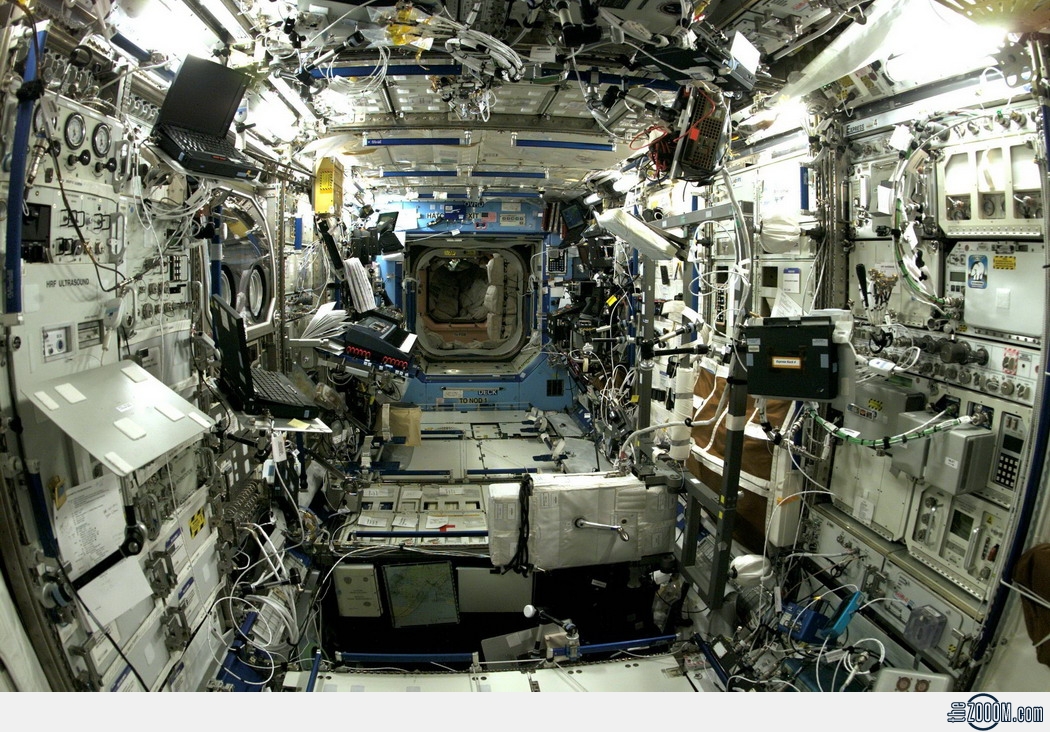
international-space-station-interior

This radio call got huge media attention but according to NASA, this is not a one-off event and happens all the time. This is because of the fact that the astronauts up at the space station have a ham radio like the one used by the amateur radio enthusiast. Ham radios are actually a set of frequencies allocated by the FCC to the amateur enthusiasts.

If you too want to make that call, then it is very easy after you know the procedure and how it works. To get on the airwaves you just need a basic knowledge of radio technology and its operating principles. Then you need to pass a licensing test. Once passed, US license is valid for 10 years and comes in three different classes: technician, general and extra. Now what you really need is proper equipment. Amateur Radio Relay League’s (ARRL) guide will help you in deciding how to select gear for your first radio. And if you want to chat with an astronaut on ISS, you will have to check out the Amateur Radio on the International Space Station (ARISS) page which lists ham radio frequencies currently in use on board the ISS.

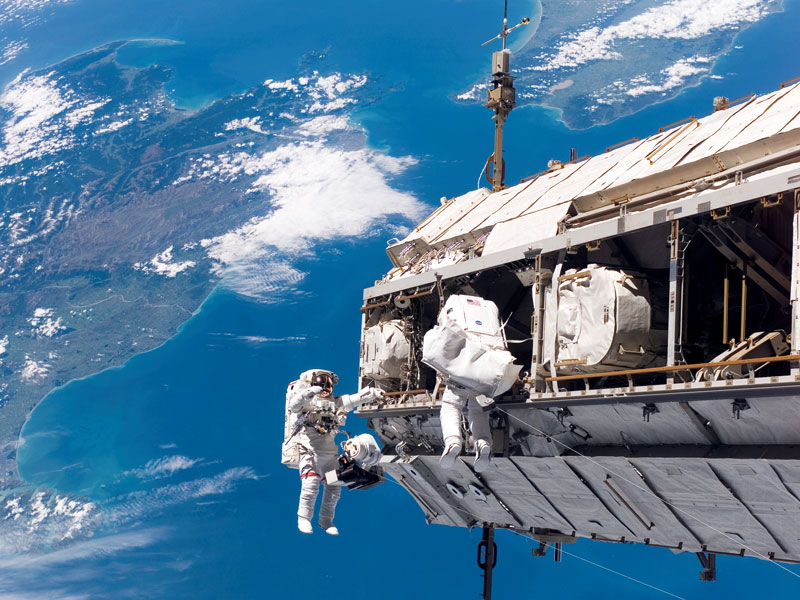
international-space-station_0

It is easier to make a call to ISS when it is directly overhead. The position of ISS can also be known using public domain software. But make sure you call the ISS according to the daily routine of the crew members as they are busy people and you would not like to hinder their work. So grab that ham radio and see your name splashed across the internet.

[adinserter block=”7″]

Author: Technology Blog

Play video games to fight cigarette cravings

Poison kills poison. Iron cuts iron. And now the new one addiction kills addiction! According to a study carried out by researchers from Plymouth University and Queensland University of Technology in Australia, people who played the classic game of Tetris had reduced craving for cigarettes. And not only Tetris you can play any game like Candy Crush for that matter. The point is, the game should be visually interesting and changing.

166940675_2a265dc8d5_z

The study involved a sample size of 31 students between the ages of 18 to 27. These students were asked to note the frequency and intensity of any kind of craving (nicotine, food, etc.) they felt. Half of them were given an iPad upon which they could play Tetris, whereas the other half were asked to struggle with their cravings. After 15 minutes, when checked, the group involved in playing Tetris reported 20 percent less craving for cigarettes than those who weren’t playing. Scientists attribute this decrease in craving to the mental process involved in playing Tetris. According to them the same process is also involved in controlling and satisfying cravings.

tetris-cigarette-cravings

Professor Jackie Andrade of Plymouth University expressed her opinion as, “We think the Tetris effect happens because craving involves imagining the experience of consuming a particular substance. Playing a visually interesting game like Tetris occupies the mental processes that support that imagery. It is hard to imagine something vividly and play Tetris at the same time.” So the next time you feel a craving for something you know isn’t good for you and your health, just grab your smart phone and start playing Candy Crush or Tetris!

[adinserter block=”7″]

Author: Technology Blog

LED as your Breathing Companion

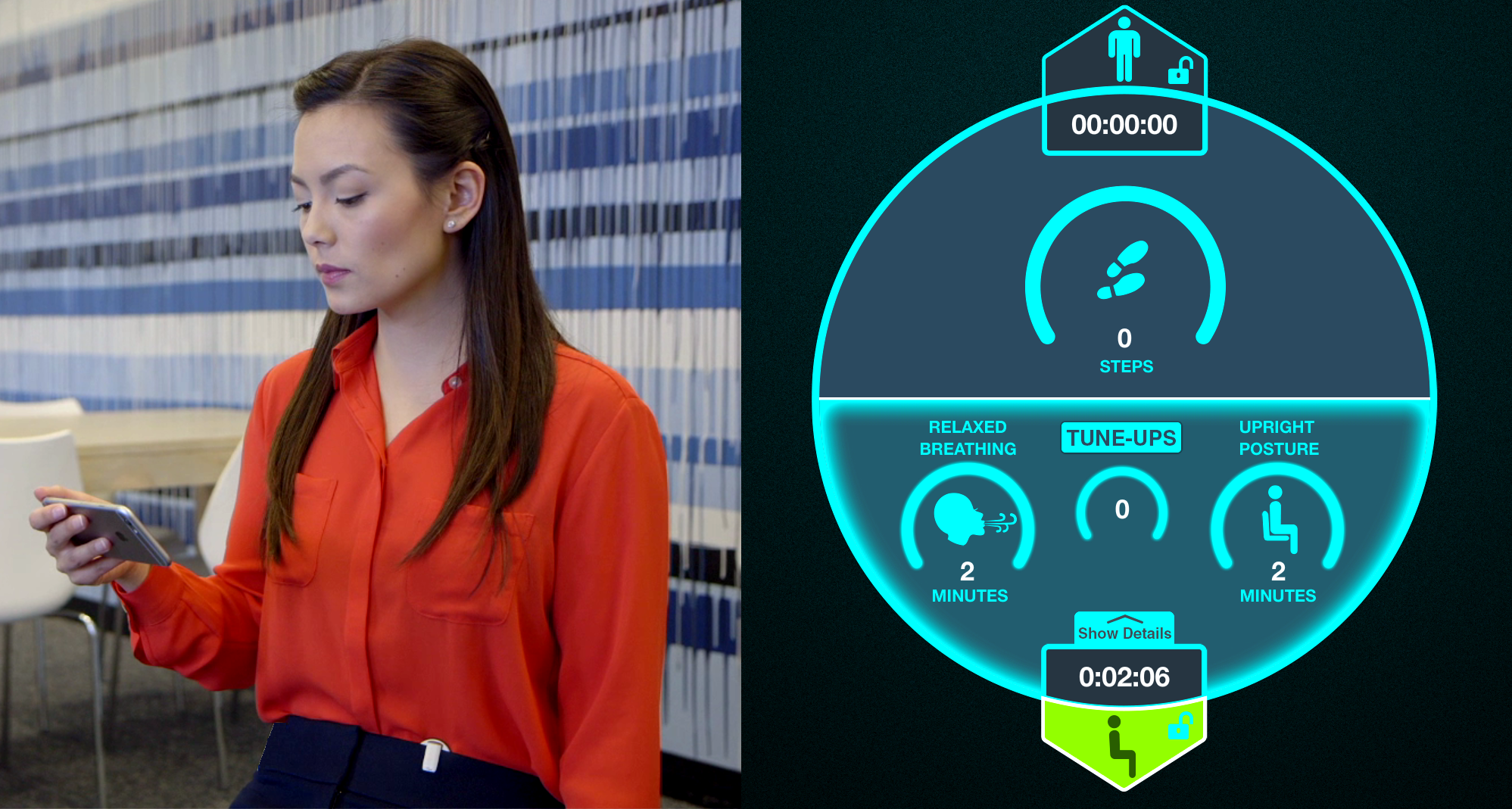
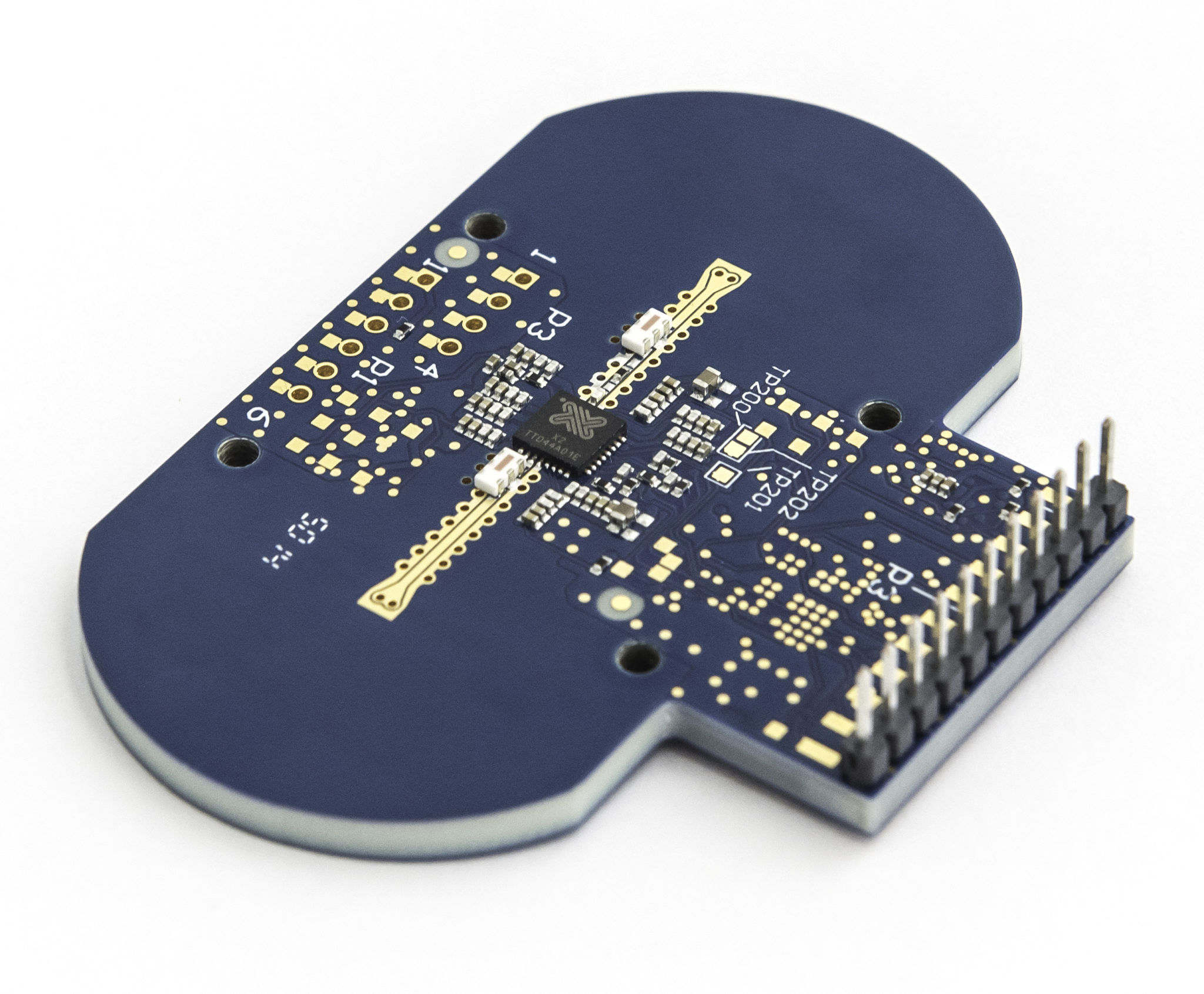
Mike Potter, the art director of B-Reel New York, spent almost a year he before he discovered the perfect chip: XeThru. It’s a Norwegian sensor that is good enough to determine a baby’s vital signs, and sense life through a wall. “[It can] find people trapped in collapsed buildings,” says Hughes. “We’re using it for very sensitive motion detection. The way we’re reading the visitor’s breath is through the small motions of their chest as they stand in the middle of the exhibit.”

Xethru_Sensor_Module

This exhibit would sense your breath when you move into the display room, and the shimmering globe of 13,000 LEDs – from pitch dark to sparkling lights – will synchronise with your breathing and bathe you in their hypnotic glow.

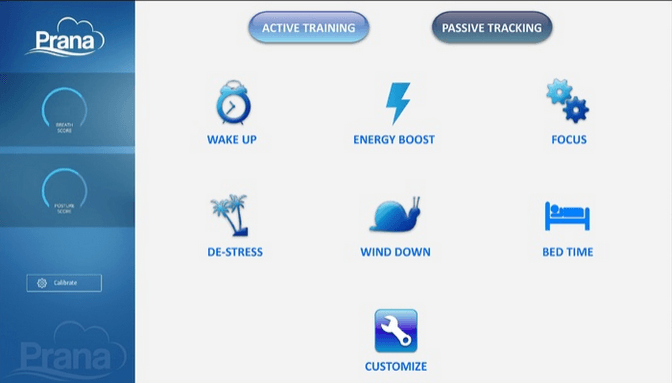
“Breathing is something that powers the body but you can’t see it or detect it in very many ways,” says Ben Hughes who holds B-Reel New York’s position of managing creative director, the agency behind this marvel. “PRANA is an attempt to visualize the unseen energy of our bodies and augment it in a really interesting way.”

posture

There is a plan for this display to travel. Currently located in the Fridman Gallery in SoHo in New York, an online animation is already open to visitors. “The hope is that over time we’ll have a constantly growing library of animations that have been submitted by the public that we can play out on the structure,” says Hughes. “It’s a way of allowing other people to touch it and interact with it.”

[adinserter block=”7″]

Author: Technology Blog

Is Mars One a complete failure even before starting?

The mission of the millennium, the idea of venturing far into the universe and setting up human colonies and the concept of inhabiting Mars, all have been doing the rounds and making everybody feel excited and proud about the Homo sapiens species that seems to conquer everything which crosses its path. Precisely, the Mars One mission has kept us all glued to the news relating to the space and universe but will the mission see the light of the day or will it go down in the history as the most revolutionary and talked about mission that failed miserably? Well the chances of latter seems more ripe based on a debate that took place at the annual Mars Society Convention where Mars One cofounder Bas Lansdorp was pitted against MIT PhD candidates and vociferous Mars One critics Sydney Do and Andrew Owens. The topic of the debate was simple: “Is Mars One Feasible?”

25BFA75600000578-0-image-a-26_1424350568032

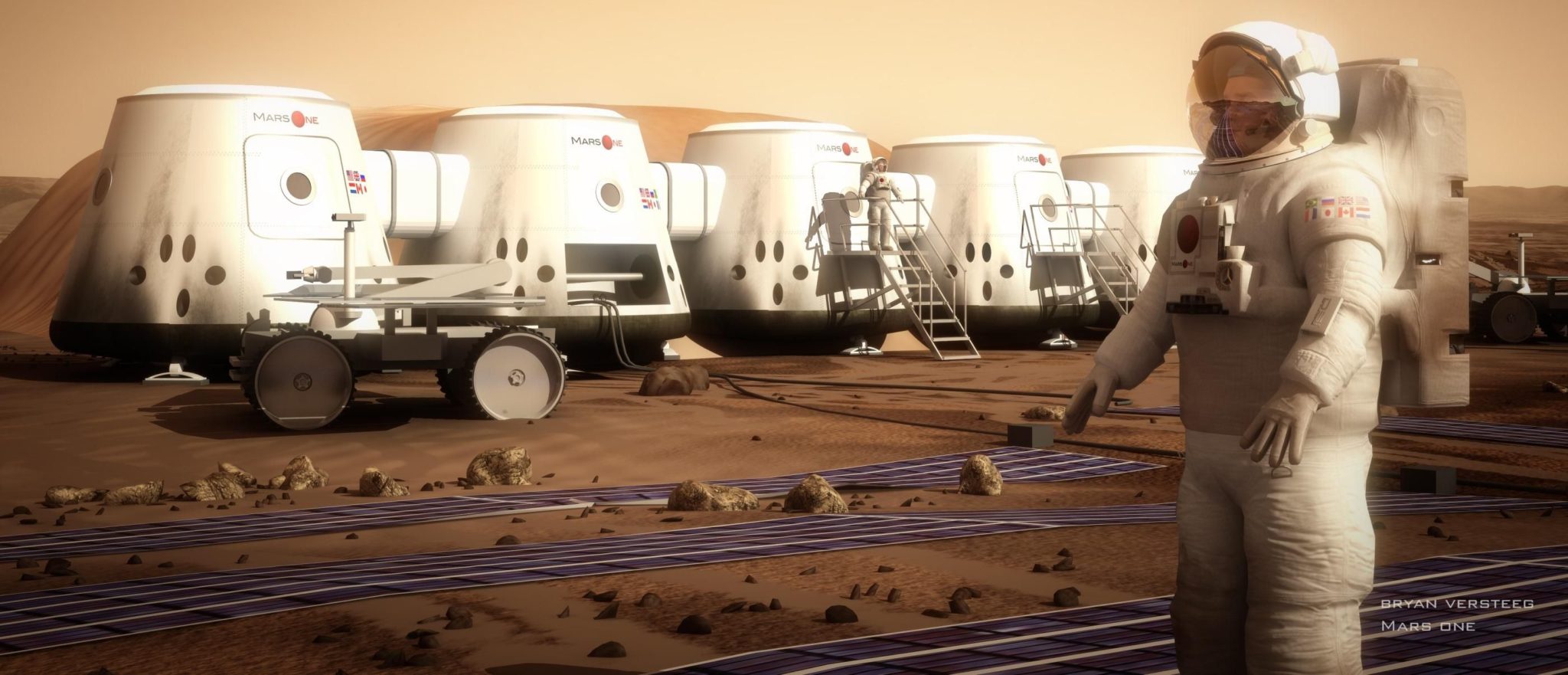
The Mars One mission envisages sending pairs of human colonists on a one-way journey to Mars every 26 months, beginning in the 2020s. But the big question is will they be able to survive and if yes, then how? According to Sydney Do and Andrew Owens, there may be a humongous hype around this mission but the technologies needed to sustain human life on Mars are not even mature till date, forget implementing them. Lansdorp on the other hand had no consolidated facts, figures or answers to prove it otherwise. Do and Owens presented their feasibility analysis in a condensed form based on various points.

To survive on Mars, humans will require two types of technologies, one, life support that is the stuff inside the supposed Martian habitats which will recycle the air to breathe, water and nutrients and will also keep CO2 and oxygen in balance. The second thing is in situ resource utilization that is using the technology to extract water from the Martian soil to drink, and nitrogen and oxygen from the air to build an atmosphere.

MarsOne_Spread_web1

 According to Lansdorp the technology does indeed exist as he is referring to the life support systems that are used on International Space Station (ISS). Undoubtedly the life support systems on ISS work really well in all practicality but the biggest thing that we are missing is that these systems are repaired and maintained regularly using spare parts located just 249 miles below the station and every three months there are resupplies but if one considers the case of Mars One, we are talking 26 months between resupply and no return vehicles… yes….. NO return vehicles for the colonists in case things go haywire. So are we going to send hoard of spare parts with every two colonists and will have to keep sending with every crew of two members? By doing this, practically we will be increasing the cost of the mission by a whopping amount.
140629-marsone_455ed2433a7a42caeda4621254b50da2.0

If supplying spares is not feasible then we are left with the other option that is utilizing the resources of the planet Mars to provide spare parts. The question now arises, do we have a technology or a physical process to accomplish this or even if we have was it ever done or tested practically? Talking theoretically about a process is entirely different from putting that process into implementation in an environment so different from our own planet. And thankfully, Lansdorp admitted this that the technology needed to manufacture spare parts doesn’t exist at all. He added: “What’s very important is that we need to start producing stuff on Mars locally”

The problem is Mars One in reality doesn’t have any money to start something as huge as this so it is at that stage right now where it is showing all the rosy pictures it can to attract investors. It can develop technologies, test them and implement them only if it has huge stores of money. But it seems really foolish to send humans to that other planet before the technology isn’t even ready with us. What’s the point of slaughtering precious humans just for the sake of a whim to prove what they think can be done? Mars One also admitted it in a different manner, citing: “its crews are going to have to get very innovative when addressing unforeseen life support challenges on Mars.”

Mars One may see the light of the day, but the main thing to be considered is the technology to do so. Nothing can be done if technology is not completely developed, tried and tested BEFORE we start sending humans to Mars.

[adinserter block=”7″]

Author: Technology Blog

A Better Grasp on Biodiversity Quotient of the Planet

United Nations conventions are where all the major decisions unfurl. A major issue needed to be taken into consideration by not countries as a whole, but by each individual at this point is how to save our swiftly declination rate of biodiversity. A few current stats about the pitiful state of many species should be enough to scare any reasonable person into action.

640_640_oneweb

Seeing this as an urgent issue at hand, five years ago, UN set 20 specific biodiversity targets for each country to achieve by 2020. These tasks were widely varied with regards to the immediate species at risk, and ranged from halving the biodiversity loss to sustainably harvesting fish. What was left to make this perfect was the supervision for the ensured enforcement of these goals.

An idea solving this step popped of just last month when some conservation biologists wrote an op-ed in Nature, published July 22, to extend the reach of satellites to the monitoring of the biodiversity status worldwide. Ten variables to measure the quotient in detail were suggested such as, wildfire frequency and species abundance.

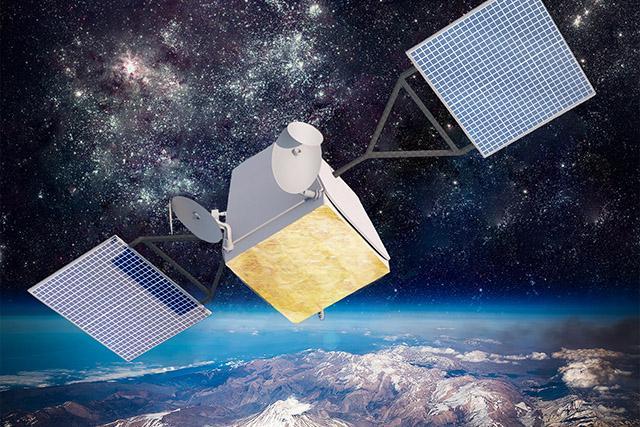
And thus went up the Sentinel-2 satellite launched at the end of June, by the European Space Agency. The images sent back are startling and apt for monitoring.

franz-josef-lg

NASA’s Applied Sciences Program has made use of satellites to study the ecology of our planet for ages. One particularly helpful tool is EnvDATA, a database where researchers can input their data on species’ movements and compare it to the satellite feedback on weather patterns, vegetation, and human population density.

[adinserter block=”7″]

Author: Technology Blog

Why Sleep-on-your-side is the best

One of the most commonly adopted sleeping postures is the sleeping-on-the-side position. Now we know how our body must have subconsciously adjusted to that position as it helped our brain to get rid of the neurological wasted that might harm us in the future by manifesting as diseases such as Dementia, Parkinson’s or Alzheimer’s.

Sleeping with back pain

The research team, led by Helene Benveniste, MD, PHD, a Professor in the Departments of Anesthesiology and Radiology at Stony Brook University School of Medicine, viewed the glymphatic pathway functioning in a rodent with dynamic contrast of MRI. The glymphatic pathway is one which is responsible for clearing the brain waste via the cerebrospinal fluid (CSF) and interstitial fluid (ISF). The glymphatic pathway is shown to be most efficient during the sleeping hours. Even the amyloid β and tau proteins, associated with Alzheimer’s and Parkinson’s are gotten rid of then.

Side-sleepers

“The analysis showed us consistently that glymphatic transport was most efficient in the lateral (side) position when compared to the supine (up) or prone (down) positions,” said Dr. Benveniste. “Because of this finding, we propose that the body posture and sleep quality should be considered when standardizing future diagnostic imaging procedures to assess CSF-ISF transport in humans and therefore the assessment of the clearance of damaging brain proteins that may contribute to or cause brain diseases.”

[adinserter block=”7″]

Author: Technology Blog
Pig Organ for Transplant

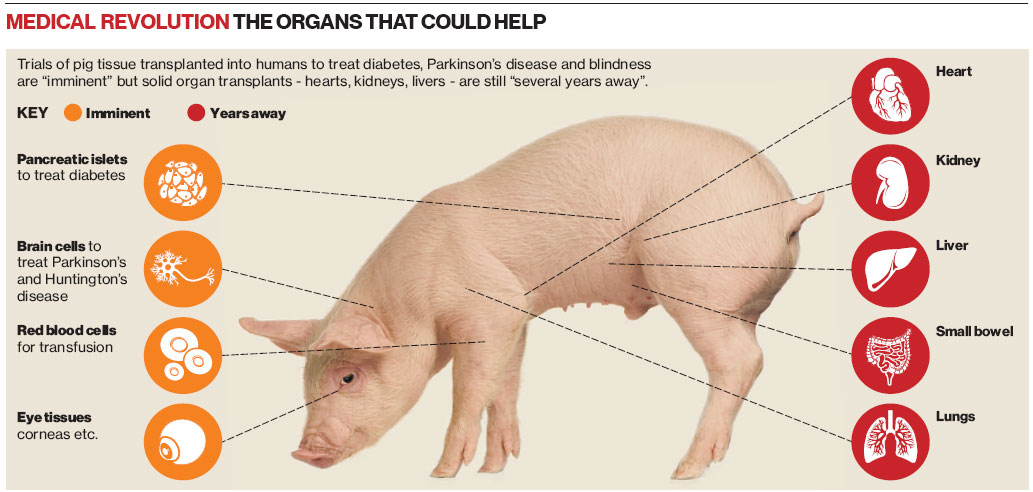
Scientists have gone overboard with freaky transplantation cases since time immemorial. The world has really kind of turned into one big Dr. Moreau’s island. This time it’s legal.

A pig heart alive in a baboon for 945 days and a kidney swap between the same species lasted for just 136 days. And then there was ‘Baby Fae’, the 1984 case, of a Californian newborn being given a baboon heart. That experiment lasted about three weeks before the heart failed. A Los Angeles woman who got a pig liver in 1992 died within 34 hours. The last time a doctor transplanted a pig heart into a person, in India in 1996, he was arrested for murder.

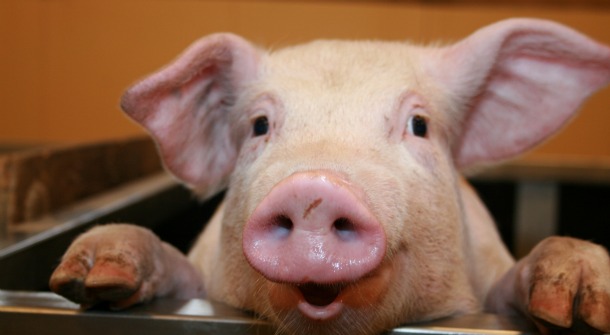
large_article_im419_pig_picnik

Thousands of people die each year, waiting for organ that work. Out of the countless less that lost each day, there is more than enough for every candidate of the waiting list. But getting an organ is not enough, the question of compatibility comes into the picture. So many organs are rejected after transplantation, even with enough dosage of immunosuppressant.
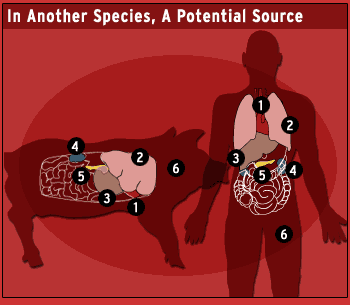
The idea which the scientists are currently working on is to “humanize” pig organs by added up to five human genes in the organs. This would reduce the chances of infection by the human body. The goal of this technique dubbed “xenotransplantation” is to ensure an “unlimited supply of organs”, and to carry out a successful pig-to-human lung transplant in a few years. The inspiration behind this research is Martine Rothblatt’s (founder and co-CEO of Revivicor, a division of the biotechnology company United Therapeutics, Blacksburg, Virginia) daughter suffering from a rare fatal lung condition called pulmonary arterial hypertension. The company, in addition to GM pigs, is working on tissue-engineered lungs and cryopreservation.
“We want to make organs come off the assembly line, a dozen per day,” says Rothblatt. In 2011 her company paid about $8 million to take over Revivicor. She has given her vision for the facility to breed 1,000 pigs each year and a private helipad for quick transportation of organs to hospitals.
Pig genes are even more distant to humans than baboon genes, and this increases the chances of rejection of the organ. So why do we continue to work with GM pigs? The simple answer is because they are easily available, and the young pigs possess organs of the ideal size.
One major help was the removal of the sugar molecule which normally lines the blood vessels of pigs, but is involved majorly in the rejection of the organ. The version of thrombomodulin (prevents blood clotting) was created in the pig organ, as the original version was wrong with human blood.

pig

“We are adding the human genes to the pig so you have the organ repressing the immune response, rather than have to give a whopping dose of immunosuppressant,” says David Ayares, responsible for the removal of the sugar molecule.
In case of heterotopic transplants, the stats have been better; Muhammad Mohiuddin, a transplant surgeon and researcher at the National Heart, Lung, and Blood Institute, in Bethesda, Maryland, says a heart from one of Revivicor’s pigs lasted two and a half years inside a baboon. Heterotopic surgery is when both the baboon and the pig heart reside and are not swapped out. Thus, the pig heart doesn’t have to pump blood to sustain the body.
Transplant surgeons say the money is a big factor as each surgery costs $100,000 and involves eight people. There was also other ethical and social issues which need looking after. The majority of the research going on at Revivicor is being funded by Rothblatt herself.

[adinserter block=”7″]

Author: Technology Blog

Sea lion flippers help design underwater vehicles

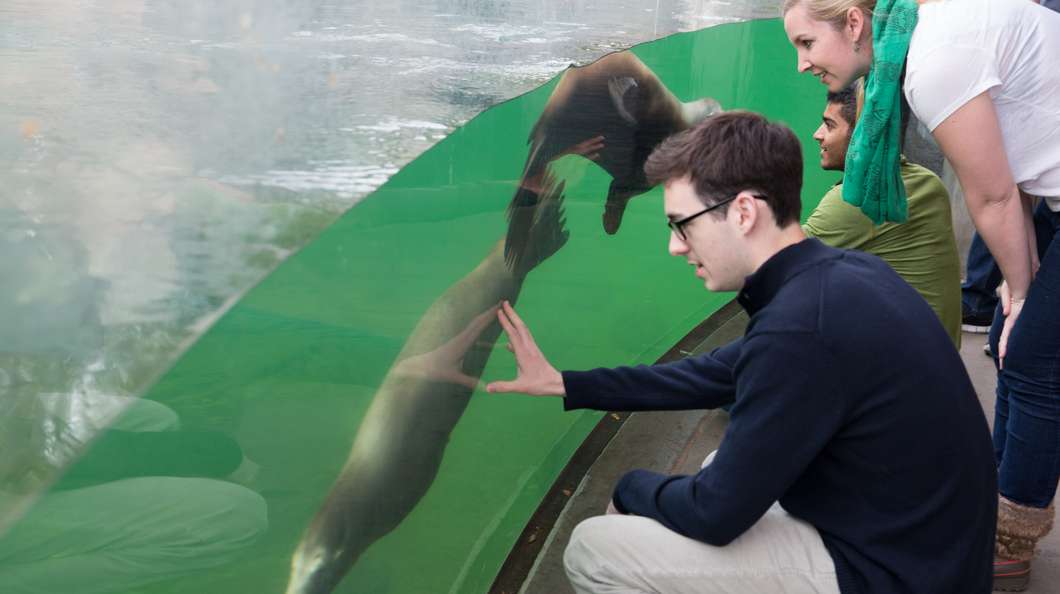
The way sea lions propel under water using their flippers instead of the tail has motivated a professor of George Washington University to develop a robotic sea lion flipper. The professor Megan Leftwich studied the propulsion of sea lions at the Smithsonian’s National Zoo.

robotic-sea-lion-flipper@2x

After a detailed study and various observations, she along with her other colleagues digitally plotted the relative positions of each flipper’s shoulder, elbow and wrist joints on a frame by frame basis as they went through their range of motion. This digital plotting helped them understand that as the sea lions clap their flippers in towards their body, the trapped water shoots back in a jet. This jet of water working on action reaction theory propels the sea lions forward in a quick and silent way.

Also based on this digital plotting, Leftwich and team created an articulated robotic plastic arm that propels exactly like a sea lion flipper. After this, a 3-D scan of the actual flipper was done to 3-D print a silicone covering as “skin” for that arm. The arm was then subjected to flow diagnostic techniques to establish how much force is required to move this artificial flipper through the water.

800px-Lion_de_mer_Amnéville_01

The next step for Lefwich is testing the robotic flipper alongside actual sea lions in the same enclosure. The main aim of the study is to zero-in on designs of efficient roboflipper-propelled underwater vehicles.

[adinserter block=”7″]

Author: Technology Blog
Fresh funding for DARPA space plane concept

What if there comes a future when an astronaut tells his wife: “Honey! I am leaving for my space expedition today but please do send me my favourite apple pie via the return space plane tomorrow evening!” Funny? because it is practical impossible? Well, DARPA wants it to become a reality and is funding humongous amounts of money to realize this dream.

This-Futuristic-Military-Space-Plane-Could-Deliver-Troops-And-Supplies-Around-The-World-At-Warp-Speed

Till this date, rockets have been the most reliable source to put objects in the space. According to the Pentagon’s research wing DARPA, rocket, which is pushed into the space via a single-shot thrust and which then disintegrates into unsalvageable parts, needs to be replaced with something smarter.

DARPA has set an extremely ambitious goal to create a vessel (under their XS-1 programme) that could go into space 10 times in 10 days with flight costs as low as $5 million. They have so much faith in this programme that they have funded the second stage in their design competition.  The dream is to make a reusable space plane under the XS-1 programme which is the workhorse successor of the Space Shuttle fleet.

1280x720-_NR

The concept has a lot of scientific and financial challenges queued up but it is believed that DARPA can take this challenge head-on by rounding up the talents of the aerospace industry. $6.5 million have been awarded to each of the three teams that belong to Boeing and Jeff Bezo’s Blue Origin, Northrup Grumman featuring Scaled Composites and Virgin Galactic and Masten Space Science Systems together with XCOR Aerospace. All these three teams have to use this money to continue with the development of the cheap, reusable space planes as proposed by DARPA. If we could find success at the end of this tunnel then sending things to the space would be so much easier and economical.

[adinserter block=”7″]

Author: Technology Blog

Wetness Sensor Diapers Coming Soon

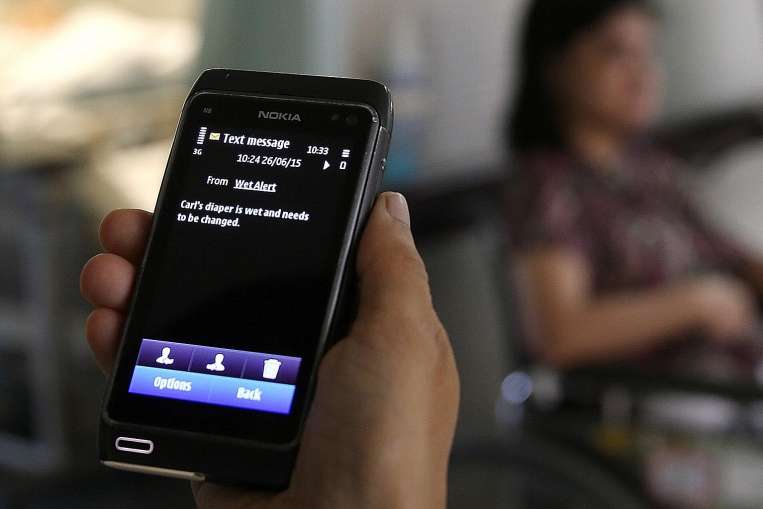
Researchers at the Agency for Science, Technology and Research’s Institute of Bioengineering and Nanotechnology (IBN) in Singapore have come up with an adult diaper that notifies the user after a certain amount of wetness has been reached. The notifications are sent straight to the specified mobile.

sleep-side

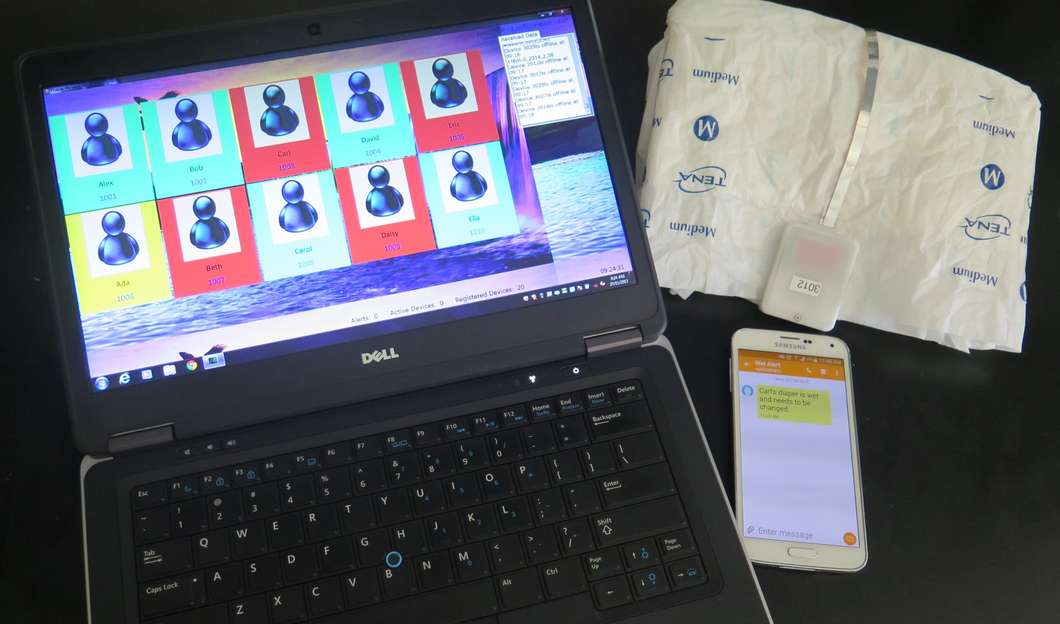
The arrangement includes a thin disposable sensor strip, a compact wireless transmitter and a receiver. These diapers could be useful to adults struggling with cognition and speech.

Sensors used by these, can also be applied to a current standard adult diaper. After making use of the diaper, it can be discarded. The wireless transmitter can be saved for future reuse.

diaper-sensor-1@2x

20 elderly residents at a retirement home in Singapore between November and December 2013 and validated by the Agency for Integrated Care and geriatrician Dr Philip Yap, who works at Khoo Teck Puat Hospital. The study safely concluded that the people wearing diapers with sensory device spend 90% less time in wetness than the ones who don’t.

[adinserter block=”7″]

Author: Technology Blog
Now have Printable Solid State Batteries

If you’re tired with the same old type of batteries with the few varying shapes and leaking walls, it’s time to switch to these new printable solid-state batteries, which can be of any shape under the sun and be fitted into any surface you want.

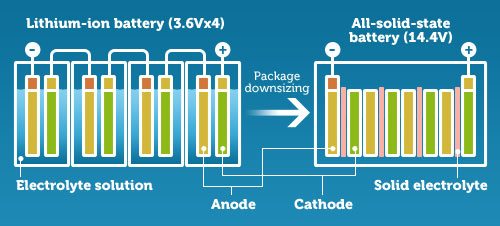
The main difference between these new batteries and the conventional ones is that the Li-on batteries come with a divider between two electrolytes so as to avoid mixing. These new inventions come with solid electrolytes that acts as ion-conducting medium.

printablesolidstatebatteries@2x

“The new solid-state electrolytes are printable and also solidify after exposure to UV irradiation, eventually acting as an alternative separator membrane,” says Sang-Young Lee, a Professor at the Ulsan National Institute of Science and Technology (UNIST) in South Korea.

The electrodes inside the battery are encased by a paste-form of electrolyte. After the batteries are printed out in the desired shape, and fixed onto a surface, (For instance, the frame of a mobile phone could itself be a battery), the battery is exposed to UV rays and the paste hardens.

The printed battery has been shown to provide just as much runtime as traditional batteries. It is to be shown that 90 percent capacity retention after 30 cycles with no loss of charge. These properties of the printed battery are attempting to be improved upon by change in the density and/or increase in the printing area.

“We are trying to find unprecedented application fields that we have not yet encountered, most of which have difficulties using traditional batteries due to shape/design limitations,” Lee says. “One of most promising application fields is wearable electronics and the IOT (Internet of Things).”

4937730bf21683c92e880a2922330796

Technologies like 3-D, and ink jet would greatly benefit from these printed batteries. If all goes well, 5-7 years of waiting before these batteries are out.

[adinserter block=”7″]

Author: Technology Blog
Dubai on a Record Spree

Dubai is going way over the top, to say the least. I mean the biggest shopping mall, the tallest residential tower, the longest indoor ski slope, world’s biggest mall, world’s highest observation deck, largest dancing fountain in the world, and world’s highest restaurant is a tad bit too much, don’t you think? More than half of these aspiring models will be located inside Meydan One of Dubai, which is supposed to be the destination of mix all things fun. It will offer residential plots, hospitals, and entertainment spots, as home to more than 78,300 residents.

&MaxW=640&imageVersion=default&AR-150809672

The Meydan One is not to be located much away from the planned Mall of the World, mentioned above, as the biggest mall of the world. Meydan One will contain the Dubai One Tower, with all of it’s 885 apartments and 2,333 ft. (711m) glory.

The destination will also provide a five-star hotel, a conference center, a plaza view restaurant, and the Meydan One Marina Yacht Club. This is where the world’s highest observation deck at 655 m (2,149 ft.) with 360-degree view, and the world’s highest restaurant at 675 m (2,215 ft.) up.

meydan_fountain

Meydan One Mall has a large retractable roof that can open during the winter months to allow outdoor shopping and dining. There will also be an 8,000-capacity arena for hosting sporting events, live concerts and theatrical shows, and a 25,000 sq. m (269,100 sq. ft.) multi-purpose indoor sports center will cater for activities of sports.

[adinserter block=”7″]

Author: Technology Blog
The most amazing artificial wave park for surfers opens up in Wales

Want to surf on the longest man-made wave on the planet? Then pack your bags and head to Wales as the construction of Surf Snodonia – one of the world’s biggest artificial wave parks has been completed by a company known as Wavegarden and it has opened for business this month.

wavegarden-surf-snowdonia-artificial-surf-park-3@2x

 The one of its kind wave park took about 10 years and $20 million to reach this stage. It boasts of a humongous area of approximately 387,700 square feet and a completely different way of generating waves. Wavegarden have patented their “wavefoil” technology for creation of the waves. This technology is actually based on the working of a snow plow that works underwater. This plow head moves along a submerged track that runs down the centre of the pool.

As it does this, the wavefoil’s shape causes two large, tubular waves to break away on either side of the central divider. One of the most impressive parts is the length of the wave that it creates: 300 metres or 984 feet! And no, this is not it… the amplitude and frequency of each wave can be controlled using a computer. Waves can be generated in three different sizes: 0.7 metre for beginners, 1.2 metres for intermediate ones and 2 metres for those daredevil ones and waves in both the sides of the dividers can be of different sizes.

1440

This will enable people of all levels of proficiency to enjoy the park. And even if you are not one of those who love surfing, Wavegarden is a wonderful place to be in with its amazing restaurant, bar, cafe, gift shop and onsite camping. So don’t waste your time and book a trip to Surf Snodonia.

[adinserter block=”7″]

Author: Technology Blog

Verified by ExactMetrics