3-D printing to print some amazing things and objects!

Till now, you have read about a lot of weird things 3-D printing can do: making stuffed animals, creating fake meat and all but now the technology is gearing to do some serious work in its field. Just read on and find what amazing things can be printed using this technology.

198e80e3-c438-4316-9e51-df506d393031-1020x612

  • Customized detailed moulds of your jaw: Our body is one such thing that requires customization for almost everything related to its health. 3-D printing can really prove to be a boon in this field. For example you must know or unluckily might have had to know via your own experience how jaw moulds are created. You have to leave that cement stuff in your mouth to create impressions of your pearlies on it so that the dentist or orthodontist can create things like retainers or braces. 3-D printing is surely making its progress in the field of creating dental trays and no wonder in a much easier and no-hassle way than the traditional one.
  • Organs and bones: There is a lot of hope that in future, 3-D printing can actually create internal organs along with eyes, nose, ears, skin, blood vessels and bones. In 2013, medical company Organovo started selling 3D-printed liver tissue. And already, companies are creating cheap, 3D-printed prosthetic limbs for kids. Not stopping at this, with the help of CT scan it would be possible to create replica of people’s internal organs.
  • Customized surgical stents: 3-D printing can also make itself useful in making stunts- the little tubes that surgeons put in our bodies (in a blood vessel or artery) to hold it open and allow it to function. One such stent was actually fitted above an infant boys’ lung to open the airways and help them breathe normally.
  • Replacement parts for your organs: 3D printing can amazingly be used to make surgically-implanted hardware that protects or supports damaged organs. This could lead the way to custom repairs for damaged tracheas or windpipes For instance, Feinstein Institute of Medical Research actually produced bio engineered trachea using this technology and that too cheaply and quickly.
  • Models of molecules: Till this date molecule models were made with popsicle sticks but using 3-D printing, huge, tangible models of molecules can be created as it can print even those complex geometries where obscure shaped stuff like zillion-sided polygons can also be printed.
  • Lighter airplanes: 3-D printing technology is poised to produce lighter and more fuel efficient airplanes cutting the total weight up to 55% in all its probability. 3-D printed polymers have high strength to weight ratios so if 3-D printed plane parts are used it will bring down the total weight of the plane and hence increase its fuel efficiency.
  • Personalized car parts: customized car parts can be made using the 3-D printing technology, for example an ergonomic steering wheel custom-built for the driver’s body and comfort. This technology also makes the process of prototyping very easy and fast and cheaper hence helping in frequent testing.


18ljch0osb13vjpg

Jonathan Jaglom, CEO of 3D printer manufacturer MakerBot, sums up quite correctly “3D printing bridges the gap between the digital and the physical world, and lets you design pretty much anything in digital form and then instantly turn it into a physical object.”

[adinserter block=”7″]

Author: Technology Blog

How Driving Might Become Illegal

With driverless cars and continuous advancements in technology in the field of transport taking place, future generation might not drive. But what we are talking about here is an absolute ban on driving.

2014_volvo_autonomous_drive_me_testing_01-0430-mc-819x819

We’ll be too lazy to lift our hands to control the steering wheel anyway, in the future. So what calls for the ban?

Driving is the most dangerous task an average person will be undertaking in their entire lifetime. We drive to places daily. To work and back, to the grocery store and back…in that process, we multitask. We take selfies, we drink coffee, we text and we listen to music in the car or motorcycle. But did you know that actions such as drinking coffee, talking on the cell phone or eating, could reduce one’s reaction time same as an ounce of alcohol? Now that might not seem as much, but driving accidents have been increasing every year from easily avoidable actions on the part of the driver. More than 1.2 million people are killed in car accidents globally each year (which is more than the total casualties suffered by both sides in the Korean War).

Let’s say that you are sober and completely in control, looking out for the red lights and stop signs. But your office has been working you late and you are too sleepy to look straight. BAM! According to the National Sleep Foundation, 69 percent of adult drivers report driving while drowsy at least once a month.

Autonomous vehicles don’t need rest. They do not get distracted while on the job. They are fitted with cameras, infrared sensors, networked maps and a host of other software, which enables them to foresee and plan accordingly to avoid danger in ways that the human mind is too “scattered” to solve. They can brake faster, swerve quicker and also communicate with each other more efficiently and effectively than human-navigated vehicles.

Tesla CEO Elon Musk shocked the world when he proclaimed, “people may outlaw driving cars because it’s too dangerous.”

tesla_wales_may2014_154

But according to the Eno Center for Transportation in Washington, D.C., about 21,000 a year would be saved if even a partial fraction of people stop driving manually. The faith in this belief that autonomous vehicles is the lifesaving solution can be evident seen in many countries. For example, the University of Michigan just dedicated 32 acres to build a self-driving test track. And the British government recently invested more than £50 million for trials to make British a global hub of self-driving cars tester and their component manufacturer.

[adinserter block=”7″]

Author: Technology Blog

Tiny Fusion Reactors are the Future

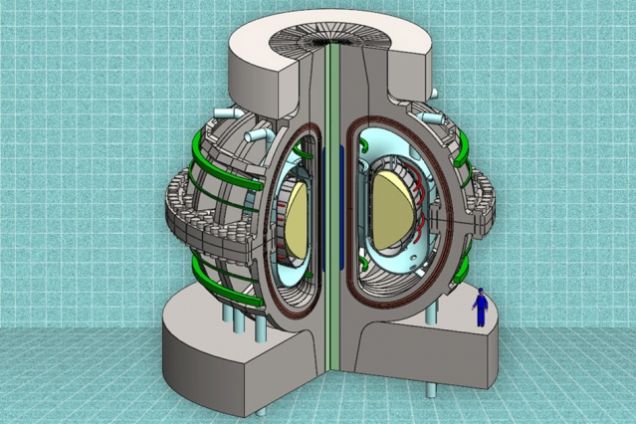
Magnet technology has made an advancement which would led us to believe that we might be closer to small nuclear fusion reactor. This fusion reactor, half the diameter of existing models,  is made up of barium oxide-based superconductors and produces magnetic fields strong enough to power electricity for 100,000 people.

1381265281583919143

Fusion is a process when two hydrogen atoms bang together and form helium, at extremely hot temperatures. The hot hydrogen plasma is the only limiting factor; we can’t bring it up to the temperature sustained inside the sun. Thus, we have our hopes on magnetic fields. But to produce this much energy, the great size of the fusion reactor required would be unrealistic.

The journal Fusion Engineering and Design talks about the type of fusion reactors we can hope to have. The strong magnetic fields created by the Earth’s superconductor, would reduce the original estimated size greatly. The fusion reactor, in theory, should produce 10 times the energy by a standard semiconductor, without getting short circuited and derived continuous, uninterrupted supply of electricity for a fair period of time.

Solid materials that make up the insulation for the chamber inside the reactor, have been swapped out for liquids instead. The argument being is that liquid can be drained off without any elaborate procedure, and could help with cost effectiveness.

dynomak-5

“Fusion energy is certain to be the most important source of electricity on earth in the 22nd century, but we need it much sooner than that to avoid catastrophic global warming,” said David Kingham, CEO of Tokamak Energy Ltd in a statement. “This paper shows a good way to make quicker progress.”

[adinserter block=”7″]

Author: Technology Blog

Space grown lettuce: A giant leap in the field of space station self-sufficiency!

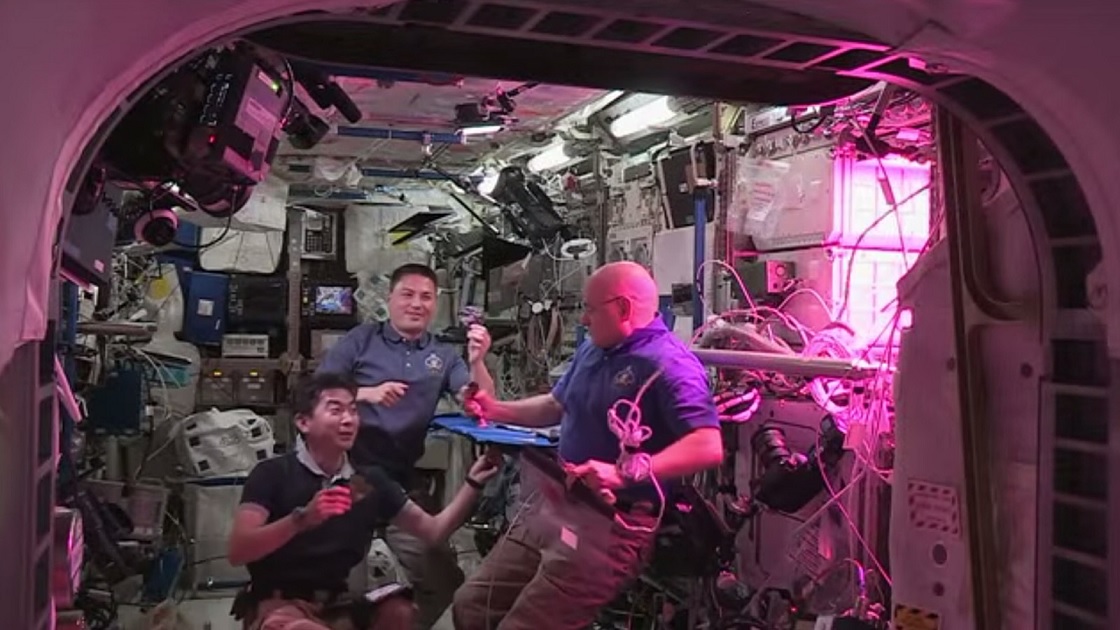
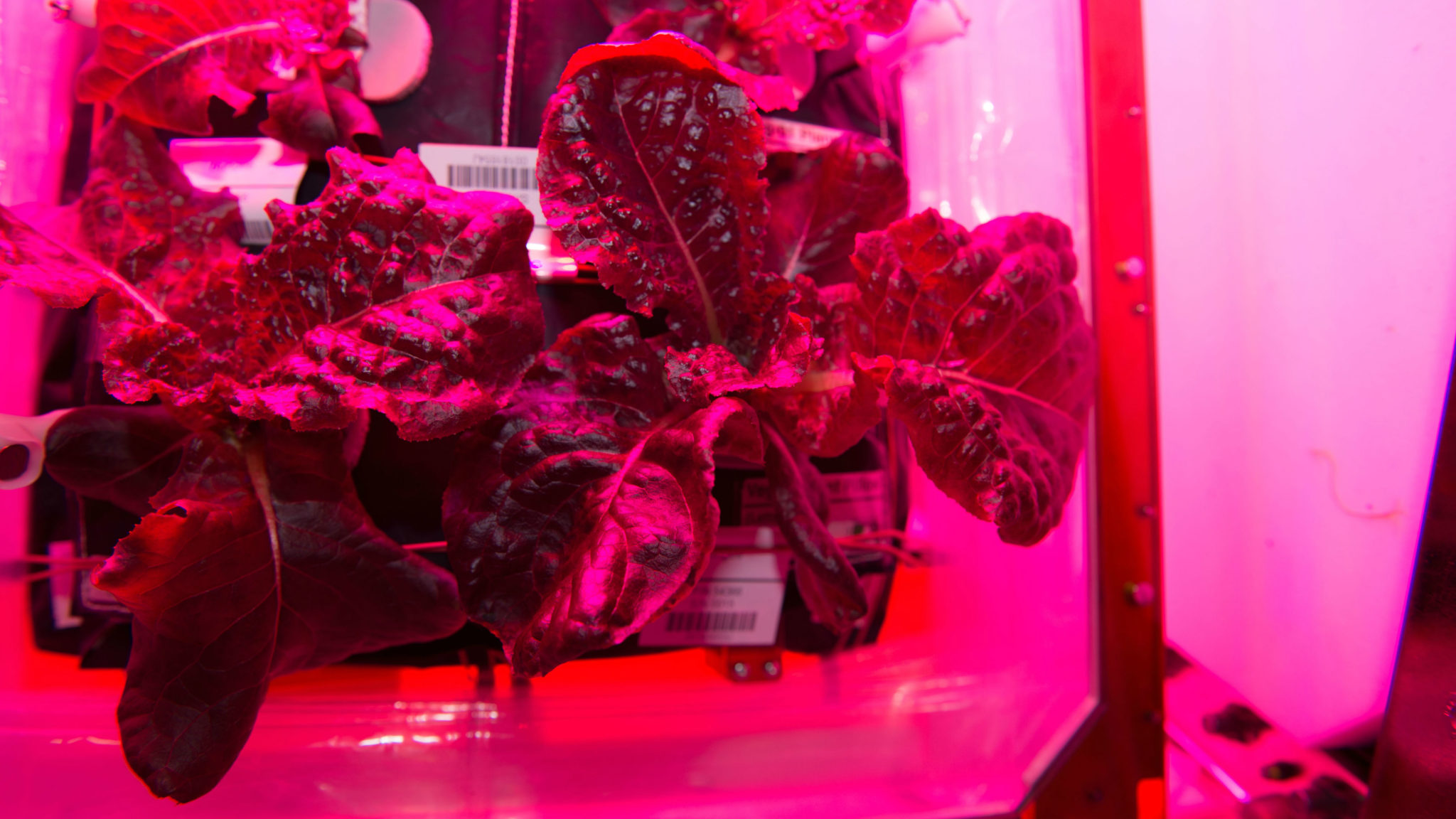
Under the Veggie Experiment of ISS, which involves growing vegetables in space, first seeds were activated in May 2014 and then in July 2015. In both the cases, plants were watered, grown and matured over a period of 33 days aboard the ISS and then sent back to earth for food safety testing. The lettuce grown in second batch is now going to walk down the path of history as it is the first space grown lettuce that will be eaten by the members of the International Space Station’s (ISS) Expedition 44 crew. These plants were grown right there on the space station in zero gravity in miniature greenhouses called “Veggie.”

Untitled1

According to Ray Wheeler, lead for Advanced Life Support activities in the Exploration Research and Technology Programs Office at Kennedy: “There is evidence that supports fresh foods, such as tomatoes, blueberries and red lettuce are a good source of antioxidants. Having fresh food like these available in space could have a positive impact on people’s moods and also could provide some protection against radiation in space.”

space_lettuce

If this proves successful, it will cut down the number of supply missions for any project and will also prove to be a very important phenomenon in NASA’s manned mission named Journey to Mars that is expected to take place in 2030’s. NASA payload scientist Gioia Massa commented on this success story and said: “The farther and longer humans go away from Earth, the greater the need to be able to grow plants for food, atmosphere recycling and psychological benefits. I think that plant systems will become important components of any long-duration exploration scenario.”

[adinserter block=”7″]

Author: Technology Blog

Targeted Nanocapsules to Save Lives

Heart attacks and heart attack like events invariably result in blood clots, almost instantaneously. If not tended to quickly, clots can prove deadly by hemorrhaging. Drugs to dissolve clots are present, but their delivery is the catch. The doctors have to deliver the right dosage, at the right time, to the right place of the clot before it’s too late.

c4cc04248d-f1_hi-res

A team of Australian scientists from the Baker IDI Heart and Diabetes Institute and the University of Melbourne have come up with a solution that could prove revolutionary in this respect, as it uses the very substance which is present in fresh clots.

Thrombin is an enzyme that plays a major role in blood clotting. It is an essential substance without which we would not be able to stop bleeding even from a minor injury. Thrombin makes cross links between clots to make them stronger.

The scientists have taken a previously approved clot buster into work, called urokinase (uPA) and loaded it into a nanocapsule. This capsule is made up of a careful design of peptide sequences arranged so that it doesn’t break down before it reaches the target.

nanocapsules

Thrombin is present is freshly formed clots. On reaching a recent clot, thrombin will break down the nanocapsule and the clot buster can work its magic. The capsule can’t break down in any other location owing to the lack of thrombin.

“If you have a clot that is old, it won’t trigger the process as there is not enough thrombin,” lead researcher Christoph Hagemeyer explains. “The intention is to give the drug as soon as possible. It could be given in a heart attack straight away, in the ambulance as soon as there are symptoms.”

[adinserter block=”7″]

Author: Technology Blog
Samsung’s 256-gigabit chip: the BIG thing!

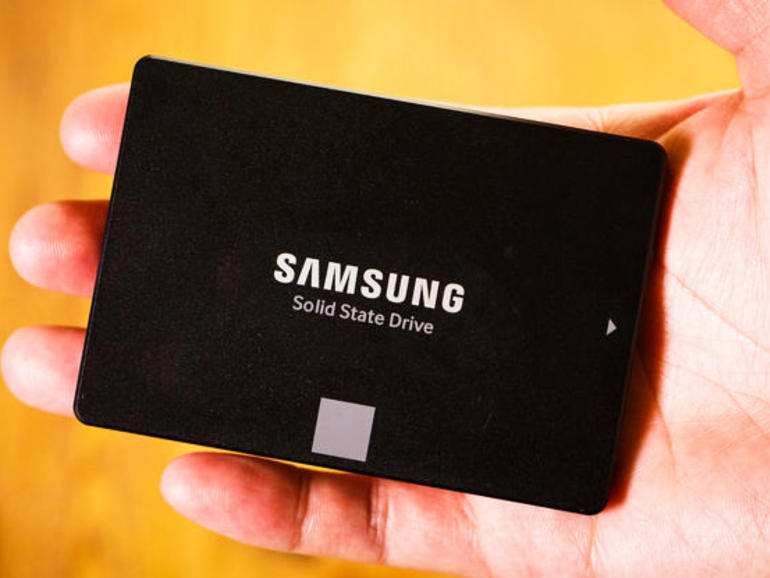
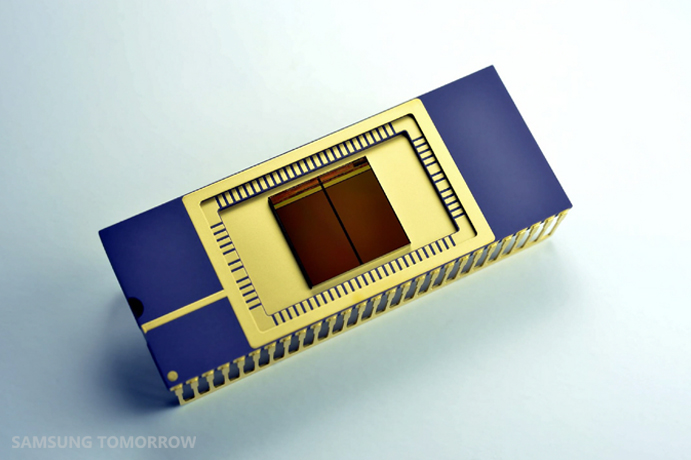
Do you think nothing could get bigger and better than Samsung’s 2TB solid drives? Well, you have been wrong by none other than Samsung itself! The company has started manufacturing the first 256-gigabit (32GB) 3D vertical flash memory, doubling its previous capacity record.

samsung-850-evo-2tb

The new technology is supposedly capable of turning multi-terabyte SSDs into practical options for your home PC and would also enable phone makers create more space into tight spaces.

samsung-850-evo

And the good news the storage might have doubled because of this technology, but the prices won’t. The company is planning to make this 256-gigabit (32GB) 3D vertical flash through the rest of the year 2015.

[adinserter block=”7″]

Author: Technology Blog

Google’s restructuring results into a new supercompany “Alphabet”!

While typing alphabets in the Google search engine did you ever have any idea that you are actually paving the way for the name of a new supercompany? Well the news of the year is that because of a restructuring in the company Google a new supercompany has stepped into this world and the name of the company is “Alphabet”.

telecoms-mwc

The Alphabet will have Google as one of its subsidiary companies and Google’s CEO Larry Page as its new CEO. This step was taken in order to make the conglomerate of companies more independent and better managed. The current president of Google Sergey Brin, will become the president of Google while Sundar Pichai, the current head of Google’s Android and Chrome divisions will take a giant leap and will be appointed as the next CEO of Google.

Alphabet will also include Google’s Wing drone delivery attempt and its X lab, as well as its Venture and Capital investment companies. While pursuits like Calico (Google’s war on aging) and Life Sciences (developing the glucose-sensing contact lens) are split into separate entities, Google will downsize apparently to web services. The merger will supposedly take place later this year and Alphabet will be the one reporting the company’s Q4 earnings. Alphabet will also replace Google as the publicly-traded entity and this will have no effect on the shareholders as all the shareholders will have the same number of shares and the same rights.

scgcbhegtroacb_mfoh0egc3mlm_uvt7tkxruxtmjpk

Even though owned by Alphabet, Google will continue to trade as GOOG and GOOGL on the Nasdaq. Google had started rolling the ball since March 2014, when Google registered abc.xyz, Alphabet’s new domain. While answering the question on why did he choose the name “Alphabet”, Google’s CEO Larry Page replied that the alphabet is integral to Google’s search function and the basis of all the success they have achieved till date.

Author: Technology Blog

Misty Bacteria for Clean Skin!

The people at AOBiome in Cambridge, Mass. are trying, what can only be taken as an attempt to redefine the word “clean”. We are accustomed to using Purell at least twice a day. The germs pestering at every nook and cranny are enough to drive you towards the soaps. So what do these people mean when they say that smearing bacteria all over your face would clean it, and leave your complexion pretty?

mag-25Bacteria-t_CA0-videoSixteenByNine1050

This product named Mother Dirt hints at where the bacteria used is derived from. Horses and other animals seem to love rolling around in the dirt, don’t they? Ever wondered why that is? The animal kingdom are keen on surprising us at every turn, and it turns out that the soil contains ammonia-oxidizing bacteria (AOB) which converts our sweat(causing acne and irritation) into nitrite, which fights most bad bacteria, and nitric oxide, which has anti-inflammatory properties.

We were covered with these bacteria too, that was until we started purifying ourselves with soaps and sterilisers.

Now that I come to think of it, this idea is not that insane at all! If we are so keen on drinking probiotic drinks, why can’t we put on probiotic make-up too?

Eating organic food is now an incredible common thing, “It wasn’t too long ago that the parents who gave their babies organic baby food were considered extremist,” says David Finkel, an investor in AOBiome. “Today, if you don’t do that, you’re considered a bad parent.” This mist is perfectly safe in case of accidental ingestion as it is completely natural.

Whitlock, the chief funding scientist at AOBiome, was the brains behind this whole thing. It’s been 12 years since he has last showered using soaps and cleansers. He adds AOB to water daily and douses himself with it. If you meet him, he has great skin and smells fine too.

Is-Bacteria-the-Beauty-IngredientWeve

Among a group of subject testers for the mist, New York Times writer Julia Scott, wrote about how she had found herself hooked to the product after an initial phase of greasy hair and smelliness. She wrote, “For the first time ever, my pores seemed to shrink.” The company with just four employers at that time, had found itself bombarded with orders after that.

“They’re young people who take an active role in their health and don’t necessarily think their doctor knows best,” AOBiome’s Aganovic says. Both genders have ordered equally, probiotic user at the tow. “We have a lot of entrepreneurs,” she says. “People have called us the Soylent of skin care.”

To sum of, this mist and several other products currently being worked on are targeting acne, dryness, eczema, skin allergies and sensitivity. The FDA has given the company thumbs up for Phase II to develop acne medication, which will be available by 2017.

[adinserter block=”7″]

Author: Technology Blog

Trying to get pregnant? A little gadget in the ear can tell you about your most fertile days!

Pregnancy is the most wonderful phase in a woman’s life but those women who are trying to get pregnant the wait can really spell doom if they can’t conceive as per their plan. To find out their ovulation days, the most common way is to record their BBT (Basal Body Temperature) that is their lowest body temperature in 24 hour period. For this, the woman has to wake-up and has to take her temperature before sitting up preferably at the same time, everyday.

yono-fertility-monitor-and-app-600x400

Now, a small gadget YONO comes to their rescue. The small gadget is designed to wear in the ear. One just has to slip it on at night and the YONO tracks the body temperature to determine when it reached its lowest, gathering data every five minutes. The next morning, the YONO is removed and placed on its charging cradle which then broadcasts the data from the earpiece to a mobile app via Bluetooth.

Vanessa Xi, CEO and founder of Bay Area-based YONO Labs says that, “Our technology is quite different from infrared technology, which you see in traditional in-ear thermometers. Our sensor measures the body temperature in the ear canal.” It is said that the BBT of a woman generally occurs between 2 am to 6 am and the device does require you to be a sound sleeper. The earbud is designed in such a way that it doesn’t cancel any voices and stays put throughout the night and women do not need to get up and sleep at fixed time daily. Adding to this, there won’t be any problem if you don’t transfer data, everyday. Every three to five days is normal. Once the data is transferred to the app, YONO will determine through BBT when a woman is ovulating.

yono

Priced at $ 149 it is pricey, but the company is starting a leasing programme which will offer women a chance to use YONO for four months for $60 and a $15 refund per month not used if pregnancy happens quickly. According to the company it is perfectly safe to give YONO to a friend or family member even after it has been used. Hope the little gadget helps bring many little ones into this world!

[adinserter block=”7″]

Author: Technology Blog
The Best Tsunami Shelters! Possibly!

This summer’s New Yorker Cascadia Subduction Zone story, warned about a possible devastating earthquake and tsunami in Pacific Northwest. This article not only impacted the magazine readers, but was spread and soon known by many more. Sadly, a section of the story also told about small communities that were helpless for their own safety, as every attempt to build a shelter was dwarfed and eliminated by the lack of funds. People were adamant against even a marginal increase in their salaries, however insignificantly. One K-12 school in Oregon suffered in this way as, “The tax increase for residents amounted to two dollars and sixteen cents per thousand dollars of property value,” wrote Kathryn Schulz. “The measure failed by sixty-two per cent.”

1375269061080785812

According to this week’s Hakai, the coastal-science magazine, in the US town of Westport, Washington, publicly-funded tsunami shelter is being built in what can only be called- a two-in-one design. This shelter, which can support 1000 people easily, is to being built above a gym previously constructed for the Elementary High School. This structure would safely keep the refugees of the shelter 55 feet above sea level.

“The gym will be bolstered by reinforced concrete cores at each corner with staircases leading to the roof. Even if the walls are ripped away, the cores should remain intact through both the quake and the tsunami”, Ash said.

This two-in-one design is called a vertical tsunami shelter. This design would be a good idea as it is fairly cheaper to bring about than a completely new construction. It only added 20% to a Westport budget.

1375269061432467348

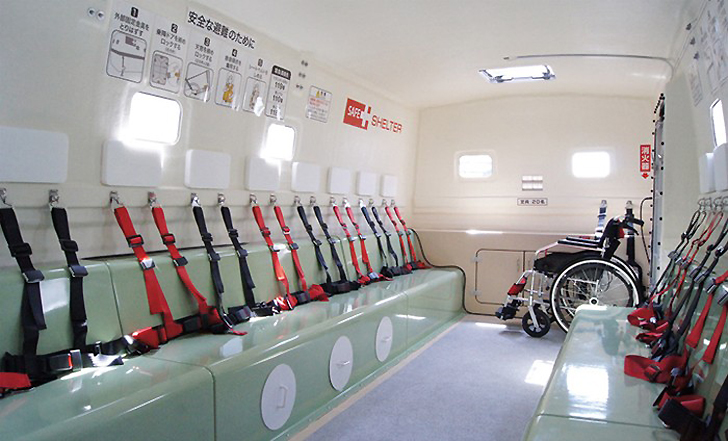
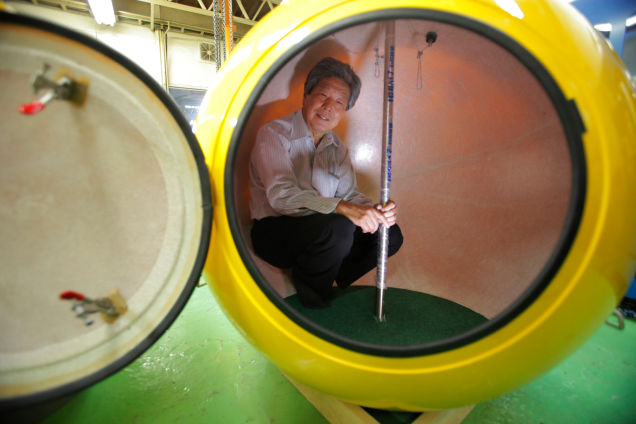
The Westport model is revolutionary as it is inspiring low lying communities, with less funding, to build a similar cheap model. Other specialised techniques pill-shaped concrete pods built by a company called STATIM, can protect about 80 people each, but costs $100,000 a pop, according to New Scientist.

[adinserter block=”7″]

Author: Technology Blog
Busy? The brain scanning software will block those distracting notifications

Whatever you do during the course of day the constant beeping of your phone never lets you concentrate on one single task. The result is you are distracted and instead of doing one task properly, you do multiple things and all poorly. To save you from this situation, computer scientists from Tufts University are developing a system that detects your brain waves and if your brain is busy in something, the software can silence the non-stop beeping of your devices to let you concentrate.

xinsia94xoea9di2bfqk

The project called “Phylter” makes use of functional near-infrared spectroscopy (fNIS), a measurement of how the blood flows in the brain. To make it work, a monitor is attached to the user’s forehead with a band, which shoots light beams into the brain. Using this process, data is gathered which is then parsed with an algorithm which in turn tailors the device to each specific user. So based on the fNIS activity this is how the system derives if you are hard at work or simply daydreaming.

The researchers also conducted a study in which they connected Phylter to Google Glass and asked the participants to play a video game. During playing the video game they were showered with the beeping of phones and notifications. During this course their decision to take or not to take a certain notification taught the algorithm what was important enough and what could wait.

look_a_distraction_design_by_eecomics


Researchers believe that using this project it would be possible to weed out distractions in people’s everyday activities like driving, working on a project, etc and possibly in the future it could make itself useful in different types of research projects correlating brain activity with other types of body measurements.

[adinserter block=”7″]

Author: Technology Blog

Control Your Car Seat with Jedi-like Gestures

The researchers at the Fraunhofer Institute for Silicate Research ISC in conjunction with Isringhausen GmbH & Co. KG, have developed a fully functional prototype that allows drivers to adjust a seat using only hand gestures.

g_2_rn08_2015_Smart+driver+seat+that+responds+to+gestures

How many times have you wished that car seat was adjusted without pushing those inconvenient button and levers on the sides of the seats? I don’t know about me, but truth be told, I have never wished or cared for a change in this regard. But there is a reason this switch is so important- it has been built for the drivers stuck with long hours of traffic daily who develop chronic back pain problems.

This prototype comes with a synthetic cover and sensors and this triggered by pressing a point on the seat by the driver. This is to prevent the automatic triggering of the system at inopportune times. The movements to the employed have been likened to the ones used for smartphone displays, just a bit more pronounced. The hand gestures can control the moving of the seat forward or back, adjusting the incline up and down, or custom-setting the incline of thigh support. These setting are stored and can be accessed later.

Car-Seat+(1)

The public has been encouraged to use Jedi-hand like gestures, which hints at the amount of fun sci-fi nerds would have.

[adinserter block=”7″]

Author: Technology Blog

Head Shooting Venom: How Lethal Can a Frog be?

Nearly all of us are aware of the notorious blue poison dart frog. It is native to Brazil, and is of a curious blue colour. And, as you can probably guess, is very poisonous. Then scientists come up with these species of head shooting venomous frogs, and you got to wonder: how deadly can frogs?!

First you got to hand it to these tiny beings, small and adorable with the distinct “ribbit”, they seem harmless. But when you observe their colour diversity and toxic varieties, you are forced to think twice.

2B26A84600000578-0-Carlos_Jared_Butantan_Institute-a-41_1438878407432

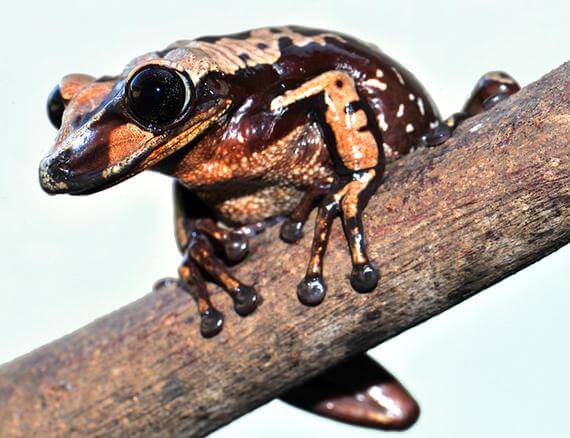
Carlos Jared, a scientist from Instituto Butantan in São Paulo, Brazil, discovered this the hard way when a C.greeningi frog shoot its venom into his finger with which he had accidentally touched the spiny head of the frog and the poison caused “intense, radiating pain for a period of about five hours,” according to the statement.

Out of the two new frogs, Corythomantis greeningi and Aparasphenodon brunoi, also known as Bruno’s casque-headed frog, discovered the C. greeningi is luckily the less venomous of the two.

greeningi and A. brunoi have come to become the first species of venomous frog discovered, with the bony spines located on their heads that can deliver the venom. The study says that C. greeningi possesses the “greatest development of head spines and enlarged skin glands producing a greater volume of secretion.” Bruno’s casque-headed frog delivers “more lethal venom” that is 25 times deadlier than the venom of a pit viper.

sn-frogheads

In addition to this, these frogs possess the highly toxic skin secretions common with almost all the frogs. Even though scientists are trying to discover further species which have been overlooked on their venom injecting ability, and hope to form other uses of these venom and poisons. Even though the researchers from Arizona State University came up with how the venom from poison dart frogs could make an excellent protective skin for airplane wings that prevents ice buildup for an hour and lasts more than 60 times longer than “superhydrophobic coating”, we would find it in our own best interests to steer away from these vicious beings.

[adinserter block=”7″]

Author: Technology Blog

The Future Sun

Southern Owl Nebula is a planetary nebula, and gives off gas when it gets to the end of its lifetime. The star’s hot core, ionizes the gas and makes the body glow. This structure looks more like the ghost of the star.

CoRoT-Mission-Will-Help-Unveil-the-Future-of-the-Sun

The nebula was from European Southern Observatory’s Very Large Telescope, in Chile. There is a count of 10,000 planetary nebulas present in our Milky Way galaxy.

Astronomer William Herschel thought they were round like planets, and the name stuck in the 1700s.

space6

Our sun is a vibrant, living star now. The collapse and death of a start takes just 20,000 years. By astronomical time scales, it’s like the equivalent of the blink of an eye. Our sun is safe for another few billions years, sources estimate.

[adinserter block=”7″]

Author: Technology Blog
This GE robot inspects nuclear reactors

Nuclear reactors are the need of the hour. In today’s world they are a necessity. But the problem is, these reactors are complex things when it comes to inspecting them. Immersed in a pool of coolant water and to moderate the nuclear reaction, the reactor and the water vessel that contains it, requires periodic cleaning and inspection to ensure that it’s safe and operating efficiently which is a very expensive and labour intensive task. Adding to that the fear of exposure to radiation always hangs in the air. In order to let workers do their job, special bridges need to be hauled in and installed over the pool of coolant so that workers can walk out with poles tipped with tools and instruments.

ge-stinger-2@2x

In a bid to make this whole burdensome process safer, cheaper and faster GE Hitachi Nuclear Energy has developed a free-swimming robot “Stinger” that can replace humans for cleaning and inspecting reactor vessels. The “Stinger” swims about using an advanced camera and remote positioning technology and an operator controls it sitting in a tent far away from the radiation area.

Nuclear-Reactor

This not only removes the need for a bridge, but also allows refuelling operations to continue uninterrupted. Jerry Dolan, Senior Tooling Manager at GE explained, “Stinger uses a hydrolaser to blast welds with water before it shoots HD video of the weld. This video is then beamed near real-time to Nuclear Regulatory Commission-approved inspectors at our global Center of Excellence in Wilmington, NC, where they are analyzed. Stinger literally replaces eight people standing on the bridge of the reactor lowering cameras and brushes with ropes and pulleys. It is much faster and more accurate than previous methods while also significantly reducing radiation dose.” Science does indeed serve humanity in a wonderful manner.

[adinserter block=”7″]

Author: Technology Blog

Verified by ExactMetrics