Science to help save your curly hair from getting fried

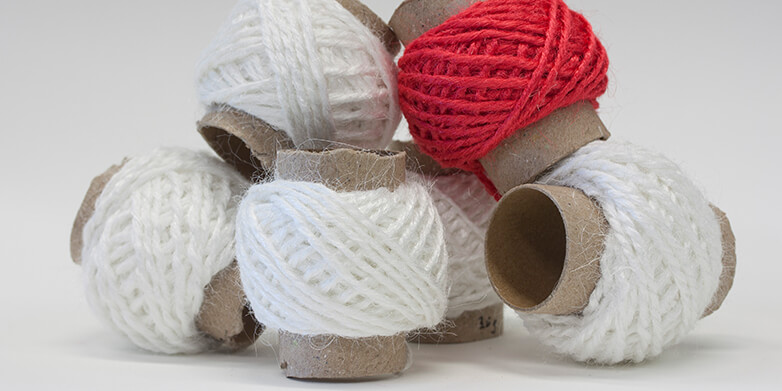
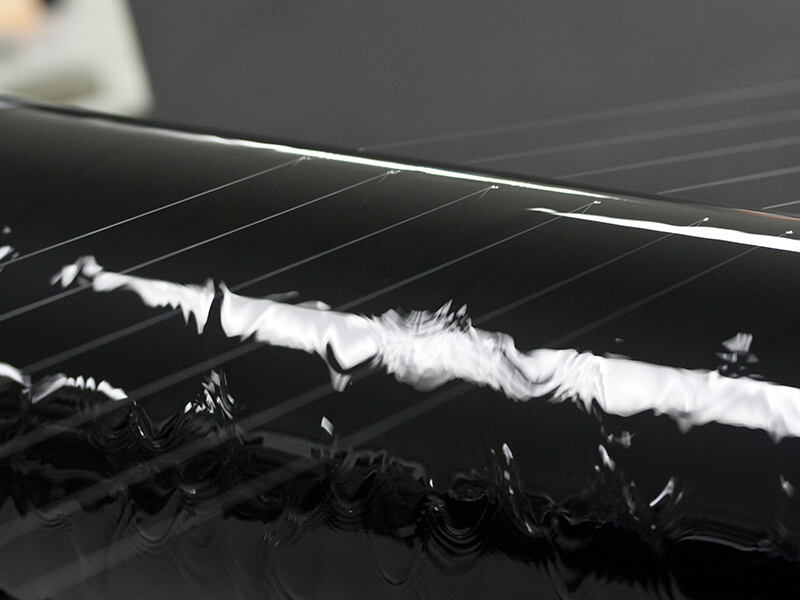
People, who don’t have curly hair, want them but those who have, want to get rid of them! Those with a head full of curly hair keep looking for gadgets and serums and oils and what not that can make their hair straight. In most cases, hair straightening is done using heat with gadgets like flatirons. But every time that gadget is used, it causes damage to your hair.

, Image: 164559962, License: Royalty-free, Restrictions: , Model Release: yes, Credit line: Profimedia, Corbis

To combat this problem, an engineer, Ms Reid (who herself has such curly, unruly hair) from Purdue University along with her team have taken on the problem and have presented their first paper on the heat capacity for different types of hair.

As a matter of fact hairs are curly are curly or straight because of their chemical structure, influenced by genes and the distribution of protein keratin. To break these chemical bonds, heat is applied and the hairs become straight but if this heat is applied too often and at high temperatures, the hair may permanently get their chemical bonds broken leading to fried hair unable to regain their natural shape.

skidki-Ishimbay-1425984001

The team has received funding to take their research into a direction where they will analyse how heat moves through individual strands of hair and categorize hair by the tightness of its curls. A hypothesis has been presented that the amount of heat a hair can take without permanent damage will depend on the texture of hair even within same ethnicity. Reid hopes to prepare a chart that would help individuals to know the range of temperature that won’t damage their type of hair. As a secondary objective, the team may also look into evaluation of various products that claim to protect hair from heat.

[adinserter block=”7″]

Author: Technology Blog
Dark and murky environments? Robotic whiskers are here to help!

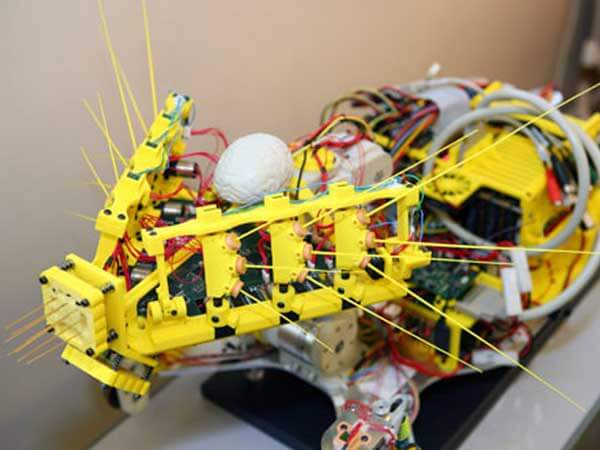
According to a study published in Bioinspiration and Biomimetics, taking inspiration from many of our whisker friends like cats, rats and seals (who use their whiskers as a sensory mechanism to detect objects in dark and murky environments) researchers are creating robotic whiskers that would enable vehicles and robots to navigate areas that are difficult to manage. The whiskers in this device, called Whisker Array, are designed to produce tomographic maps by measuring air flow. The device is made out of super-elastic Nitinol wires covered with plastic straws.

robot_whiskers

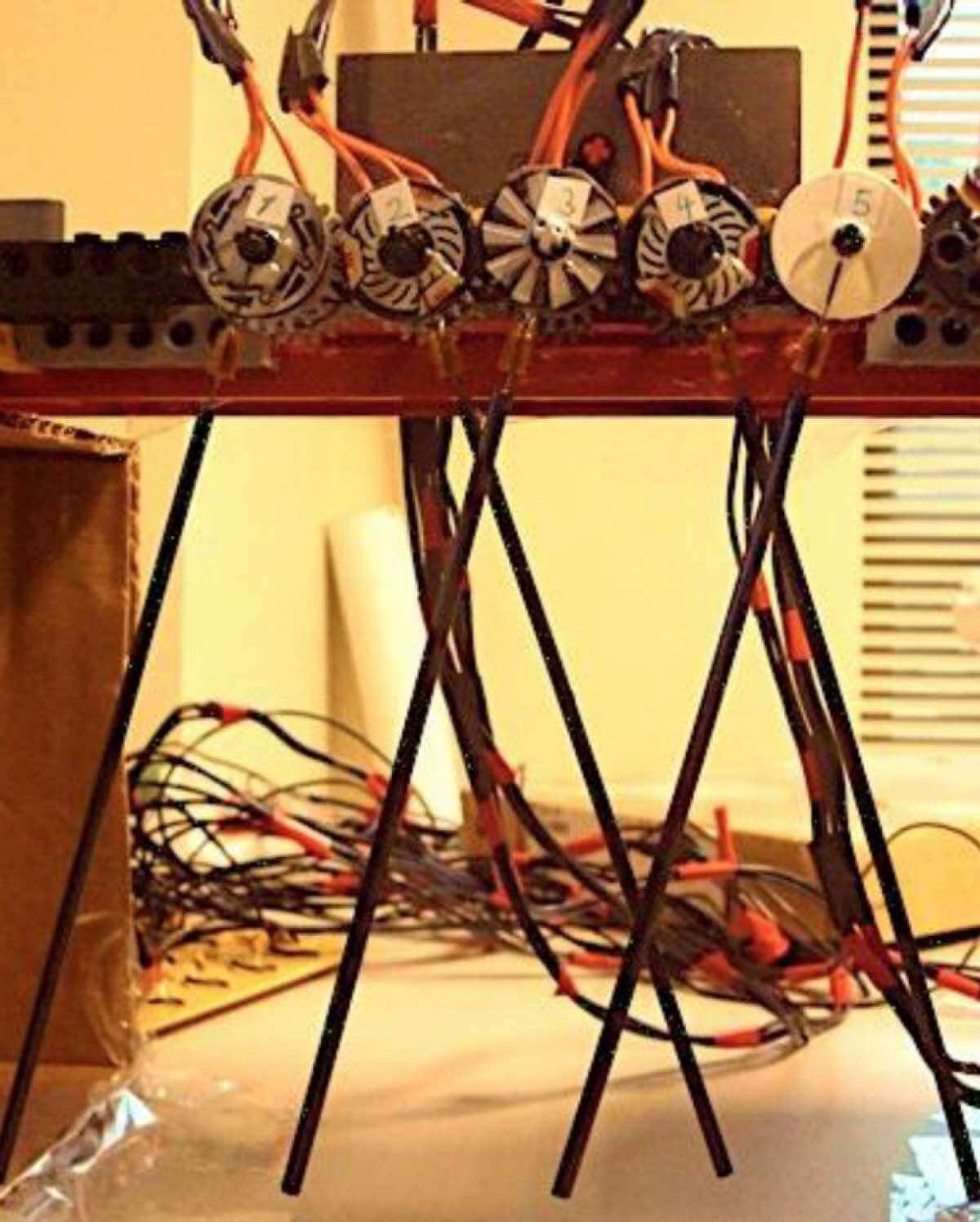
The 15-centimeter long whiskers were attached to a carpenter’s level using LEGO plastic bricks and gears. A device used in robotics to control motion called servomotor was used to allow the whiskers to rotate to airflow. The team then used a Conair hair dryer that had a cooling system and two different speed options to test airflow pointed at the Whisker Array. Even though the hair-dryer proved to have weak signal strength as an air-flow source, the Whisker Array was able to capture airflow patterns with high accuracy.

tomographic_map

In situations or environments where radar or sonar has difficulty mapping, these robo-whiskers will be a boon. Under water vehicles will be able to use these whiskers to navigate more efficiently in murky waters. These whiskers can also be put to use in the field of biomedical applications as an attachment to a catheter to help navigate through a vein without injuring the tissue. The lead author of the study Cagdus Tuna said: “This shows great potential to be a useful, if unconventional, sensing system.”

[adinserter block=”7″]

Author: Technology Blog
Less Milk trips to the Grocery Store

Silver has been a key component in the preservation of food stuff. From meat-wrapping paper, to plastic films. Preservation of food is essentially killing off of the undesirable bacteria that would otherwise degrade the food quality.

ds

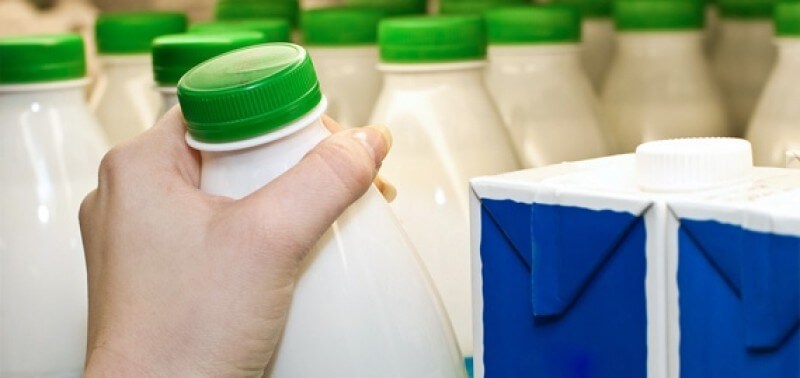
Now innovators have come up with the idea of extending this logic to the preservation milk. Silver nanoparticles will be mixed into the bottles carrying the milk to be stored. What will make this antibacterial effect stronger, is the presence of silica ceramic particles in the polythene material. The milk would be fresh and safe to drink for up to 15 days after storing in these bottles!

The process of manufacturing starts with the mixing of silver nanoparticles and silica, and then progresses to their conversion into powder form. This power is mixed into the plastic by using blow or injection moulding. The plastic is used to make the milk carriers which can be bottles or even milk bags, though the expiry times vary. The bottles sustain product for about 15 days, while milk bags keep the milk edible for 4-10 days.

agrindus-silver-milk-bottles@2x

There is a prevailing concern of health issue about the repercussion of incidental mixing of silver nanoparticles in the milk. Agrindus and, partner company Nanox have assured that the nanoparticles will stay in the polythene only.

Author: Technology Blog

Caterpillar secretion turns ants into bodyguards!

A very interesting fact has been presented by Masaru Hojo from Kobe University, Japan regarding the relationship between caterpillars of the Japanese oakblue butterfly (Narathura japonica) and ants (Pristomyrmex punctatus ). Earlier the relationship between the two was supposed to be a balanced one that is beneficial for both but according to Hojo, it is actually beneficial for the caterpillar.

CLks9zPWEAAQs32

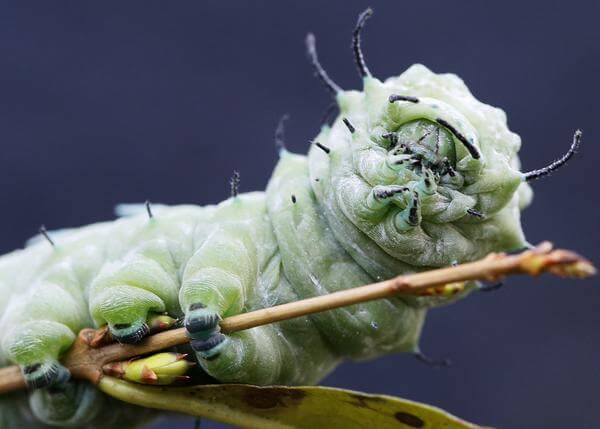
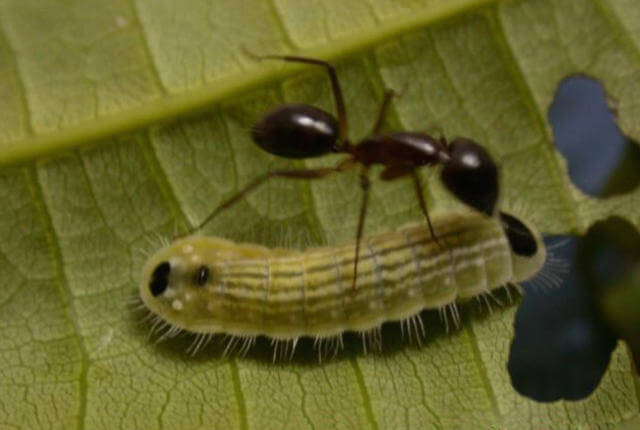
 These caterpillars actually secrete sugar droplets to attract ants which then act as their bodyguards against spiders and wasps. But Hojo noticed that it was always the same ants that took care of the caterpillar. To confirm this, he conducted an experiment where he and his colleagues allowed some ants to interact with the caterpillars and feed on the secretions and kept others separate. Ants that ate the secretion remained close to the caterpillar and didn’t return to their nest. Also whenever the caterpillar flipped its tentacle, they grew aggressive taking it as a sign to attack predatory spiders and wasps. According to Hojo, “There are glandular cells near the tentacles that could be secreting chemical signals. It is possible that both visual and chemical signals are stimulating the ant aggression.” On the other hand, the ants that were in lab and had not eaten the caterpillar secretion did not react when the tentacles flipped. So it was concluded that caterpillars can directly dictate the behaviour of ants and it is all because of their sugary secretions that makes the ants doped up.

lycaenid_ant_sec

The team also found that the ants that ate the secretion had lower levels of dopamine, a compound shown to affect movement and aggression in insects, than ants that had not eaten the secretions. To derive a further correlation between the secretion and behaviour of ants, the team treated the ants with a drug called reserpine that blocks the transport of dopamine. Ants that previously reacted to the tentacle flipping by becoming more aggressive, stopped doing so, suggesting that dopamine does play a role in this relationship.  The chemical composition of the caterpillar secretion is yet to be identified. These findings also hint that the ant-caterpillar mutualism, which is similar to relationships found between many other species, could actually be a manipulative parasitic behaviour.

[adinserter block=”7″]

Author: Technology Blog
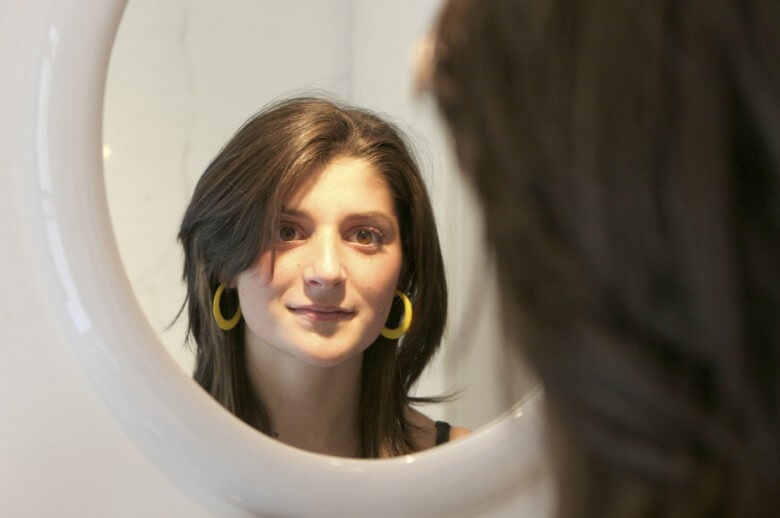
You may not actually know what you look like!

According to the scientists from the University of New South Wales in Australia, we are really poor at picking photographs that actually are ours or look like us because we can’t make a good decision when the subject is actually none other than ‘us’. To derive this conclusion, the researchers conducted a study in which 130 undergraduate students were asked to examine ten photos of them and rank them on the basis of how accurate they were in terms of likeness. To provide an ‘organic’ sense of the students’ appearances the students were asked to record a webcam video of them, simultaneously.

hair

After this, sixteen new participants were brought in. None of them knew the original set of 130 students. These 16 students were asked to first examine the videos and then rank the Facebook selfies in order of likeness. On the other hand, another group of 73 students (unknown to the original group of 130 students) completed an “online face matching test” using the undergraduates’ pictures. And last but not the least the photographs of the students were analysed by a facial recognition test.

Mirror-780x518

The results were quite interesting as the images selected by strangers were seven percent more accurate representations than the ones selected by the original group. That is, strangers were better equipped in deciding what the students actually looked like. On this result, lead study researcher Dr. David White commented: “Existing memory representations interfere with our ability to choose images that are good representations or faithfully depict our current appearance.”

[adinserter block=”7″]

Author: Technology Blog

These Nanoparticle Sheets can go from Flat to Tube

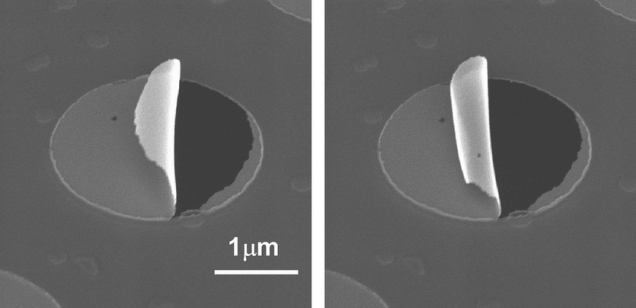
Researchers from the University of Chicago, the University of Missouri and the U.S. Department of Energy’s Argonne National Laboratory have developed by method which allows flat nanoparticle sheets to curl into a tube-like on passing an electron beam through it.

Gold nanoparticles are connected by a series of oil-like organic molecules, forming sheets when they’re floated on top of water. The water is then evaporated away, leaving small sticker-like patches over holes in a frame below. Organic molecules mentioned are hydrophobic, so they’re not evenly distributed top-to-bottom across the sheet after the evaporation.

nmat4321-f1

When an electron beam hits the surface, it causes the molecules to create a new bond with their nearest neighbors, but because of their distribution more occur on one side than the other. In turn, there’s an unsymmetrical stress in the sheet that causes it to curl or fold.

This unsymmetrical stress in the sheet has not been controlled by scientists yet, so they don’t really have a say on how the sheet folds. But once they get a handle on this, this technique can be employed on almost any nanoparticle membrane.

Author: Technology Blog

Lab grown meat: a future delicacy?

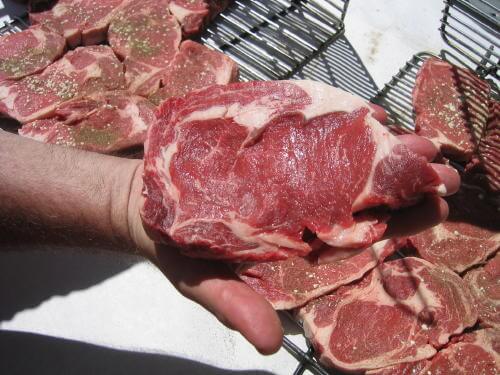
Does the term cultured meat ring a bell? Do you know what exactly is it and what are the advantages of it? Well, cultured meat is actually meat that is grown in a laboratory. It all started in 2013 with the first lab grown burger being introduced to the world priced exorbitantly at $330,000!! Yes, insane amount of money for a burger! There are many arguments presented in the favour of this concept, the biggest being sustainability.

cultured-beef-artificial-meat-held-by-professor-post-of-the-university-of-maastricht

It is to be noted that the meat industry has a huge carbon footprint accounting for some 18% of our total greenhouse gas emissions. According to FAO, “The environmental impact per unit livestock must be cut by half, just to avoid increasing the level of damage beyond its present level.” And not only this, animal agriculture is soaking up an enormous portion of our arable land, drinkable water, edible food and combustible fossil fuel resources so much so that a study reveals that livestock in the US consumes more than seven times as much grain as the American population- enough grain to feed almost 840 million people. In addition to this, roughly 25 kilocalories of fossil fuel energy are consumed for every 1 kilocalorie of meat protein produced, compared with a 2.2:1 ratio for corn. And producing 1 kg of animal protein requires 100 times more water than 1 kg of grain protein. Also, as per Shier Freidman, co-founder of the pro-cultured meat Modern Agriculture Foundation, “When we’re raising animals, a very large amount is being discarded: The bones, fur, eyeballs and organs. What we’re doing is wasting resources to produce stuff that we don’t get back. With cultured meat, you grow exactly what you want, and you barely throw anything away.” So the concept and idea of cultured meat is to save us resources and reduce the environmental footprint of the meat industry.

Nebraska Beef

Though the dream of cultured meat is big and has a good intention backing it but still it has to overcome many scientific and engineering challenges like the flavour of cultured meat, eliminating the use of animal products to eliminate the chances of contamination, boosting iron content in a cultured beef, removing completely the use of antibiotics in producing cultured meat and last but not the least the cleanliness angle. Trials are going around the world to produce cultured beef, cultured chicken, cultured sea food, etc, but time is the essence of this new concept. The concept still has a long way to go but researchers are making firm strides in this direction. Good for us and good for Mother Earth!

[adinserter block=”7″]

Author: Technology Blog
Future BMWs to spot traffic lights before the driver himself!

Running late for office or school or college or a party? You are sure to get all the traffic signals red! That’s a fact isn’t it? 😉 Well not for BMW drivers anymore. Teaming up with the Enlighten app for iOS, the company has come up with the BMW iDrive infotainment system to help drivers, predict traffic signals.

2B104DEF00000578-3183962-Connected_Signals_EnLighten_App_screenshots_shown_left_and_right-a-38_1438610055838

It works by linking up with the city’s traffic management system and combining its data with the car’s location through GPS. The app informs the driver about the status of the nearest traffic light with a real time prediction of when the light will change. IN addition to this, the app also analyses the position and speed of the car to let the drivers know if they have enough time at hand to stop or cross an intersection safely.

2B104E0500000578-0-image-a-22_1438609256331

The app is available to only BMW drivers in Portland and Eugene, Oregon and Salt Lake City. Though there is a standalone Enlighten app for iOS and Android drivers that can’t integrate with non-BMW cars but can surely give you the same information through your phone in Oregon, Salt Lake City, Las Vegas, Walnut Creek and Arcadia in California and Christchurch, New Zealand.

[adinserter block=”7″]

Author: Technology Blog

What Music Does to a Surgeon

The effects of music has been tested numerous times in studies, ranging from its influence on the growth of lima beans to most recently, surgical outcome.

Before getting on with the details, an important parameter to keep in mind is that the music used inside the OR, in the study, has been selected as one which is liked by all. A tune or song that bothers the surgeon, or is too loud, can only the detrimental to the quality of surgery.

Low angle view of four surgeons bending over the patient during operation

Understanding this, playing music during the surgery has shown to have decreased by surgery’s completion time by 8%. Senior, experienced surgeons have shown a decrease of 10% in the duration. About the quality, yes, better output has been observed. When the surgeons listen to a music they enjoy, their surgical skills are more efficient in terms of closing stitches, and their technique improves.

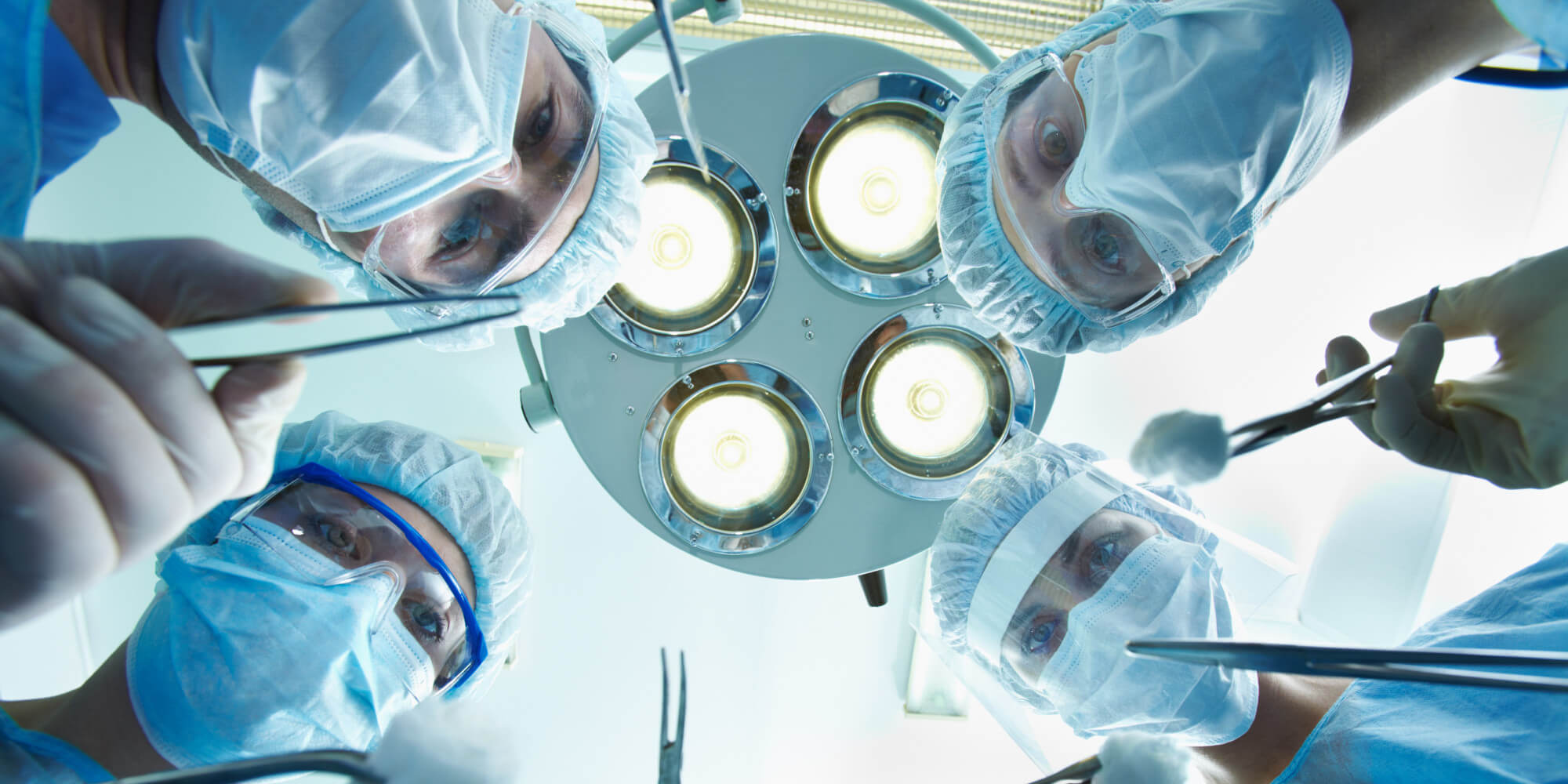
This observation was made when researchers asked 15 plastic surgery residents at the University of Texas Medical Branch (UTMB) to close incisions in pigs’ feet. The surgeons were divided into two groups. For half the time interval, the first half to the surgeons listened to music. The second half of the surgeons were allowed to switch from silence to music in the next interval, while the first group was then subjected to a silent session.

Dr-Handler-OR-MusicQuicker completion of the surgery means that the patient spends less time on the table and under the effects a anesthesia. The costs of the procedure are also reduced, as closing up the incisions, is the most time-consuming part of surgery.

In an earlier 2012 study, patients being under local anesthesia felt more relaxed and less anxious while listening to music while surgeons operated on them. Their recovery time was also subsequently reduced. The effects on a patient under general anesthesia are yet to be known.

[adinserter block=”7″]

Author: Technology Blog

Zoom to Nano-resolution of Brain with New Imaging Tool

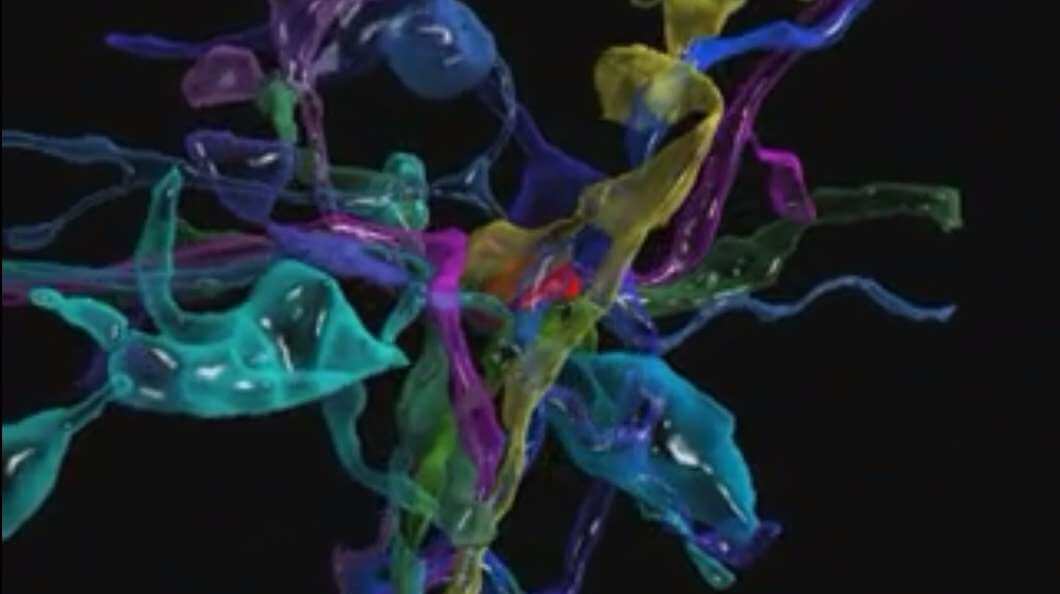
With the human brain being the most complex machine out there, a lot remains unexplained about it. Scientists insist that the known data of the human brain, is less than the unknown. But this imaging tool has enabled scientists to look into the brain in extreme close-up, and has made it possible to look into each cellular and even sub-cellular component clearly. This would greatly help with the better understanding of how signals travel in out brain (dendrites to axons to neuron) and other processes that not much focus has been given on.

WeissCollage

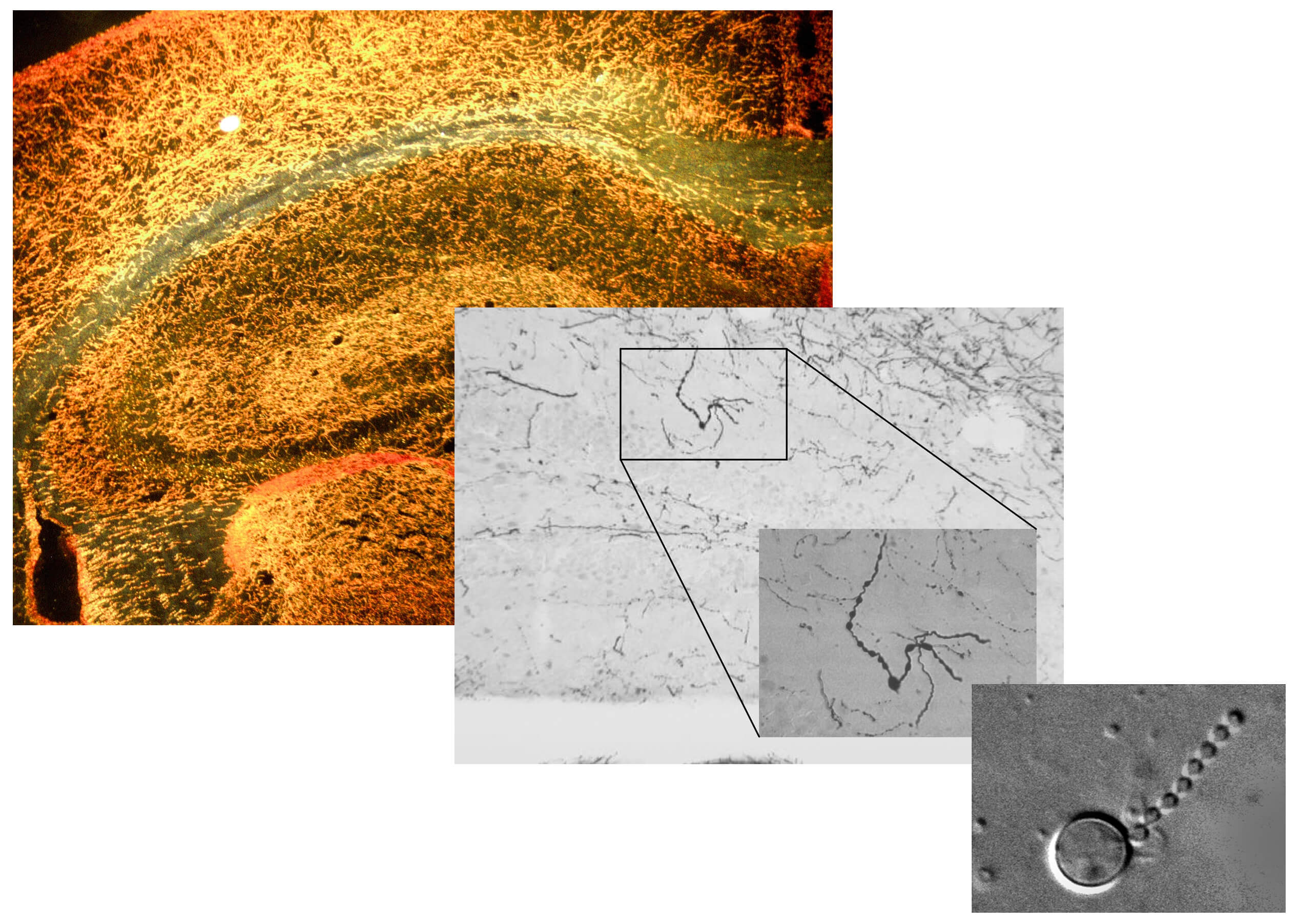
Researchers at the Boston University School of Medicine and Harvard University developed this imaging method which employs an automated tape-collecting device equipped with a diamond knife to obtain ultra-thin brain sections, which are then scanned under an electron microscope. Varied colours are allotted to different cellular components by a software generated by study co-author Daniel Berger.

The first test subject was an adult mouse. The sensory region associated with the mousse’s whiskers was studied. The neocortex of the mouse was zoomed into. The imaging tool allowed to see in clear detail, the synaptic clefts (space between neighbouring axon and dendrite). The neurotransmitter containing bag, called vesicles, were less than 40 nm in diameter. The sensitivity of the mouse’s whiskers proved to be more than those found in human fingertips!

Peter’s rule says that the connectivity between axons and dendrites could be inferred from their locations. This hypothesis has never been proved or disproved, even though the man responsible for it opposes it. The imaging tool has at last provided proof for the falsity of this hypothesis. Axons are of many types and may have one or even, three dendrites, which might have multiple synapses, instead of just one.

brain-imaging-tool-nanoscale-resolution@2x

Narayanan “Bobby” Kasthuri, study’s first author, says “We had this clean idea of how there’s a really nice order to how neurons connect with each other,” he explains, “but if you actually look at the material it’s not like that. The connections are so messy that it’s hard to imagine a plan to it. But we checked, and there’s clearly a pattern that cannot be explained by randomness.”

Scientists have agreed on disagree on this new development, as much think it is a waste of money to explore something as enormous and infinite as the human brain. Others see it as a learning opportunity and that “there is no reason to stop until the results get boring”.

What do you think: Waste or asset? Leave your thoughts below!

Author: Technology Blog

Face recognition technology that even works in the dark!

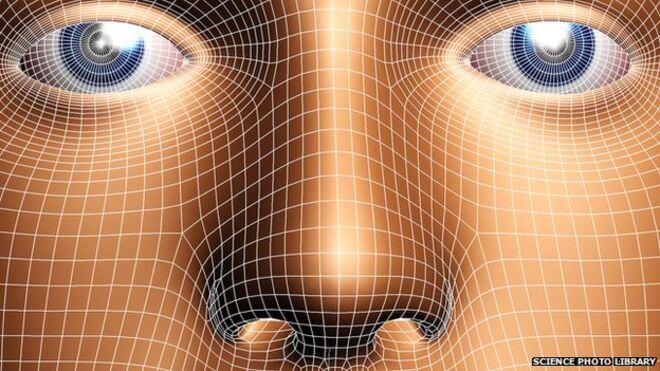
Face recognition technology has become a common thing nowadays as it has now reached even that smartphone you are currently holding in your hand. This technology is a revolutionary one and apart from residing in your smartphone does a lot of work for government agencies as far as identification and surveillance is concerned. Face recognition technology involves the comparison of two photos clicked in well-lit environment.

_84569739_facialrecognitionsciencephotolibrary

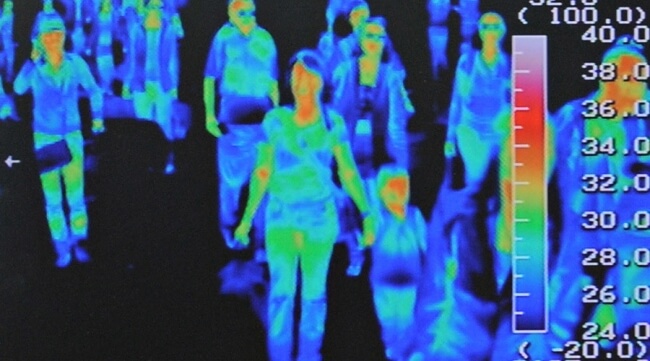
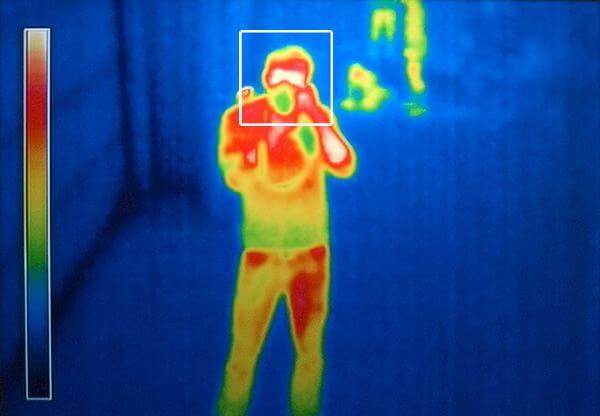
But now, Computer scientists Saquib Sarfraz and Rainer Stiefelhagen from the Karlsruhe Institute of Technology, Germany, have taken this technology to another new level. Using this technology, now you can identify faces even in the dark using a person’s thermal signature. The system analyzes dozens of images of a person’s face and then compares these to dozens of images taken in the daylight using a computer program.

thermal-face

The technology still needs a bit of refining because the thermal image of a person can change or fluctuate based on weather conditions or on the level of physical activity the person is involved in (thermal image of a person leaving a gym after a strenuous workout will be different from one that was taken in normal strain free environment).

But whenever this refining is done, this advancement in technology will surely take the law enforcement agencies ahead in the field of identification and surveillance.

[adinserter block=”7″]

Author: Technology Blog
GaN transistors: A new way of cutting down on energy losses

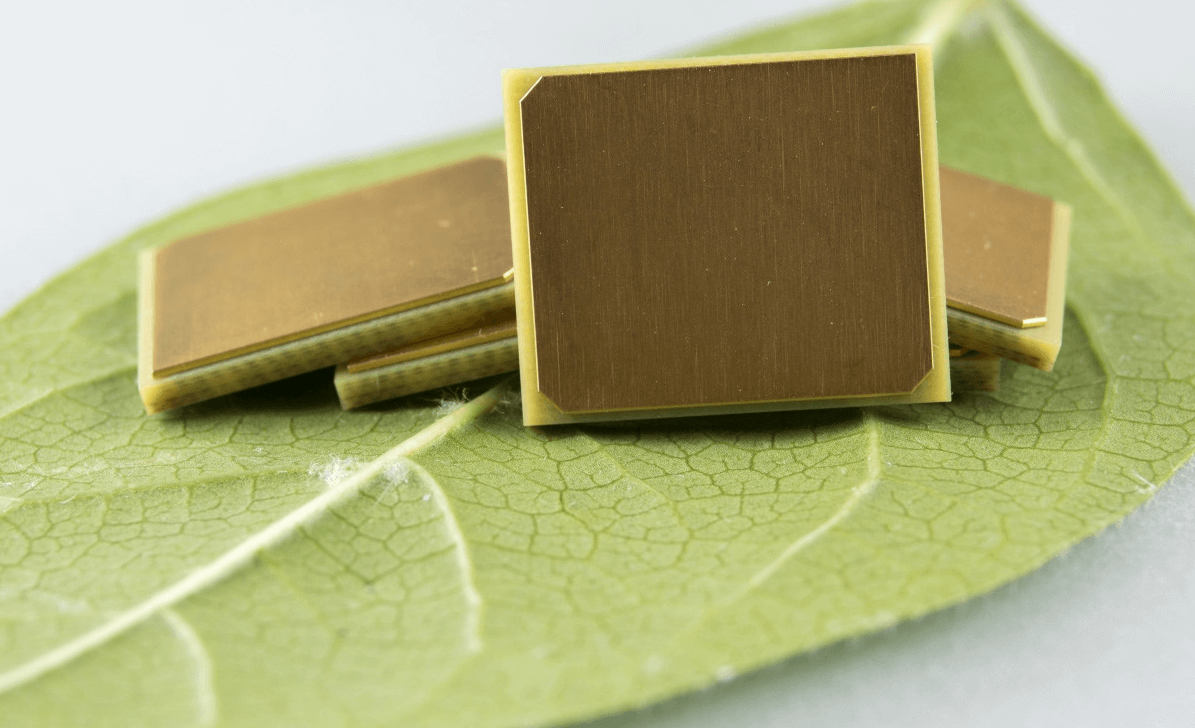
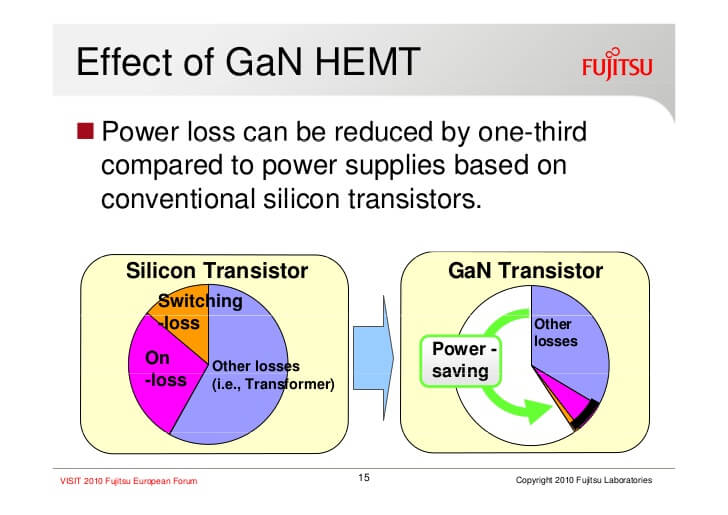
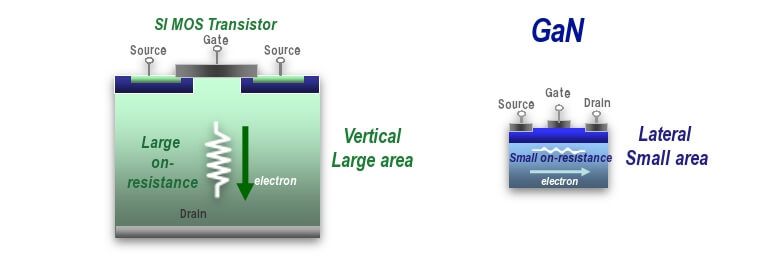
It is a well known fact that most of the electronics systems rely on silicon transistors that in order to regulate voltage switch on and off but due to speed and resistance constraints, waste energy as heat. To offer a solution to this problem, Massachusetts Institute of Technology spin out Cambridge Electronics Inc (CEI) has announced a line of GaN transistors and power electronic circuits that promise to cut energy usage in data centres, electric cars, and consumer devices by 10 to 20 percent worldwide by 2025. These GaN transistors have at least one-tenth the resistance of such silicon based transistors and hence have much greater energy efficiency.

visualization-in-the-design-and-operation-of-efficient-data-centers-15-728

All these benefits were a great thing to start with but due to safety drawbacks and expensive manufacturing methods the GaN transistors could not make it to the market. The researchers have now managed to address these issues. Power transistors are designed to flow high currents when on, and to block high voltages when off but GaN transistors always allows a flow of current by default. By modifying the structure, the researchers developed GaN transistors that were ‘normally off’. To drop manufacturing costs, the researchers developed new fabrication technologies which involved switching out gold metals used in manufacturing GaN devices for metals that were compatible with silicon fabrication, and developing ways to deposit GaN on large wafers used by silicon foundries. CEI co-founder Tomas Palacios, an MIT associate professor who co-invented the technology said: “We always talk about GaN as gallium and nitrogen, but you can modify the basic GaN material, add impurities and other elements, to change its properties.”

Panasonic_GaN1_e

These new and improved GaN transistors are being used by the CEI in various applications, for ex. developing laptop adaptors that are approximately 1.5 cubic inches in volume and that is the smallest adaptor ever made. Other application of this transistor is in imparting better power electronics for data centres run by Google, Amazon, Facebook, and other companies (which currently utilise 2 percent of electricity in the US), to power the cloud. Also, these transistors may replace the silicon-based power electronic in electric cars which is hoped to boost the energy efficiency of these cars by making them lighter, cheaper and capable of driving long distances.

[adinserter block=”7″]

Author: Technology Blog
Good news! New Ebola Vaccine shows 100% effectiveness

Ebola, originating from West Africa, had quite rightfully caused a scare worldwide with its highly contagious nature and low mortality rate. In the wake up the dilemma of curing people or saving the the population at risk, scientists were brave enough to start testing and researching to find the perfect vaccine, which would eliminate ebola altogether; much like small pox.

Ebola4

This experiment has produced an experimental vaccine which has, till now, showed 100% effectiveness in both Guinea and 4,123 humans since March 2015. This research was carried out collectively by international teams from the World Health Organization, the Guinean Health Ministry, Doctors Without Borders, the Norwegian Institute of Public Health and the nonprofit Epicentre research center, among many others.

The technique which has been used for successful protection of the subjects of the study, is called the “ring vaccination strategy”, in which, all the known contacts of a subject were inoculated, thereby creating a ring of inoculation around the disease, and inhibiting its spread. This same technique was used in the eradication of small pox.

VSV-EBOV has been successful among the trial patients, but its effectiveness of protect larger population is yet to be proved. This property to keeping large group of populations safe is called “herd immunity” and is the main property, without which the vaccine would fail.

This trial is had some controversies and protests governing it in the beginning, as people questioned its ethical grounds and the lack of placebos used in the experiment.

102883355-GettyImages-462658350.1910x1000

But haters gonna hate, and Jeremy Farrar, director of Wellcome Trust, a major supporter of the research commented, “The fact that that the trial still achieved positive results in spite of various constraints and limitations, actually vindicates the design and approach taken to the study.”

It is rumored that the vaccine will be used to protect the people of future outbreaks of deadly ebola, rather than, dole out the vaccine to everyone as complete immunisation. Regardless of how it is actually used in the coming times, the speed and diligence with which the vaccine was developed at a time of catastrophe, marks this as a major victory.

[adinserter block=”7″]

Author: Technology Blog

Double hand transplant for Four-Year Old Zion

At the age of two, Zion Harvey, lost both his hands and feet to a deadly infection called sepsis. He had prosthetics attached to his legs so he could walk, but his arms ended in stumps. Zion learnt to function very well, teaching himself to eat, grip stuff and play video games, but he longed for more. The first question the doctor asked him was why he wanted hands. Zion replied that he wanted to hang from the monkey bars.

n_qc_zion_150728.video_1067x600

Sepsis had lead to multi-organ failure in Zion’s body, and he had had a kidney transplant with donation from his mom. Immunosuppressants had been prescribed to him so his body would not reject the new kidney. The fact that he was already on immuno-suppressants made him the ideal candidate to undergo this surgery.
Zion was placed on the transplant list in April, and within three months, he had a match. This was the first miracle in a series more to come. A team of 40 surgeons took part in a ten hour surgery to unite Zion’s arms with two new hands. First step was to connect the bones of both the segments, followed by the veins to establish a blood flow. Then the muscles and nerves were joined.
This whole surgery is incredible challenging, but what added to the magnitude of that was that it was a little human. Everything was reduced to a microscale, and the movements had to be excruciatingly precise.

6661300-1x1-700x700

“The issue with children is they have areas of bone called growth plates,” says Dr. Levin. “We had had to be very careful when we attached the donor hands to Zion that we did not violate or injure the growth plates because we want his hands to grow and lengthen.”
Two weeks after the surgery, the bandages on Zion’s new hands were removed. And their grip was tested with success. Even though Zion has a long way to go with therapy sessions and a lifetime of medicines, he is going to be just fine.

[adinserter block=”7″]

Author: Technology Blog

Producing yarn from slaughterhouse waste

Philipp Stössel, a student at Switzerland’s ETH Zurich research institute, has collaborated with colleagues from the Advanced Fibers Laboratory at Empa St. Gallen have developed a process to produce gel-based yarn. To produce this yarn, first thing first, animal waste products such as skin, bones and tendons are obtained from a slaughterhouse. Out of this waste, collagen is rendered and converted to an aqueous gel. Then this gel is heated and isopropyl solvent is added into it.

Danish-Crown-c-Alastair-Philip-Wiper-10Due to this, the proteins in the collagen precipitate at the bottom of the solution which is then removed and extruded into fine ‘endless’ filaments using a row of syringes. In an ethanol bath there are rollers over which the filament is run.

This coats the filament with ethanol and hardens them. After which they are wound together to form a yarn. This finished yarn is more lustrous than wool but the problem is, it is also more water-soluble. To find a remedy for this, Stössel, treated the material with epoxy to better bond the filaments together. He then treated it with formaldehyde to get it to harden better and then impregnated it with lanolin to make it suppler.

image.imageformat.lightbox.1116280860

Since sheep’s wool is still far better when it comes to water-resistance of the yarn, presently, improvements in this direction is Philipp’s primary agenda.

[adinserter block=”7″]

Author: Technology Blog
Verified by ExactMetrics