Lab grown meat: a future delicacy?

Does the term cultured meat ring a bell? Do you know what exactly is it and what are the advantages of it? Well, cultured meat is actually meat that is grown in a laboratory. It all started in 2013 with the first lab grown burger being introduced to the world priced exorbitantly at $330,000!! Yes, insane amount of money for a burger! There are many arguments presented in the favour of this concept, the biggest being sustainability.

cultured-beef-artificial-meat-held-by-professor-post-of-the-university-of-maastricht

It is to be noted that the meat industry has a huge carbon footprint accounting for some 18% of our total greenhouse gas emissions. According to FAO, “The environmental impact per unit livestock must be cut by half, just to avoid increasing the level of damage beyond its present level.” And not only this, animal agriculture is soaking up an enormous portion of our arable land, drinkable water, edible food and combustible fossil fuel resources so much so that a study reveals that livestock in the US consumes more than seven times as much grain as the American population- enough grain to feed almost 840 million people. In addition to this, roughly 25 kilocalories of fossil fuel energy are consumed for every 1 kilocalorie of meat protein produced, compared with a 2.2:1 ratio for corn. And producing 1 kg of animal protein requires 100 times more water than 1 kg of grain protein. Also, as per Shier Freidman, co-founder of the pro-cultured meat Modern Agriculture Foundation, “When we’re raising animals, a very large amount is being discarded: The bones, fur, eyeballs and organs. What we’re doing is wasting resources to produce stuff that we don’t get back. With cultured meat, you grow exactly what you want, and you barely throw anything away.” So the concept and idea of cultured meat is to save us resources and reduce the environmental footprint of the meat industry.

Nebraska Beef

Though the dream of cultured meat is big and has a good intention backing it but still it has to overcome many scientific and engineering challenges like the flavour of cultured meat, eliminating the use of animal products to eliminate the chances of contamination, boosting iron content in a cultured beef, removing completely the use of antibiotics in producing cultured meat and last but not the least the cleanliness angle. Trials are going around the world to produce cultured beef, cultured chicken, cultured sea food, etc, but time is the essence of this new concept. The concept still has a long way to go but researchers are making firm strides in this direction. Good for us and good for Mother Earth!

[adinserter block=”7″]

Author: Technology Blog
Future BMWs to spot traffic lights before the driver himself!

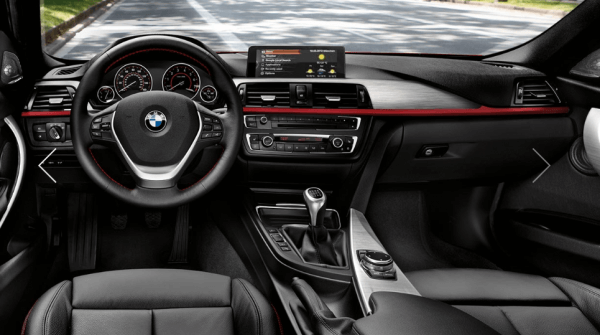
Running late for office or school or college or a party? You are sure to get all the traffic signals red! That’s a fact isn’t it? 😉 Well not for BMW drivers anymore. Teaming up with the Enlighten app for iOS, the company has come up with the BMW iDrive infotainment system to help drivers, predict traffic signals.

2B104DEF00000578-3183962-Connected_Signals_EnLighten_App_screenshots_shown_left_and_right-a-38_1438610055838

It works by linking up with the city’s traffic management system and combining its data with the car’s location through GPS. The app informs the driver about the status of the nearest traffic light with a real time prediction of when the light will change. IN addition to this, the app also analyses the position and speed of the car to let the drivers know if they have enough time at hand to stop or cross an intersection safely.

2B104E0500000578-0-image-a-22_1438609256331

The app is available to only BMW drivers in Portland and Eugene, Oregon and Salt Lake City. Though there is a standalone Enlighten app for iOS and Android drivers that can’t integrate with non-BMW cars but can surely give you the same information through your phone in Oregon, Salt Lake City, Las Vegas, Walnut Creek and Arcadia in California and Christchurch, New Zealand.

[adinserter block=”7″]

Author: Technology Blog

What Music Does to a Surgeon

The effects of music has been tested numerous times in studies, ranging from its influence on the growth of lima beans to most recently, surgical outcome.

Before getting on with the details, an important parameter to keep in mind is that the music used inside the OR, in the study, has been selected as one which is liked by all. A tune or song that bothers the surgeon, or is too loud, can only the detrimental to the quality of surgery.

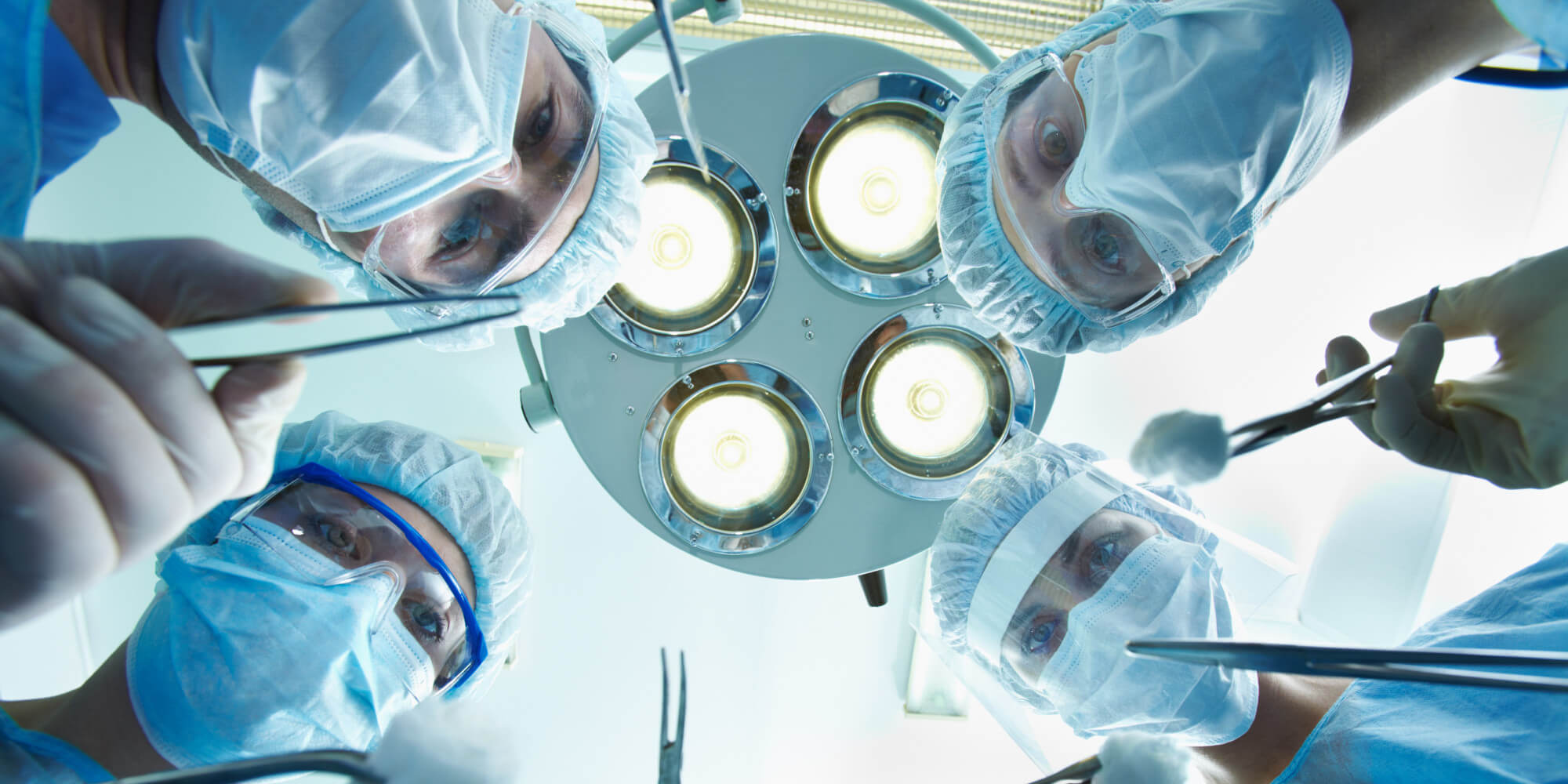
Low angle view of four surgeons bending over the patient during operation

Understanding this, playing music during the surgery has shown to have decreased by surgery’s completion time by 8%. Senior, experienced surgeons have shown a decrease of 10% in the duration. About the quality, yes, better output has been observed. When the surgeons listen to a music they enjoy, their surgical skills are more efficient in terms of closing stitches, and their technique improves.

This observation was made when researchers asked 15 plastic surgery residents at the University of Texas Medical Branch (UTMB) to close incisions in pigs’ feet. The surgeons were divided into two groups. For half the time interval, the first half to the surgeons listened to music. The second half of the surgeons were allowed to switch from silence to music in the next interval, while the first group was then subjected to a silent session.

Dr-Handler-OR-MusicQuicker completion of the surgery means that the patient spends less time on the table and under the effects a anesthesia. The costs of the procedure are also reduced, as closing up the incisions, is the most time-consuming part of surgery.

In an earlier 2012 study, patients being under local anesthesia felt more relaxed and less anxious while listening to music while surgeons operated on them. Their recovery time was also subsequently reduced. The effects on a patient under general anesthesia are yet to be known.

[adinserter block=”7″]

Author: Technology Blog

Verified by ExactMetrics