Fireflies to Build Portable Test Kits

The team at the École polytechnique fédérale de Lausanne (EPFL) in Switzerland, is behind this idea of using firefly enzyme to increase the molecular sensitivity of portable test kits.

The enzyme luciferase had been tagged and manipulated to block its action and instead it had been used for the detection of a target protein.

Firefly-Drees-IMG0043-640x454

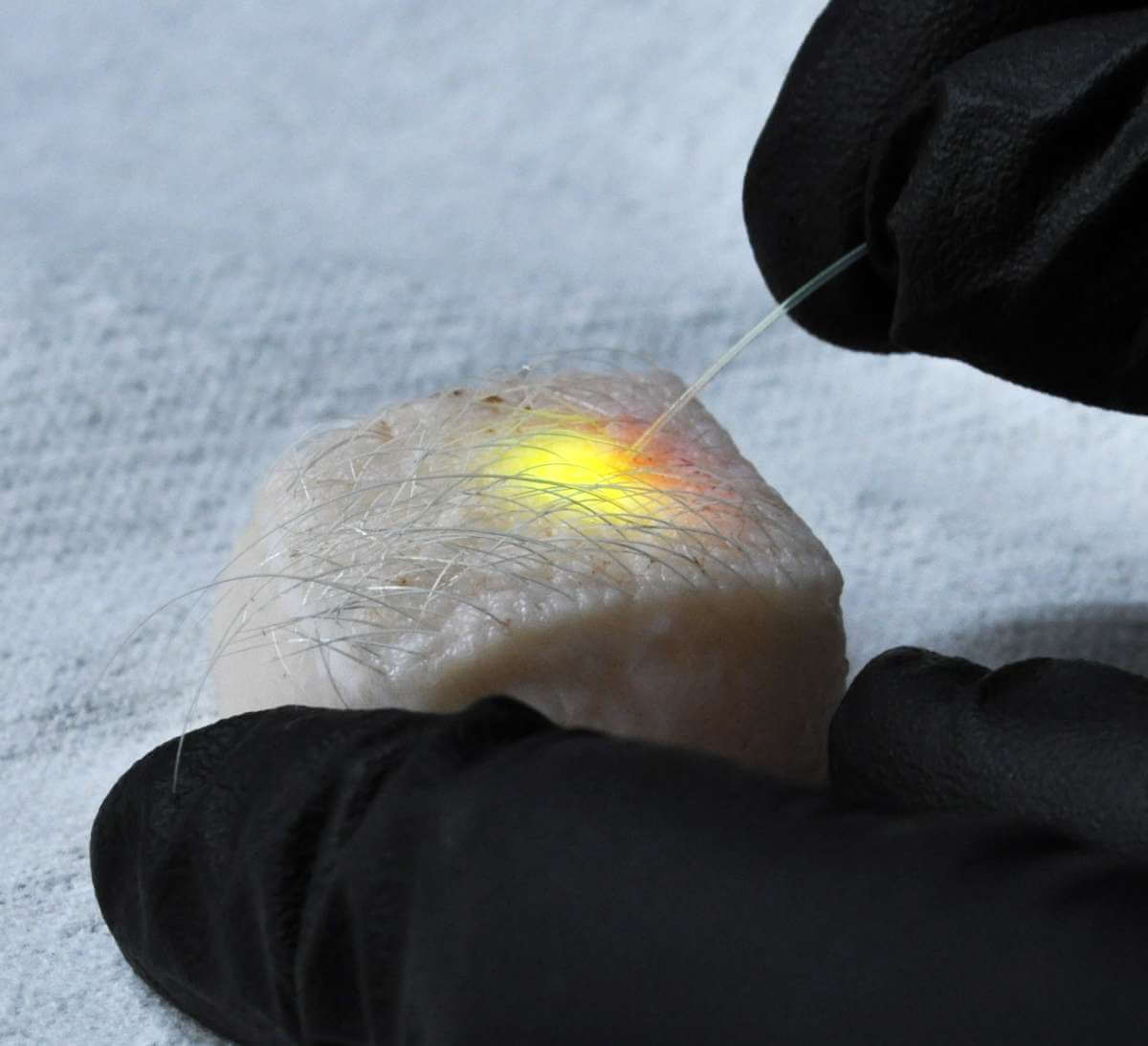
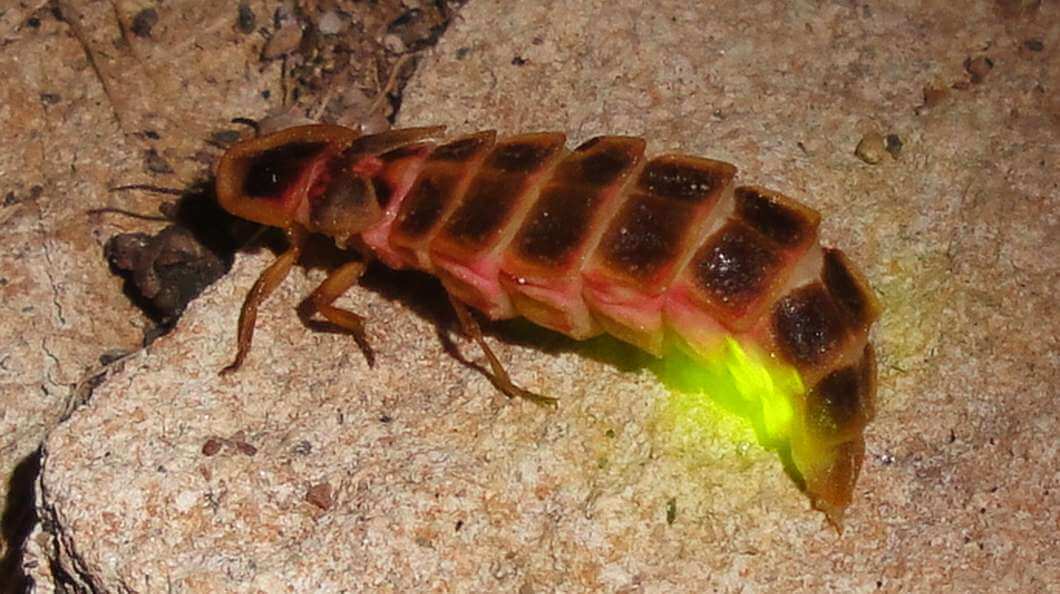
Luciferase lights the firefly up. The lights are strong enough to be seen by the naked eye, thus, the reading devices are to come cheap.

“The main application we actually envision is the use of our bioluminescent tools for the detection of target biological molecules with a simple device, similar to a digital camera,” says Schena, part of the team. “Such devices can be used directly by the patient for self-testing, instead of performing such analysis in a hospital setting. That’s where we see the highest impact of our technology on society.”

The team has combined with Lucentix, which will manufacture the biochemical tools to create a commercial product out of this.
fireflytest@2x

“The patient at home pricks his finger and puts a little drop of blood onto the test-strip, then inserts the test-strip into a reader, that gives the precise concentration of the biomolecule of interest within five minutes,” Schena continued.

[adinserter block=”7″]

Author: Technology Blog

Tagged : /

Sunscreen Provides 12 Hour Protection

Sunscreens have constantly been scrutinized for further improvement in terms of longevity and composition, on account of it being a high demand product. So this new mixture made out of all natural ingredients with long lasting protection, would be more than welcome.

natual

The ingredients are particular components found in algae and reef fish mucus to concoct a material that blocks both types of UV rays- UV-A (melanoma inducing) and UV-B (causing sunburns).

Current sunscreens have achieved this, but the chemicals used in their making are questionable to our health for long term use, and accidental ingestion.

This discovery of using algae and reef fish mucus is not recent. Scientists have been trying to incorporate a naturally obtained substance, mycosporines, for quite some time in facial sunscreens. But, the mycosporines would just smear and dribble too much to be of any use.

The use of a technique called polymer scaffolding turned out to be the solution. The primary polymer used was chitosan, which is derived from the crustaceans (crabs and shrimps), proved to sustain the film of sunscreen intact for over 12 hours. A wide range of polymers could be used and, this films showed effectiveness both indoors and outdoors of cloths and furniture.

20150727lnp3-uvfilmcxd

The next step would be to introduce this as a facial brand sunscreen. The FDA would probably readily approve of the products as it uses all natural ingredients.

[adinserter block=”7″]

Author: Technology Blog

Tagged :

Here comes a new hi-tech man-cave!

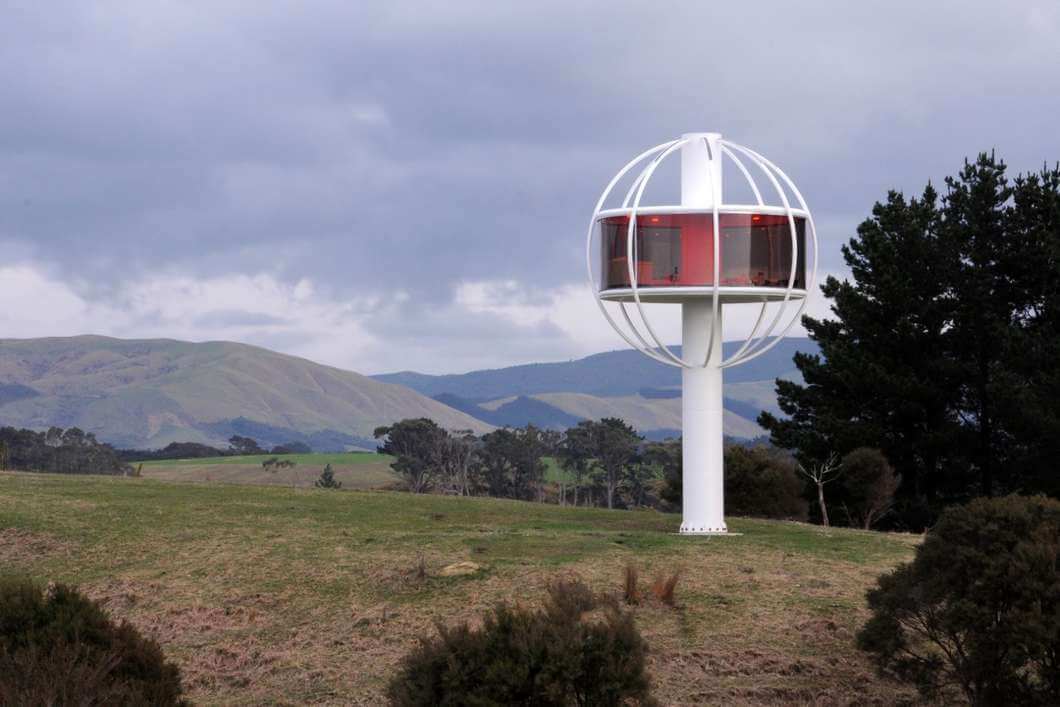
Plastic engineer and graphic designer Jono Willaims has really raised the bar of the humble man-cave by designing a giant steel lollipop called Skysphere. Skysphere is an Android-controlled, solar-powered hideaway perched high above the Newzealand countryside. Supported by a hollow column, the main structure comprises a circular room surrounded by curved hoops.

skysphere-man-cave

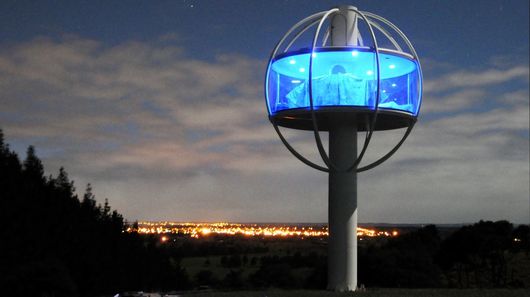
There is a motorized door with fingerprint entry at the bottom to gain entry into the tower-top space accessed by welded ladder rungs inside the central column.  The Skysphere provides a 360-degree viewing window that has a circumference of 14m and a height of 2 m enabling a spectacular view of the surroundings. Along with this, the Skysphere has a portal to allow natural light in during the day. It also has adjustable colored LED lighting. The lighting, along with all of the other electrics, is powered entirely by strips of solar panels installed on each of the hoops.

skysphere-man-cave-9@2x

A whole set up of a wireless sound-system, a Miracast projector and a refrigerated beer dispenser is controlled via a smartphone app or via voice commands. In addition to these, there is a queen sized bed and availability of high-speed internet. A bathroom is not there but William is planning to design one nearby among the trees. Williams has put in nearly 3000 hours working on this project which till date has utilised US$50,000 on materials itself.

[adinserter block=”7″]

Author: Technology Blog

Tagged :

Now your umbrella handles your weather forecast bulletin!

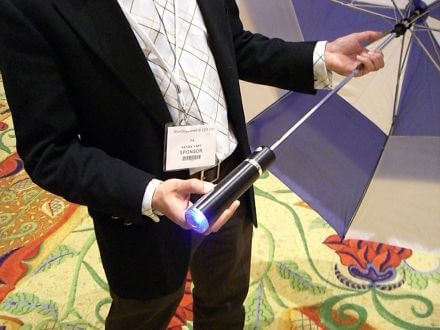
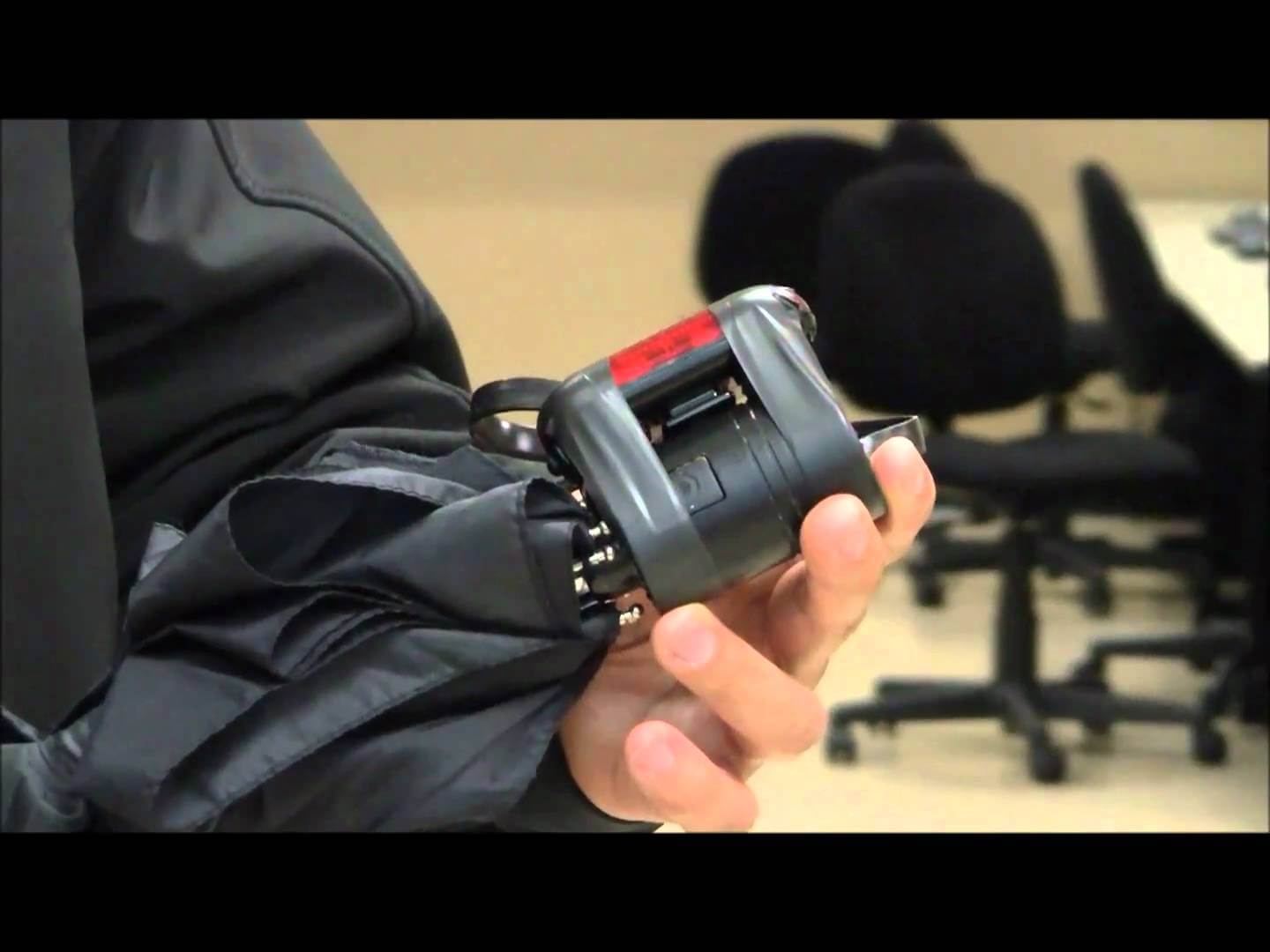
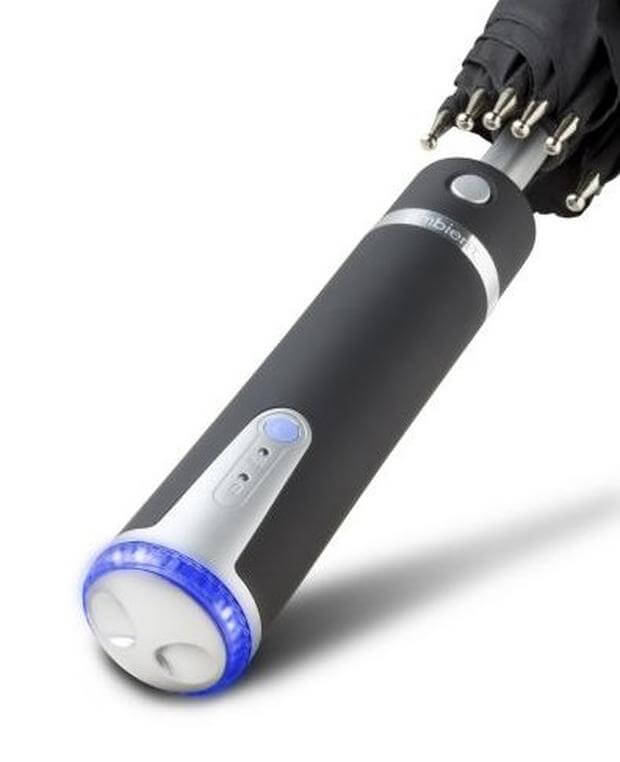
Haz Digital is introducing a new kind of umbrella that actually offers solutions to your many woes related to umbrellas and the weather related to it! The Haz umbrella, as it is called, is push button operated, motorized and can sense the weather. It is designed in such a way that using a built-in motor, a microchip controller and a li-ion battery; it can open, extend and close with the push of a button and the opening closing takes just two seconds. If the fact that it is motorised raises your concern in terms of its reliability then there is a plan B. It can still be operated manually so you won’t get stuck if the motor or batteries aren’t working.

maxresdefault

If you are among those who keep forgetting and losing things then there is good news, to stop you from losing it, the Haz umbrella connects to an iOS or Android app via Bluetooth low energy (range of around 30 mor 100ft). So if the umbrella moves out of the range of your smartphone, a notification will be sent to you with the umbrella’s last known location. The app will also tip you off about likely rain showers or expected high UV levels among other location based weather forecasts.

umbrella

So you will be able to decide whether you want to take the umbrella with you or not. According to Haz Digital the umbrella will open and close over 150 times on a single battery charge with a standby time of about six months. A replaceable coin cell battery is used for the Bluetooth component and will last for about a year.

[adinserter block=”7″]

Author: Technology Blog
Tagged :

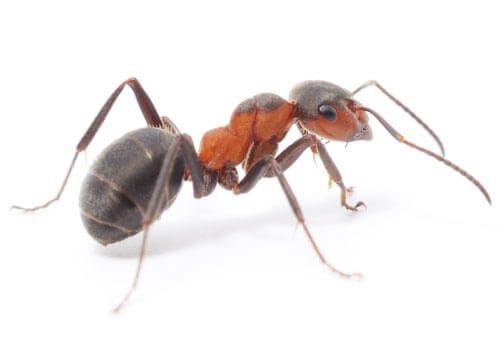
Do Crazy Ants have a Leader?

Ants communicate through the hormone pheromone. This hormone helps them to follow the trail of ants, or know the coordination in teamwork while carrying back food.

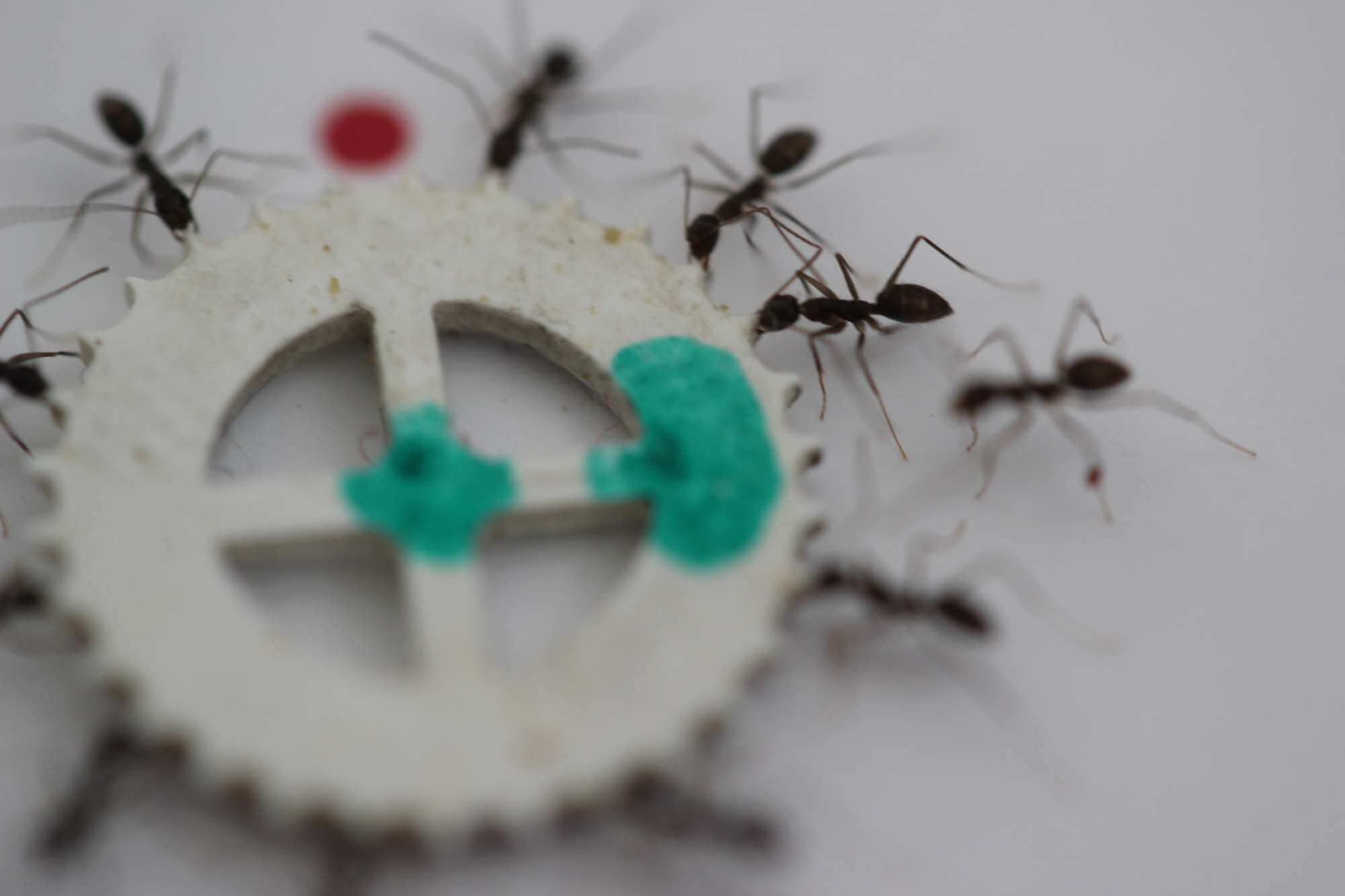
To know how each ant acts during a session of teamwork, a group of scientists at the Weizmann Institute of Science in Rehovot, Israel, decided to observe each of their movements by tagging the ants with numbers. Each of the ants’ movements were scrutinised as to if they were pushing, pulling or tugging the most.

crazy_longhorn_ants_carrying_object

The conclusion that showed up was that if any of ants did a different of movement than the team, the food would not move. Sometimes, an ant might not be able to follow the movement of others, the cause of which could be that, the food would block their antennas.

“So everyone has to be a conformist. One ant grabs the object and she feels it is going to the left and doesn’t want to fight the other ants, and so she also pulls to the left,” Feinerman says.

A single, lone ant could have a much better idea and direction to get home. That ant would step up and guide the group back on course, when they were in risk of going astray. But this leader is not permanent, and soon forgets the the trail itself; another leader emerges at that point.

metallica9-XL

Alex Wild, the curator of entomology at the University of Texas at Austin as well as an ant expert, tells us that different species of ants follow different foraging pattern. The fire ant will fight and snatch the food of others away, while the longhorn ants will find the food themselves and carry it away.

[adinserter block=”7″]

Author: Technology Blog
Tagged :

One Time Drug Administration-Not a Week!

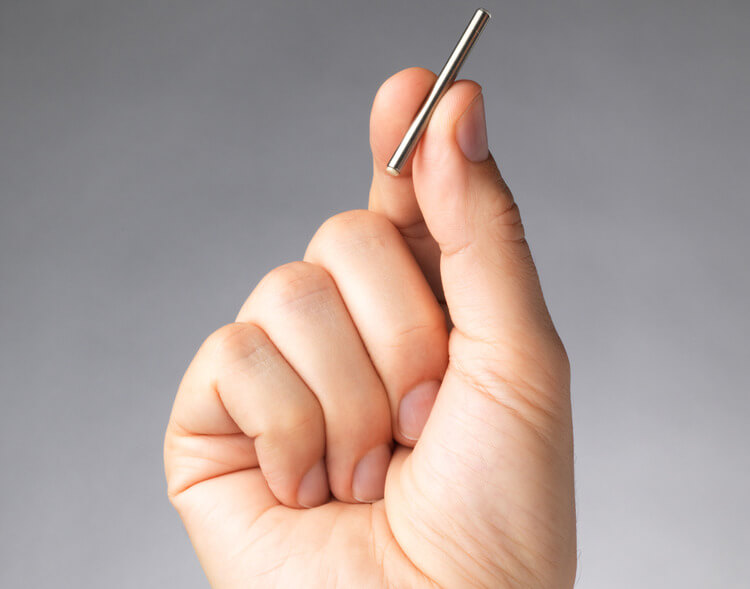
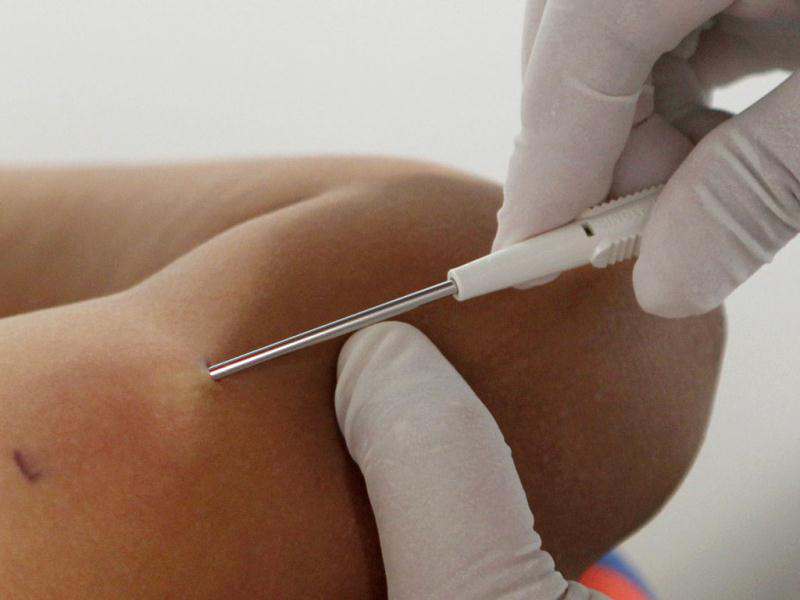
Now you don’t have to remember to take your medication. This is a polymer ring that can be implanted in the patient’s’ stomach. This way, the doctors don’t have to worry about the patient skipping medicines before the desired time, or the hormonal changes.

8fac352e-effd-4f00-b2fc-075187be5d8fWallpAutoWallpaper2

These implants have to be of the perfect size s, too big a size would crack and too small size, could cause intestinal blockage. This ring is activated only in alkaline conditions in the stomach and remain inactive at acidic pH.

The state of this implant is solid at acidic pH, and dissolved in neutral pH. In pigs, this device lasted from seven days, before.

implant

MIT is collaborating with another biotechnology company Lyndra, to release the drug at the market. These rings can be used to treat obesity, or to create ingestible electronics to diagnose and monitor conditions in the gastrointestinal tract.

[adinserter block=”7″]

Author: Technology Blog
Tagged :

SLAM-Aware Robots are to do the Dishes

Researchers at MIT, have brought to us a new object recognition system that works on SLAM (simultaneous localization and mapping) technology. This robot sees objects are a three-dimensional plane and not just in one view, as is the case in conventional image recognition systems.

slam

“Ideally we want robots to be cleaning our dishes at some point in the future. We want recognition systems where it does in fact see the objects that the robot should care about and manipulate them,” says Sudeep Pillai, lead author of the study.

SLAM-aware robots hold advantages over SLAM-unaware robots as they can easily identify an object from a clutter of objects. It has been seen that the SLAM-aware system identified objects with only 86.1% accuracy, as compared to SLAM-unaware identifying it with a 92.8% accuracy. But, the former wins over latter in terms of startup time. SLAM-aware system takes a mere 1.6 seconds to start, whereas, classical systems might take up to four seconds.

This new system works sans infrared light, which the old recognition systems need to function. Often, the conventional systems could not be used outdoors. Now, both indoors and outdoors can be are included in its area of activity.

201412070003t0001

Presently, the team at MIT is working to solve the “loop closure” issue that exists in classical robots, in which the system fails to recognize a previously visited place, or a previously performed activity.

[adinserter block=”7″]

Author: Technology Blog
Tagged :

InFocus to help you watch 3D without those 3D glasses

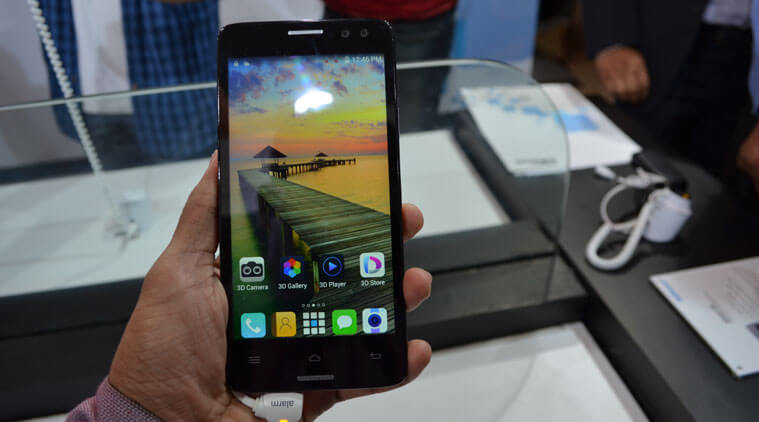
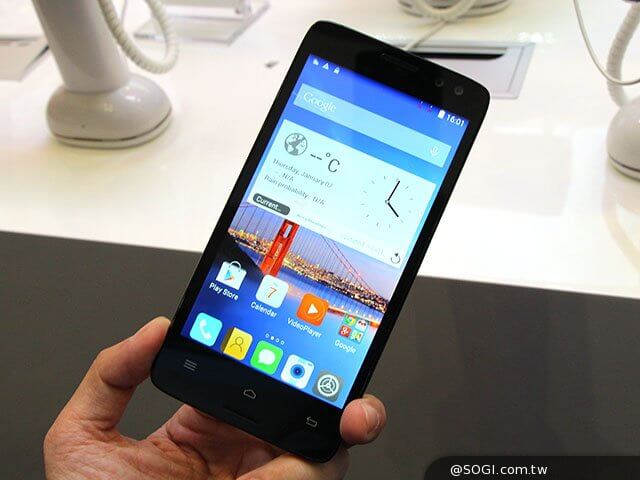
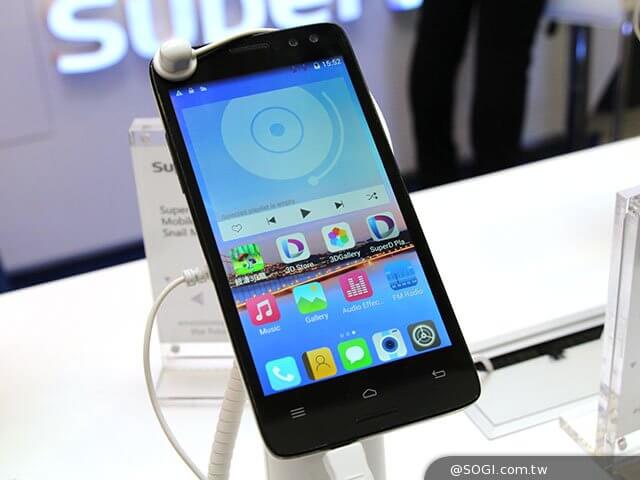
InFocus, a US based technology company has announced four new smartphones, three feature phones, a two-in-one tablet and seven LED TVs for Indian market to be introduced in the month of September. The most awaited phone is surely going to be the InFocus M550-3D, as because of a layer of Liquid crystals fused between its display and touch panel that will reflect images, movies and games in 3D , this phone will let the user experience, glasses-free 3D experience.

InFocus-M550-Pic-2

The smartphone has a 5.5-inch Full HD display and is powered by a 1.7GHz Mediatek octa-core processor. The phone also comes with a 2GB RAM and 16 GB internal memory that can be expanded further up to 64 GB via microSD card support.

InFocus-M550

At the front there is dual 5 MP fixed focus with face detection to work with 3D viewing and the rear camera is 13 MP. It also has a 3,100 mAH battery and will support LTE bands in India. The phone is aptly priced at Rs 15,999 (260 USD approx.).

[adinserter block=”7″]

Author: Technology Blog
Tagged :

The humble sea water can light a lantern and charge your phone

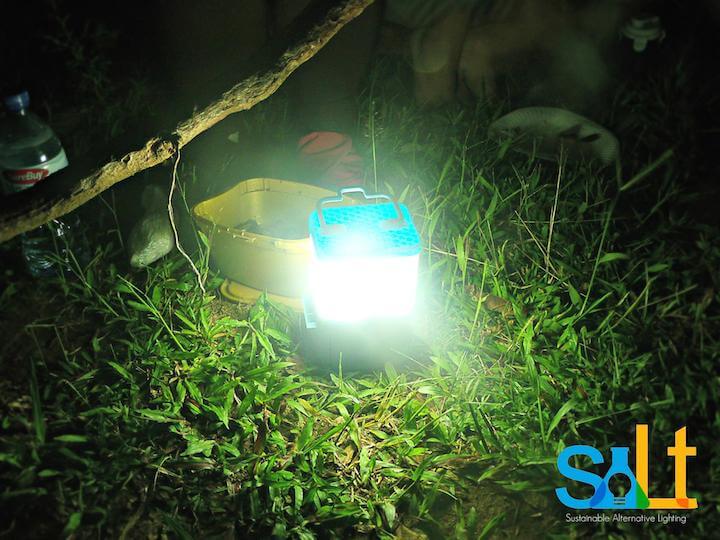
While visiting a Filipino mountain tribe, co-founder and CEO of SALt (where SALt stands for Sustainable Alternative Lighting) Aisa Mijeno, (a member of Greenpeace Philippines and part of the Engineering faculty at De La Salle University – Lipa), saw that they depended on kerosene and moonlight to do their evening chores. This touched a chord somewhere and she along with Raphael Mijeno (co-founder and CFO) decided to put efforts in the direction of creating an alternative source of lighting that would be more safe, efficient and sustainable.

salt-lamp21

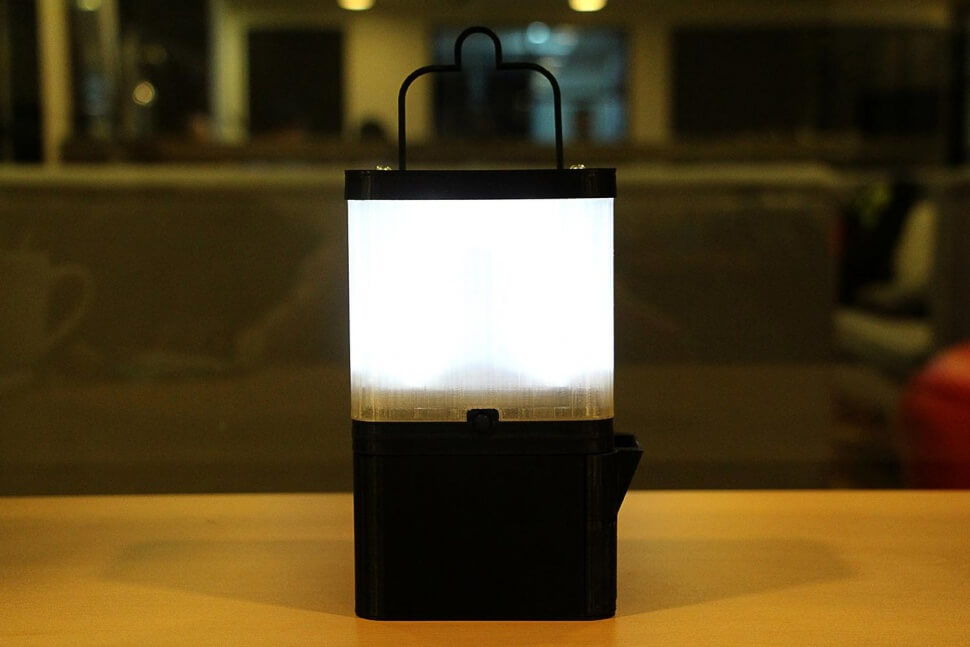
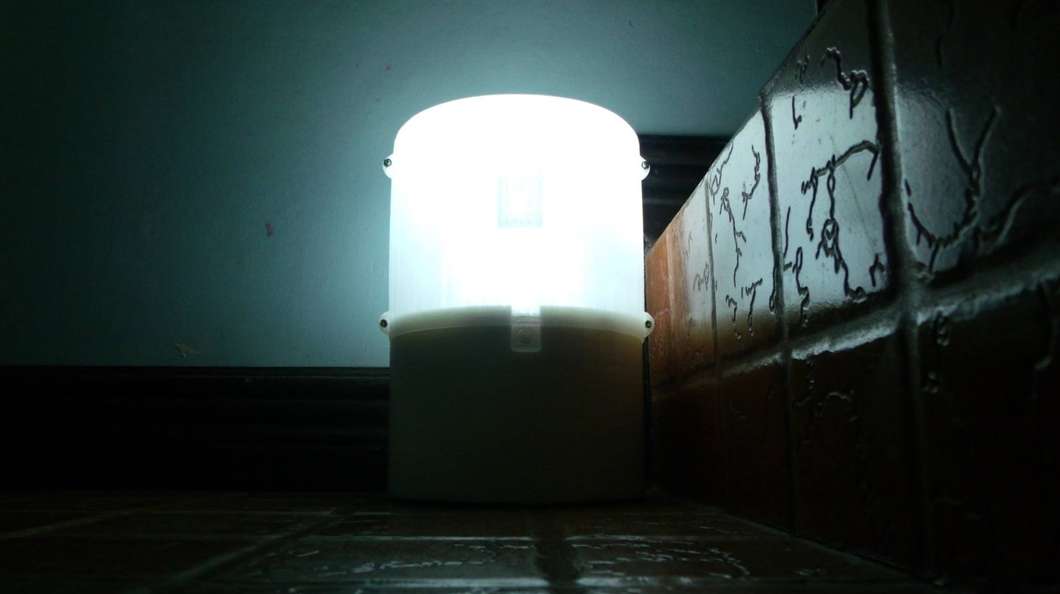
 This gave birth to SALt lamps. These lamps can be powered either by seawater or a homemade saline solution (prepared with 2 tablespoons of salt dissolved in a glass of water). The design of these lamps uses galvanic cells like normal batteries but instead of the harmful electrolytes relies on a non-toxic solution of saline. These have an anode lifespan of six months when used eight hours a day. The design of the lamp also features a USB plug where smartphones can be charged if need be. Since Philippines is SALt’s target at the moment, the design also took emergency-preparedness into consideration and for a country that has 7000 islands and only limited access to electricity, using sea water/ saline water seemed to be the best practical approach.

salt-lamp@2x

The lamps are in their mass production stage for its target communities and partner NGOs and foundations. It is hoped the lamps will be introduced to the market in late 2015 or early 2016. As per the pricing, the SALt’s website reports that its goal is “to target an affordable price that can also support and sustain the flow of its production.”Although targeted for Philippines’ people presently, the company aims and hopes to increase its availability to other parts of the world also.

[adinserter block=”7″]

Author: Technology Blog
Tagged :

Japan boasts of firing the world’s most powerful laser

Do you know what a petawatt is? It is a quadrillion watt. Do you know what a picosecond is? It is a trillionth of a second. So now you know what we mean, when we say that researchers at Osaka University, Japan have fired the most powerful laser in the world that had a power of 2 petawatt and lasted just one picosecond! The laser called LFEX (Laser for Fast Ignition Experiments) measures more than 300 feet in length.

481785272

The United States have already a one-petawatt laser of their own at the University of Texas at Austin which is known as Texas petawatt laser. It is being claimed by the scientists at Osaka University that their laser pulse (2 petawatts at 1 picosecond) is about 100 times the energy of University of Texas Austin’s laser and twice its peak power.

004

Julio Soares, senior research scientist at University of Illinois at Urbana-Champaign opines “two petwatts, that’s a lot” and that this humongous amount of energy can be used “to blow things up.”

[adinserter block=”7″]

Author: Technology Blog
Tagged :

Modular Smartwatch to Miniaturise Existing Technology

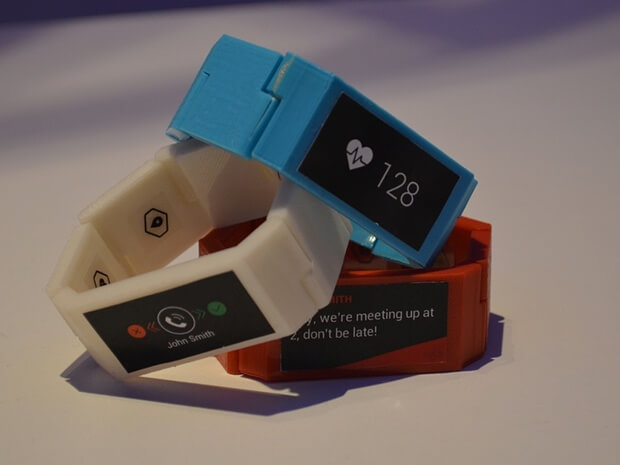
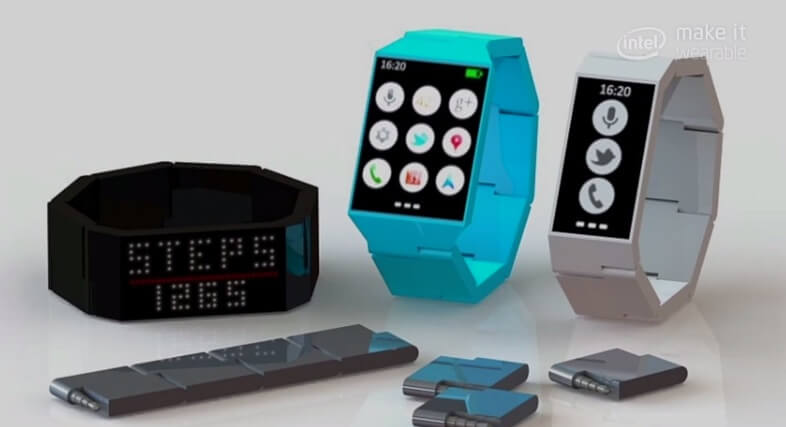
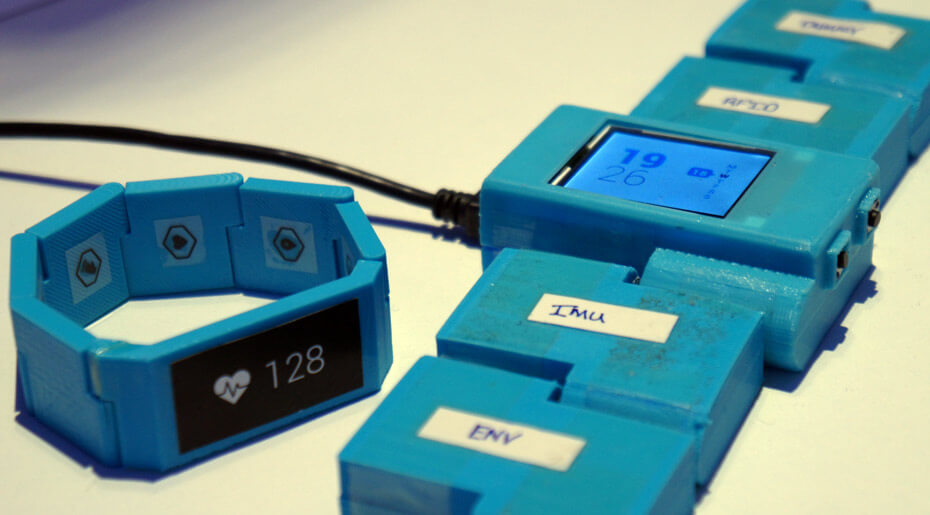
The Blocks Modular Smartwatch is the compact new model which allows to upgrade and swap out sensor, screens and batteries. The single screen is connected to tiny segments by links, by act both as connectors, and as information transport passage between the segments.

“It’s like a desktop computer,” Hakeem Javaid, one of the developers for Blocks, told the Guardian. “When you needed to upgrade your computer you didn’t just throw it away, you add a new graphics card or more storage. With Blocks you can upgrade your smartwatch and tailor it to suit what you need it to do at that moment, just by swapping out modules.”

blocks-watch-2

The linked segments actually are batteries and sensors that make up this smartwatch. They modules can be detached and attached on demand. The modules are flexible and can be rearranged freely. The modules can be purchased at around 20-40 euros. The sensors can include GPS, heart rate monitor, camera, sim card slot, temperature sensors, etc.

This idea formed with inspiration from Google’s modular smartphone concept Project Ara. And the real need since then is the miniaturisation of all the parts. Blocks will open of their project to other developers, who can build and give suggestions about new modules.

“What’s most likely going to happen is that third-parties will be able to send us their designs and we will manufacture them, as we’ll have put the investment into the manufacturing lines and will be able to do more cost effectively,” shared Javaid.

blockfullbleed

Blocks already has 4000 people on its waiting list to be among the first to test out the smartwatch. It plans to a crowdfunding round on Kickstarter, in order, to release the product within eight months.

[adinserter block=”7″]

Author: Technology Blog
Tagged :

Two in One Protection: Land or Sea

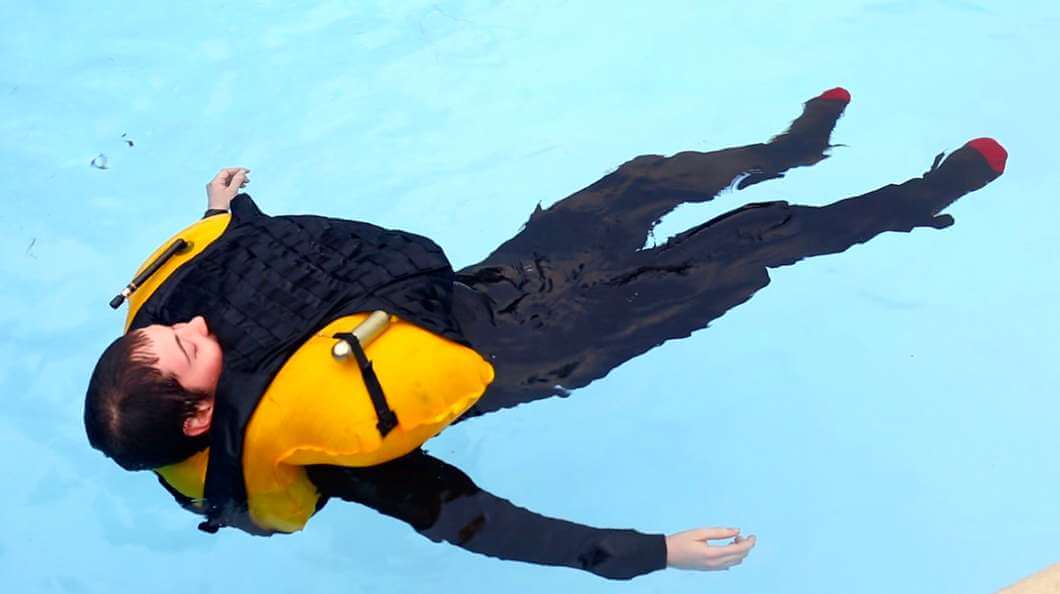
FATS (Floating Armour Torso System) is a new invention by the BCB International, UK. This vest is both bulletproof and a floatation device.

Wearing this, you are pretty much invincible on land and at sea, provided you know how to use each feature installed in it. It looks like a simple vest and comes in shades of black, beige or camo.

kamizelka-2

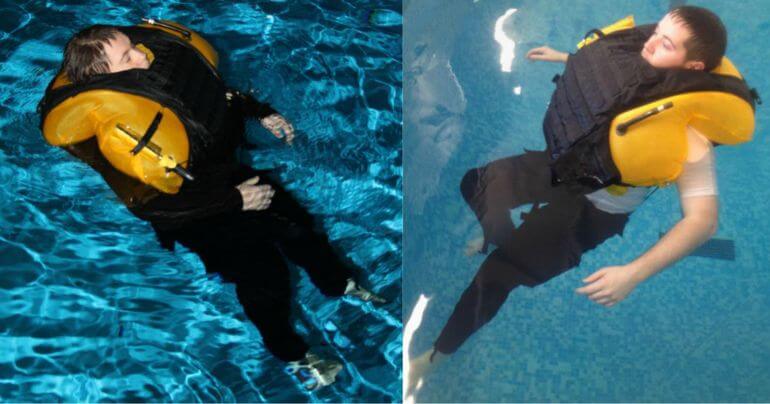
There is a system for attaching any extra gear, and an inflatable stole is triggered as soon as you hit the water.

The life jacket deployed, keeps the wearer afloat, and on their back. The vest keep expanding to provide protection.The grab handle on the back of this vest in more than handy.

1437769544401

This FAST vests would be ideal for military uses, and is more practical than the other things that have recently emerged as bulletproof, like the bulletproof iPhone.

[adinserter block=”7″]

Author: Technology Blog

Tagged :

Medicinal Lasers: Possibilities and Applications

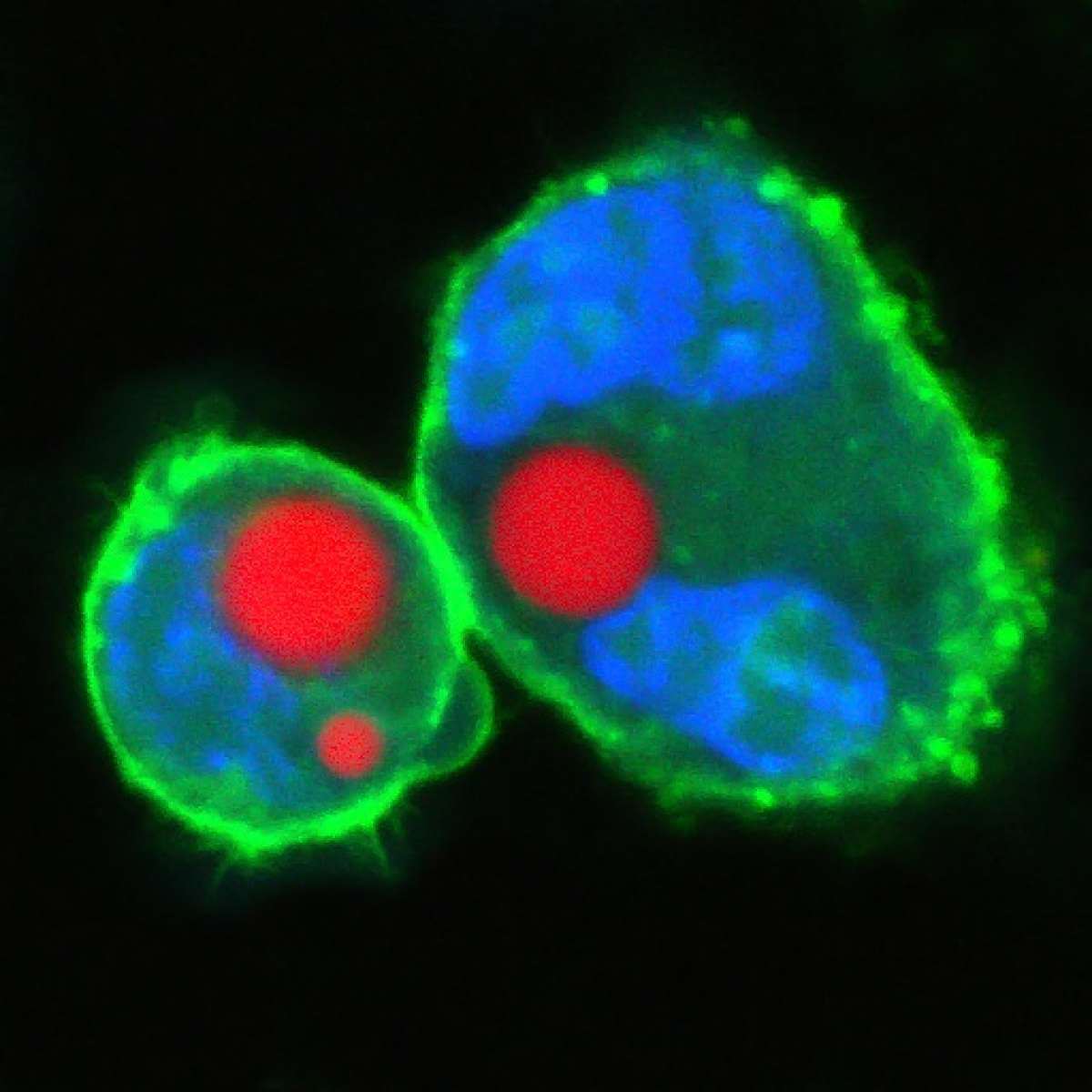
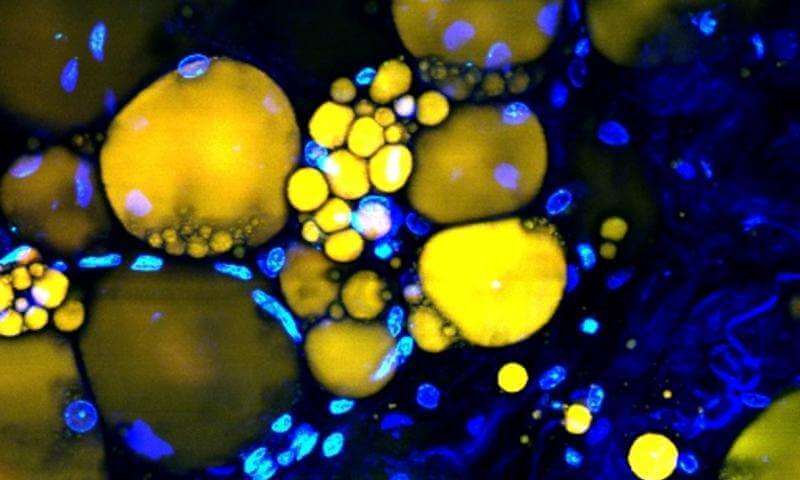
Researchers have created a way to transform our cells into, housing lasers inside them . The lasers are harmless and are not strong enough to cause any tissue damage. These pulsing cells, could be used to target highly localized areas of our body, such as is required in cancer cells.

1-transforming

The creation of a laser in our cells require a pump to generate the light, a cavity to capture the light produced, and an amplifier to tone the light to a specific wavelength. A microresonator is injected to the desired cell to build the laser in. This cell, when stimulated by an external pump, is able to produce bursts of light.

The microlasers use oils, fats and fluids already found inside our body cells, and is easy enough to produce. The energy generated is in nanojoules, and even the triggering of a number of microlasers at the same time, would not cause any harm. The wavelight to the light is in the range of 400-450 nanometers, and this range is easily distinguishable by the human eye, in X-rays and machines and even through the skin.

image4_lasing_in_tissue

These lasers could find application in targeting light activated drugs and infinite such lasers could made within one body. External laser technology has been long since employed, but internal laser technology is yet to be looked into.

[adinserter block=”7″]

Author: Technology Blog
Tagged :

Biosensor data on your fingertips

The fields of therapeutics, regenerative medicine and biosensing are expected to get more efficient and smart in terms of the tools they use because of a new silk-based ink containing bacteria-sensing agents, developed by the researchers at Tufts University. This ink can withstand the rigors of inkjet printing thus providing a way to print bio molecules.

demo1-credit-john-rogers-1

 To develop this ink, a purified silk protein called fibroin was used which acts as a protective cocoon and stabilizes various types of compounds such as antibodies, enzymes, nanoparticles, antibiotics and growth factors. The researchers doped the silk ink base with different bio compounds to create a set of functional, inkjet printable silk inks and tested them. Their different creations included:

  1. An ink with bacterial-sensing polydiacetylenes (PDAs), which was used to print the word “contaminated” on surgical gloves. When the gloves were exposed to E. coli bacteria, the word changed from blue to red.
  2. A plastic dish imprinted with BMP-2 proteins that stimulate bone growth to control the direction of tissue growth.
  3. Sodium ampicillin printed on a bacterial culture printed to test the effectiveness of a topographical distribution of the antibiotic.
  4. Gold nanoparticles printed on paper, which has potential applications in a variety of areas, such as colour engineering, surface plasmon resonance based sensing and bio-imaging.
  5. Enzymes printed on paper, to test the ability of the ink to carry small functional biomolecules.

medium_AmloMFNRcanyJ21T6qEg

Fiorenzo Omenetto, Ph.D., the Frank C. Doble Professor of Engineering at Tufts School of Engineering opines that in addition to bio-sensing gloves, the ability to print antibiotics in topographical patterns would enable smart bandages in which therapeutics are custom incorporated into the bandage to match a specific injury. Researchers also believe that there is a possibility of using a multi-cartridge system to combine complex functions in one print.

[adinserter block=”7″]

Author: Technology Blog
Tagged :

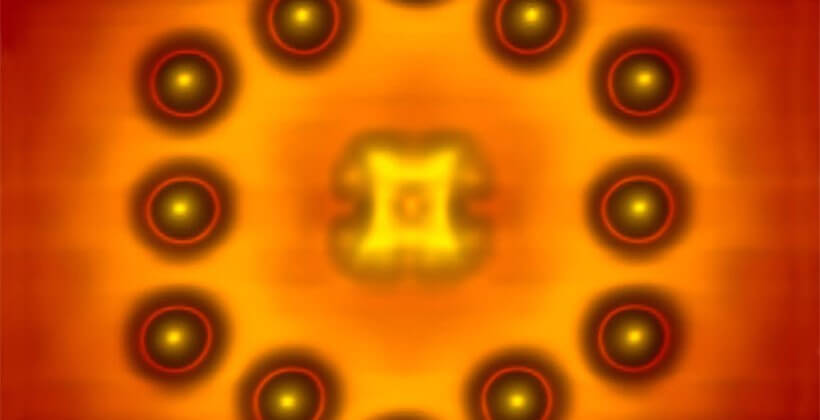
A single molecule transistor!

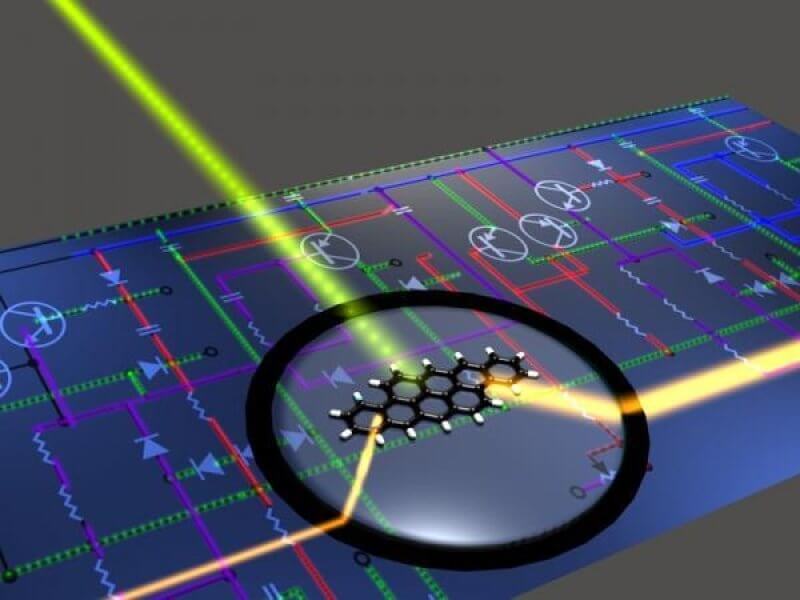
In a completely controlled atmosphere, a worldwide research team has built a transistor that consists of a single copper phthalocyanine molecule, a dozen Indium atoms and a backing material made of Indium arsenide. The transistor was created in a near-total vacuum, at a temperature barely above absolute zero.

090702080119_1_900x600

In a normal transistor, the current is controlled by modulating the gate voltage in favour of a field effect. In order to find a new way of doing this, this experiment was done and they found one. In this single molecule transistor, one just needs to vary the distance of the gate (the atoms, in this case) to modulate electricity.

transistor-1-820x420

Since the experiment was carried out in conditions that are extremely far-off from real world, it will take years to make transistors such small but even then it is a huge step in that direction.

[adinserter block=”7″]

Author: Technology Blog
Tagged :
Verified by ExactMetrics