While visiting a Filipino mountain tribe, co-founder and CEO of SALt (where SALt stands for Sustainable Alternative Lighting) Aisa Mijeno, (a member of Greenpeace Philippines and part of the Engineering faculty at De La Salle University – Lipa), saw that they depended on kerosene and moonlight to do their evening chores. This touched a chord somewhere and she along with Raphael Mijeno (co-founder and CFO) decided to put efforts in the direction of creating an alternative source of lighting that would be more safe, efficient and sustainable.
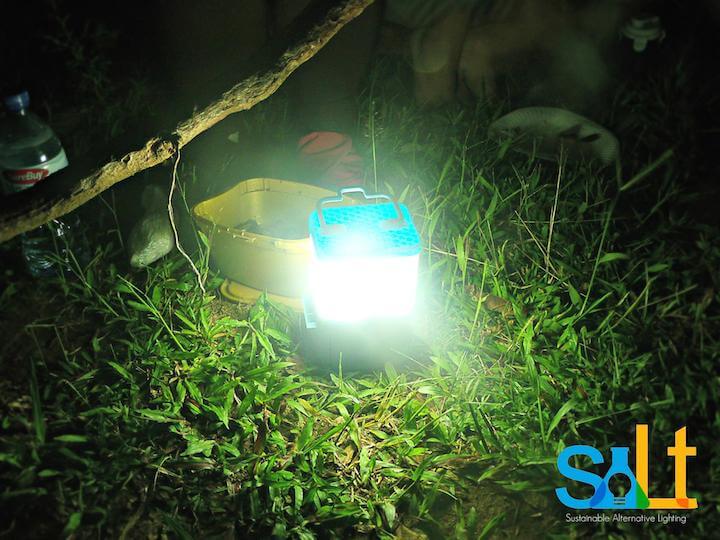
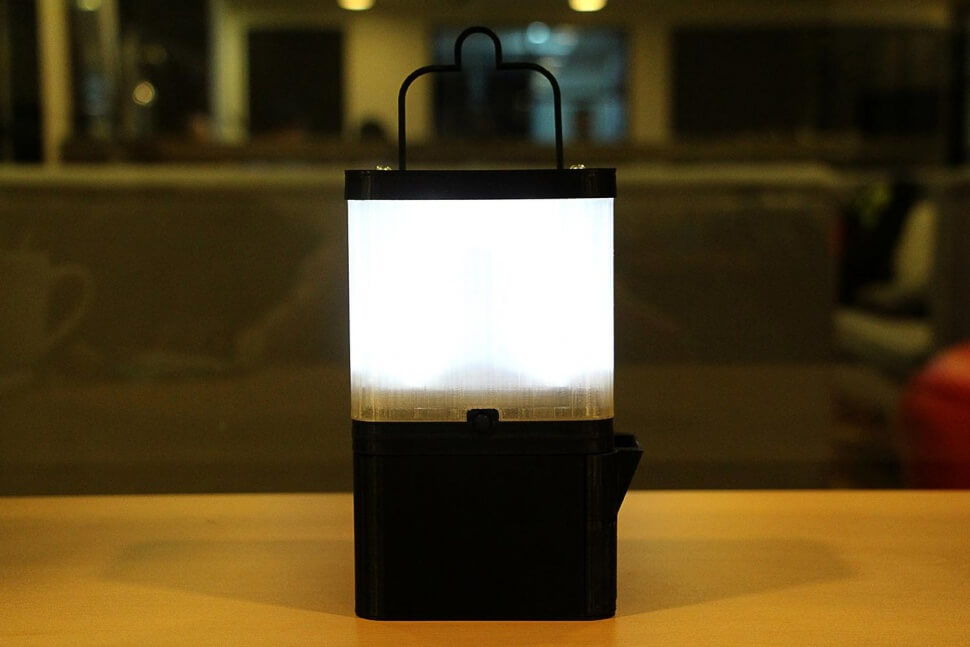
This gave birth to SALt lamps. These lamps can be powered either by seawater or a homemade saline solution (prepared with 2 tablespoons of salt dissolved in a glass of water). The design of these lamps uses galvanic cells like normal batteries but instead of the harmful electrolytes relies on a non-toxic solution of saline. These have an anode lifespan of six months when used eight hours a day. The design of the lamp also features a USB plug where smartphones can be charged if need be. Since Philippines is SALt’s target at the moment, the design also took emergency-preparedness into consideration and for a country that has 7000 islands and only limited access to electricity, using sea water/ saline water seemed to be the best practical approach.
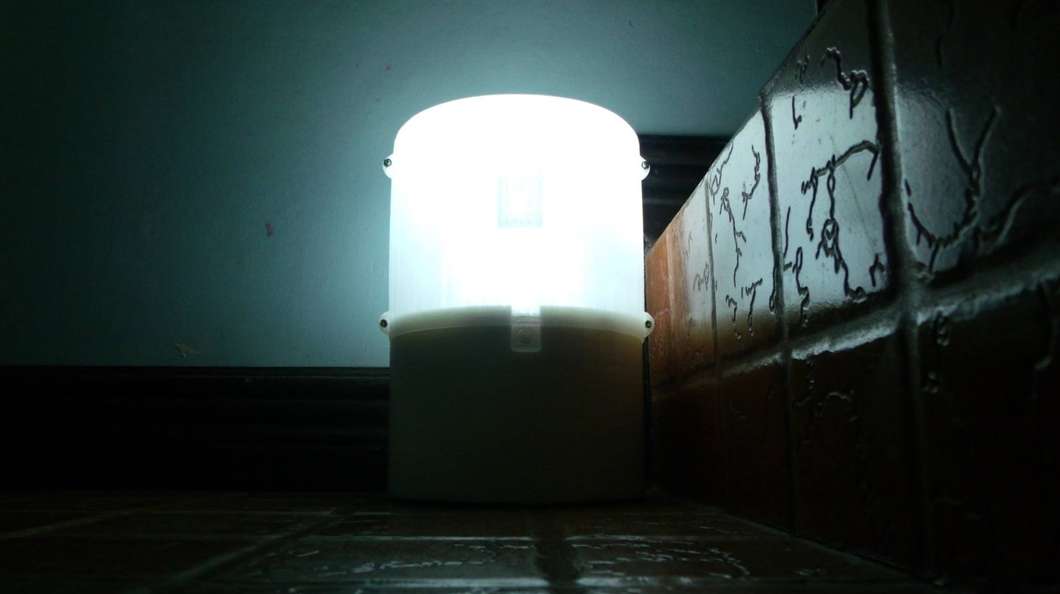
The lamps are in their mass production stage for its target communities and partner NGOs and foundations. It is hoped the lamps will be introduced to the market in late 2015 or early 2016. As per the pricing, the SALt’s website reports that its goal is “to target an affordable price that can also support and sustain the flow of its production.”Although targeted for Philippines’ people presently, the company aims and hopes to increase its availability to other parts of the world also.
[adinserter block=”7″]
Author: Technology Blog
