InFocus to help you watch 3D without those 3D glasses

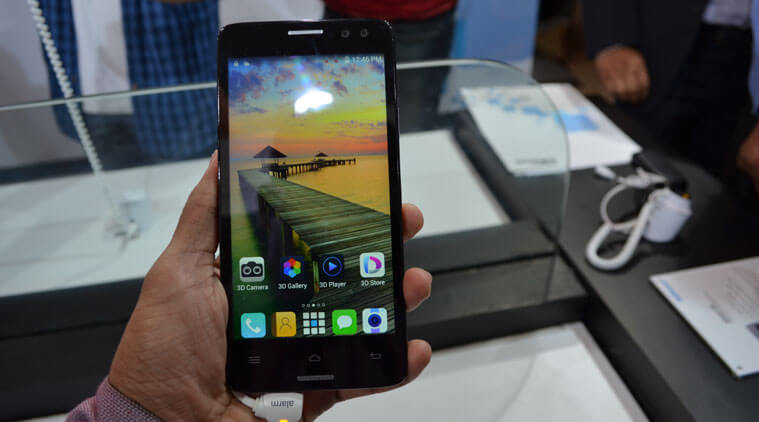
InFocus, a US based technology company has announced four new smartphones, three feature phones, a two-in-one tablet and seven LED TVs for Indian market to be introduced in the month of September. The most awaited phone is surely going to be the InFocus M550-3D, as because of a layer of Liquid crystals fused between its display and touch panel that will reflect images, movies and games in 3D , this phone will let the user experience, glasses-free 3D experience.
InFocus-M550-Pic-2

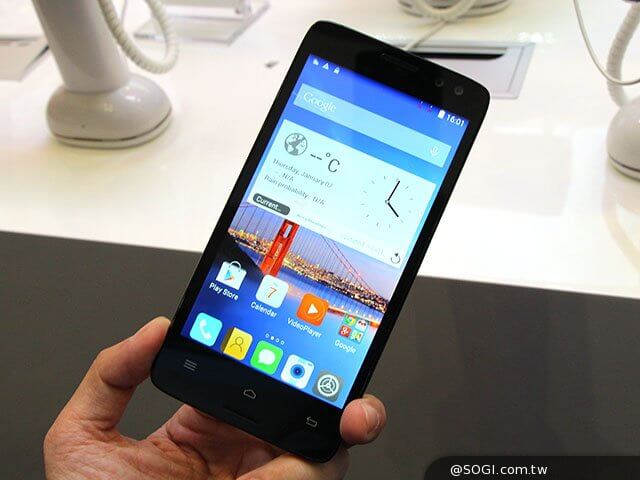
The smartphone has a 5.5-inch Full HD display and is powered by a 1.7GHz Mediatek octa-core processor. The phone also comes with a 2GB RAM and 16 GB internal memory that can be expanded further up to 64 GB via microSD card support.
InFocus-M550

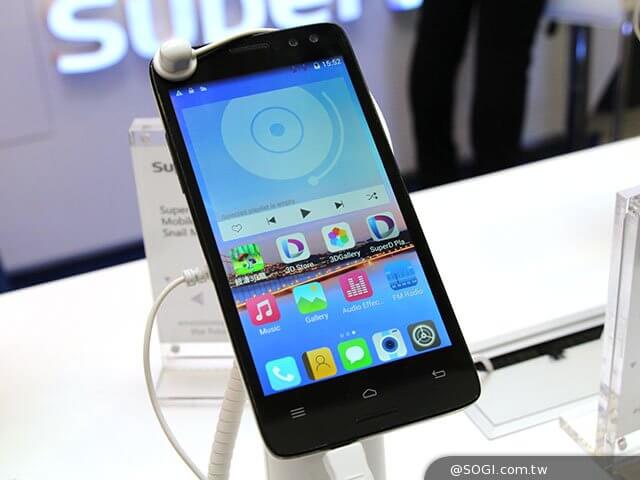
At the front there is dual 5 MP fixed focus with face detection to work with 3D viewing and the rear camera is 13 MP. It also has a 3,100 mAH battery and will support LTE bands in India. The phone is aptly priced at Rs 15,999 (260 USD approx.).

[adinserter block=”7″]

Author: Technology Blog
Tagged :

The humble sea water can light a lantern and charge your phone

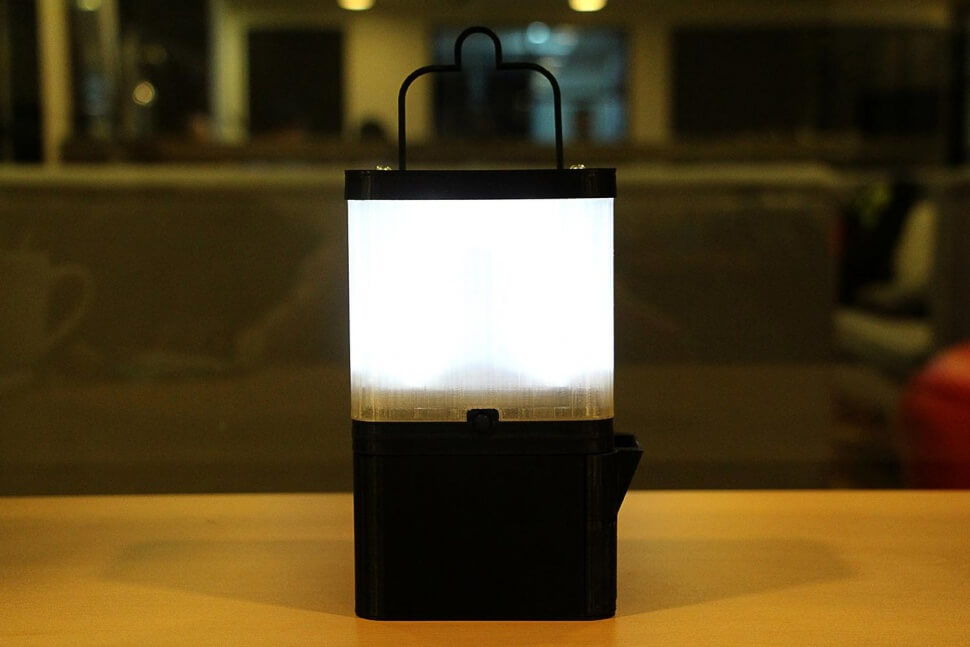
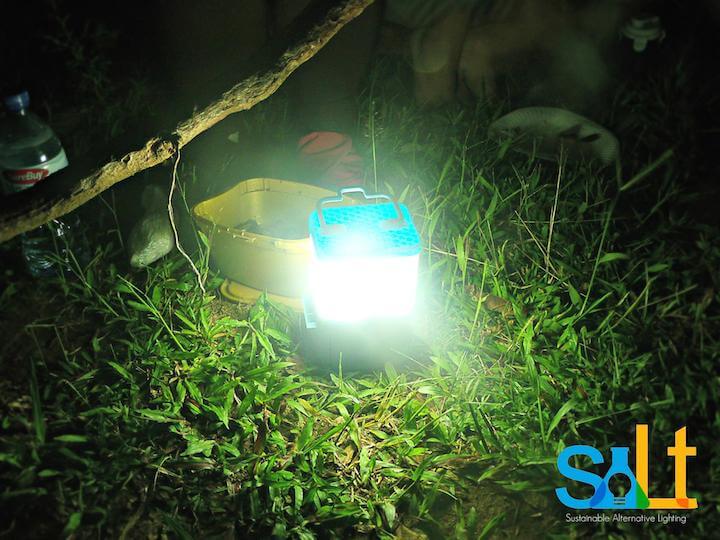
While visiting a Filipino mountain tribe, co-founder and CEO of SALt (where SALt stands for Sustainable Alternative Lighting) Aisa Mijeno, (a member of Greenpeace Philippines and part of the Engineering faculty at De La Salle University – Lipa), saw that they depended on kerosene and moonlight to do their evening chores. This touched a chord somewhere and she along with Raphael Mijeno (co-founder and CFO) decided to put efforts in the direction of creating an alternative source of lighting that would be more safe, efficient and sustainable.

salt-lamp21

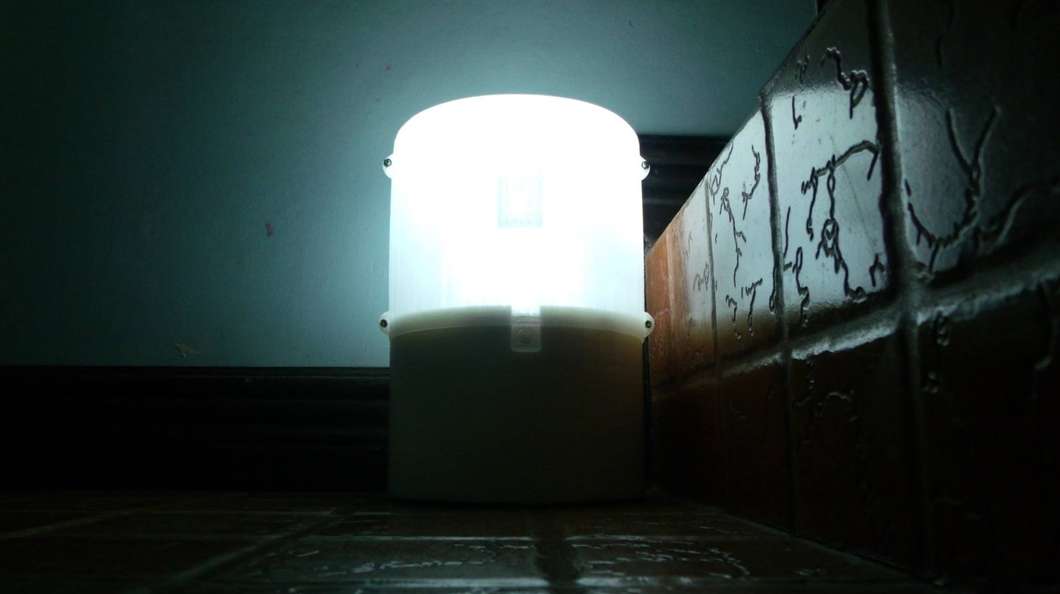
 This gave birth to SALt lamps. These lamps can be powered either by seawater or a homemade saline solution (prepared with 2 tablespoons of salt dissolved in a glass of water). The design of these lamps uses galvanic cells like normal batteries but instead of the harmful electrolytes relies on a non-toxic solution of saline. These have an anode lifespan of six months when used eight hours a day. The design of the lamp also features a USB plug where smartphones can be charged if need be. Since Philippines is SALt’s target at the moment, the design also took emergency-preparedness into consideration and for a country that has 7000 islands and only limited access to electricity, using sea water/ saline water seemed to be the best practical approach.

salt-lamp@2x

The lamps are in their mass production stage for its target communities and partner NGOs and foundations. It is hoped the lamps will be introduced to the market in late 2015 or early 2016. As per the pricing, the SALt’s website reports that its goal is “to target an affordable price that can also support and sustain the flow of its production.”Although targeted for Philippines’ people presently, the company aims and hopes to increase its availability to other parts of the world also.

[adinserter block=”7″]

Author: Technology Blog
Tagged :

Japan boasts of firing the world’s most powerful laser

Do you know what a petawatt is? It is a quadrillion watt. Do you know what a picosecond is? It is a trillionth of a second. So now you know what we mean, when we say that researchers at Osaka University, Japan have fired the most powerful laser in the world that had a power of 2 petawatt and lasted just one picosecond! The laser called LFEX (Laser for Fast Ignition Experiments) measures more than 300 feet in length.

481785272

The United States have already a one-petawatt laser of their own at the University of Texas at Austin which is known as Texas petawatt laser. It is being claimed by the scientists at Osaka University that their laser pulse (2 petawatts at 1 picosecond) is about 100 times the energy of University of Texas Austin’s laser and twice its peak power.

004

Julio Soares, senior research scientist at University of Illinois at Urbana-Champaign opines “two petwatts, that’s a lot” and that this humongous amount of energy can be used “to blow things up.”

[adinserter block=”7″]

Author: Technology Blog
Tagged :

Modular Smartwatch to Miniaturise Existing Technology

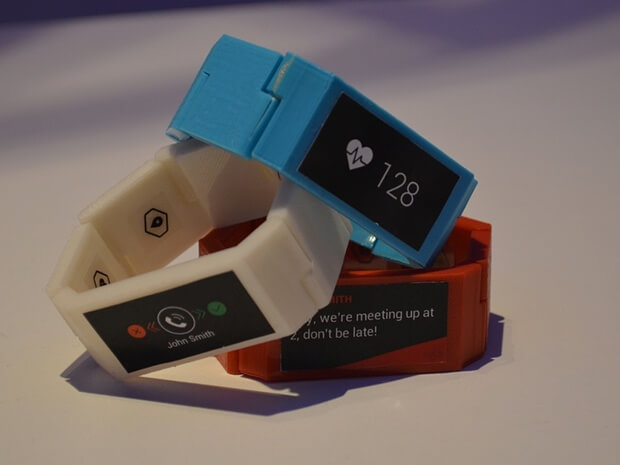
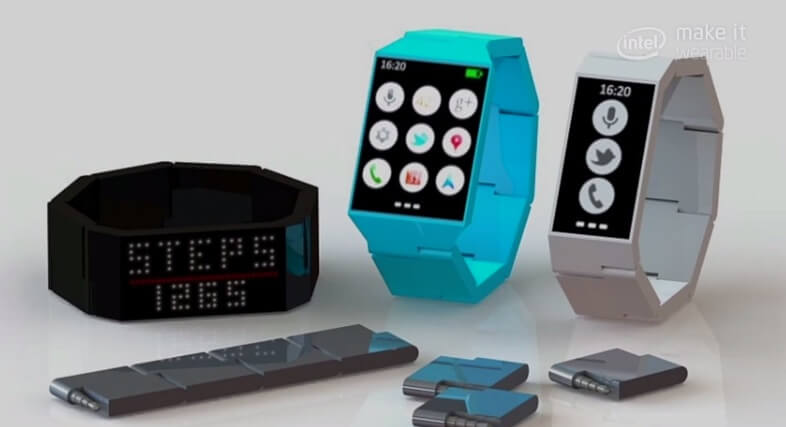
The Blocks Modular Smartwatch is the compact new model which allows to upgrade and swap out sensor, screens and batteries. The single screen is connected to tiny segments by links, by act both as connectors, and as information transport passage between the segments.

“It’s like a desktop computer,” Hakeem Javaid, one of the developers for Blocks, told the Guardian. “When you needed to upgrade your computer you didn’t just throw it away, you add a new graphics card or more storage. With Blocks you can upgrade your smartwatch and tailor it to suit what you need it to do at that moment, just by swapping out modules.”

blocks-watch-2

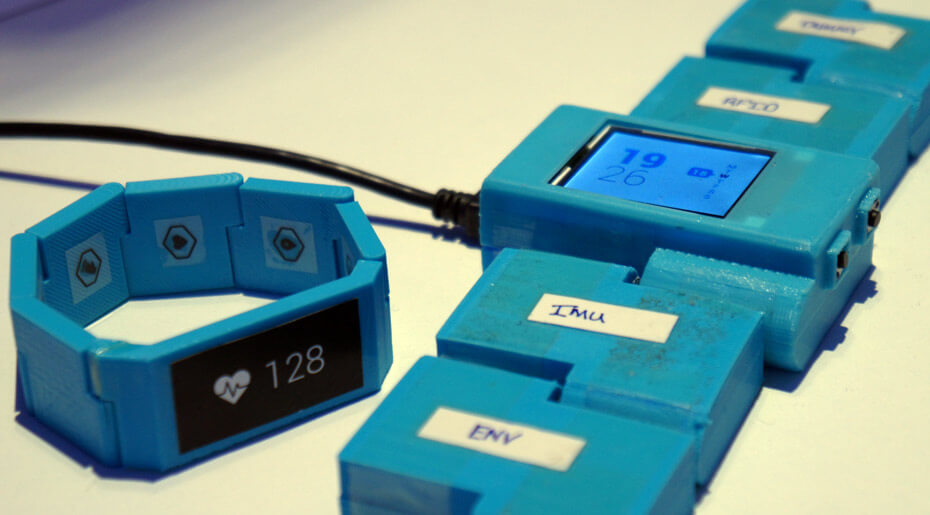
The linked segments actually are batteries and sensors that make up this smartwatch. They modules can be detached and attached on demand. The modules are flexible and can be rearranged freely. The modules can be purchased at around 20-40 euros. The sensors can include GPS, heart rate monitor, camera, sim card slot, temperature sensors, etc.

This idea formed with inspiration from Google’s modular smartphone concept Project Ara. And the real need since then is the miniaturisation of all the parts. Blocks will open of their project to other developers, who can build and give suggestions about new modules.

“What’s most likely going to happen is that third-parties will be able to send us their designs and we will manufacture them, as we’ll have put the investment into the manufacturing lines and will be able to do more cost effectively,” shared Javaid.

blockfullbleed

Blocks already has 4000 people on its waiting list to be among the first to test out the smartwatch. It plans to a crowdfunding round on Kickstarter, in order, to release the product within eight months.

[adinserter block=”7″]

Author: Technology Blog

Tagged :

Two in One Protection: Land or Sea

FATS (Floating Armour Torso System) is a new invention by the BCB International, UK. This vest is both bulletproof and a floatation device.

Wearing this, you are pretty much invincible on land and at sea, provided you know how to use each feature installed in it. It looks like a simple vest and comes in shades of black, beige or camo.

kamizelka-2

There is a system for attaching any extra gear, and an inflatable stole is triggered as soon as you hit the water.

The life jacket deployed, keeps the wearer afloat, and on their back. The vest keep expanding to provide protection.The grab handle on the back of this vest in more than handy.

1437769544401

This FAST vests would be ideal for military uses, and is more practical than the other things that have recently emerged as bulletproof, like the bulletproof iPhone.

[adinserter block=”7″]

Author: Technology Blog

Tagged :

Medicinal Lasers: Possibilities and Applications

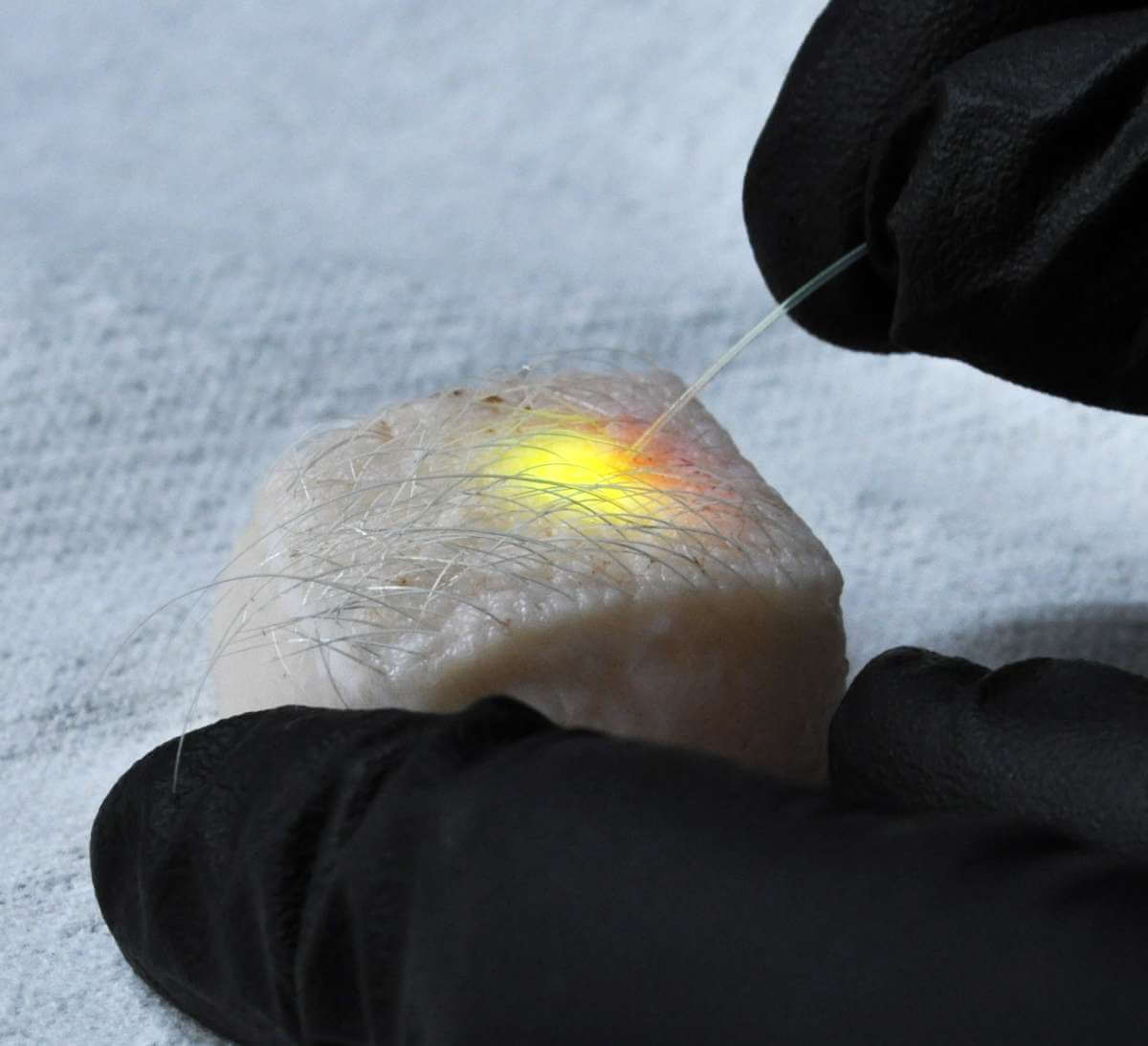
Researchers have created a way to transform our cells into, housing lasers inside them . The lasers are harmless and are not strong enough to cause any tissue damage. These pulsing cells, could be used to target highly localized areas of our body, such as is required in cancer cells.

1-transforming

The creation of a laser in our cells require a pump to generate the light, a cavity to capture the light produced, and an amplifier to tone the light to a specific wavelength. A microresonator is injected to the desired cell to build the laser in. This cell, when stimulated by an external pump, is able to produce bursts of light.

The microlasers use oils, fats and fluids already found inside our body cells, and is easy enough to produce. The energy generated is in nanojoules, and even the triggering of a number of microlasers at the same time, would not cause any harm. The wavelight to the light is in the range of 400-450 nanometers, and this range is easily distinguishable by the human eye, in X-rays and machines and even through the skin.

image4_lasing_in_tissue

These lasers could find application in targeting light activated drugs and infinite such lasers could made within one body. External laser technology has been long since employed, but internal laser technology is yet to be looked into.

[adinserter block=”7″]

Author: Technology Blog

Tagged :
Verified by ExactMetrics