Robot Dragonflies And Lasers To Protect Britain In Future

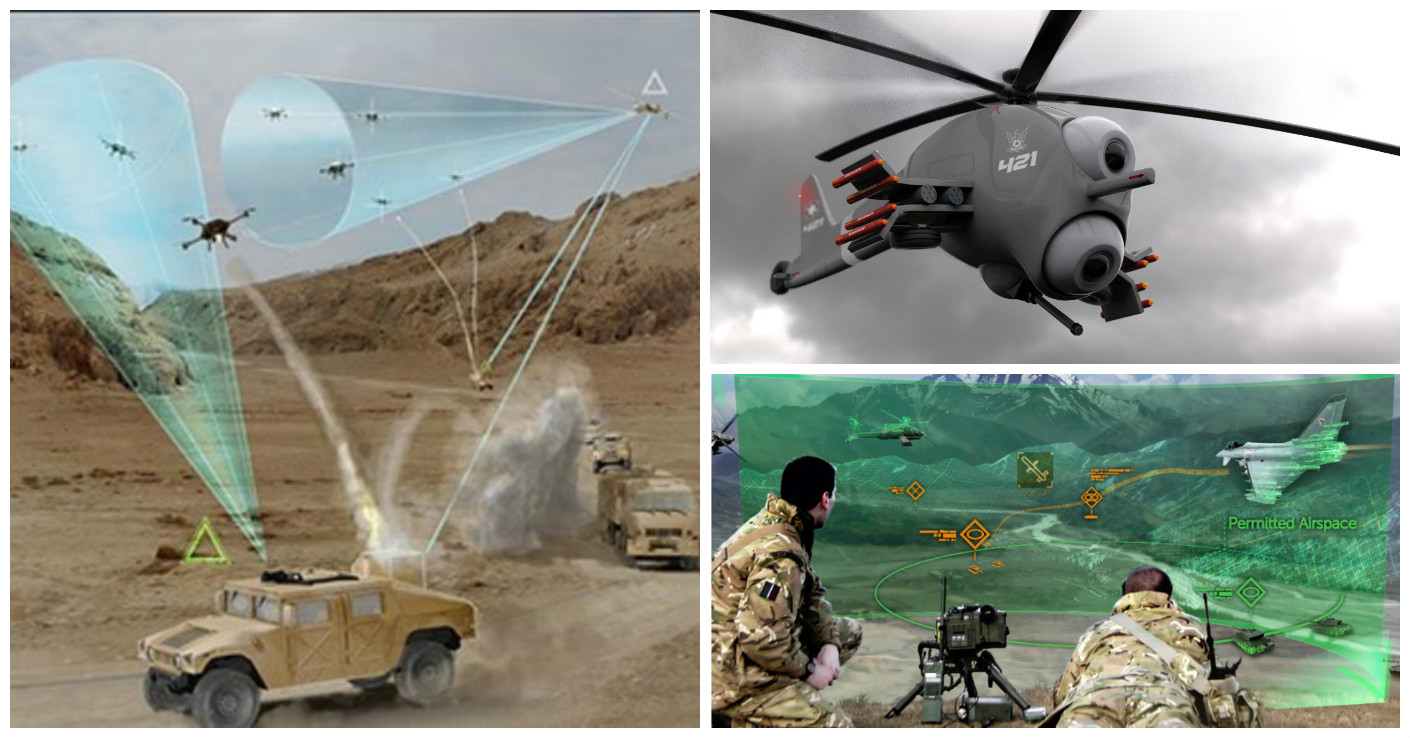
Wars are getting high-tech and the future of war certainly has robots in it, not to forget the application of AI too. Britain’s Ministry of Defence (MoD) has unveiled its plans regarding the future tactics for Britain’s defences. The plans include the development of robotic dragonflies called “Skeeters”, virtual reality helmets and laser weapons.

The Innovation and Research Insights Unit (IRIS) of the country, which is part of a new defence innovation initiative with a view to speed the transition of new systems from the lab to the battlefield intends to identify emerging technologies and determine their potential military impact. All these innovations are part of the £800 million (US$1 billion) IRIS initiative which will stress on adopting a more risky approach when it comes to new defence technologies.

Skeeter 'Dragonfly' Drone - Britain invests £800m in next generation of military technology.
Skeeter ‘Dragonfly’ Drone – Britain invests £800m in next generation of military technology.

This has come to light that Skeeter is a tiny Unmanned Aerial System (UAS) from Oxford based Animal Dynamics. It is based on the dragonfly and is designed to use cutting-edge micro-engineering. It has embedded electronics in a composite structure and it flies by flapping its four wings in an insect-like manner when it encounters an obstacle.

There is another project under progress which involves development of robots and flying drones capable of seeking out particular chemicals in an area without exposing humans to danger. There is also a ‘hyper reality’ helmet under progress which helps soldiers to train in calling in airstrikes in a virtual environment.

Then there is the Quantum Gravimeter from the University of Birmingham which uses the quantum effect of extremely cold atoms in combination with paired gravimeters to make very precise measurements of the Earth’s local gravitational field with high resistance to external noise sources. Supposedly, this will allow soldiers to seek out enemy tunnels or hunt for survivors in disaster struck areas in a matter of few minutes. The initiative will help keep Britain safer says the ministry.

As a technology lover you may like our daily important technology news series. It’s a playlist and you can retrieve the total day-wise videos. Please consider subscribing our YouTube channel:

Author: Technology and Beyond

Tagged : / / /

Japan boasts of firing the world’s most powerful laser

Do you know what a petawatt is? It is a quadrillion watt. Do you know what a picosecond is? It is a trillionth of a second. So now you know what we mean, when we say that researchers at Osaka University, Japan have fired the most powerful laser in the world that had a power of 2 petawatt and lasted just one picosecond! The laser called LFEX (Laser for Fast Ignition Experiments) measures more than 300 feet in length.

481785272

The United States have already a one-petawatt laser of their own at the University of Texas at Austin which is known as Texas petawatt laser. It is being claimed by the scientists at Osaka University that their laser pulse (2 petawatts at 1 picosecond) is about 100 times the energy of University of Texas Austin’s laser and twice its peak power.

004

Julio Soares, senior research scientist at University of Illinois at Urbana-Champaign opines “two petwatts, that’s a lot” and that this humongous amount of energy can be used “to blow things up.”

[adinserter block=”7″]

Author: Technology Blog

Tagged :

Medicinal Lasers: Possibilities and Applications

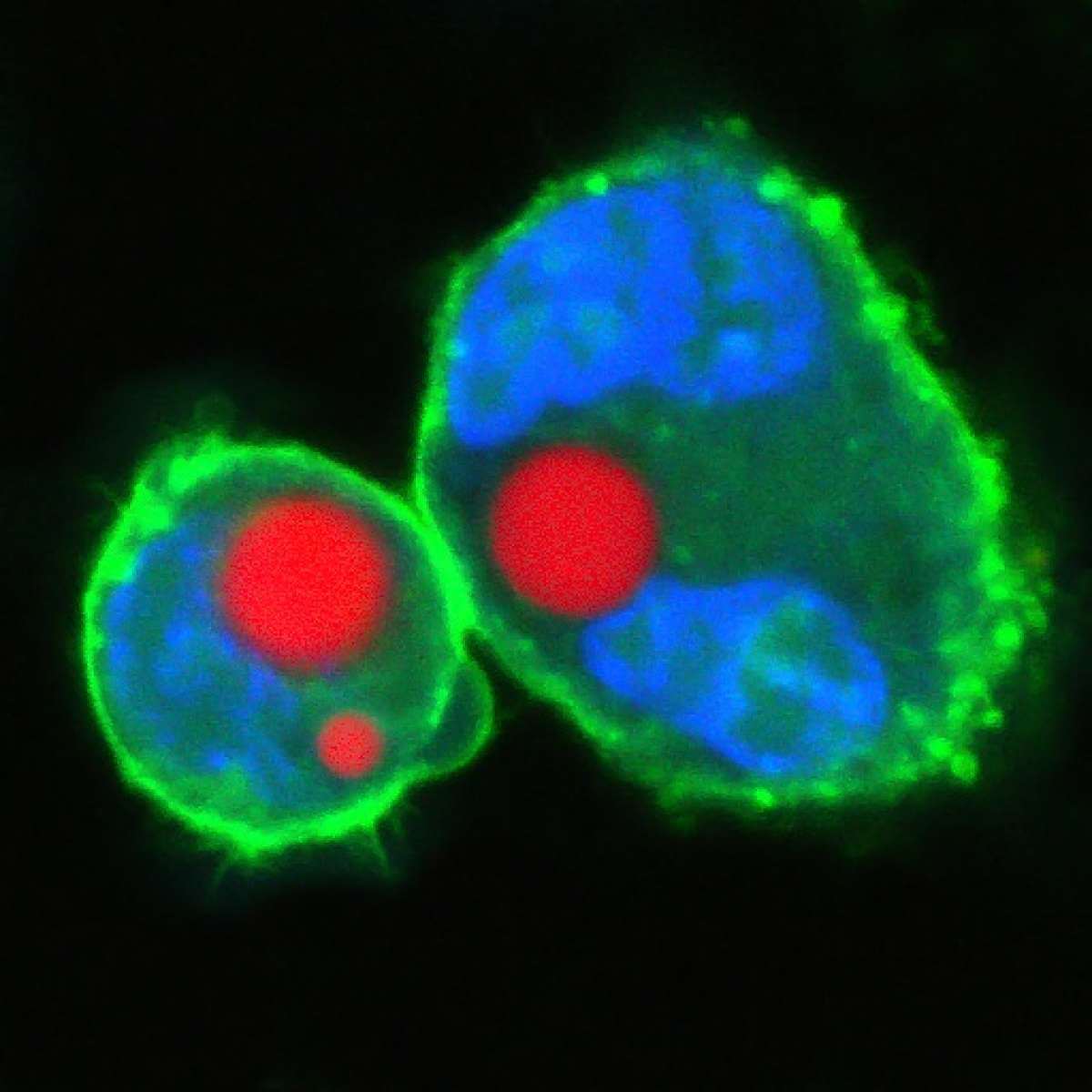
Researchers have created a way to transform our cells into, housing lasers inside them . The lasers are harmless and are not strong enough to cause any tissue damage. These pulsing cells, could be used to target highly localized areas of our body, such as is required in cancer cells.

1-transforming

The creation of a laser in our cells require a pump to generate the light, a cavity to capture the light produced, and an amplifier to tone the light to a specific wavelength. A microresonator is injected to the desired cell to build the laser in. This cell, when stimulated by an external pump, is able to produce bursts of light.

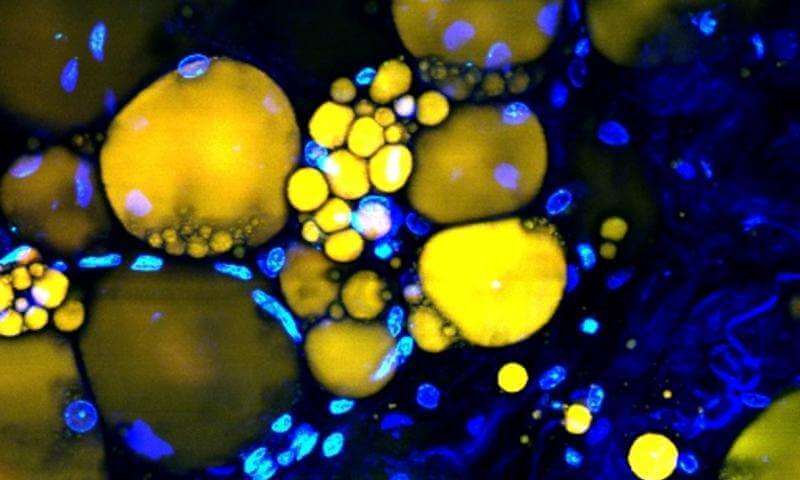
The microlasers use oils, fats and fluids already found inside our body cells, and is easy enough to produce. The energy generated is in nanojoules, and even the triggering of a number of microlasers at the same time, would not cause any harm. The wavelight to the light is in the range of 400-450 nanometers, and this range is easily distinguishable by the human eye, in X-rays and machines and even through the skin.

image4_lasing_in_tissue

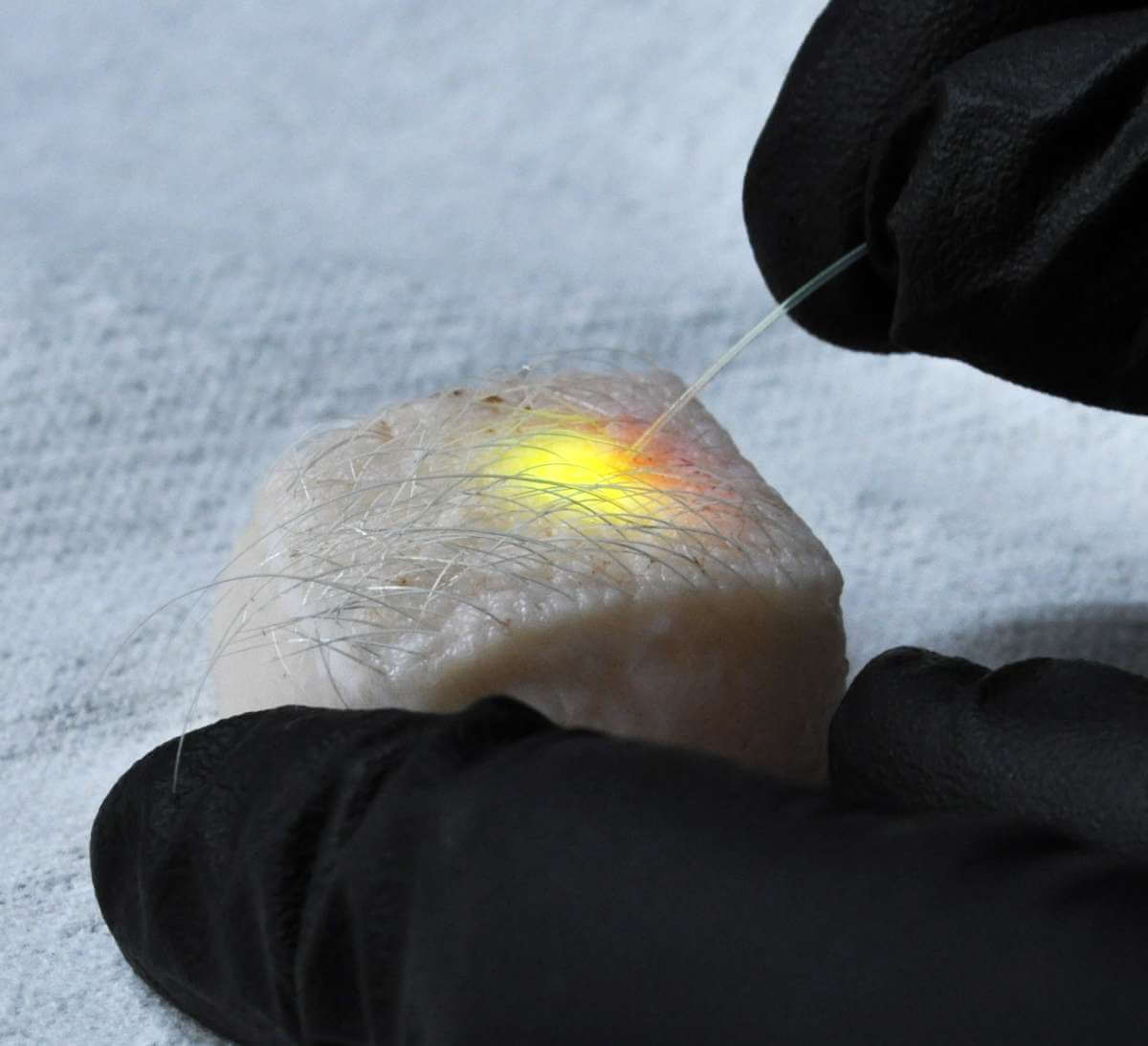
These lasers could find application in targeting light activated drugs and infinite such lasers could made within one body. External laser technology has been long since employed, but internal laser technology is yet to be looked into.

[adinserter block=”7″]

Author: Technology Blog

Tagged :
Verified by ExactMetrics