Producing yarn from slaughterhouse waste

Philipp Stössel, a student at Switzerland’s ETH Zurich research institute, has collaborated with colleagues from the Advanced Fibers Laboratory at Empa St. Gallen have developed a process to produce gel-based yarn. To produce this yarn, first thing first, animal waste products such as skin, bones and tendons are obtained from a slaughterhouse. Out of this waste, collagen is rendered and converted to an aqueous gel. Then this gel is heated and isopropyl solvent is added into it.

Danish-Crown-c-Alastair-Philip-Wiper-10Due to this, the proteins in the collagen precipitate at the bottom of the solution which is then removed and extruded into fine ‘endless’ filaments using a row of syringes. In an ethanol bath there are rollers over which the filament is run.

This coats the filament with ethanol and hardens them. After which they are wound together to form a yarn. This finished yarn is more lustrous than wool but the problem is, it is also more water-soluble. To find a remedy for this, Stössel, treated the material with epoxy to better bond the filaments together. He then treated it with formaldehyde to get it to harden better and then impregnated it with lanolin to make it suppler.
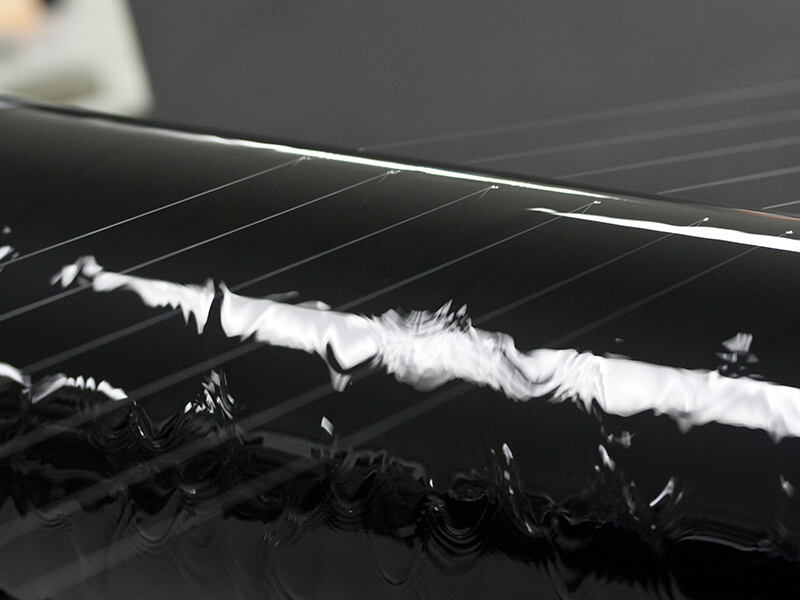
image.imageformat.lightbox.1116280860

Since sheep’s wool is still far better when it comes to water-resistance of the yarn, presently, improvements in this direction is Philipp’s primary agenda.

[adinserter block=”7″]

Author: Technology Blog
Fireflies to Build Portable Test Kits

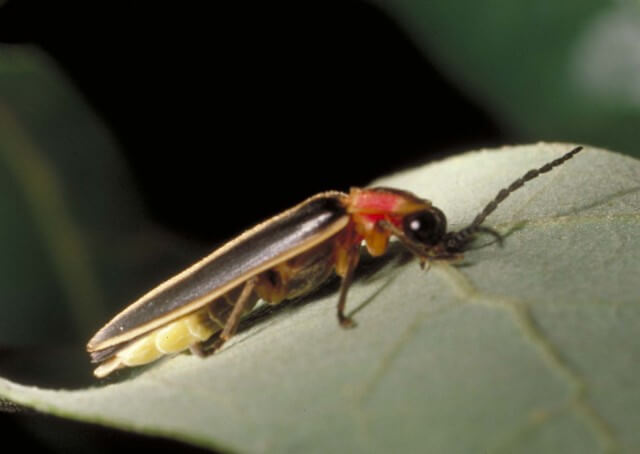
The team at the École polytechnique fédérale de Lausanne (EPFL) in Switzerland, is behind this idea of using firefly enzyme to increase the molecular sensitivity of portable test kits.

The enzyme luciferase had been tagged and manipulated to block its action and instead it had been used for the detection of a target protein.

Firefly-Drees-IMG0043-640x454

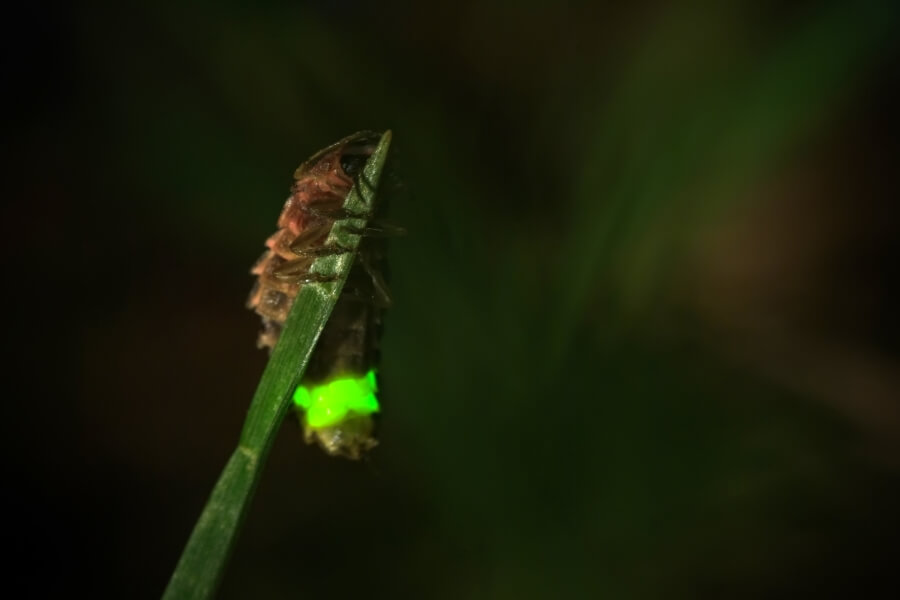
Luciferase lights the firefly up. The lights are strong enough to be seen by the naked eye, thus, the reading devices are to come cheap.

“The main application we actually envision is the use of our bioluminescent tools for the detection of target biological molecules with a simple device, similar to a digital camera,” says Schena, part of the team. “Such devices can be used directly by the patient for self-testing, instead of performing such analysis in a hospital setting. That’s where we see the highest impact of our technology on society.”

The team has combined with Lucentix, which will manufacture the biochemical tools to create a commercial product out of this.

fireflytest@2x

“The patient at home pricks his finger and puts a little drop of blood onto the test-strip, then inserts the test-strip into a reader, that gives the precise concentration of the biomolecule of interest within five minutes,” Schena continued.

[adinserter block=”7″]

Author: Technology Blog
Tagged : /

Sunscreen Provides 12 Hour Protection

Sunscreens have constantly been scrutinized for further improvement in terms of longevity and composition, on account of it being a high demand product. So this new mixture made out of all natural ingredients with long lasting protection, would be more than welcome.

natual

The ingredients are particular components found in algae and reef fish mucus to concoct a material that blocks both types of UV rays- UV-A (melanoma inducing) and UV-B (causing sunburns).

Current sunscreens have achieved this, but the chemicals used in their making are questionable to our health for long term use, and accidental ingestion.

This discovery of using algae and reef fish mucus is not recent. Scientists have been trying to incorporate a naturally obtained substance, mycosporines, for quite some time in facial sunscreens. But, the mycosporines would just smear and dribble too much to be of any use.

The use of a technique called polymer scaffolding turned out to be the solution. The primary polymer used was chitosan, which is derived from the crustaceans (crabs and shrimps), proved to sustain the film of sunscreen intact for over 12 hours. A wide range of polymers could be used and, this films showed effectiveness both indoors and outdoors of cloths and furniture.

20150727lnp3-uvfilmcxd

The next step would be to introduce this as a facial brand sunscreen. The FDA would probably readily approve of the products as it uses all natural ingredients.

[adinserter block=”7″]

Author: Technology Blog

Tagged :
Verified by ExactMetrics