Science to help save your curly hair from getting fried

People, who don’t have curly hair, want them but those who have, want to get rid of them! Those with a head full of curly hair keep looking for gadgets and serums and oils and what not that can make their hair straight. In most cases, hair straightening is done using heat with gadgets like flatirons. But every time that gadget is used, it causes damage to your hair.

, Image: 164559962, License: Royalty-free, Restrictions: , Model Release: yes, Credit line: Profimedia, Corbis

To combat this problem, an engineer, Ms Reid (who herself has such curly, unruly hair) from Purdue University along with her team have taken on the problem and have presented their first paper on the heat capacity for different types of hair.

As a matter of fact hairs are curly are curly or straight because of their chemical structure, influenced by genes and the distribution of protein keratin. To break these chemical bonds, heat is applied and the hairs become straight but if this heat is applied too often and at high temperatures, the hair may permanently get their chemical bonds broken leading to fried hair unable to regain their natural shape.

skidki-Ishimbay-1425984001

The team has received funding to take their research into a direction where they will analyse how heat moves through individual strands of hair and categorize hair by the tightness of its curls. A hypothesis has been presented that the amount of heat a hair can take without permanent damage will depend on the texture of hair even within same ethnicity. Reid hopes to prepare a chart that would help individuals to know the range of temperature that won’t damage their type of hair. As a secondary objective, the team may also look into evaluation of various products that claim to protect hair from heat.

[adinserter block=”7″]

Author: Technology Blog
Dark and murky environments? Robotic whiskers are here to help!

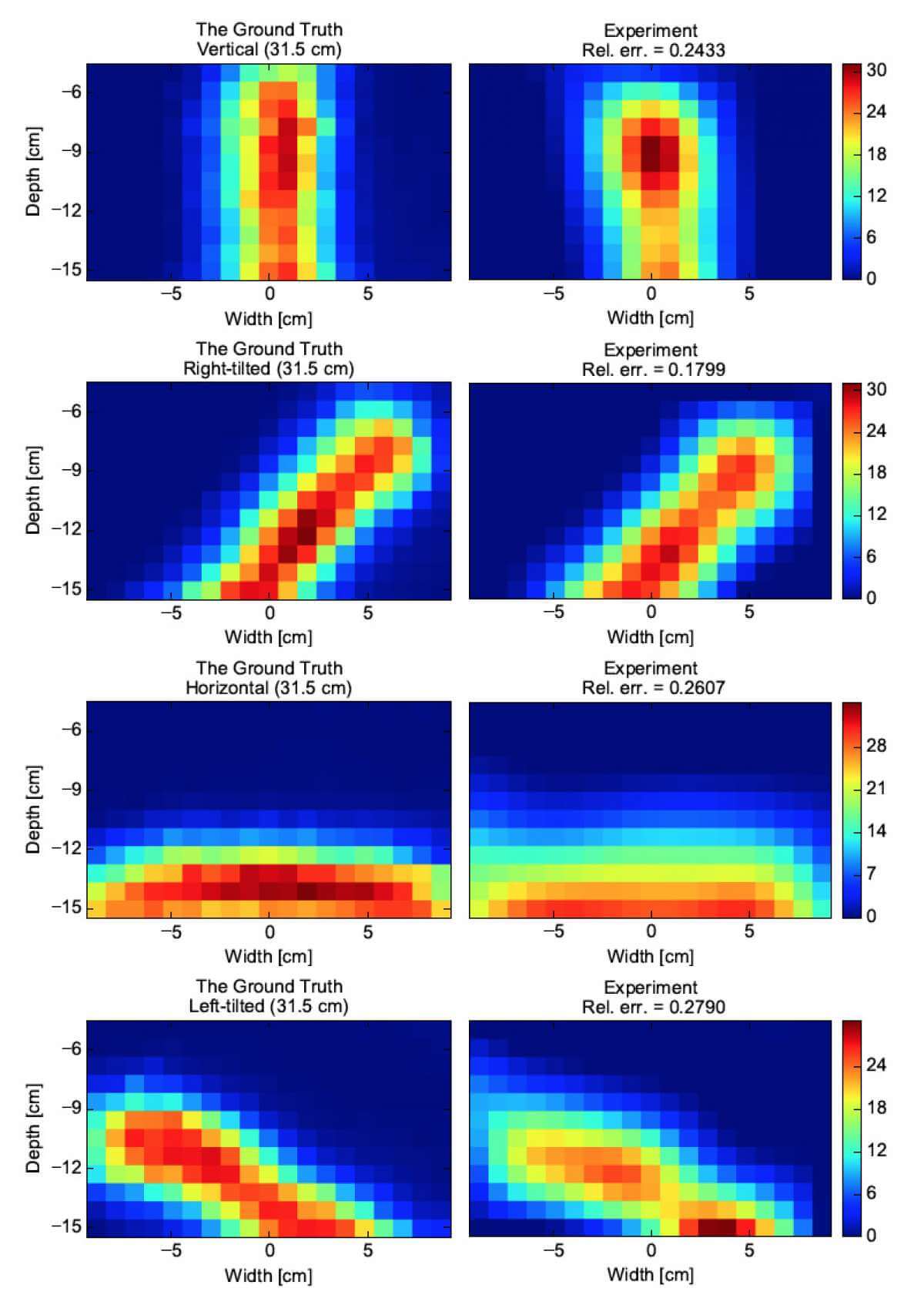
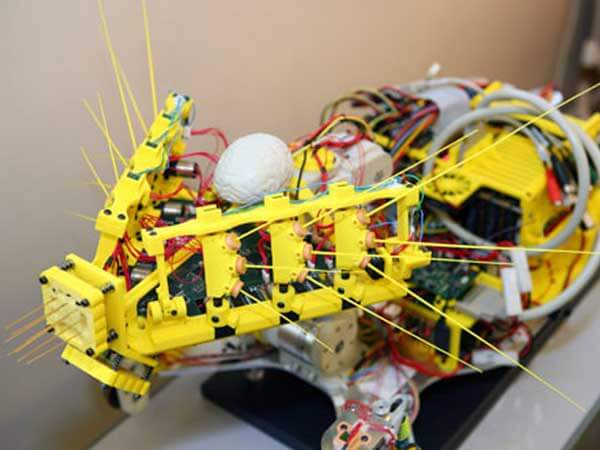
According to a study published in Bioinspiration and Biomimetics, taking inspiration from many of our whisker friends like cats, rats and seals (who use their whiskers as a sensory mechanism to detect objects in dark and murky environments) researchers are creating robotic whiskers that would enable vehicles and robots to navigate areas that are difficult to manage. The whiskers in this device, called Whisker Array, are designed to produce tomographic maps by measuring air flow. The device is made out of super-elastic Nitinol wires covered with plastic straws.

robot_whiskers

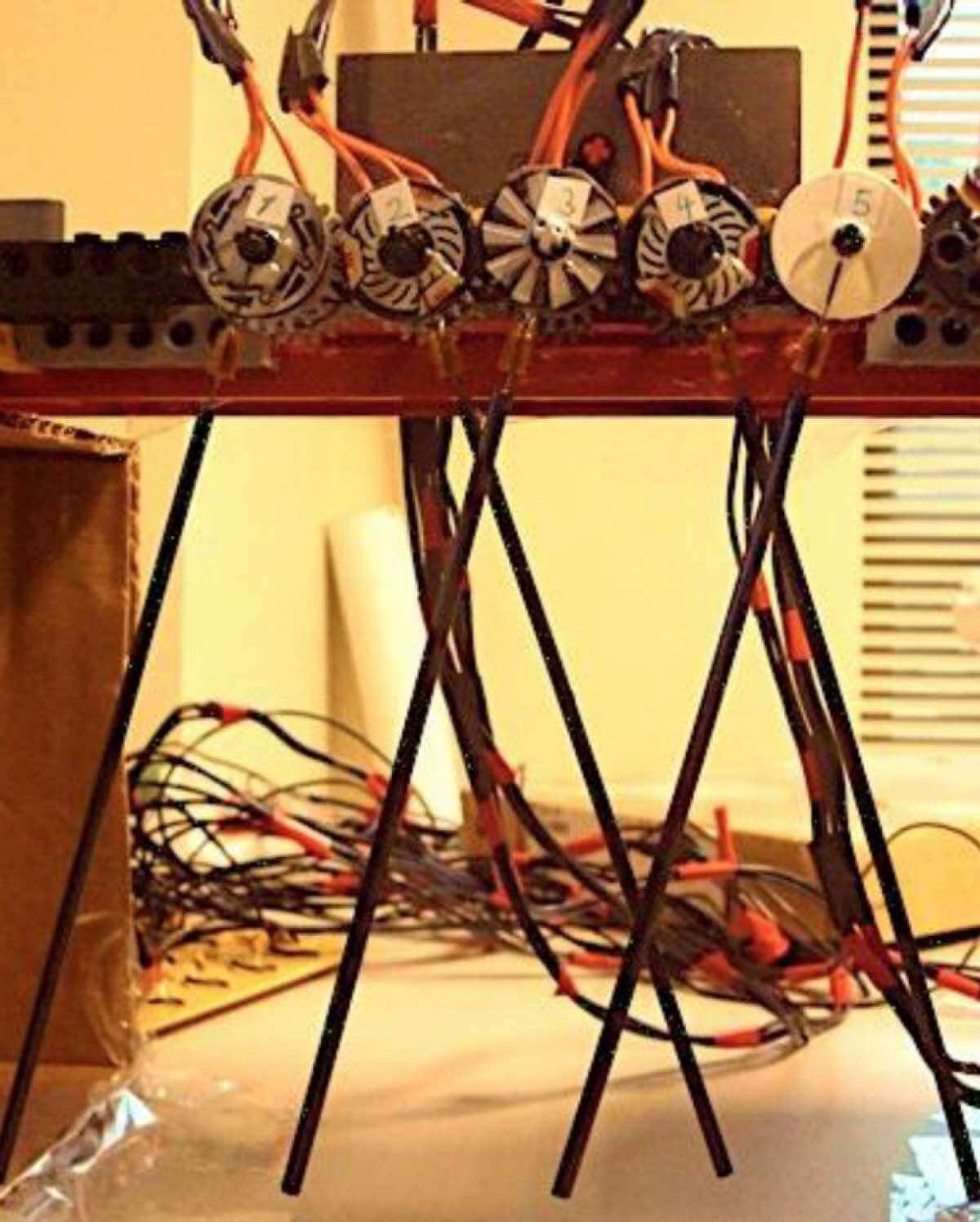
The 15-centimeter long whiskers were attached to a carpenter’s level using LEGO plastic bricks and gears. A device used in robotics to control motion called servomotor was used to allow the whiskers to rotate to airflow. The team then used a Conair hair dryer that had a cooling system and two different speed options to test airflow pointed at the Whisker Array. Even though the hair-dryer proved to have weak signal strength as an air-flow source, the Whisker Array was able to capture airflow patterns with high accuracy.

tomographic_map

In situations or environments where radar or sonar has difficulty mapping, these robo-whiskers will be a boon. Under water vehicles will be able to use these whiskers to navigate more efficiently in murky waters. These whiskers can also be put to use in the field of biomedical applications as an attachment to a catheter to help navigate through a vein without injuring the tissue. The lead author of the study Cagdus Tuna said: “This shows great potential to be a useful, if unconventional, sensing system.”

[adinserter block=”7″]

Author: Technology Blog
Less Milk trips to the Grocery Store

Silver has been a key component in the preservation of food stuff. From meat-wrapping paper, to plastic films. Preservation of food is essentially killing off of the undesirable bacteria that would otherwise degrade the food quality.

ds

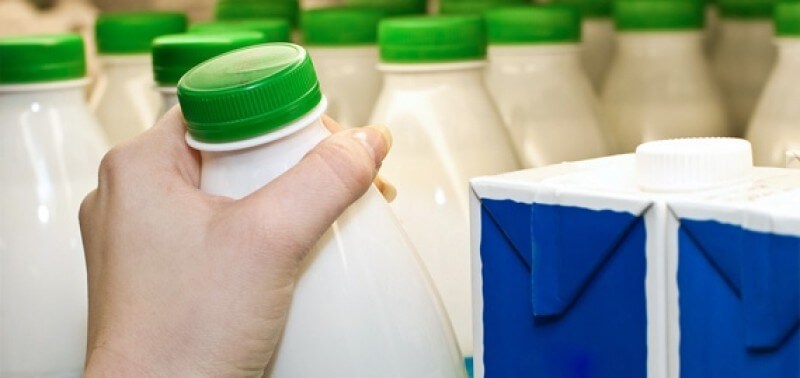
Now innovators have come up with the idea of extending this logic to the preservation milk. Silver nanoparticles will be mixed into the bottles carrying the milk to be stored. What will make this antibacterial effect stronger, is the presence of silica ceramic particles in the polythene material. The milk would be fresh and safe to drink for up to 15 days after storing in these bottles!

The process of manufacturing starts with the mixing of silver nanoparticles and silica, and then progresses to their conversion into powder form. This power is mixed into the plastic by using blow or injection moulding. The plastic is used to make the milk carriers which can be bottles or even milk bags, though the expiry times vary. The bottles sustain product for about 15 days, while milk bags keep the milk edible for 4-10 days.

agrindus-silver-milk-bottles@2x

There is a prevailing concern of health issue about the repercussion of incidental mixing of silver nanoparticles in the milk. Agrindus and, partner company Nanox have assured that the nanoparticles will stay in the polythene only.

Author: Technology Blog

Verified by ExactMetrics