Bloom Foam from Algae

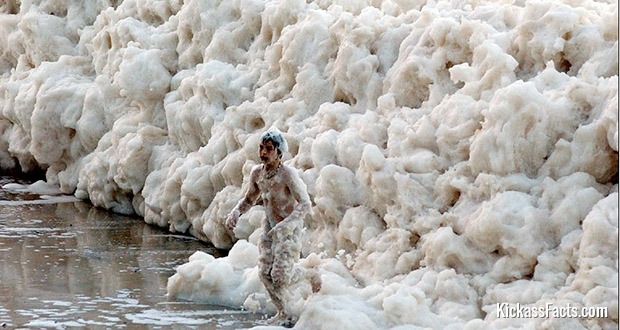
Many hidden benefits of algae have been emerging in the recent years- to produce oxygen, purify wastewater, provide light, source of biofuel and most recently, making flexible foam. bioplastics firm Algix and clean tech company Effekt have worked to create this incredible transformation, from algae to soft, pliable foam.

85399481

Algal blooms in excess are a menace as they float over the surface of the water bodies and consume the oxygen before it dissolves in the water. Thus, they starve the aquatic beings and continue to spread widely, giving the water the infamous dense green cover cover on top. The collection of this ill-placed algae could actually help the environment.

SeaFoam

The harvested algae is drained and dried before being turned into pellets and polymerised with other substances, to give the finished product. The yoga mats, sporting goods and toys made from this foam could contain 15-60% of algae as their constituent, depending upon the composition.

The Bloom Foam seems no different than the traditional petroleum-derived foam. Its sale should begin early next year in US and Asia.

[adinserter block=”7″]

Author: Technology Blog

Cancer “ON/OFF” Trigger Switch Found

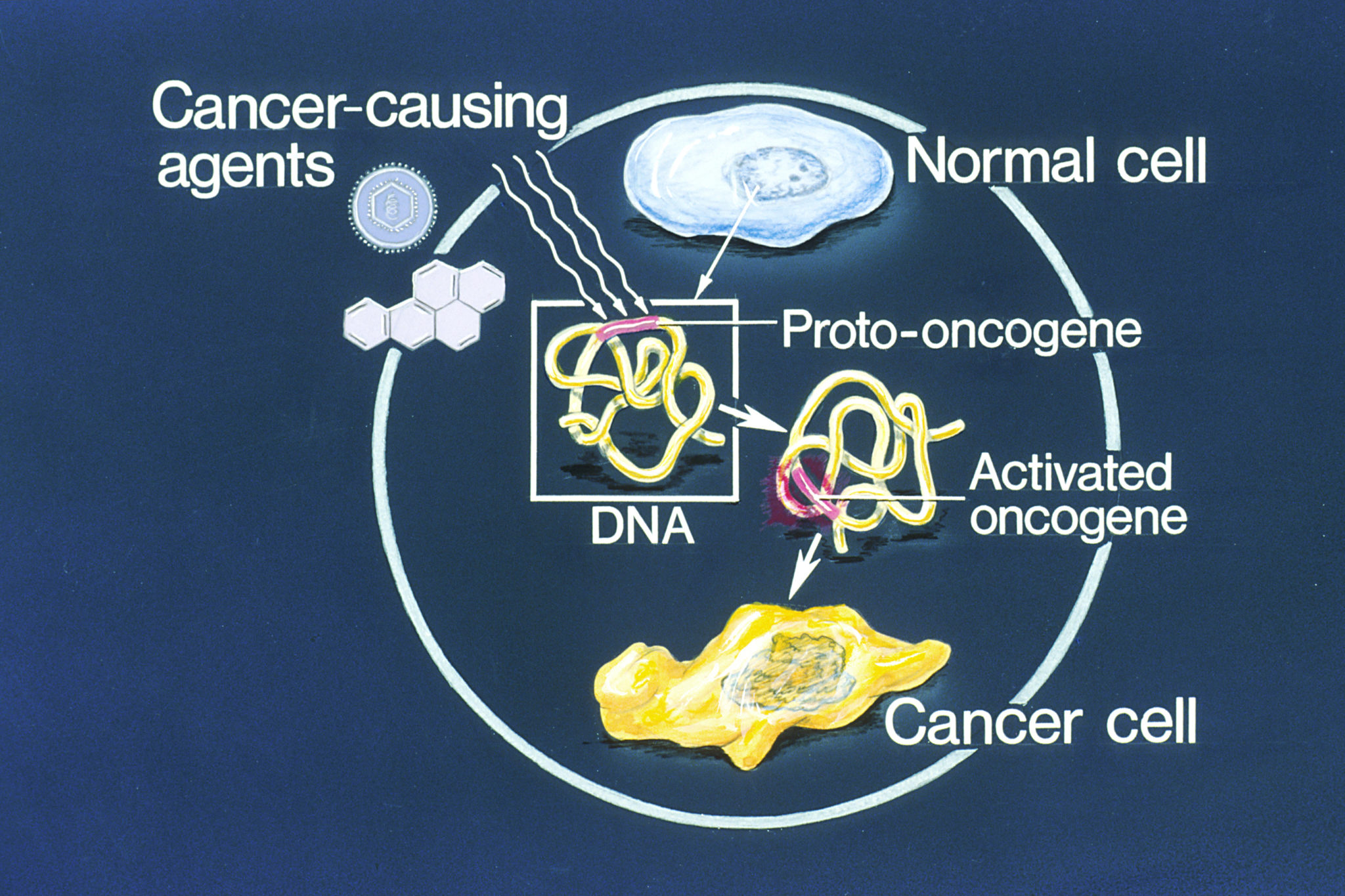
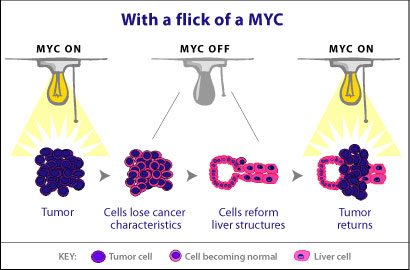
A team of researchers from the Mayo Clinic believe they’ve discovered a mechanism that can rein in cancer’s uninhibited growth by retraining these wayward cells to die like they’re supposed to.

Definition of the word Cancer. Cancer highlighted with green marker.

Cancer cells maybe be benign or malignant, but they always have the property of uncontrolled division and growth. Ordinary cells stop dividing at a certain point when they hit the hall, but cancerous cells keep going on and on. This turns into a tumour. Biological processors called microRNAs control senescence of cells and produce just enough levels of  PLEKHA7 protein to inhibit division in the cell. In cancer cells, however, the microRNAs seem to be fail in sending enough levels of PLEKHA7 protein. The solution at hand, is to inject the cancer cells with microRNAs which would restore the normal levels of PLEKHA7 protein to not let them over-divide.

“This important study solves a long-standing biological mystery, but we mustn’t get ahead of ourselves,” Henry Scowcroft, Cancer Research UK’s senior science information manager, told The Telegraph. “There’s a long way to go before we know whether these findings, in cells grown in a laboratory, will help treat people with cancer. But it’s a significant step forward in understanding how certain cells in our body know when to grow, and when to stop. Understanding these key concepts is crucial to help continue the encouraging progress against cancer we’ve seen in recent years.”

myc_web

The lab results have proved to be effective against quite aggressive forms of cancer. Hopefully, this method would be viable for using as a treatment for cancer.

[adinserter block=”7″]

Author: Technology Blog

Ants know how to cure themselves via self-medication

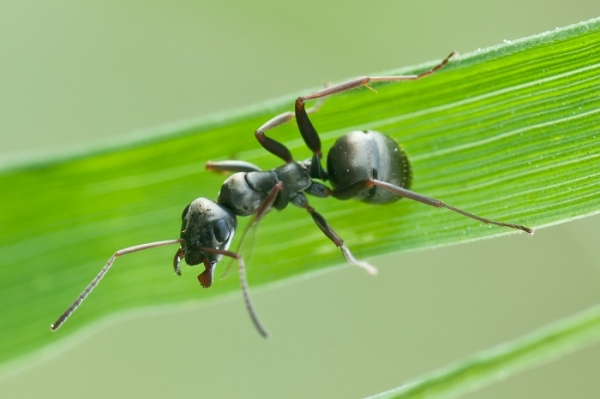
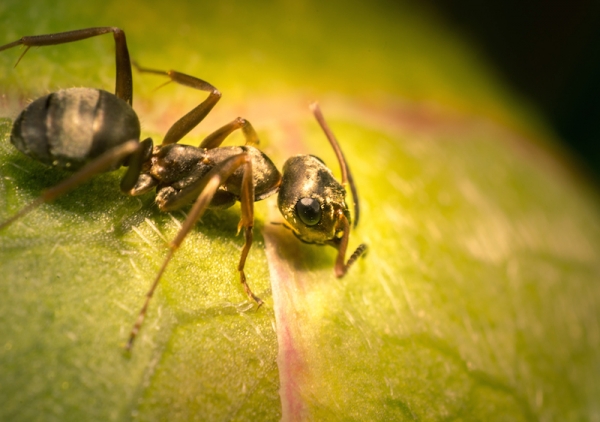
Nick Bos and his colleagues at the University of Helsinki, Finland have tried to show that ants tend to self-medicate themselves to fight fungal infections. Hydrogen peroxide is a nasty poison but it has been observed that ants self medicate them by eating foods rich in hydrogen peroxide when they suffer from a dangerous fungal disease and this actually increases their chances of survival.
ant

In order to show this, first his team demonstrated that hydrogen peroxide is generally harmful for ants of the Formica fusca species. They fed them one of two diets – either a simple honey-based solution, or this same solution spiked with hydrogen peroxide. It was observed that healthy ants given the spiked diet had a mortality rate of around 20 per cent, compared with around 5 per cent for those who got the harmless solution. But when this same thing was done with ants infected with the fungus Beauveria bassiana, the opposite happened. The death rate of these ants fell from around 60 per cent for those on the ordinary diet to 45 per cent in those given food laced with hydrogen peroxide.

It was also observed that the ants deliberately dosed themselves and that too carefully, when suffering from an infection. When the ants were offered a choice, the healthy ants tended to avoid the spiked food, says Bos. But the infected ants ate more of the solution containing hydrogen peroxide. And when the toxic solution was weak, the infected ants tended to opt for equal amounts of this food and the pure food. Further when a stronger solution was offered, they only fed on it around a quarter of the time.

It is to be noted that hydrogen peroxide is a strong source of reactive oxygen species (ROS). These are chemicals which can harm the body but can also help defend against invading pathogens. Bos and his team presented a possibility that in the wild, these ants might choose to ingest ROS for medicinal purposes by eating aphids or decaying dead ants, both of which can contain these chemicals.

ants_use_natural_medicine-450x300

Though the drop in mortality in self medicating ants isn’t that big but it surely makes a difference when we take an ant colony into consideration where there are thousands of such ants constantly working in high humidity and temperatures.

[adinserter block=”7″]

Author: Technology Blog

Verified by ExactMetrics