This Japanese exoskeleton without batteries could help users walk and run

Assistive exoskeletons have proved to be quite useful in many scenarios and situations but the problem with most of these exoskeletons is that though they provide the users with a power boost a part of that power boost has to be utilized to move the extra weight of the heavy batteries and motors which are a part of the exoskeleton. To overcome this problem and to provide the users with a comfortable option, Japanese researchers at Hiroshima University and Daiya Industry Co. have created a minimalist exoskeleton that harnesses the power of the wearer’s own weight instead of heavy batteries and motors. This exoskeleton has been named as Unplugged Powered Suit (UPS).
UPS-2

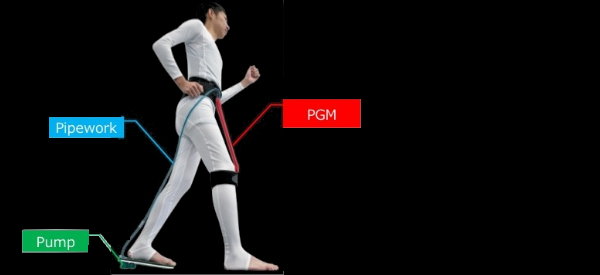
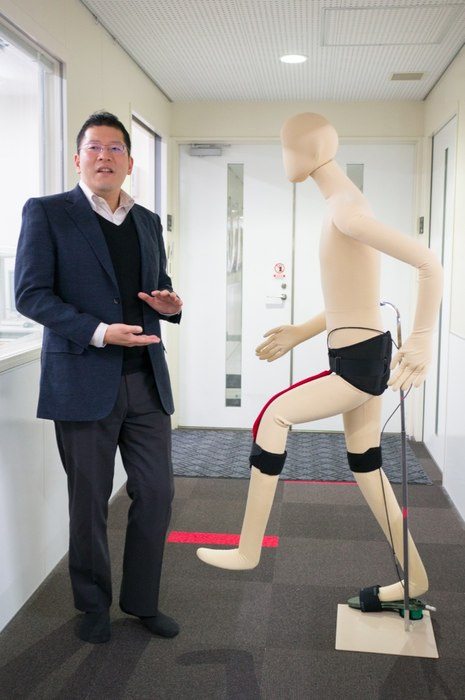
The UPS consists of a pump located under the sole of the user’s foot, an air hose that runs up from the pump along the length of the leg and a PGM called Pneumatic Gel Muscle. When the wearer takes a step, his/her foot presses own on the pump. This push causes the air to run up the hose to a hip belt where it is relayed into the PGM. A gel is contained within the device. At the level of the hip belt the air relayed into the PGM causes the gel to compress temporarily.

This compression causes the whole thing to contract and relax like a natural muscle. In this exoskeleton, there is a possibility of getting different forms of supports and configurations depending on the position of pump under the foot and the PGM on the leg. One configuration increases the speed at which the user’s legs move while walking. Another configuration claims to decrease the overall effort in maintaining a jogging pace.

Associate Professor Yuichi Kurita explains: “The UPS is designed to support human motion where and when needed. This means that we can customize the UPS to the user’s particular needs such as muscle strength for athletes and rehabilitation. In the future, we can develop smarter assistive suits including wearable actuators and sensors by using our technique.”

UPS_3

The exoskeleton will be on display this month at the International Robot Exhibition 2015 in Japan. Also, because of the absence of heavy batteries and motors, the system will carry extra advantages of being inexpensive and easy to maintain.

[adinserter block=”7″]

Author: Technology Blog

Epson PaperLab Recycles Waste Paper On The Spot Within Seconds!

American use an average of 700 pounds of paper products per person each year. Every paper made affects our finite natural resource: trees. Recycling paper is an option we have been trying for a while now, but every A4 size paper needs about a cup of water to complete the recycling process. This really adds up.

epson-2

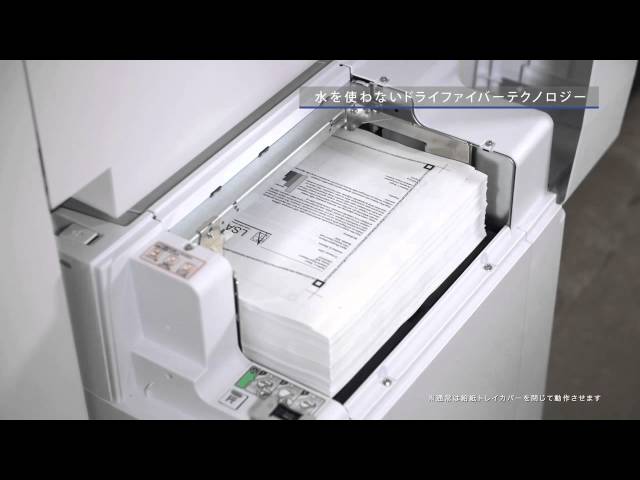
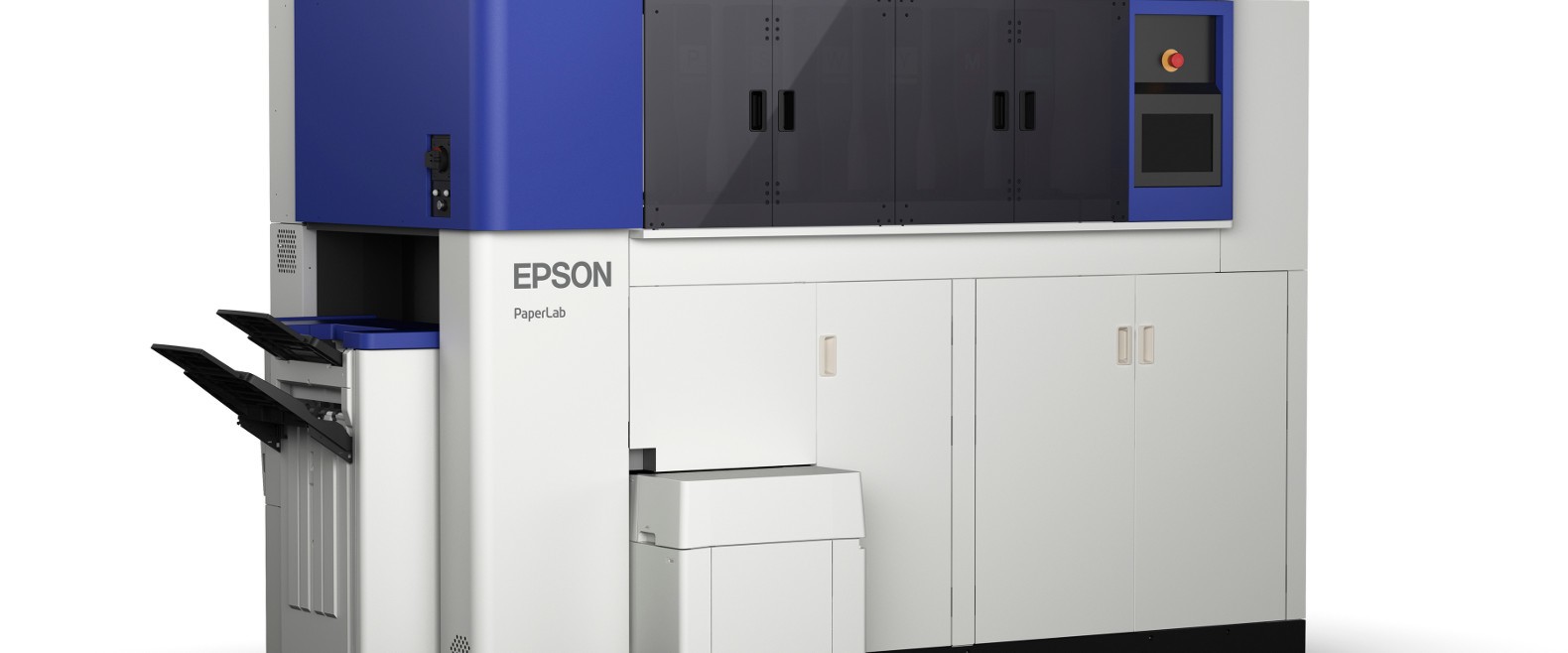
Now, the Seiko Epson Corporation has come with an innovative invention that could just about be the next big step towards saving the planet. They have introduced this first-of-a-kind new in-office recycling system called PaperLab that eliminates the need for water to turn document waste into clean new paper.

This system is useful in two major ways. The usual procedure is to transport the waste documents and papers to specified paper manufacturing facilities. This might pose certain security threats to confidential information contained in the discarded documents. PaperLab eliminates this as an unnecessary risk and enables the transformation of waste paper into a clean paper resource in the exact location that the waste is created. To top it off, the need for water is also no longer valid.

PaperLab breaks down waste paper into microscopic paper fibers before creating entirely new sheets. This makes sensitive information completely irretrievable, and also makes the paper production process more efficient to the extent of producing as many as 14 A4 pages per minute. Starting up three minutes within pushing “Start”, running at full speed, it is capable of producing 6,720 sheets over the course of an eight-hour workday. It provides the flexibility to adjust the density and thickness of any new sheet of paper and also enables specialized sizing for paper products, like A3 or A4 sheets, or even business cards.

epson-3

PaperLab also boasts binding options and specific paper features like flame resistance, their aim being to increase operational efficiency by localizing paper recycling within businesses and industry hubs, and even government offices.

[adinserter block=”7″]

width="560" height="314" allowfullscreen="allowfullscreen">

Author: Technology Blog

New method of fusing nanoparticle could bring down nano-circuitry costs

It has been a routine job for material scientists to create complex miniature devices by fusing the nanoparticles together. To achieve this fusion, these scientists use high temperatures which can be damaging for the material on which they are built. As a result the materials used need to be heavy duty and expensive too.

nano-4

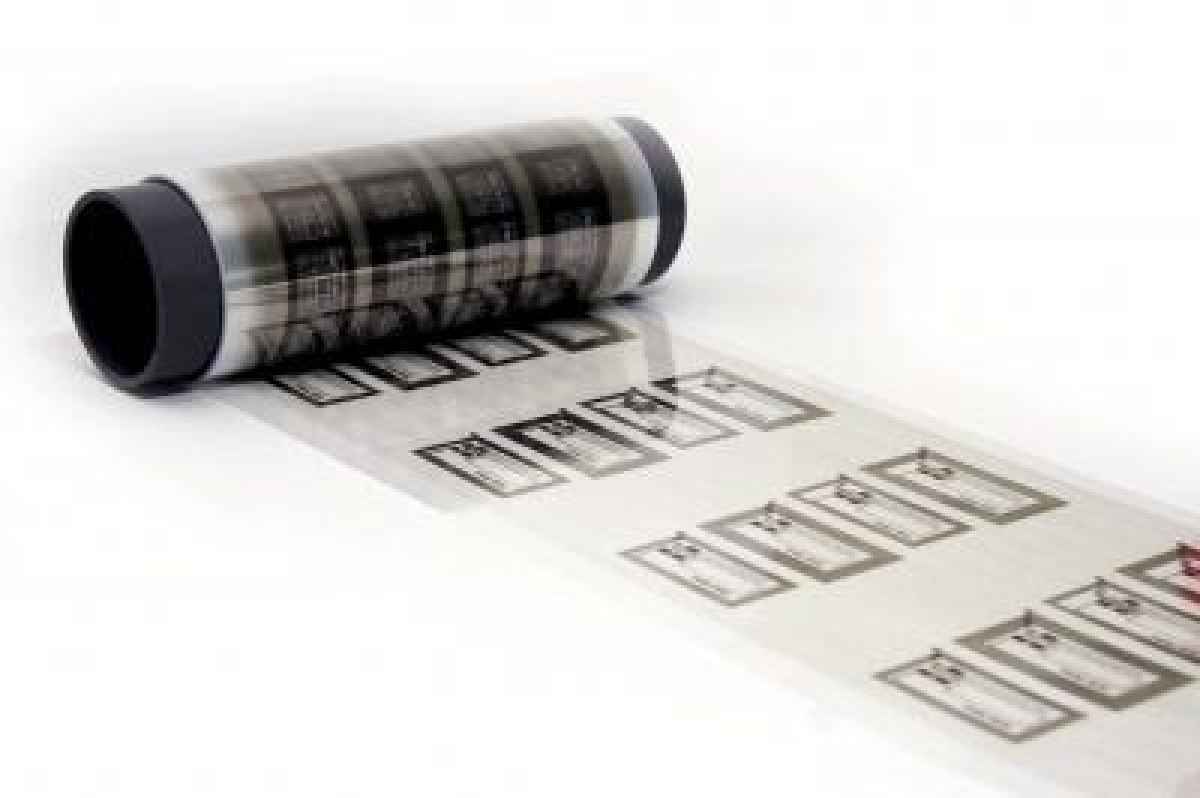
Now, a team of engineers from the Oregon State University has developed a new technique which uses less energy hence making it possible to print the nanoparticles even on plastic and paper. The process of depositing nanoparticles on a surface before they are fused together is known as photonic sintering as a light source is used to produce a 2D film. In the new technique, the team used a Xenon lamp. The results were twice as fast and almost ten times more energy efficient than the methods prevalent presently.

The new method also ensured that the temperatures to which the materials (on which the devices are built) are exposed will be much lower. One of the members of the research team, Rajiv Malthotra informed: “To lower costs, we want to print these nanotech products on things like paper and plastic, which would burn or melt at higher temperatures.

We now know that is possible, and how to do it. We should be able to create production processes that are both fast and cheap, without a loss of quality.”

nano-3

This latest development has been received quite positively by the material scientist community as it will allow them to create thin-film electronics and that too on cheaper materials thereby bringing down the costs associated with the process. The process will also enhance the efficiency of expensive nano-circuitry.

[adinserter block=”7″]

Author: Technology Blog
A protein that hinders weight loss identified by scientists

Obesity is one of the most talked about diseases nowadays. The whole world is trying to fight it. It is a well known fact that to fight obesity, the best way is to keep a tab on your fat intake and start working on your body before things go beyond your control. Because the fatter one gets, the tougher it becomes to lose weight. There is actually a mechanism that makes shedding weight tougher when one is too fat. Scientists have succeeded in finding and identifying a protein that stops fat cells from burning energy.

weight-2

To understand this, first we need to know that there are two types of fats in human body: white fat and brown fat. White fat is the kind that stores excess energy releasing it if it is needed and when it is not released it causes those flabby love handles hanging from the sides of your waistline! The brown fat on the other hand performs the role of burning fat to generate heat and keep the body warm. This process is termed as ‘thermogenesis’. There are proteins that promote thermogenesis hence creating more good fat while there are those that inhibit it.

One such protein that suppresses thermogenesis has been identified and is known as sLR11. Based on studies it was found that sLR11 sticks to certain receptors on fat cells, preventing the triggering of thermogenesis. When sLR11 levels were measured in humans, it was found that the level of this protein in the blood was linked to total fat mass.

Obese patients undergoing bariatric surgery were also observed to understand the mechanism. The observations showed that the amount of resulting weight loss was proportional to reduced sLR11. This pointed to the fact that it is the fat cells that are responsible for generating sLR11. Hence the more fat a person carries in his body (being overweight) the more they are likely to carry high levels of sLR11. These high levels of sLR11 in turn hinder the thermogenesis process.

weight-3

This finding can prove to be really beneficial as drugs can be developed to block its activity. Conversely, for people suffering from anorexia, inspiration could be taken from this protein by mimicking its effect hence encouraging weight gain. Hope the day arrives soon!

[adinserter block=”7″]

Author: Technology Blog
Special Zero Gravity Cup for Earth-Like Coffee Drinking Experience

Sadly, one of the many things astronauts miss out, or rather have experience differently in space, thanks to the effects of zero gravity, is sipping liquids from a cup. The fact that they have to draw coffee via straws speaks for itself. This diminished coffee experience may change for the astronauts thanks to a new 3D-printed cup designed to help NASA study the behavior of fluids in microgravity.

cup-2Italian European Space Agency astronaut Samantha Cristoforetti received an espresso machine and that is when the desire to study capillary flow, liquid containment, and low-gravity fluid dynamics came alive. A team of researchers were hired by NASA who designed six different transparent polymer cups- five of which were 150 ml and the sixth, made exclusively for holding espresso in it, is 60 ml.

Now what was special about these cups? Well, first of all, these cups have a crease in them to hold the liquid in place even if the cup is tossed or turned. Hazardous situations in space can thus be overlooked with this precautionary feature. Next, the cup is open unlike the current models astronaut have had to suffer until now.

cup-4

For this, the crease again comes to use as it has a dual purpose: It also allows the liquid to move out of the glass via surface tension when the astronauts want to drink. “Wetting conditions and the cup’s special geometry create a capillary pressure gradient that drives the liquid forward toward the face of the drinker,” said mechanical engineering professor Mark Weislogel of Portland State University. “An astronaut can drain the cup in sips or one long gulp in much the same manner as on Earth.”

cup-5

The NASA-lead team presented the initial results of this capillary flow experiment during this week’s annual meeting of the American Physical Society’s Division of Fluid Dynamics in Boston. These cups are being actively tested by Japanese astronaut Kimiya Yui and NASA astronauts Scott Kelly and Kjell Lindgren for different beverages and their overall responses including “Hey, you can smell the coffee, and “This is eerily like drinking on Earth.” are pleasant.

[adinserter block=”7″]

Author: Technology Blog
A New Stretchable, Wearable and Programmable Keyboard is here

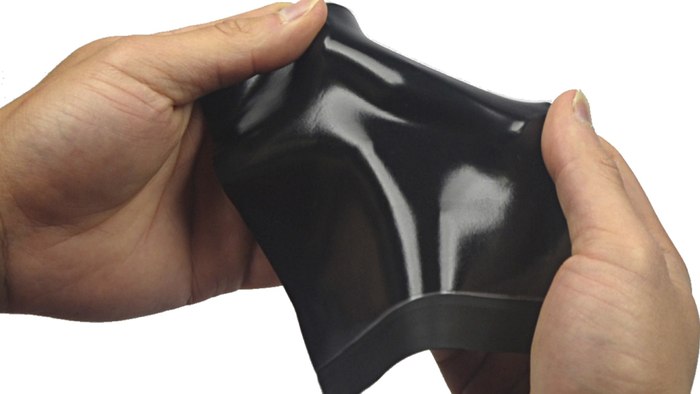
If you are tired with the same old hard, complicated piece of hardware with many springs and wires and dozens of keys, get ready to welcome this new kind of keyboard which is soft, flexible and made up of a stretchable type of rubber known as a dielectric elastomer.

keyboard-4

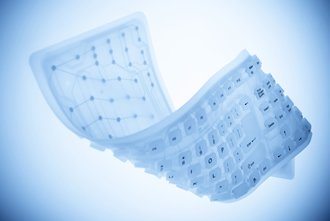
Curtesy of scientists at the University of Auckland in New Zealand, this prototype keyboard consists of two sensing layers within a single laminated structure, the upper surface of which contains nine different sensing regions. This makes nine programmable keys and a nearly indestructible highly flexible keyboard which although similar to the ones we see on our touchscreens, can’t be destroyed with a few simple drops.

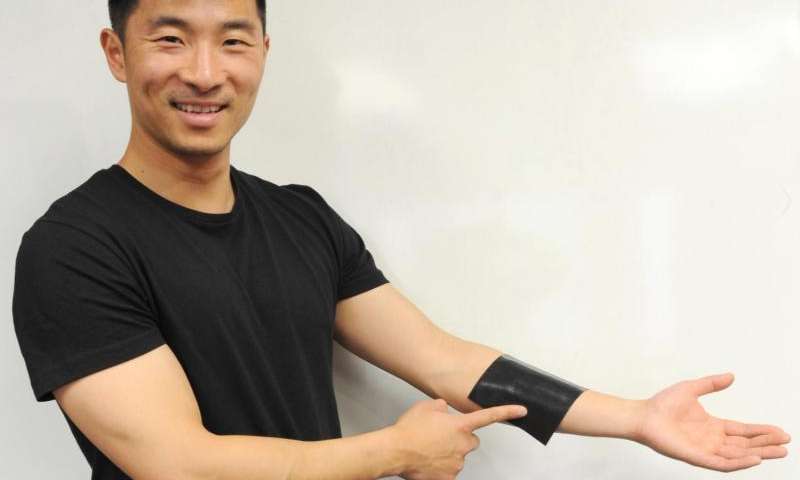
“A key benefit of our keyboard is that essentially, it’s just a thin sheet of rubber. It can be wrapped around any object which turns it into a keyboard.” explained Daniel Xu, who is the author of a paper detailing the advance. “It can also be made into a sensing skin for motion capture, which is useful for athletes, clinicians, and for new interactive gesture controllers.”

keyboard-3

This keyboard has the added benefit of being reprogrammable in the arrangement and number of sensing regions without the use of wires or any hardware modifications.

Testing in terms of video games has been done and a glove from the same material that can sense stretching for use with shooting games has been fashioned to couple it with. The biomimetics lab at the University of Auckland has produced a company called StretchSense that will now manufacture wearable tech and others that can detect stretching with help from sensors.

keyboard-1

[adinserter block=”7″]

Author: Technology Blog
Hot games coming on the Occulus Rift

Apart from the excitement of the consumer hardware release of Oculus Rift in the first Quarter (Q1) of 2016, expectations are also high on the games that developers have been preparing to launch alongside the Oculus hardware and its new controller’s.


Here is a brief look at some of the games coming soon for Oculus Rift:


Lucky’s Tale

It is a platforming game designed exclusively for the Oculus Rift. Lucky is a little fox who can jump, run, and climb through the beautiful world designed by Playful Corp, the studio who also created the sandbox game Creativerse. In the game, one does not look through the eyes of Lucky the Fox as one would expect but the Oculus Rift controls the camera angles whereas the console controller controls the movements of the Lucky as he fights bosses and solves mini games.

Here are some screenshots available at the game’s webpage:

041719c7-559e-489e-94eb-1d6f07beb720

f891ed81-d2a4-46cb-ba43-df1552c0ddb7

c945762a-ebde-47ef-997c-7a84db95d4bb

Here is a link to the webpage: http://playfulcorp.com/index.html#lucky

EVE: Valkyrie

As the name suggests, the game puts the player in the shoes of a battle hardened Ran Kavik, leader the of the specialised Valkyrie pilots, brought to life by the voice talents of critically acclaimed actress Katee Sakhoff. EVE is a multiplayer, dogfighting shooter game set in the EVE Online Universe. The gameplay teasers available online and screenshots promise it to be a visual delight. Everyone loves a good dogfighting game but to be able to look up and see an enemy craft hurtling towards you, thanks to the Oculus Rift technology, it sets the scene for quite a heady experience.

Here are some screenshots made available for the game:

11895d9c-5daf-4132-a644-44b5209f8c97

92eec455-83d4-4b43-8c8d-b6b8e834115f

8f16670f-f0fd-4fc4-8bd3-c184ce64183c

The games webpage: https://www.evevalkyrie.com

Edge of Nowhere

Coming from Insomniac Games, Edge of Nowhere is a VR third person action-adventure game, which puts the player in the shoes of an adventurer looking for a missing expedition team, deep in the Antarctic Mountains. The teaser trailer shows some glimpses of surreal creatures, kite like flying animals and a collapsing environment. The game promises to have a Lovecraft themed world where the gamer can get lost or maybe find his worst nightmares come to life.

Here are some screenshots made available for the game:

3c385df4-38fe-4402-a40e-7dc59dbdc5bd

These are only few of the games one can expect to come out with the Consumer Hardware release of Oculus Rift come 2016. More game developers are bound to jump on this bandwagon. The Oculus Rift game wars are about to begin!!

[adinserter block=”7″]

Author: Technology Blog
 

Make Your Commute to Work Easier With This Device. Levitation Brace Gives that Extra Push

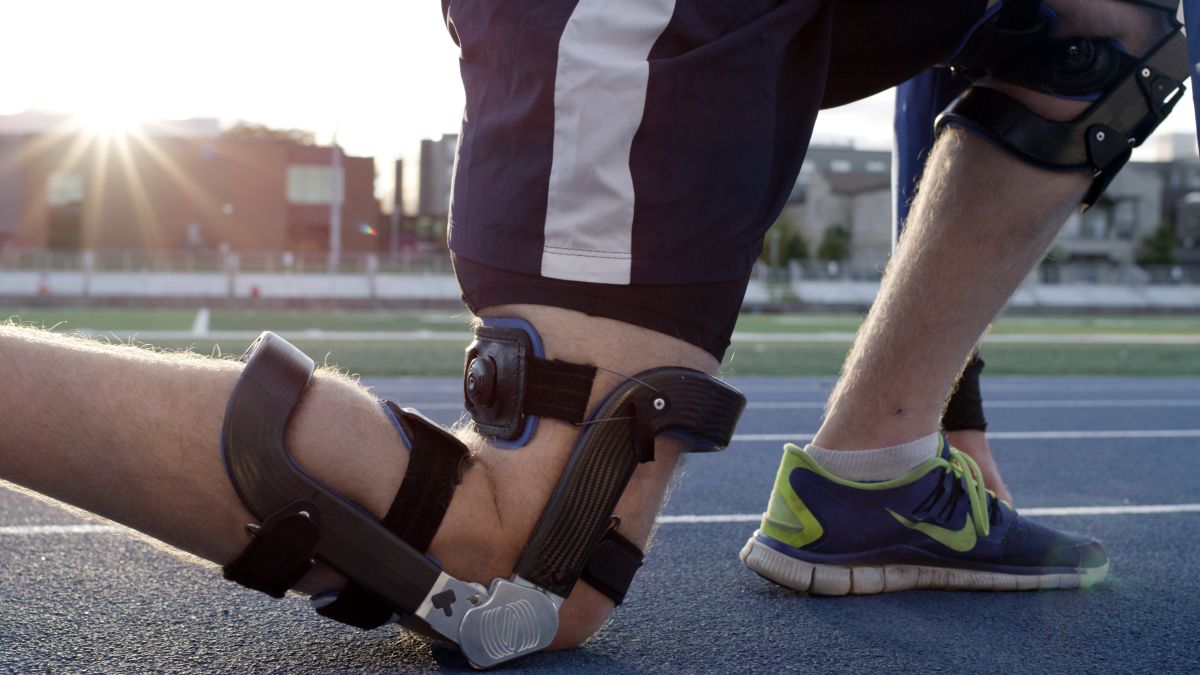
Athletes and joggers alike might prefer to use wearable assistive device like Exoskeletons to boost up their activity, but the whole gear isn’t necessary, seeing as only your knee needs the help. That is where the Levitation brace comes in.

spring-3

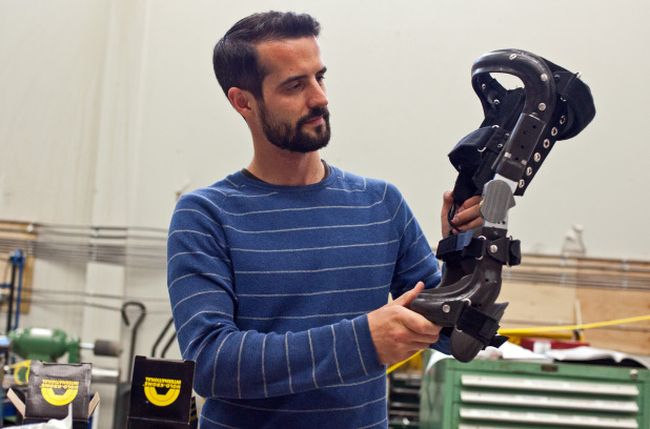
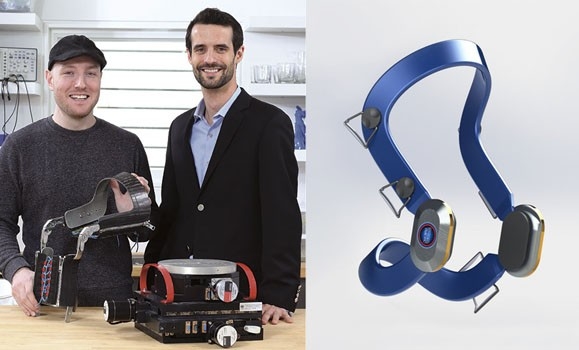
Created by Canadian startup Spring Loaded Technology, the (mostly) carbon fiber brace features a hinge whose working relies of the concept of manual energy storage without the use of batteries or motors. It stores energy when the wearer bends their knee and subsequently releases the energy while the straightens it back out. This helps the leg muscles to move the calf into place for the next step.

There are two upcoming models based on the kind of users: the A Series for athletes, and the M Series for medical use. The power return level and the range of motion can be adjusted by the wearer.

spring-4

Levitation reportedly works just as well as the conventional braces and weighs about the same. An estimated price of US$2,000 has been announced after it becomes available shortly.

[adinserter block=”7″]

Author: Technology Blog

We Bet you Know This Cool Use of Chewing Gum

As explained in a paper published last month in ACS Applied Materials & Interfaces, researchers have discovered they can make a sensor out of chewing gum and carbon nanotubes.

chew-1

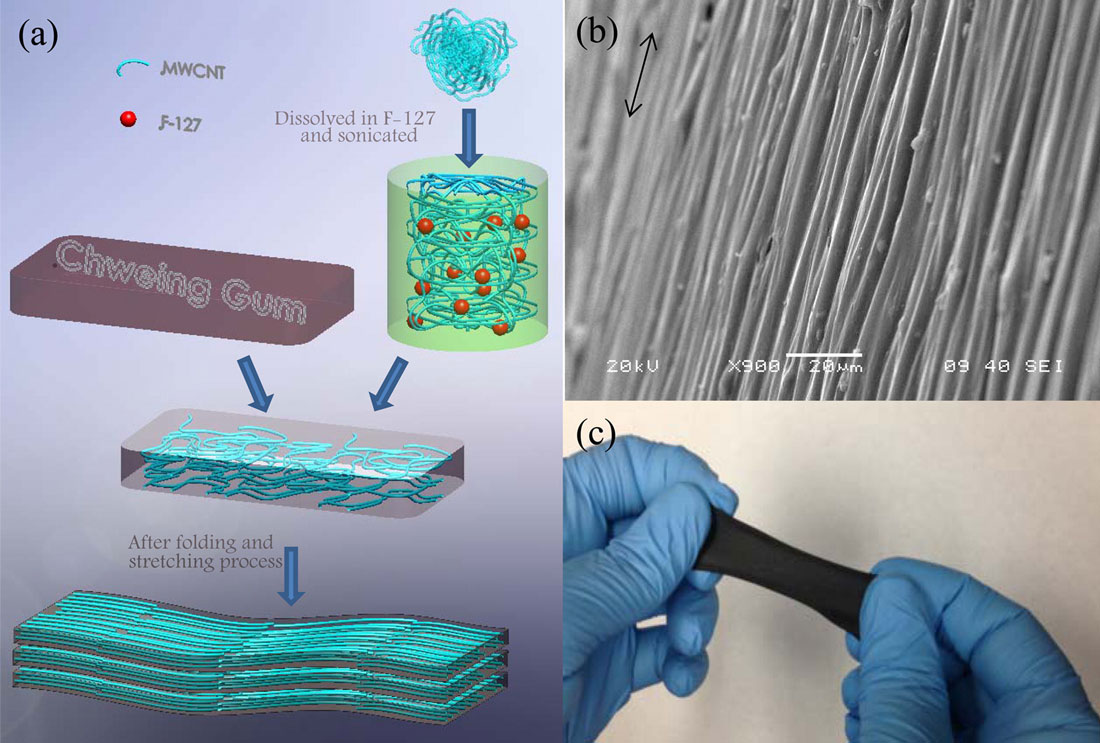
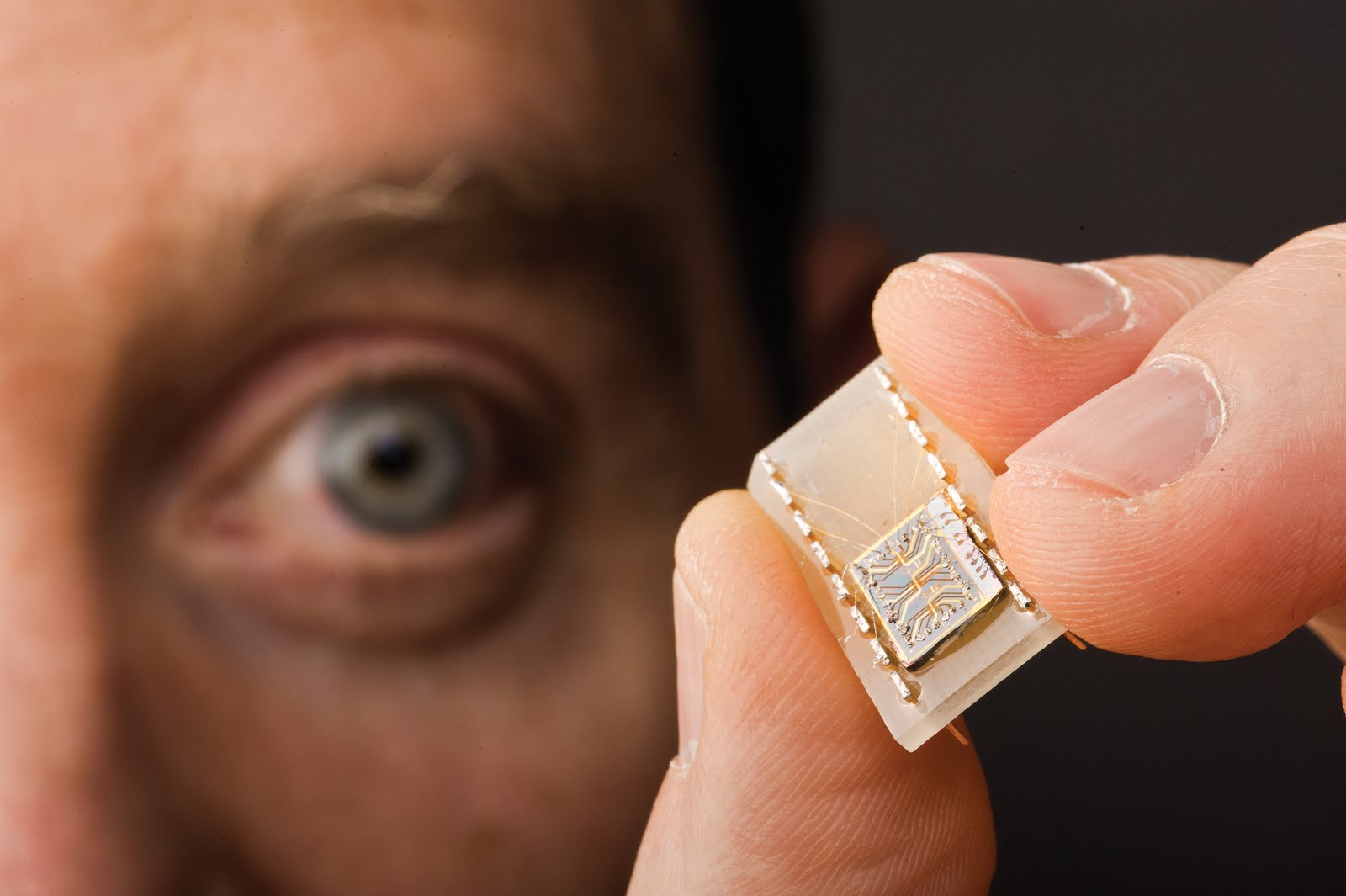
The team was able to create a sensor that would be able to monitor small body movements, like the rise and fall of your chest as you breathe, or the tiny movement of blood through your body as your heart pumps- all thanks to a half hour chewed piece of gum!

This sensor was created by soaking the chewed up gum in ethanol and imbuing it with carbon nanotubes. The ethanol cleans it up and the tiny flexible pieces of carbon enable it to conduct electricity. All left to do was to hook it up to a conventional monitoring device, which measures the desired trait (like heartbeat or breathing).

The researchers also found that the nanotube-laced gum could record humidity at small levels, like the cloud of moisture in a human breath, which could make it possible for doctors to more effectively monitor patients’ breathing.

chew-5

What makes these devices better than the ones we already have? Well, they move with the person being monitored without losing their efficacy, their stretchy durability could make them valuable in the world of wearable monitoring devices and they have the added bonus of being only $3 a pop.

[adinserter block=”7″]

Author: Technology Blog
Get a Peek of your Dream Workplace; Revolutionary Headquarters of Facebook will Blow your Mind

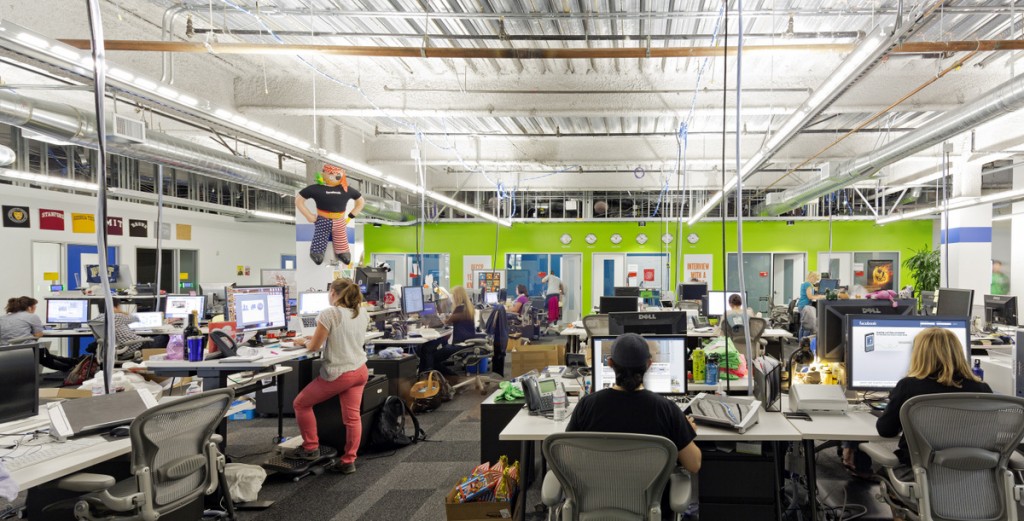
Facebook’s new headquarters are something to look at; with 2,800 employees and an open workplace, this design is both complicated and effortless to accommodate.

FB-5

These headquarters which opened earlier this year, is known as Building 20 and spans 40,000 square-metres, on a nine hectare site just across a highway from Facebook’s existing campus, which originally had been built for Sun Microsystems.

It is evident that this plan is an attempt to encourage interaction, collaboration and transparency among the employees and to spread the feeling of equality. Natural light pours in through skylights and massive windows as if to point out the passing of time. Building 20’s unfinished look — exposed steel girders, concrete floors and wires dangling from the soaring ceiling to desks below — recalls a fledgling start-up instead of the world’s largest online social network, with 1.5 billion monthly active users worldwide.

“It’s intended to be a symbol of what we believe at Facebook, which is that our work is unfinished,” said Lori Goler, vice president of people.

The entire span of the office is made up of simple desks without any dividers, or cubicles. There’s no space to pin up personal pictures, or set up physical calendars. “No one has a swanky office setup,” Lindsay Russell, a brand strategist, said. “The equipment is there to help you move fast and do good work. That’s it.”

The result is an unexpected freedom to focus on work.

“I’m not as tied to my desk,” Russell said. “I can’t imagine being in any other work environment.”

Even chief executive Mark Zuckerberg sits out in the open at one of those simple white desks. An office is not one of perks to being the billionaire founder of one of Silicon Valley’s most important companies.

FB-1

Meeting rooms are scattered all over the floor, open to anyone for usage. They are whimsically-named neighbourhoods, such as music festivals or media mash-ups. So a worker knows that the room called “13 Going on 30 Rock” is near “Clockwork Orange is the new Black.”

Other major Silicon Valley firms such as Apple and Google are planning futuristic workplaces, too.

[adinserter block=”7″]

Author: Technology Blog
Watch your sneeze in super slow motion

All of us remember how when we were little our mother would ask to cover our mouth when we sneezed. She would explain that our sneeze may cause someone to fall ill. And this is true because when one sneezes, the mucus and saliva launches out from the mouth at a speed of 10 miles per hour spreading various pathogens during this journey.

sneeze-4

But what path do these take? In order to understand the actual path the saliva and mucus take, researchers from MIT with the help of some volunteers studied the fluid dynamics of a sneeze.

For this study, the researchers asked some volunteers to sneeze 50 times in front of a high-speed video camera. After videotaping this, the team slowed down the footage. This super slow motion video of the sneeze showed that the mucus and saliva mix is actually a “sheet” of fluid when it first leaves the body, then breaks into scraps called bag bursts, then thins out into strings or “ligaments,” and finally disperses as germ-carrying droplets.

According to previous studies, smaller drops of fluid can travel amazingly long distances. So the next step the researchers want to move to is capturing sneezes in 3D using nine high speed cameras so that they get a chance to better understand how variable conditions change the size of the droplets.

sneeze-3

A better understanding of this phenomenon can help researchers and engineers stop the spread of diseases in confined spaces.

[adinserter block=”7″]

Author: Technology Blog

Pine cones inspired microbots may care for your skin

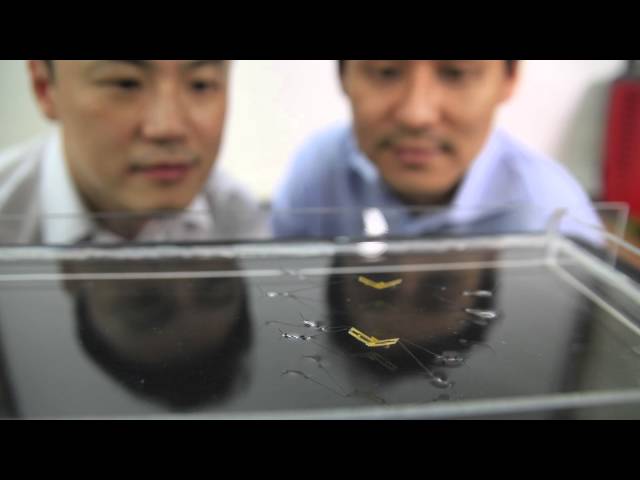
How would you feel if you had tiny robots taking care and attending to your skin problems? Amazing…. right? This is what a group of Seoul National University researchers are trying to do. They are trying to create tiny robots inspired by the slow motion of plants. Responding to change in humidity, parts of many plants (like mimosa leaves or seeds found in pine cones) swell and move.

Pine-2

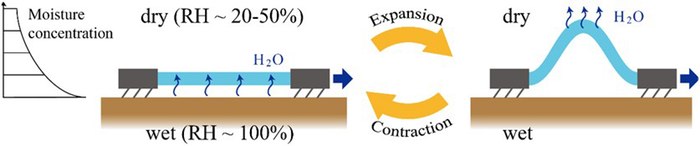
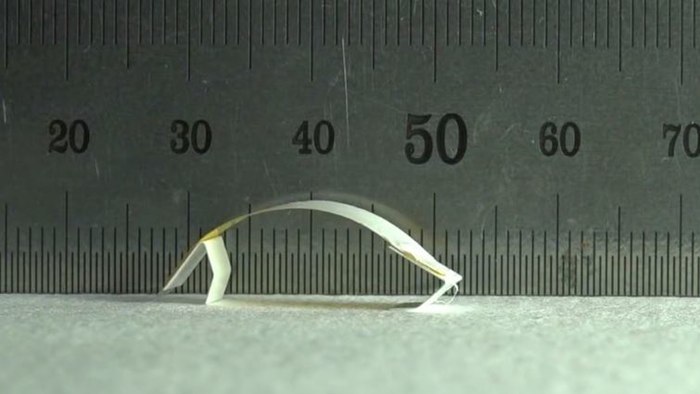
Changes in humidity cause these parts to bend and unbend repeatedly. The research team was interested to harness this motion to produce forward movement. Ho-Young Kim of Seoul National University explained: “This cyclic motion must be converted into directional motion to create a robot that moves. So we attached legs to our actuator, which allows only one-directional locomotion. We call the legs ‘ratchets’ and combined them with an actuator to build our bio-inspired robot.”

The point to note is that plants move really slowly, so much so that one cycle of bending an unbending takes an entire day. To overcome this problem, the researchers used active nano-scale fibres to increase the surface area-to-volume ratio of the absorbent layer; this enabled it to take in more humidity more rapidly. Since humidity changes occur all around us (for ex. Even breathing causes change in humidity as humid air is exhaled from our mouths) this concept can prove to be a game changer.

pine-3

The scientist community though is more interested in placing these microbots where humidity changes can be easily tapped into- the human skin. Docotr Kim explains in detail: “The concept is that by bending, some part of the robot will move away from the skin to encounter dry atmospheric air. When it dries, the robot will return to an upright position near the skin. Such a robot could do jobs like disinfecting wounds, removing skin wrinkles, and nourishing skin tissues.”

Pine-1

As far-fetched it may seem right now but we sure are keeping our hopes high.

[adinserter block=”7″]

Author: Technology Blog

HomeBiogas: The Way Forward In Saving The Environment you’ll ever read

Every time, we fill our cars with fuels and run them, every time a factory ejects tonnes of smoke in the atmosphere, every time garbage is dumped on a landfill site; our future generations inch closer to a planet dreadfully polluted and inhabitable. Most of us express helplessness saying: “what can we do? This is not something in our hands.”

biogas-3

But actually it is. Each little contribution towards making the planet less polluted by decreasing carbon footprint would lead to a bigger healthier picture. With the same philosophy, the makers of Home Biogas want to make this world a better place to live in for our future generations.

The HomeBiogas system resembles a miniature green house. It is composed of various components that transform the leftover scrpas and organic waste of a household into reusable energy. The components include a suspended digester tank, a built in gas storage unit, a heat-capturing solar cover, a special patented gas pressure mechanism and filter, as well as a chlorinator, which all work in conjunction with one another to digest up to 6 quarts of food waste a day. It then outputs clean biogas made up of around 65 percent methane and 35 percent carbon dioxide which allows for over three hours of cooking.

This unit is really handy as you can assemble it anywhere. Oshik Efrati, CEO of HomeBiogas says: “Our goal at HomeBiogas is to make this system available to everyone, whether you live in a rural area or are an urbanite with a modern kitchen.” Efrati also informs that their HomeBiogas unit makes clean gas, eliminates waste, provides fertilizer for plants in your garden and saves a family from cooking in smoke filled environment.

biogas-1

If everyone started using this unit, the world would become much cleaner and safer for sure. The early-bird price of the unit is $945. PRE-ORDER HERE. So  hurry and make this world a better Place.

[adinserter block=”7″]

Author: Technology Blog

You can have a 3D trial room if you shop on abof.com

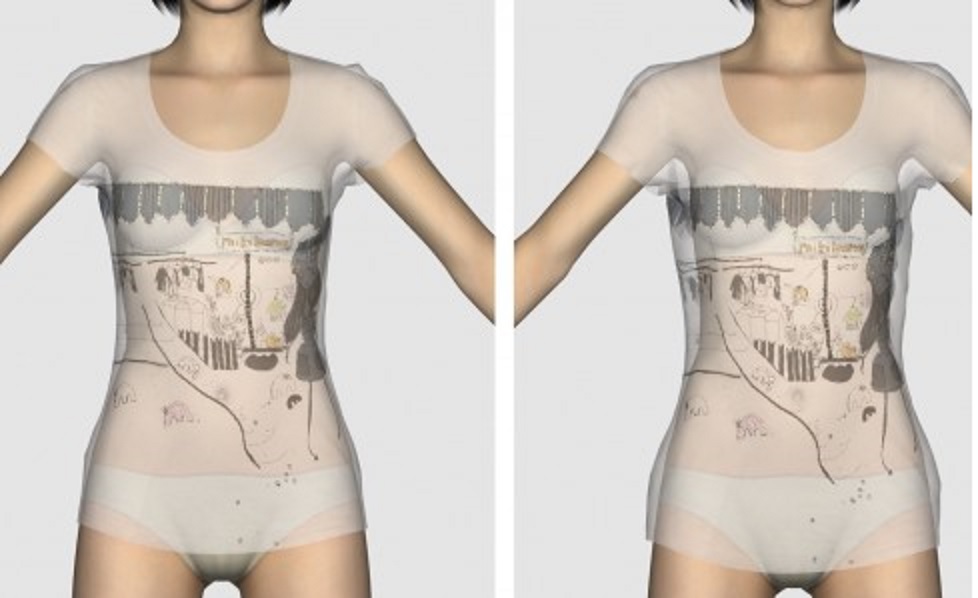
While shopping online, the biggest challenge for every buyer is to buy something that looks good on them but there is no way to tell that as you can’t know how the particular piece of clothing would fit on one’s body. But this won’t be a problem anymore if you shop on abof.com.  abof.com is Aditya  Birla Group’s new online clothing portal  and it has introduced the facility of a 3D trial room for online shoppers.

3d-4

Vikram Bhat, Chief Product Officer, abof.com informs: “The average return rate in the apparel industry is 20 per cent with the most common reason being fitting issues. Plus in a survey we conducted, we found that many users gave size as one reason why they would not shop online. Therefore, we decided to provide a user-friendly tool based on 3D technology to address the issue of fit visualization and size recommendations.”

This 3D trial room is powered by an online fitting technology company called Metail. Metail enables the users to enter three basic measurements on the site and create a digital look alike of them in terms of body type. Adding to this, shoppers can also try other outfits or layers like jackets or shrugs. To build the 3D trial room, the company has invested in special cameras which takes 18 pictures of a garment in one go thus getting it ready for a 3D trial room on the site.

The 3D trial facility is available for women clothing as of now but abof plans to extend this service to men also.  Abof also claims that their 3D fitting feature has 95 percent accuracy when it comes to fitting and that because of this the return rates have come down to nearly zero. They also inform that the conversion rate for products available with 3D trial is 400 percent higher than the industry norm.

3d-1

Apart from the 3D trial room, the website also provides some added features. In their regular feed, they provide tips on latest fashion trends, styles etc. Unlike the competitors who showcase each and everything on the website, abof plans to showcase only some selected brands. The best way in which the company differentiates itself from other companies is by offering spot exchange. So if you file a return and want a different size, the pickup guy will come with the new garment. Well, online shopping can’t get better than this.

Author: Technology Blog

Biology meets Technology: E. coli can be used to Make Flexible Bendable Plastic

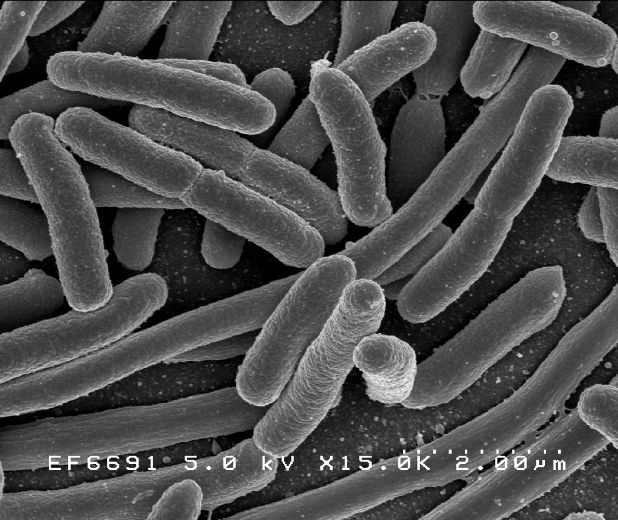
While on space trips, the crew has to make use of whatever limited resources and tools they have on board to pull through. But the International Space Station is always on the lookout for a better method to create plastic and a team of researchers from Brown and Stanford Universities, under direction from the NASA Ames Research Center have come up with a new technique involving genetically engineered E. coli to make flat, space-efficient sheets of plastic that can be folded into tools.

plastic-4

For selection of the best suited plastic, plastic food utensils were heated under heat lamps and after testing their chemical makeup, polystyrene emerged victorious in terms of folding, and the polymer P(3HB) was desirable because it is biodegradable. After the E. coli was successfully engineered, to produce the required enzymes and proteins for making the plastic sheets, they came up with two different ways to fold it.

One way was to draw in draw lines in a spot, and as black absorbs heat more quickly, when the plastic was put under infrared light, that area ended up melting more quickly. Bacillus spores, which expand and contract in different humidity levels, were placed strategically on the parts to be folded.

Small achievements like a few simple origami tools—a box and a cup have been constructed, but this could also be used for constructing large-scale foldable structures like telescope mirrors and solar panels.

plastic-1

Further challenges that the researchers realise are the perils of releasing bacteria into the sterilised environment. They realize how necessary bacteria like E. coli will be, both for materials like these and for human health (to make our food and populate our varying microbiomes), but studies have shown that bacteria can react unpredictably in space, and an outbreak is the last thing we need.

Thus, this issue of microbial behaviour has to be looked into before real-life applications.

[adinserter block=”7″]

Author: Technology Blog

Verified by ExactMetrics