A sneak peek into these amazing features coming to your iPhone and iPad

A new iOS update, iOS 9.3 is just around the corner and your favourite iPhone and iPad is soon going to have some amazing new features. Though as of now, the iOS 9.3 is available as a developer preview, it is hoped that you will be able to enjoy all the new features in a few months. You may have to wait for these features to appear on your phone for a few months but nothing can stop you from having a sneak peek at these features.
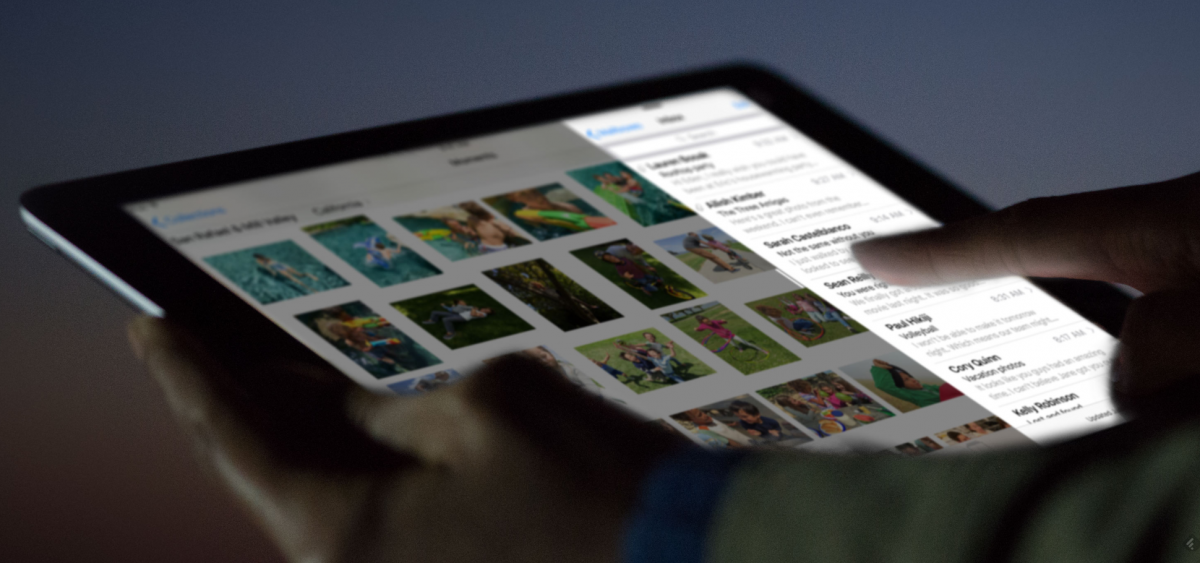
Screenshot-2016-01-11-at-23.02.08-1200x563

For your eyes only

Though each one of you know the light emanating from a smartphone’s screen is harmful for your eyes, what do you do to avert that? Nothing! So Apple is doing a favour for people like you. Its iOS 9.3 will have a feature called ‘Night Shift’ that will change the colour of your smartphones’s screen from bright white and blue to yellow. The shift from brighter hues to these warm colours like yellow and orange soothes your eyes and lets you fall asleep without staining your eyes.  Night Shift will be built into iOS 9.3 and let you customize the feature by changing the color temperature (cooler or warmer) and schedule it to run until sunrise.

The Health app that you can use

Do you ever make use of that Health app? With the new update in tow, Apple will highlight third-party apps you can connect to this wellness dashboard to keep tabs on your workouts, weight and sleep quality. And additionally, if you happen to own an Apple Watch you would be able to see the movement data it collects from the Health app.

Teachers would love it

iPads are loved by all. Not to forget the fact that these can be amazing teaching tools. The new updated iOS will have a feature called The Classroom app that will help teachers deliver lesson plans and track their students’ progress. Even students can also share a single iPad by logging in with different accounts to maintain privacy. AppleIDs are also being introduced by Apple, that can be created and managed by school administrators.

CarPlay to get better

CarPlay–Apple’s in-car entertainment and navigation system would get updated. After the update, the users would be able to browse suggested songs and artists in Apple Music before you head out. While you’re on the road, a new Nearby feature uses Maps to find food, fuel and other services.

Notes get more private and systematic

The iOS 9.3 will enable the users to password protect their notes (hence more privacy). It will also enable the users to sort the notes by date or title. Systematic life is always good on must say.

iOS-9-Beta-3-1-1280x720

News that interests you

With iOS 9.3, you will be able to read news that are liked by you and appear high on your preference and interest list. You’ll see more articles the app thinks you want to read, plus suggested trending topics of news. The app will also get performance updates, so it’ll load faster and watch videos from the feed.

Miscellaneous

Apart from the major features discussed above, the iOS 9.3 will also feature small improvements like on the iPhone 6S and 6S Plus, there are new 3D Touch shortcuts for the Weather, Settings, Health, App Store, iTunes Store and Compass apps. You can also duplicate photos in the Photos app, if you want to edit one copy and keep the original. Another add-on, Hebrew, Finish and Malay are now supported by Siri.

[adinserter block=”7″]

Author: Technology Blog

Enough about success stories, want to know about the biggest failures of 2015?

‘Hit’ or ‘Flop’ seem to be the words reserved for the film fraternity but hello…. it applies to the tech fraternity too.  Last year was indeed a year of innovations but not to forget, not every innovations hits the bull’s eye! So instead of singing praises for those who succeeded, let’s talk about those who failed.

Designer human embryos

these-are-the-countries-where-its-legal-to-edit-human-embryos-hint-the-us-is-one

In the month of April last year, the world was taken aback when a team of Chinese scientists published a report that they had changed the DNA of human embryos using the gene-editing method CRISPR. Though the embryos never made a public appearance, they did stir quite a storm about the ethical issues related to manufacturing designer humans. The idea of babies with made-to-order genes may excite some but all in all, the idea is despised by people because the very idea is against the laws of nature. The problem is, experiments like these have already been conducted using animals hence using human embryos was completely unnecessary as it didn’t give any new insights into the matter. Let nature decide and take its course. We are no God for God’s sake!

Yahoo

Vara-Mayer-Yahoo-1200

Yahoo? But why Yahoo? Because it is stagnating. The company that pioneered the idea of an ‘Internet Portal’(not to forget it still operates the third most visited property on the web after Google and Facebook) has ceased to grow and move ahead. It has entered a standstill. The situation is so bleak that investors are now shouting to dethrone CEO Marissa Mayer. You know what the biggest problem of Yahoo is? It is not changing with the times. The whole world is buzzing with a deluge of smartphones but the company is still a desktop company. So while Facebook earns 74 percent of its advertising revenue from mobile devices, Yahoo earns just 20 percent. Time to change and say Yahoo!

Hoverboards

hoverboard

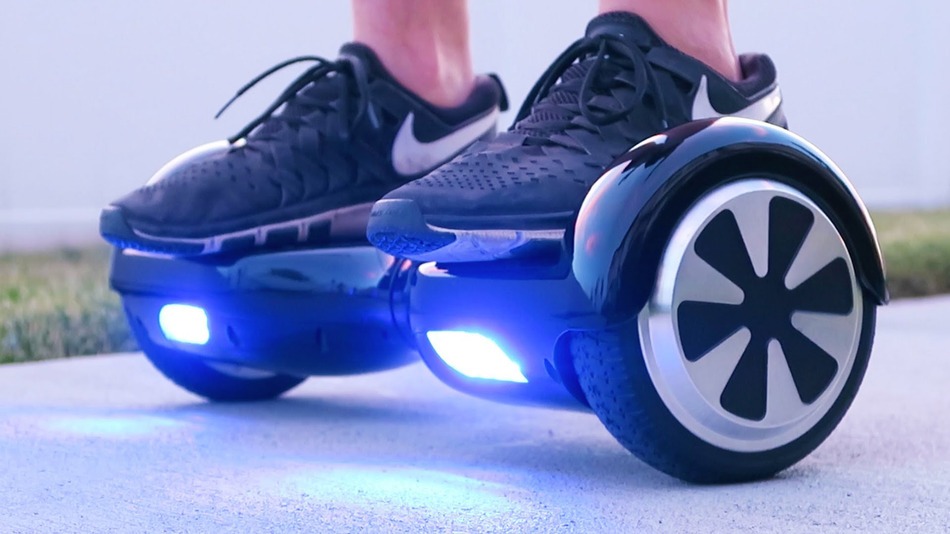
The entire last year was abuzz with the talk about hoverboards (positive or negative). Hoverboards are basically like Segways – two-wheeled, self balancing scooters without the handle packed with a circuit board and two AC motors inside the wheels. The rider balances on the hoverboard because of a phenomena called ‘inverted pendulum’. Everything was good and exciting about the hoverbaord except its lithium-ion batteries which caught fire in some hoverboards. Due to this, popular hoverboards were pulled by Amazon and banned by airlines as a threat. The U.S. Consumer Product Safety Commission said in December that it is “actively investigating hoverboard-related fires across the country,” as well as dozens of reports from ERs of “concussions, fractures, contusions/abrasions, and internal organ injuries.”

[adinserter block=”7″]

Next Page For More

Obese and Diabetic? This wonder enzyme let you indulge in sugar craving !

Glycerol 3-phosphate phosphatise (G3PP) may soon prove to be a saviour for mankind. It is an enzyme newly discovered by the scientists at University of Montreal Hospital Research Centre (CRCHUM). The team was actually searching for mechanisms that convert excess glucose in beta cells into glycerol, before diverting them outside the cell wall altogether. During this procedure, they stumbled upon this enzyme by chance. According to the scientist team, this enzyme works to block the ill effects of sugar on the body.

300E2BFC00000578-3394526-Scientists_at_the_University_of_Montreal_found_an_enzyme_known_a-a-3_1452544271158

The enzyme is present in all the mammals and plays the role of disposing of the unwanted by-products of increased glucose levels in the body. The team is super excited about this discovery because they believe that by discovering this key step in the metabolism of sugar, they have unveiled a new therapeutic target for conditions like type 2 diabetes and obesity. Based on this realization, they are now working in the direction of developing drugs that boost its activity.

Explaining the importance of the enzyme and this discovery in his words Marc Prentki, a principal investigator at CRCHUM and professor at the University of Montreal said: “When glucose is abnormally elevated in the body, glucose-derived glycerol-3 phosphate reaches excessive levels in cells and exaggerated glycerol 3 phosphate metabolism can damage various tissues. We found that G3PP is able to breakdown a great proportion of this excess glycerol phosphate to glycerol and divert it outside the cell, thus protecting the insulin producing beta cells of pancreas and various organs from toxic effects of high glucose levels.”

According to the team, the discovery is special and important also because in the past fifty years, discovering a novel enzyme behind the metabolism of nutrients in mammal tissue has been a rare occurrence and these rare discoveries can pave the way towards some astounding new revisions to biochemistry.

49859255

After this important discovery, the team of scientists is now completely immersed in finding small molecules that can serve as activators of G3PP to treat people suffering from cardio-metabolic disorders, heightened risk of diabetes, heart disease or stroke. When the team succeeds in achieving this, it will be a new dawn but before that, the scientists would have to prove the effectiveness by testing on animal models. Only after the successful testing, humans can benefit from it.

[adinserter block=”7″]

Author: Technology Blog

Gravitational waves? What’s that?

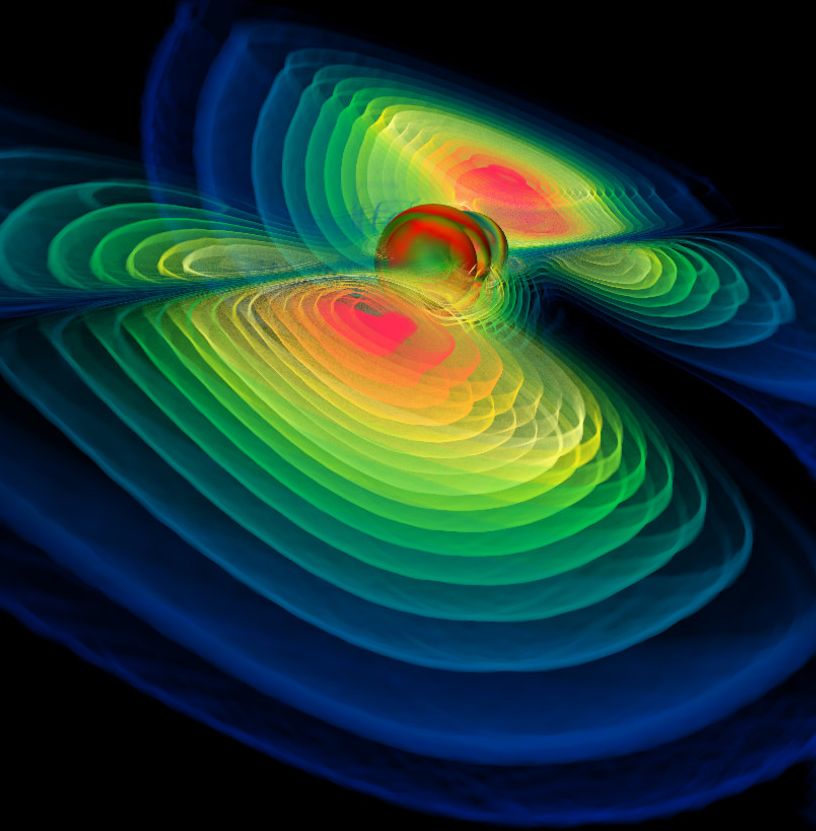
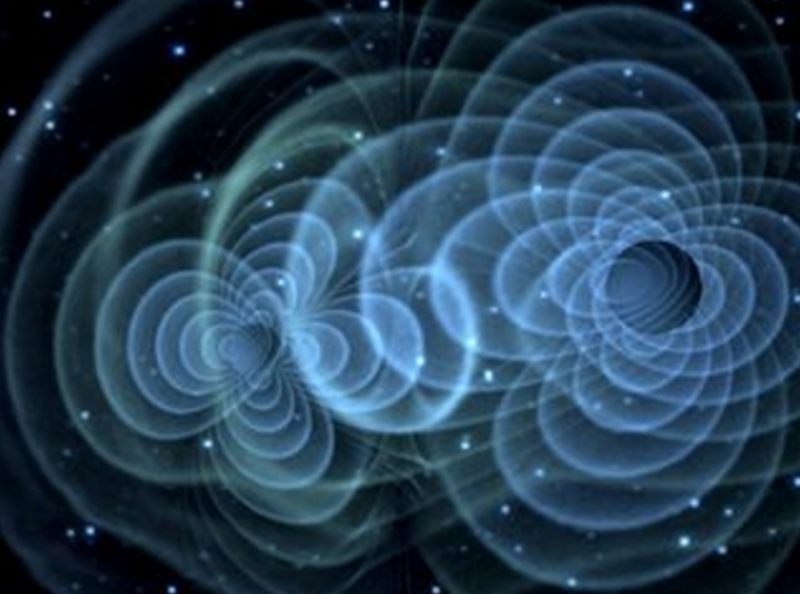
While physicists have been talking about the possibility of gravitational waves being discovered by the Laser Interferometer Gravitational-Wave Observatory (LIGO), people like you and me are scratching our heads wondering what exactly these gravitational waves are! Gravitational waves are basically disturbances in the fabric of spacetime. Yes you heard it right ‘fabric’. According to Einstein’s general theory of relativity, spacetime isn’t a void, but rather a four-dimensional “fabric,” which can be pushed or pulled as objects move through it.

These distortions are the real cause of gravitational attraction. If you touch the surface of water in a still pool, ripples emanate from that point and waves follow in its path and spread outwards. According to Albert Einstein, the same thing happens when heavy objects move through spacetime.

untitled4

You can understand this by using a very simple experiment. Take a taut rubber sheet and place a heavy object on it. That object will cause the sheet to sag around it. If you place a smaller object near the first one, it will fall toward the larger object. A star exerts a pull on planets and other celestial bodies in the same manner. This simple experiment just gives you an idea of how spacetime works. It makes one understand that what we think of as a void is actually a dynamic substance. Based on this, it can be deduced that any accelerating body should create ripples in this substance but there is a catch in it too. Only incredibly massive objects—such as neutron stars or black holes—will create gravitational waves that continue to spread all the way to Earth and small ripples would fade out comparatively quickly.

Can these waves be detected?

There are a few experiments going on around the world in different labs in order to detect the gravitational waves LIGO being the front runner. It is understood that as a wave passes by, it stretches space in one direction and shrinks it in a perpendicular direction. LIGO aims to detect these changes using an instrument called an interferometer. This device splits a single laser beam into two and sends both beams shooting off perpendicularly to each other. If the beams travel equal distances, bounce off mirrors, and come back, the waves that make them up should still be in alignment when they return. But a passing gravitational wave can actually change the distance of each arm, which would change the distance that each beam travels relative to its sibling. When the beams return to their source, scientists would be able to detect this change. Though it has been a decade and LIGO hasn’t yet succeeded in finding or detecting a gravitational wave, the scientists are still hopeful. They have come up with an advance version of it called Advanced-LIGO which they believe would achieve what LIGO couldn’t.

Apart from LIGO, European Space Agency’s (ESA) Laser Interferometer Space Antenna, or LISA is also doing its bit in detecting these waves. The ESA launched the LISA pathfinder in December to test the technology that will eventually be deployed in future LISA missions.

The North American Nanohertz Observatory for Gravitational Waves or NANOGrav has their own way of detecting gravitational waves. They do it by looking at the bursts of radio waves emitted by the neutron stars called pulsars. These radio wave pulses are normally strictly timed, so if they arrive early or late, it could be because a gravitational wave interfered with their journey to Earth.

463147a-i1.0-LG

Among other methods, programmes like Background Imaging of Cosmic Extragalactic Polarization (BICEP), Harvard’s series of experiments at the south pole, observe the leftover radiation in an attempt to find the telltale polarization patterns.

But why do we want to find these waves at all?

These waves will give us another new perspective to observe and understand the universe and the space around us. For example, waves from the Big Bang can reveal more secrets about how the universe formed. Waves also form when black holes collide, supernovae explode, and massive neutron stars wobble. Detecting these waves would give us a new insight into cosmic events like collision of black holes, supernova explosion, etc. which are characterized by formation of waves. And last but not the least; gravitational waves could also help physicists understand Einstein’s general theory of relativity. Finding them would prove if this theory is right and if not then where it goes wrong.

[adinserter block=”7″]

Author: Technology Blog

Remix OS: Want to know about it?

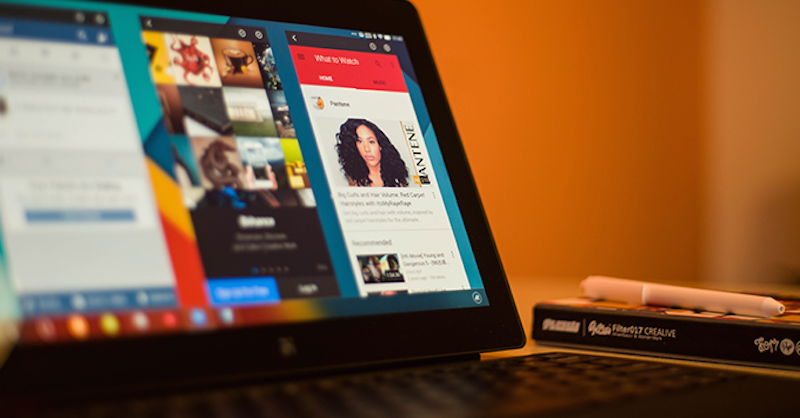
Operating Systems are the soul of any software based device and when it comes to mobiles, everyone swears by Android. But what about the desktop? Jide presents Remix OS which is as good as a desktop version of Android.

remix-4

Is it any good?

If you are already using Android and familiar with it, then Remix OS is a cakewalk for you as it has been built in such a way that technically speaking, it seems as a fork of Android. They surely didn’t want to create an entirely new OS rather concentrated on keeping it as similar to Android as possible. Nonetheless, it can be easily installed as the main operating system on a second partition, or even boot straight from a USB thumb drive. The third option though is one of the strengths of the OS, because it will save data and apps directly to the USB drive. Plug that USB drive into any computer, reboot, and it becomes your personal system without any extra work.

remix-3

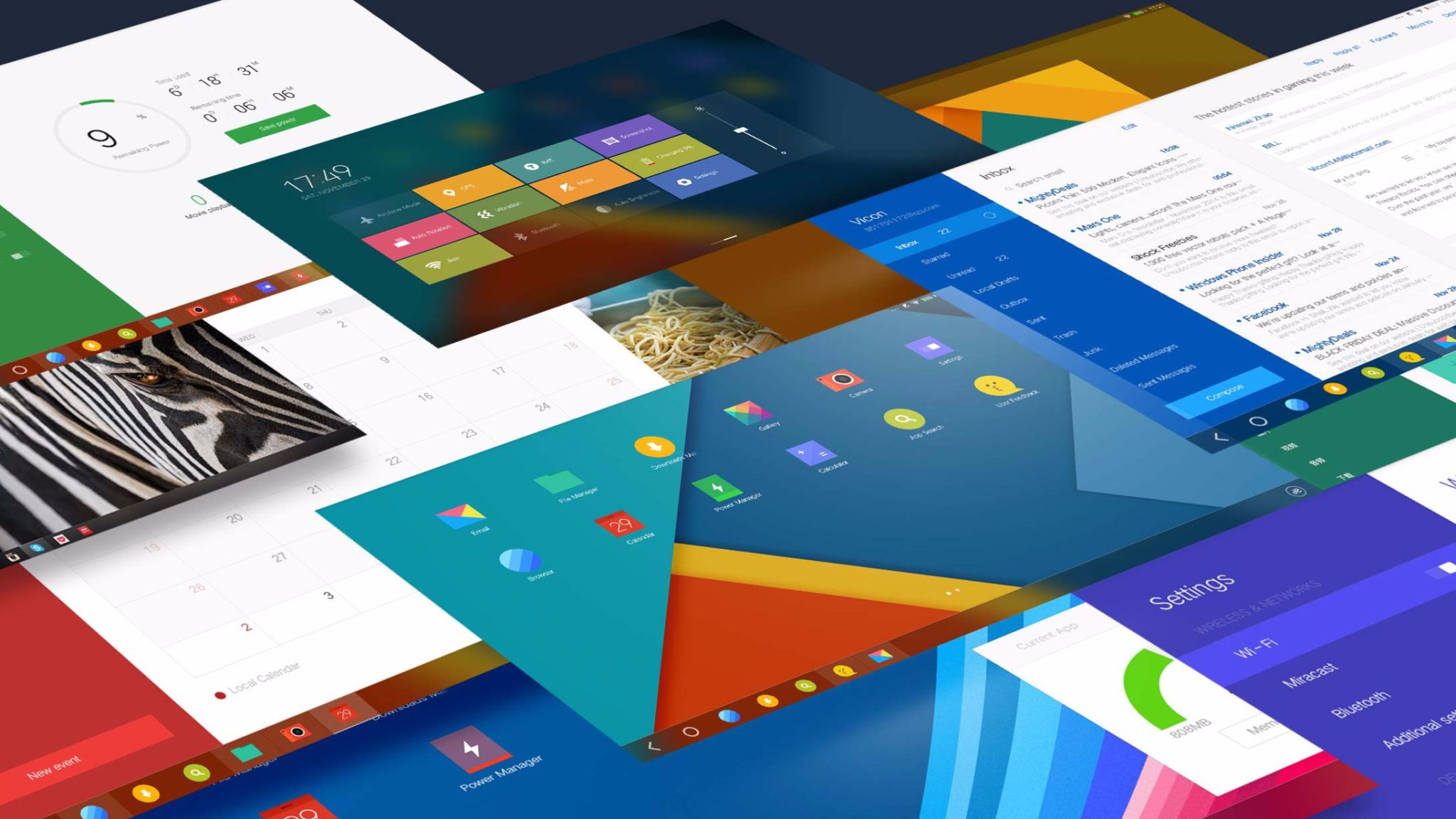
While it seems like any other Android OS on the surface, it does have some subtle changes, the interface for example. There’s now a menu bar similar to the Windows task bar that runs the width of the display, and there’s even a Jide logo button in the bottom left to pull up an app launcher exactly like the Start Menu. Icons for applications, folders, and files live on the desktop, just like they do on Mac OS X or Windows. An advanced file explorer is also part of the package.

The usual expectations of the users are fulfilled as you can easily resize the windows. Close, full screen and minimize actions can be exercised in every app even in Google PlayStore. The cursor is something new- it is a hollow circle, which fills with every click. (First time users can easily confuse it with the loading cursor). The OS even has the right click function allowing for easy access to context menus, plus many keyboard shortcuts you are habitual of using.

The OS though does have its own share of flaws. Settings are mostly limited to traditional Android options, with less of a focus on settings that are useful for the new interface. Though the OS is polished, installing it on a system like a MacBook or Dell isn’t that appealing. The Remix OS is most useful when it’s used as a light-weight, portable operating system for special circumstances. It might used to quickly boot into a media centre, access your own files on a friend’s PC, or drive a display that can’t easily be connected to a full PC.

This doesn’t take away from the fact that there are numerous apps on the Google Play store that open up the functionality of the OS in a meaningful, useful way that Chrome OS extensions and apps can’t compete with.

remix-1

So if its advantages were to be summed up, it would be that it is easy to install with an excellent keyboard and mouse support and more importantly works with most PCs. Among the disadvantages, you can count ‘not all apps working well’ as one and at this stage; substitution of Windows or OS X by Remix doesn’t seem imminent.

[adinserter block=”7″]

Author: Technology Blog
You wouldn’t want to miss this peek into Volkswagen’s electric car

We are moving towards a world of depleting fuels i.e. diesel or petrol. So it is imperative that we find an alternate way and electricity seems to be the best bet as of now. Electric two wheelers have been around for quite a long time and electric cars have also been running around our roads from some time. But now with advancements, the focus is shifting towards bettering their speeds and distance coverage along with other smart additions.

VW-3

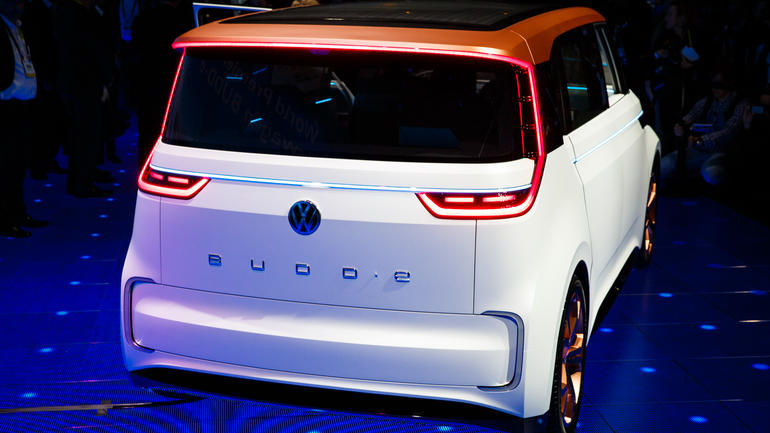
After many tech and car giants jumping in this field, Volkswagen becomes the next big name with its latest offering “BUDD-e”: the electric car that claims to act as a mobile interface which connects the vehicle with the world around it.

If you wish to know about its features, then, here they are! The BUDD-e’s exterior, encases a new Modular Electric Toolkit (MEB).  The car has a 101-kWh flat battery pack underneath it and this is what makes the BUDD-e do an amazing 373 miles on a single charge. And when it comes to speed, it wouldn’t disappoint you running at 93 mph. The exterior looks elite with ‘Nevada White’ paint on the body and ‘Phoenix Copper’ on the roof. An LED accented VW logo catches your eye instantly and the almost 21-inch wheels look great.

VW-2

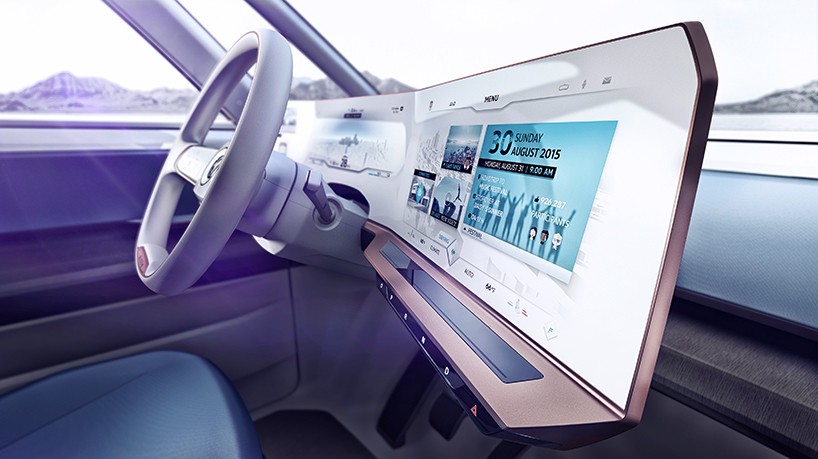
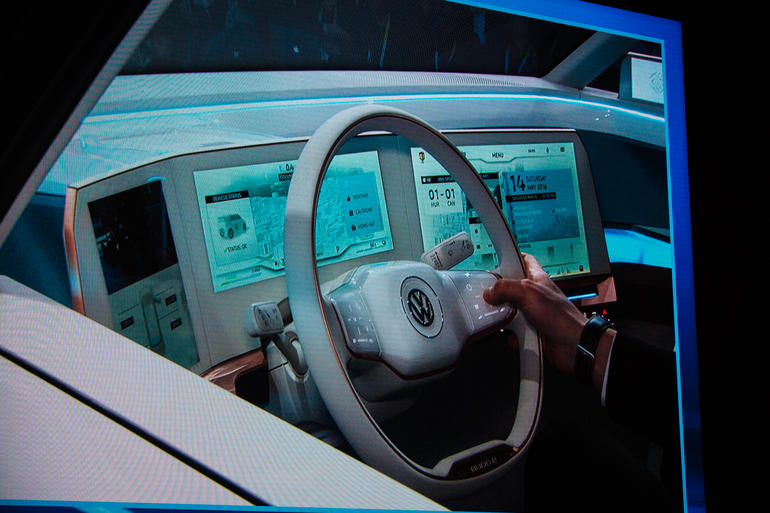
When you move inside the car, this is where the real magic is….. the interiors are game-changers. Both the instrument cluster and navigation have been moved into one central hub. Blending two separate screens into one seamless digital form, VW offers a digital instrument panel in front of the driver and a navigation panel in the 13.3-inch display. This coming-of-age command centre can be controlled with either voice, touch or gesture controls, so by saying “Hello BUDD-e” you can easily activate the car’s voice control systems. But this isn’t all. This system has an ability to recognize which occupant is giving the commands and react accordingly. For example, if someone sitting at a particular seat says “Oh! I am feeling a bit cold”, the BUDD-e would automatically raise the temperature of that particular area to a comfortable level.

VW-3

And if you think that’s all that is to this car then read the company’s statement: “With BUDD-e, passengers will be able to access their homes and workplaces to perform tasks such as controlling the air conditioning, turning lights on or off, or simply looking to see if their kids are home yet.” And no we aren’t stopping as yet. VW estimates that if everything goes well, BUDD-e owners in future wouldn’t have to turn on their lights in their house, for instance, as the car will automatically command the smart home to do so as it approaches. Adding to this, a front door camera could snap a picture of someone at your doorstep and send that straight away to the car’s dashboard screen.

VW-4

Though BUDD-e is just at its concept stage, it can be well anticipated that once put into actuality the car will surely rock the world. As such, Volkswagen needs to score high on the eco-friendly front. So let’s wait and watch… Chevy Bolt or Tesla Model 3 may soon have a competitor.

[adinserter block=”7″]

Author: Technology Blog

Read on this surprising fact to know why identical twins are so rare!

The identical triplets born in a Houston hospital are not only special for their parents but also for science because according to doctors they are “one in a million”. Though use of fertility treatments like In-vitro fertilisation (IVF) has contributed in increasing the twin and triplet population but they are common because they are fraternal that is born from multiple fertilized eggs. Adding to this, moms over 30 tend to ovulate more than one egg giving rise to more twins. So to understand why identical triplets are rare, you will have to understand the difference between fraternal and identical twins.

How Identical twins develop

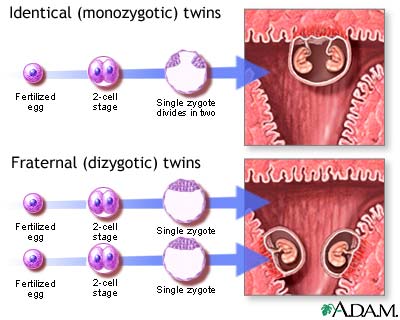
Fraternal or Dizygotic multiples occur when more than one fertilized egg becomes an embryo whereas identical or monozygotic multiples occur when the egg divides ‘after’ it gets fertilised. This implies that monozygotic multiples share the same DNA. So it is common when two sperms fertilise two eggs but for identical twins the zygote separates in two parts and when it is triplets we are talking about, the zygote needs to split ‘two’ times and you can guess how rare that is.

The general confusion that when we see so many identical twins then how come we don’t have that many examples of identical triplets is rooted in the age old myth that identical twins run in the family. Well fraternal twins may be, but not identical ones. According to researchers, fraternal twins may run in a family because of women in a particular family sharing a particular genetic trait that makes them release two eggs during an ovulation cycle.

Twins

But till now, no findings imply a genetic predisposition towards zygote splitting. This is the reason that if you have a twin sister or have twins in your family, doesn’t mean you have identical twins. It simply implies that you have a tendency to ovulate two or more eggs in a cycle (which doesn’t always results in conceiving twins always).

You just have to think, that if it was the case that identical twins ran in a family, then identical twins would be more likely to have identical twins, and there would be many more identical twins and hence the chance of many more identical triplets. So in reality, it is a very random phenomenon, so much so that three births per 1000 worldwide are identical twins. This is why identical triplets are one in a million. So now you know, why those triplets born in Houston hospital are so very special!

width="560" height="314" allowfullscreen="allowfullscreen">

[adinserter block=”7″]

Author: Technology Blog

You wouldn’t want to miss this first look of Huawei Mate 8

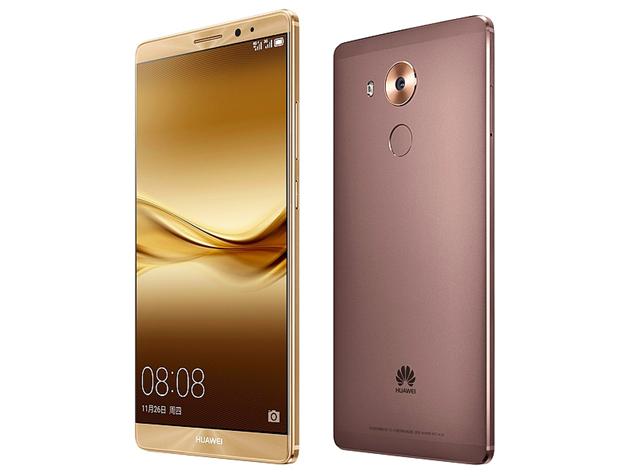
The CES 2016 showcases amazing technologies that are yet to enter our lives. In this series, Huawei unveiled its smartphone Mate 8 at the famous tech carnival. The 3GB RAM/32GB storage variant is priced at €600 (approximately Rs 43,000), while the 4GB RAM/64GB storage variant will sell at €700 (approximately Rs 50,000).

Huawei-3

Specifications: A 6-inch Full HD (1920 x 1080 pixels) IPS display covered with a 2.5 D curved diamond-cut glass. Powered by the Kirin 950 chipset, boosting its CPU power by 100 percent, GPU power by 125 percent, and power efficiency by 70 percent also features 4x A72 2.3GHz processors and 4x A53 1.8GHz processors respectively. The internals include octa-core Kirin 950 SoC with 3GB/4GB of RAM along with internal storage options of 32, 64 and 128GB (4GB for the last two options).

Software: Android 6.0 Marshmallow with Huawei’s EMUI 4.0 OS.

Camera: The phone boasts of a Sony made IMX298 16 MP rear camera and an 8 MP front one.

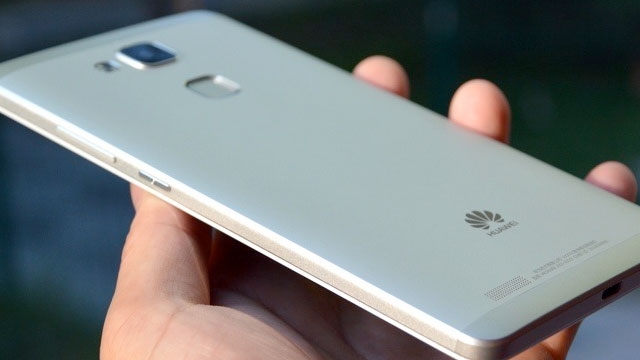
It has a dual SIM card slot on the left side and an audio jack at the top. There is a fingerprint scanner on the rear side of the phone. The phone is powered by a 4000mAh battery.

Huawei-1

Kevin Ho, President, Handset Business, Huawei Consumer BG said “The Mate 8 is the ultimate high-end smartphone. It strikes the perfect balance between high performance and long battery life, enabling people to stay connected and be more productive in every facet of their lives.”

[adinserter block=”7″]

Author: Technology Blog

Smartphones to become pancreas, treat Type 1 diabetes

US researchers have developed a system which treats Type 1 diabetes automatically and effortlessly — using the aid of a smartphone — dumping manual insulin shots and frequent finger pricks.

Along using wearable insulin pump and a small detector, a smartphone can stand in to get a pancreas, mechanically tracking blood-sugar levels and producing insulin as needed, according to the researchers’ report.

insulin-3

“We happen to be working on this particular artificial pancreas as it’s called, since 2006.

The system operates using an easily available pen drive-sized blood glucose detector which can be worn in various locations on the body, like the abdomen, leg, or an arm. The detector reads blood-glucose levels every five minutes and reports the results to a specially constructed program on an android smartphone that is closeby and paired.

The program’s algorithm controls an unobtrusive, wearable insulin pump, which may be hooked to your belt or alternative article of clothing and analyses the data. The pump has an extremely fine needle that pumps insulin to the blood stream. Collectively, the “closed loop” system should act much just like a house thermostat, automatically feeling and correcting the temperature to fit preset goals.

insulin-1

The best aim would be to make handling Type 1 diabetes effortless and automatic, facilitating the daily lives of the 1.25 million individuals who suffer from the disorder, Doyle said.

As a technology lover you may like our daily important technology news series. It’s a playlist and you can retrieve the total day-wise videos. Please consider subscribing our YouTube channel:

Author: Technology and Beyond

These 9 technologies will grab eyeballs in 2016

The New Year is here and with a bang! With every New Year we usher new thoughts, dreams and plans for the future and the Science and Technology community ushers new innovations and creations to enrich mankind in some or the other way. Let’s have a look at some of these technologies that plan to enrich and improve human lives.

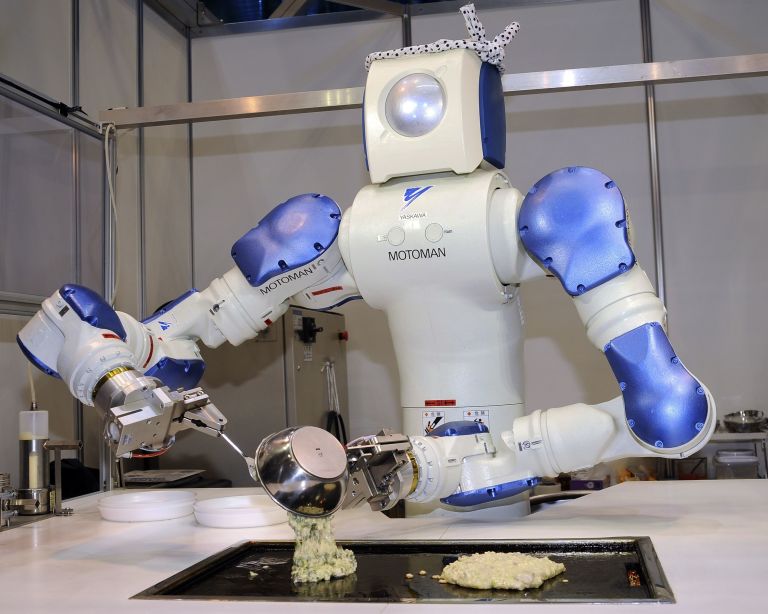
  • Robotics: We are fixated with the idea of having robots doing our daily as well as important chores. Though we haven’t witnessed advance robots as depicted in movies, there are still many of our machine friends who are helping a lot. 2016 will be a good year as home and family robots like Jibofinally arrive and more advanced humanoids like Pepper begin working in global corporate offices and show rooms. At the same time, toy, STEM, telepresence, and home appliance robots will continue to sell reasonably well in 2016.

robot-3

  • Virtual reality is here to stay:Virtual reality is going to be a show stealer in the coming year, the trends suggest and why not? ‘Occulus Rift’ will soon make its debut at CES 2016 and with 360-degree videos and simpler viewers like ‘Google Cardboard’ the trend is going to catch up quite fast. Not only the virtual reality devices like Oculus Rift, the accessories to these devices will also be present at the event for sure. Camera systems for capturing spherical footage will be a big focus, and considering the eyeballs that Microsoft HoloLens garnered augmented reality systems could undergo a revival. Instead of IMAX, it’s You-MAX; an immersive screen of content wherever you look and characters that are not only aware you’re there, but react to your “physical presence.”

virtual-reality

  • New and advanced materials: Hardware is as important as the software. So while the world will discuss sophisticated computer programs it will also expect this year to bring forth new rich advanced materials. Recyclable thermoplastics which are basically super-strong plastics used in smart phone bodies are one such example. They could start showing up in high-end phones this year and may help redefine their look and feel. Corning is preparing for its next edition of super-hard yet pliable Gorilla Glass and Japanese competitorswork on what may eventually be a Gorilla rival. And there is optimism floating in the air regarding the super-material graphene being utilized in actual practical applications owing to the fact that researchers have finally found out a way to make it at far more cheaper prices. This may be the iconic year when we may witness a graphene based CPU.


chew-5


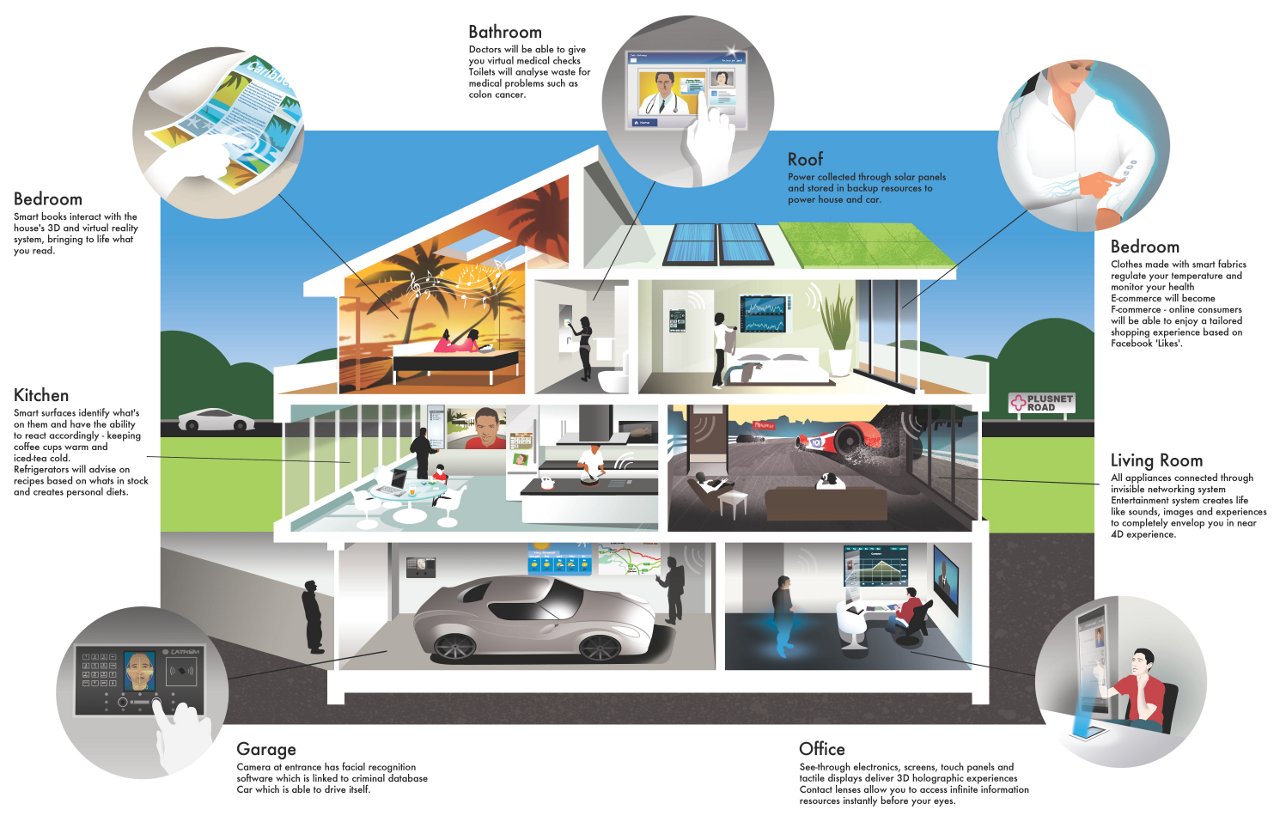
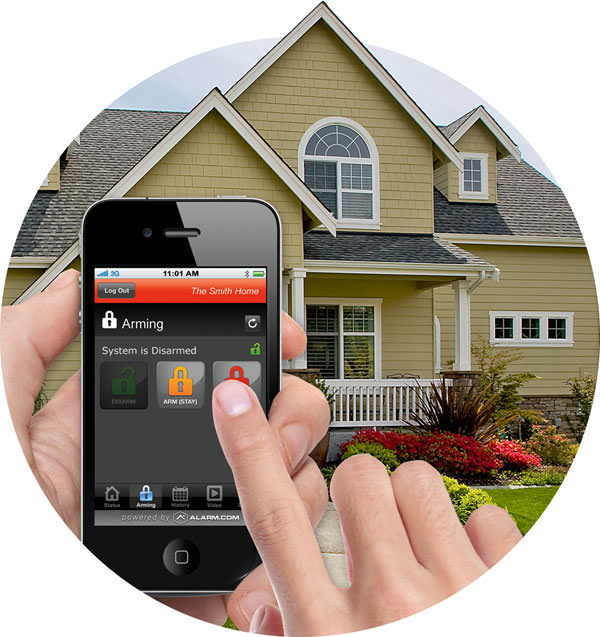
  • The Smart Home:The smart home has been a dream of consumers from quite a long time and the wait is certainly not over yet. There has been news about Apple’s Homekit and Google’s Brillo that will, it is rumoured, connect all our smart devices to a single user-friendly system but the problem is, this project has been progressing quite slowly. Yes, competitors Samsung (with Tizen) and LG (with webOS) are making their way into this strata but still something concrete is still to appear. In 2016, there certainly would be products from various manufacturers claiming to be those ‘perfect’ single-point-control systems, but the ones who will win will be the ones that create gadgets that provide some ‘real’ help like the sensors detecting floods.


home automation technologies

[adinserter block=”7″]

Next page For More


Who would want to miss these super cool tech trends to be featured in CES 2016?

The International CES has arrived along with the New Year and it has brought along a plethora of technological marvels and cool advancements with it. From January 4, the Las Vegas Strip will transform into a festival of innovations and technology for a week. This is the time, when everyone is curious about what will appear on the show and what will continue to make its appearance as a future project. Based on hints and tip-offs we have shortlisted these seven technologies that may be a part of CES 2016 to satiate the hunger for new technology and gadgets.

1.The ‘Next-Gen’ drones

02-nyc-drone.w529.h352

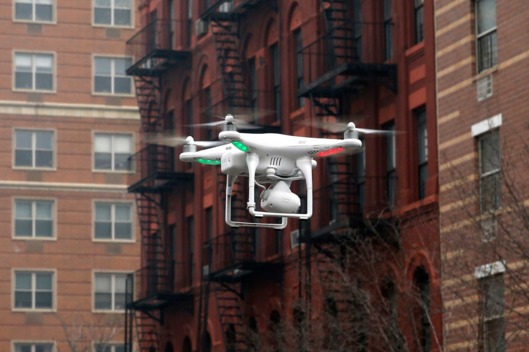
Drones revolutionized the science and technology world by its mere presence on the horizon for the first time. Since then, it has been in news, creating news. Though there is now a mandatory registration required for flying a drone, it is slated to fly to newer heights in 2016. It is expected that the drones at CES 2016 will be faster, leaner and meaner than their past counterparts. Since the focus has shifted to the consumers, more emphasis will be on easier-to-use drones with better cameras and smaller lighter bodies. Whatsoever may be the changes and improvements, drones are here to stay as consumers are happy to welcome them with open arms! Literally!

2.The Smart Home

PlusnetHouseSmall

The smart home has been a dream of consumers from quite a long time and the wait is certainly not over yet. There has been news about Apple’s Homekit and Google’s Brillo that will, it is rumoured, connect all our smart devices to a single user-friendly system but the problem is, this project has been progressing quite slowly. Yes, competitors Samsung (with Tizen) and LG (with webOS) are making their way into this strata but still something concrete is still to appear. At CES, there certainly would be products from various manufacturers claiming to be those ‘perfect’ single-point-control systems, but the ones who will win will be the one who introduces gadgets that provide some ‘real’ help like the sensors detecting floods.

3.Taking video streaming to the next level

df992ab6-618f-45ce-95b5-6f2efe9ab69a

When last year, Sling TV was launched, it was enough to give inkling about how big video streaming is going to get and that is actually happening. The video streaming giants YouTube and Netflix would be making their presence felt at the CES 2016 for sure. Though these giants have already covered the important features like 4K, 360-degree video and virtual reality, access to more content and accomplishing all this with hardware that’s wireless and convenient without choking the internet. It will be the new and smaller players who will try to grab the eyeballs of consumers with their versions of the technology.

[adinserter block=”7″]

Next Page For More

Take a look at five of the coolest eco-friendly electric cars

Cars and bikes are a man’s ultimate love. Just like you can’t separate a woman from her diamonds, you can’t separate a man from his mean machines. And when those machines have an added advantage of being eco-friendly, it’s a win-win situation! Electric vehicles have been around for quite some time but they were always considered an inferior substitute of their petrol counterparts. But once you have a look at these five super smart and stylish electric cars, you will surely change your opinion for good.

1.Tesla Model X

1

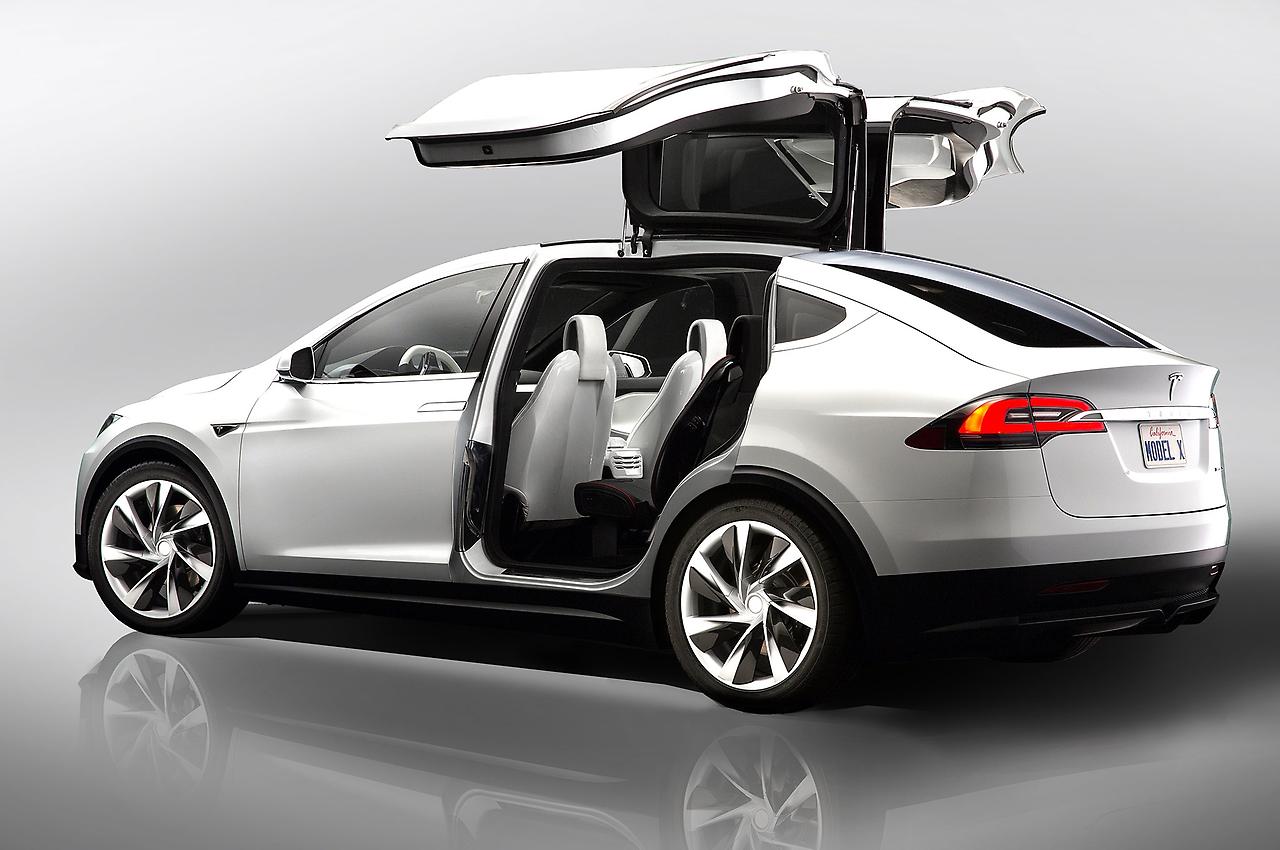
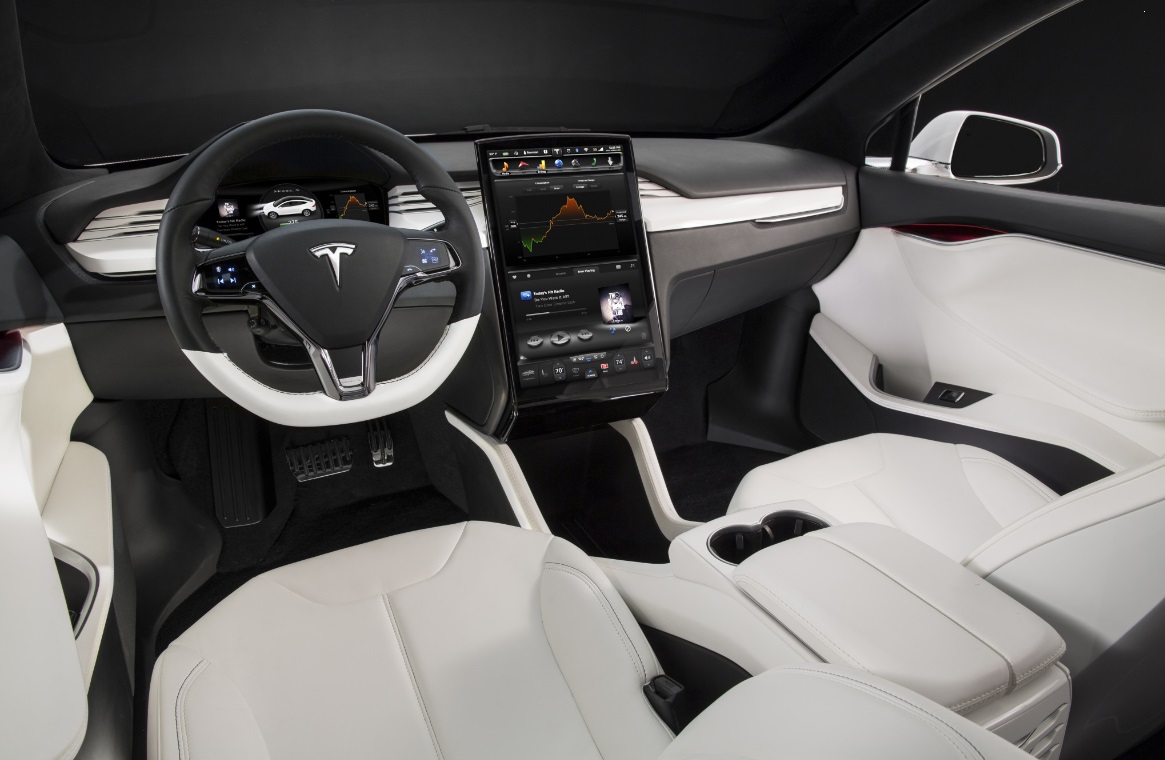
A car which has super stylish Falcon Wing doors is bound to grab eyeballs. But this is not the only thing worth a mention in Tesla’s Model X. The interior includes a panoramic windshield, doors that open up when the owner walks up and a large touchscreen resembling a tablet, in the centre console. Tesla informs that the P90D Founder model can go from 0 to 60 mph in 3.2 seconds returning a 250 mile-range. The company claims that the Model X is the safest SUV ever built with a body so strong that it actually broke some of the testing equipments (as claimed by the company). If you think that’s all the car has, then wait, the car has a stout HVAC system too with a Bioweapons Defence Mode button.

Tesla-Model-X-Tesla-Model-S

2.Audi R8 e-tron

01-2016-audi-r8-e-tron-geneva-1

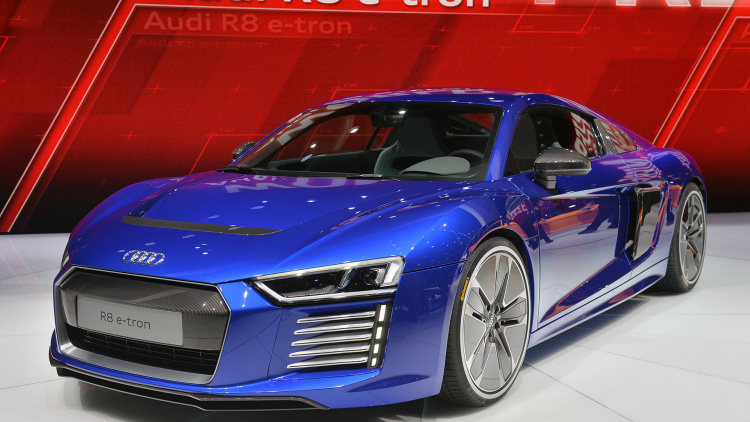
The revered company with those iconic four rings at the front in its cars has launched an all-electric version of its R8 supercar. The electric motor of this car e-tron produces 340 kW which is more than enough to push this car from zero to 340kW in 3.9 seconds. Not only this, the car also has an impressive 279.6 mile range. The car has also lent its electric power train technology to the soon to be launched Volkswagen Microbus EV.

tuning-audi-r8-4.2-coupe-quattro-auto-r-tronic-02

[adinserter block=”7″]

Next Page For More

Healthcare may get a revolutionary boost owing to these five wearable gadgets

Just like everything else, healthcare industry is also undergoing a sea of change because of new gadgets and technologies making their way into the field of healthcare and medicine. In present times when people are short on time and can’t afford to visit their doctors regularly, wearable health metrics have become quite a rage as not only these gadgets let one assess their health on a regular basis, they also save those time consuming trips to the doctor for every little thing.

The market of the wearables is poised to increase amazingly in the next five years. And this trend would certainly inspire the introduction of more such gadgets. Let us look at five of these wearable gadgets that may turn out to be essentialities in the healthcare field.

1.Smart Contact Lenses

con2

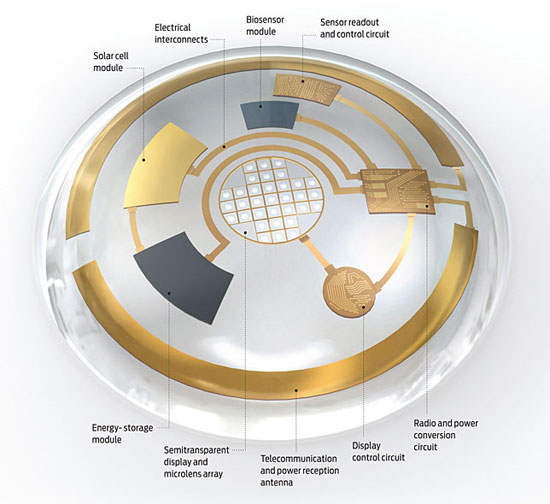
Contact lenses have become a necessity as well as a fashion accessory nowadays. But talk about Google and it can bring technology in anything. According to reports, Google X is entering into a partnership with Swiss drug maker Novartis on a project that aims to restore the autofocus abilities of the eyes using smart contact lenses. These smart lenses will have sensors in the lens, which by measuring glucose levels in the tears of the users would track the health metrics. These lenses will perform dual functions of correcting age-related long sightedness and also as a useful tool for diabetics to track the sugar levels in their blood.

2.Empatica Embrace

20141201122106-embrace-on-wrist

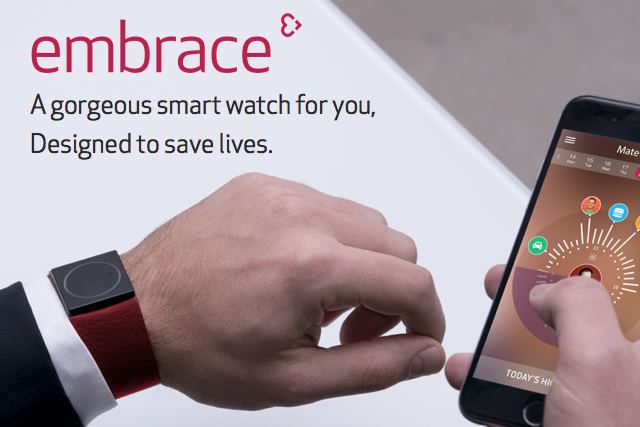
Epileptic seizures are a painful thing to witness as well as to endure. An MIT professor Rosalind Pickard has developed a health tracker named ‘Embrace’ which has been specially designed for people who suffer from epileptic seizures. This health tracker gadget tracks sleep and activity and physiological stress. It can even detect oncoming seizures and inform a caregiver automatically. It is hoped that this disease can help a lot not only in epilepsy cases but also Alzheimer’s and Parkisnson’s.

3.Wearable health patches

maxresdefault

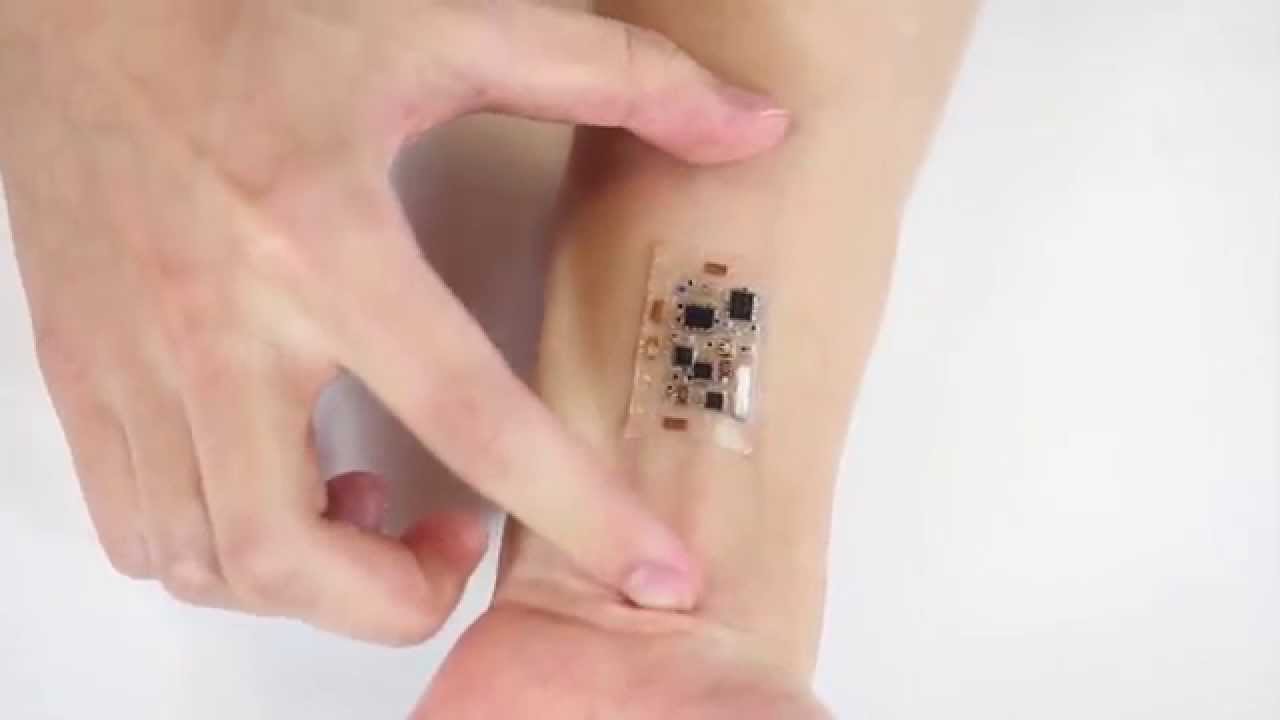
Tattoo-like wearables may be the next big thing in the field of health tracking devices as these are not bulky, don’t have to be carried around, instead stick to the skin like skin itself. Such kind of trackers were in use from quite some time but owing to the high costs associated with these, were not much used. Now, researchers at the University of Texas have developed a ‘cut and paste’ method of sticking these wearables on your skin. These would be produced in an affordable way in just 20 minutes by cutting pieces of metal on polymer adhesives and printing electronics onto the adhesives. It is hoped that after this recent development, these patches will become more prevalent and readily available for doctors to track vital signs like heart rate, muscle movements etc. of the patient.

[adinserter block=”7″]

Next Page For More

Your bosses are the ones who waste more time while working!!

A recent survey conducted by Bamboo HR may make both employers and employee very happy and there is more than one reason to do so. This age of social networking has created quite many distractions at the work place opine many. But if the Bamboo HR survey is to be taken into account, this is surely not the case. When it comes to distractions, the break room or water cooler still tops the chart.

office-2

The survey explains that the employers need not worry about employees spending time on social networking sites because however strange it may sound, but when it comes to wasting time, employees haven’t changed that much. The survey that involved over 1000 US based full-time workers over the age of 18 found that the most popular way of stealing time from work for employees is still taking breaks to the office kitchen, water cooler or break room. (After all we human beings are still primal and keep hunting for food!J ).

The second most popular way of wasting time, was taking bathroom breaks followed at the third spot by gossiping and participating in small talks with co-workers. The fourth most popular time-waster came out to be communicating with family members via phone, email, text and social media. The next four in the top eight time wasters were, running personal errands or shopping online, communicating with friends, using social media for personal purposes, and watching television! (And then people complain about workplace stress!)

But this is not all. The most interesting finding of the survey was (and this may cheer some of the lower level employees!) that across the board, upper management and executives spend more time or to be more precise waste more time in each of these activities as compared to lower level employees (entry level, intermediate and middle management). So if you are busy checking out the latest update on a friend’s profile, chances are, your boss is also busy buying some piece of jewellery online for his wife!

office-3

In addition to all these findings the survey though pointed out that despite ranking low in the list of time wasters, social media is the most hindering activity when it comes to productivity. According to the survey, 68 percent of employees considered that using social media for personal, non-work-related reasons each day as a break/distraction from work tasks was appropriate, although what exactly should be the duration for ‘appropriate’ nobody could tell. So fret not friends, next time whenever your boss scolds you for wasting time, you know what the reality is!

[adinserter block=”7″]

Author: Technology Blog
Sea trials begin for US Navy’s first Zumwalt-class destroyer

Wars and warships are inseparable. In present times when the security of one’s nation is the biggest thing on the minds of the leaders of various countries, improvement and enhancement in war capabilities is a must. US being a superpower and being a victim of terrorism (who can forget 9/11?), has always believed in this. With this belief, it has started at-sea tests and trials of the future USS Zumwalt (DDG 1000).  The warship has been named after former Chief of Naval Operations Adm. Elmo R “Bud” Zumwalt Jr.

zumwalt-3

It is the largest destroyer ever built for the US Navy and the first of three Zumwalt-class destroyers. The construction of this US$4 billion warship began in 2009 and it was launched in 2014.

The Navy informs that it has been designed to operate independently in forward areas to provide presence and deterrence, as well as operating with joint and combined expeditionary forces as a multi-mission Anti-Air Warfare, Anti-Submarine Warfare, and Anti-Surface Warfare unit. The sea trials conducted in the Atlantic Ocean are the first in a series of tests leading up to the commissioning of Zumwalt next year.

The Zumwalt is unique not only because of its size but also because of its distinct tumblehome hull composite superstructure, which is part of a suite of advanced stealth features that reduce the ship’s radar profile by a factor of 50 over current destroyer designs.  The destroyer is armed with two 115 mm Advanced Gun Systems (AGS) firing rocket-powered precision Long-Range Land Attack Projectiles (LRLAP) with a range of 63 nm (117 km) which is three times greater than current surface gunnery. It can carry a crew of 130 and an air detachment of 28.

zumwalt-1

The US Navy informs that the Zumwalt is the first US warship to incorporate the Integrated Power System (IPS), which is an all electric system powered by gas turbines. The destroyer also boasts of 80 MK-41 peripheral vertical launch system (VLS) missile cells, a stern ramp for launching two Rigid Hull Inflatable Boats, and a flight deck for two MH-60R or one MH-60R and 3 VT Unmanned Aerial Vehicles.  Originally, 32 of the Zumwalt-class ships were ordered, but due to cost issues this number got reduced to three. Construction is already underway on the other two namely: Michael Monsoor (DDG 1001) and the Lyndon B Johnson (DDG 1001).

[adinserter block=”7″]

Author: Technology Blog
Verified by ExactMetrics