New method of fusing nanoparticle could bring down nano-circuitry costs

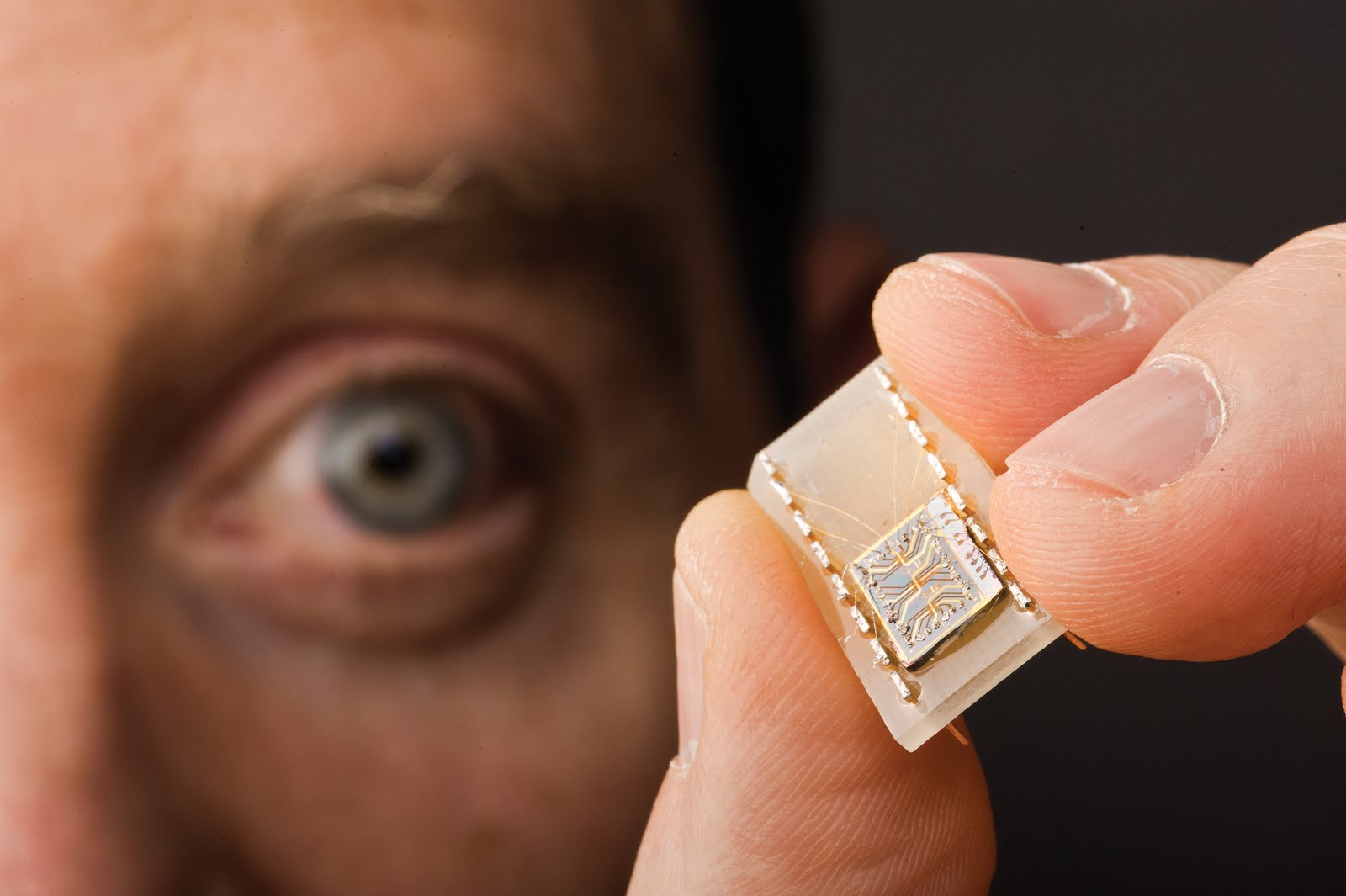
It has been a routine job for material scientists to create complex miniature devices by fusing the nanoparticles together. To achieve this fusion, these scientists use high temperatures which can be damaging for the material on which they are built. As a result the materials used need to be heavy duty and expensive too.
nano-4

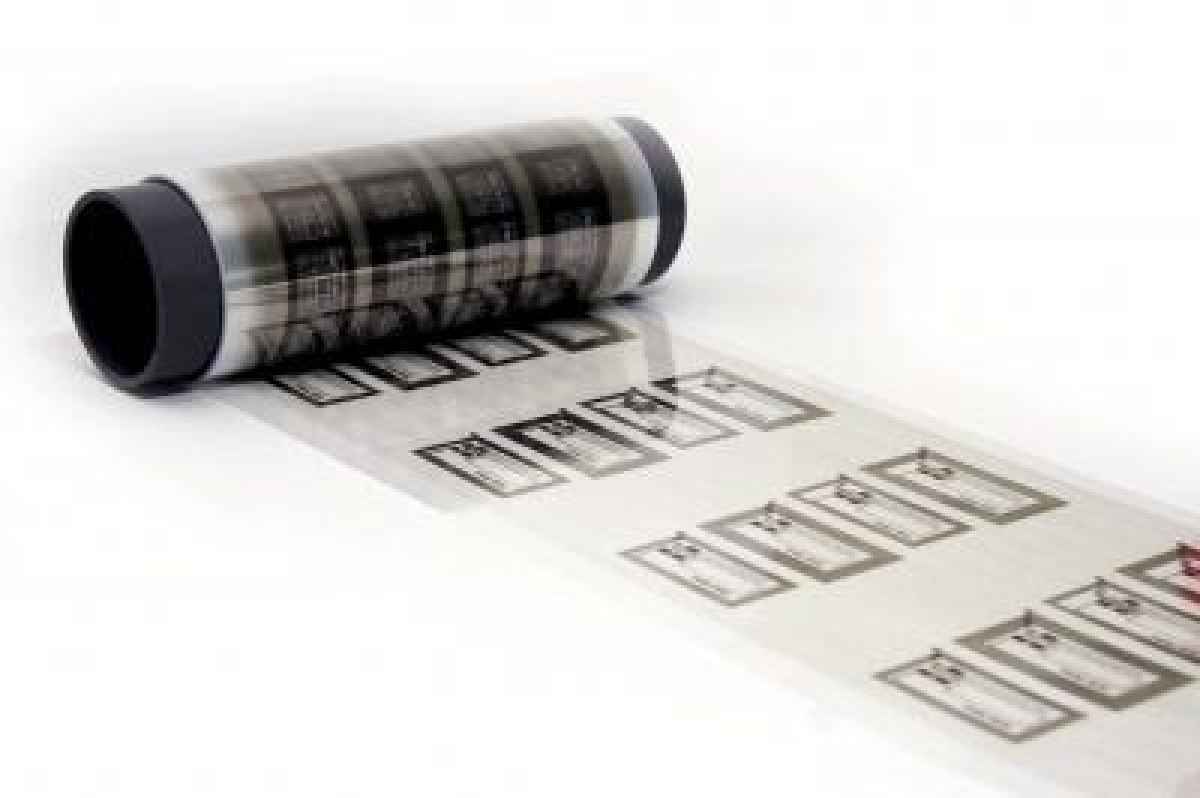
Now, a team of engineers from the Oregon State University has developed a new technique which uses less energy hence making it possible to print the nanoparticles even on plastic and paper. The process of depositing nanoparticles on a surface before they are fused together is known as photonic sintering as a light source is used to produce a 2D film. In the new technique, the team used a Xenon lamp. The results were twice as fast and almost ten times more energy efficient than the methods prevalent presently.

The new method also ensured that the temperatures to which the materials (on which the devices are built) are exposed will be much lower. One of the members of the research team, Rajiv Malthotra informed: “To lower costs, we want to print these nanotech products on things like paper and plastic, which would burn or melt at higher temperatures.

We now know that is possible, and how to do it. We should be able to create production processes that are both fast and cheap, without a loss of quality.”
nano-3

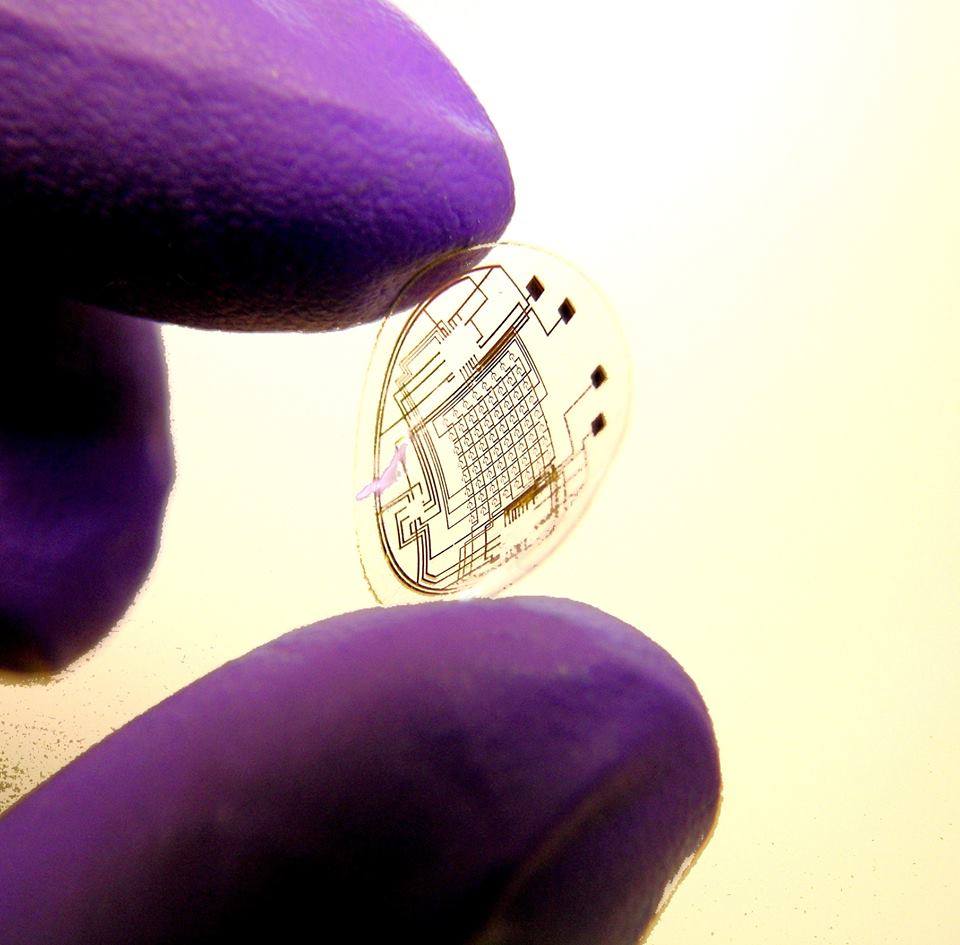
This latest development has been received quite positively by the material scientist community as it will allow them to create thin-film electronics and that too on cheaper materials thereby bringing down the costs associated with the process. The process will also enhance the efficiency of expensive nano-circuitry.

[adinserter block=”7″]

Author: Technology Blog

A protein that hinders weight loss identified by scientists

Obesity is one of the most talked about diseases nowadays. The whole world is trying to fight it. It is a well known fact that to fight obesity, the best way is to keep a tab on your fat intake and start working on your body before things go beyond your control. Because the fatter one gets, the tougher it becomes to lose weight. There is actually a mechanism that makes shedding weight tougher when one is too fat. Scientists have succeeded in finding and identifying a protein that stops fat cells from burning energy.

weight-2

To understand this, first we need to know that there are two types of fats in human body: white fat and brown fat. White fat is the kind that stores excess energy releasing it if it is needed and when it is not released it causes those flabby love handles hanging from the sides of your waistline! The brown fat on the other hand performs the role of burning fat to generate heat and keep the body warm. This process is termed as ‘thermogenesis’. There are proteins that promote thermogenesis hence creating more good fat while there are those that inhibit it.

One such protein that suppresses thermogenesis has been identified and is known as sLR11. Based on studies it was found that sLR11 sticks to certain receptors on fat cells, preventing the triggering of thermogenesis. When sLR11 levels were measured in humans, it was found that the level of this protein in the blood was linked to total fat mass.

Obese patients undergoing bariatric surgery were also observed to understand the mechanism. The observations showed that the amount of resulting weight loss was proportional to reduced sLR11. This pointed to the fact that it is the fat cells that are responsible for generating sLR11. Hence the more fat a person carries in his body (being overweight) the more they are likely to carry high levels of sLR11. These high levels of sLR11 in turn hinder the thermogenesis process.

weight-3

This finding can prove to be really beneficial as drugs can be developed to block its activity. Conversely, for people suffering from anorexia, inspiration could be taken from this protein by mimicking its effect hence encouraging weight gain. Hope the day arrives soon!

[adinserter block=”7″]

Author: Technology Blog

Verified by ExactMetrics