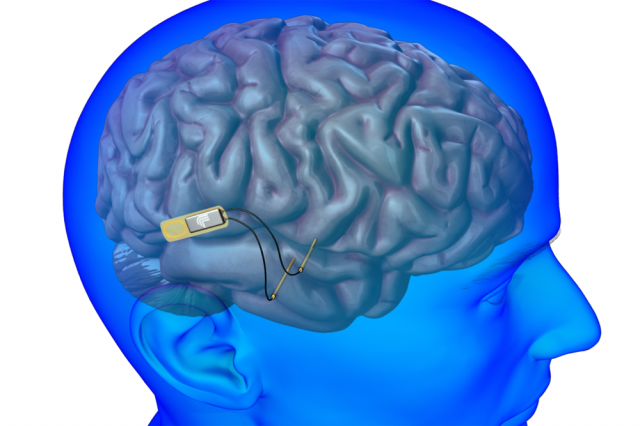
Biology meets Technology: E. coli can be used to Make Flexible Bendable Plastic

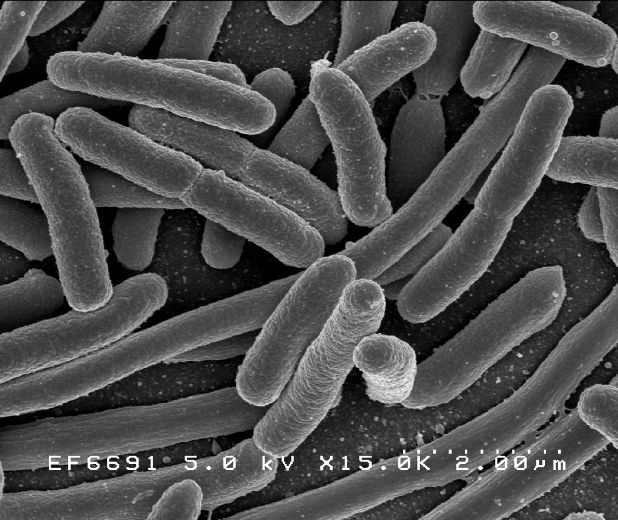
While on space trips, the crew has to make use of whatever limited resources and tools they have on board to pull through. But the International Space Station is always on the lookout for a better method to create plastic and a team of researchers from Brown and Stanford Universities, under direction from the NASA Ames Research Center have come up with a new technique involving genetically engineered E. coli to make flat, space-efficient sheets of plastic that can be folded into tools.
plastic-4

For selection of the best suited plastic, plastic food utensils were heated under heat lamps and after testing their chemical makeup, polystyrene emerged victorious in terms of folding, and the polymer P(3HB) was desirable because it is biodegradable. After the E. coli was successfully engineered, to produce the required enzymes and proteins for making the plastic sheets, they came up with two different ways to fold it.

One way was to draw in draw lines in a spot, and as black absorbs heat more quickly, when the plastic was put under infrared light, that area ended up melting more quickly. Bacillus spores, which expand and contract in different humidity levels, were placed strategically on the parts to be folded.

Small achievements like a few simple origami tools—a box and a cup have been constructed, but this could also be used for constructing large-scale foldable structures like telescope mirrors and solar panels.

plastic-1

Further challenges that the researchers realise are the perils of releasing bacteria into the sterilised environment. They realize how necessary bacteria like E. coli will be, both for materials like these and for human health (to make our food and populate our varying microbiomes), but studies have shown that bacteria can react unpredictably in space, and an outbreak is the last thing we need.

Thus, this issue of microbial behaviour has to be looked into before real-life applications.

[adinserter block=”7″]

Author: Technology Blog
Recover Your Lost Memories: DARPA Says It’s Possible

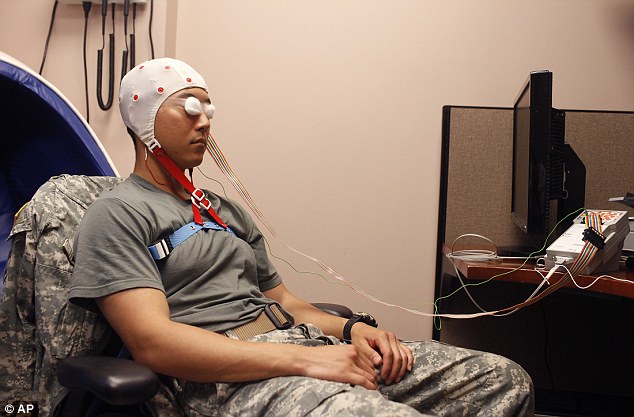
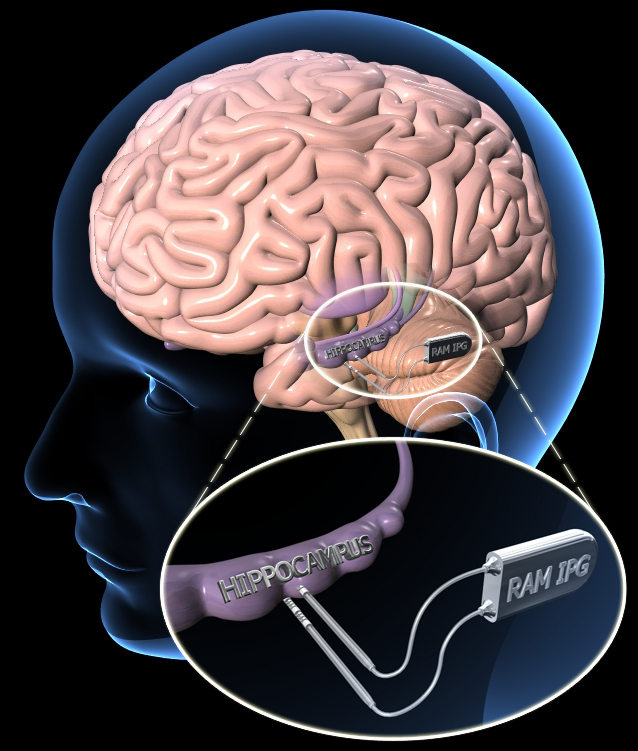
Government’s new Restoring Active Memory (RAM) project, headed by DARPA aims to creating an implantable neural-interface designed to bring back lost memories in individuals who have suffered from traumatic brain injuries (TBI).

darpa-3

As stated by DARPA in its recent press release, traumatic brain injuries (TBI) affect roughly 1.7 million civilians each year and an astounding 270,000 military servicemembers since 2000. TBI obstructs the individuals from remembering past events before the injury, as well as hampers the process of building new memories. With the RAM program, DARPA intends to expedite the process of developing tech designed to bridge the gaps created in injured brains.

This project is part of Obama’s broader BRAIN Initiative, and plans to progress in two major steps: first, by creating a multi-scale computational model that describes how neurons code memories, and second, by creating a neural-interface armed with the ability to bridge memory flow gaps created in the brain after a traumatic injury.

The implant would specifically work by stimulating the part of the brain responsible for memory control. The studies and trials plan to be run of human volunteers and animals. Volunteers suffering from TBI or other neurological conditions, scheduled for neurosurgery will be targeted. DARPA has already consulted Ethical, Legal, and Social Implications panel for supplemental information about human and animal behaviour in such trials.

“As the technology of these fully implantable devices improves, and as we learn more about how to stimulate the brain ever more precisely to achieve the most therapeutic effects, I believe we are going to gain a critical capacity to help our wounded warriors and others who today suffer from intractable neurological problems” DARPA’s biological technologies program manager Justin Sanchez tells Popular Science.

darpa-1

These trials have begun since September but no official statement or reports have been released. Further progress would lead to this project being extended to affected individuals outside the military.

[adinserter block=”7″]

Author: Technology Blog
Verified by ExactMetrics