Recover Your Lost Memories: DARPA Says It’s Possible

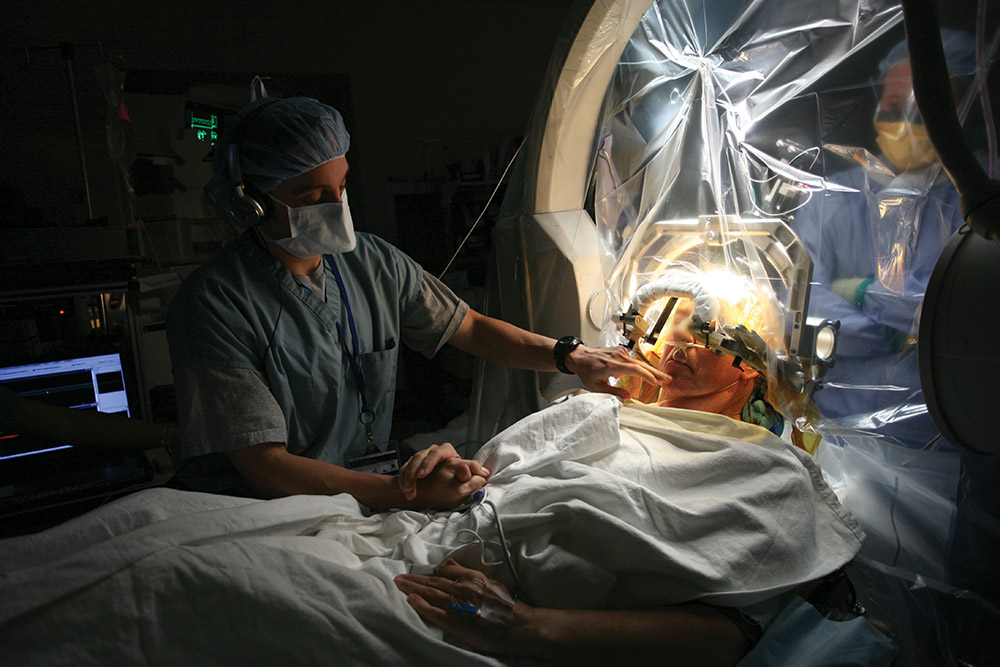
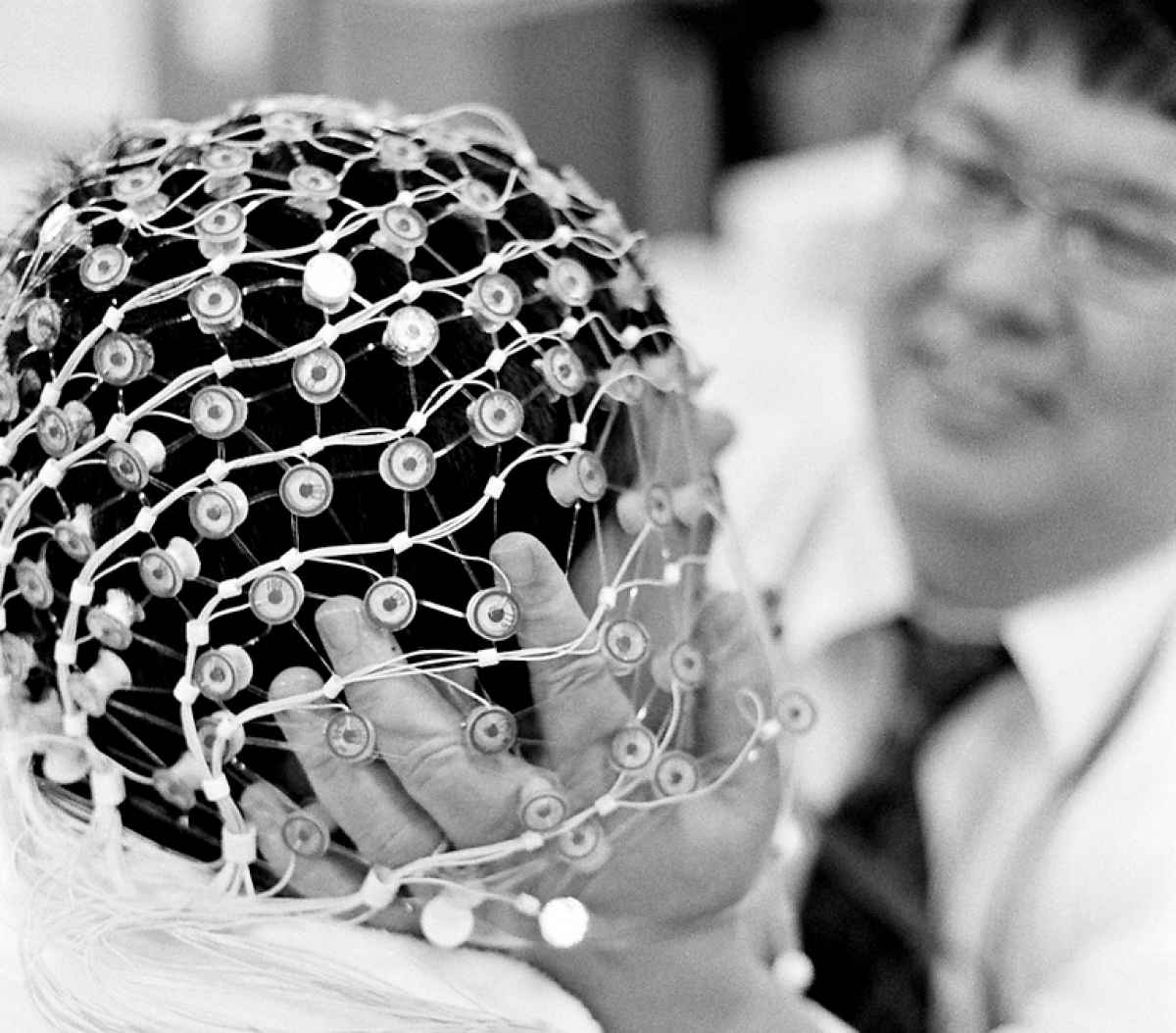
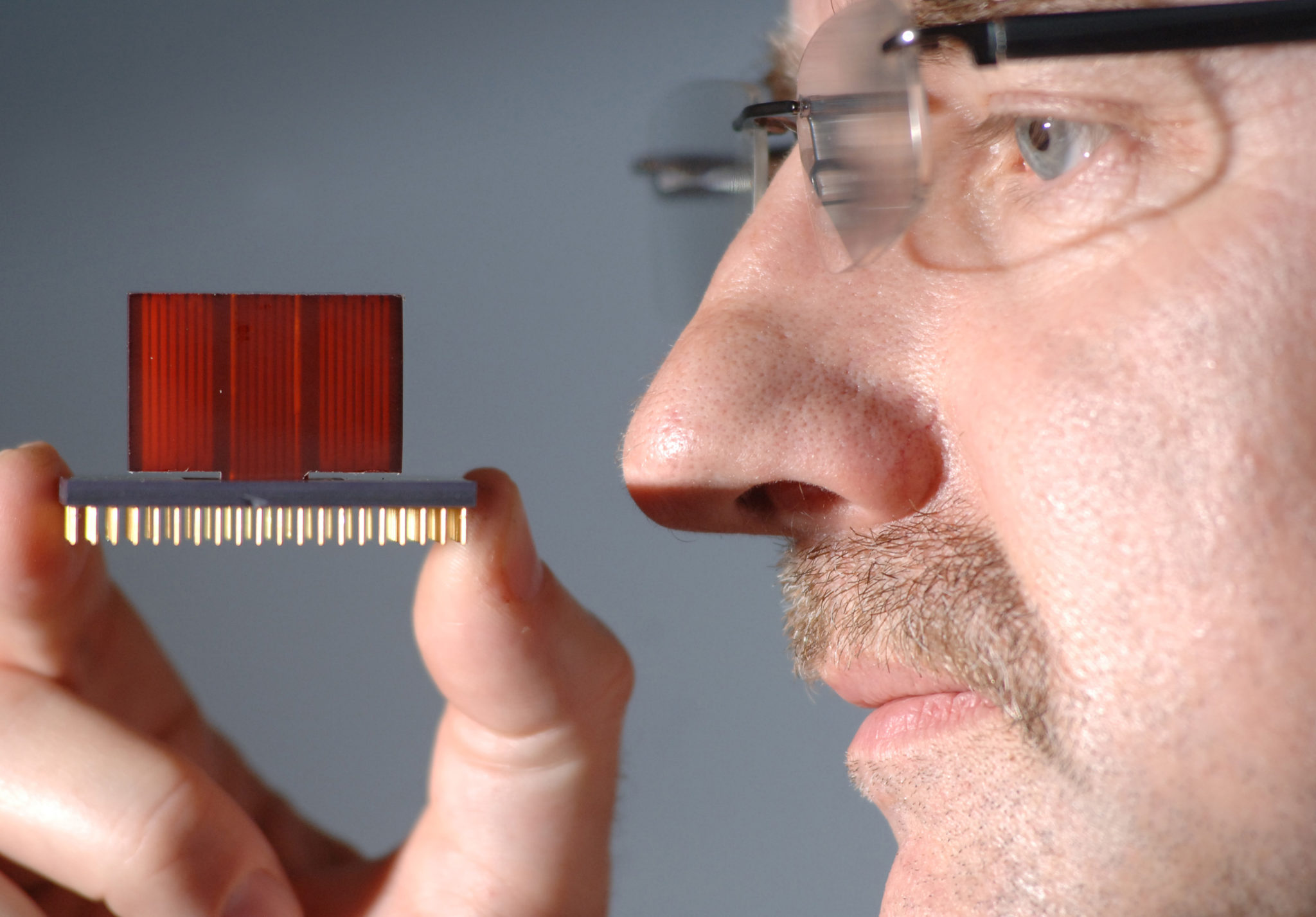
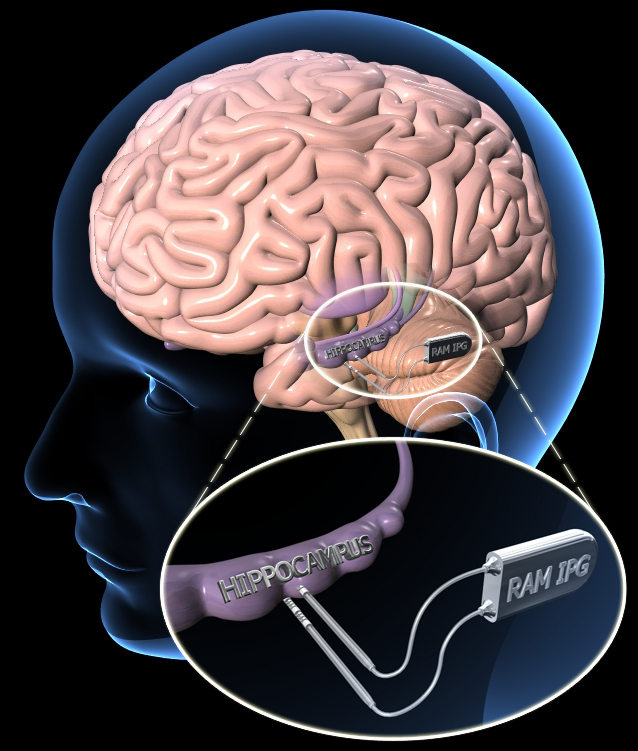
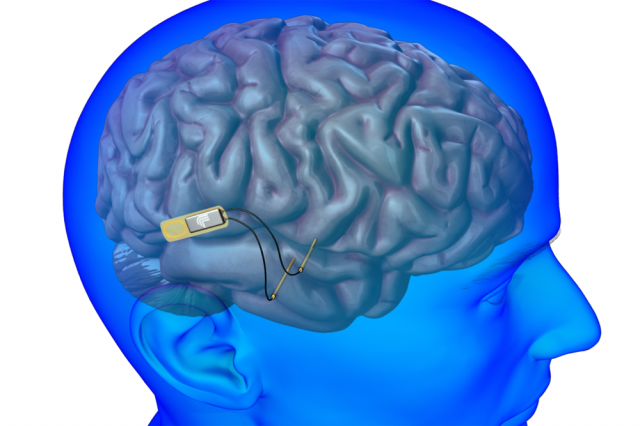
Government’s new Restoring Active Memory (RAM) project, headed by DARPA aims to creating an implantable neural-interface designed to bring back lost memories in individuals who have suffered from traumatic brain injuries (TBI).
darpa-3

As stated by DARPA in its recent press release, traumatic brain injuries (TBI) affect roughly 1.7 million civilians each year and an astounding 270,000 military servicemembers since 2000. TBI obstructs the individuals from remembering past events before the injury, as well as hampers the process of building new memories. With the RAM program, DARPA intends to expedite the process of developing tech designed to bridge the gaps created in injured brains.

This project is part of Obama’s broader BRAIN Initiative, and plans to progress in two major steps: first, by creating a multi-scale computational model that describes how neurons code memories, and second, by creating a neural-interface armed with the ability to bridge memory flow gaps created in the brain after a traumatic injury.

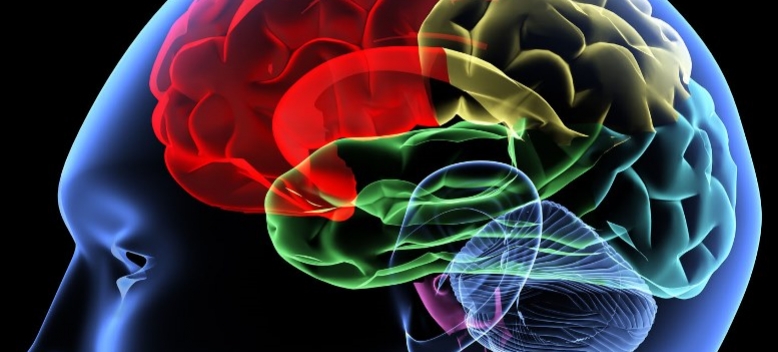
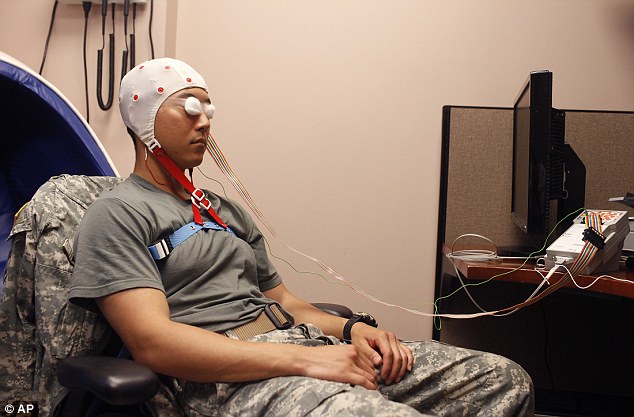
The implant would specifically work by stimulating the part of the brain responsible for memory control. The studies and trials plan to be run of human volunteers and animals. Volunteers suffering from TBI or other neurological conditions, scheduled for neurosurgery will be targeted. DARPA has already consulted Ethical, Legal, and Social Implications panel for supplemental information about human and animal behaviour in such trials.

“As the technology of these fully implantable devices improves, and as we learn more about how to stimulate the brain ever more precisely to achieve the most therapeutic effects, I believe we are going to gain a critical capacity to help our wounded warriors and others who today suffer from intractable neurological problems” DARPA’s biological technologies program manager Justin Sanchez tells Popular Science.
darpa-1

These trials have begun since September but no official statement or reports have been released. Further progress would lead to this project being extended to affected individuals outside the military.

[adinserter block=”7″]

Author: Technology Blog
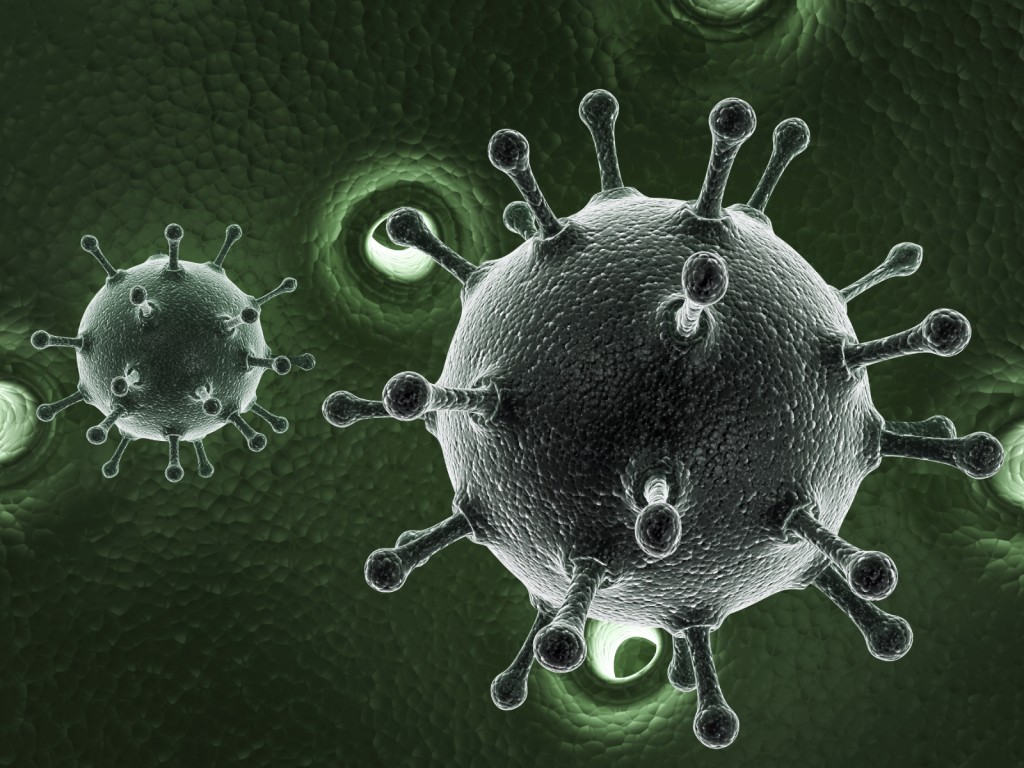
One-Step Diagnosis of Hepatitis C Virus Could Save Millions

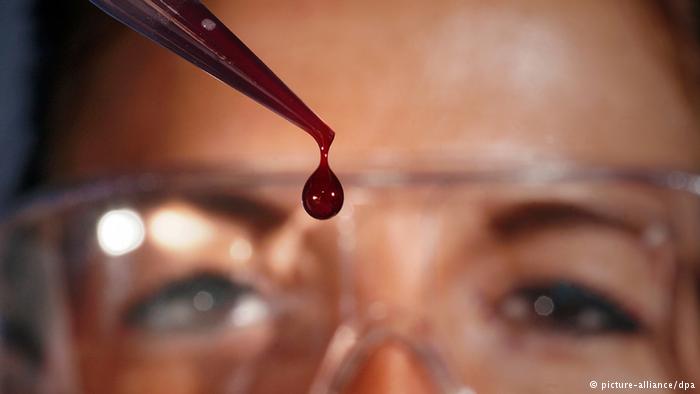
Researchers have created a one-step diagnosis of Hepatitis C virus involving just the subject’s urine sample. Precious diagnostic methods could involve a blood test and two separate labs for the subsequent test. This new technique would increase awareness and successful detection of this virus at early stages.

HCV-4

According to the World Health Organization, somewhere between 130 and 150 million people around the globe suffer from chronic hepatitis C infection. As the virus is usually asymptomatic it can go undetected in its early stages, giving rise to complications such as liver damage and cirrhosis. The previous detection method first checked the blood sample for signs of an immune response to the virus, specifically anti-hepatitis C antibodies. Confirmation and presence of these antibodies isn’t enough to be sure as those affected before, will have killed off the viruses but would still test positive.

The second stage of the diagnosis would entail a nucleic acid test for the hepatitis C virus, is needed to ascertain whether the infection is still active. With the cost of US$200 for this stage alone, most countries can’t afford this test. The new technique by researchers at the University of California Irvine’s School of Medicine is a one-step approach that allows the virus’ antigens to be detected in a urine sample instead.

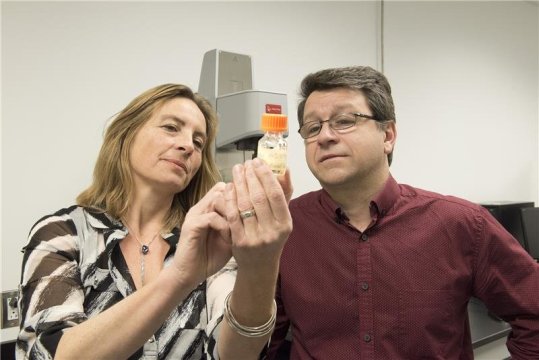
“Our novel HCV (hepatitis C virus) antigen test system has significantly improved sensitivity and specificity over current tests,” says Dr Ke-Qin Hu, professor of gastroenterology and hepatology at University of California Irvine School of Medicine. “Importantly, for the first time, we can use urine specimens for one-step screening and diagnosing of HCV infection.”

Detection of Hepatitis C virus (HCV) by using test cassette, the result showed positive (double red band)

“The ability to detect infection using urine rather than blood avoids needlestick and blood sample collection, greatly reduces the cost and necessary clinical infrastructure for screening and diagnosis, helping to promote widespread adoption of the test on a global scale,” Hu says.

[adinserter block=”7″]

Author: Technology Blog
Audi to Soon Release Self Parking Cars in Boston

Audi is working to create self parking cars that are estimated to be released in the next 2-3 years. They have also teamed up with Somerville, Massachusetts to create an infrastructure to support these self parking cars in the future. Such cars would allow narrower and re-purposed roads. 20% of the roads could be reallocated to other vehicles, such as bicycles and for pedestrians’ use.

audi-1

The collaboration with Somerville would bring about an online traffic information app, that could help Audi cars regulate and weave through the traffic by adjusting their pace to the signal pattern of lights. The car will be able to calculate how fast you should go to hit the next green. Audi estimates this could improve traffic flow anywhere from 20-50%.

The new infrastructure to accommodate both human and self parked cars is being constructed in the up-and-coming neighborhood Assembly Row of Somerville. The release being a few years away, certain laws and regulations would also have to be improvised to welcome these cars out on the streets.

[adinserter block=”7″]

Mixed parking structures could immediately reduce the footprint of a parking spot by 26%. Audi estimates structures built solely for self-parking cars could take up to 60% less space by 2030, compared to those constructed today. The spaces being smaller, and the need for elevators and stairs being eliminated due to zero human involvement in the parking process.

The overall use and number of cars out the street would be reduced by a more radical approach Audi has announced. They have imagined a model where the mornings and evenings are reserved for the office goers and commuters could use the cars, and businesses could utilize them during the day. This would decrease the quantity of car in general, but increase the usage of those few cars.

Audi Park Assist

Audi plans to release a “Audi Shared Fleet” for the neighborhood, similar to the recently announced Audi at home program currently offered in two communities in San Francisco and Miami. In that program, residents have a fleet of Audis they can reserve with a quick visit to a mobile website. Audi sees such a program working for more than just condo communities, but neighborhood-wide communities as well.

Author: Technology Blog
Gecko feet inspire the new age strapless brassier

Who would have thought that a little gecko planting its little feet firmly on slippery and shiny surfaces would inspire someone to design apparel that would try to end some of the woes of the women around the world? Wearing an off shoulder dress always excites a woman as she feels more feminine and elegant. Who doesn’t like flaunting those well built shoulders? But along with this comes the problem of wearing a strapless brassier.

gecko-1

The first thing that comes to mind when one is wearing a strapless brassier is the problem of constantly pulling it up to keep it at the right place. When same problem was experienced by Kellie-the girlfriend of Anthony Roy, a robotics engineer with a PhD form Caltech, he decided to do something about it. He decided to design a better bra for Kellie, drawing on his engineering and robotics background.

There has been a lot of scientific research about gecko feet to find out how the creature can adhere to almost any surface making them excellent climbers. In 2000, University of California, Berkeley, physicist Robert Full realized that this strong adhesion came about because of Van der Waals forces between molecules.  These forces don’t count much at larger dimensions but these become quite significant at very small micro- and nano-scales.  Gecko’s feet have billions of tiny hair-like structures on the bottom of their feet. These foot hairs are small enough to feel those Van der Waals forces.

gecko-2

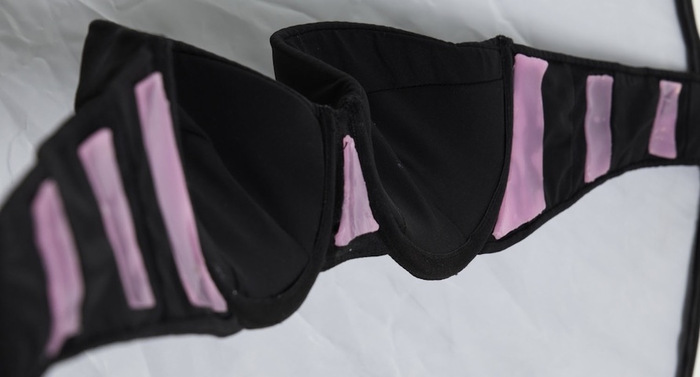
Anthony Roy, based on this concept, developed a small patch that sticks to the skin via the same physical mechanism of gecko feet. He named it as ‘GeckTech’. GeckTech is basically a bio-compatible, silicone-based material that achieves superior frictional adhesion. The material is designed in such a way that it makes intimate contact with even the most sensitive of skins without causing any kind of irritation or rashes.

[adinserter block=”7″]

Because of this close contact, an intermolecular attraction known as Van der Waals forces is created which ultimately keeps the lining stuck to the skin in a comfortable way. These patches form the lining of two different strapless bra designs offered by Kellie K Apparel: the Alice and the Ava, available in black, beige and white.

gecko-4

The first prototype of this brassier had appeared a couple of years ago and now based on customer’s feedback, Roy has redesigned and refined the brassier. Presently he is busy raising funds for the Phase 2 of this project. Look Gecko! People can actually make money using your sticky feet idea! J

Author: Technology Blog

Nano particle spray results in healthier and more nutritious tomatoes

In the next century change is bound to happen and that change is going to change everything which includes agriculture and farming too. The future will have more cities and less farmland with an even more demand for food. Also, climate change will cause water supply to limit. All these things would require us to find new ways to make food available to all and that too without compromising on the quality.

tomato-1

Considering all these things, researchers from Washington University in St Louis have developed a method to boost the nutritional value of tomatoes using nano particles. Taking inspiration from solar cell technology, the research team lead by Ramesh Raliya and Pratim Biswas of WUSTL’s School of Engineering & Applied Science, used zinc oxide and titanium oxide to help the tomato absorb more sunlight and better utilize minerals in the ground. They applied the titanium and zinc nano particles on and around the plants at a concentration that is lower than most commercial fertilizers and at a level that is considered safe by the USDA.

Biswas explained: “When a plant grows, it signals the soil that it needs nutrients. The nutrient it needs is not in a form that the plant can take right away, so it secretes enzymes, which react with the soil and trigger bacterial microbes to turn the nutrients into a form that the plant can use. We’re trying to aid this pathway by adding nanoparticles.”

[adinserter block=”7″]

In the experiment, the titanium oxide increased the chlorophyll content of the leaves hence served to boost photosynthesis while the zinc aided in the function of the enzymes in the plant. A fine spray of zinc oxide and titanium oxide on the leaves of the plant dramatically increased the nutrient uptake of the plant. These additions bore positive results as they increased the overall quality of the harvested fruit. The tomato plants treated with the nanoparticles produced 82 percent more fruit by weight than their untreated counterparts. The treated tomatoes also showed a significant increase of up to 113 percent in the level of lycopene, which is an antioxidant that gives the tomato its red colour.

tomato-3

Moving their research further, the research team plans to enhance tomato growth by adding a cocktail of all the 17 elements that a plant need to grow. And if it succeeds, it will be a super positive thing as our farmers would be able to produce more food of better quality, making use of the limited water supply that would hit us in the future.

Author: Technology Blog

This intelligent gel targets cancer at the source

Do you know what immunotherapy is? It is a technique in which a body’s naturally produced T cells are enlisted to fight off cancer. This is a good technique but has one limitation and that is these cells generally lack the firepower to do the job on their own. As a result they need to be modified and reintroduced to the bloodstream to create a real impact. But it seems researchers have stumbled upon a way to rectify this problem. They have discovered a T-cell loaded biogel that can be injected directly into the tumour for a more targeted approach.

gel-4

This breakthrough came with the development of this biogel developed by scientists at the University of Montreal Hospital Research Centre which remains a liquid while at room temperature. It is made from a biodegradable material derived from the shells of crustaceans and is loaded with a few dozen million T cells rather than the billions needed for Adoptive Cell Therapy.

Adoptive Cell Therapy or ACT involves training the body’s T cells to take the fight to cancerous cells. The current process is an involved process that requires the cells to be collected from the blood and genetically engineered to produce special receptors on their surface, which in turn enables them to recognize particular proteins on the tumour cells. These cells are then cultivated in the laboratory till the population reaches into billions. These cells are then injected back into the bloodstream of the patient. Inside the body, these cells continue to multiply and attack the cancer cells guided by the direction of their new engineered receptor.

[adinserter block=”7″]

As compared to ACT, when the biogel is injected either directly into the tumour or alongside it, it quickly takes the shape of a resistant, cohesive structure which then acts as an on-site breeding ground for cancer-killing T cells behaving like “a cellular reservoir.”

gel-1

Réjean Lapointe, co-author of the study says, “The T lymphocytes in the gel are functional and can grow for two to three weeks, be released from the gel, and kill the cancerous cells.” In addition to this, the new approach also helps avoid one of the side effects of ACT. A hormone called interleukin-2 is added to the T cells during the engineering to boost their effectiveness, but in high doses it can have a toxic effect. By significantly cutting the quantity of T cells required to neutralize a tumour, the approach can avert the dangers posed by flushing these toxins through bloodstream.

As of now, the gel has only been lab tested working on melanoma and kidney cancer models. The researchers now want to proceed to animals and humans hoping that the success of this technique may open new doors in cancer treatments.

Author: Technology Blog

Want to eat low-calorie noodles derived from trees?

Obesity has become a kind of epidemic. It surely is a lifestyle disease and only things that can fight it are exercise and proper diet. A 99 year-old cloth making company in Japan has come up with an unusual idea in this regard. Osaka based Omikenshi Co. is utilizing the technology used for creating textiles in making food. Specifically, it morphs tree wood pulp into edible noodles that are incredibly low on fat, carbohydrates, and calories, and is devoid of gluten, too. So while wheat contains 1669 calories per pound, this tree noodle has just 27.

noodles-2

What is the process involved? In order to manufacture the special noodle flour, christened as ‘cell eat’ by the company, it uses a manufacturing process that’s similar to making rayon (Rayon is a cellulose fibre made from tree pulp and is also the speciality of this company in making all kinds of fabric). But it combines ‘konjac’ (a sweet potato-like veggie in Asia) with the cellulose from the wood pulp. The result is a super healthy noodle that the company also says improves the flavor and texture of the konjac.

Omikenshi hopes that these noodles could be a substitute for food like ramen and pasta and can be shipped to countries like China struggling with obesity.

[adinserter block=”7″]

There is one more reason, the greater cause for which the company is manufacturing this product. Konjac is “Japan’s most protected agricultural product” and the Japanese government apparently slaps a staggering 990% tariff on imported konjac in order to safeguard Japanese farmers’ livelihoods. So, this new noodle could improve the economy and incentivize local farmers to work with the company.

noodles-1

According to reports, Omikenshi will be opening a factory with a capacity of production of 30 tons of cell-eat. The company will spend nearly a billion yen on this factory.

Author: Technology Blog

SolePower: Energy produced step by step, literally!

“Hey, I walked for two hours and got a 60 minutes juice for my phone.” “Oh, I trekked the whole day and powered my laptop.” Boastful conversations? Well they aren’t if you know about SolePower. Saving the earth just by walking on it is the idea behind SolePower.

sole-1

It is basically a device which is an insole for shoes that convert the kinetic energy of a person’s steps into electricity. This electricity can be stored in a battery and used to power mobile devices. Every time the heel of the wearer hits the ground, the pressure turns a tiny generator in the insole which sends energy to a battery attached to the shoelaces. An hour long of walking can give you enough juice for 30 minutes of phone conversation.

The concept is also working towards greater good as the company’s founder Matt Stanton believes and hopes that it could also make a difference to the world, if people start making their own energy to power their phones. In the larger picture and distant future SolePower powered homes may also become a reality. The concept surely is a green one as apart from producing energy using steps it will cause decrease in burning fossil fuels (however small it may be it still adds to the bigger picture)

Apart from making insoles, SolePower is also in the process of developing sandals with the same technology that can be used in developing countries where the power infrastructure is erratic. The difference would be that in place of insoles and a battery pack, the device to generate power will be built into the sandal itself. After a long walk, the wearer can plug their phone directly to the sandal and charge it. At present the sandal is at its prototype stage and will hit the shelves once insole makes its appearance in the markets.

It is to be noted that SolePower was one of Popular Science’s Invention Award winners in 2014. The expected price of two insoles and power packs is $199.99, and the company is inviting names for the waiting list of the product.

width="560" height="314" allowfullscreen="allowfullscreen">

As a technology lover you may like our daily important technology news series. It’s a playlist and you can retrieve the total day-wise videos. Please consider subscribing our YouTube channel:

Author: Technology and Beyond

How to select the right TV & Internet service ?

TV and Internet service can be very expensive these days if you are using the wrong provider. However, there are many ways that the average person can save money on these services. Being educated when it comes these services can be the difference between you saving or wasting hundreds of dollars every year. Do not simply accept it if you think that you are paying far too much for your TV or Internet service. You need to take action and do something about it. Here are a few very effective ways for you to reduce the money you spend on TV and the Internet.

varizon-3

1. Bundling

You may have heard about bundling before. However, you may have never cared enough to investigate it and find out what it was all about. Bundling has become one of the most popular ways for people to save money on multiple services. There are companies that will offer substantial discounts to customers who agree to bundle their TV, Internet and phone services together. You could also choose to bundle two of these three services. Bundling first became popular in the travel industry. Travel companies would offer discounts to people if they bundled their hotel, airfare and rental car together. TV and Internet companies quickly copied this strategy and have reaped the rewards.

varizon-2

2. Introductory offers

TV and Internet providers are always trying to attract new customers. However, it is a very competitive world out there. Many companies are competing for the same customers. What can they do to set themselves apart from the competition? Introductory offers are common in a wide variety of industries. Basically, a provider will offer new customers a much lower rate that what their current customers are paying. In most cases, the rate will go back to normal after several months. However, there are other introductory offers that last much longer. Read the agreement very carefully and find introductory offers that last a long time so you can maximize your savings. Verizon Fios is a great service for people who want fast Internet and an amazing TV picture. Go to http://www.verizonfiosdeals.com/ny/albany.html to learn more.

varizon-1

3. Contracts

Signing a contract is often not a bad thing when it cones to TV and Internet service. Some providers want to lock you in to their service for one or two years. However, there is a large benefit to you because your rate will also be locked in. This means it can never be raised while you are under contract.

Author: Technology Vista

Can Temperature Elevation of the Planet and CO2 Absorption be correlated?

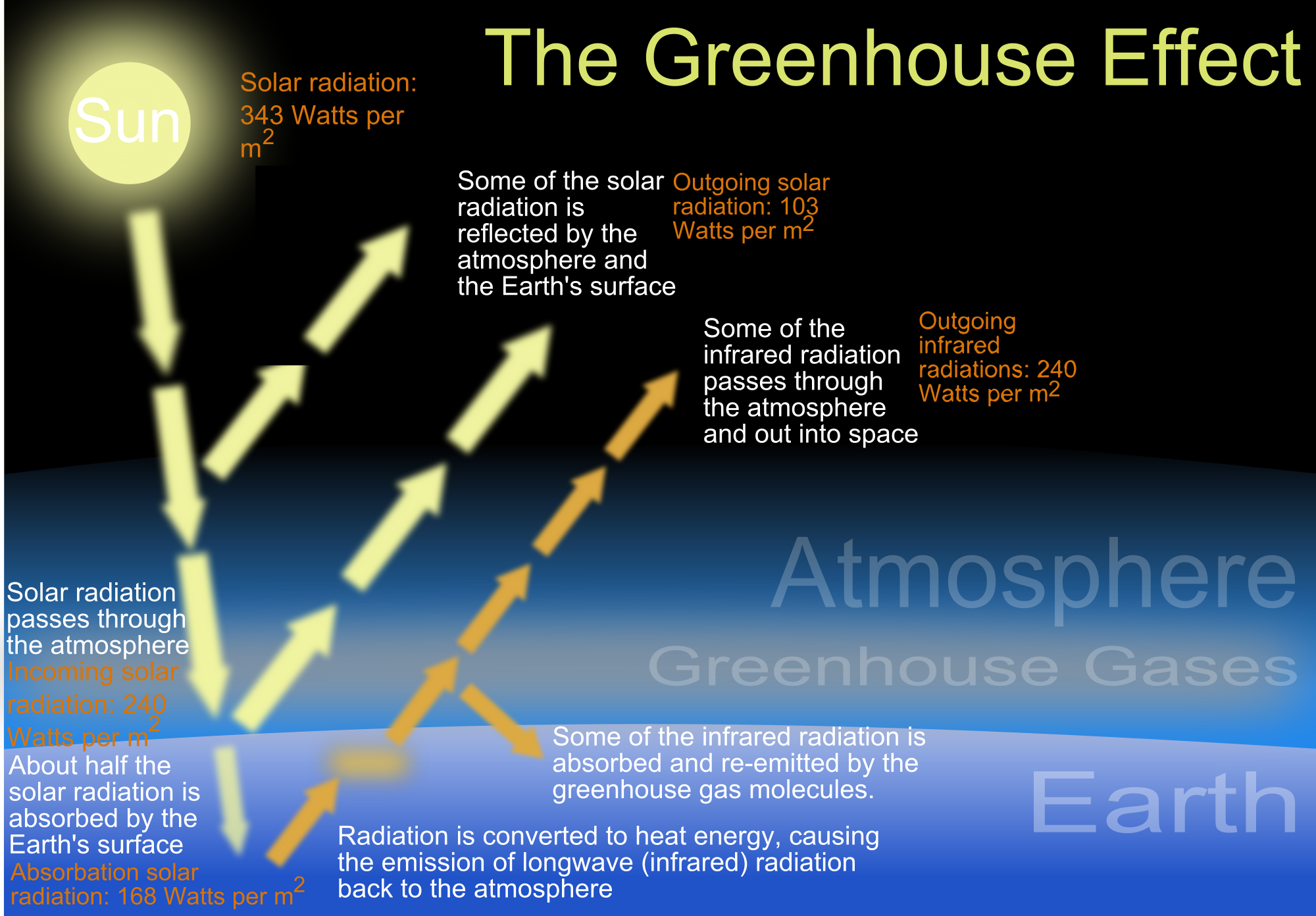
With the rising carbon dioxide levels on Earth, we should be thankful for the remaining trees and oceans for saving us from early perishment. Our atmosphere’s carbon dioxide levels are through the roof — it’s the highest it’s ever been at 400 parts per million within the past 400,000 years. The aquatic life, the plants, all the tiny shrubs and water bodies together eat up 50 percent of our carbon emissions.

co2-3NASA has since launched a multi-year project that sets to determine the process of absorption of CO2 by the earth, and the underlying correlation between the rising temperature and absorption rate, if any.

“The land and the ocean are really doing us a big favor,” NASA Goddard atmospheric scientist Lesley Ott said. “Otherwise, you would have carbon building up in the atmosphere twice as fast as it does now.” Thus, we need to find out what helps with the absorption of carbon emissions and conserve that so our climate remains safe to live in. Well, as safe as possible.

[adinserter block=”7″]

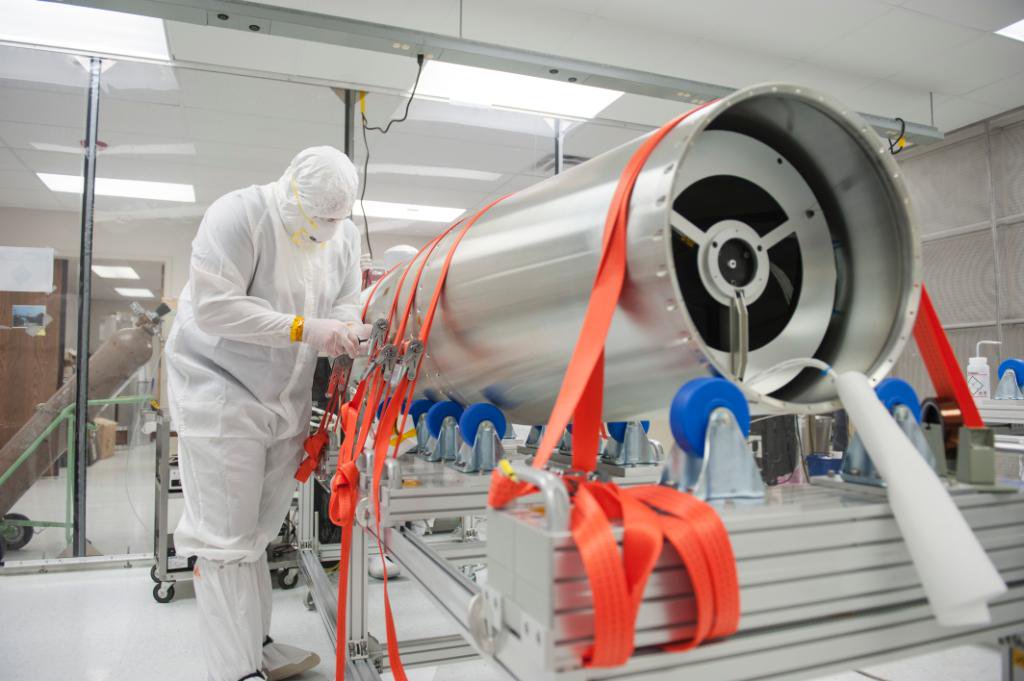
The space agency is to fly satellites to the ISS and collect data from space. The Orbiting Carbon Observatory-2 satellite from last year is already on the process to monitoring carbon dioxide distribution across the globe. Other aircrafts are planned to be flown over different parts of the earth, such as coral reefs, as super-high-resolution computer models are put to use.

co2-1

Other such projects include, the agency’s North Atlantic Aerosols and Marine Ecosystems Study (NAAMES) which sent ships and aircraft to the North Atlantic to observe the largest phytoplankton bloom, microorganisms that are directly influenced by the climate. Also, NASA’s Arctic Boreal Vulnerability Experiment plans to start its decade long study by fall next year, on how hotter temperatures in Alaska and Canada are affecting its carbon stores.

Author: Technology Blog

Cheap Efficient Vaccine to Keep Cholesterol in Check

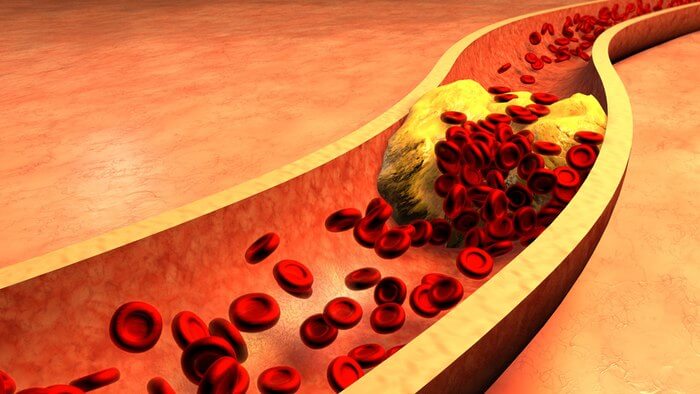
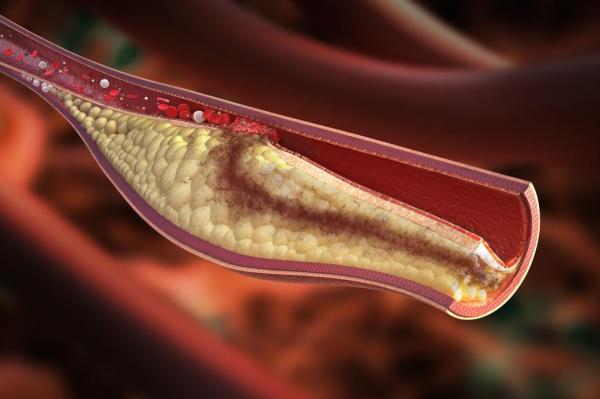
Our body needs cholesterol in moderation, as it help in the formation of Vitamin D, hormones and other molecules that help in food digestion. But when it gets out of hand, it can prove to be life threatening. A protein called PCSK9 is responsible for regulating the levels of cholesterol in our body, too much and our arteries would be clogged up and our blood pressures would run high.

LDL-2

Until now the precautionary measures included the use of a certain class of drugs called statins, other than the usual diet check and exercise. Statins are effective, but it is their side effects which make it a not so safe choice for the patients, which include- which includes muscle pain, heightened diabetes risk and even cognitive loss. Which brings us to new, better drugs that pharmaceuticals managed to create, but cost way more than would be affordable for most. With an annual price tag of US$10,000 a year, a new solution was needed.

[adinserter block=”7″]

Here we come in with a vaccine by Researchers at the University of New Mexico (UNM) and the National Institute of Health that targets the protein PCSK9. The vaccine contains antigenic PCSK9 peptide in a virus-like particle, making it even more effective and cheaper than the alternatives available. In testing the vaccine on mice and monkeys, the scientists found it led to significant reduction in total cholesterol, free cholesterol, phospholipids, and triglycerides. Further tests on monkeys and a patent is pending.

LDL-4

“We believe that this vaccine could lead to a widely applicable approach for controlling hypercholesteremia and cardiovascular disease,” says Bryce Chackerian, professor in the Department of Molecular Genetics & Microbiology at UNM.

Author: Technology Blog

A new submarine hunting drone by DARPA in the pipeline!

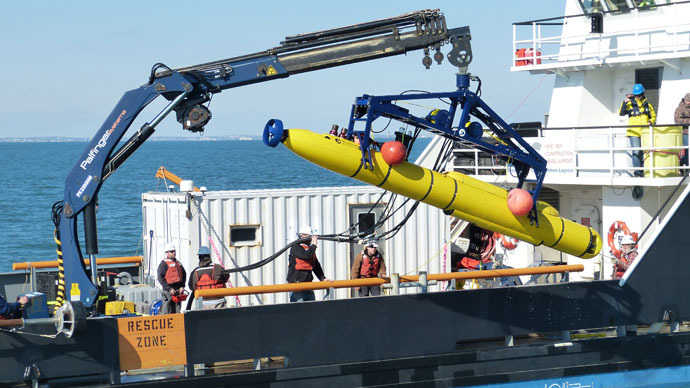
Wars and warships are getting smarter and more technical by each passing day. The one who can keep a step ahead of the other will be better poised to win. DARPA (Defence Advanced Research Projects Agency) keeps working on new technologies to better its defence systems in order to gain an edge in case of a war. Continuing with the same zest DARPA is just a few steps short in completing a 140-tonne 132-feet long unmanned surface drone capable of hunting submarines in the open ocean.

drone-4

This drone has been christened as the Anti-Submarine Warfare Continuous Trail Unmanned Vessel (ACTUV for short). A huge advantage of using this drone would come in terms of money as according to DARPA estimates the vessel would cost drastically less than that of a typical naval destroyer, operating on roughly $15k to $20k per day as compared to around $700k per day for a traditional warship.

The ACTUV will be used to robustly track quiet diesel electric submarines. Apart from this, it has three primary goals. First, the agency wants to test the efficiency and effectiveness of of using an autonomous vessel in the field with a hope that not even a single human being is required to man the vessel. Secondly, DARPA looks to display the range the ACTUV is capable of covering on missions while remaining autonomously compliant with maritime laws. And finally, it hopes to demonstrate the drone’s unique ability to track and follow even the quietest of submarines over long distances.

[adinserter block=”7″]

Amongst the quality features of the drone, its ability to carry a larger payload than conventional ship-launched surface vehicles stands out. The drone also has the capacity to operate entirely on its own, launching and returning to a pier without any kind of human intervention. This is an important feature as it makes the requirement of companion ship an obsolete thing saving more money and time. In addition to all these, ACTUV has a really adaptable technology so it can be put to various different applications in other sectors of America’s armed forces like detecting mines.

drone-2

DARPA’s Tactical Technology Office program manager Scott Littlefield informs that, roughly 90 percent of the vessel’s hardware construction is finished, leaving just the ship’s software system left to complete. The command-and-control navigation system of the drone was regularly tested during the course of manufacture against the compliance requirements of International Regulations for Preventing Collisions at Sea. Further testing of the ACTUV will continue for approximately 2 years at San Diego’s Point Loma, and after all the software bugs have been dealt with, the drone will be ready for its maiden voyage though Littlefield acknowledges that the hardest part of this project was manufacturing a drone which was about as reliable as a vessel operated by experienced mariners.

Author: Technology Blog

Brain stimulation may help you fight obesity

You have eaten a whole sumptuous meal and then a few minutes later someone offers you a slice of pizza loaded with that dripping super delicious cheese. Poor you… how can you say no to something as appealing as this? Well can you? Yes you can. Actually, it all starts from your brain. Everything from appetite and cravings to self-control is funneled through the brain, even if the signals are coming from the brain. Prefrontal cortex is the part of our brain which is responsible for behavioral planning and making decisions. Studies point out that obese people have less activity in a particular region of this prefrontal cortex, as compared to lean people.

brain-2

According to a recent study published in the journal Obesity doctors may be able to stimulate the brain so that patients can lose weight. The researchers had a belief that if they could stimulate the brains of obese patients, there is a possibility that they could lose weight. As a part of study, nine obese subjects stayed at the facility chosen by these researchers for two eight-day stints. On the first visit, patients were all given sham transcranial direct current stimulation (tDCS )- a method in which low-amplitude current is sent to the brain through electrodes stuck to the scalp.

[adinserter block=”7″]

This is done by hooking up the patients to the machine without giving out electricity. In the last three days of the second visit, five patients were given active tDCS, and the other four were again given sham tDCS. After these variable stimulation tests, all patients were allowed to go to the vending machine and pick whatever food or drink they wanted. The researchers found that the patients who had received active tDCS consumed an average of 700 fewer calories than they had during their first hospital stay, and lost an average of 0.8 pounds.

brain-3

These results have pointed a finger in the direction of helping obese people lose weight with the help of tDCS. Undoubtedly, the sample size was really small in this study but every success story may help in finding out a solution to this staggering problem as according to reports, the US is spending billions of dollars per year on treating obese patients. Moving ahead in this direction, researchers now plan to directly compare patients who receive tDCS and those who don’t in order to better understand the safety and effectiveness of this treatment. We, well we just hope something good comes off it!

Author: Technology Blog

Smell the ripe foods with this ‘artificial nose’

Wasted food is a global problem and we are to blame in many of the cases but sometimes we just can’t help it as we do not have the skill to detect when a food item may go bad. We do try to shop in a wise manner so that the food we select doesn’t go bad before we use it but sometimes…. we just can’t be sure enough! To save us from such a situation and to save food from being wasted a new technology has come into the knowledge of the techie community.

Nose-1

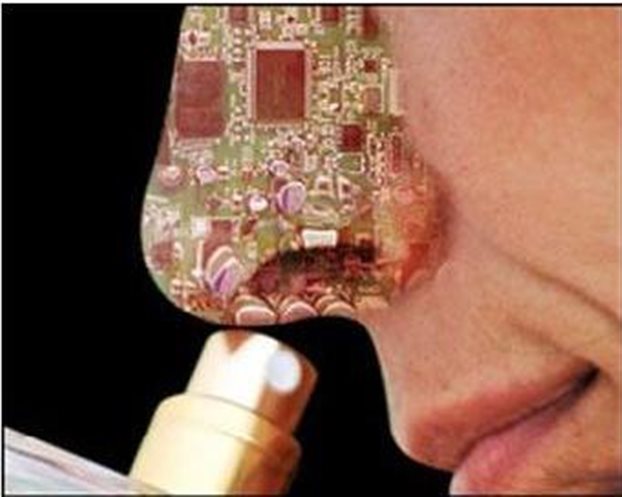
An ‘artificial nose’ technology is under development which would allow the users to detect the effects of ripening produce. Basically, this technology allows sensors to detect ethylene which is an odorous gas released by ripe foods. The more ethylene a food gives off, the more quickly it ripens, which means that the process from ripe to spoil is expedited exponentially.

C2Sense is the start-up behind this ‘artificial nose’ sensor. In this sensor, a chemical reaction takes place within an electric circuit. As the ethylene molecules increase in number in a food (because of the ripening process it undergoes), the electrical current in the sensor is interrupted and the change in conductivity can be measured.

[adinserter block=”7″]

The science of this innovative technology originally came out of MIT and research conducted by chemistry PhD candidate Jan Schnorr. Schnorr and C2Sense hope to use the artificial nose technology to create sensor chips so small and affordable that they could be embedded in food packaging or built into grocery store produce bags. Hence, once the sensors are ready for mass production, it will bring in a wave of change as wholesalers will be able to stock produce packaged with C2Sense chip labels, and will be able to manage the sale of fruits and vegetables at peak ripeness. Customers will be able to scan produce labels for ripeness from a simple smart phone app. Even restaurant owners and chefs will be able to manage food storage to make the most of their kitchen resources before food goes bad.

Nose-5

Research in the direction of further application of this technology is also undergoing. For example, detecting gases other than ethylene, including ammonia and the amines released by meat products. C2Sense hopes that this ethylene sensing system developed as an artificial nose technology can certainly help in curtailing global food waste that has a direct economic cost of $750 billion per year. Hope they succeed and well enough!

Author: Technology Blog

Nissan’s full display mirror to be a boon for racers

Racing is a sport that keeps you glued to your seats and that too on the edge. The adrenaline you feel while watching is actually far less than the one felt by the driver. High speed cars trying to edge past each other, navigating dangerous curves and turns and maintaining the safety of oneself and others is a lot more difficult than one can comprehend Generally it is the race cars that are considered as trendsetters when it comes to new technologies being introduced that consequently trickle down to passenger cars.

Nissan-5

But one innovation being introduced in passenger cars has caught the fancy of racing car makers. It is the Nissan’s Full Display Mirror. This technology first appeared as the ‘Smart Rearview Mirror’ concept for Nissan’s passenger cars. Using this mirror the driver was able to switch between a standard reflective mirror and a camera-based LCD with the push of a button. So if someone had cartons or crates stacked at the back of the car would have trouble with his/her straight sight line out the back. But the mirror solved this problem.

Now the same technology is being incorporated in Nissan’s latest Le Mans race car, the GT-R LM Nismo. This racing car had only side mirrors for the rearward visibility and the shape of the cockpit was such that a true rearview mirror wouldn’t have been of any use. In a sport like car-racing, even the smallest of mistakes in judgement can be fatal for the driver as well as the person who is behind him/her. Thus, Nissan called upon Gentex to develop a similar system for its racing division.

[adinserter block=”7″]

The concept is same. There is a traditional mirror which houses a hidden LCD screen. A rear mounted camera sends live video to that screen and hence drivers can have a real-time view of what’s behind them. The camera also features high-dynamic-range (HDR) capability to make sure that the image is crystal clear by allowing the image to utilize multiple exposures simultaneously.

Nissan-3

Another important advantage is that this technology saves the driver from that uncomfortable glare that comes off reflected from the mirror when one has to drive at night time and the full beam of the person driving behind you hits your eyes because of being reflected from the mirror. The LCD screen not only saves the eyes from the glare but also gives the driver the exact position of the car behind.

The mirror is a strong one considering the driving conditions faced by drivers. They drive through day, through night, in rains, in sunlight, then there are the matters of vibrations and critical speed etc. Everything was taken into account to ensure the safety and easy handling of the car and the driver. While on the road…. it is better to be safe than sorry!

width="560" height="314" allowfullscreen="allowfullscreen">

Author: Technology Blog

Verified by ExactMetrics