Gecko feet inspire the new age strapless brassier

Who would have thought that a little gecko planting its little feet firmly on slippery and shiny surfaces would inspire someone to design apparel that would try to end some of the woes of the women around the world? Wearing an off shoulder dress always excites a woman as she feels more feminine and elegant. Who doesn’t like flaunting those well built shoulders? But along with this comes the problem of wearing a strapless brassier.

gecko-1

The first thing that comes to mind when one is wearing a strapless brassier is the problem of constantly pulling it up to keep it at the right place. When same problem was experienced by Kellie-the girlfriend of Anthony Roy, a robotics engineer with a PhD form Caltech, he decided to do something about it. He decided to design a better bra for Kellie, drawing on his engineering and robotics background.

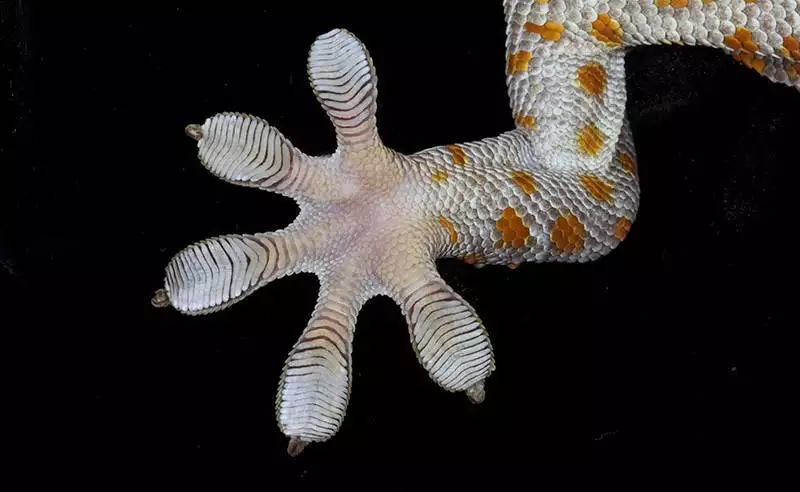
There has been a lot of scientific research about gecko feet to find out how the creature can adhere to almost any surface making them excellent climbers. In 2000, University of California, Berkeley, physicist Robert Full realized that this strong adhesion came about because of Van der Waals forces between molecules.  These forces don’t count much at larger dimensions but these become quite significant at very small micro- and nano-scales.  Gecko’s feet have billions of tiny hair-like structures on the bottom of their feet. These foot hairs are small enough to feel those Van der Waals forces.
gecko-2

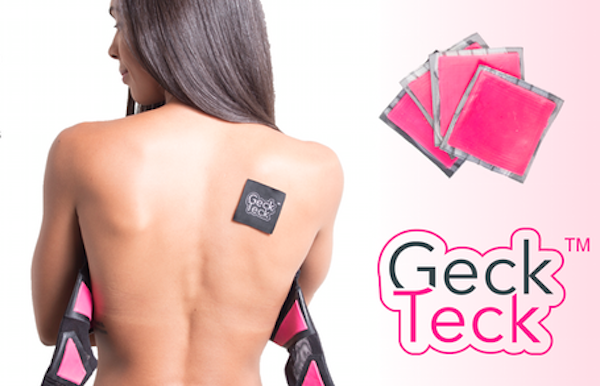
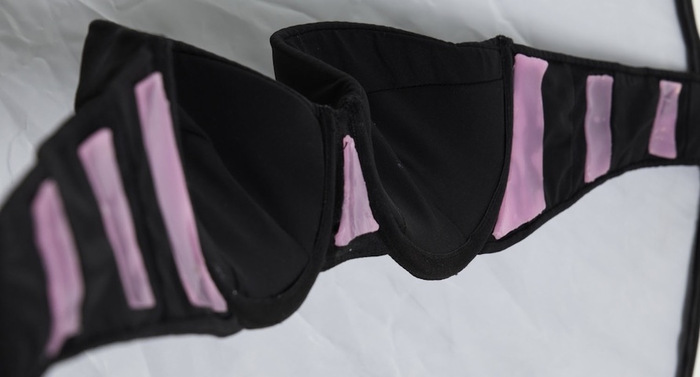
Anthony Roy, based on this concept, developed a small patch that sticks to the skin via the same physical mechanism of gecko feet. He named it as ‘GeckTech’. GeckTech is basically a bio-compatible, silicone-based material that achieves superior frictional adhesion. The material is designed in such a way that it makes intimate contact with even the most sensitive of skins without causing any kind of irritation or rashes.

[adinserter block=”7″]

Because of this close contact, an intermolecular attraction known as Van der Waals forces is created which ultimately keeps the lining stuck to the skin in a comfortable way. These patches form the lining of two different strapless bra designs offered by Kellie K Apparel: the Alice and the Ava, available in black, beige and white.
gecko-4

The first prototype of this brassier had appeared a couple of years ago and now based on customer’s feedback, Roy has redesigned and refined the brassier. Presently he is busy raising funds for the Phase 2 of this project. Look Gecko! People can actually make money using your sticky feet idea! J

Author: Technology Blog
Nano particle spray results in healthier and more nutritious tomatoes

In the next century change is bound to happen and that change is going to change everything which includes agriculture and farming too. The future will have more cities and less farmland with an even more demand for food. Also, climate change will cause water supply to limit. All these things would require us to find new ways to make food available to all and that too without compromising on the quality.

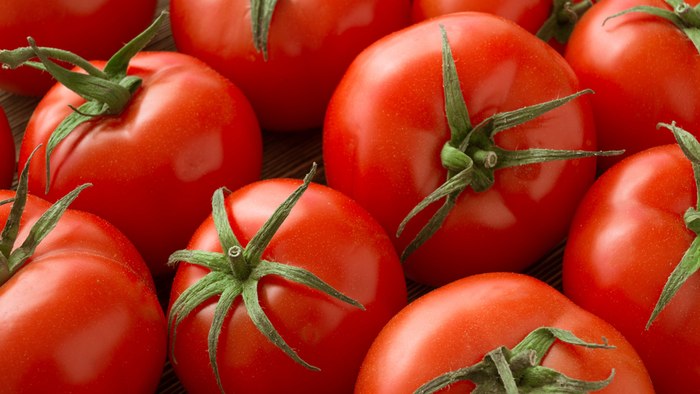
tomato-1

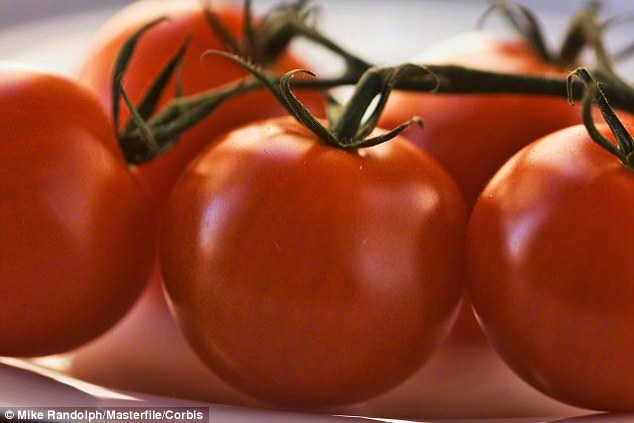
Considering all these things, researchers from Washington University in St Louis have developed a method to boost the nutritional value of tomatoes using nano particles. Taking inspiration from solar cell technology, the research team lead by Ramesh Raliya and Pratim Biswas of WUSTL’s School of Engineering & Applied Science, used zinc oxide and titanium oxide to help the tomato absorb more sunlight and better utilize minerals in the ground. They applied the titanium and zinc nano particles on and around the plants at a concentration that is lower than most commercial fertilizers and at a level that is considered safe by the USDA.

Biswas explained: “When a plant grows, it signals the soil that it needs nutrients. The nutrient it needs is not in a form that the plant can take right away, so it secretes enzymes, which react with the soil and trigger bacterial microbes to turn the nutrients into a form that the plant can use. We’re trying to aid this pathway by adding nanoparticles.”

[adinserter block=”7″]

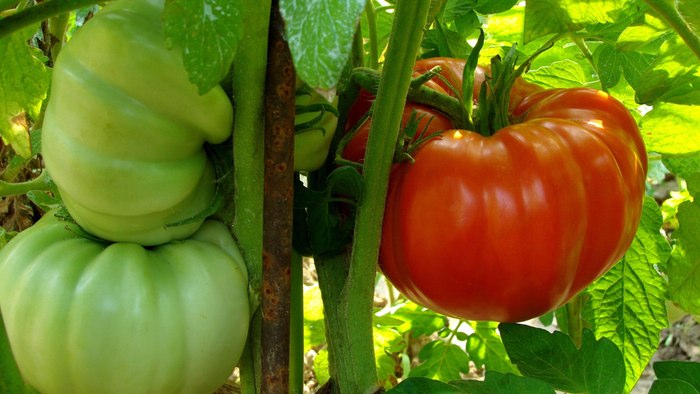
In the experiment, the titanium oxide increased the chlorophyll content of the leaves hence served to boost photosynthesis while the zinc aided in the function of the enzymes in the plant. A fine spray of zinc oxide and titanium oxide on the leaves of the plant dramatically increased the nutrient uptake of the plant. These additions bore positive results as they increased the overall quality of the harvested fruit. The tomato plants treated with the nanoparticles produced 82 percent more fruit by weight than their untreated counterparts. The treated tomatoes also showed a significant increase of up to 113 percent in the level of lycopene, which is an antioxidant that gives the tomato its red colour.

tomato-3

Moving their research further, the research team plans to enhance tomato growth by adding a cocktail of all the 17 elements that a plant need to grow. And if it succeeds, it will be a super positive thing as our farmers would be able to produce more food of better quality, making use of the limited water supply that would hit us in the future.

Author: Technology Blog

Verified by ExactMetrics