Sound Waves Might work as a Better Way to Send Data and Save Power

Researchers from the University of Leeds and Sheffield University have figured out a way to transport data through magnetic nanowires by using acoustic waves for force. It is estimated that this technology for the racetrack solid-state memory, would greatly benefit by this new technique with increased speeds and reduced power consumption.
sound-3

Racetrack memory uses the transition between different magnetic moments (directions) in the domain walls separating each of the magnetic areas found in the nanowires that make up the memory. Developed by IBM, this works using a system of binary data and each transition between these areas results in an angular displacement (a change of magnetic “direction”) of 90 or 180 degrees.

The usual troubles faced while moving data across the lines is posed by the magnetic inertia in the domain walls. The trick to transporting this data which is 20 times smaller the size of a human hair, is to overcome the inertia with strong magnetic fields and induced electric currents. However, this consumes a lot a more power than gives speed.

[adinserter block=”7″]

In the sound wave method, two counter-propagating surface acoustic waves (SAW) are passed across the piezoelectric substrate to which the nanowires are fixed. When the two waves meet, a standing wave is created which then can manipulate and rearrange the arrays for effective circulation of energy across the wires. Technically, the domain walls become attracted to and pinned at the points of antinodes of standing stress/strain waves and the data moves along the wires in a ratcheted motion toward positions of minimum stress. Thus, by shifting the frequency of the SAWs, multiple domain walls can be synchronously propagated at high velocities. Basically, changing the pitch would change the direction.
sound-2

“The key advantage of surface acoustic waves in this application is their ability to travel up to several centimeters without decaying, which at the nano-scale is a huge distance,” said Doctor Hayward. “Because of this, we think a single sound wave could be used to ‘sing’ to large numbers of nanowires simultaneously, enabling us to move a lot of data using very little power. We’re now aiming to create prototype devices in which this concept can be fully tested.”

Author: Technology Blog
Largest Fusion Reactor is Ready for Use After 19 Years of Work

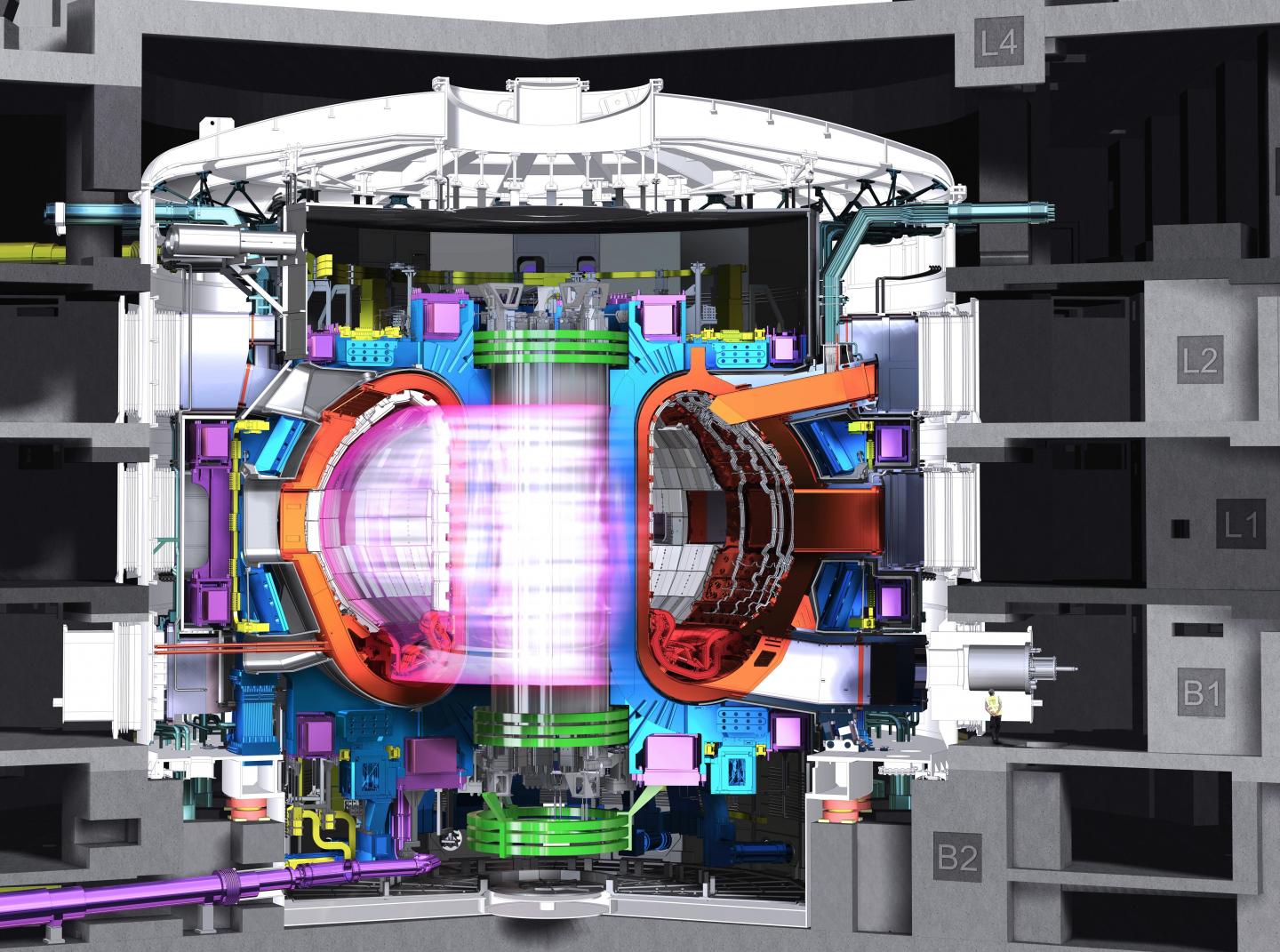
After vigorous tests to test its competency and improvements made over the past 19 years and approximately over 1.1 million construction hours of work, the world’s largest fusion reactor is going to be put to work in Germany. Hosted at the Max Planck Institute, the stellarator, also known as Wendelstein 7-X (W7-X), is awaiting regulatory approval for a launch later this month, reports Science. Once it is introduced online, it will overtake its competition- the Large Helical Device (LHD) in Toki, Japan, which began operating in 1998, currently the largest working stellarator.

fusion-4

The working on W7-X was started in 1993, with the German government funding the Greifswald Institute. But along the ways several difficulties and faults arose with the model, nearly stopping its development altogether. But at last, this fusion reactor is going to see the light of the day.

[adinserter block=”7″]

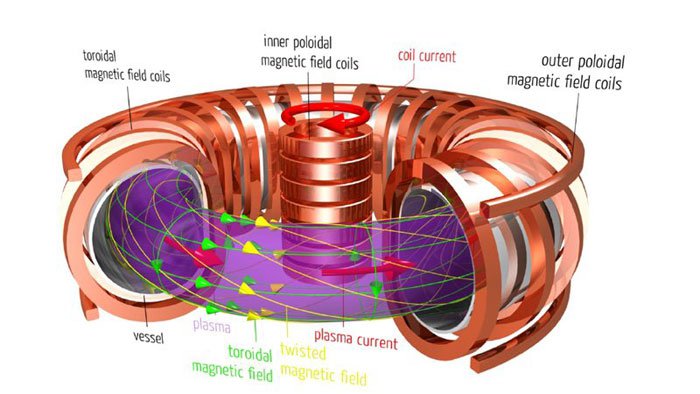
The speciality of this fusion reactor is that its process is all about fusion of the atoms , as opposed to the usual technique of fission applied instead. The nuclear fusion reactor uses high temperatures, as high as 100 million degrees Fahrenheit, to heat plasma, while powerful magnetic fields — up to 50 six-ton magnetic coils in the case of the W7-X — are used to contain and control it.

The reactor is expected to confine the plasma and generate energy for at least thirty minutes at a time, much longer than the usual six and a half minutes of competing fusion reactors that use a tokamak-based design.

“The world is waiting to see if we get the confinement time and then hold it for a long pulse,” said David Gates, the head of stellarator physics at Princeton’s Plasma Physics Laboratory.

fusion-5

Now scientists are waiting for the green light to bring plasma into the facility and test the nuclear fusion reaction. Government approval is pending to perform the last test.

Author: Technology Blog

Leukemic Girl World’s first to be Saved Using Gene Editing

It was one-year-old Layla’s parents who couldn’t let the doctors give up, that inspired this treatment never before used on humans. Layla was diagnosed with acute lymphoblastic leukemia when she was just three months old, a disease in which cancerous stem cells in the bone marrow release vast numbers of immature immune cells into the blood. She had been suffering and in pain ever since, but the doctors took a shot with this method and it worked like a charm.

Leukemia-1

A gene editing technique in which the T cells are taken from the patient’s body and genetically engineered to combat leukemia was used on little Layla. Where all method including a bone marrow transplant had failed, this technique was particularly difficult to follow through as she didn’t have enough T cells to work with. Leukemic patients are given drugs that completely destroy their immune systems. This where donor cells came in.

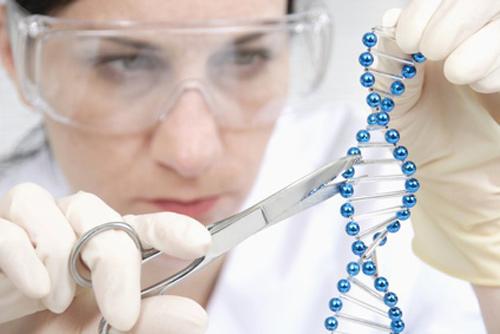
T cells from a healthy donor were taken and modified as required. They are trained to seek out and kill any cells with a protein called CD19 on their surface – which is found on the cells that cause acute lymphoblastic leukemia. Such altered cells worked inside the dying Layla’s body. Many challenges were to be overcome before this, such as the donor cells would recognize all of Layla’s local cells as foreign. That would result in a total massacre of all her cells- healthy and otherwise. To prevent this, Waseem Qasim of University College London, who is developing a form of gene therapy to treat cancer, and his team used gene editing to disable a gene in the donor cells that makes a receptor that recognises other cells as foreign.

[adinserter block=”7″]

But there was still another problem. The recipient’s immune system also recognises non-matched T-cells as foreign and will attack them. In leukemia patients, this is not a problem because they are given drugs that destroy their immune system. Except, one of these drugs – an antibody – also destroys donor T-cells. So Qasim’s team also disabled a second gene in the donor T-cells, which made them invisible to the antibody.

When Qasim has originally been contacted about Layla’s case, his engineered T-cells, called UCART19 cells and developed in collaboration with New York biotech company Cellectis, had only ever been tested in mice. “It was scary to think the treatment had never been used in a human before,” said Layla’s father Ashleigh, “but there was no doubt we wanted to try the treatment. She was sick and in lots of pain, so we had to do something.” And it worked within weeks.

Sometimes the molecular scissors used to disable certain genes in the cells, snipe at the wrong places that might cause the cells to slowly turn cancerous. This being another point of concern, Layla underwent a second bone marrow transplant after three months, to restore her immune system. These healthy immune cells recognised the UCART19 cells as foreign and destroyed them, so Layla no longer has any genetically modified cells in her body.

leaukemia-3

“It is too early to say she is cured,” says Sujith Samarasinghe, a leukemia specialist at the hospital and one of Layla’s doctors, but she is alive and well.

Author: Technology Blog

Engineered herpes virus for cancer treatment

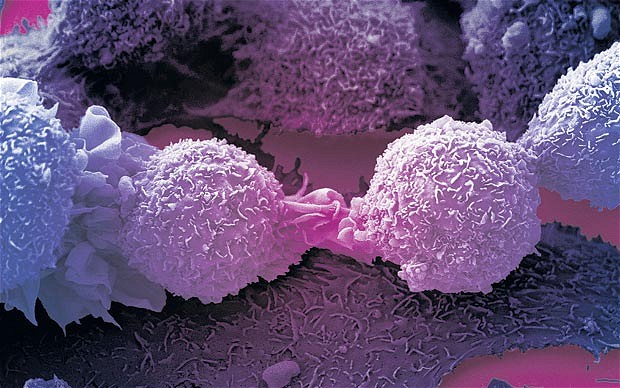
Cancer has always been one of the most dreaded diseases for mankind and since decades research is going on about combating and killing this monster. Various concepts and research have been put to this use. In this line, since the 1800s researchers have noticed that viruses were capable of causing patients’ tumours to shrink or grow but there was no surety as to how it happened.

Cancer-2

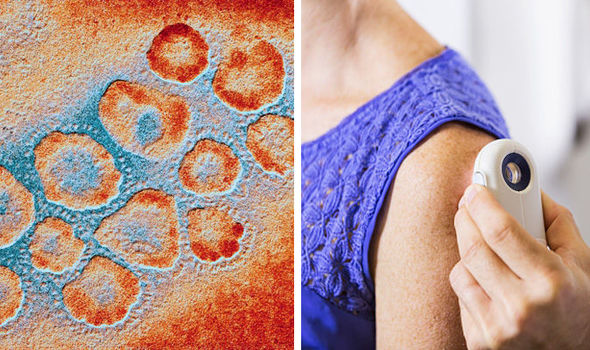
Continuing in this direction, researchers have discovered that certain genetic changes to a virus can cause them to preferentially infect and kill cancerous cells without affecting the nearby healthy cells. It is to be noted that malignant cancers often slip by the immune system but the virus’ presence ignites the immune response. All these facts proved that virology can successfully treat even some late-stage cancers.

Taking into account all these things, the Food and Drug Administration recently announced that it has approved the drug Imlygic to treat late-stage melanoma on the skin and lymph nodes. This drug is the first virotherapy drug to gain approval. It relies upon a genetically engineered herpes virus to attack and kill the cancerous cells.

[adinserter block=”7″]

Before approval, Imlygic was tested in more than 400 patients with metastatic melanoma. IN a course of six months, when this drug was injected into the sites affected by cancer the results were encouraging as more than 16 percent of patients saw their lesions shrink.

Cancer-3

As of now, these treatments don’t work well if the cancer is in the deeper tissues as the drug has to be injected directly to the tumour site.  But various researches are undergoing using various viruses to treat various types of cancers. We should just hope that the result of all these brings some good news for the mankind.

Author: Technology Blog

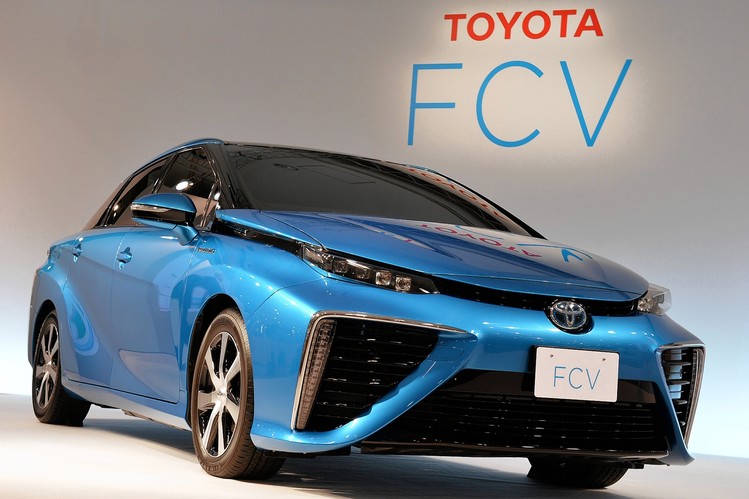
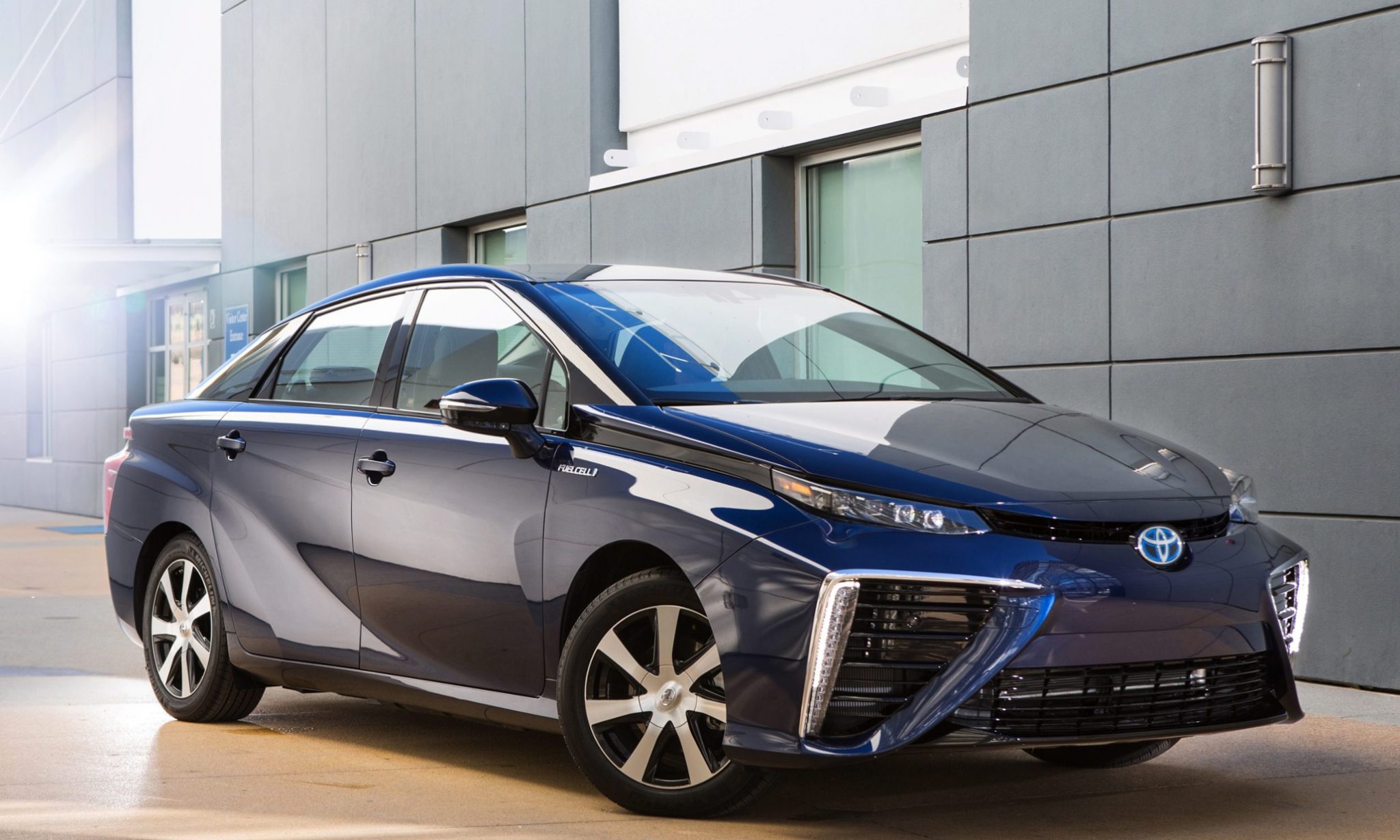
Which is better: Japan’s Hydrogen car or China’s battery drive?

Cars are one necessity that one can’t imagine a life without. Similarly, fuel is the necessity for cars. But with increased pressure on conventional fuels like petrol, diesel, CNG and the matter of carbon footprints, many new ideas regarding new types of cars using cleaner fuels or cleaner technologies are on the curb. Two such ideas are being presented by China and Japan in the form of two cars which are battery driven and hydrogen fuel driven respectively. The car market right now can absorb both kinds of cars but the question is which technology will be more popular with the carmakers like Toyota or General Motors.

Car-5

James Chao, Shanghai-based Asia-Pacific managing director for industry consultant IHS Automotive opines: “It is difficult to exaggerate the significance of the choice between batteries and hydrogen. Billions of dollars will be invested in one or the other and may determine which companies will lead the industry through the end of this century.”

Cars with different visions

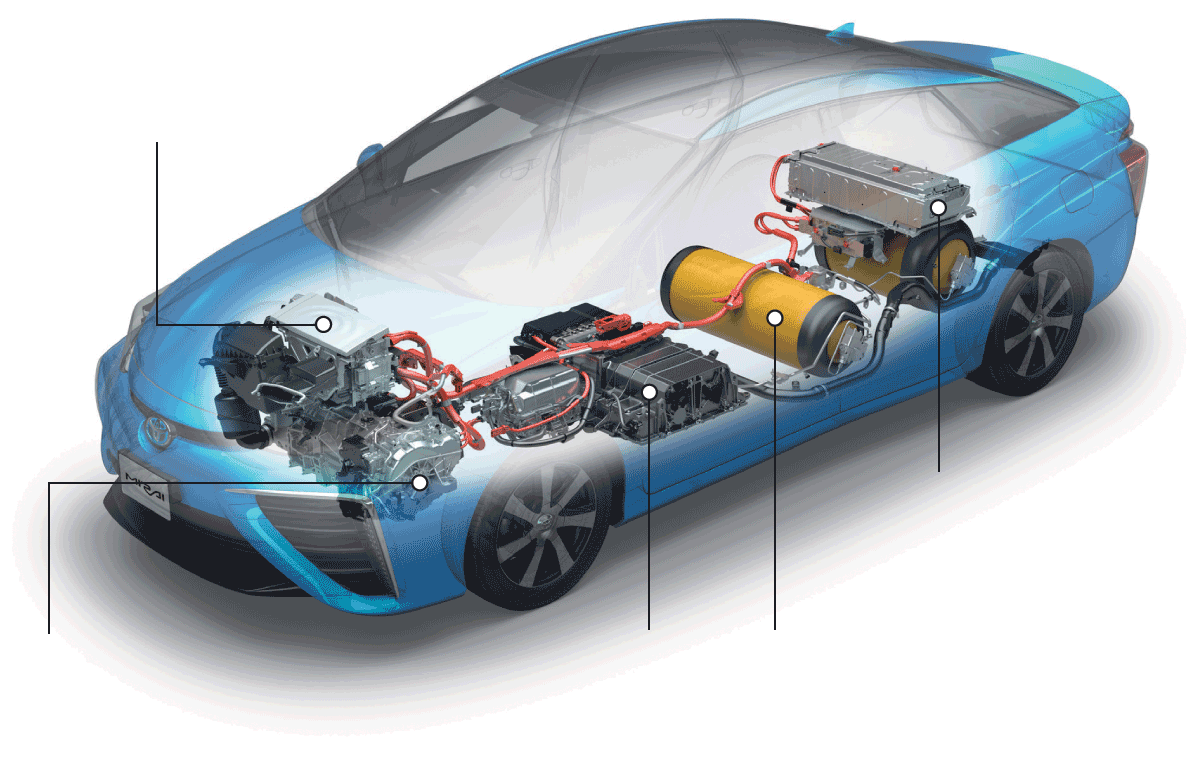
Japan, keeping in view its long term vision of a ‘hydrogen society’ is investing heavily in fuel-cell technology and infrastructure. In their long term vision, hydrogen, as a zero emission fuel would power homes and vehicles. The Japanese are surely way ahead too when it comes to electric vehicles but as per Koei Saga, Toyota’s senior managing officer in charge of vehicle power train technology, “Technically speaking, EV is a relatively easier technology, but it needs to evolve. If you’re looking for the ultimate solution, the EV probably isn’t it.”

China, on the other hand, a major oil importer and a victim of air pollution, is rooting for all electric (EV) cars. And it is promoting this by offering incentives to buyers, forcing global automakers to share their technology and opening its market to tech firms and others to produce electric vehicles. It’s been a decade since China started pushing for the EV to become a mass-market car. Xu Heyi, chairman of Beijing Automotive Group and a high-ranking Communist Party official, told reporters, “(China President) Xi Jinping explained it very well, saying that developing new energy vehicles is the Chinese auto industry’s only road to grow from being big to being strong.”

Not only Japan and China, others are also working towards creating a car with an alternative fuel. According to reports, GM has joint research with Honda on hydrogen cars, while BMW is Toyota’s fuel-cell partner. Daimler in Europe and Hyundai Motor in South Korea are also carrying out their own research and development on a hydrogen car.

Car-4

Affordability of hydrogen fuel-cell car

A few days back, Honda Motors unveiled a ‘mass market’ hydrogen fuel-cell car at the Tokyo Motor Show. The car will be available for sale from March ’16 onwards, after which it will be launched in the US and Europe. The car known as ‘Clarity Fuel Cell’ is trying to edge into affordability range, of course not for all, but for those fairly typical mainstream consumers that would be willing to stretch a little to buy something like this. The Clarity will retail for 7.66 million yen ($63,970) before government subsidies. Meanwhile Toyota is also launching its hydrogen-powered car called Mirai (meaning future in Japanese). Mirai boasts of subsidies totalling around 3 million yen ($24,915) per vehicle. If one wants to compare the two, Honda has an advantageous edge as it has shrunk the fuel-cell stack comprising of the motor, the fuel cell and the transmission. As a result the whole stack can be placed under one hood and leaves the car roomy enough to accommodate five adults.

[adinserter block=”7″]

Next Page For More

RF-Capture: Helps you see through walls

Possessing special powers is a cool thing, isn’t it? Who can forget the X-Men series where different mutants had different special powers that entertained as well as surprised us? Now what would you say if we tell you that people can actually see through walls? A correction though, people can see through walls but not with their naked eyes but with the help of a device called RF-Capture.

Wall-3

Recently, scientists at MIT’s Computer Science and Artificial Intelligence Laboratory came up with this device ‘RF-Capture’ that can effectively see through walls and identify which persons are standing behind it.

RF-Capture actually captures the coarse skeleton of a human figure by sending out radio waves which when hit an individual standing behind a wall are reflected off various body parts. When these waves are reflected, the RF-Capture measures the intensity of waves reflected from different body parts and then uses a complicated algorithm to present a very basic silhouette of the person’s body type. Not only can it create the silhouette of a person, it can also differentiate between two different people and two different postures.

The device was based on the recent advances in wireless research that show that certain radio frequency (RF) signals can traverse walls and reflect off the human body, allowing for the detection of human motion through walls. The team that built the device tested it on 15 subjects and the results showed that the device was able to differentiate between various subjects.

Wall-1

The research team behind RF-Capture believes that this device can make itself useful in healthcare and law enforcement. For example, in a hostage situation, this device may give an idea about how people are moving behind the walls and who the hostage taker-is. The device will be a complete commercial product in one year or so, says the MIT research team.

[adinserter block=”7″]

Author: Technology Blog

Lab-in-a-suitcase: a future of medical technology!

UK based scientists have created a method for early, quick and cheap detection for cancer in regions with acute medical supplies and staff shortage. This kit works much like a pregnancy test and will cancer biomarkers, if any, within 15 minutes and is highly portable in a compact form. The research has been published in the journal Lab on a Chip.

Low section businesswoman crossing street with rolling luggage

According to the World Health Organization, 70 percent of the world’s cancer deaths take place in Africa, Asia, Central and South America. This kit would enable people with minimal training to operate these strips for easy results. One of the most valuable features of the system may be its ability to test whole blood without the need to prepare samples.

This kit consists of four main components: a USB-powered film scanner that images the test strips, a portable computer to carry out real-time data analysis, plates loaded with assay reagents, and a multi-syringe device capable of conducting up to 80 tests simultaneously, with all of these fitting inside a briefcase.

Lab-2

“This portable lab can really make a difference, boosting levels of cancer detection in developing countries where ordinarily people would not have such easy access to early diagnostics,” says Dr Nuno Reis, lecturer in chemical engineering at Loughborough. “I envisage that our lab-in-a-briefcase could also be developed further in the future to allow for rapid testing of infectious diseases and allergens.”

Author: Technology Blog

GE’s new LED bulbs to help you sleep better

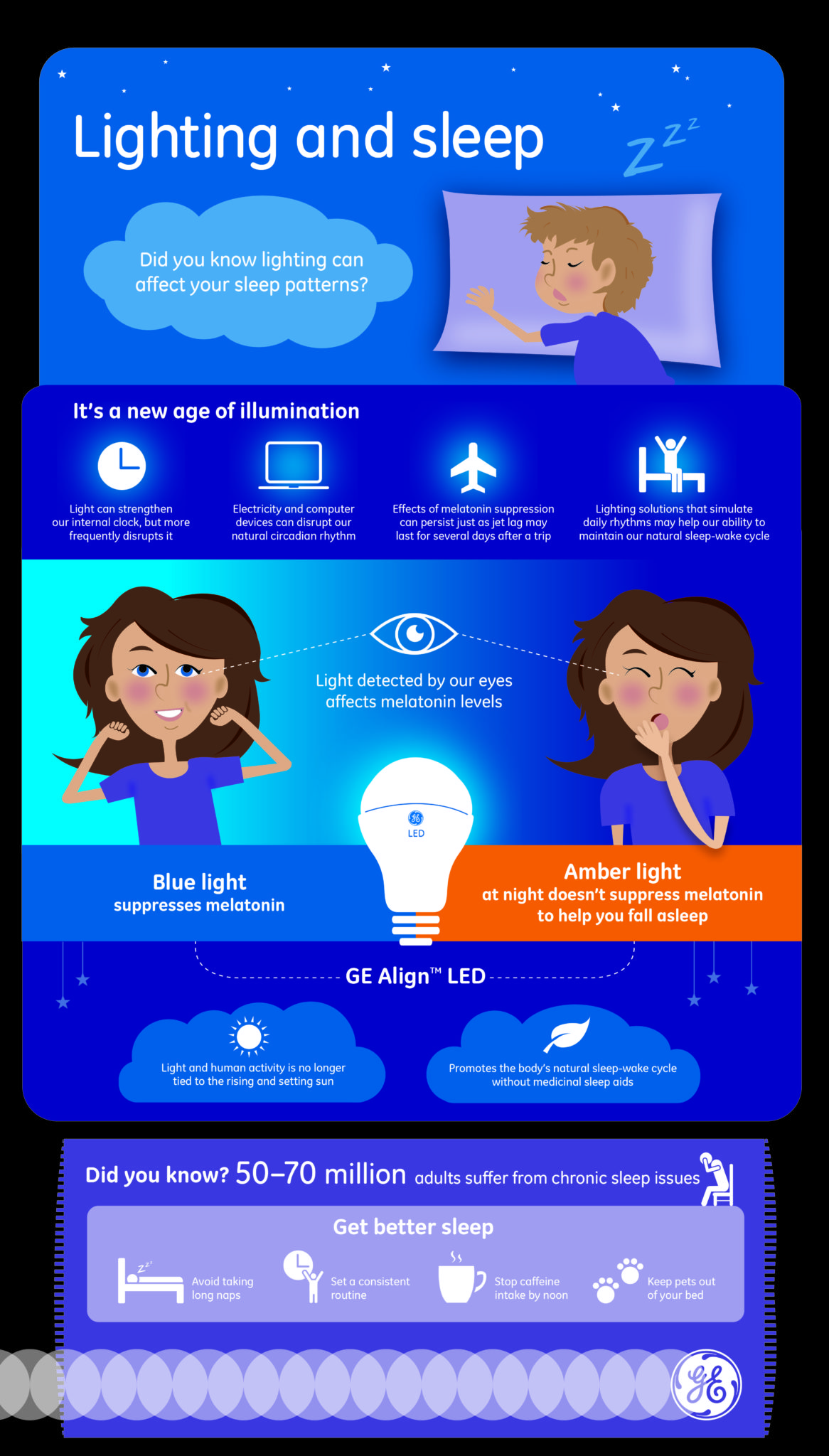
Haven’t you heard and read a lot many times about how you should keep your cell phones or your laptops or tablets aside, one hour before you go to bed? This is because the blue screen glow of these devices can seriously hamper your sleep patterns. In fact light in general affects the sleeping patterns of living beings.

18668_GELightingCons_WellnessInfo_v3b

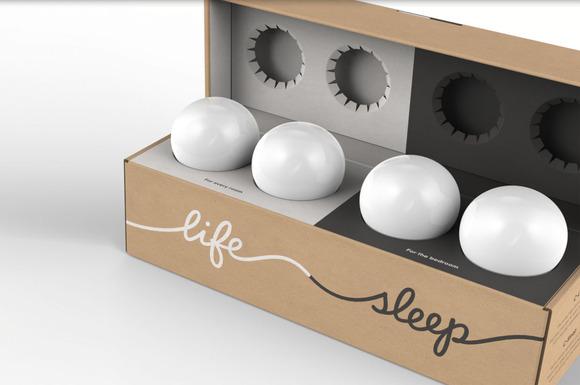
Now GE has come up with two kinds of smart LED bulbs: C Life and C Sleep, that automatically change light settings throughout the day to provide the optimum level of light for the human body. On one hand, C Life has variable light settings for everyday activities while on the other C Sleep has three different settings for morning, afternoon and evening respectively. These light settings can be made to synchronize with the circadian (biological processes of the body occurring in a day) rhythms of the user for better sleep.

[crp limit=”6″ heading=”1″ cache=”1″]

In the case of C Sleep, the light bulb is capable of emitting different colour temperatures throughout the day which help regulates the body’s production of melatonin. It is to be noted that melatonin is the natural hormone that affects how awake and alert we feel. So how does it work? It tries to keep you nimble in the daytime and bedtime approaches, tries to make you feel sleepy. And it comes with an advantage that you can personalize the settings according to your routine.

The bulbs can be controlled from the user’s smartphone without a hub, as it works via Bluetooth. There is an app called C by GE, using which you can turn the bulbs on and off, adjust the time, colour and light setting. Along with this app, the company is also launching its first e-commerce business so that consumers can buy this bulb directly from their website.

Ge-4

January 2016 onwards, you can buy a C by GE pack consisting of two C Life and two C Sleep bulbs at $50. Now go to sleep dear user!

Author: Technology Blog

Space Tourism is the next big thing for the ones with bulky pockets

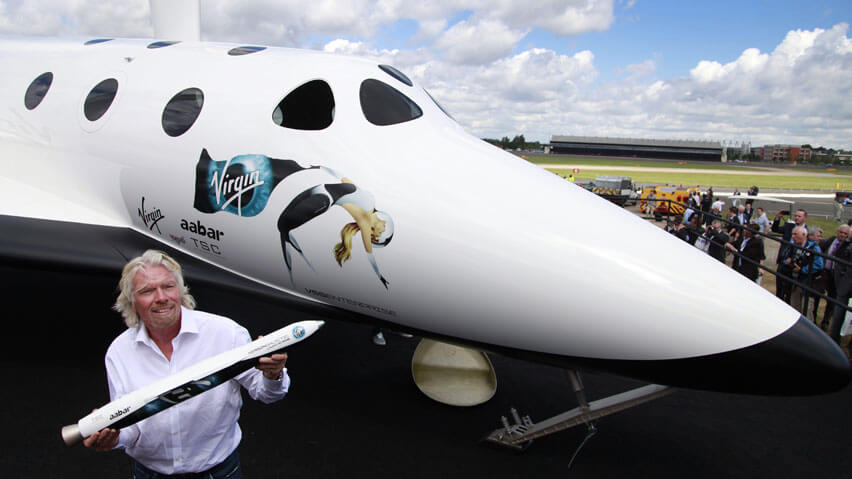
All of us have a travel wish list. But there are only a few who can include ‘space travel’ in this wish list because this wish will cost nearly $75k. For those who are interested in the journey and for those who are interested in the news of this journey, last weekend Tucson, Arizona-based startup ‘World View Enterprises’ launched the first test flight for a scaled-down version of its balloon-based space tourism capsule, sending the prototype some 100,000 feet into Earth’s atmosphere.

space-3

For the test flight, World View launched a 1,000-pound replica of the Voyager Capsule (called Vanguard) fitted with all of the working technology and controls built for the final model. After testing wind conditions and running a series of pre-flight tests, the company officially set the Vanguard loose shortly after 7 a.m. Saturday morning. After ascending for roughly two hours, the capsule reached its intended cruising altitude of 100,475 feet, with every primary system working just as World View anticipated. Vanguard then flew at the cruising altitude for one hour before detaching from the balloon and beginning its descent.

[adinserter block=”7″]

Charged up with the success of this test flight, the company wishes to move on to full-scale testing of the Voyager Capsule (a pressurized cabin which makes use of a helium-filled balloon to travel over 20 miles to the edge of space) aiming for an actual manned mission by 2017.

Space-1

So what is the difference between travelling in a rocket and travelling in Voyager Capsule? While rockets propel people at blazing speeds into the space, Voyager takes you there in a serene manner. The passengers will enjoy a steady two-hour ascent above the clouds before reaching their destination. For a price of $75k, the passengers apart from getting seats inside the capsule will also Wi-Fi access and a selection of premium cocktails. Despite the insane price, World View announced that spots are already selling quickly. World View’s chief engineer confirmed that the next phase of testing can take place possibly by the end of this year and manned mission by 2017.

Author: Technology Blog

The Final Solution- Get Rid of That Toe Fungus

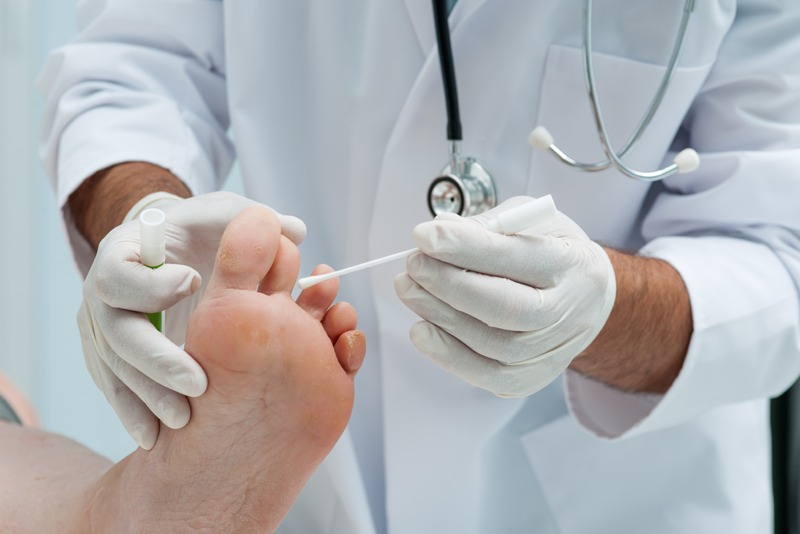
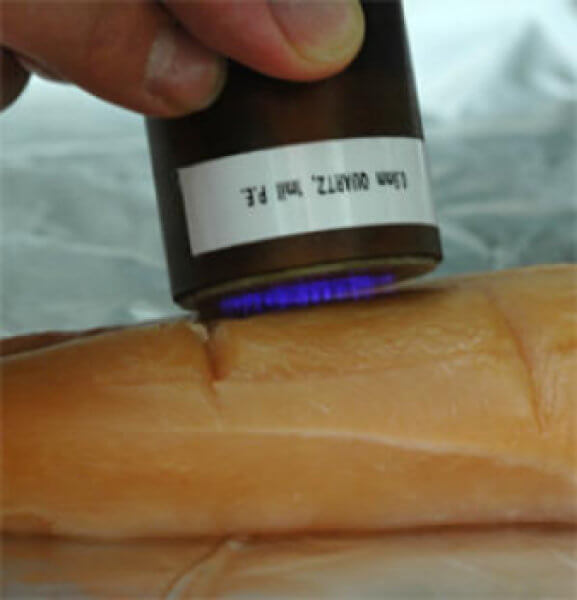
Tried all and nothing seems to work? Anti-fungal creams, laser treatments and pills all prove ineffective or invite a relapse? Well, this solution is here to stay, given by the researchers at the University of California, Berkeley, uses cold air plasma remedy for fungal infections. They described their work earlier this month at the Gaseous Electronics Conference in Honolulu.

Plasma-5

Fungi thrive in the moist area between your toes. The comparatively less circulation on your feet make it longer for the immune system to make its way over to the fungus there. Infections (known as ocychomycosis) typically start as white or yellow spots, and then dig deeper under the nail, causing discoloration, crumbling around the edges, and in extreme cases, pain and, um, a distinctly foul odor. The traditionally recommended treatments involve lengthy, expensive procedures that have side effects and only temporarily get rid of the fungi.

[adinserter block=”7″]

The startup company, Device Farm, working towards introducing this treatment in form of medical devices is performing tests on those fungi using cow hooves and nails from human cadavers, according to CEO Jeff Roe. The Berkeley scientists reported a significant reduction in e coli populations following the application of cold plasma, and Device Farm reported success as well, although it took a bit longer to kill the fungi than the e coli. FDA approval on the following is still pending.

Cold plasmas have be seen in the past as capable of killing bacteria, removing dental plaque, loosening the connections between tissue cells, helping coagulate blood and reducing bleeding, and perhaps one day even removing cancerous tumors.

Plasma-4

Although, the recovery time varies individual to individual, the patient can look forward to a 45-minute weekly session at the doctor’s. This method is pretty painless, as Roe bears testament to the fact. He suffered fromonychomycosis, on 9 of his 10 toenails. After the treatments, “All nine nails showed clear nail growth,” he reported. The fungus has since returned in two of his toes.

Author: Technology Blog

Sight to Sound: Smart Glass to Help Blind See

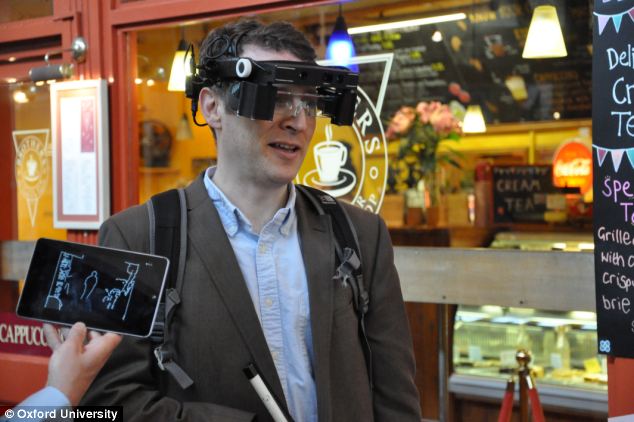
Sound has long been a substitute for sight in visual aids for the blind. From techniques like echolocation, the researchers of the California Institute of Technology in Pasadena have advanced the field a step forward with the creation of smart glasses that translate images into sounds that can be intuitively understood without training.

18J_019_BLIND GLASSES

The device, called vOICe (OIC stands for “Oh! I See”), is a pair of dark glasses with an attached camera, connected to a computer which uses an algorithm of the same name developed in 1992 by Dutch engineer Peter Meijer. The system works by converting pixels in the camera’s video feed into sound, mapping brightness and vertical location to an associated pitch and volume. The pixels situated low in the picture and dark correspond to a low sound and quite pitch, while the opposite is applicable for the bright pixels at the top of the frame.

“You’re taking something from vision and you’re putting it into audition,” says Caltech’s Noelle Stiles, who works on vOICe. “Your brain is doing the opposite – it’s taking in all of the sounds and it’s making sense of them visually.”

[adinserter block=”7″]

Stiles and her colleague Shinsuke Shimojo worked on the algorithm by asking a group of people to select images matching with certain sound. Visually impaired individuals were asked to select a sound for a given image or object. During final testing with the device, blind people with no experience of using it were able to match the shapes to the sounds as often as those who had been trained – both groups performed 33 per cent better than by chance.

“The result that select natural stimuli could be intuitive with sensory substitution, with or without training, was unexpected,” the researchers write.

“This research shows it’s not just important how much information you provide, but whether you provide it in a way that the person can intuitively make sense of,” says Ione Fine of the University of Washington in Seattle.

Blind-2

“They are basically saying that the magic bullet is going to be finding an intuitive mapping system and not relying on training,” she says.

Author: Technology Blog
Pumpkin Robots to Monitor Ocean Pollution

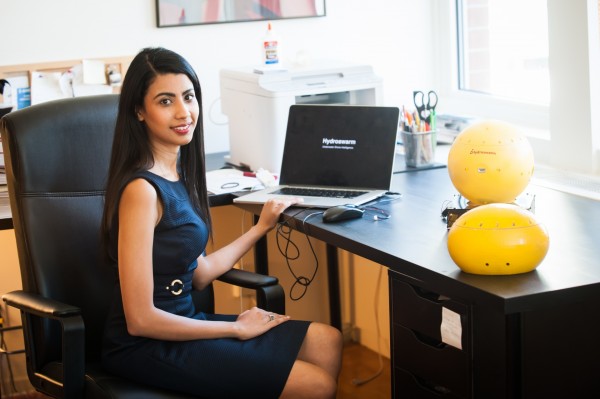
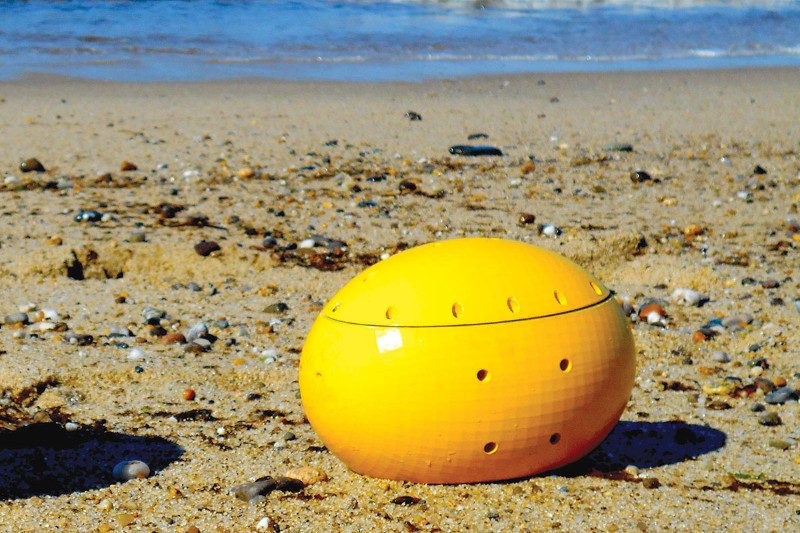
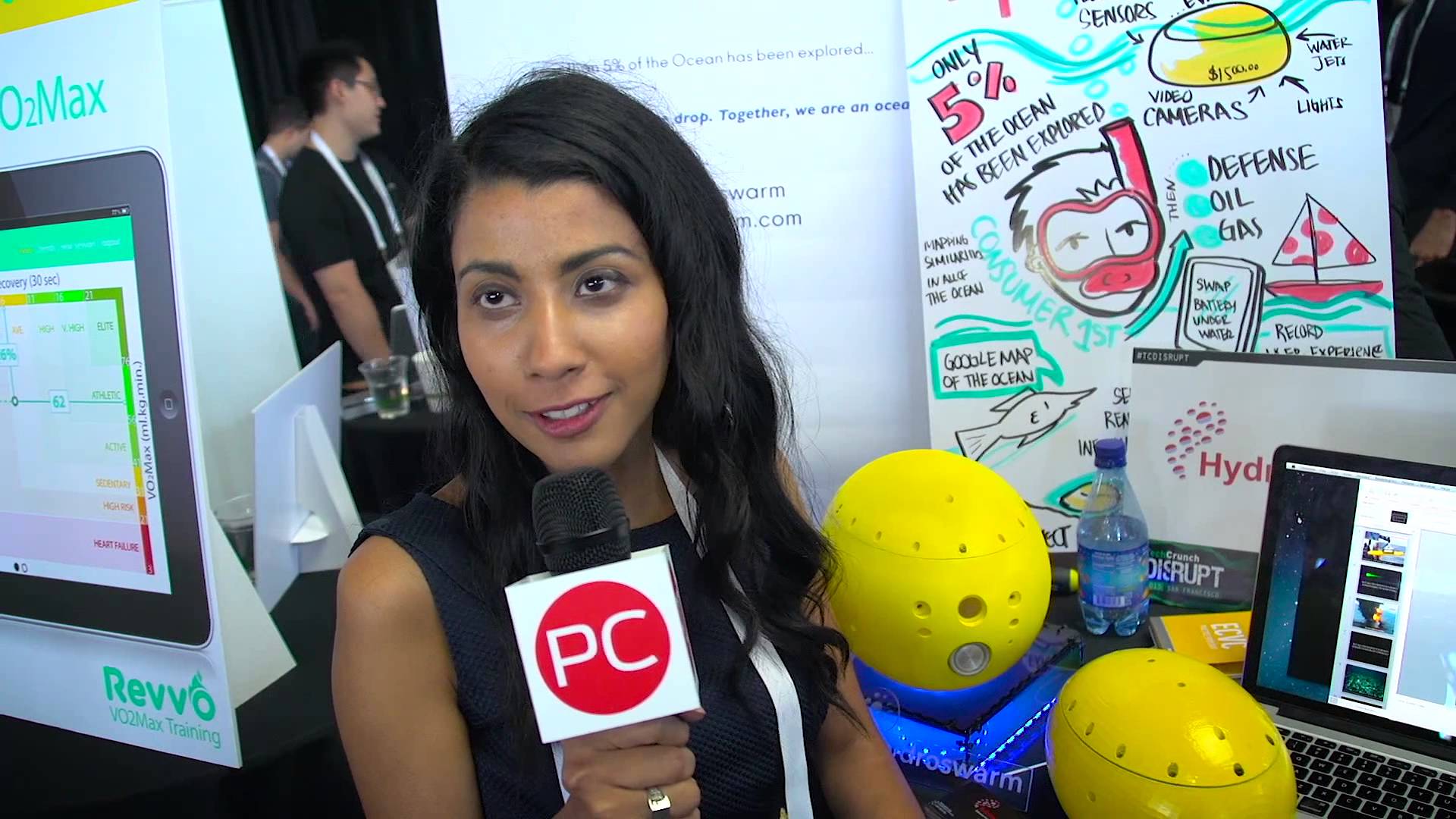
Underwater remains mostly an unexplored territory and it’s high time we know more considering that waters make up 70% of the earth surface. A start-up aims to do just that with EVE – the Ellipsoidal Vehicle for Exploration, the small robots that is yellow, cute and looks a lot like a pumpkin. EVE’s creator Sampriti Bhattacharyya, a mechanical engineer at the Massachusetts Institute of Technology, has a grand mission in mind for a swarm of EVEs: she wants to build Google Maps for the ocean.

pumpkin-2

“We do not yet have a very cheap, scalable, easily deployable method of scanning large areas of the ocean,” says Bhattacharyya, who founded her company Hydroswarm.

What’s great about EVE is that it’s completely autonomous, making it cheaper and less labour intensive. “With a swarm you can get faster coverage of a big area,” says Yogesh Girdhar of the Woods Hole Oceanographic Institution in Massachusetts.

These robots could be trained to find pollution due to oil spills, coral habitat loss and general pollution down in the depths of the oceans. It’s elliptical frame make it perfect for sensory fittings. Submerged aircrafts could be sought out by fitting the robots to track down pings from a downed jet’s black box.

“Underwater, if two robots are talking to each other, they pollute the entire sound channel,” says Girdhar. “That means everybody else on the network has to stay quiet.” EVE is probably too small to be picked up by other sensors currently working at the oceans. Real-time video processing is also a challenge. Not to mention, EVE’s battery life is about 2.5 hours which makes for short trips. “These are all challenges, but they’re all solvable theoretically,” Girdhar says.

pumpking-5

“I think autonomous robots right now are most needed underwater”, rather than in aerial or land environments, says Girdhar. “Hopefully these kinds of start-ups will bridge that gap. I think the future is small robots, and a lot of them.”

[adinserter block=”7″]

Author: Technology Blog
Vending machines to satiate your hunger for reading

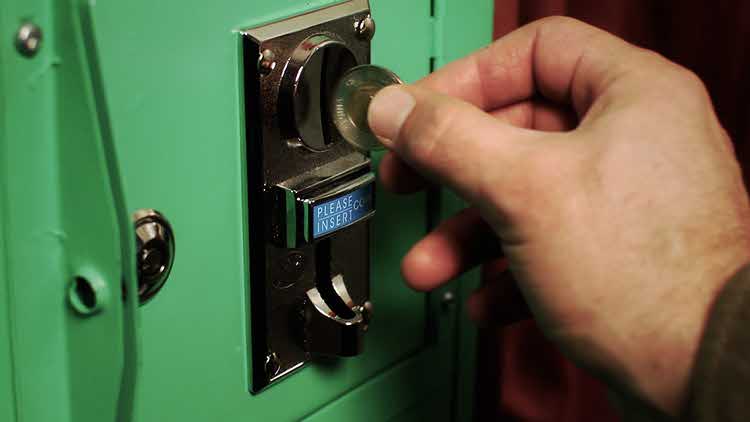
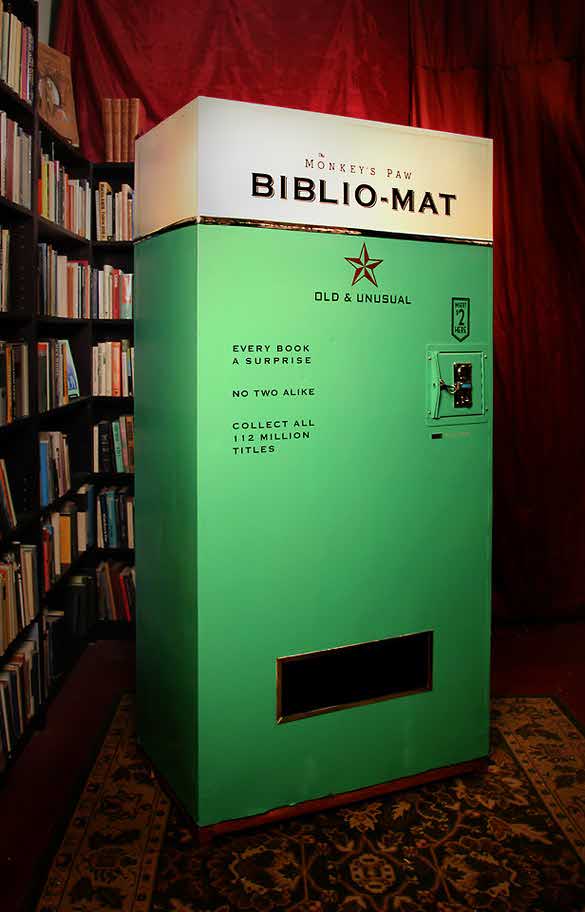
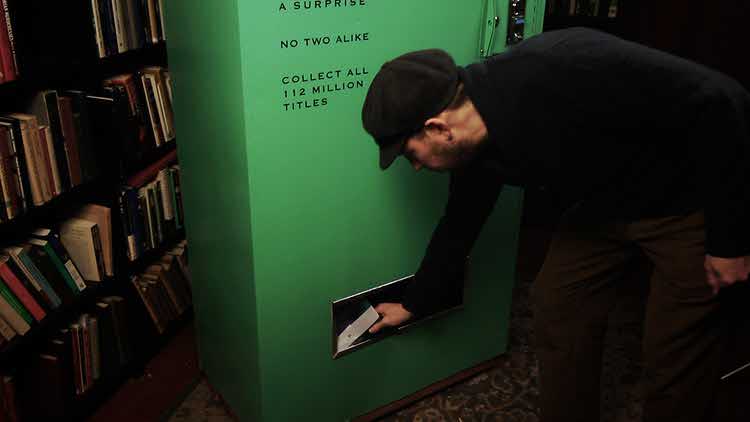
When you need food for stomach, there are vending machines for chocolates, soft drinks and at some places French fries. But if you are one of those who want some food for thought, then Grenoble France is the place for you. Working on the vision and command of Green Party member, Mayor Eric Piolle, eight vending machines that will print out little vignettes will be placed throughout the city centre for the literary pleasure of Grenoble residents and visitors.

read-1

What’s more is, all stories will be printed free of charge and the choice will lie with the readers as to what story they want to read: a one minute, three minute or five minute story!

Christophe Sibieude, a digital publisher responsible for the concept said, “The idea came to us in front of a vending machine containing chocolate bars and drinks. We said to ourselves that we could do the same thing with good quality popular literature to occupy these little unproductive moments.” Sibieude’s Short Edition app, powers the vending machines where readers can create content for the printouts based on their choice. Sibieude though credits the mayor for turning the idea into something concrete in the form of the vending machines. According to Piolle, their main objective is to build a peaceful downtown area, where people actually read some form of literature on paper and not on their smartphones.

read-3

The Short Edition vending machines are currently available in Grenoble only; the team is getting a lot of requests from around the world for them. It would be something good to look forward to. Who knows, one day we may have one such machine just around that corner from our house!

[adinserter block=”7″]

Author: Technology Blog
“Kissable” Lipstick: you will like it !

Hazel Bishop: The mind behind “Kissable” lipstick

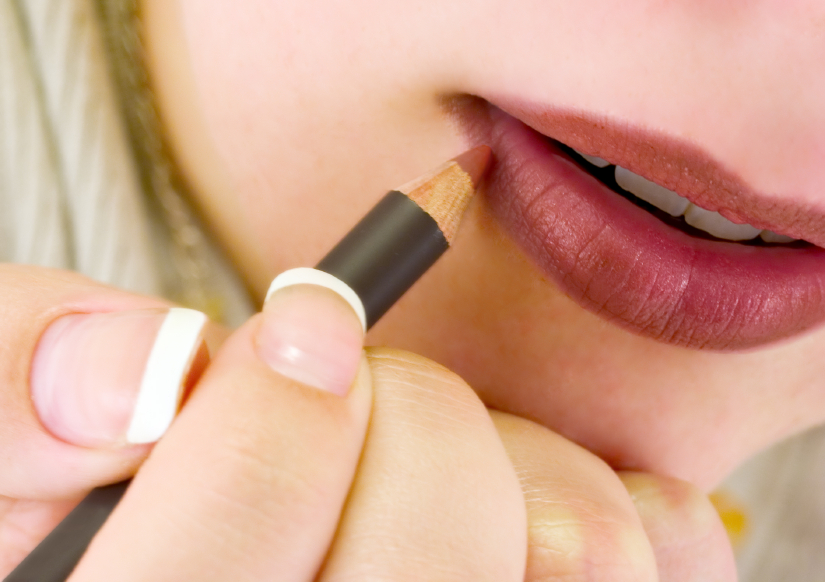
No woman’s makeup is complete without those luscious looking lips in different shades of pink, red, orange or magenta and so on. In the 1950’s, lipstick was there in the make-up kits of women but it was just a pigment suspended in a mixture that could be smeared on lips. The problem was, the pigment rarely stay put on the lips, it would leave the lips and smear the wearer’s teeth, or the food she ate or the person she kissed. So a constant touch-up was required. So in these same 1950’s Hazel Bishop became a household name because of the formula she found out for  ‘long lasting’ lipstick. She had narrowly missed joining a medical school in 1929 because of the Great Depression and had to utilize her undergrad chemistry degree for work. She spent the next twenty years in various chemistry positions, first as a research assistant and junior chemist at academic institutions, and then as an increasingly senior chemist at petroleum companies. But she always had a dream of having her own business and she spent her nights working on this dream of hers concentrating on lipsticks.

Lip-5

In order to manufacture lipstick that could last long chemists were searching for something that could stain lips and not just cover them. They used bromo acids for this. Optometrists use fluorescein sodium eye drops to stain the tissues of the eye when they check for damage to the eye during regular check-ups. Add some bromine to fluorescein and you get a bromo acid, which does what the eye drops do—stains tissue. So lipsticks made from these hues stained the lips but also dried them so that the colour would peel off. Bishop concentrated on this problem and tried bromo acid with different moistening ingredients. She finally zeroed in on lanolin. Consequently, she succeeded in making a long lasting lipstick by keeping the bromo acids level low and supplying enough moisturizer.

After this, Bishop stuck with simple names like ‘orange red’ to define colours and gave instructions with her product as to how women should apply her lipstick and then completely blot it off their faces. She made a respectable $50,000 the first year. She partnered up with Raymond Spector Advertising, and Hazel Bishop’s Lasting Lipstick made 10 million in the next four years.

Bishop’s long lasting lipstick had become quite a rage and competitor companies like Revlon were trying their best to come up with something as good as Bishop’s. But unfortunately Hazel Bishop Inc. was struggling with its own in-house problems. Bishop sued her advertising partner, Specter, who had managed to gather up most of the stock in Bishop’s company. She ended up resigning, with a settlement of $295,000.

Lip-4

But as long as there is long lasting lipstick around in the cosmetic circles, Hazel Bishop will be remembered forever.

[adinserter block=”7″]

Author: Technology Blog
Meet the British Soldier of 2025

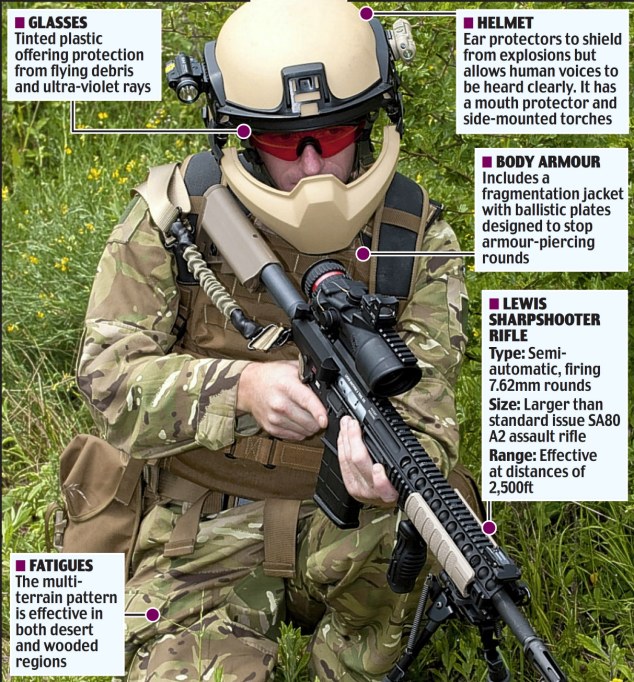
We human beings; unlike animals live in the present and keep planning about the future. Future intrigues us. It also makes us curious as well as innovative. Britain’s Ministry of Defence gave everyone a peek into what British infantry of 2025 would look like at the recent Defence and Security Equipment International (DSEI) exhibitions in London. It is called the Future Soldier Vision (FSV). FSV developed by the Defence Science and Technology Laboratory (Dstl), the British Army, Kinneir Dufort, and SEA Ltd, the FSV is based on projections of today’s commercial and military technology.

UK-3

The helmet is the ‘crowning glory’ of the FSV as it has been referred to as “head sub-system”. In this sub-system, an integrated power supply runs a crown of light-weight sensors that feed data to the wearer as well as fellow squad members. The ears are covered with bone conducting headphones that improve communications and situational awareness without interfering with the wearer’s hearing. There are smart glasses with a built-in camera and a heads-up display to relay data.

In addition to this, there is a smart watch that monitors and records biometric data. The FSV also includes sensor-laden body armour for better survivability, situational awareness, personal-role computer and information sharing network capability. The customized segmented armor with flexible shoulder pads enhance protection and distribute weight from the heavy loads that soldiers generally have to carry in the field. The armour also has its own power supply, power and data connectors, and an emergency release cord to get the lot off fast. The weapon which completes the FSV is ergonomic, customizable, and can share targeting information with other soldiers and units.

UK-2

One thing is for sure, as wars are getting more hi-tech; soldiers need to keep abreast with the newest of technologies.

[adinserter block=”7″]

Author: Technology Blog
Verified by ExactMetrics