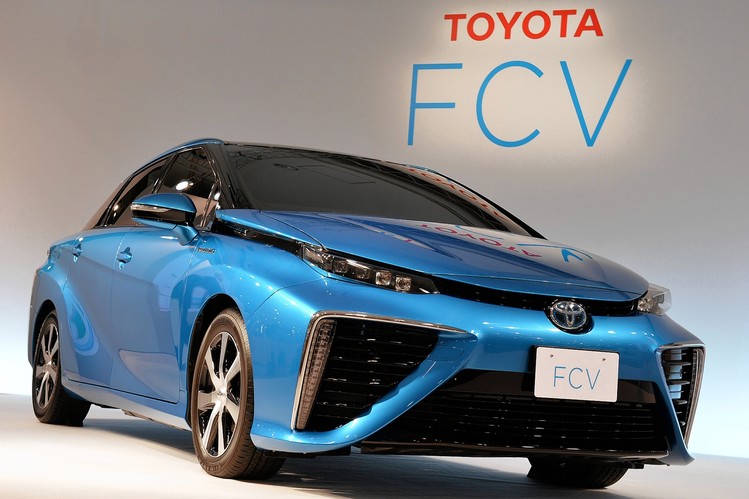
Cars are one necessity that one can’t imagine a life without. Similarly, fuel is the necessity for cars. But with increased pressure on conventional fuels like petrol, diesel, CNG and the matter of carbon footprints, many new ideas regarding new types of cars using cleaner fuels or cleaner technologies are on the curb. Two such ideas are being presented by China and Japan in the form of two cars which are battery driven and hydrogen fuel driven respectively. The car market right now can absorb both kinds of cars but the question is which technology will be more popular with the carmakers like Toyota or General Motors.
James Chao, Shanghai-based Asia-Pacific managing director for industry consultant IHS Automotive opines: “It is difficult to exaggerate the significance of the choice between batteries and hydrogen. Billions of dollars will be invested in one or the other and may determine which companies will lead the industry through the end of this century.”
Cars with different visions
Japan, keeping in view its long term vision of a ‘hydrogen society’ is investing heavily in fuel-cell technology and infrastructure. In their long term vision, hydrogen, as a zero emission fuel would power homes and vehicles. The Japanese are surely way ahead too when it comes to electric vehicles but as per Koei Saga, Toyota’s senior managing officer in charge of vehicle power train technology, “Technically speaking, EV is a relatively easier technology, but it needs to evolve. If you’re looking for the ultimate solution, the EV probably isn’t it.”
China, on the other hand, a major oil importer and a victim of air pollution, is rooting for all electric (EV) cars. And it is promoting this by offering incentives to buyers, forcing global automakers to share their technology and opening its market to tech firms and others to produce electric vehicles. It’s been a decade since China started pushing for the EV to become a mass-market car. Xu Heyi, chairman of Beijing Automotive Group and a high-ranking Communist Party official, told reporters, “(China President) Xi Jinping explained it very well, saying that developing new energy vehicles is the Chinese auto industry’s only road to grow from being big to being strong.”
Not only Japan and China, others are also working towards creating a car with an alternative fuel. According to reports, GM has joint research with Honda on hydrogen cars, while BMW is Toyota’s fuel-cell partner. Daimler in Europe and Hyundai Motor in South Korea are also carrying out their own research and development on a hydrogen car.
Affordability of hydrogen fuel-cell car
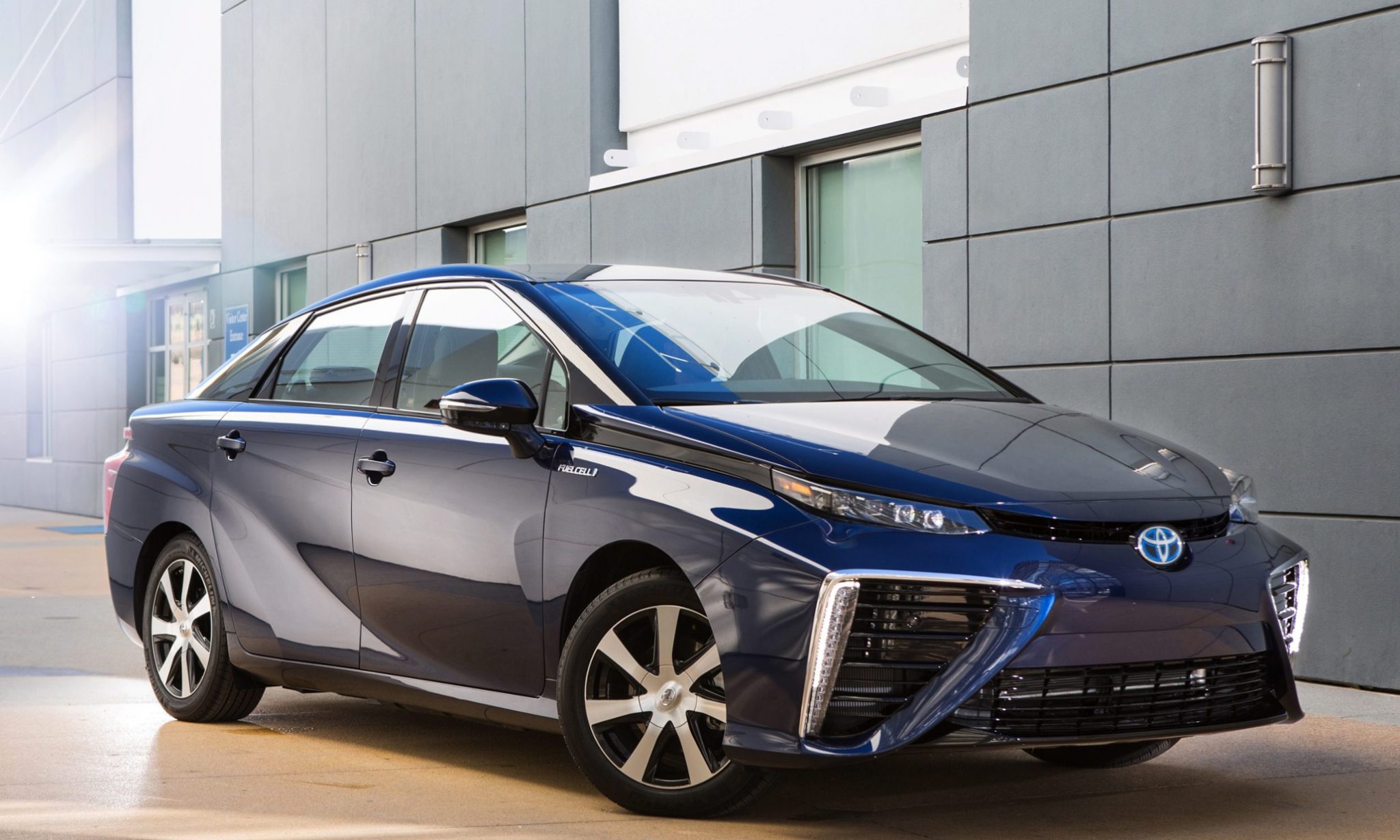
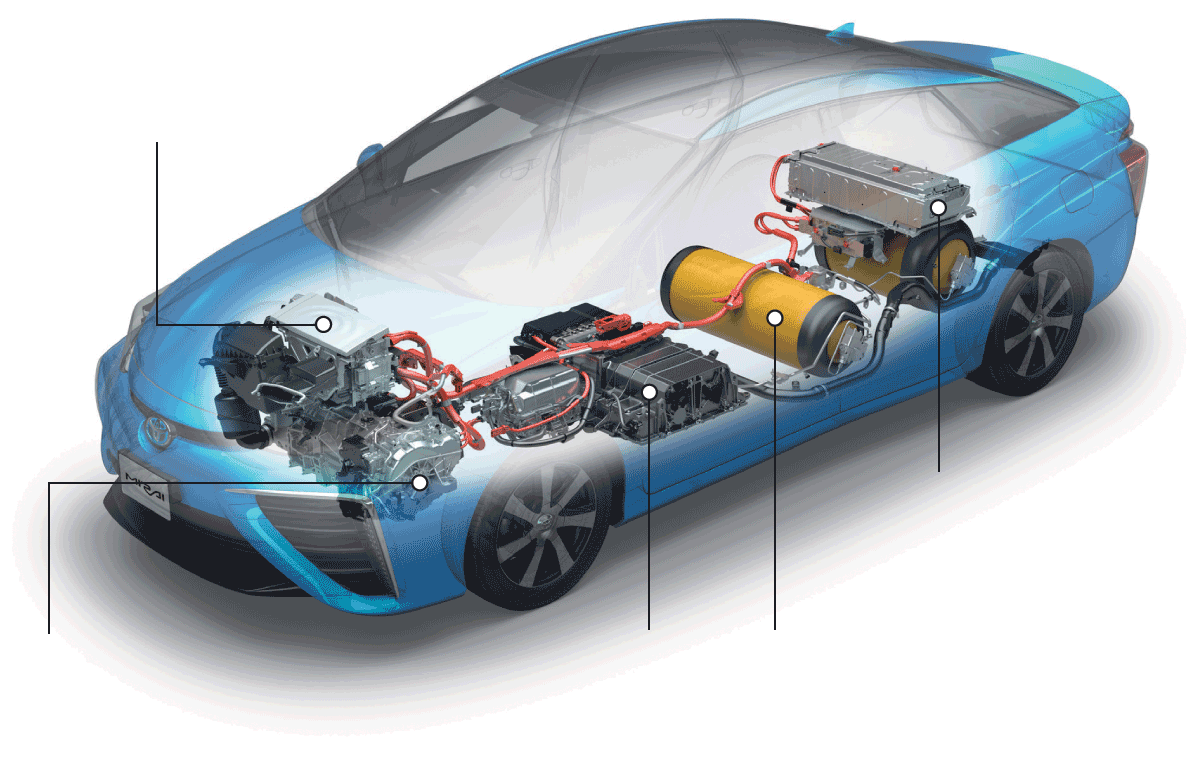
A few days back, Honda Motors unveiled a ‘mass market’ hydrogen fuel-cell car at the Tokyo Motor Show. The car will be available for sale from March ’16 onwards, after which it will be launched in the US and Europe. The car known as ‘Clarity Fuel Cell’ is trying to edge into affordability range, of course not for all, but for those fairly typical mainstream consumers that would be willing to stretch a little to buy something like this. The Clarity will retail for 7.66 million yen ($63,970) before government subsidies. Meanwhile Toyota is also launching its hydrogen-powered car called Mirai (meaning future in Japanese). Mirai boasts of subsidies totalling around 3 million yen ($24,915) per vehicle. If one wants to compare the two, Honda has an advantageous edge as it has shrunk the fuel-cell stack comprising of the motor, the fuel cell and the transmission. As a result the whole stack can be placed under one hood and leaves the car roomy enough to accommodate five adults.
[adinserter block=”7″]