The story of US military camouflage: From past to present

Right from the advent of wars, soldiers and arms and ammunitions have been a part and parcel of the whole scenario. But the sense of completion occurred with the introduction of uniforms which finally went on to evolve into camouflage uniforms.

Last summer, the U.S, Army introduced the new Army Combat Uniform (ACU) in order to develop that perfect camouflage. This ACU has the Operational Camouflage Pattern also known as Scorpion W2. By the summer of 2018, the old uniforms are to retire completely. The earlier uniform had digital-like appearance and was known as the Universal Camouflage Pattern (UCP). Use of camouflage by any army is nearly a couple of centuries old while in US army it is just 60 years. Let’s discuss the story of camouflage amongst ourselves today.

The first camouflage: Khaki

LOGAR PROVINCE, Afghanistan – U.S. Army Pfc. Ryan B. Stuart of Brooklyn Park, Minn., assigned to Company D, 2nd Battalion, 30th Infantry Regiment, 4th Brigade Combat Team, 10th Mountain Division, Task Force Storm, provides security for Afghan National Security Forces in Kharwar District Jan. 11. Soldiers of Co. D and ANSF recovered two caches and detained four people during the two-day operation. (Photo by U.S. Army Sgt. Cooper T. Cash, Task Force Patriot Public Affairs)

The khaki boasts of being the first type of camouflage. In England, by the Napoleanic wars, British rifle units wore green jackets. But in general they wore scarlet uniforms. Since the original flag of the UK was red and white, they used to wear Red coats with white trousers. As the British Empire expanded, it became difficult to wear heavy wool made scarlet uniforms in tropical climates like that of India. British Historian Nigel Thomas informs “Khaki was first used by the British by the British-Indian Army Corps of Guides cavalry regiment in 1849 in order to render the troops less conspicuous in their skirmishes with tribesmen on the North-Western Frontier of India (now Pakistan) deriving its name from the local Persian word “Khaki” meaning ash-coloured.

World War I and camouflage

US-2

In 1914, some armies still marched in bright colours for ex. French soldiers wore a uniform including a dark blue jacket and a red trouser. But as war deepened and progressed to trenches system the soldiers in the field started searching ways to blend in. New steel helmets were introduced that were painted in patterns to break up the lines. The Germans adopted quite unique patters in painting these helmets. It was these German patterns that were widely copied by the Americans but this was limited to helmets only and that too for the boat ride home and the subsequent victory parades. But it surely ushered in an era of camouflage.

World War II to Vietnam

US-3

Even by the time World War II broke, Americans had not developed anything like camouflage uniform. The soldiers wore khakis but that was because it had become a universal summer field uniform for the US Army and US Marine Corps.  in July, 1942, General Douglas MacArthur called for the production of 15,000 jungle camouflage uniforms for use in the Pacific Theater. The chosen pattern was by Norvell Gillespie, a horticulturist and garden editor of Better Homes and Gardens. It consisted of a spot design of greens and browns, and was reversible to a tan/brown variation that could be used in fall and early spring conditions. It featured five colours in total and was nicknamed “frogskin” for its spotty pattern. Alec Tulkoff, author of “Grunt Gear: USMC Combat Infantry Equipment of World War II,” told that the first large scale usage of camouflage by the Marine Corps during WWII took place during the Solomon Island Operations, specifically on Bougainville in November of 1943.” These uniforms were ideal for dense forests vegetation. But several weeks later during the invasion of the island Tarave this camouflage proved futile as it didn’t blend in with the sandy island and palm trees.

One big and practical reason that the US army didn’t use the camouflage was because the German military was using a variety of patterns – and there was concern that soldiers in camouflage attire would be mistaken for the enemy.

In Vietnam, the American M1 steel helmet was issued with a cover that featured the USMC Mitchell pattern, which consisted of overlapping dark brown, russet, beige, light brown & ochre “leaf” shapes on a tan background. This pattern was tested for uniforms, but rejected and only widely used with the helmet covers. After Vietnam, the U.S. Army Engineer Research and Development Laboratory (ERDL) developed a general purpose jungle camouflage consisting of mid-brown and grass green organic shapes with black “branches” on a lime green background. This pattern has been widely copied and is still in use throughout the world.

[adinserter block=”7″]

Next Page For More

No, your iPhone is still not using full 3D touch functionality…can you guess why?

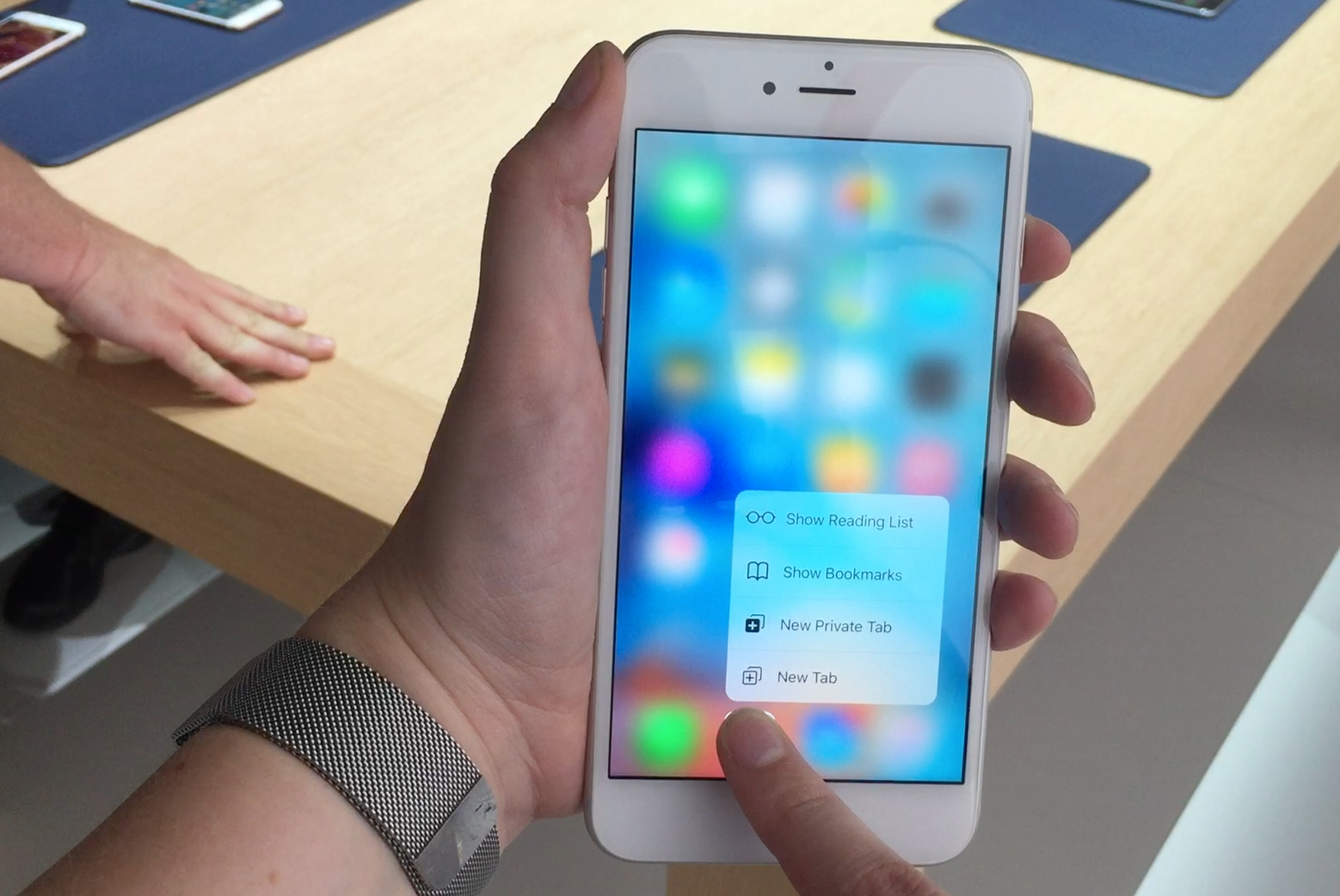
The most striking feature of iPhone 6s is its 3D Touch technology. It is basically a new way of interacting with the device that has given us new options like ‘Quick Actions’, ‘Peek’ and ‘Pop’ and for the time being, Apple seems to be limiting more advanced 3D Touch functionality. Presently it is used for in-app shortcuts like Peek and Pop and system-wide shortcuts like Quick Actions.

3d-4

It’s the developers who are the most curious to explore what the 3D touch can do and they are looking at different features that could be built into apps and use this new feature. For ex. Developer Victor Baro believes that no action should be completed just by using this 3D Touch feature because it is only available in iPhone 6S and 6S Plus. Another developer has shared a 3D touch based concept that would let a user apply filters to an image by using only variable pressure or fore on the screen.

Apple at present wants to offer the same set of core features to all iOS users, whether they are on iPhone 4S or iPhone 6S. By not using 3D Touch for anything else other than shortcuts, Apple is preventing fragmentation and making the job of developers easier. It is hoped that in the future course, as older devices get replaced by iPhone7 and its successors, 3D Touch may expand its functionality. Till then, Apple has to overcome another hurdle and that is finding an intuitive way to tell the user that 3D Touch advanced functionality is available inside an app.

3d-2

[adinserter block=”7″]

Author: Technology Blog


Project Loon is coming soon….in the sky just above you!

Indonesia has the fourth-largest population of any country in the world, distributed across just over 900 islands out of an archipelago of over 17,000, making communications infrastructure complex to deploy. The country ranks 118th in the world for per-capita gross domestic product, and the World Bank estimates that just 17 percent of Indonesians have access to the Internet. With these stats, Google has decided to launch Alphabet’s Loon Balloons to provide uniform and proper cellular network coverage to all of Indonesia.

Loon-4

Alphabet confirmed to have signed an agreement with Indonesia’s largest telecommunications companies, Indosat, XL Axiata, and Telkomsel, for a series of trials starting in 2016 that will include providing high-speed wireless Internet service to smartphones and other devices used by the network’s subscribers. “If all these tests go well, then we’ll have a signal we’re ready for commercial launch,” said Mike Cassidy, who leads Project Loon, during a media event on Wednesday announcing the tests. “Today’s announcement is about trying to improve the lives of tens of millions of Indonesians.”

Loon balloons are made from thin plastic similar to a heavyweight trash bag, and they carry a payload of electronics and communications equipment powered by a solar panel. The only control over these balloons after their launch would be alteration of altitude. The rest would depend on wind speeds.

[adinserter block=”7″]

The biggest challenge would be to coordinate the balloons together to provide all-round coverage. Certain areas between island and thick tropical forests are tricky and costly to cover. These are the special areas that would be targeted in this trial test.

Stuff like the price and accessibility to the people have yet to be decided, and the companies involved think it’s way too early to discuss that. Another uncertainty is that Loon balloons use LTE wireless technology, which is only just starting to penetrate the Indonesian market.

“I think this technology’s suitable for most countries,” Google cofounder Sergey Brin said. Loon balloons have also been tested with telecommunications companies in Australia, Brazil, and New Zealand.

Loon-5

Google plans to launch the balloons with a complex system model of global stratospheric wind conditions to check the balloons in check and close enough to provide coverage. They have been shown to ravel 10,000 kilometers and within 500 meters of the target area.

Author: Technology Blog

A Water Ball In Space. Read to Know How It Sparks Idea For A Future Industry

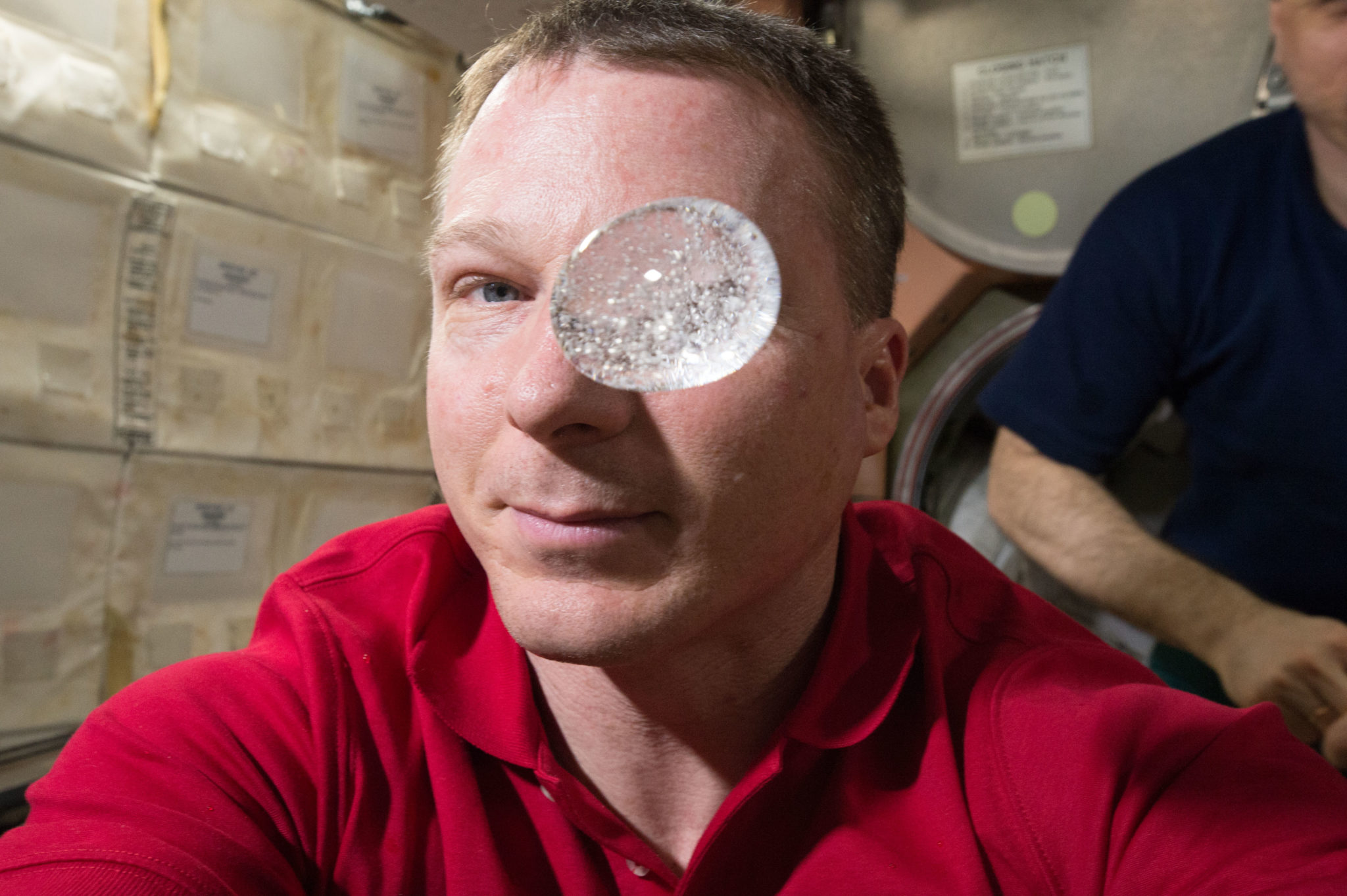
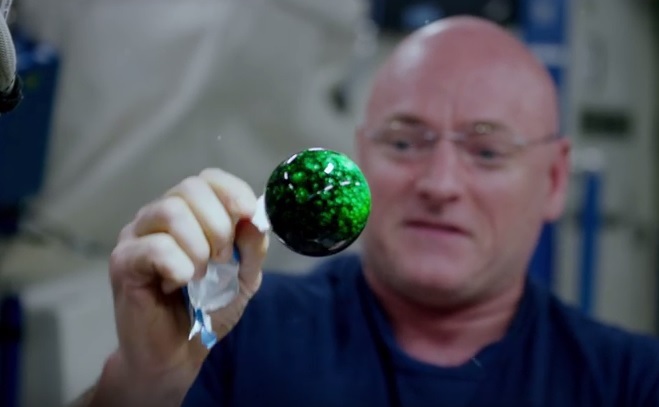
If you still haven’t got a chance to watch the viral video of ISS astronaut playing with a floating water ball in space, you should watch it now. In the video ISS astronaut Scott Kelly changes the colour of a floating water ball (a tennis-ball sized water blob) by injecting a few drops of dye. The coloured water blob looks really beautiful. Soon Kelly slips an Alka-Seltzer tablet.

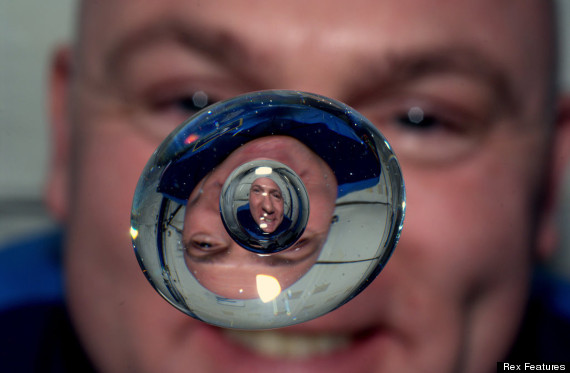
Editorial Use Only. No stock, books, advertising or merchandising without photographer's permission Mandatory Credit: Photo by ESA/NASA / Rex Features (1869992b) European Space Agency astronaut Andre Kuipers, Expedition 31 flight engineer, squeezes a water bubble out of his beverage container, showing his image refracted and reflected, on the International Space Station. European Space Agency astronaut Andre Kuipers, Expedition 31 flight engineer,plays with water in space - 20 Sep 2012 When ESA astronaut Andre Kuipers was on his six-month PromISSe mission on the International Space Station he conducted over 50 scientific experiments in the world's only permanent microgravity laboratory. He used to post pictures to Twitter including this fun image of him playing with water. On board the International Space Station, Andre squeezed a water bubble out of his drinks container, showing his image refracted and reflected. On Earth the bubble would rise and pop but in this case as there is no gravity, the bubble stays put and in the middle of the water drop is an evacuated sphere filled with air. When a beam of light passes through the bubble, the direction its traveling changes, which is why Andre's reflection is upside down, this is refraction.

The effervescent tablet then bubbles and fizzes inside the blob, meanwhile gas bubbles form inside and deform the blob when occasionally some of them manage to break the surface tension of the blob.

While watching this video, Daniel Faber, CEO of asteroid mining start-up Deep Space Industries realised the untapped value of space. He said this video could be the basic idea for a future industrial process which could take advantage of the odd properties of liquids in microgravity to keep substances separated from each other in a more controlled manner.

[adinserter block=”7″]

For example we can stumble upon a way to use the phenomena in the video to keep toxic substances in a liquid separate from other substances. Faber also cited the example that silicon carbide used in the production of semiconductors created in microgravity has fewer imperfections as compared to the same being created in labs on earth.

Tapping the power of microgravity is especially significant for Faber’s company because Deep Space Industries hope to start mining asteroids to supply raw materials for a new space economy that may include things like orbiting solar power stations and new communications infrastructure.

Ball-3

Wonder what a small coloured water blob can do when combined with science and technology.

Author: Technology Blog

Water desalination technique that works on low power developed by Egypt

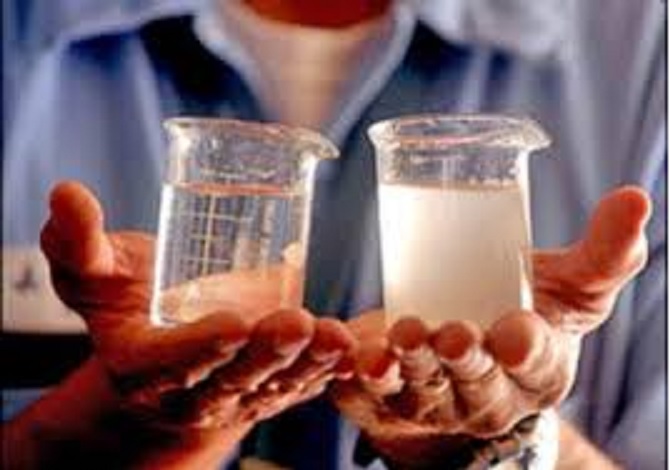
With the problem of ever increasing population of the world, the water resources on Mother Earth are under great stress as demand is exceeding the supply…. and what with climate changes causing lesser rainfall these resources are not even replenished properly. Though 71 percent of the earth is covered with water but most of it is unsuitable for drinking as it is not potable water as it is salt water found in the oceans. Though there are technologies that can remove salt from ocean water but these technologies are extremely expensive especially in developing countries. In addition to this, these also consume huge amounts of energy. To combat both these problems, a team of researchers at Alexandria University in Egypt, have come up with a simple filtration technique.

Water-3

In this technique, researchers use the process of pervaporation. In this process, salt water is first filtered though a membrane to remove larger particles. These filters contain cellulose acetate powder that, along with other components, will bind the salt particles as they pass through the membrane.  Once filtered, the water is vaporized under heat in a second purification step.

[adinserter block=”7″]
The vapour, containing pure water, is then condensed and collected for drinking purposes. The biggest advantage of this process is that made from materials common to Egypt and surrounding countries, the filters are affordable and can easily be produced in a laboratory setting. Ahmed El-Shafei, an associate professor of agricultural and biosystems engineering in Alexandria University says: “Using pervaporation eliminates the need for electricity that is used in classic desalination processes, thus cutting costs significantly.”

Water-5

The team of researchers now hopes to scale-up production of saline removing membrane and also start work on a pilot desalination unit to test the efficacy of this technique on a larger scale.

Author: Technology Blog

The magic of multitasking: How it works?

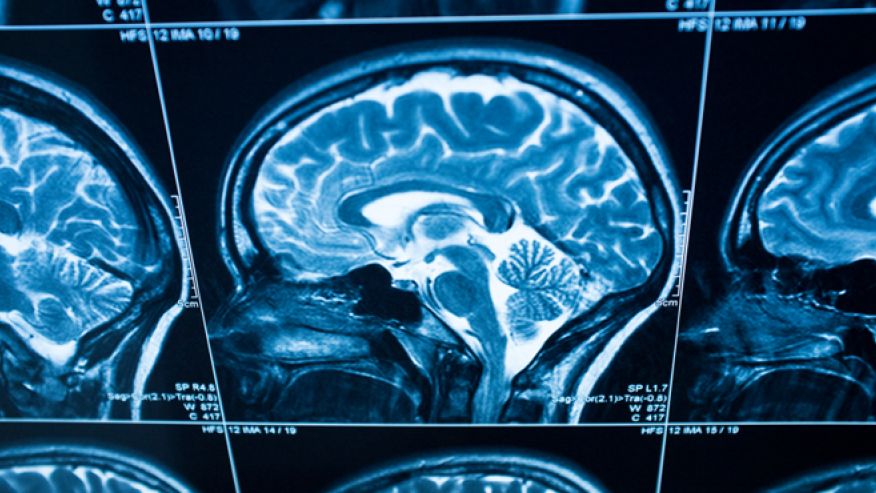
Multitasking- we all know it, we have all done it. Chances are, you’re doing it right now. But do you know which region of our brain is involved in this art? And how would it would affect our multitasking ability if certain regions of our brain are tampered with?

Woman juggling with several arms --- Image by © Lisbeth Hjort/cultura/Corbis
Woman juggling with several arms — Image by © Lisbeth Hjort/cultura/Corbis

Earlier this week, researchers at New York University published a paper in the journal Nature saying they identified one small region of the brain—the thalamic reticular nucleus (TRN)—as the one that controls our ability to multitask. This region of our brain handles all the stimuli we receive, and carefully filters out the rest to keep the most vital up in the front to focus on. Other all stimuli and response continue to take place in the backdrop of our mind. Solving the mysterious working of TRN in a healthy mind would help researchers to study diseases in which multitasking or sensory overload goes awry—autism, schizophrenia, and ADHD, for example.

“We have identified the [TRN] as a station. That is something that hasn’t really been described in the past, says Michael Halassa, a neuroscientist at NYU who led the research. “Now we can answer questions like whether individuals with autism have a broken TRN or potentially develop drugs that target [it].”

Francis Crick, one of the scientists involved in the identification of DNA structure, had long before pointed out the connection of the TRN with multitasking. But sadly, he had little evidence to back him up.

[adinserter block=”7″]

The researchers at NYU tested his long ignored hypothesis by running game-like experiments on mice. Some mice were trained to respond to light stimulus in a certain way to receive the reward of milk. As they completed the tasks with light stimulus, they were made to be distracted with sound stimulus too. In mice who were able to overcome the distractions, the TRN neurons that control hearing were highly active, meaning that they were suppressing sound signals so that the mice could focus more intensely on the light. The opposite was observed for other mice trained to respond sound stimuli for rewards.

Now, for the prefrontal cortex, when lasers stimulated this region of the brain, the TRN completely lost control and failed to suppress stimuli effectively. The prefrontal cortex is the area of the brain responsible for higher level functioning and this shows that the prefrontal cortex stores incoming sensory information, which the TRN then uses to suppress or not suppress certain senses, much in the same way that a switchboard works, explains Halassa.

Multi-5

“One commonality in patients with these disorders is that they have a really hard time suppressing [distracting stimuli],” says Halassa.

Halassa wants to use to information gained to find drugs that would help autistic and ADHD patients to gain better control over filtering out of unimportant stimuli.

Author: Technology Blog

Artists will Soon Verify Their Work with Synthetic DNA

So forgers have gotten way into the game with their advanced hacking capabilities and connections high up the ladder, but the artists will pretty much do anything to protect their precious works too. Enter a technological solution that employs synthetic DNA in addition to an artist’s unique signatures. DNA tags costing about $150 each would be a small price to pay for the artists, right?

Art-3

Currently in development at the Global Center for Innovation at the State University of New York at Albany (GCI), this technique has received $2 million in funding from art insurance specialists at the ARIS Title Insurance Corporation. The GCI are looking on to overcome several challenges in the making of this DNA marker. For one, it should not disrupt the art in question, and should be appealing to the artist. The marker should be durable and capable enough endure rough atmospheres and climate changes over time. The synthetic DNA carefully also penetrates the art at a molecular level, so its application or removal won’t impact the work in any way.

[adinserter block=”7″]
Implanting a microscopic sample of the artist’s personal DNA, for example, would present immense safety and privacy issues for the individual artist and would be far too easily stolen or replicated. Thus, tampering becomes the main problem to deal with. The obvious solution that comes up is that the professionals involved in the protection and verification of authentic and genuine art pieces, should be equipped with scanners having the correct identification of the piece of the artist. This would also be a sure shot proof of authenticity for future buyers of the art.

Art-2

“We hope there will be financial benefits from creating the intellectual property and the process becomes a gold standard in the industry,” Robert R. Jones, president of the State University of New York, Albany, told the New York Times.

Author: Technology Blog

How much Bacon is enough for your body? Read to beat the carcinogenic debate !

From the International Agency for Research on Cancer, part of the World Health Organization, a statement had been issued previously which had said that, eating a diet heavy in processed meats like hot dogs and salami could increase people’s risk of developing colorectal cancer. After having analysed more than 800 studies, classified processed meats had been classified as a Group 1 carcinogen with alcohol, smoking, and various chemical compounds, while red meat, such as beef or pork were categorized as a Group 2A possible carcinogen.

bacon-4

Now, the statement has since been called for modification. Having a diet rich in red meats and bacon might not get your chances of cancer as likely as a smoker after all. Three out of every 10,000 cases of colorectal cancer is caused by processed meats, a nutritional and gastrointestinal health expert told The Guardian—that’s about 40 cases in the U.S. per year. Smoking, on the other hand, is responsible for 30 percent of all cancer deaths (and many more cases), which is almost 177,000 deaths per year in the U.S. alone.

[adinserter block=”7″]

Thus, even though, there is a strong correlation between consumption of processed meat and other red meats, your chances of developing cancer are much likelier with alcohol, smoking and obesity. You can have these delicious processed meats- as long as you remember to moderate.

bacon-5

“For an individual, the risk of developing colorectal (bowel) cancer because of their consumption of processed meat remains small, but this risk increases with the amount of meat consumed,” said Kurt Straif, the head of the IARC program, in a press release.

Author: Technology Blog

Brain Fungus the Real Cause for Alzheimer’s?

With incidences of Alzheimer’s in individuals above 65 years of age increasing, researchers are racing to find a cure. And according to a study that appeared this week in Nature Scientific Reports, they are pretty close this time. Molecular biologists Diana Pisa, Luis Carrasco, and colleagues studied 25 cadavers, 14 of which belonged to people with Alzheimer’s and found astonishingly that all 14 of them had fungal infections.

Brain-5

If this were the answer and the cause- brain fungus, the several treatments available could potentially stop Alzheimer’s.

The problem is that fungus can’t explain all cases of dementia, as The Economist points out:

[adinserter block="7"]

John Hardy, a neuroscientist at University College, London, points out that one (albeit rare) cause of Alzheimer’s is well-understood. In a few unlucky families the disease appears to be an inherited disorder, caused by mutations of one of three genes. If a fungal infection were the ultimate cause, then those genetic mutations would have to make their carriers so susceptible that 100% of them end up infected, something he believes is unlikely. And the very clarity of Dr Carrasco’s result also makes Dr Hardy suspicious.

If that result is right, though, it is still possible that the correlation runs the other way, with Alzheimer’s opening the brain to fungal infection.

Brain-2

That being said, like cancer, Alzheimer’s could have many causes- genetic, chemical and physical. There would be countless therapies to treat different causes and many different routes to pursue. But for now, just one confirmed method would be great.

Author: Technology Blog


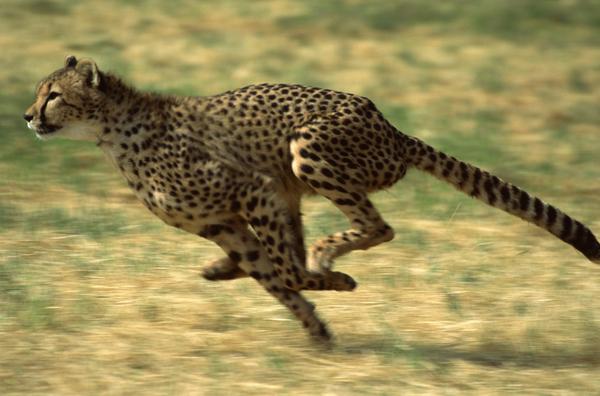
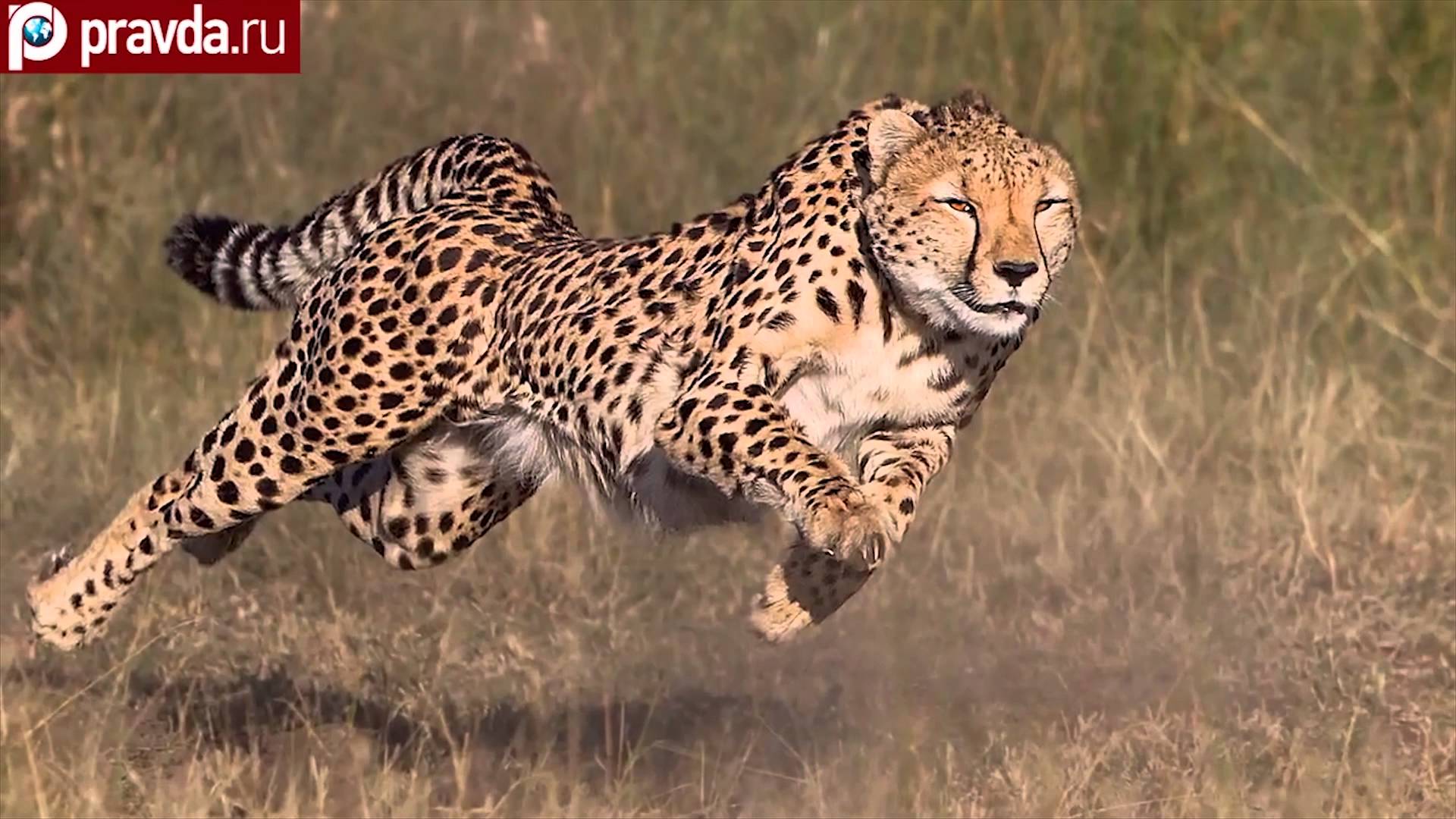
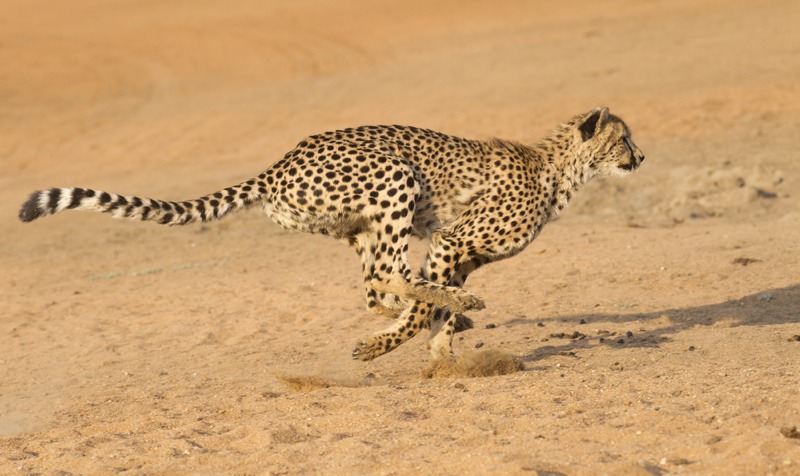
How Does the Cheetah Run This Fast?

There have been studies the proved that the cheetah uses its tail to change directions really fast and keep up its speed. A new paper by a pair of French physicists concludes that it’s the body length, not the mass, of the animal that determines its top speed.

Cheetah-4

As physicists have come up with a calculation that says that most animals should cover roughly ten times their body length per second at top speeds, we have some laws which are comparably with the above for the calculation of an animal’s running speed.

Take the square-cube law for instance. First described by Galileo in 1638, it states that as something gets bigger, its volume grows faster than its surface area. This law is precisely what contributes to the difficulty in building increasingly taller skyscrapers.

As Alex Klotz writes at Physics Forums, this means that as things get bigger, their own weight becomes more significant compared to their strength. (Ants can carry 50 times their own weight, squirrels can run up trees, and humans can do pull-ups.). This also applies to an object’s terminal velocity, as J.B.S. Haldane described in his classic 1926 article for Harper’s Magazine:

You can drop a mouse down a thousand-yard mine shaft; and, on arriving at the bottom, it gets a slight shock and walks away, provided that the ground is fairly soft. A rat is killed, a man is broken, a horse splashes.

Taking into consideration three important factors, the french physicists, Nicole Meyer-Vernet and Jean-Pierre Rospars, came to the following conclusion. They looked at three features they believe all the organisms they included share: first, they all have roughly the density of water (since we’re all mostly water); second, all move by contracting muscles with similar protein structure; and finally, they assume a metabolic rate of 2 kilowatts for every kilogram of muscle.

Certain other catches in this calculation have to be taken into consideration such as, the medium through which the organism is moving. Water for bacteria, is like molten asphalt for humans. The physicists have duly noted and used this finding during the calculation of bacteria speeds.

Cheetah-3

“Even if you take the fastest bacteria and compare it to the slowest whale to try and shoot down their argument, you will have to explain a -.0.06 power law instead of a 0.0 power law,” Klotz writes. “So their message stands: to zeroth-order, body traversal speed is independent of mass.”

[adinserter block=”7″]
Author: Technology Blog

Your sunscreen lotion is killing the beautiful coral reefs

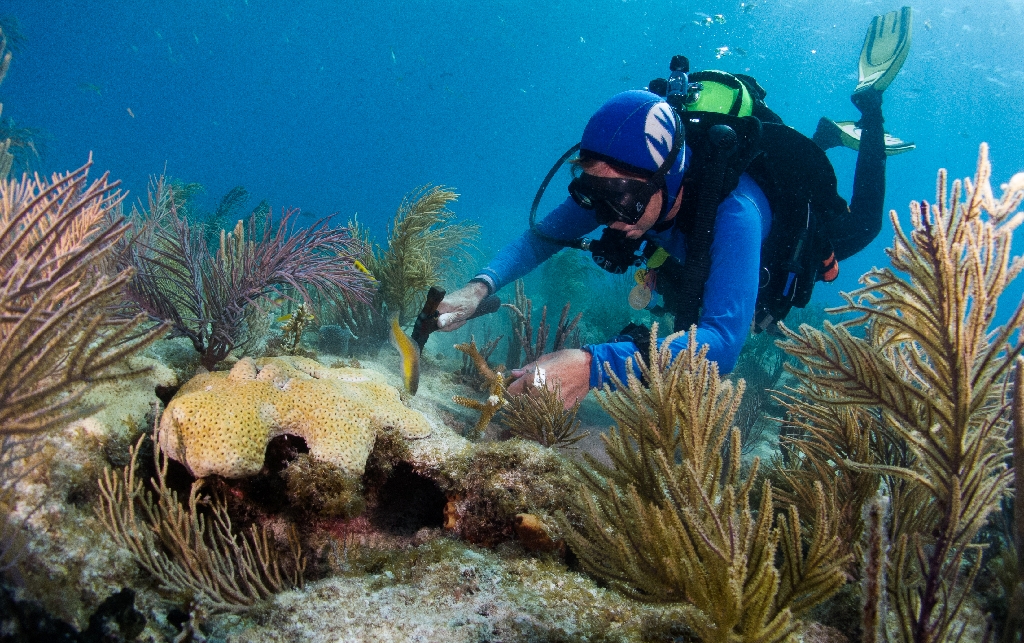
Coral reefs house nearly one fourth of the ocean’s biodiversity, help produce many of the fishes that humans eat and protect thousands of miles of coastline from storm surge. But if we do not take account of our wrong doings we are going to witness the sixth mass extinction i.e. the coral reefs. Scientists have been warning that oxybenzone, an ultraviolet-absorbing compound found in practically every major brand of sunscreen, might be one of the reasons of dying coral reefs.

Sun-2

According to a study published in Archives of Environmental Contamination and Toxicology, oxybenzone does kill corals. It disrupts their growth, increases the rate of coral bleaching, damages DNA, and can even cause the larval form of coral (called planula) to become trapped in their own skeleton. The study goes on to explain that even an extremely small amount of sunscreen, equivalent to a single drop in six Olympic sized swimming pools is enough to start the disruption of coral growth. Now imagine, how much damage would 14,000 tons of sunscreen cause which is discharged into coral reefs every year?

[adinserter block="7"]
A report from the National Oceanic and Atmospheric Administration concluded that we’re in the midst of a massive coral bleaching event, a phenomenon which occurs when high temperatures disrupt the symbiotic relationship between coral and its photosynthetic food source, a green alga called zooxanthellae. The report elaborates that this year’s coral bleaching could impact a full 38% of coral reefs worldwide. If current trends continue reefs could disappear entirely within the next several decades.

Sun-5

The co-author of the study Craig Downs informed one and all: “We have lost at least 80 percent of the coral reefs in the Caribbean. Any small effort to reduce oxybenzone pollution could mean that a coral reef survives a long, hot summer, or that a degraded area recovers.” And this isn’t something very difficult. You just have to check the ingredients list on the bottle of your sunscreen and check for oxybenzone. If it is there on the label, just chuck it in the dustbin. Because this is exactly what it is turning the ocean into right now – Dustbin! Climate change is one of the most serious problems that the mankind has faced in centuries and until unless we don’t take note of this serious situation and do something about it, we should keep ourselves ready for the total annihilation of our planet.

Author: Technology Blog

Here comes the brick-laying robot to make buildings

Amidst all the debates about robots replacing humans and snatching away their jobs, some engineers in Switzerland have created a robot that can lay bricks and help humans in making buildings. These scientists from Zurich’s Swiss National Center of Competence in Research have named this robot In-situ Fabricator.

DFAB Picture
DFAB Picture

It has a 2D laser range finder, two onboard computers along with sensors to know its own location. It uses its big arm to lay bricks in pre-programmed patterns, and uses its wheeled base to zip around construction sites, free of human help.

[adinserter block="7"]

In addition to this, it can also generate 3D maps of the work site which allows it to build different building designs that can adapt to the construction site and unforeseen circumstances.

brick-4

This robot has an ability to adjust to sudden changes like last-minute changes to the design-plan. So in a nutshell, they are trying to induce ‘adaptive learning’ in robots.

Author: Technology Blog

Eels use their electric shock as a weapon as well as a sensory system

You wouldn’t want to be in the vicinity of an electric eel and you know very well why. Who in their right minds would want to face a 600-volt shock inducing hunter? But this is not the only use they put their electric attacks to. They actually use these electric shocks to locate their prey. This was concluded in a study published in “Nature Communications” by neurobiologist Ken Catania.

eel-1

Catania conducted a series of laboratory experiments to show how electric eels ‘electro-locate’ their prey after paralyzing it, using energy fields to locate and swallow their victims in an instant.
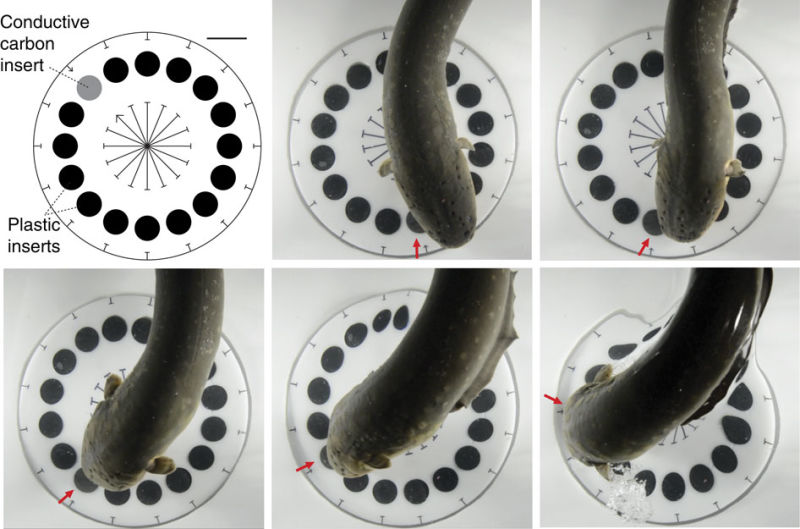
In the lab, Catania presented the electric eels brought into the lab with anaesthetized fish. These fish were insulated from the eel’s electro-receptors by plastic bags. With an electrode he then made the fish flinch causing the eel to discharge its high-voltage shock. But then the eel became clueless as to what it should do next.

[adinserter block="7"]

It did lung into the direction of the fish but didn’t attempt to swallow it. Then an electrically conductive carbon rod was put into the tank along with the fish. He again made the fish flinch and the eel attacked. But the fish became confused as sometimes it lunged towards the fish and sometimes moved towards the carbon rod assuming that the fish was at two different places. Actually what happens is, the electric eels’ high voltage attacks can stimulate their prey’s motor neurons, causing involuntary muscle twitching.

Using two or three small electric volleys, the eels will force prey to give away their location before charging up and delivering the paralyzing blow. So in Catania’s words, “The eel can use its electric attack simultaneously as a weapon and a sensory system.” This quality of the eels is an adaptation similar to echolocation in bats and dolphins. Nature has always its multiple mysterious layers to be peeled off one by one!

eel-2

Author: Technology Blog

Handmade 3D Printed Railgun Can Fire 560 MPH Projectiles


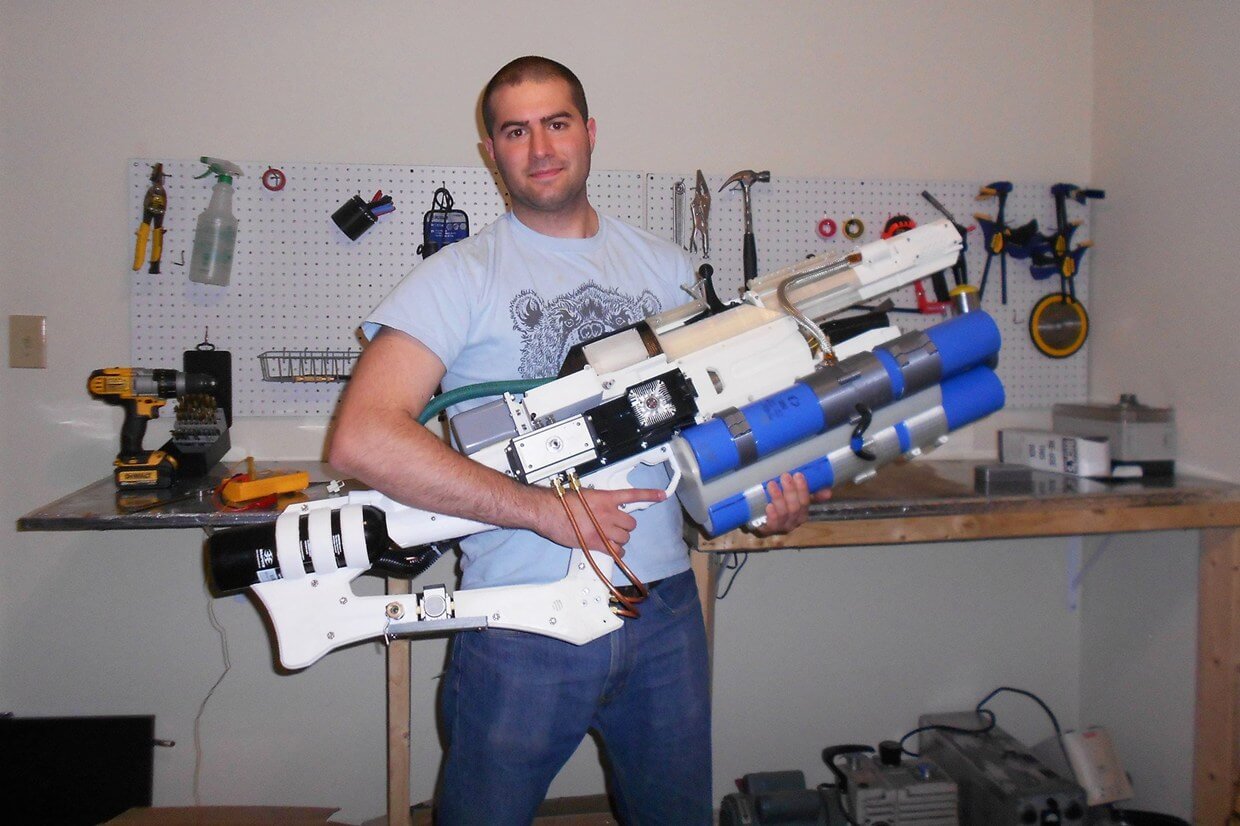
As electronics required to make such instruments are increasingly accessible, railguns are becoming more common to encounter outside the virtual world. Check out this 3D printed one made by YouTuber and DIY electronics enthusiast xtamared.

Gun-2

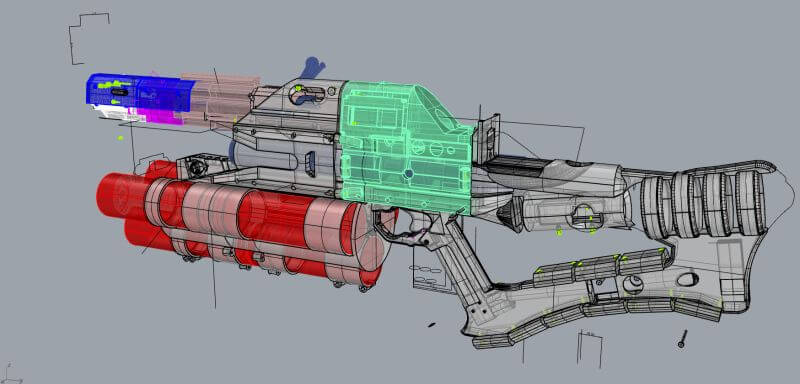
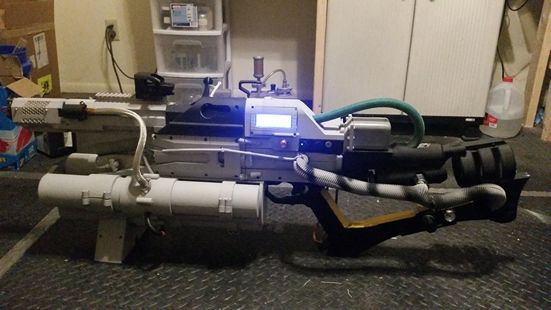
This railgun is relatively huge as compared to the conventional models available in the market, but its effectiveness is no less. Armed with these six capacitors weighing 20 pounds, the gun (dubbed the WXPR-1 by its creator) delivers about 1050 volts and 1.8 kilojoules of energy to the projectile inside the gun. This machine is powerful enough to vaporise a carbon projectile. The six capacitors are held together at the bottom of the gun in groups of two, within 3D frames.

The gun’s electronics are controlled by an Arduino Uno R3, which monitors the levels of the electronic components — including the capacitor voltage, the amperage, the temperature, and battery voltage. The entire unit is powered by a 12V lithium-polymer battery that’s stepped up to 1050V using a micro-inverter and a transformer. It fires a variety of metal armatures, such as copper-plated tungsten, aluminum, carbon, and Teflon/plasma.

[adinserter block="7"]

xtamared describes how he had to do a ton of research. Using information from PhysicsThings micro-railgun and Sam Barros’ Powerless railgun design, it took six months for him to fine tune the electronics, six months to machine the rails, and another six months for the 3D printing, remaining design, and final assembly. A total of about a year and half of work can be seen in the vid above in all its glory.

Gun-3

Author: Technology Blog

Editing Genes Gives Way to Diseased Dog Models and Supermuscled Pets

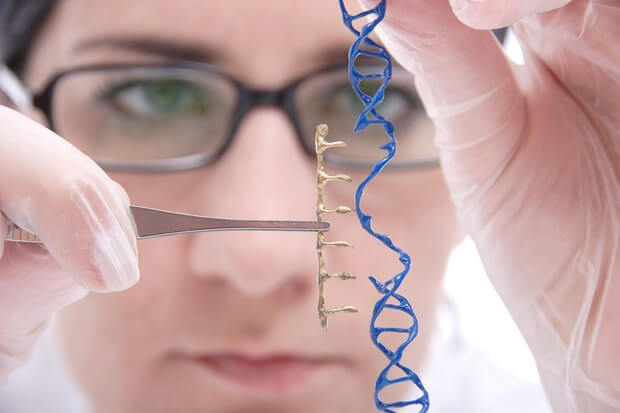
China has taken tampering with nature to the new level with their use of the CRISPR technique. They have been using this to edit the genes in dogs, specifically to create super dogs with huge mutated muscles.

gene-1

The original purpose of the experiments being to introduce certain degenerative human diseases in dogs for efficient testing as, “Dogs are very close to humans in terms of metabolic, physiological, and anatomical characteristics.” said study co-author Liangxue Lai in Technology Review, also a researcher with the Key Laboratory of Regenerative Biology at the Guangzhou Institutes of Biomedicine and Health.

The idea of “customised pets” was also thrown into the mix after the gene for myostatin (MSTN) was effectively knocked out in beagles. Myostatin is the hormone involved in controlling muscle growth, and without it, the muscle mass of the beagle roughly doubled, as Technology Review reports. The details of this work can now be found at the Journal of Molecular Cell Biology.

[adinserter block="7"]

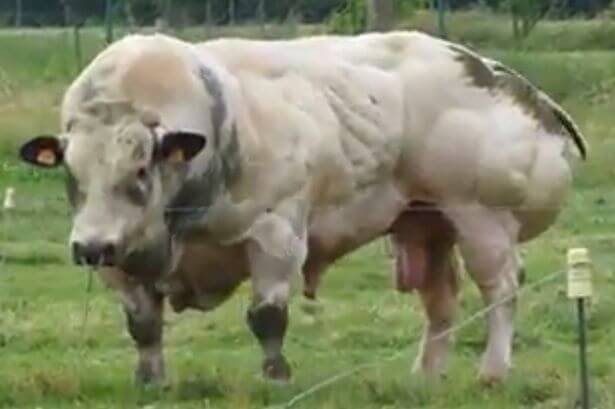
The beagles are similar to super-muscled Belgian Blue cattle and whippet dogs, both of which have been bred in such a way that they now “naturally” suppress myostatin production at the genetic level.  Some humans have actually been born with this mutation.

gene-2

The diseased dog models plan to mimic diseases like the Parkinson’s and muscular dystrophy. And it seems pretty close that there will an array of mutated pets with changed qualities of physical proportions, color patterns, intelligence and temperament.

Author: Technology Blog

Verified by ExactMetrics