Artists will Soon Verify Their Work with Synthetic DNA

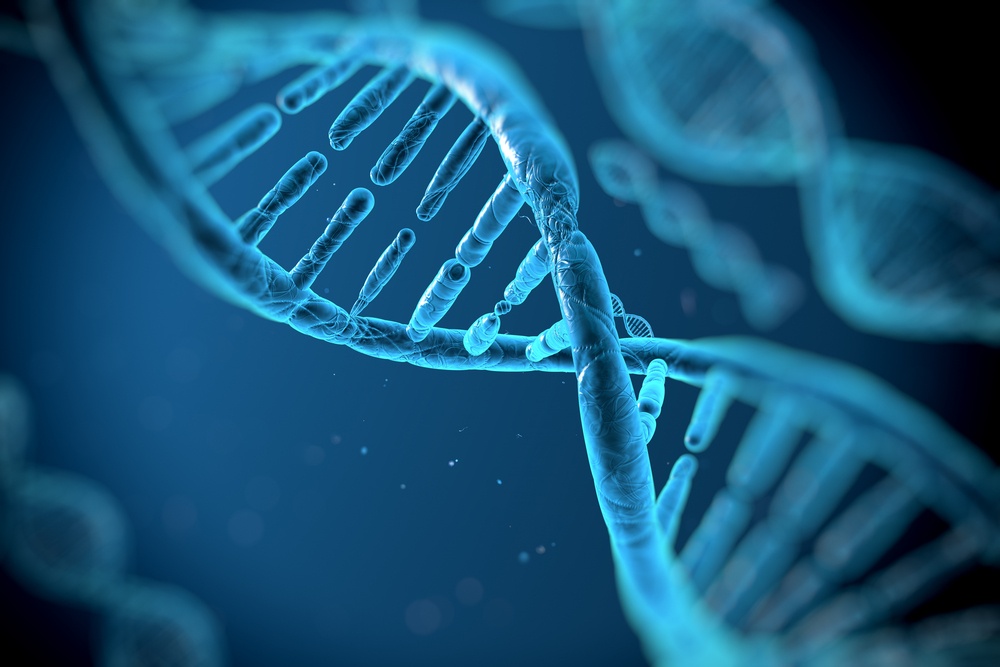
So forgers have gotten way into the game with their advanced hacking capabilities and connections high up the ladder, but the artists will pretty much do anything to protect their precious works too. Enter a technological solution that employs synthetic DNA in addition to an artist’s unique signatures. DNA tags costing about $150 each would be a small price to pay for the artists, right?
Art-3

Currently in development at the Global Center for Innovation at the State University of New York at Albany (GCI), this technique has received $2 million in funding from art insurance specialists at the ARIS Title Insurance Corporation. The GCI are looking on to overcome several challenges in the making of this DNA marker. For one, it should not disrupt the art in question, and should be appealing to the artist. The marker should be durable and capable enough endure rough atmospheres and climate changes over time. The synthetic DNA carefully also penetrates the art at a molecular level, so its application or removal won’t impact the work in any way.

[adinserter block=”7″]

Implanting a microscopic sample of the artist’s personal DNA, for example, would present immense safety and privacy issues for the individual artist and would be far too easily stolen or replicated. Thus, tampering becomes the main problem to deal with. The obvious solution that comes up is that the professionals involved in the protection and verification of authentic and genuine art pieces, should be equipped with scanners having the correct identification of the piece of the artist. This would also be a sure shot proof of authenticity for future buyers of the art.

Art-2

“We hope there will be financial benefits from creating the intellectual property and the process becomes a gold standard in the industry,” Robert R. Jones, president of the State University of New York, Albany, told the New York Times.

Author: Technology Blog

How much Bacon is enough for your body? Read to beat the carcinogenic debate !

From the International Agency for Research on Cancer, part of the World Health Organization, a statement had been issued previously which had said that, eating a diet heavy in processed meats like hot dogs and salami could increase people’s risk of developing colorectal cancer. After having analysed more than 800 studies, classified processed meats had been classified as a Group 1 carcinogen with alcohol, smoking, and various chemical compounds, while red meat, such as beef or pork were categorized as a Group 2A possible carcinogen.

bacon-4

Now, the statement has since been called for modification. Having a diet rich in red meats and bacon might not get your chances of cancer as likely as a smoker after all. Three out of every 10,000 cases of colorectal cancer is caused by processed meats, a nutritional and gastrointestinal health expert told The Guardian—that’s about 40 cases in the U.S. per year. Smoking, on the other hand, is responsible for 30 percent of all cancer deaths (and many more cases), which is almost 177,000 deaths per year in the U.S. alone.

[adinserter block=”7″]

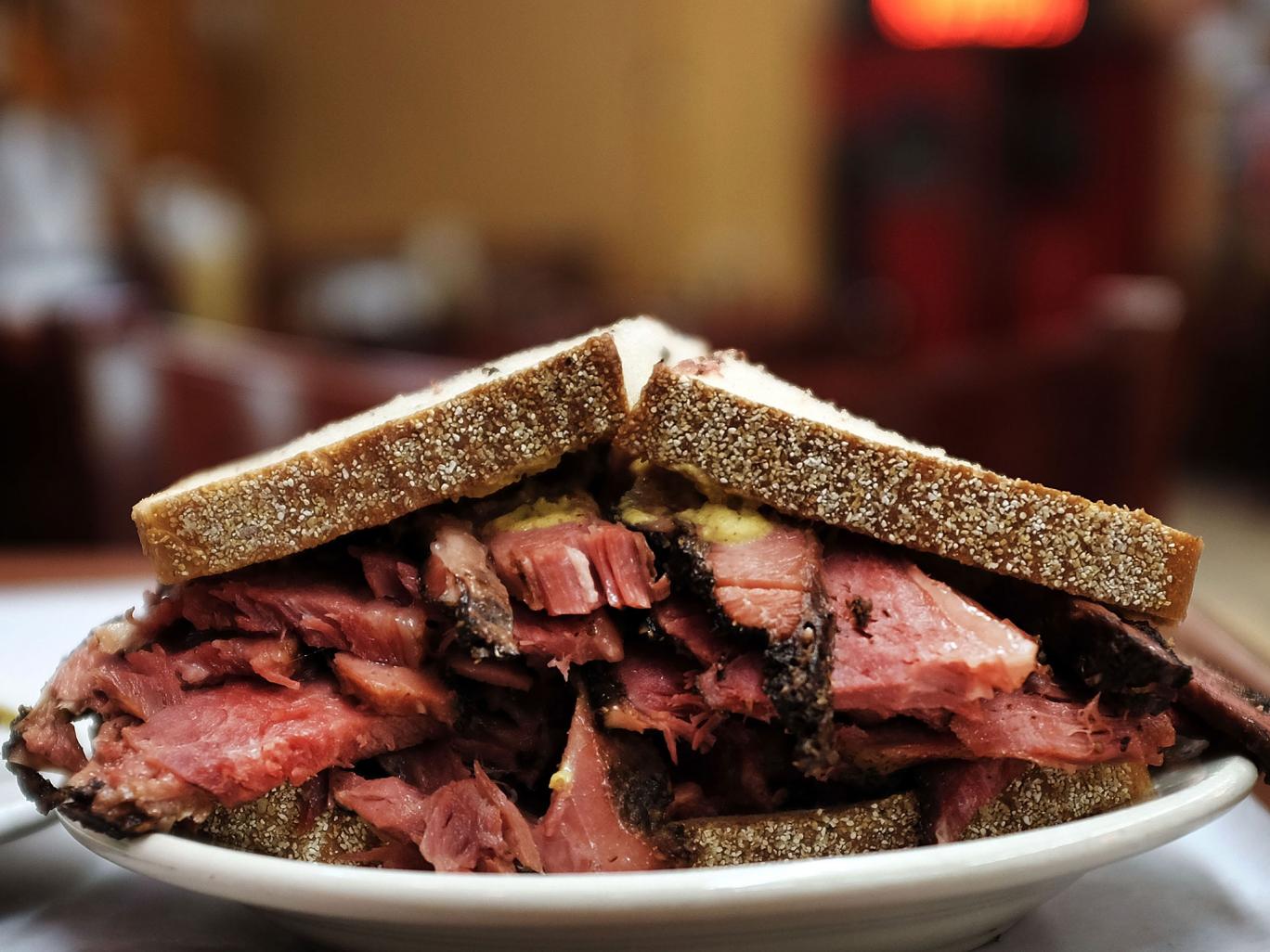
Thus, even though, there is a strong correlation between consumption of processed meat and other red meats, your chances of developing cancer are much likelier with alcohol, smoking and obesity. You can have these delicious processed meats- as long as you remember to moderate.

bacon-5

“For an individual, the risk of developing colorectal (bowel) cancer because of their consumption of processed meat remains small, but this risk increases with the amount of meat consumed,” said Kurt Straif, the head of the IARC program, in a press release.

Author: Technology Blog

Brain Fungus the Real Cause for Alzheimer’s?

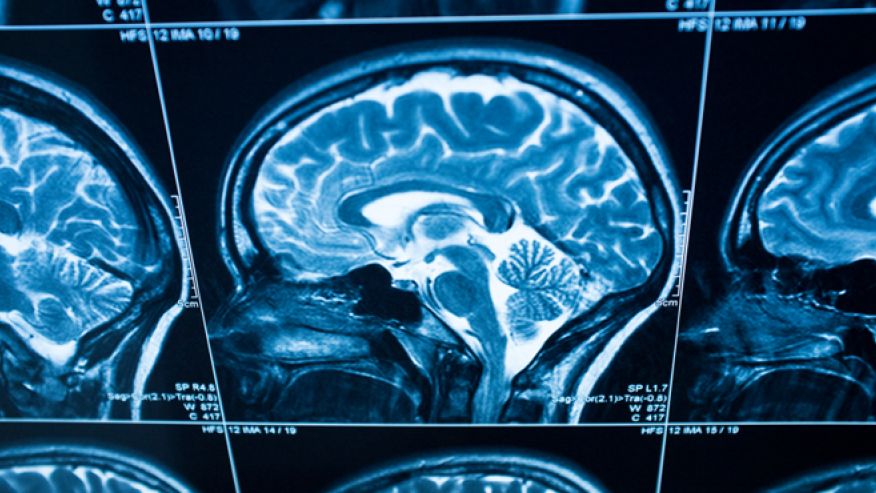
With incidences of Alzheimer’s in individuals above 65 years of age increasing, researchers are racing to find a cure. And according to a study that appeared this week in Nature Scientific Reports, they are pretty close this time. Molecular biologists Diana Pisa, Luis Carrasco, and colleagues studied 25 cadavers, 14 of which belonged to people with Alzheimer’s and found astonishingly that all 14 of them had fungal infections.

Brain-5

If this were the answer and the cause- brain fungus, the several treatments available could potentially stop Alzheimer’s.

The problem is that fungus can’t explain all cases of dementia, as The Economist points out:

[adinserter block="7"]

John Hardy, a neuroscientist at University College, London, points out that one (albeit rare) cause of Alzheimer’s is well-understood. In a few unlucky families the disease appears to be an inherited disorder, caused by mutations of one of three genes. If a fungal infection were the ultimate cause, then those genetic mutations would have to make their carriers so susceptible that 100% of them end up infected, something he believes is unlikely. And the very clarity of Dr Carrasco’s result also makes Dr Hardy suspicious.

If that result is right, though, it is still possible that the correlation runs the other way, with Alzheimer’s opening the brain to fungal infection.

Brain-2

That being said, like cancer, Alzheimer’s could have many causes- genetic, chemical and physical. There would be countless therapies to treat different causes and many different routes to pursue. But for now, just one confirmed method would be great.

Author: Technology Blog


Verified by ExactMetrics