The story of US military camouflage: From past to present

Right from the advent of wars, soldiers and arms and ammunitions have been a part and parcel of the whole scenario. But the sense of completion occurred with the introduction of uniforms which finally went on to evolve into camouflage uniforms.

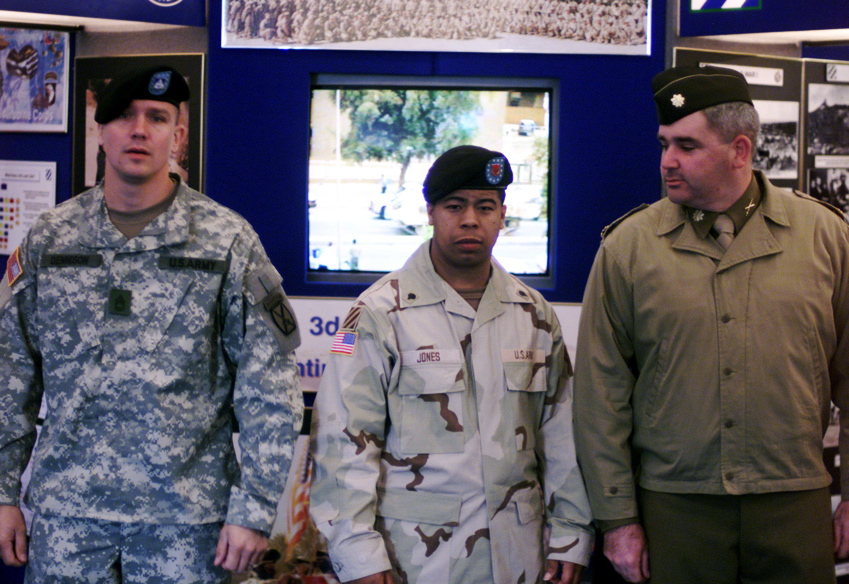
Last summer, the U.S, Army introduced the new Army Combat Uniform (ACU) in order to develop that perfect camouflage. This ACU has the Operational Camouflage Pattern also known as Scorpion W2. By the summer of 2018, the old uniforms are to retire completely. The earlier uniform had digital-like appearance and was known as the Universal Camouflage Pattern (UCP). Use of camouflage by any army is nearly a couple of centuries old while in US army it is just 60 years. Let’s discuss the story of camouflage amongst ourselves today.

The first camouflage: Khaki
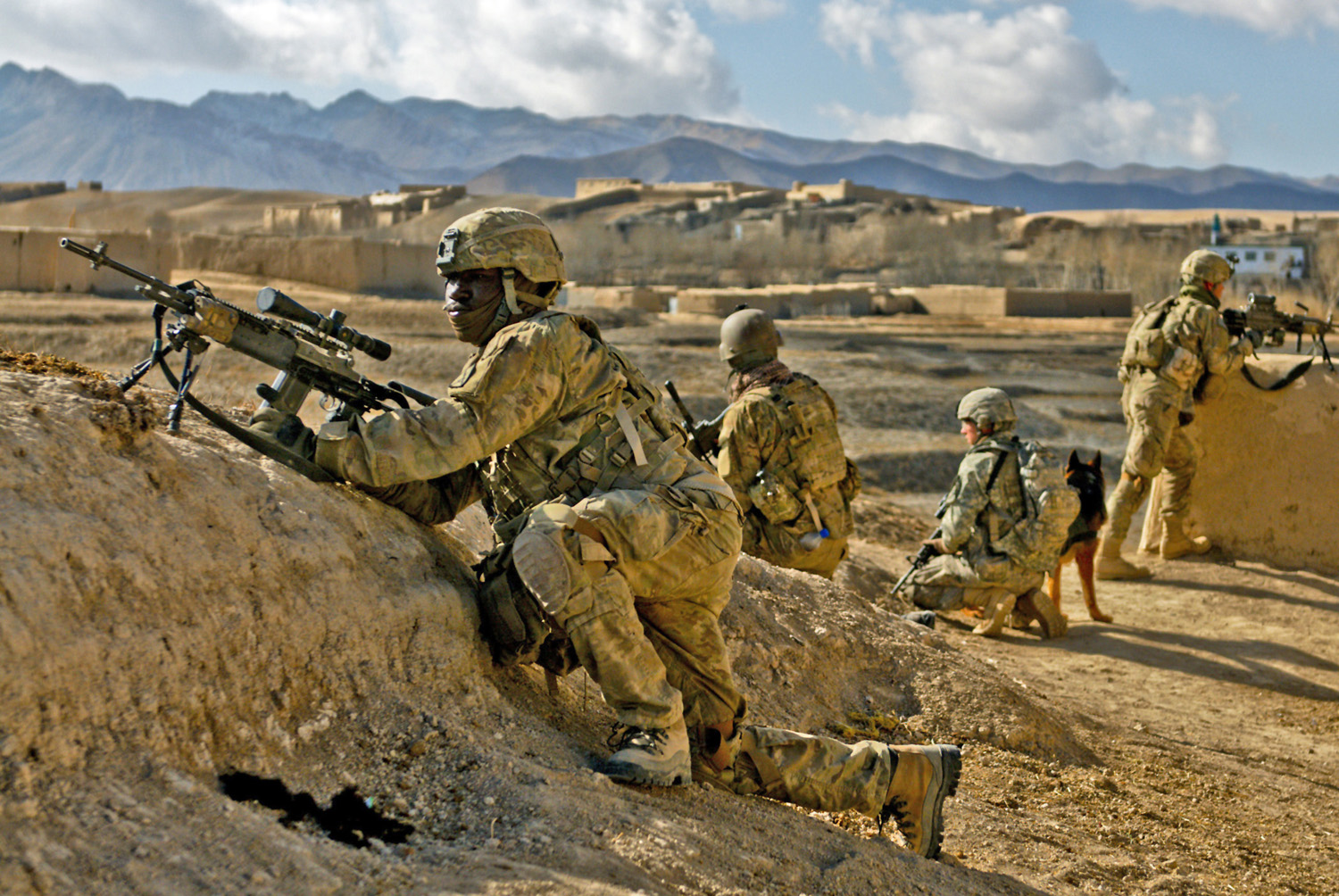
LOGAR PROVINCE, Afghanistan – U.S. Army Pfc. Ryan B. Stuart of Brooklyn Park, Minn., assigned to Company D, 2nd Battalion, 30th Infantry Regiment, 4th Brigade Combat Team, 10th Mountain Division, Task Force Storm, provides security for Afghan National Security Forces in Kharwar District Jan. 11. Soldiers of Co. D and ANSF recovered two caches and detained four people during the two-day operation. (Photo by U.S. Army Sgt. Cooper T. Cash, Task Force Patriot Public Affairs)

The khaki boasts of being the first type of camouflage. In England, by the Napoleanic wars, British rifle units wore green jackets. But in general they wore scarlet uniforms. Since the original flag of the UK was red and white, they used to wear Red coats with white trousers. As the British Empire expanded, it became difficult to wear heavy wool made scarlet uniforms in tropical climates like that of India. British Historian Nigel Thomas informs “Khaki was first used by the British by the British-Indian Army Corps of Guides cavalry regiment in 1849 in order to render the troops less conspicuous in their skirmishes with tribesmen on the North-Western Frontier of India (now Pakistan) deriving its name from the local Persian word “Khaki” meaning ash-coloured.

World War I and camouflage
US-2

In 1914, some armies still marched in bright colours for ex. French soldiers wore a uniform including a dark blue jacket and a red trouser. But as war deepened and progressed to trenches system the soldiers in the field started searching ways to blend in. New steel helmets were introduced that were painted in patterns to break up the lines. The Germans adopted quite unique patters in painting these helmets. It was these German patterns that were widely copied by the Americans but this was limited to helmets only and that too for the boat ride home and the subsequent victory parades. But it surely ushered in an era of camouflage.

World War II to Vietnam
US-3

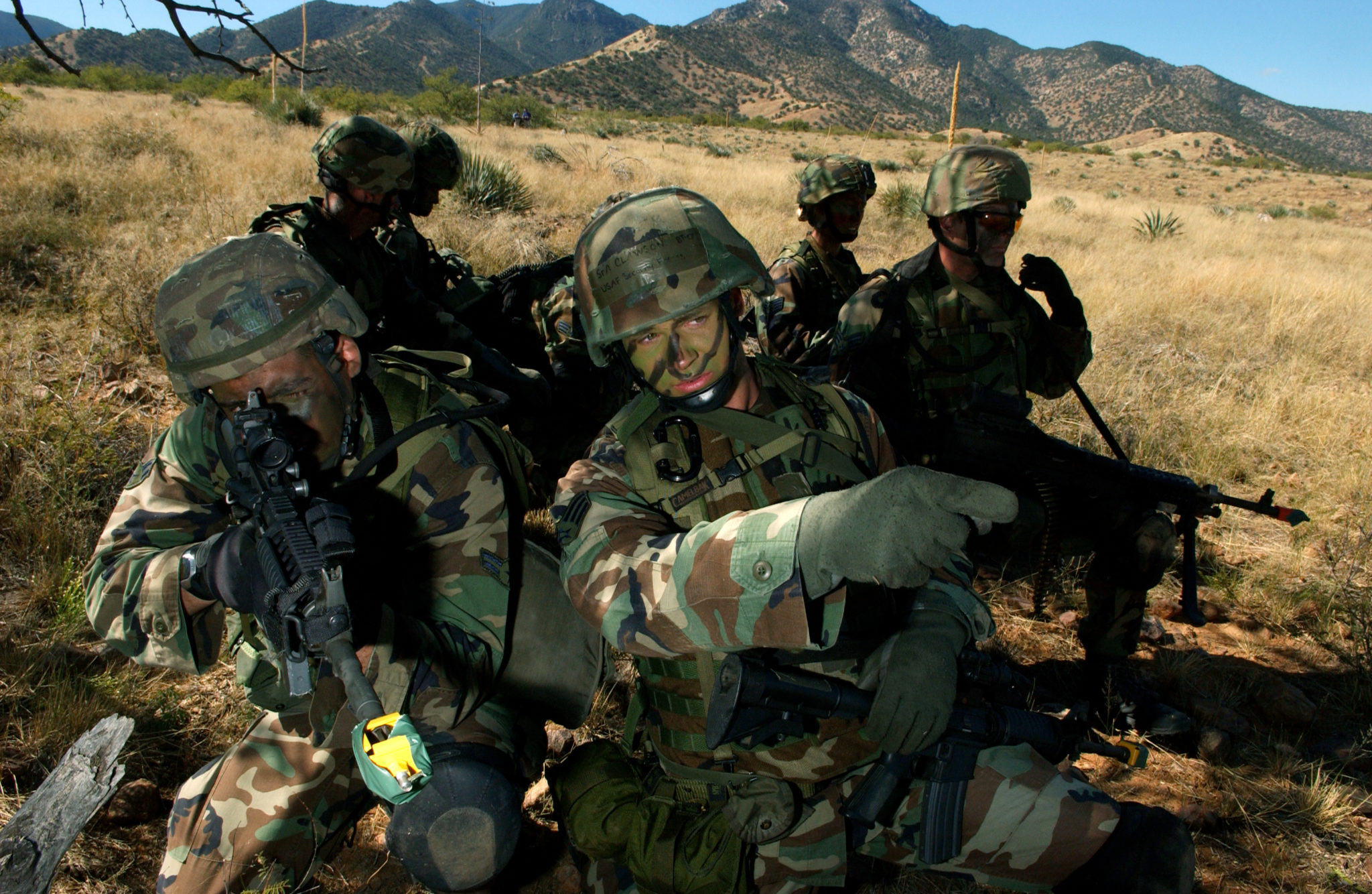
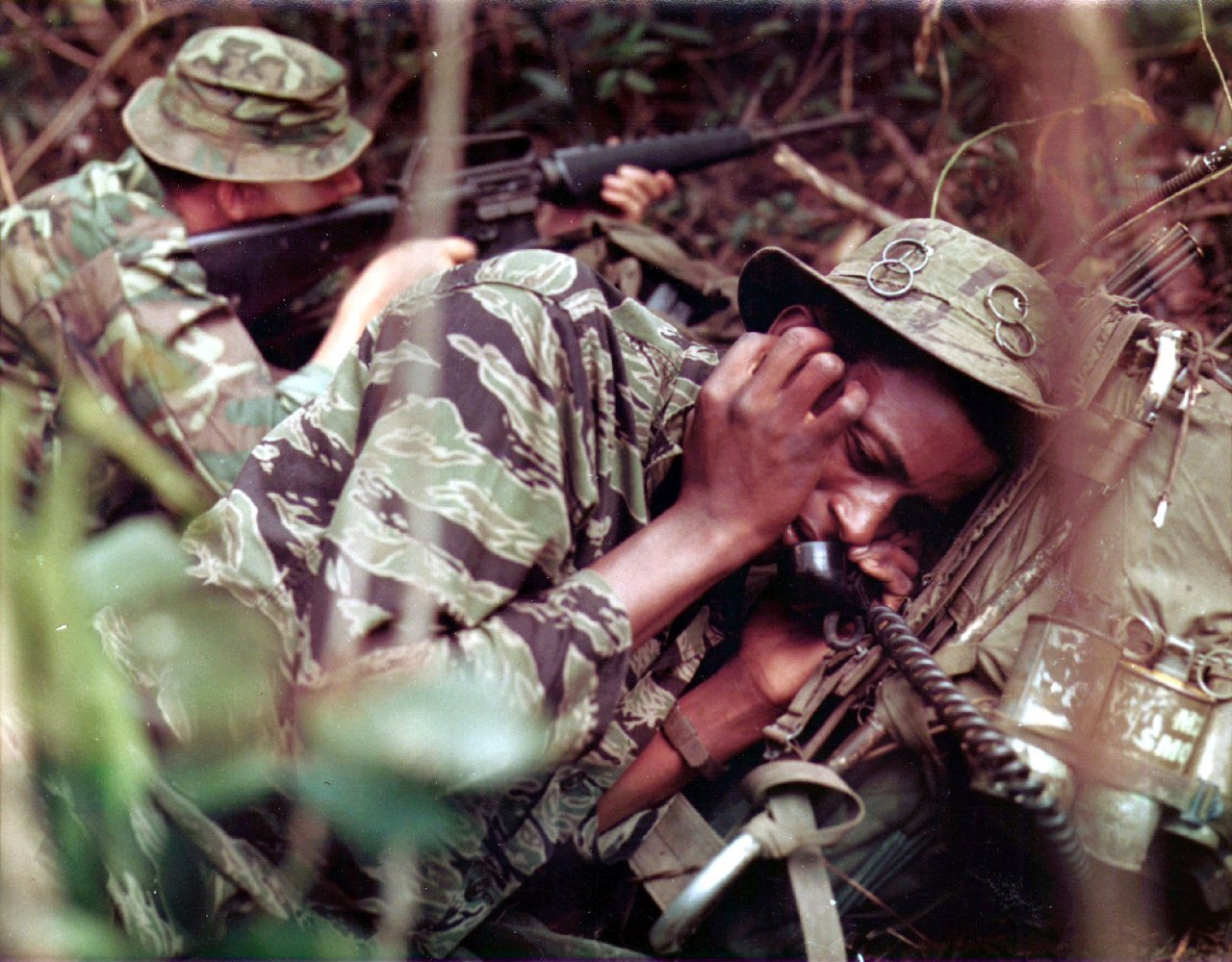
Even by the time World War II broke, Americans had not developed anything like camouflage uniform. The soldiers wore khakis but that was because it had become a universal summer field uniform for the US Army and US Marine Corps.  in July, 1942, General Douglas MacArthur called for the production of 15,000 jungle camouflage uniforms for use in the Pacific Theater. The chosen pattern was by Norvell Gillespie, a horticulturist and garden editor of Better Homes and Gardens. It consisted of a spot design of greens and browns, and was reversible to a tan/brown variation that could be used in fall and early spring conditions. It featured five colours in total and was nicknamed “frogskin” for its spotty pattern. Alec Tulkoff, author of “Grunt Gear: USMC Combat Infantry Equipment of World War II,” told that the first large scale usage of camouflage by the Marine Corps during WWII took place during the Solomon Island Operations, specifically on Bougainville in November of 1943.” These uniforms were ideal for dense forests vegetation. But several weeks later during the invasion of the island Tarave this camouflage proved futile as it didn’t blend in with the sandy island and palm trees.

One big and practical reason that the US army didn’t use the camouflage was because the German military was using a variety of patterns – and there was concern that soldiers in camouflage attire would be mistaken for the enemy.

In Vietnam, the American M1 steel helmet was issued with a cover that featured the USMC Mitchell pattern, which consisted of overlapping dark brown, russet, beige, light brown & ochre “leaf” shapes on a tan background. This pattern was tested for uniforms, but rejected and only widely used with the helmet covers. After Vietnam, the U.S. Army Engineer Research and Development Laboratory (ERDL) developed a general purpose jungle camouflage consisting of mid-brown and grass green organic shapes with black “branches” on a lime green background. This pattern has been widely copied and is still in use throughout the world.

[adinserter block=”7″]
Next Page For More

No, your iPhone is still not using full 3D touch functionality…can you guess why?

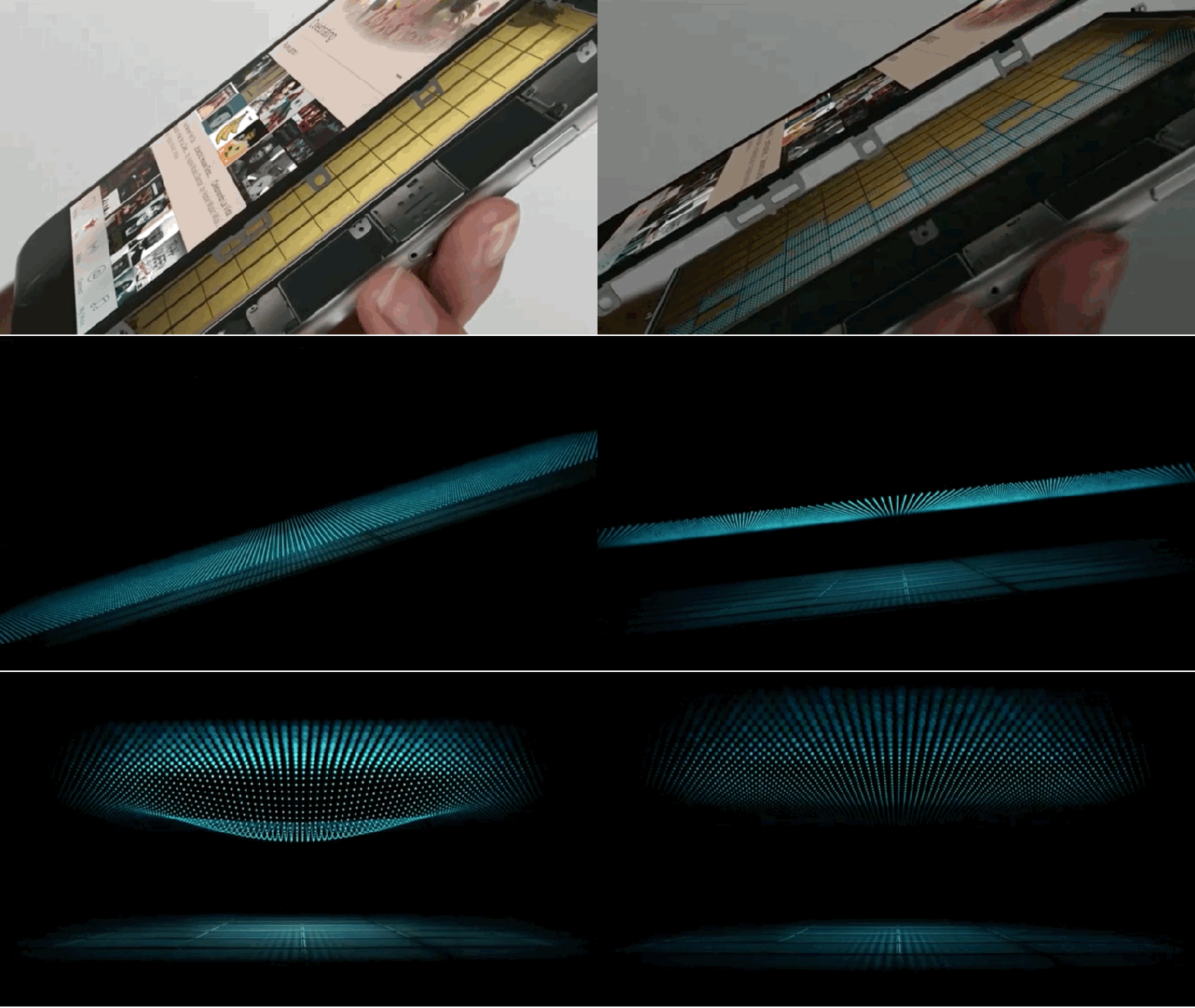
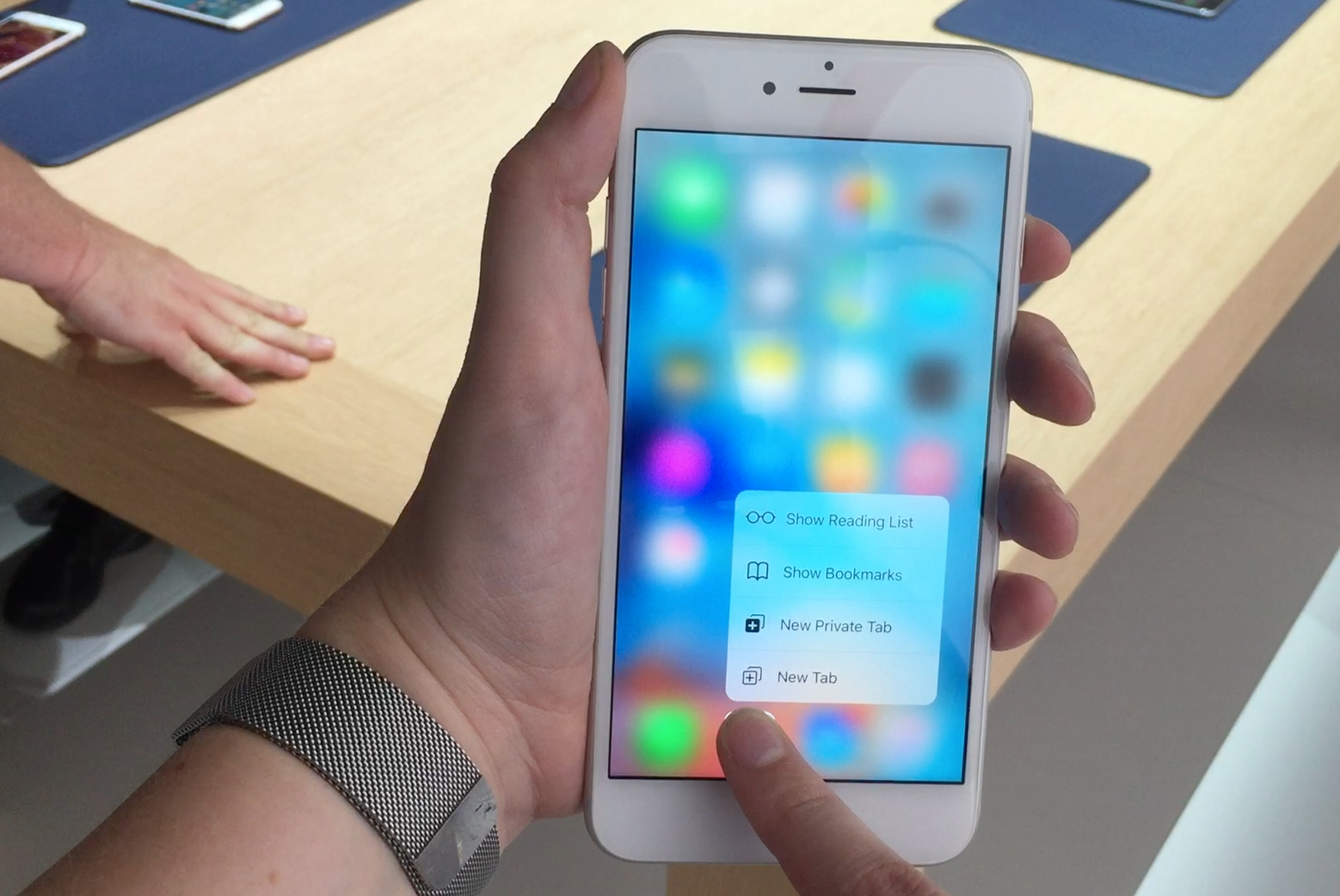
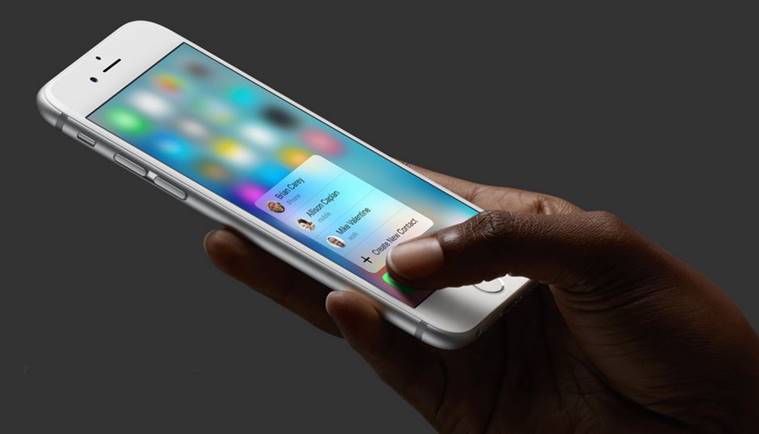
The most striking feature of iPhone 6s is its 3D Touch technology. It is basically a new way of interacting with the device that has given us new options like ‘Quick Actions’, ‘Peek’ and ‘Pop’ and for the time being, Apple seems to be limiting more advanced 3D Touch functionality. Presently it is used for in-app shortcuts like Peek and Pop and system-wide shortcuts like Quick Actions.

3d-4

It’s the developers who are the most curious to explore what the 3D touch can do and they are looking at different features that could be built into apps and use this new feature. For ex. Developer Victor Baro believes that no action should be completed just by using this 3D Touch feature because it is only available in iPhone 6S and 6S Plus. Another developer has shared a 3D touch based concept that would let a user apply filters to an image by using only variable pressure or fore on the screen.

Apple at present wants to offer the same set of core features to all iOS users, whether they are on iPhone 4S or iPhone 6S. By not using 3D Touch for anything else other than shortcuts, Apple is preventing fragmentation and making the job of developers easier. It is hoped that in the future course, as older devices get replaced by iPhone7 and its successors, 3D Touch may expand its functionality. Till then, Apple has to overcome another hurdle and that is finding an intuitive way to tell the user that 3D Touch advanced functionality is available inside an app.

3d-2

[adinserter block=”7″]

Author: Technology Blog


Project Loon is coming soon….in the sky just above you!

Indonesia has the fourth-largest population of any country in the world, distributed across just over 900 islands out of an archipelago of over 17,000, making communications infrastructure complex to deploy. The country ranks 118th in the world for per-capita gross domestic product, and the World Bank estimates that just 17 percent of Indonesians have access to the Internet. With these stats, Google has decided to launch Alphabet’s Loon Balloons to provide uniform and proper cellular network coverage to all of Indonesia.

Loon-4

Alphabet confirmed to have signed an agreement with Indonesia’s largest telecommunications companies, Indosat, XL Axiata, and Telkomsel, for a series of trials starting in 2016 that will include providing high-speed wireless Internet service to smartphones and other devices used by the network’s subscribers. “If all these tests go well, then we’ll have a signal we’re ready for commercial launch,” said Mike Cassidy, who leads Project Loon, during a media event on Wednesday announcing the tests. “Today’s announcement is about trying to improve the lives of tens of millions of Indonesians.”

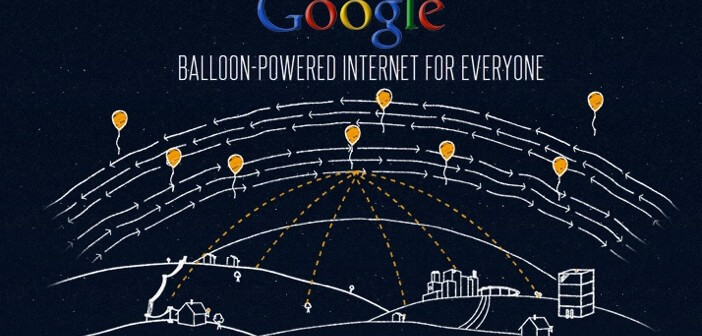
Loon balloons are made from thin plastic similar to a heavyweight trash bag, and they carry a payload of electronics and communications equipment powered by a solar panel. The only control over these balloons after their launch would be alteration of altitude. The rest would depend on wind speeds.

[adinserter block=”7″]

The biggest challenge would be to coordinate the balloons together to provide all-round coverage. Certain areas between island and thick tropical forests are tricky and costly to cover. These are the special areas that would be targeted in this trial test.

Stuff like the price and accessibility to the people have yet to be decided, and the companies involved think it’s way too early to discuss that. Another uncertainty is that Loon balloons use LTE wireless technology, which is only just starting to penetrate the Indonesian market.

“I think this technology’s suitable for most countries,” Google cofounder Sergey Brin said. Loon balloons have also been tested with telecommunications companies in Australia, Brazil, and New Zealand.

Loon-5

Google plans to launch the balloons with a complex system model of global stratospheric wind conditions to check the balloons in check and close enough to provide coverage. They have been shown to ravel 10,000 kilometers and within 500 meters of the target area.

Author: Technology Blog

Verified by ExactMetrics