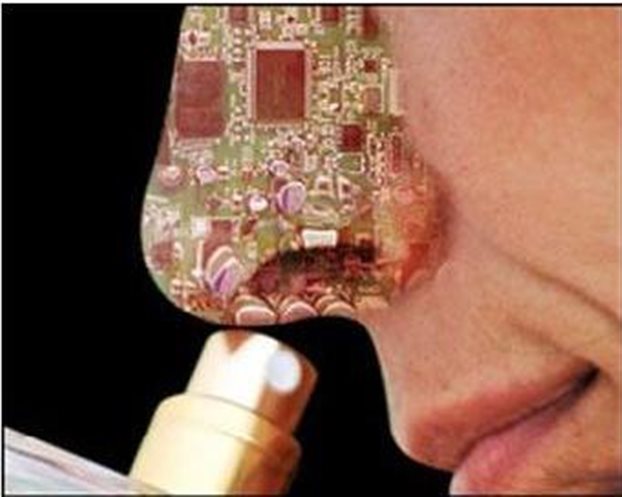
Wasted food is a global problem and we are to blame in many of the cases but sometimes we just can’t help it as we do not have the skill to detect when a food item may go bad. We do try to shop in a wise manner so that the food we select doesn’t go bad before we use it but sometimes…. we just can’t be sure enough! To save us from such a situation and to save food from being wasted a new technology has come into the knowledge of the techie community.

An ‘artificial nose’ technology is under development which would allow the users to detect the effects of ripening produce. Basically, this technology allows sensors to detect ethylene which is an odorous gas released by ripe foods. The more ethylene a food gives off, the more quickly it ripens, which means that the process from ripe to spoil is expedited exponentially.
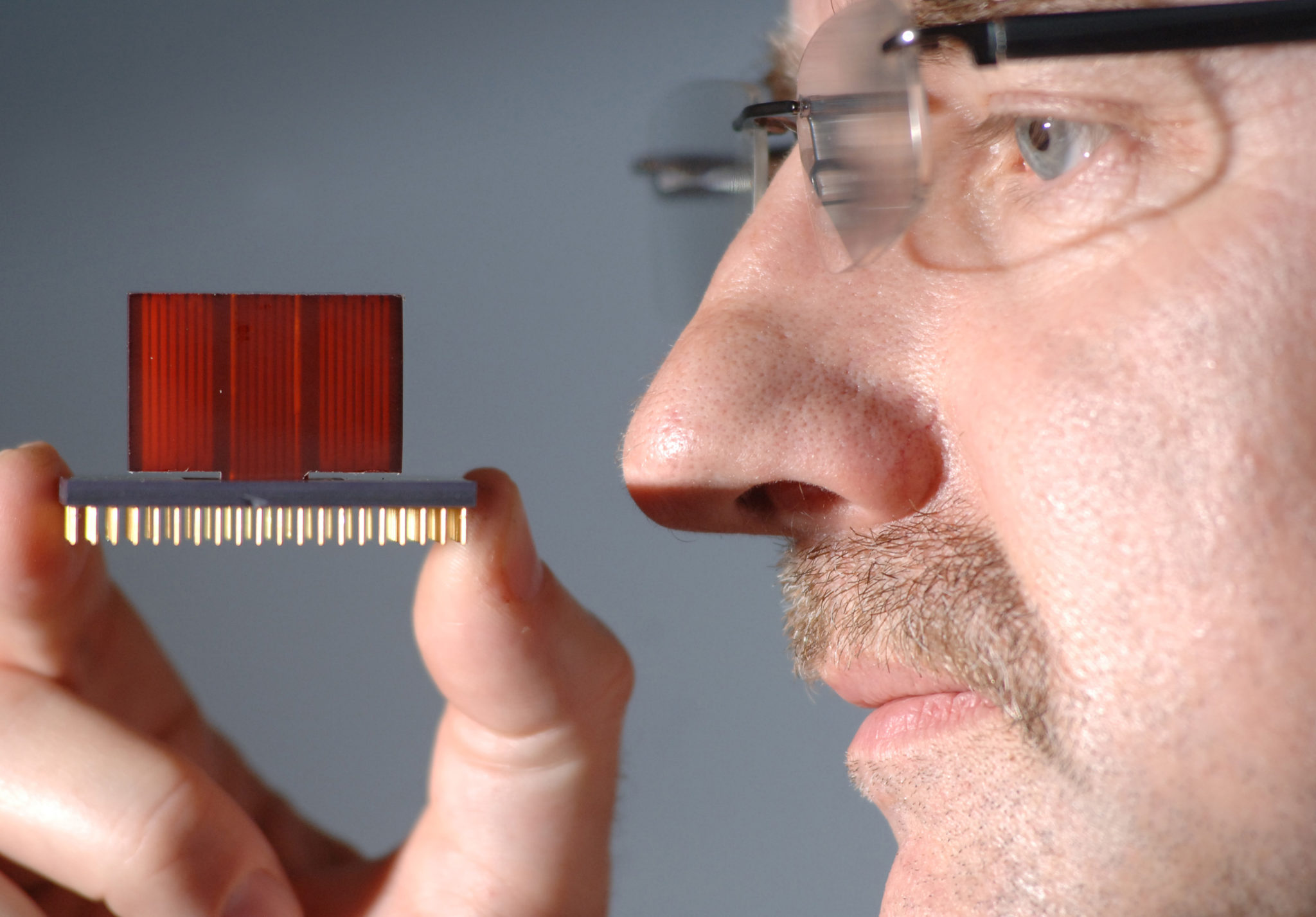
C2Sense is the start-up behind this ‘artificial nose’ sensor. In this sensor, a chemical reaction takes place within an electric circuit. As the ethylene molecules increase in number in a food (because of the ripening process it undergoes), the electrical current in the sensor is interrupted and the change in conductivity can be measured.
[adinserter block=”7″]
The science of this innovative technology originally came out of MIT and research conducted by chemistry PhD candidate Jan Schnorr. Schnorr and C2Sense hope to use the artificial nose technology to create sensor chips so small and affordable that they could be embedded in food packaging or built into grocery store produce bags. Hence, once the sensors are ready for mass production, it will bring in a wave of change as wholesalers will be able to stock produce packaged with C2Sense chip labels, and will be able to manage the sale of fruits and vegetables at peak ripeness. Customers will be able to scan produce labels for ripeness from a simple smart phone app. Even restaurant owners and chefs will be able to manage food storage to make the most of their kitchen resources before food goes bad.
Research in the direction of further application of this technology is also undergoing. For example, detecting gases other than ethylene, including ammonia and the amines released by meat products. C2Sense hopes that this ethylene sensing system developed as an artificial nose technology can certainly help in curtailing global food waste that has a direct economic cost of $750 billion per year. Hope they succeed and well enough!
Author: Technology Blog


