This intelligent gel targets cancer at the source

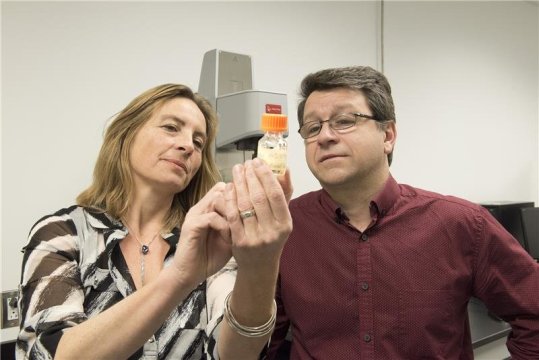
Do you know what immunotherapy is? It is a technique in which a body’s naturally produced T cells are enlisted to fight off cancer. This is a good technique but has one limitation and that is these cells generally lack the firepower to do the job on their own. As a result they need to be modified and reintroduced to the bloodstream to create a real impact. But it seems researchers have stumbled upon a way to rectify this problem. They have discovered a T-cell loaded biogel that can be injected directly into the tumour for a more targeted approach.

gel-4

This breakthrough came with the development of this biogel developed by scientists at the University of Montreal Hospital Research Centre which remains a liquid while at room temperature. It is made from a biodegradable material derived from the shells of crustaceans and is loaded with a few dozen million T cells rather than the billions needed for Adoptive Cell Therapy.

Adoptive Cell Therapy or ACT involves training the body’s T cells to take the fight to cancerous cells. The current process is an involved process that requires the cells to be collected from the blood and genetically engineered to produce special receptors on their surface, which in turn enables them to recognize particular proteins on the tumour cells. These cells are then cultivated in the laboratory till the population reaches into billions. These cells are then injected back into the bloodstream of the patient. Inside the body, these cells continue to multiply and attack the cancer cells guided by the direction of their new engineered receptor.

[adinserter block=”7″]

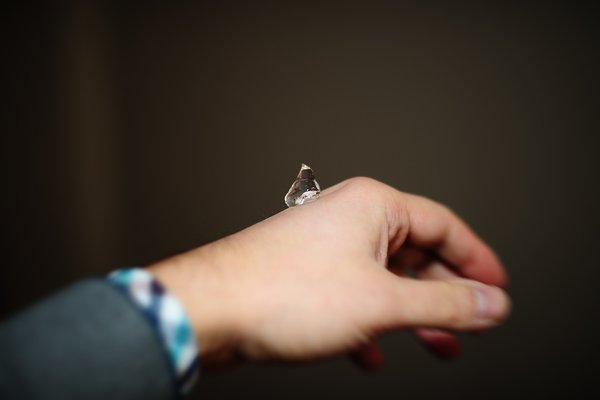
As compared to ACT, when the biogel is injected either directly into the tumour or alongside it, it quickly takes the shape of a resistant, cohesive structure which then acts as an on-site breeding ground for cancer-killing T cells behaving like “a cellular reservoir.”
gel-1

Réjean Lapointe, co-author of the study says, “The T lymphocytes in the gel are functional and can grow for two to three weeks, be released from the gel, and kill the cancerous cells.” In addition to this, the new approach also helps avoid one of the side effects of ACT. A hormone called interleukin-2 is added to the T cells during the engineering to boost their effectiveness, but in high doses it can have a toxic effect. By significantly cutting the quantity of T cells required to neutralize a tumour, the approach can avert the dangers posed by flushing these toxins through bloodstream.

As of now, the gel has only been lab tested working on melanoma and kidney cancer models. The researchers now want to proceed to animals and humans hoping that the success of this technique may open new doors in cancer treatments.

Author: Technology Blog

Want to eat low-calorie noodles derived from trees?

Obesity has become a kind of epidemic. It surely is a lifestyle disease and only things that can fight it are exercise and proper diet. A 99 year-old cloth making company in Japan has come up with an unusual idea in this regard. Osaka based Omikenshi Co. is utilizing the technology used for creating textiles in making food. Specifically, it morphs tree wood pulp into edible noodles that are incredibly low on fat, carbohydrates, and calories, and is devoid of gluten, too. So while wheat contains 1669 calories per pound, this tree noodle has just 27.

noodles-2

What is the process involved? In order to manufacture the special noodle flour, christened as ‘cell eat’ by the company, it uses a manufacturing process that’s similar to making rayon (Rayon is a cellulose fibre made from tree pulp and is also the speciality of this company in making all kinds of fabric). But it combines ‘konjac’ (a sweet potato-like veggie in Asia) with the cellulose from the wood pulp. The result is a super healthy noodle that the company also says improves the flavor and texture of the konjac.

Omikenshi hopes that these noodles could be a substitute for food like ramen and pasta and can be shipped to countries like China struggling with obesity.

[adinserter block=”7″]

There is one more reason, the greater cause for which the company is manufacturing this product. Konjac is “Japan’s most protected agricultural product” and the Japanese government apparently slaps a staggering 990% tariff on imported konjac in order to safeguard Japanese farmers’ livelihoods. So, this new noodle could improve the economy and incentivize local farmers to work with the company.

noodles-1

According to reports, Omikenshi will be opening a factory with a capacity of production of 30 tons of cell-eat. The company will spend nearly a billion yen on this factory.

Author: Technology Blog

SolePower: Energy produced step by step, literally!

“Hey, I walked for two hours and got a 60 minutes juice for my phone.” “Oh, I trekked the whole day and powered my laptop.” Boastful conversations? Well they aren’t if you know about SolePower. Saving the earth just by walking on it is the idea behind SolePower.

sole-1

It is basically a device which is an insole for shoes that convert the kinetic energy of a person’s steps into electricity. This electricity can be stored in a battery and used to power mobile devices. Every time the heel of the wearer hits the ground, the pressure turns a tiny generator in the insole which sends energy to a battery attached to the shoelaces. An hour long of walking can give you enough juice for 30 minutes of phone conversation.

The concept is also working towards greater good as the company’s founder Matt Stanton believes and hopes that it could also make a difference to the world, if people start making their own energy to power their phones. In the larger picture and distant future SolePower powered homes may also become a reality. The concept surely is a green one as apart from producing energy using steps it will cause decrease in burning fossil fuels (however small it may be it still adds to the bigger picture)

Apart from making insoles, SolePower is also in the process of developing sandals with the same technology that can be used in developing countries where the power infrastructure is erratic. The difference would be that in place of insoles and a battery pack, the device to generate power will be built into the sandal itself. After a long walk, the wearer can plug their phone directly to the sandal and charge it. At present the sandal is at its prototype stage and will hit the shelves once insole makes its appearance in the markets.

It is to be noted that SolePower was one of Popular Science’s Invention Award winners in 2014. The expected price of two insoles and power packs is $199.99, and the company is inviting names for the waiting list of the product.

width="560" height="314" allowfullscreen="allowfullscreen">

As a technology lover you may like our daily important technology news series. It’s a playlist and you can retrieve the total day-wise videos. Please consider subscribing our YouTube channel:

Author: Technology and Beyond

Verified by ExactMetrics