ISRO’s Humanoid Vyommitra Is Now Better Than Before ! Gets The Gift Of The Grey Matter

ISRO’s Humanoid Vyommitra Is Now Better Than Before ! Gets The Gift Of The Grey Matter
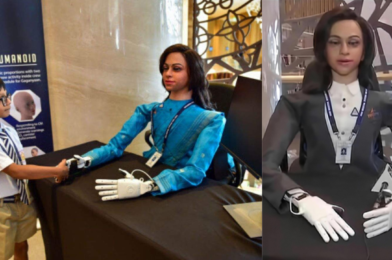
The Indian Space Research Organisation (ISRO) has successfully integrated a computer brain into its humanoid robot, Vyommitra. This will enable Vyommitra to read control panels, communicate with ground stations, and perform other tasks that would normally require a human astronaut.

Vyommitra is a half-humanoid robot that is designed to fly aboard spacecraft. It is about 5 feet tall and weighs about 120 pounds. It has a head, torso, arms, and hands, but it does not have legs. Vyommitra is powered by a battery and can operate for up to 8 hours on a single charge.

The computer brain that has been integrated into Vyommitra is called the “digital grey matter”. It is a powerful artificial intelligence system that can process information and make decisions. The digital grey matter enables Vyommitra to read control panels, communicate with ground stations, and perform other tasks that would normally require a human astronaut.

Vyommitra is still under development, but it is expected to play a major role in ISRO’s future space missions. It could be used to conduct experiments in space, to repair satellites, or to even explore other planets.

The development of Vyommitra is a significant milestone in the field of robotics. It shows that robots are becoming increasingly sophisticated and capable of performing tasks that were once thought to be the exclusive domain of humans. As robots continue to evolve, they are likely to play an increasingly important role in our lives.

Here are some of the potential applications of Vyommitra:

Space exploration: Vyommitra could be used to explore other planets, such as Mars. It could be used to collect samples, conduct experiments, and even build bases.

In-space manufacturing: Vyommitra could be used to manufacture parts and equipment in space. This would reduce the need to transport materials from Earth, which would save time and money.

Disaster relief: Vyommitra could be used to help with disaster relief efforts. It could be used to search for survivors, deliver supplies, and assess damage.

Medical care: Vyommitra could be used to provide medical care in remote areas. It could be used to diagnose and treat patients, and even perform surgery.

Manufacturing: Vyommitra could be used in manufacturing to automate tasks. This would improve efficiency and reduce costs.

The possibilities are endless. As Vyommitra continues to develop, it is likely to play an increasingly important role in our lives


Tagged : / / / / /

Real Life Two-Headed Animals : The Wonders Of Mother Nature

Real Life Two-Headed Animals : The Wonders Of Mother Nature
The birth of a two-headed animal is a rare and fascinating event. It is caused by a condition called polycephaly, which occurs when an embryo splits incompletely during development. This can happen in any species of animal, but it is most common in reptiles, such as snakes and turtles.

Here are some of the most famous two-headed animals:
1. Frank and Louie


This two-headed cat was born in Massachusetts in 1999. The cat had three eyes and two mouths, and they shared one body. Frank and Louie also known as Frankenlouie were able to live a relatively normal life, and they became celebrities. They appeared on several television shows and even had their own book. Frank died in 2012 at the age of 15. the Guinness Book of World Records recognized Frank and Louie as the world’s oldest living janus cat.

2. Bicephalous calf


This two-headed calf was born in China in 2015. It had two heads, two necks, and two bodies. The calf was able to stand and walk, but it died a few days after it was born. Most two headed animals die at the time of birth or just after few days. This calf too wasn’t an exception.

3. Two-headed tortoise


This two-headed tortoise was found in India in 2018. It had two heads, two necks, and one body. The tortoise was able to eat and walk normally, and it is still alive today.

4. Two headed black racer


A rare two-headed snake was discovered at a home in Florida, state wildlife officials said. The southern black racer was found at a home in Palm Harbor, Florida Fish and Wildlife Conservation Commission officials said. The snake was being cared for and monitored by FWC. It has a low chance of survival in the wild since its two different brains will make two different decisions, making feeding and escaping from predators difficult.

5. Two-headed bearded dragon


You would be surprised to know that only one in 25 million two-headed bearded dragon will survive into adulthood. But this one born to retile enthusiast Tony Rowe was a happy exception.

Now aren’t these simply the wonders of Mother Nature? Which one looked the cutest to you?

Tagged : / / / /

Top 7 Countries With The Highest Numbers Of Satellites In The Space

Top 7 Countries With The Highest Numbers Of Satellites In The Space
Satellites are objects that orbit Earth or other celestial bodies. They are used for a variety of purposes, including communication, navigation, Earth observation, and scientific research. The number of satellites in space is constantly increasing, as more and more countries and private companies are investing in space technology. This is leading to a new era of space exploration and discovery, with the potential to revolutionize our understanding of the world and our place in it. In the list of countries with satellites up in the space, there are few who are front runners. Here are the top 7 countries with maximum number of satellites in the space:

1. United States of America – 3,449 satellites

2. China – 541 satellites

3. United Kingdom – 486 satellites

4. Multinational collaborations – 180 satellites

5. Russia – 170 satellites

6. Japan – 88 satellites

7. India – 62 satellites

The satellites in these countries are used for a variety of purposes, including communication, navigation, Earth observation, and scientific research. Communication satellites are used to transmit data and voice signals around the world. Navigation satellites are used to track the location of ships, airplanes, and other vehicles. Earth observation satellites are used to collect data about the Earth’s surface, such as its landforms, vegetation, and climate. Scientific research satellites are used to study a variety of phenomena, such as the stars, planets, and black holes.

In addition to the countries listed above, other countries with a significant number of satellites in space include France, Italy, Brazil, and South Korea. These countries are also investing heavily in space technology, and their number of satellites is expected to grow in the coming years. The development of space technology is a key driver of economic growth and innovation. Satellites are used in a wide range of industries, from telecommunications to agriculture. They are also used to provide essential services, such as weather forecasting and disaster relief.

The future of space exploration is bright. With the increasing number of satellites in space, we are learning more about our planet and the universe around us. We are also developing new technologies that will allow us to explore further into space. This is an exciting time to be involved in space exploration, and the next few decades will see even more amazing discoveries.

Tagged : / / / / /

This Is What Chandrayan-3 Has Found On The Moon’s Surface Till 30th August ’23!

This Is What Chandrayan-3 Has Found On The Moon’s Surface Till 30th August ’23!
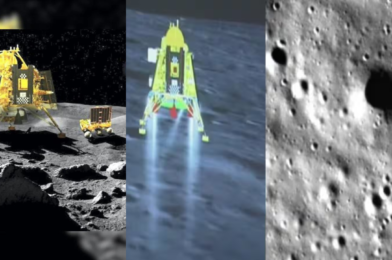
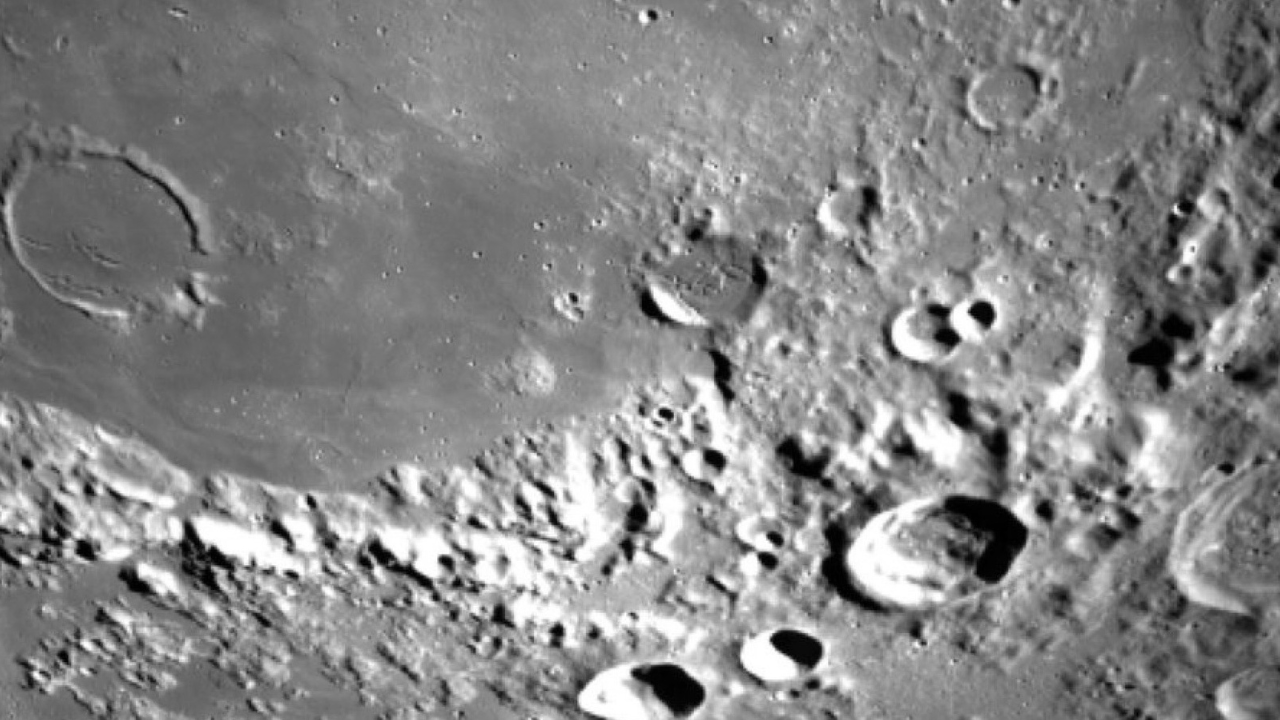
On August 23, the Chandrayaan-3 Lander Module successfully touched down at the South Pole of the Moon. Following this momentous achievement by the Indian Space Research Organisation (ISRO), the Pragyan Rover has been conducting investigations at the lunar South Pole in an effort to solve some of the moon’s mysteries. The mission had a total of three objectives. Two of these goals have already been met: the first was a successful soft landing in the lunar south pole, and the second was to safely land the rover on the surface of the moon. Experiments are currently being carried out on the moon in order to fulfil the third objective, which is currently being worked on.
The following is a list of some intriguing discoveries made by Chadrayaan-3 in the south polar region of the Moon so far:

Temperature at the moon’s South Pole

On August 27, ISRO published a graph that detailed the changes in temperature on the surface of the moon. The graph focused on the temperature at the moon’s South Pole. The senior scientist at the space agency was taken aback by the readings of the unexpectedly high temperature that were obtained from the surface of the moon. ISRO released an update in which they explained that in order to evaluate the temperature profile of the soil around the pole on the moon, they utilised a tool known as ChaSTE, which was located on Chandrayaan-3’s Vikram Lander. This was done in order to get an understanding of how the surface of the moon reacts to heat. ISRO scientist B H M Darukesha noted in an interview with the news agency PTI that they had estimated the temperature might vary from roughly 20 to 30 degrees Celsius on the surface, but it’s actually 70 degrees Celsius, which is far greater than what they initially anticipated. This information was provided by ISRO.

Crater Encounter

On August 27, the Chandrayaan-3 rover was investigating the surface of the Moon when it came across a crater that was 4 metres wide. This presented a problem for the rover. An update from the ISRO indicated that the crater was actually located three metres in front of where they first assumed it was. ISRO told the Rover to go in the opposite direction in order to tackle the situation and informed it that it was now on a different path and proceeding in a secure manner.

Elements on the Moon’s Surface

Moving forward in time to the 30th of August, the Laser-Induced Breakdown Spectroscope that was mounted on the Pragyan Rover discovered some fascinating elements on the surface of the moon close to the South Pole. They were able to establish that sulphur was present, in addition to discovering the presence of other elements such as aluminium, calcium, iron, chromium, titanium, manganese, silicon, and oxygen. The researchers are not giving up their search for hydrogen just yet.

At the moment, the Rover is working within a time limit, which can be metaphorically seen as “racing against time.” According to ANI’s report, Nilesh M. Desai, who is in charge of the Space Applications Centre and revealed on Sunday that they have a total of just 14 days for this entire mission, which is equivalent to just one day on the moon, said that they only have one day on the moon. They have already used up four of those days as of right now. He underlined that it is vitally crucial for them to make the most of the remaining ten days by conducting as many experiments and research as possible in order to get the most out of their time. In addition to that, he stated that each and every scientist working for ISRO is contributing their best efforts.

Tagged : / / / / /

ISRO Announces Details For Aditya L1: India’s Mission To Study The Sun!

ISRO Announces Details For Aditya L1: India’s Mission To Study The Sun!
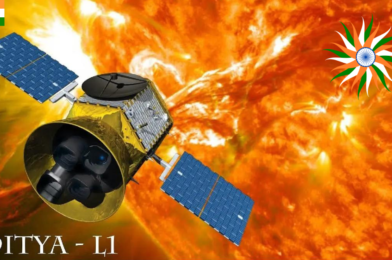
After its gigantic leap into lunar studies with the success of Chandrayaan -3 , India is taking the next step and moving on the Sun. The Sun will be the subject of India’s very first space-based scientific mission, which will be called Aditya L1. It is planned to position the spacecraft in a halo orbit around the Lagrange point 1 (L1) of the Sun-Earth system, which is located around 1.5 million kilometres away from the planet Earth. The most significant benefit that comes with having a satellite in a halo orbit around the L1 point is the ability to observe the Sun nonstop without experiencing any occultation or eclipse. ISRO Has announced the details of this mission. Aditya-L1, the first space-based Indian observatory to study the Sun, is slated to be launched from Sriharikota on September 2, 2023 at 11:50 Hours IST.

This will provide an even larger edge when it comes to studying the solar activity and how they affect the weather in space in real time. Using electromagnetic, particle, and magnetic field detectors, the spacecraft is equipped to study the photosphere, chromosphere, and outermost layers of the Sun (the corona). It carries seven payloads. By utilising the unique vantage point L1, four payloads directly observe the Sun, while the remaining three payloads carry out in-situ investigations of particles and fields at the Lagrange point L1. This allows for crucial scientific studies of the propagatory influence of solar dynamics in the interplanetary medium to be conducted.

In order to comprehend the problem of coronal heating, coronal mass ejection, pre-flare and flare activities and their features, dynamics of space weather, propagation of particle and fields, etc., the suits of Aditya L1 payloads are anticipated to offer the most significant information.

1. Studying the dynamics of the Sun’s upper atmosphere (including the chromosphere and corona) is one of the primary scientific goals of the Aditya-L1 mission.

2. The investigation of chromospheric and coronal heating, the physics of partially ionised plasma, the beginning of coronal mass ejections, and flares.

3. Perform in-situ observations of the particle and plasma environment, which will provide data for the investigation of particle dynamics originating from the Sun.

4. The physics of the solar corona and the mechanism that causes its heating.

5. Temperature, velocity, and density are the diagnostic parameters for the plasma in the corona and the coronal loops.

6. The evolution, behaviour, and primary sources of CMEs.

7. Determine the order of the activities that take place at different levels of the sun (such as the chromosphere, the base, and the extended corona) that ultimately result in solar eruptive events.

8. Both the structure of the magnetic field and measurements of the magnetic field can be found in the solar corona.

9. The origin, make-up, and movement of solar wind all play a role in the formation of space weather.

Here is wishing the Indian Space Research Team All The Best.

Tagged : / / / / /

Scientists Claim To Have Found A New State Of Matter Between Solid And Liquid

Scientists Claim To Have Found A New State Of Matter Between Solid And Liquid
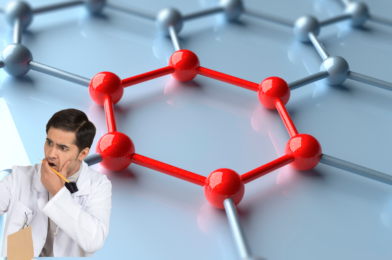
Researchers at the University of California, Berkeley thought they had discovered a previously unknown state of matter that exists between the liquid and solid forms of matter. Due to the intricate make-up of its constituent particles, this recently found state of matter defies straightforward analysis.

According to the research conducted by scientists, this peculiar condition can be understood along the same lines as amorphous solids, which are a peculiar mix of liquids and solids. Glass is the most prevalent type of amorphous solid that can be found. Glass may have the appearance of a perfect solid, but when examined more closely by scientists, its complicated arrangement of particles more closely resembles that of a falling liquid that has been frozen in time. This is despite the fact that glass may appear to be a perfect solid. We are all aware that the stuff that makes up our surroundings can exist in one of three forms: solid, liquid, or gas. Each of these phases has its own set of characteristics, as well as a unique configuration of atoms within it.

A previously unknown phase of the material?
According to research conducted at the University of California, Berkeley, by scientists Dimitrios Fraggedakis, Muhammad Hasyim, and Kranthi Mandadapu, there is a condition that exists somewhere in between the liquid and solid stages. This is a form of rearrangement that we were not aware of previously existing. They believe that there is a characteristic on the temperature boundary of supercooled liquids and solids where the static particles remain excited, ‘twitching’ in place. This behaviour is observed when the temperature is below the critical point.

The researchers Fraggedakis, Hasyim, and Mandadapu employed computation and simulation, in conjunction with the findings of previous studies, to come to the conclusion that this transition may not be as tidy as it seems, containing a unique activity of particles that are sitting in a transitional condition between their regular liquid and supercooled states.
The process by which one of these states can transform into another – for example, a solid can turn into a liquid by melting, and a liquid can turn into a gas by evaporating – is referred to as a state of transition. However, there is a great deal more to the states of matter than simply those three fundamental categories. According to Mandadapu’s explanation, “Our theory predicts the onset temperature measured in model systems and explains why the behaviour of supercooled liquids around that temperature is similar to that of solids even though their structure is the same as that of the liquid.”

“The onset temperature for glassy dynamics is comparable to a melting temperature since it’melts’ a supercooled liquid back into a liquid state. This should be relevant for any and all glassy systems or liquids that have been supercooled.
Although the overall movement of atoms in a supercooled liquid is virtually zero, the particles are continuously altering their configurations while trapped in place, which results in motions known as excitations. Excitations in a two-dimensional supercooled liquid were modelled as flaws in a three-dimensional crystalline solid by the researchers, who then estimated what would occur when the temperature was varied.

The group believes that their model can be extended to explain how the transition works in all three dimensions, which would provide a theoretical foundation for any future experimental work that might be done on the topic. “The whole quest is to understand microscopically what separates the supercooled liquid from a high temperature liquid,” adds Mandadapu. “From the standpoint of fundamental science, it is absolutely fascinating to investigate the reasons why these supercooled liquids display dynamics that are so remarkably different from those of the regular liquids that we are familiar with.”

Tagged : / /

Why Should You Soak Walnuts In Before Consuming In Any Season

Why Should You Soak Walnuts In Before Consuming In Any Season
Walnuts are a popular and nutritious nut that is a good source of protein, fiber, and healthy fats. They are also a good source of vitamins and minerals, including vitamin E, magnesium, and phosphorus.

Walnuts are often soaked before consuming them. Soaking walnuts makes them easier to digest and also helps to improve their nutritional value.

Here are some of the benefits of soaking walnuts:

1. Improved digestibility
Soaking walnuts helps to break down the phytic acid that they contain. Phytic acid is an antinutrient that can interfere with the absorption of nutrients.

2. Increased nutrient absorption
Soaking walnuts also helps to increase the absorption of their nutrients. This is because the soaking process breaks down the cell walls of the walnuts, making the nutrients more accessible.

3. Reduced enzyme inhibitors
Walnuts contain enzyme inhibitors that can interfere with digestion. Soaking walnuts helps to reduce these enzyme inhibitors, making them easier to digest.

4. Increased bioavailability of antioxidants
Soaking walnuts helps to increase the bioavailability of their antioxidants. This is because the soaking process helps to break down the cell walls of the walnuts, making the antioxidants more accessible.

5. Improved taste and texture
Soaking walnuts can also improve their taste and texture. Soaking walnuts makes them softer and easier to chew.

To soak walnuts, simply place them in a bowl of water and let them soak for at least 4 hours, or overnight. After soaking, drain the walnuts and rinse them well. You can then eat them raw, add them to recipes, or grind them into a powder.

Walnuts are a healthy and nutritious nut that can be enjoyed in many ways. Soaking walnuts before consuming them can improve their nutritional value and make them easier to digest.

Here are some additional tips for soaking walnuts:

  • Use filtered or bottled water to soak the walnuts.
  • Soak the walnuts in a glass or ceramic bowl, as metal can react with the walnuts and alter their flavor.
  • Change the water every 8-12 hours to prevent the walnuts from fermenting.
  • Soak the walnuts for at least 4 hours, or overnight, for the best results.
  • Once the walnuts are soaked, you can store them in the refrigerator for up to 5 days.
Tagged : / / /

Why 23rd August Was Chosen As The Date Of Landing For Chandrayaan -3? What Is So Special About This Date?

Why 23rd August Was Chosen As The Date Of Landing For Chandrayaan -3? What Is So Special About This Date?
The Indian Space Research Organisation (ISRO) successfully landed the Chandrayaan-3 lander and rover on the lunar south pole on August 23, 2023. The landing was a major milestone for India’s space program and a testament to the ingenuity and determination of the Indian scientists and engineers who made it possible.

This is to note that the lunar south pole is a region that has never been visited by a spacecraft before. This made it a challenging but also an exciting target for the Chandrayaan-3 mission. The landing date was chosen to coincide with the beginning of the lunar day at the landing site. The timing of the landing was chosen taking into account the amount of local sunshine. On August 23, the sun will rise over the landing location, and it will set two weeks later. As the Vikram lander is solar-powered, these 14 sunlight days are crucial for Thermal, seismic, and mineralogical observations and Vikram lander and rover using a variety of equipment. A spectrometer investigation of the lunar surface’s mineral makeup is part of this. This would ensure that the lander and rover would have access to sunlight, which is needed to power their systems.

The landing date was also chosen to avoid the lunar eclipse season. Lunar eclipses can interfere with communications between the spacecraft and the ground, so it was important to avoid this during the landing. The successful landing of Chandrayaan-3 is a major achievement for India’s space program and a stepping stone to future missions to the moon. The Pragyaan rover, which is deployed from the lander, will now spend the next two weeks exploring the lunar south pole and searching for signs of water ice. The findings of the Pragyaan rover will help us to better understand the moon and its potential as a resource for future human exploration.

In addition to the factors mentioned above, there were also some technical considerations that influenced the choice of August 23 as the landing date. For example, the lander and rover needed to be in a specific position relative to the sun in order to land safely. The landing date was also chosen to ensure that the lander and rover would have enough time to complete their mission before the lunar day ended.

Overall, the choice of August 23 as the landing date was a careful and deliberate one. It was a date that met the scientific, technical, and operational requirements of the Chandrayaan-3 mission. The successful landing of Chandrayaan-3 is a testament to the hard work and dedication of the ISRO team. It is a proud moment for India and a significant step forward in our exploration of the moon.

Tagged : / / / /

As Chandrayan 3 Reaches The Moon, What Will The Pragyaan Rover Do? Will Chandrayaan 3 Come Back to Earth?

As Chandrayan 3 Reaches The Moon, What Will The Pragyaan Rover Do? Will Chandrayaan 3 Come Back to Earth?
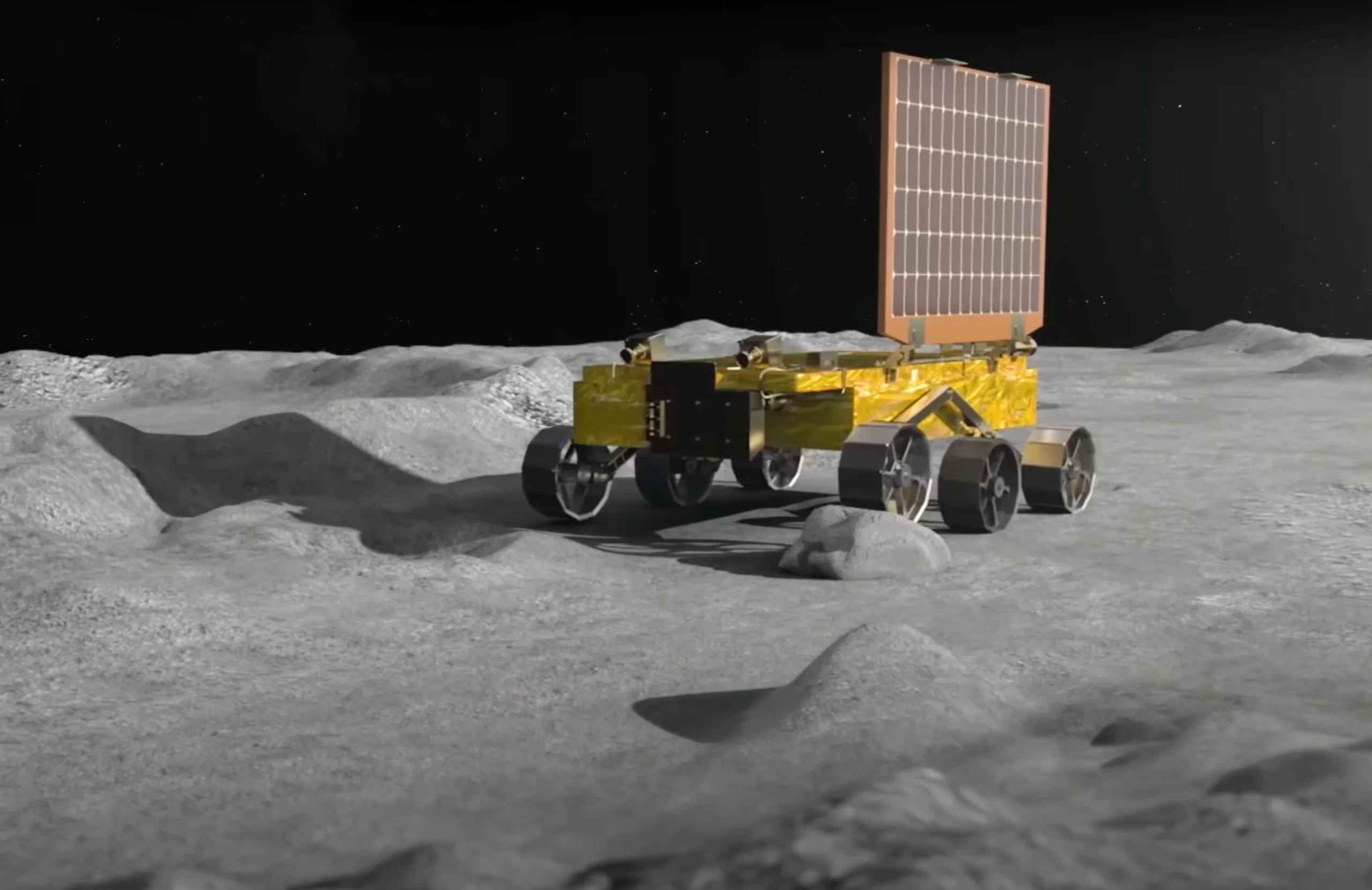
The Pragyaan rover has successfully rolled out of the Vikram lander and is now ready to begin its mission on the surface of the moon. The rover is named after the Sanskrit word for “wisdom” and is designed to explore the lunar south pole, a region that has never been visited by a rover before.

What will Pragyan Rover do?

The rover is equipped with six wheels and a variety of scientific instruments. ISRO claims that the lander and the Rover each have five research payloads that have been put inside of the Lander Module (LM) of the spacecraft.

1. The Alpha Particle X-Ray Spectrometer (APXS) aboard the Rover will be utilised to determine the chemical composition of the lunar surface and to infer the mineralogical composition in order to further expand our understanding of the lunar terrain.

2. The Laser Induced Breakdown Spectrometer (LIBS) will analyse the soil and rocks around the landing site on the Moon to identify their elemental make-up. ISRO has stated that the use of Rover to conduct scientific experiments on the moon in their natural environment would take lunar exploration to a whole new level.

3. The RAMBHA-LP (Langmuir Probe) that is part of the Lander Payloads will monitor the density of the plasma (ions and electrons) near the surface as well as how it varies over time.

4. ChaSTE Chandra’s Surface Thermo Physical Experiment will carry out the measurements of the thermal characteristics of the lunar surface in the vicinity of the polar area.

5. The Instrument for Lunar Seismic Activity, or ILSA, will be used to delineate the structure of the lunar crust and mantle as well as measure the seismic activity that is occurring close to the landing site.

Over the next 14 days, which is equivalent to one lunar day, the Pragyan rover will travel up to 500 meters from the lander and conduct a series of experiments to study the geology, mineralogy, and history of the lunar south pole. The rover will also look for signs of water ice, which is believed to be present in the permanently shadowed craters of the region.

The Pragyan rover is a major milestone for India’s space program and is expected to make significant contributions to our understanding of the moon. The rover’s mission is also a testament to the ingenuity and determination of the Indian scientists and engineers who made it possible.

What will happen to Chandrayaan 3 after 14 days?

Following the passage of 14 days, the moon will experience a nighttime phase that will also last for 14 days. Because Vikram and Pragyan can perform their jobs only when the sun is shining, they will become inactive after 14 days because the weather would be extremely chilly. In addition, both the lander and the rover have been built with a lifespan of fourteen days in mind. However, the researchers at ISRO have not ruled out the chance that Vikram and Pragyan would regain consciousness when the sun once more rises on the moon. If this is the case, then it will be a bonus benefit for India’s expedition to the moon.

Will Chandrayaan 3 come back to earth?
No, Vikram and Pragyan are not supposed to come back to the earth. They will remain on the moon.

Tagged : / / / / / / /

Why Is Collagen Important For Aging And What Are Its Vegetarian Sources?

Why Is Collagen Important For Aging And What Are Its Vegetarian Sources?
Collagen is the most abundant protein in the human body, making up about 30% of all proteins. It is found in the bones, skin, muscles, tendons, and ligaments. Collagen is responsible for providing structure and strength to these tissues. It also helps to keep the skin looking young and healthy.

As we age, our body’s production of collagen decreases. This can lead to wrinkles, sagging skin, and joint pain. There are a number of ways to boost collagen production, including eating a diet rich in collagen-rich foods, taking collagen supplements, and getting regular exercise.

Here are 8 vegetarian food sources of collagen:

1. Avocado: Avocados are a good source of healthy fats, which are essential for collagen production. They also contain vitamins C and E, which are antioxidants that can help to protect the skin from damage.

2. Papaya: Papaya contains papain, an enzyme that helps to break down collagen. This can be helpful for people who are trying to reduce wrinkles or improve the appearance of their skin.

3. Spinach: Spinach is a good source of vitamin C, which is essential for collagen production. It also contains beta-carotene, which is converted to vitamin A in the body. Vitamin A is important for collagen production.

4. Carrots: Carrots are a good source of beta-carotene, which is converted to vitamin A in the body. Vitamin A is important for collagen production.

5. Almonds: Almonds are a good source of vitamin E, which is an antioxidant that can help to protect collagen from damage. They are also a good source of magnesium, which is needed for collagen production.

6. Cucumber: Cucumber is a good source of silica, which is a mineral that is important for collagen production.

7. Mushrooms: Mushrooms are a good source of lentinan, a compound that has been shown to boost collagen production.

8. Cashews: Cashews are a good source of copper, which is a mineral that is essential for collagen production.

In addition to eating a diet rich in collagen-rich foods, there are a few other things you can do to boost collagen production:

Get enough sleep. Sleep is when the body repairs and rebuilds tissues, including collagen.
Get regular exercise. Exercise helps to stimulate collagen production.
Avoid smoking and excessive sun exposure. Smoking and excessive sun exposure can damage collagen.

Tagged : / / / / /

7 Most Distant Human-Made Objects in Space! Find How Far They Are!

7 Most Distant Human-Made Objects in Space! Find How Far They Are!
Space is vast, endless, mysterious and intriguing. This is why it has always lured the mankind towards itself. There was a time when we lacked the technical expertise to actually reach any part of space but with technological advancements, we started venturing out far into the space. Humans have been exploring space for centuries, and we have sent many objects far beyond our planet. So here we list the 7 most distant human-made objects in space:

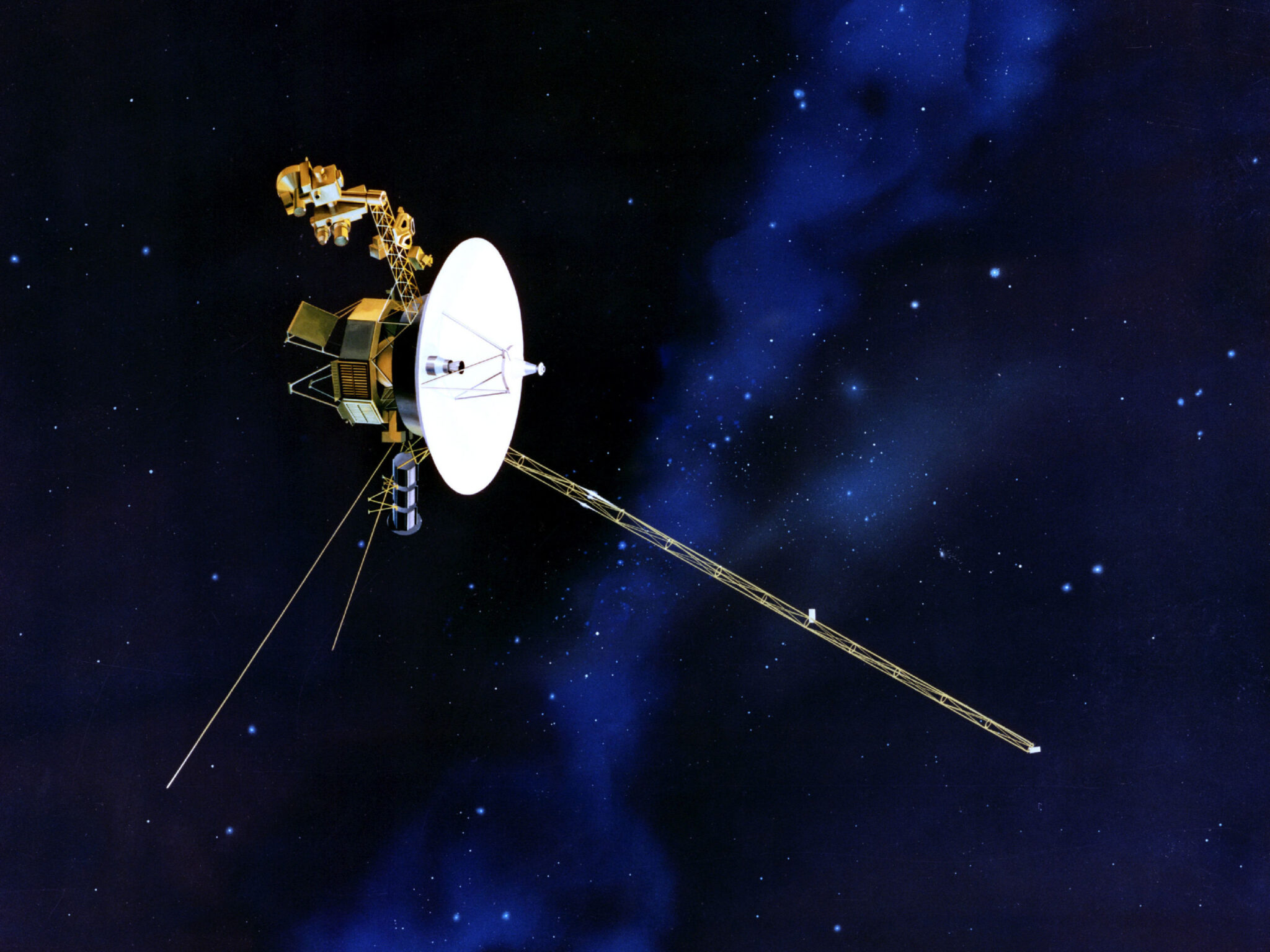
1. Voyager 1
Voyager 1 is a space probe launched by NASA in 1977. It is currently the farthest human-made object from Earth, at a distance of about 14.5 billion miles (23.3 billion kilometers). Voyager 1 is still sending data back to Earth, and it is expected to continue to do so for many years to come.

2. Voyager 2
Voyager 2 is a sister spacecraft to Voyager 1. It is currently about 12.6 billion miles (20.3 billion kilometers) from Earth. Voyager 2 is also still sending data back to Earth, and it is expected to continue to do so for many years to come.

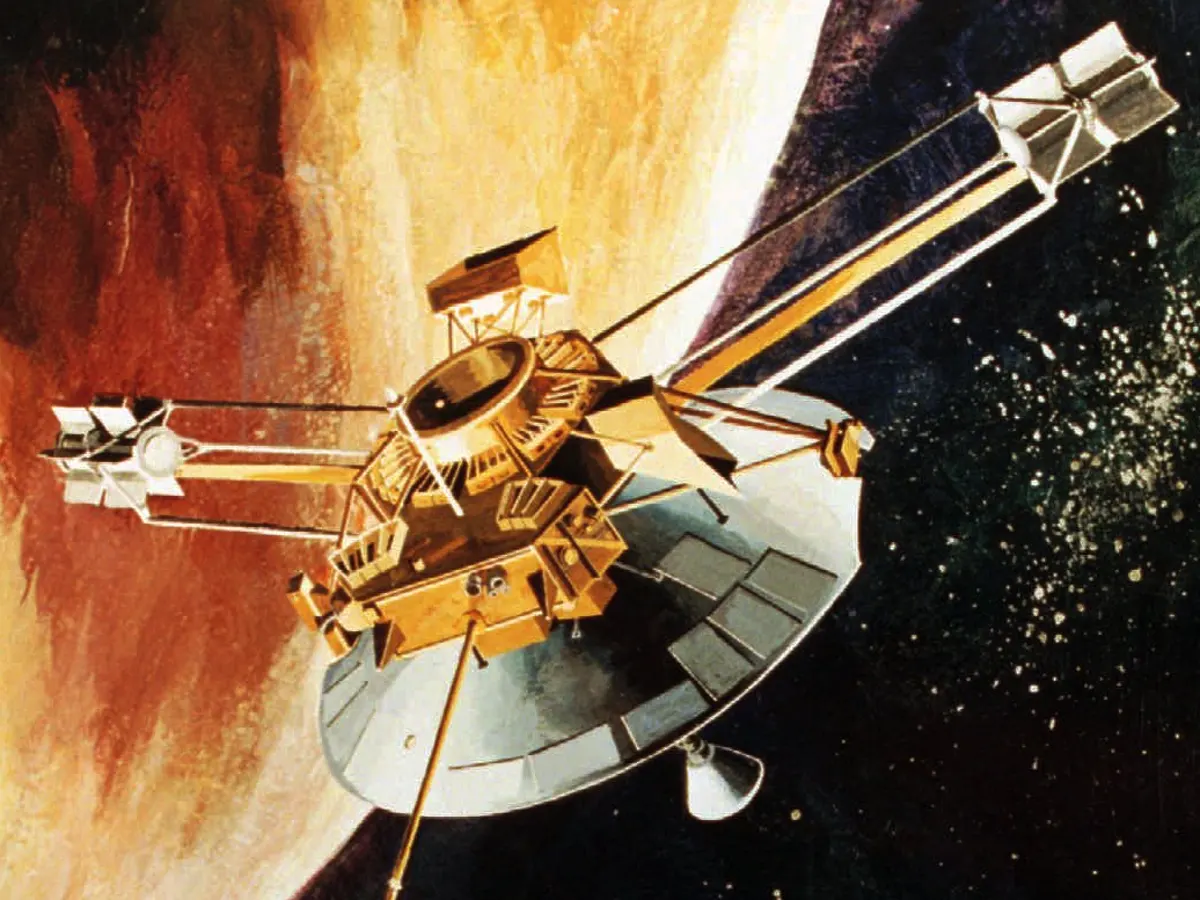
3. Pioneer 10
Pioneer 10 was launched by NASA in 1972. It is currently about 11.3 billion miles (18.2 billion kilometers) from Earth. Pioneer 10 was the first human-made object to travel through the asteroid belt and the heliosphere, the region of space that surrounds the sun.

4. Pioneer 11
Pioneer 11 was launched by NASA in 1973. It is currently about 10.7 billion miles (17.2 billion kilometers) from Earth. Pioneer 11 was the first human-made object to fly by Jupiter and Saturn.

5. New Horizons
New Horizons is a space probe launched by NASA in 2006. It made history in 2015 when it became the first human-made object to fly by Pluto. New Horizons is currently about 4.3 billion miles (6.9 billion kilometers) from Earth. It is expected to reach the Kuiper Belt in 2023.

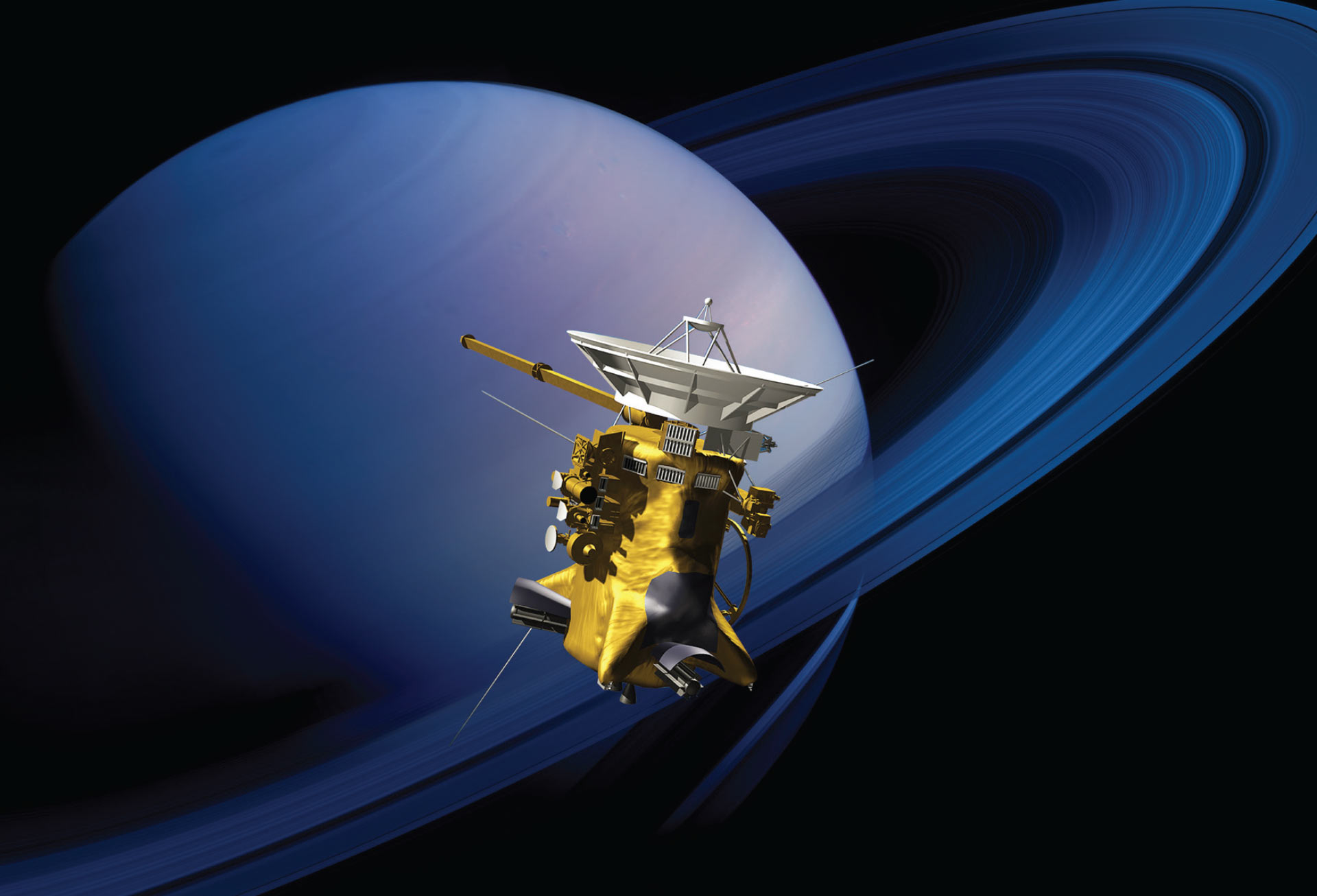
6. Cassini
Cassini was a space probe that was launched by NASA in 1997 and entered the orbit of Saturn in 2004. It spent 13 years exploring Saturn, its moons, and its rings. After working for 13 long years Cassini plunged into Saturn in 2017. Currently, it is 3.6 billion miles away from Earth.

7. Rosetta
Rosetta was a space probe that was launched by ESA (European Space Agency) in 2004. It spent 10 years studying the comet 67P/Churyumov–Gerasimenko. Rosetta landed on the comet in 2014 and became the first spacecraft to do so. It is about 2.2 billion miles away from Mother Earth.

These are just a few of the most distant human-made objects in space. As technology advances, we are sure to send even more objects farther and farther into space. Who knows what we might discover in the years to come?

Tagged : / / / /

Windshields with Augmented Reality Head-Up Display: The Future of Driving

Windshields with Augmented Reality Head-Up Display: The Future of Driving
Augmented reality (AR) is rapidly changing the way we interact with the world around us. In the automotive industry, AR is being used to develop new and innovative ways to improve safety and convenience for drivers.

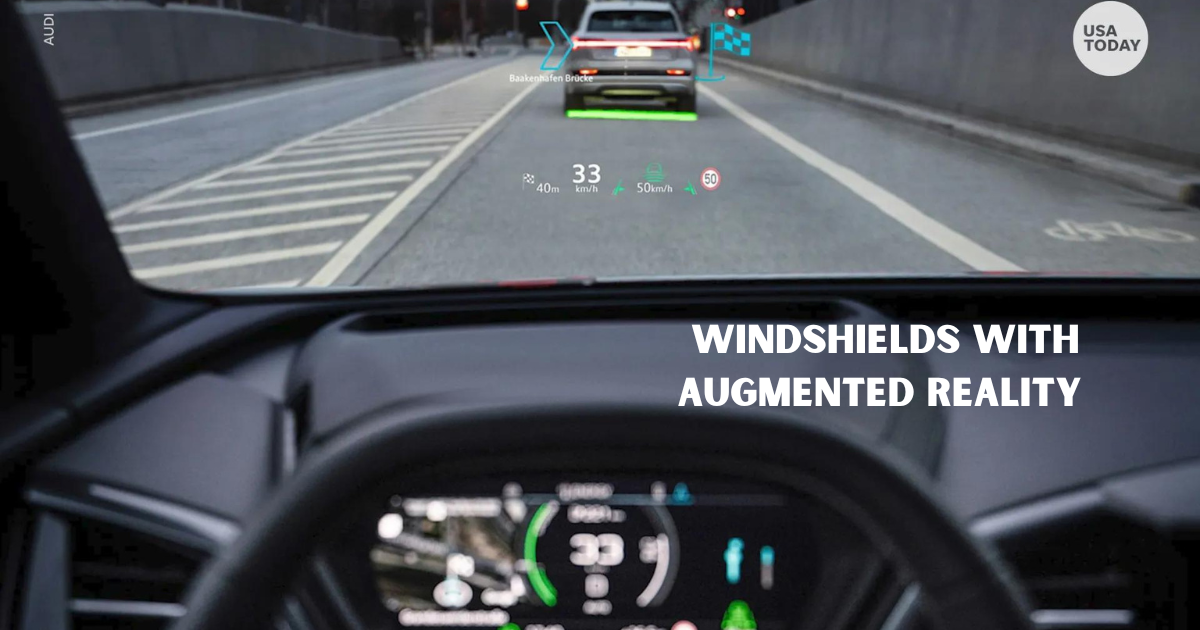
One of the most promising AR applications for cars is the augmented reality head-up display (AR HUD). An AR HUD projects information onto the windshield in the driver’s line of sight, so they can see it without taking their eyes off the road. This information can include things like speed, navigation directions, and blind spot warnings.

AR HUDs have the potential to significantly improve safety by reducing driver distraction. A study by the University of Utah found that drivers using an AR HUD were 23% less likely to be involved in a crash than those without one.

In addition to improving safety, AR HUDs can also make driving more convenient. For example, they can be used to display information about upcoming traffic conditions or to help drivers find their way to their destination.

AR HUDs are still in their early stages of development, but they have the potential to revolutionize the way we drive. As the technology continues to improve, we can expect to see AR HUDs become more common in cars in the years to come.

Here are some of the benefits of windshields with augmented reality head-up display:

1. Improved safety: AR HUDs can help drivers to stay focused on the road by displaying important information in their line of sight. This can help to reduce driver distraction and prevent accidents.
2. Increased convenience: AR HUDs can provide drivers with real-time information about their surroundings, such as traffic conditions, navigation directions, and weather updates. This can help drivers to be more efficient and avoid getting lost.
3. Enhanced entertainment: AR HUDs can be used to display games, movies, and other forms of entertainment. This can make long drives more enjoyable.

Some of the challenges of windshields with augmented reality head-up display include:

  • Cost : AR HUDs are currently more expensive than traditional head-up displays.
  • Technology : The technology for AR HUDs is still under development, and there are some challenges that need to be addressed, such as glare and image quality.
  • Regulation : There are currently no regulations for AR HUDs, so it is not clear how they will be governed in the future.

Overall, windshields with augmented reality head-up display have the potential to revolutionize the way we drive. As the technology continues to improve, we can expect to see AR HUDs become more common in cars in the years to come.

Tagged : / / /

The 7 Unsolved Mysteries of the Solar System

The 7 Unsolved Mysteries of the Solar System
The Solar System has always managed to mesmerise us and the science community. A lot has been discovered about it but a lot more still remains a mystery. The solar system is a vast and complex place, and there are still many mysteries that scientists are trying to solve. Here are 7 of the most intriguing:

1. The formation of the solar system
How did the sun and the planets form? This is a question that has been puzzling scientists for centuries. One theory is that the solar system formed from a cloud of gas and dust that collapsed under its own gravity. Another theory is that the solar system formed from the debris left over after a star exploded.

2. The origin of life
How did life begin on Earth? This is another question that has no definitive answer. One theory is that life came from outer space, carried to Earth on meteorites. Another theory is that life arose spontaneously from the Earth’s primordial soup.

3. The fate of the solar system
What will happen to the solar system in the future? The sun will eventually run out of fuel and become a red giant. When this happens, it will swallow Mercury, Venus, and possibly Earth. The outer planets will also be affected, but they will not be destroyed.

4. The Kuiper Belt and Oort Cloud
The Kuiper Belt is a region of icy bodies beyond Neptune’s orbit. The Oort Cloud is a much larger region of icy bodies even further out. What are these objects made of? How did they form? These are questions that scientists are still trying to answer.

5. The Great Attractor
The Great Attractor is a mysterious region of space that is pulling the Milky Way and other galaxies towards it. What is the Great Attractor? Why is it so massive? These are questions that scientists are still working to understand.

6. The Fermi Paradox
The Fermi Paradox asks why we haven’t found any evidence of extraterrestrial life, despite the fact that the universe is vast and billions of years old. There are many possible explanations for the Fermi Paradox, but none of them are definitive.

7. The dark matter and dark energy
Dark matter and dark energy are two mysterious substances that make up about 95% of the matter in the universe. We don’t know what dark matter and dark energy are made of, or how they work. These are two of the biggest mysteries in science today.

These are just a few of the many unsolved mysteries of the solar system. As scientists continue to study the universe, they are slowly unraveling these mysteries. But there is still much that we don’t know, and the solar system is sure to continue to surprise us for many years to come.

Tagged : / / / /

Planet Vulcan : A Planet that existed for 70 years or was just a fragment of imagination?

Planet Vulcan : A Planet that existed for 70 years or was just a fragment of imagination?
In the 19th century, astronomers were puzzled by the strange orbit of Mercury. The planet’s orbit was not perfectly elliptical, as it should have been according to Newton’s laws of gravity. Some astronomers theorized that this was due to the gravitational pull of a planet that was even closer to the Sun than Mercury. This hypothetical planet was named Vulcan, after the Roman god of fire.

In 1859, the French astronomer Urbain Le Verrier announced that he had observed Vulcan transiting the Sun. This was a major breakthrough, as it provided the first concrete evidence for the existence of the planet. Over the next few years, other astronomers also reported seeing Vulcan.

However, the more observations that were made, the more contradictory they became. Some astronomers claimed to have seen Vulcan in one location, while others claimed to have seen it in a completely different location. It became clear that Vulcan was not a single planet, but rather a group of asteroids or dust particles.

In 1915, Albert Einstein published his theory of general relativity. This theory predicted that Mercury’s orbit would be slightly different than what Newton’s laws predicted. This difference was exactly what had been observed by astronomers, and it provided a more elegant explanation for the planet’s strange orbit than the existence of Vulcan.

With the advent of general relativity, the idea of Vulcan was largely abandoned. However, it has remained a popular topic of speculation in science fiction. In the Star Trek universe, Vulcan is a thriving planet that is home to a highly advanced civilization.

So, what happened to Vulcan? Did it really exist, or was it just a figment of astronomers’ imagination? The truth is, we may never know for sure. But one thing is for certain: Vulcan is a fascinating chapter in the history of astronomy, and it continues to inspire and intrigue us today.

Here are some additional details about the history of Planet Vulcan:

  • The first person to hypothesize the existence of Vulcan was the Italian astronomer Giovanni Schiaparelli in 1850.
  • Le Verrier’s announcement of the discovery of Vulcan in 1859 was met with great excitement by the astronomical community. However, some astronomers were skeptical, and they pointed out that Le Verrier’s observations were not conclusive.
    In the years that followed, there were several more reports of Vulcan sightings, but these reports were also disputed.
  • In 1915, Einstein’s theory of general relativity provided a more elegant explanation for Mercury’s strange orbit than the existence of Vulcan. This led to the abandonment of the Vulcan hypothesis by most astronomers.
  • However, Vulcan remains a popular topic of speculation in science fiction. In the Star Trek universe, Vulcan is a thriving planet that is home to a highly advanced civilization.
    The story of Planet Vulcan is a fascinating one. It is a story of scientific discovery, speculation, and ultimately, abandonment. But it is also a story that continues to inspire and intrigue us today.
Tagged : / / / /

Why Do We Always Board Planes From The Left Side Of The Aeroplanes?

Why Do We Always Board Planes From The Left Side Of The Aeroplanes?
Have you ever wondered why we board planes on the left side? It’s a tradition that dates back to the early days of aviation, and there are a few reasons why it’s still done this way today.

The History of Boarding on the Left

The practice of boarding planes on the left side can be traced back to the days of sailing ships. In the days before airplanes, people would travel by boat, and the port side of a boat was considered the “safe” side to board from. This is because the rudder, which is used to steer the boat, is located on the starboard side. If the boat were to capsize, passengers would be more likely to survive if they boarded from the port side.

This tradition carried over to early airplanes, and most planes today still board passengers from the left side. There are a few reasons for this. First, it’s simply more convenient for the airlines. The jetway, which is the walkway that connects the terminal to the plane, is typically located on the left side of the aircraft. This makes it easier for passengers to board and disembark.

Second, boarding on the left side helps to keep the plane balanced. When passengers board from both sides of the plane, the weight can be unevenly distributed. This can cause the plane to tilt to one side, which can make it difficult for the pilots to control. By boarding from the left side, the weight is more evenly distributed, which makes the plane more stable.

Is There Any Reason to Change?

Some people have suggested that there is no reason to continue boarding planes on the left side. They argue that it’s an outdated tradition that is no longer necessary. However, there are a few reasons why it’s probably not a good idea to change.

First, it would require a major overhaul of the way that airports are designed. The jetways would have to be moved to the right side of the plane, and the boarding procedures would have to be changed. This would be a costly and time-consuming process.

Second, changing the way that planes are boarded could actually make the planes less safe. As mentioned earlier, boarding on the left side helps to keep the plane balanced. If passengers were to board from both sides, the weight could be unevenly distributed, which could make the plane more difficult to control.

For these reasons, it’s probably best to keep boarding planes on the left side. It’s a tradition that has been around for centuries, and it’s one that helps to keep planes safe.

In Conclusion

The practice of boarding planes on the left side dates back to the days of sailing ships. It’s a tradition that has been around for centuries, and it’s one that helps to keep planes safe. While some people have suggested that there is no reason to continue boarding planes on the left side, there are a few reasons why it’s probably not a good idea to change. First, it would require a major overhaul of the way that airports are designed. Second, changing the way that planes are boarded could actually make the planes less safe. For these reasons, it’s probably best to keep boarding planes on the left side.

Tagged : / / /
Verified by ExactMetrics