The 7 Unsolved Mysteries of the Solar System

The 7 Unsolved Mysteries of the Solar System
The Solar System has always managed to mesmerise us and the science community. A lot has been discovered about it but a lot more still remains a mystery. The solar system is a vast and complex place, and there are still many mysteries that scientists are trying to solve. Here are 7 of the most intriguing:

1. The formation of the solar system
How did the sun and the planets form? This is a question that has been puzzling scientists for centuries. One theory is that the solar system formed from a cloud of gas and dust that collapsed under its own gravity. Another theory is that the solar system formed from the debris left over after a star exploded.

2. The origin of life
How did life begin on Earth? This is another question that has no definitive answer. One theory is that life came from outer space, carried to Earth on meteorites. Another theory is that life arose spontaneously from the Earth’s primordial soup.

3. The fate of the solar system
What will happen to the solar system in the future? The sun will eventually run out of fuel and become a red giant. When this happens, it will swallow Mercury, Venus, and possibly Earth. The outer planets will also be affected, but they will not be destroyed.

4. The Kuiper Belt and Oort Cloud
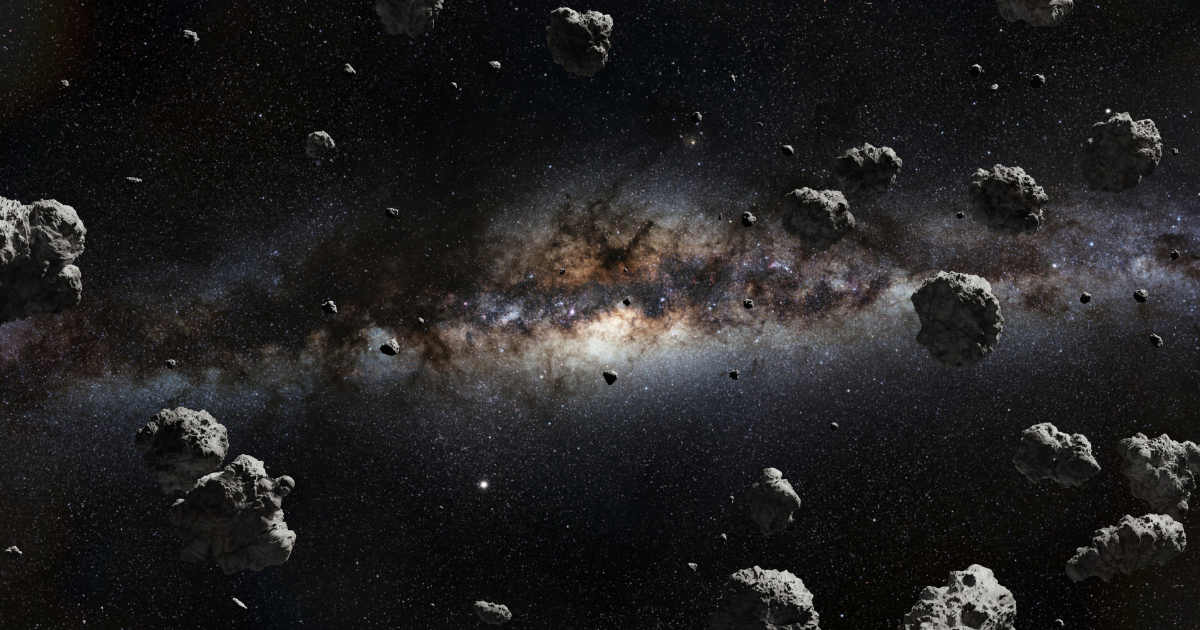
The Kuiper Belt is a region of icy bodies beyond Neptune’s orbit. The Oort Cloud is a much larger region of icy bodies even further out. What are these objects made of? How did they form? These are questions that scientists are still trying to answer.
5. The Great Attractor
The Great Attractor is a mysterious region of space that is pulling the Milky Way and other galaxies towards it. What is the Great Attractor? Why is it so massive? These are questions that scientists are still working to understand.

6. The Fermi Paradox
The Fermi Paradox asks why we haven’t found any evidence of extraterrestrial life, despite the fact that the universe is vast and billions of years old. There are many possible explanations for the Fermi Paradox, but none of them are definitive.

7. The dark matter and dark energy
Dark matter and dark energy are two mysterious substances that make up about 95% of the matter in the universe. We don’t know what dark matter and dark energy are made of, or how they work. These are two of the biggest mysteries in science today.

These are just a few of the many unsolved mysteries of the solar system. As scientists continue to study the universe, they are slowly unraveling these mysteries. But there is still much that we don’t know, and the solar system is sure to continue to surprise us for many years to come.
Tagged : / / / /

Top 7 Mysteries Of Our Solar System That Are Yet To Be Solved

Top 7 Mysteries Of Our Solar System That Are Yet To Be Solved
The Solar System is a vast and mysterious place with many secrets still hidden from the mankind. Scientists have been studying the solar system since ancient times and they have come up with some amazing discoveries. But there are still many unanswered and unsolved mysteries of our solar system. Here are 7 that are yet to be solved.

1. The formation of the asteroid belt
The asteroid belt is a region of space between the orbits of Mars and Jupiter. The asteroid belt is home to millions of asteroids, which are rocky objects that range in size from a few meters to hundreds of kilometers in diameter. The asteroid belt is thought to have formed when a large planetesimal, or protoplanet, was disrupted by a collision with another object. The collision caused the protoplanet to break up into smaller pieces, which eventually formed the asteroids in the asteroid belt.

2. The origin of the Moon
The origin of the Moon is one of the most enduring mysteries of the solar system. There are two main theories about how the Moon formed. The first theory is that the Moon formed from a giant impact between Earth and a Mars-sized body called Theia. The second theory is that the Moon formed from material that was ejected from Earth during a giant impact. The giant impact theory is the most widely accepted theory. It is supported by the fact that the Moon and Earth have similar compositions. The second theory is less widely accepted, but it is still possible. It is supported by the fact that the Moon has a very different composition than Earth.

3. Magnetic fields of Mercury and Ganymede
Mercury and Ganymede are the only planets in our solar system, other than Earth, that have magnetic fields. The magnetic fields of Mercury and Ganymede are generated by a process called dynamo action. Dynamo action occurs when a fluid is heated and then cooled. The heat causes the fluid to move, and the movement of the fluid creates electrical currents. The electrical currents generate a magnetic field. The reason why Mercury and Ganymede have magnetic fields while the other planets do not is unknown. One possibility is that Mercury and Ganymede have molten cores that are able to generate dynamo action. The other planets may have solid cores that are not able to generate dynamo action.

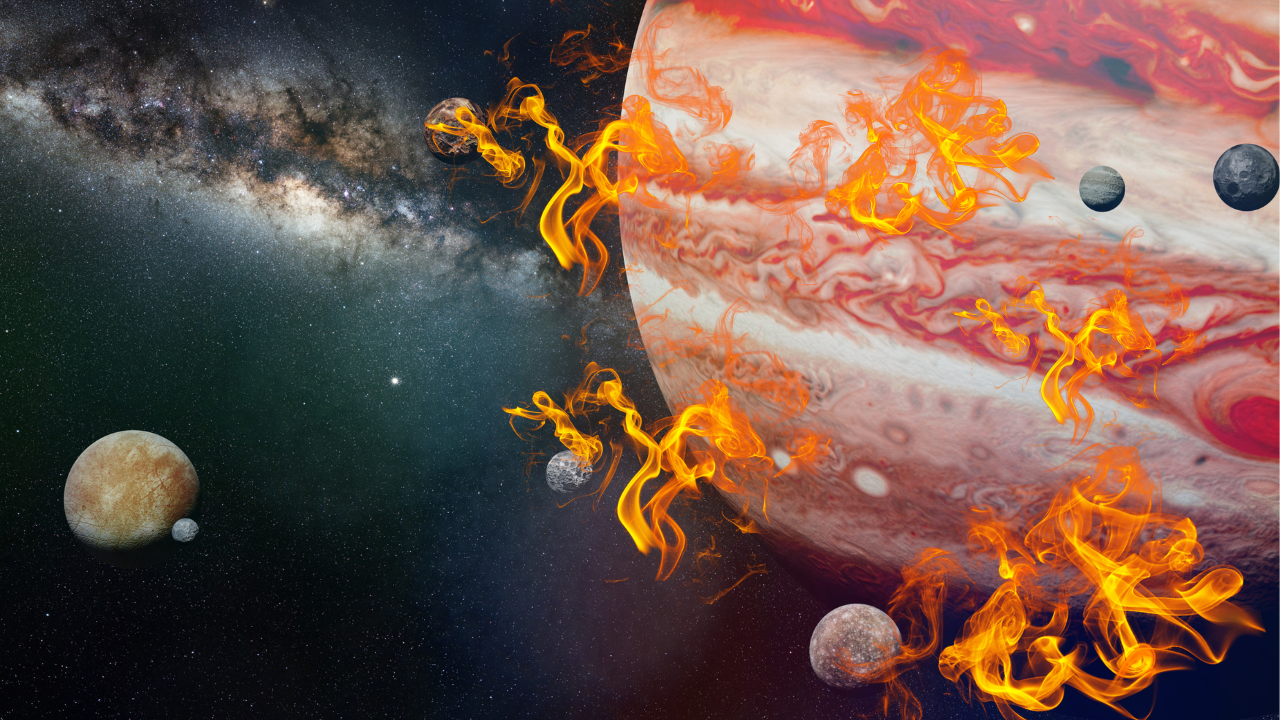
4. The heating of Jupiter’s atmosphere
The atmosphere of Jupiter is very hot. The temperature at the top of Jupiter’s atmosphere is about -148 degrees Celsius. The temperature at the bottom of Jupiter’s atmosphere is about 1,300 degrees Celsius. The reason why Jupiter’s atmosphere is so hot is unknown. One possibility is that Jupiter’s atmosphere is heated by the gravitational energy released as Jupiter’s mass pulls in material from space. The other possibility is that Jupiter’s atmosphere is heated by the decay of radioactive elements in Jupiter’s interior.

5. The tilt of Uranus
Uranus is the only planet in our solar system that is tilted on its side. The tilt of Uranus is so extreme that its north pole is pointed almost directly at the sun for about half of its year. The cause of Uranus’ tilt is unknown. There are two main theories about how Uranus could have gotten its extreme tilt. The first theory is that Uranus was hit by a large object early in its history. The impact would have caused Uranus to spin on its axis and tilt over. The second theory is that Uranus was formed from a disk of gas and dust that was tilted.

6. Methane on Mars
Methane is a gas that is found on Earth. Methane is also found on Mars. However, the source of methane on Mars is unknown. There are two main theories about the source of methane on Mars. The first theory is that the methane is produced by living organisms. The second theory is that the methane is produced by non-living processes, such as the interaction of water and rocks.

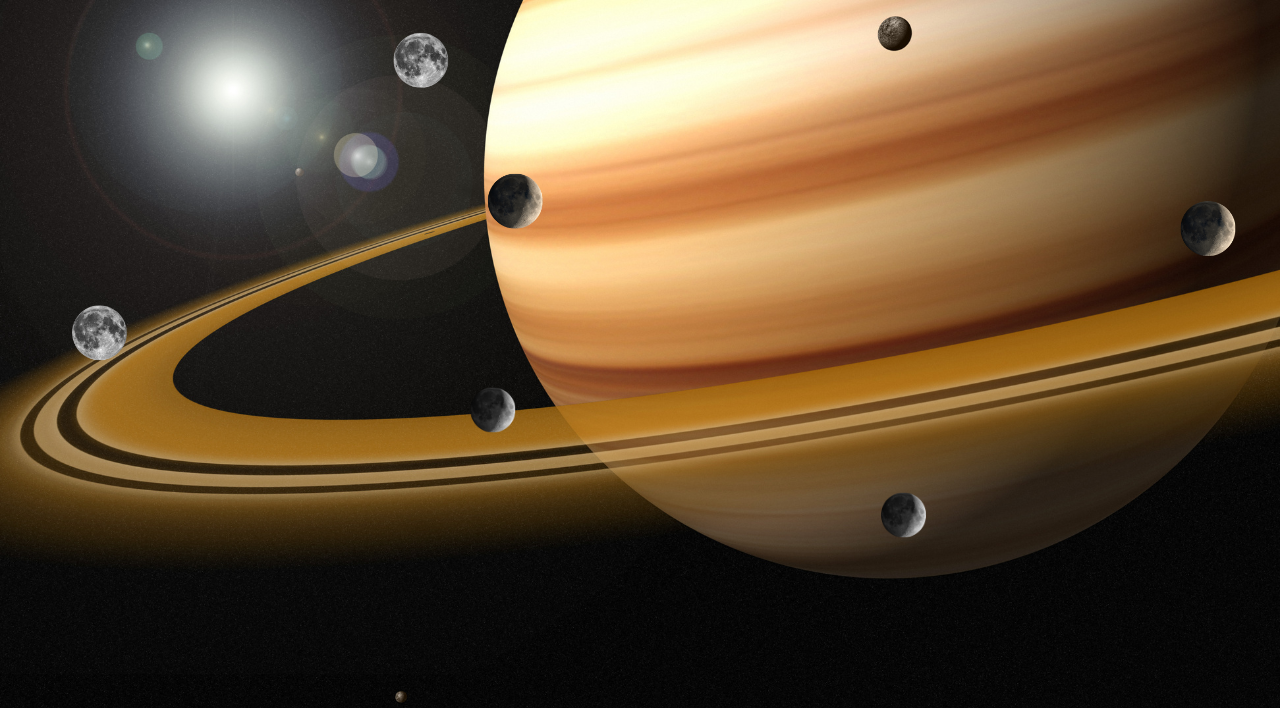
7. The puzzling moons of Saturn


Saturn has 82 moons. Some of Saturn’s moons are very large, such as Titan and Rhea. Other moons are very small. Some of Saturn’s moons are also very peculiar. For example, Titan has a thick atmosphere and methane lakes. Rhea has a system of canyons that are hundreds of kilometers long. The reason why Saturn has such a diverse collection of moons is unknown. One possibility is that the moons formed from the same disk of gas and dust that formed Saturn. The other possibility is that the moons were captured by Saturn from other parts of the solar system.

These are just a few of the many unsolved mysteries of the solar system. As our understanding of the universe grows, we may eventually be able to solve these mysteries. But for now, they remain a source of wonder and speculation.

Tagged : / / /
Verified by ExactMetrics