What Does NASA Do When An Astronaut Dies In Space?

What Does NASA Do When An Astronaut Dies In Space?
In consideration of how challenging human spaceflight is, it is truly amazing how few fatalities (20 individuals in six decades) have occurred so far. But in the following ten years, NASA intends to send astronauts to Mars and a crew to the Moon. Commercial space travel has become commonplace. As the use of space travel increases, so does the chance that someone might pass away while travelling there.

Death on Mars and the Moon

If someone perished while in low-Earth orbit, such as on board the International Space Station, the crew might quickly return the body to Earth in a capsule. If it occurred on the Moon, the crew could quickly return to Earth with the body. For such situations, NASA already has elaborate systems in place.Because of the fast return, it is likely that NASA would place more emphasis on ensuring the safety of the surviving crew’s return to Earth than on maintaining the body.

If an astronaut perished during the 300 million-mile journey to Mars, everything would be changed. The crew most likely wouldn’t be able to turn around and head back in those situation. Instead, at the conclusion of the mission, which would be a few years later, the body would probably return to Earth together with the crew. The crew would likely preserve the body in a separate room or specialised body bag in the interim. The body would supposedly be preserved by the spacecraft’s constant temperature and humidity.

All those eventualities, however, would only be relevant if the fatality occurred in a pressurised space, such as a space station or a spacecraft.

What would happen if someone entered space without a spacesuit to protect them?

Almost immediately, the astronaut would pass away. The astronaut would be unable to breathe due to the pressure drop and exposure to space’s vacuum, and their blood and other bodily fluids would boil.

What about last rites?
Let’s say the astronaut passed away on Mars’ surface after landing.

Cremation is undesirable since it consumes too much energy that the crew members who survive would rather use for other things. Additionally, burial is not a smart move. The Martian surface might become contaminated by bacteria and other creatures from the body. Until it could be brought back to Earth, the crew would probably maintain the body in a special body bag.

There are still a lot of questions regarding how explorers would handle a death. Not merely the issue of what to do with the body is involved. Just as crucial as how the deceased’s remains are handled is how the crew handles the loss and how the grieving families back on Earth are helped. However, in order to actually colonise distant worlds, whether the Moon, Mars, or a planet outside of our solar system, planning and regulations will be needed.


Tagged : / / / / /

The Sturgeon Moon Supermoon on 1st August! What Time Can We See It In India?

The Sturgeon Moon Supermoon on 1st August! What Time Can We See It In India?
On Tuesday, August 1, 2023, skywatchers will be treated to a special lunar event: the Sturgeon Moon supermoon. This full moon is named after the sturgeon fish, which is abundant in the Great Lakes during this time of year. The Sturgeon Moon is also the second of four consecutive supermoons in 2023.

A supermoon occurs when the full moon coincides with the moon’s closest approach to Earth in its orbit. This makes the moon appear larger and brighter than usual. The Sturgeon Moon supermoon will be about 16% bigger and 30% brighter than a typical full moon.

The best time to view the Sturgeon Moon supermoon will be shortly after moonrise. You can find the moonrise time for your location by using a stargazing app or website. In India, it will be at its full glory at around 12.02 am on August 2, or your can say the night of August 1. If you have clear skies, you should be able to see the Sturgeon Moon supermoon with the naked eye. However, binoculars or a telescope will give you a better view.

In addition to being a beautiful sight, the Sturgeon Moon supermoon also has some cultural significance. In some Native American cultures, the Sturgeon Moon is associated with the harvest. It is also a time to celebrate the abundance of nature. That’s why the Sturgeon Moon is also known as the Grain Moon, Corn Moon, Lightning Moon and Lynx Moon. The first supermoon of this year was seen in July, this is the second one.

So whether you are interested in astronomy, nature, or simply enjoying a beautiful night sky, be sure to catch the Sturgeon Moon supermoon on August 1, 2023 because the next time two supermoons appear in the sky in a span of one month will be in 2037.

Here are some tips for viewing the Sturgeon Moon supermoon:

  • Find a clear spot with a view of the horizon.
  • Allow your eyes to adjust to the darkness for at least 30 minutes before looking for the moon.
  • Use binoculars or a telescope for a better view.
  • Be patient and enjoy the sight!
    The Sturgeon Moon supermoon is a rare and beautiful event. Be sure to catch it if you can!
Tagged : / / /

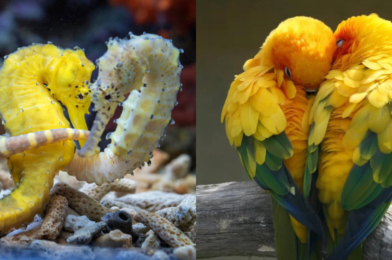
These 6 Animals and Birds Mate For Life And Never Change Partners

These 6 Animals and Birds Mate For Life And Never Change Partners
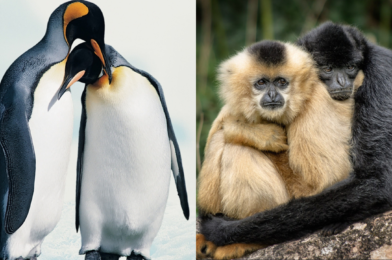
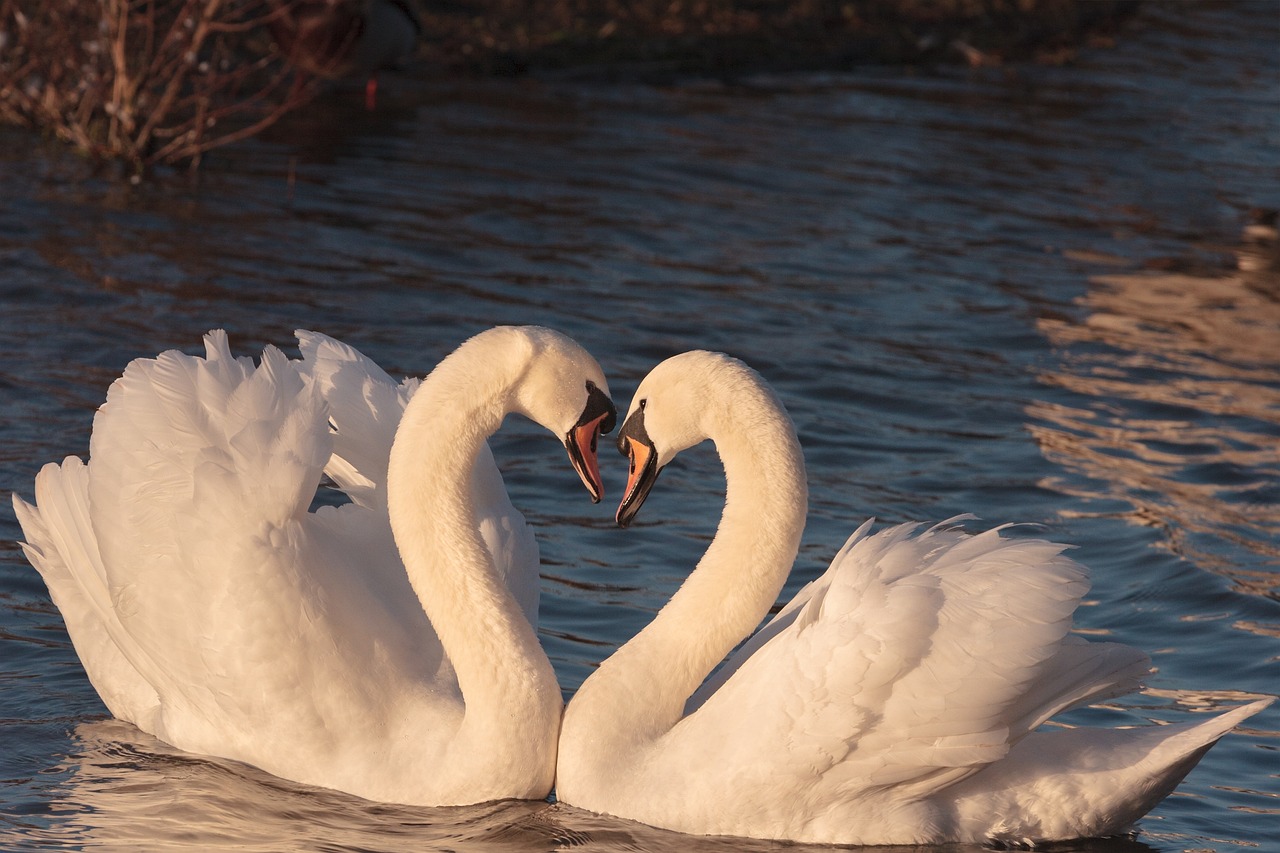
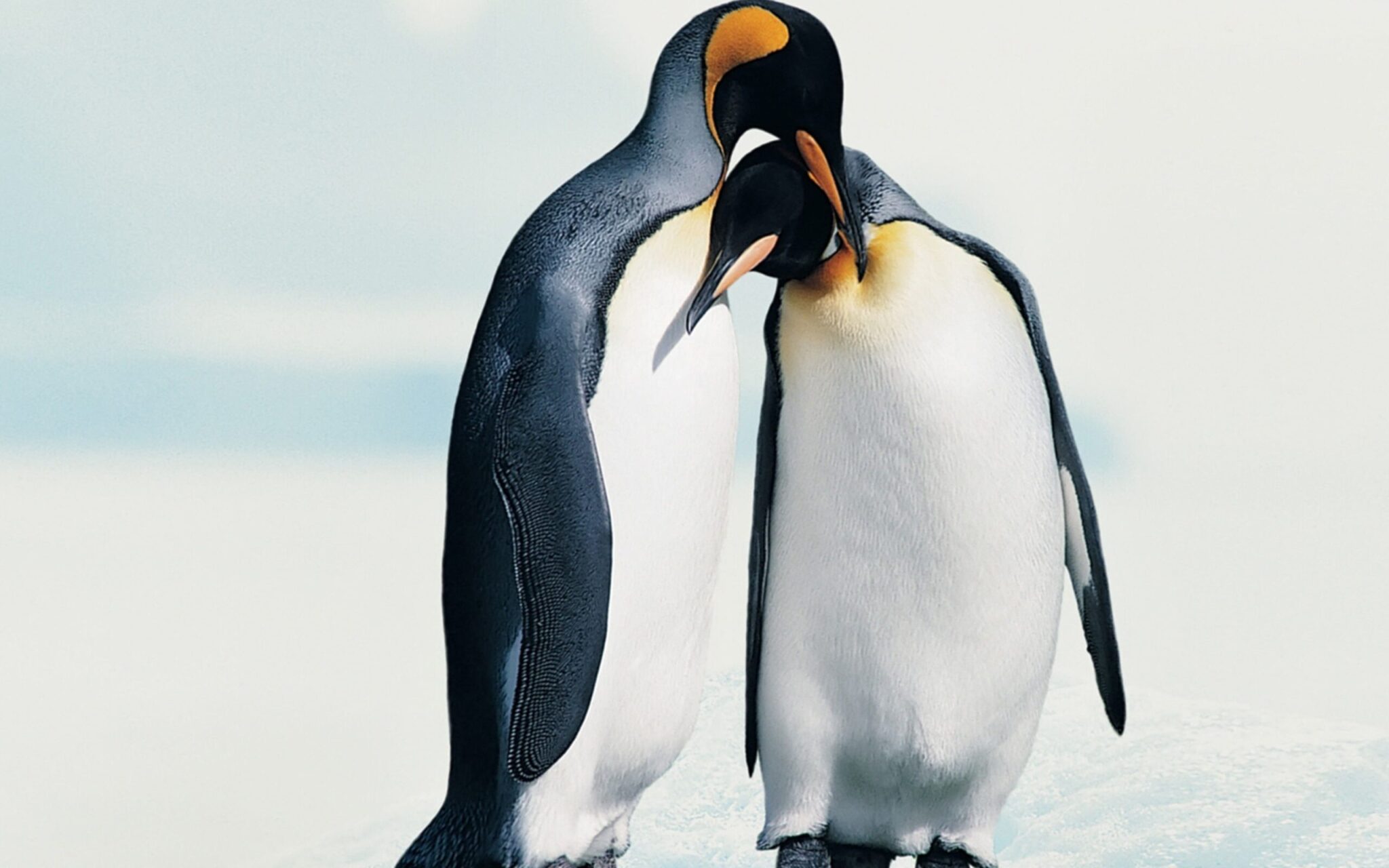
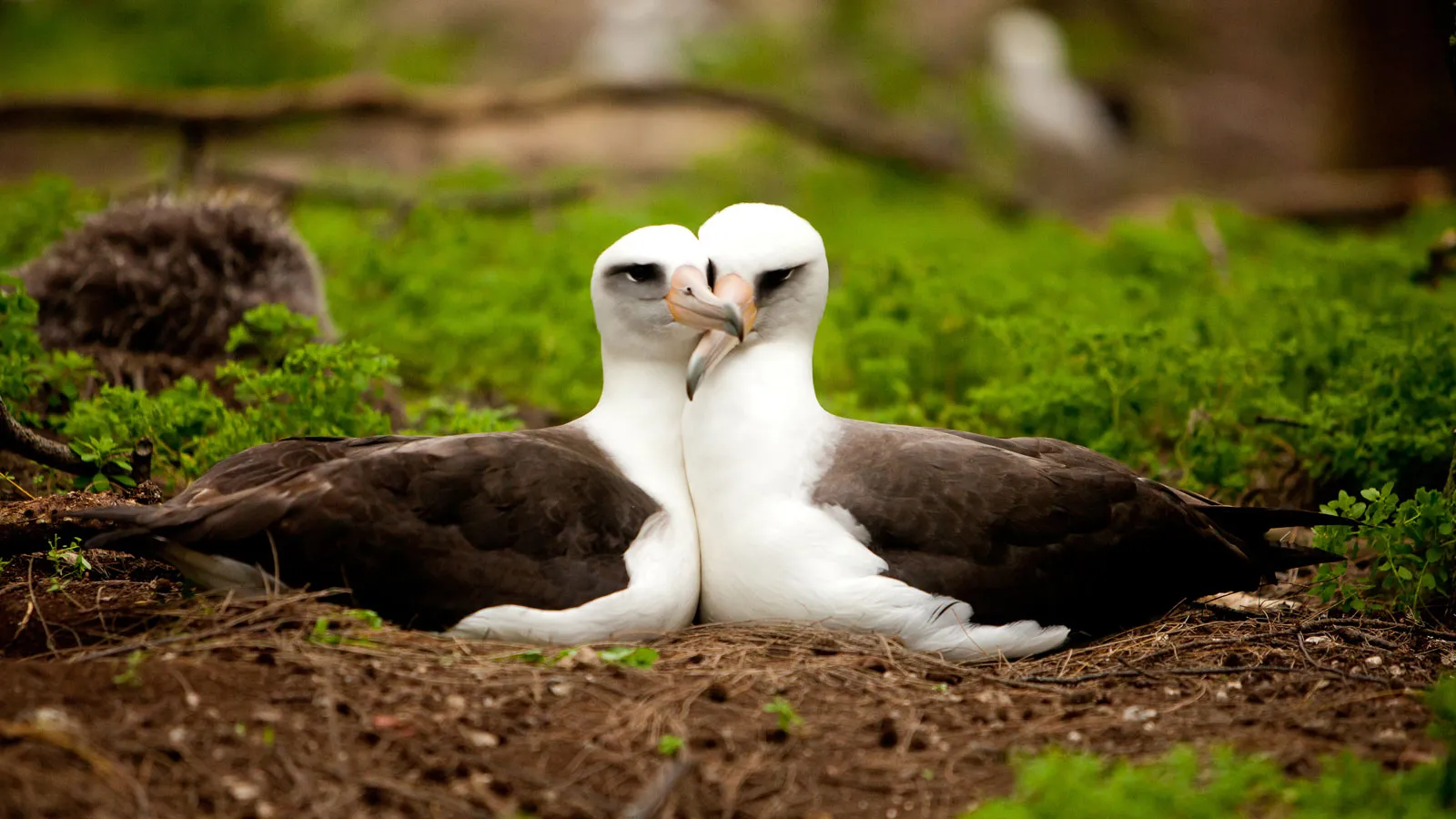
Mating habits in animals are a complex and fascinating subject. There is a wide variety of different mating habits found in the animal kingdom, and each species has its own unique way of attracting mates, reproducing, and raising young. Some animals, such as lions and wolves, live in social groups and mate with multiple partners. Other animals, such as swans and penguins, mate for life and only have one mate. Still other animals, such as honeybees and ants, reproduce through a process called parthenogenesis, in which females can produce offspring without the need for a male partner. n the animal kingdom, there are many species that mate for life. These animals form strong bonds with their partners and work together to raise their young.

Some of the most well-known animals that mate for life include:
1. Swans


Swans are known for their beautiful courtship dances and their lifelong commitment to each other. Once a pair of swans mates, they will stay together for life, even if one of them dies.

2. Emperor penguins


Emperor penguins are one of the most cold-weather adapted animals on Earth. They live in the harsh Antarctic climate and mate for life. Emperor penguins are very social animals and they form large colonies during the breeding season.

3. Albatrosses


Albatrosses are large seabirds that are known for their long lifespans. They can live for up to 70 years and they typically mate for life. Albatrosses are very faithful partners and they will often help each other raise their young.

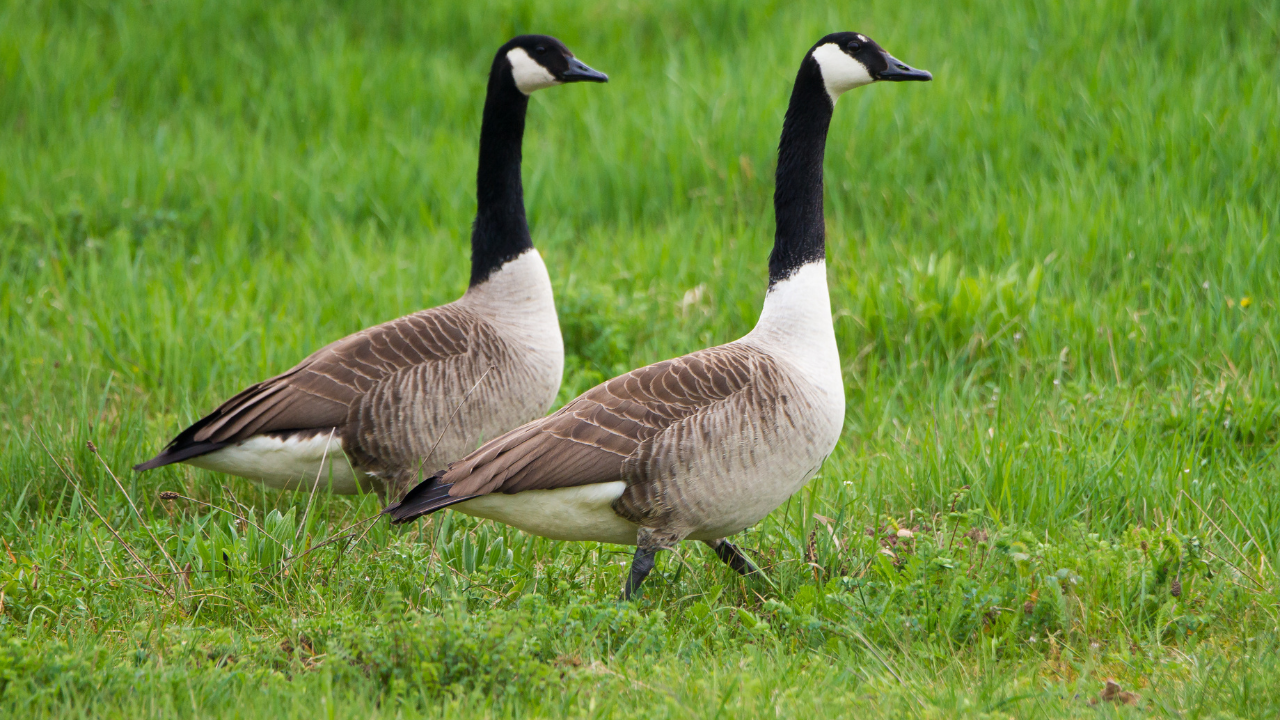
4. Goose


Geese are another type of bird that mates for life. They are very social animals and they form flocks during the breeding season. Geese are very protective of their mates and their young.

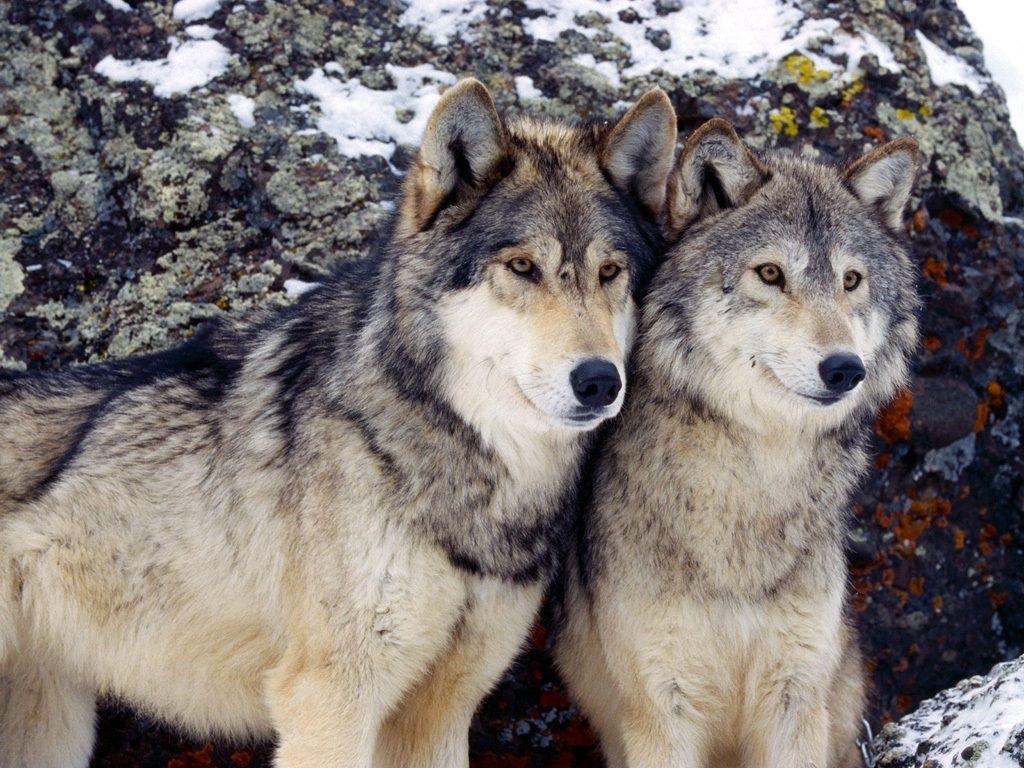
5. Wolves


Wolves are social animals that live in packs. They are very loyal to their packmates and they will often mate for life. Wolves are very protective of their mates and their pups.

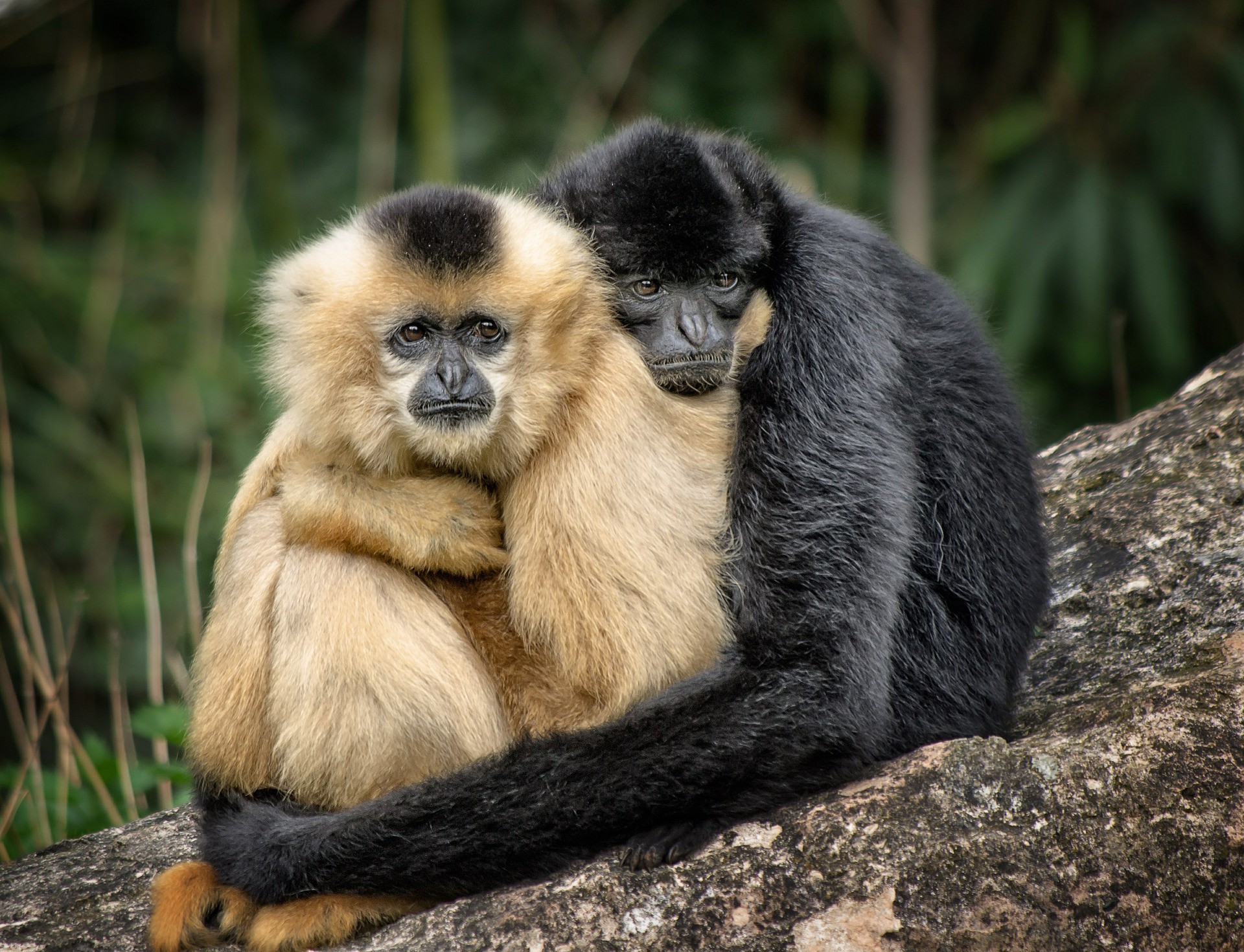
6. Gibbons


Gibbons are small apes that are found in the forests of Southeast Asia. They are known for their acrobatic skills and their loud calls. Gibbons are also known for their unique mating system, in which they mate for life. Gibbons find mates through a process of courtship. The courtship process can be quite elaborate and it can involve a variety of behaviors, such as singing, dancing, and scent marking. Once a gibbon pair has found a mate, they will form a strong bond. If a gibbon’s mate dies, the gibbon will often go through a period of mourning. After the mourning period, the gibbon may find a new mate or it may live alone.

Tagged : / /

Laws Of Attraction Finally Revealed!

Laws Of Attraction Finally Revealed!
Attraction is a complex phenomenon that has been studied by scientists for centuries. There is no single explanation for why we are attracted to certain people, but there are a number of factors that are known to play a role.
Physical Appearance

Physical appearance is one of the most important factors in attraction. Studies have shown that we are more likely to be attracted to people who are symmetrical, have clear skin, and a healthy body. These features are often associated with health and fertility, which are important factors for survival and reproduction.

1. Personality

Personality is another important factor in attraction. We are more likely to be attracted to people who share our values, interests, and sense of humor. We are also more likely to be attracted to people who are confident and outgoing.

2. Social Conditioning

Our social conditioning also plays a role in attraction. We learn what is considered attractive from our culture and our experiences. For example, if we are raised in a culture that values thinness, we may be more attracted to people who are thin.

3. Individual Preferences

Finally, our individual preferences also play a role in attraction. We all have different things that we find attractive in a partner. Some people may be more attracted to people who are funny, while others may be more attracted to people who are intelligent.

4. Other Factors

In addition to physical appearance, personality, and social conditioning, there are a number of other factors that may influence attraction. These include:

  • Scent: Our sense of smell plays a role in attraction. Studies have shown that we are more attracted to people who have similar body odor to our own.
  • Touch: Physical touch can also increase attraction. Studies have shown that people who are touched more often are more likely to be attracted to the person who is touching them.
  • Voice: The sound of someone’s voice can also be a factor in attraction. Studies have shown that we are more attracted to people who have voices that we find pleasing.
  • Shared experiences: We are more likely to be attracted to people who share our experiences. This could include things like common interests, hobbies, or even traumatic experiences.

The Science of Attraction is Still a Mystery

The science of attraction is still a mystery. However, the research that has been done so far suggests that there are a variety of factors that influence who we are attracted to. These factors can be divided into two main categories:

Universal factors: These factors are common to all cultures and societies. For example, we are all more likely to be attracted to people who are symmetrical and have clear skin.

Cultural factors: These factors vary from culture to culture. For example, what is considered attractive in one culture may not be considered attractive in another culture.

Conclusion

The science of attraction is a fascinating and complex topic. There is still much that we do not know about it, but the research that has been done so far suggests that there are a variety of factors that influence who we are attracted to.

Tagged : / / / /

What Is The Importance of Vitamin B 12 And What Are Some Vegetarian Sources Of It?

What Is The Importance of Vitamin B 12 And What Are Some Vegetarian Sources Of It?
Those who have been diagnosed with a deficiency of Vitamin B12 should know that it is a very important Vitamin and should be consumed regularly. Vitamin B12 is an essential nutrient that plays a number of important roles in the body, including:

1. Nervous system function: Vitamin B12 is essential for the production of myelin, a fatty sheath that surrounds and protects nerve cells. This helps to ensure that nerve cells can transmit signals efficiently.

2. Blood cell production: Vitamin B12 is also essential for the production of red blood cells. Red blood cells carry oxygen throughout the body, so a deficiency in vitamin B12 can lead to anemia.

3. DNA synthesis: Vitamin B12 is also involved in the synthesis of DNA, the genetic material of cells. This is important for cell growth and repair.

A deficiency in vitamin B12 can lead to a number of health problems, including:

  • Anemia: Anemia is a condition in which the body does not have enough healthy red blood cells. This can cause symptoms such as fatigue, shortness of breath, and pale skin.
  • Neurological problems: A deficiency in vitamin B12 can also lead to neurological problems, such as numbness, tingling, and difficulty walking.
  • Heart disease: A deficiency in vitamin B12 has also been linked to an increased risk of heart disease.

Best Vegetarian Sources of Vitamin B12

For people who follow a vegetarian or vegan diet, it is important to get enough vitamin B12 from other sources. Some good vegetarian sources of vitamin B12 include:

  • Fortified cereals: Many breakfast cereals are fortified with vitamin B12.
  • Soy milk: Soy milk is a good source of vitamin B12, especially if it is fortified.
  • Yeast extract: Nutritional yeast is a type of yeast that is often used as a seasoning. It is a good source of vitamin B12.
  • Tempeh: Tempeh is a fermented soybean product that is a good source of vitamin B12.
  • Fortified vegan products: There are also a number of vegan products that are fortified with vitamin B12, such as vegan sausages, burgers, and cheeses.

It is important to note that not all fortified foods contain the same amount of vitamin B12. It is also important to check the label to make sure that the food is fortified with vitamin B12.

If you are concerned about getting enough vitamin B12 on a vegetarian or vegan diet, you should talk to your doctor. They can help you to create a plan to make sure that you are getting enough of this essential nutrient.

Tagged : / / / /

Why do some animals mate for life while others don’t?

Why do some animals mate for life while others don’t?
In the animal kingdom, there is a wide range of mating strategies. Some animals, such as wolves and gibbons, mate for life, while others, such as lions and chimpanzees, are polygamous. There are many factors that influence an animal’s mating strategy, including its environment, its social structure, and its reproductive biology.

1. Environmental factors

One of the most important factors that influences an animal’s mating strategy is its environment. Animals that live in harsh or unpredictable environments are more likely to mate for life. This is because a long-term partnership can provide them with more stability and support. For example, wolves live in packs, and the alpha pair within the pack is usually monogamous. This helps to ensure that the pack has a strong leader and that the pups are well-cared for.

2. Social factors

Another important factor that influences an animal’s mating strategy is its social structure. Animals that live in social groups are more likely to be monogamous than animals that live solitary lives. This is because social animals need to cooperate in order to survive, and a long-term partnership can provide them with more cooperation and support. For example, gibbons are small primates that live in family groups. They are monogamous, and the pair works together to build nests, raise young, and defend their territory.

3. Reproductive biology

An animal’s reproductive biology also plays a role in its mating strategy. Animals that have a long gestation period or that produce few offspring are more likely to mate for life. This is because they need a long-term partner in order to raise their young successfully. For example, swans are large birds that mate for life. They have a long gestation period, and they only produce a few cygnets each year. Therefore, they need a long-term partner in order to raise their young successfully.

Conclusion

The reasons why some animals mate for life while others don’t are complex and varied. However, the factors that we have discussed above provide a good starting point for understanding this phenomenon. By understanding the factors that influence an animal’s mating strategy, we can gain a better understanding of the animal kingdom and the ways in which animals have adapted to their environment.

In addition to the factors mentioned above, there are other factors that can influence an animal’s mating strategy, such as its age, its physical condition, and its availability of mates. Ultimately, the decision of whether or not to mate for life is a complex one that is made by each individual animal.

Tagged : / / / /

Edible Robotics: The Future of Food?

Edible Robotics: The Future of Food?
Edible robotics is a new field of research that is exploring the potential of using robots to create edible food products. This field is still in its early stages, but it has the potential to revolutionize the way we eat.

One of the most promising applications of edible robotics is in the development of new food delivery systems. For example, robots could be used to create edible capsules that could be swallowed and deliver nutrients directly to the body. This could be a valuable tool for people who are unable to eat solid food or who need to supplement their diet with specific nutrients.

Edible robotics could also be used to create new types of food with enhanced flavors, textures, and nutritional properties. For example, robots could be used to create edible sensors that could monitor the body’s nutritional needs and adjust the food accordingly. This could help people to eat healthier and maintain a balanced diet.

The RoboFood Project is a research project that is exploring the potential of edible robotics. The project is being conducted by a team of scientists at the Swiss Federal Institute of Technology in Lausanne (EPFL). The team is developing a variety of edible robots, including capsules that can deliver nutrients directly to the body, edible sensors that can monitor the body’s nutritional needs, and edible robots that can change their shape and texture in response to the user’s input.

The RoboFood Project is still in its early stages, but it has the potential to revolutionize the way we eat. Edible robotics could make it possible to create new and innovative food products that are healthier, more nutritious, and more personalized. This could have a significant impact on our health and well-being.

Here are some of the potential benefits of edible robotics:

  • Improved nutrition: Edible robots could be used to deliver specific nutrients directly to the body, which could help people to eat healthier and maintain a balanced diet.
  • New food experiences: Edible robots could be used to create new and innovative food products with enhanced flavors, textures, and nutritional properties. This could make eating more enjoyable and satisfying.
  • Personalized nutrition: Edible robots could be used to create personalized food products that are tailored to the individual’s nutritional needs. This could help people to achieve their health goals.
    The future of edible robotics is still uncertain, but the potential benefits are significant. As the field continues to develop, we can expect to see new and innovative food products that are made possible by edible robotics.
Tagged : / / / / /

Top 7 Mysteries Of Our Solar System That Are Yet To Be Solved

Top 7 Mysteries Of Our Solar System That Are Yet To Be Solved
The Solar System is a vast and mysterious place with many secrets still hidden from the mankind. Scientists have been studying the solar system since ancient times and they have come up with some amazing discoveries. But there are still many unanswered and unsolved mysteries of our solar system. Here are 7 that are yet to be solved.

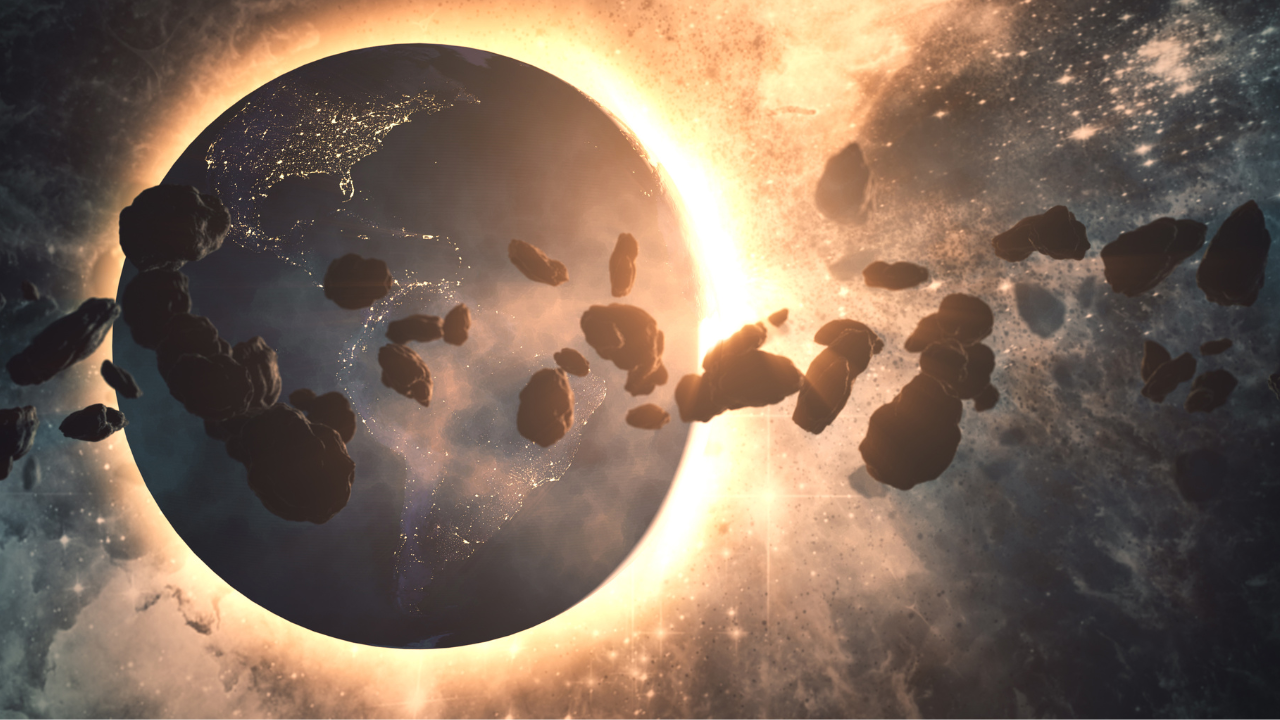
1. The formation of the asteroid belt
The asteroid belt is a region of space between the orbits of Mars and Jupiter. The asteroid belt is home to millions of asteroids, which are rocky objects that range in size from a few meters to hundreds of kilometers in diameter. The asteroid belt is thought to have formed when a large planetesimal, or protoplanet, was disrupted by a collision with another object. The collision caused the protoplanet to break up into smaller pieces, which eventually formed the asteroids in the asteroid belt.

2. The origin of the Moon
The origin of the Moon is one of the most enduring mysteries of the solar system. There are two main theories about how the Moon formed. The first theory is that the Moon formed from a giant impact between Earth and a Mars-sized body called Theia. The second theory is that the Moon formed from material that was ejected from Earth during a giant impact. The giant impact theory is the most widely accepted theory. It is supported by the fact that the Moon and Earth have similar compositions. The second theory is less widely accepted, but it is still possible. It is supported by the fact that the Moon has a very different composition than Earth.

3. Magnetic fields of Mercury and Ganymede
Mercury and Ganymede are the only planets in our solar system, other than Earth, that have magnetic fields. The magnetic fields of Mercury and Ganymede are generated by a process called dynamo action. Dynamo action occurs when a fluid is heated and then cooled. The heat causes the fluid to move, and the movement of the fluid creates electrical currents. The electrical currents generate a magnetic field. The reason why Mercury and Ganymede have magnetic fields while the other planets do not is unknown. One possibility is that Mercury and Ganymede have molten cores that are able to generate dynamo action. The other planets may have solid cores that are not able to generate dynamo action.

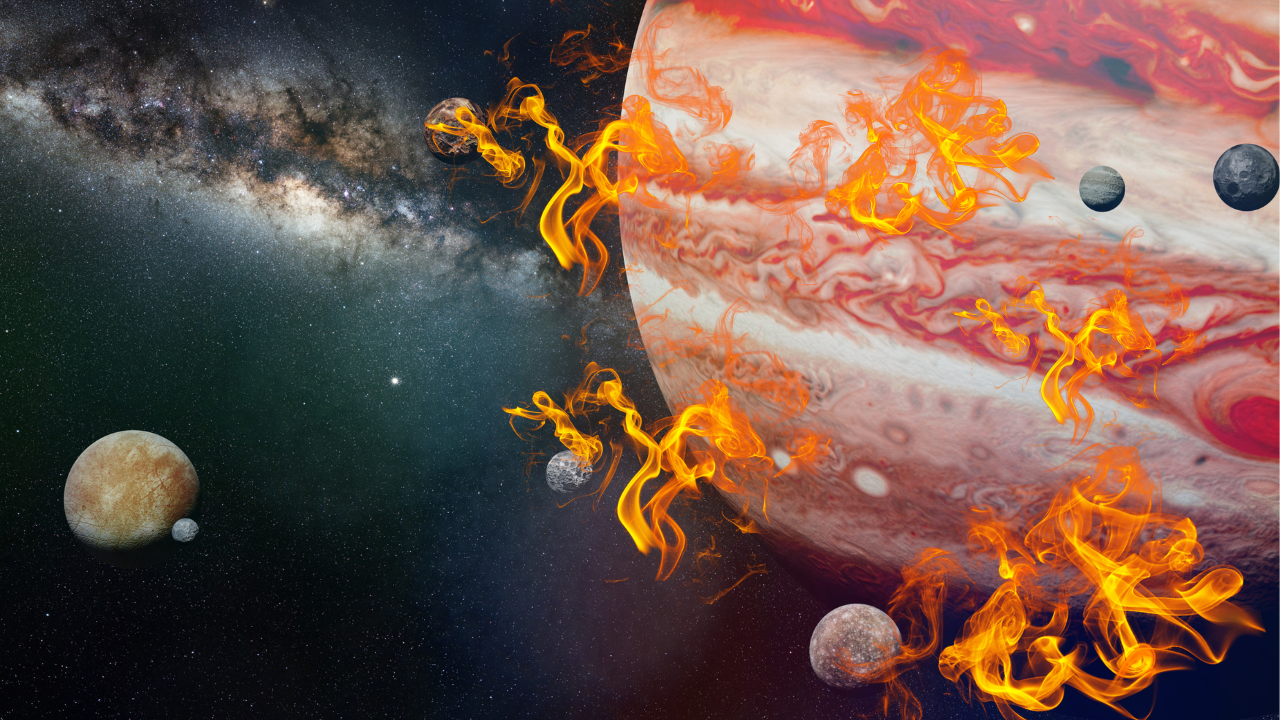
4. The heating of Jupiter’s atmosphere
The atmosphere of Jupiter is very hot. The temperature at the top of Jupiter’s atmosphere is about -148 degrees Celsius. The temperature at the bottom of Jupiter’s atmosphere is about 1,300 degrees Celsius. The reason why Jupiter’s atmosphere is so hot is unknown. One possibility is that Jupiter’s atmosphere is heated by the gravitational energy released as Jupiter’s mass pulls in material from space. The other possibility is that Jupiter’s atmosphere is heated by the decay of radioactive elements in Jupiter’s interior.

5. The tilt of Uranus
Uranus is the only planet in our solar system that is tilted on its side. The tilt of Uranus is so extreme that its north pole is pointed almost directly at the sun for about half of its year. The cause of Uranus’ tilt is unknown. There are two main theories about how Uranus could have gotten its extreme tilt. The first theory is that Uranus was hit by a large object early in its history. The impact would have caused Uranus to spin on its axis and tilt over. The second theory is that Uranus was formed from a disk of gas and dust that was tilted.

6. Methane on Mars
Methane is a gas that is found on Earth. Methane is also found on Mars. However, the source of methane on Mars is unknown. There are two main theories about the source of methane on Mars. The first theory is that the methane is produced by living organisms. The second theory is that the methane is produced by non-living processes, such as the interaction of water and rocks.

7. The puzzling moons of Saturn


Saturn has 82 moons. Some of Saturn’s moons are very large, such as Titan and Rhea. Other moons are very small. Some of Saturn’s moons are also very peculiar. For example, Titan has a thick atmosphere and methane lakes. Rhea has a system of canyons that are hundreds of kilometers long. The reason why Saturn has such a diverse collection of moons is unknown. One possibility is that the moons formed from the same disk of gas and dust that formed Saturn. The other possibility is that the moons were captured by Saturn from other parts of the solar system.

These are just a few of the many unsolved mysteries of the solar system. As our understanding of the universe grows, we may eventually be able to solve these mysteries. But for now, they remain a source of wonder and speculation.

Tagged : / / /

Do you know about ‘Hydroplaning’ – a big reason for accidents in monsoon?

Do you know about ‘Hydroplaning’ – a big reason for accidents in monsoon?
Hydroplaning is a dangerous driving condition that occurs when water causes your car’s tires to lose contact with the road surface. It can happen on any wet surface, but it is most common during the monsoon season when there is a lot of rain.

When your tires hydroplane, they are essentially skating on a thin film of water. This means that you have no control over the direction of your car, and you are at risk of an accident.

Here are some tips to help you avoid hydroplaning during the monsoon season:

1 Slow down
The faster you are going, the more likely you are to hydroplane. If you can, try to drive at 30 mph or less in wet conditions.
2 Avoid puddles and standing water
If you see a puddle or standing water, try to avoid driving through it. If you can’t avoid it, slow down and be prepared for the possibility of hydroplaning.
3 Maintain your tires
Make sure your tires are properly inflated and have good tread. Worn tires are more likely to hydroplane.
4 Be aware of your surroundings
Pay attention to the road conditions and the other cars around you. If you see someone hydroplaning, be prepared to take action.

If your car does start to hydroplane, there are a few things you can do to regain control:

1 Take your foot off the gas
This will help to reduce the speed of your car and give your tires a chance to regain traction.
2 Steer in the direction of the skid
This may seem counterintuitive, but it will help to bring your car back under control.
3 Don’t brake
Braking will only make the hydroplaning worse.

If you follow these tips, you can help to prevent hydroplaning and stay safe on the road during the monsoon season.

Here are some additional tips to help you stay safe while driving in the monsoon season:

  • Turn on your headlights : Even during the day, your headlights can help other drivers see you better.
  • Use your windshield wipers : Rain can obscure your vision, so it’s important to use your windshield wipers to clear the water away.
  • Be patient : It takes longer to stop your car in wet conditions, so give yourself plenty of time to brake.
  • Don’t follow other cars too closely : If the car in front of you has to stop suddenly, you’ll have more time to react if you’re not following too closely.

    By following these tips, you can help to make the monsoon season a little bit safer.

Tagged : / / / / /

MIT student from India develops device that helps people converse without voice

MIT student from India develops device that helps people converse without voice
A student from India at the Massachusetts Institute of Technology (MIT) has developed a device that allows people to converse without voice. The device, called AlterEgo, uses sensors to detect the electrical activity in the user’s jaw and tongue muscles, which is then used to generate speech.

The student, Arnav Kapur, says that AlterEgo could be used by people who have difficulty speaking due to a disability, or by people who want to be discreet in their conversations.

“I’ve always been fascinated by the idea of being able to communicate without having to speak,” Kapur said. “I think AlterEgo has the potential to revolutionize the way we communicate.”

Kapur developed AlterEgo as part of his master’s degree in Media Arts and Sciences at MIT. The device is still in the prototype stage, but Kapur says he hopes to make it available to the public in the near future.

AlterEgo is not the first device that allows people to communicate without voice. There are a number of other devices on the market that use sensors to detect the electrical activity in the user’s muscles. However, AlterEgo is one of the first devices that is designed to be worn around the ear, making it more discreet and portable.

Kapur says that AlterEgo could be used in a variety of settings, such as classrooms, workplaces, and hospitals. He also believes that the device could be used by people who are deaf or hard of hearing.

“I think AlterEgo has the potential to make a real difference in the lives of people who struggle to communicate,” Kapur said. “I’m excited to see how people use it in the future.”

In addition to its potential for people with disabilities, Kapur believes that AlterEgo could also be used by people who want to be discreet in their conversations. For example, AlterEgo could be used by people who want to talk on the phone in public without being overheard.

Kapur is currently working on improving the accuracy of AlterEgo and making it more comfortable to wear. He also plans to add new features to the device, such as the ability to translate languages.

“I’m excited to see how AlterEgo evolves in the future,” Kapur said. “I think it has the potential to change the way we communicate forever.”

Tagged : / /

рдорд╣рд┐рд▓рд╛рдпреЗрдВ рдкреБрд░реБрд╖реЛрдВ рд╕реЗ рдЬреНрдпрд╛рджрд╛ рдХреНрдпреЛрдВ рдЬреАрддреА рд╣реИрдВ ?

рдорд╣рд┐рд▓рд╛рдпреЗрдВ рдкреБрд░реБрд╖реЛрдВ рд╕реЗ рдЬреНрдпрд╛рджрд╛ рдХреНрдпреЛрдВ рдЬреАрддреА рд╣реИрдВ ?
рдорд╣рд┐рд▓рд╛рдУрдВ рдХреЛ рдЕрдХреНрд╕рд░ рдХрдордЬреЛрд░, рдЕрдмрд▓рд╛ рдФрд░ рдирд╛рдЬреБрдХ рдмрддрд╛рдпрд╛ рдЬрд╛рддрд╛ рд╣реИ ред рдХреЛрдИ рднреА рднрд╛рд░реА рдХрд╛рдо рд╣реЛ, рдпрд╛ рдРрд╕рд╛ рдХреБрдЫ рдЬрд┐рд╕рдореЗрдВ рддрд╛рдХрдд рдХреА рдЖрд╡рд╢реНрдпрдХрддрд╛ рд╣реЛ, рдкреБрд░реБрд╖ рдЭрдЯ рд╕реЗ рдЙрда рдХрд░ рдЦреЬреЗ рд╣реЛ рдЬрд╛рддреЗ рд╣реИрдВ рдХреНрдпреЛрдВрдХрд┐ рдЙрдиреНрд╣реЗрдВ рднрдЧрд╡рд╛рди рдиреЗ рдЬреНрдпрд╛рджрд╛ рдордЬрдмреВрдд , рдЬреНрдпрд╛рджрд╛ рд▓рдВрдмрд╛ рдФрд░ рдЬреНрдпрд╛рджрд╛ рддрд╛рдХрддрд╡рд░ рдмрдирд╛рдпрд╛ рд╣реИ рд▓реЗрдХрд┐рди рдЗрддрдирд╛ рд╕рдм рдХреБрдЫ рд╣реЛрдиреЗ рдХреЗ рдмрд╛рд╡рдЬреВрдж рднреА рдЬреАрд╡рди рдХреЗ рд╕рдВрдШрд░реНрд╖ рдореЗрдВ рдкреБрд░реБрд╖ рдорд╣рд┐рд▓рд╛рдУрдВ рд╕реЗ рд╣рд╛рд░ рдЬрд╛рддреЗ рд╣реИрдВ ред рдЬрдм рдмрд╛рдд рдЬреАрд╡рди рдХреА рд╣реЛ рддреЛ рдорд╣рд┐рд▓рд╛рдпреЗрдВ рдкреБрд░реБрд╖реЛрдВ рд╕реЗ рдХрд╣реАрдВ рдЬреНрдпрд╛рджрд╛ рдЬреАрддреА рд╣реИрдВ рдФрд░ рдХрд╛рдлреА рд╕реНрд╡рд╕реНрде рдЬреАрд╡рди рдЬреАрддреА рд╣реИрдВ ред рдпрд╛рдирд┐ рдпреЗ рдХрд╣рдирд╛ рдЧрд▓рдд рдирд╣реАрдВ рд╣реЛрдЧрд╛ рдХрд┐ рдЕрд╕рд▓ рдореЗрдВ рдорд╣рд┐рд▓рд╛рдпреЗрдВ рдкреБрд░реБрд╖реЛрдВ рд╕реЗ рдЬреНрдпрд╛рджрд╛ рдордЬрдмреВрдд рд╣реИрдВ рдФрд░ рдкреБрд░реБрд╖ рдХрдордЬреЛрд░ рд╡рд░реНрдЧ рд╕реЗ рд╣реИрдВ ред рдкрд┐рдЫрд▓реЗ рд╕реМ рд╕рд╛рд▓реЛрдВ рдореЗрдВ рд▓реЛрдЧреЛрдВ рдХреА рдбрд╛рдЗрдЯ рдореЗрдВ рдмрдврд╝реЛрддрд░реА рд╣реБрдИ рд╣реИ, рдмреАрдорд╛рд░рд┐рдпреЛрдВ рд╕реЗ рд▓рдбрд╝рдиреЗ рдХреА рджрд╡рд╛рдЗрдпрд╛рдВ рдЖ рдЧрдИ рд╣реИрдВ, рддрдВрдмрд╛рдХреВ рдХрд╛ рд╕реЗрд╡рди рдХрдо рд╣реБрдЖ рд╣реИ, рдЗрди рд╕рдмрд╕реЗ рдФрд╕рдд рдЙрдореНрд░ рдореЗрдВ рдорд╣рддреНрд╡рдкреВрд░реНрдг рдЗрдЬрд╛рдлрд╛ рд╣реБрдЖ рд╣реИ, рд▓реЗрдХрд┐рди рдЖрдЬ рднреА рдорд╣рд┐рд▓рд╛рдПрдВ рдкреБрд░реБрд╖реЛрдВ рд╕реЗ рдореБрдХрд╛рдмрд▓реЗ рдЬреНрдпрд╛рджрд╛ рд╣реЗрд▓реНрджреА рд░рд╣рддреА рд╣реИрдВ рдФрд░ рдЬреНрдпрд╛рджрд╛ рджрд┐рдиреЛрдВ рддрдХ рдЬреАрд╡рд┐рдд рд░рд╣рддреА рд╣реИрдВред рдЖрдЦрд┐рд░ рдЗрд╕рдХреЗ рдкреАрдЫреЗ рдХрд╛рд░рдг рдХреНрдпрд╛ рд╣реИрдВ ? рдЗрд╕реА рд╡рд┐рд╖рдп рдкрд░ рд╣рд╛рд░реНрд╡рд░реНрдб рдХреЗ рд╡реИрдЬреНрдЮрд╛рдирд┐рдХреЛрдВ рдиреЗ рд╢реЛрдз рдХрд┐рдпрд╛ рд╣реИ рдФрд░ рдХреБрдЫ рдХрд╛рд░рдг рдЙрдиреНрд╣реЛрдВрдиреЗ рджреБрдирд┐рдпрд╛ рдХреЗ рд╕рд╛рдордиреЗ рд░рдЦреЗ :

1 рдЖрдиреБрд╡рд╛рдВрд╢рд┐рдХ рдпрд╛ рдЬреАрдВрд╕ рдХреА рдмрдирд╛рд╡рдЯ
рдПрдХ рдЬрд╛рдирдиреЗ рд╡рд╛рд▓реА рдорд╣рддреНрд╡рдкреВрд░реНрдг рдмрд╛рдд рдпреЗ рд╣реИ рдХрд┐ рднреНрд░реВрдг рдХреЗ рд╡рд┐рдХрд╛рд╕ рд╕реЗ рдорд╣рд┐рд▓рд╛ рдФрд░ рдкреБрд░реБрд╖ рдЕрд▓рдЧ рд╣реЛрддреЗ рд╣реИрдВред рд▓реЗрдХрд┐рди рджреЛрдиреЛрдВ рдореЗрдВ 23 рдХреНрд░реЛрдореЛрдЬреЛрдо рд╣реИрдВред 22 рдХреНрд░реЛрдореЛрдЬреЛрдо рджреЛрдиреЛрдВ рд▓рд┐рдВрдЧ рдореЗрдВ рд╕рдорд╛рди рд╣реИрдВ, рд▓реЗрдХрд┐рди 23 рдХреНрд░реЛрдореЛрдЬреЛрдо рдЕрд▓рдЧ рд╣реИрдВред 23 рд╡реЗрдВ рдЬреЛрдбрд╝реЗ рдореЗрдВ рдкреБрд░реБрд╖реЛрдВ рдореЗрдВ рдПрдХ рдПрдХреНрд╕ рдФрд░ рдПрдХ рд╡рд╛рдИ рдХреНрд░реЛрдореЛрдЬреЛрдо рд╣реЛрддрд╛ рд╣реИ, рдЬрдмрдХрд┐ 23 рд╡реЗрдВ рдЬреЛрдбрд╝реЗ рдореЗрдВ рдорд╣рд┐рд▓рд╛рдУрдВ рдореЗрдВ рд╕рд┐рд░реНрдл рдПрдХреНрд╕ рдХреНрд░реЛрдореЛрдЬреЛрдо рд╣реЛрддрд╛ рд╣реИред рд╡рд╛рдИ рдХреНрд░реЛрдореЛрдЬреЛрдо рдмрд╣реБрдд рдХрдо рдЬреАрди рд░рдЦрддрд╛ рд╣реИ рдФрд░ рдПрдХреНрд╕ рд╕реЗ рдПрдХ рддрд┐рд╣рд╛рдИ рдЫреЛрдЯрд╛ рд╣реИред рдореБрдЦреНрдп рдмрд╛рдд рдпрд╣ рд╣реИ рдХрд┐ рдкреБрд░реБрд╖реЛрдВ рдореЗрдВ рд╡рд╛рдИ рдХреНрд░реЛрдореЛрдЬреЛрдо рдмреАрдорд╛рд░рд┐рдпреЛрдВ рд╕реЗ рд╕рдВрдмрдВрдзрд┐рдд рдмреАрдорд╛рд░рд┐рдпрд╛рдБ рдЕрдзрд┐рдХ рд╣реЛрддреА рд╣реИрдВ, рдЗрд╕рд▓рд┐рдП рдкреБрд░реБрд╖реЛрдВ рдореЗрдВ рдкреВрд░реЗ рдЬреАрд╡рди рдореМрдд рдХрд╛ рдЬреЛрдЦрд┐рдо рдорд╣рд┐рд▓рд╛ рд╕реЗ рдЕрдзрд┐рдХ рд╣реЛрддрд╛ рд╣реИред

2 рдЯреЗрд╕реНрдЯреЛрд╕реНрдЯреЗрд░реЙрди рд╣рд╛рд░реНрдореЛрди
рдкреБрд░реБрд╖ рдЕрдкрдиреЗ рдЬрд┐рд╕ рдЯреЗрд╕реНрдЯреЛрд╕реНрдЯреЗрд░реЙрди рд╣рд╛рд░реНрдореЛрди рдХреЛ рдорд░реНрджрд╛рдирдЧреА, рдирд┐рдбрд░рддрд╛ рдФрд░ рддрд╛рдХрдд рдХрд╛ рдкреНрд░рддреАрдХ рдорд╛рдирддреЗ рд╣реИрдВ , рдЕрд╕рд▓ рдореЗрдВ рд╡рд╣реА рдЙрдирдХрд╛ рдЫреБрдкрд╛ рд╣реБрдЖ рджреБрд╢реНрдорди рд╕рд╛рдмрд┐рдд рд╣реЛ рдЬрд╛рддрд╛ рд╣реИ ред рдпреЗ рд╣рд╛рд░реНрдореЛрди рдмрд╣реБрдд рдзреАрд░реЗ рдзреАрд░реЗ рджрд┐рд▓ рдХреА рдорд╛рдВрд╕рдкреЗрд╢рд┐рдпреЛрдВ рдХреЛ рдХрдордЬреЛрд░ рдмрдирд╛рддрд╛ рдЬрд╛рддрд╛ рд╣реИ ред рдорд╣рд┐рд▓рд╛рдУрдВ рдореЗрдВ рд╕реНрддреНрд░реАрддреНрд╡ рдХреЛ рдмрдврд╝рд╛рдиреЗ рд╡рд╛рд▓реЗ рдПрд╕реНрдЯреНрд░реЛрдЬрди рд╣рд╛рд░реНрдореЛрди рджрд┐рд▓ рдХреА рд░рдХреНрд╖рд╛ рдХрд░рддреЗ рд╣реИрдВред рдЕрдм рдЖрдк рд╕рдордЭ рдЧрдП рд╣реЛрдВрдЧреЗ рдХрд┐ рдХреНрдпреЛрдВ рджрд┐рд▓ рдХреА рдмреАрдорд╛рд░рд┐рдпрд╛рдВ рдорд╣рд┐рд▓рд╛рдУрдВ рдореЗрдВ рдЗрддрдиреА рдХрдо рд╣реЛрддреА рд╣реИрдВред рдкрд░ рд╣рд╛рдБ рд░рдЬрд╕реНрд╡рд▓рд╛ рд╣реЛрдиреЗ рдХреЗ рдмрд╛рдж рдорд╣рд┐рд▓рд╛рдУрдВ рдореЗрдВ рднреА рджрд┐рд▓ рдХреЗ рджреМрд░реЗ рдХреА рд╕рдВрднрд╛рд╡рдирд╛ рдмреЭ рдЬрд╛рддреА рд╣реИ ред

3 рдкреНрд░рдЬрдирди рдЕрдВрдЧ
рдкреБрд░реБрд╖реЛрдВ рдореЗрдВ рдкреНрд░реЛрд╕реНрдЯреЗрдЯ рдЧреНрд▓реИрдВрдб рдХрдИ рд╕рдорд╕реНрдпрд╛рдУрдВ рдХрд╛ рдХрд╛рд░рдг рдмрдирддрд╛ рд╣реИред рдЖрдкрдХреЛ рд▓рдЧрддрд╛ рд╣реЛрдЧрд╛ рдХрд┐ рдкреБрд░реБрд╖ рдорд╣рд┐рд▓рд╛рдУрдВ рдореЗрдВ рдмреНрд░реЗрд╕реНрдЯ рдХреИрдВрд╕рд░, рдпреВрдЯреНрд░рд╕ рдХреИрдВрд╕рд░ рдФрд░ рдЧрд░реНрднрд╛рд╢рдп рдХреИрдВрд╕рд░ рд╕реЗ рдЕрдзрд┐рдХ рд╕реБрд░рдХреНрд╖рд┐рдд рд╣реИрдВред рд▓реЗрдХрд┐рди рдРрд╕рд╛ рдирд╣реАрдВ рд╣реИред рдЕрдиреНрдп рдХрдИ рдорд╛рдорд▓реЛрдВ рдореЗрдВ, рдкреБрд░реБрд╖реЛрдВ рдХреЛ рдХреИрдВрд╕рд░ рд╣реЛрддрд╛ рд╣реИред рдЖрдо рддреМрд░ рдкрд░ рднреА рдкреБрд░реБрд╖реЛрдВ рдореЗрдВ рдХреИрдВрд╕рд░ рд╣реЛрдиреЗ рдХреА рд╕рдВрднрд╛рд╡рдирд╛ рдорд╣рд┐рд▓рд╛рдУрдВ рд╕реЗ рдЬреНрдпрд╛рджрд╛ рд╣реЛрддреА рд╣реИ рдФрд░ рдХреИрдВрд╕рд░ рд╕реЗ рдЙрдмрд░рдиреЗ рдХреА рд╕рдВрднрд╛рд╡рдирд╛ рднреА рдЙрдирдореЗрдВ рдорд╣рд┐рд▓рд╛рдУрдВ рд╕реЗ рдХрдо рд╣реЛрддреА рд╣реИ .

4 рдореЗрдЯрд╛рдмреЛрд▓рд┐рдЬреНрдо
рдпрд╣ рдПрдХ рдмрд╣реБрдд рд╣реА рджрд┐рд▓рдЪрд╕реНрдк рддрдереНрдп рд╣реИ рдХрд┐ рдорд╣рд┐рд▓рд╛рдУрдВ рдореЗрдВ рд╣реГрджрдп рдХреЛ рд╕реБрд░рдХреНрд╖рд┐рдд рд░рдЦрдиреЗ рд╡рд╛рд▓рд╛ рдЧреБрдб рдХреЛрд▓реЗрд╕реНрдЯреНрд░реЙрд▓ рдЕрдзрд┐рдХ рд╣реЛрддрд╛ рд╣реИред рдорд╣рд┐рд▓рд╛рдУрдВ рдореЗрдВ рд╢реБрджреНрдз рдХреЛрд▓реЗрд╕реНрдЯреНрд░реЙрд▓ 60.3 mg/dl рд╣реИ, рдЬрдмрдХрд┐ рдкреБрд░реБрд╖реЛрдВ рдореЗрдВ рд╕рд┐рд░реНрдл 48.5 mg/dl рд╣реИред рдЗрд╕рд╕реЗ рджрд┐рд▓ рдХреА рдмреАрдорд╛рд░реА рдХрд╛ рдЦрддрд░рд╛ рдХрдо рд╣реЛрддрд╛ рд╣реИред рдЗрд╕рд╕реЗ рдореЗрдЯрд╛рдмреЛрд▓рд┐рдЬреНрдо рд╕рдХреНрд░рд┐рдп рд░рд╣рддрд╛ рд╣реИ рдФрд░ рдореЛрдЯрд╛рдкрд╛ рдФрд░ рдЕрдиреНрдп рдмреАрдорд╛рд░рд┐рдпреЛрдВ рдХрд╛ рдЦрддрд░рд╛ рдХрдо рд╣реЛрддрд╛ рд╣реИред

5 рд╕рд╛рдорд╛рдЬрд┐рдХ-рд╡реНрдпрд╛рд╡рд╣рд╛рд░рд┐рдХ рдХрд╛рд░рдХ
рдорд╣рд┐рд▓рд╛рдПрдВ рд╕реЛрд╢рд▓ рд╣реЛрддреА рд╣реИрдВ, рдФрд░ рд╣рд┐рдВрд╕рд╛ рдФрд░ рдЖрдХреНрд░рд╛рдордХрддрд╛ рдорд╣рд┐рд▓рд╛рдУрдВ рдХреЗ рд▓рдХреНрд╖рдг рдирд╣реАрдВ рд╣реИрдВред рдкреБрд░реБрд╖реЛрдВ рдХреА рддреБрд▓рдирд╛ рдореЗрдВ рдорд╣рд┐рд▓рд╛рдПрдВ рд╕рд┐рдЧрд░реЗрдЯ, рд╢рд░рд╛рдм рдФрд░ рддрдВрдмрд╛рдХреВ рдХрд╛ рд╕реЗрд╡рди рдХрдо рдХрд░рддреА рд╣реИрдВред рдкреБрд░реБрд╖реЛрдВ рдХреА рддреБрд▓рдирд╛ рдореЗрдВ рдорд╣рд┐рд▓рд╛рдУрдВ рдХреА рдбрд╛рдЗрдЯ рдЕрдзрд┐рдХ рд╣реЗрд▓реНрджреА рд╣реЛрддреА рд╣реИред рдорд╣рд┐рд▓рд╛рдПрдВ рдЕрдзрд┐рдХ рдШрд░реЗрд▓реВ рдХрд╛рдо рдХрд░рддреА рд╣реИрдВ, рдЗрд╕рд▓рд┐рдП рд╡реЗ рдЕрдзрд┐рдХ рд╢рд╛рд░реАрд░рд┐рдХ рд╡реНрдпрд╛рдпрд╛рдо рдХрд░рддреА рд╣реИрдВред рдКрдкрд░ рд╕реЗ рдорд╣рд┐рд▓рд╛рдпреЗрдВ рдЕрдкрдиреА рд╕рд╣реЗрд▓рд┐рдпреЛрдВ рдХреЗ рд╕рд╛рде рдмрд╛рдд рдЪреАрдд рдХрд░рддреА рд░рд╣рддреА рд╣реИрдВ рдпрд╛ рдкрдирд┐ рдорд╛рдБ рдпрд╛ рдмрд╣рди рд╕реЗ ред рдпреЗ рдЙрдирдХреЗ рд▓рд┐рдП рдЕрдЪреНрдЫрд╛ рд╣реИ рдХреНрдпреЛрдВрдХрд┐ рд╡реЗ рдЕрдкрдиреА рдмрд╛рддреЗрдВ , рд╕реБрдЦ рдФрд░ рджреБрдЦ рдмрд╛рдВрдЯрддреА рд╣реИрдВ рдЬрд┐рд╕рд╕реЗ рд╡реЗ рдХрдо рд╕реНрдЯреНрд░реЗрд╕ рдореЗрдВ рд░рд╣рддреА рд╣реИрдВ рдЬрдмрдХрд┐ рдкреБрд░реБрд╖ рд╡рд░реНрдЧ рдЙрддрдирд╛ рд╕рд╛рдорд╛рдЬрд┐рдХ рдирд╣реАрдВ рд╣реЛрддрд╛ рдФрд░ рдЕрдкрдиреА рдмрд╛рддреЗрдВ рд▓реЛрдЧреЛрдВ рд╕реЗ рдЬреНрдпрд╛рджрд╛ рд╢реЗрдпрд░ рдирд╣реАрдВ рдХрд░рддреЗ рдЬрд┐рд╕рд╕реЗ рдЙрдиреНрд╣реЗрдВ рд╕реНрдЯреНрд░реЗрд╕ рдЬреНрдпрд╛рджрд╛ рд░рд╣рддрд╛ рд╣реИ рдЬреЛ рдЙрдирдХреЗ рд╕реНрд╡рд╛рд╕реНрдереНрдп рдкрд░ рдЕрд╕рд░ рдХрд░рддрд╛ рд╣реИ ред

Tagged : / /

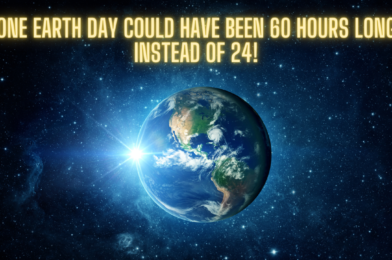
One Earth Day Would Have Been 60 Hours Long If The Moon Had Not Done This!

One Earth Day Would Have Been 60 Hours Long If The Moon Had Not Done This!
The Moon’s gravitational pull is slowing down Earth’s rotation on its axis. This has been happening for billions of years, and as a result, Earth’s days have been getting longer. When the Moon first formed, Earth’s days were only 10 hours long. Today, they are 24 hours long. And if the Moon’s gravitational pull continued to act unopposed, Earth’s days would eventually be 60 hours long.

However, a team of astrophysicists has recently discovered that the Moon’s gravitational pull was counteracted by another force for approximately one billion years. This happened between two billion years ago and 600 million years ago. During this time, the Sun’s atmospheric tide worked against the Moon’s effect, ensuring that Earth’s rotational speed remained constant and the day length stayed fixed at 19.5 hours.

If this interruption had not occurred, Earth’s days would have continued to lengthen at a rate of approximately 1.7 milliseconds per century. This means that by now, Earth’s days would have been 60 hours long.

The researchers who made this discovery say that it is important to understand the history of Earth’s rotation because it has implications for our understanding of the planet’s climate and evolution. For example, it is thought that the longer days that Earth had in the past may have contributed to the development of life on the planet.

Here are some additional details about the research:

  • The research was conducted by a team of astrophysicists from the University of California, Los Angeles.
  • The team used computer simulations to track the evolution of Earth’s rotation over time.
  • The simulations showed that the Sun’s atmospheric tide reached its peak strength around two billion years ago.
  • This peak strength counteracted the Moon’s gravitational pull, causing Earth’s rotational speed to remain constant for approximately one billion years.
  • After the Sun’s atmospheric tide began to weaken, the Moon’s gravitational pull once again began to slow down Earth’s rotation.
  • This process is still ongoing, and as a result, Earth’s days continue to lengthen at a rate of approximately 1.7 milliseconds per century.
    The research into the history of Earth’s rotation is ongoing. As scientists learn more about this topic, they will be able to better understand the planet’s climate and evolution.
Tagged : / / / /

Harvard Scientists Finally Find A Way To Reverse Ageing!

Harvard Scientists Finally Find A Way To Reverse Ageing!
A team of scientists at Harvard Medical School have discovered a cocktail of drugs that can reverse aging in mice and monkeys. The drugs, which target a specific protein called SIRT6, have been shown to rejuvenate cells and tissues, improve vision, and extend lifespan.

The study, which was published in the journal Aging, was led by David Sinclair, a professor of genetics at Harvard Medical School. Sinclair and his team have been studying SIRT6 for several years, and they believe that it is a key regulator of aging. SIRT6 is a protein that helps to protect cells from damage, and it also plays a role in metabolism and longevity.

In the study, Sinclair and his team gave mice and monkeys a cocktail of drugs that activated SIRT6. The drugs were effective in reversing aging in both species. In mice, the drugs improved vision and extended lifespan by up to 30%. In monkeys, the drugs improved vision and reduced age-related inflammation.

The findings of the study are significant because they suggest that it may be possible to reverse aging in humans. However, more research is needed to determine the safety and efficacy of the drugs in humans.

If the drugs are eventually shown to be safe and effective in humans, they could have a major impact on the treatment of aging-related diseases. They could also be used to extend lifespan and improve quality of life.

The study’s findings are still preliminary, but they are very promising. They suggest that it may be possible to develop drugs that can reverse aging and extend lifespan. This would be a major breakthrough in the field of aging research, and it could have a profound impact on human health.

Tagged : / / / /

The age old puzzle of the chicken and egg is finally solved!

The age old puzzle of the chicken and egg is finally solved!
The question of which came first, the chicken or the egg, has puzzled people for centuries. Now, a new study suggests that scientists may finally have the answer.

The study, published in the journal Nature, looked at the earliest ancestors of modern-day reptiles, birds, and mammals. These animals, which lived around 320 million years ago, were not yet laying eggs. Instead, they gave birth to live young. This conclusion is based on the analysis of 51 fossil species and 29 living species, which can be categorized as oviparous (laying eggs) or viviparous (giving birth to live young). While oviparous species are known for laying hard or soft-shelled eggs, viviparous species give birth to live young. These new findings have been published in the journal Nature Ecology & Evolution.

The study’s authors believe that the amniotic egg, which is the hard-shelled egg that is characteristic of birds, evolved over time from a type of sac that surrounded the developing embryo in live-bearing animals. This sac, called the amnion, helped to protect the embryo from drying out, which allowed animals to live on land.

The authors of the study say that their findings suggest that the chicken did not come first. Instead, they believe that the amniotic egg evolved first, and that the first chickens hatched from these eggs.

This finding is significant because it helps to answer one of the oldest questions in biology. It also provides insights into the evolution of birds and other amniotes.

Implications for the Future

The findings of this study have a number of implications for the future. First, they suggest that the amniotic egg was a key innovation that allowed animals to live on land. This innovation had a profound impact on the evolution of life on Earth, and it is likely that the amniotic egg played a role in the rise of the dinosaurs and other land-dwelling animals.

Second, the findings of this study suggest that the chicken did not evolve in a single step. Instead, it is likely that the chicken’s ancestors gradually evolved from live-bearing animals to egg-laying animals. This process of evolution took millions of years, and it is likely that there were many different types of animals that existed in between the live-bearing animals and the first chickens.

Conclusion

The findings of this study provide new insights into the evolution of birds and other amniotes. They also help to answer one of the oldest questions in biology: which came first, the chicken or the egg? The answer, it seems, is the egg.

Tagged : / / / /

7 Unusual things that astronauts experience in the space!

7 Unusual things that astronauts experience in the space!
Going to space is an incredible experience, but it’s also one that comes with a lot of challenges and strange sensations. Here are some of the most unbelievable things that astronauts experience in space:

1 See Sunrise and Sunsets every 45 minutes
The International Space Station (ISS) completes one orbit of Earth in 90 minutes. It is because of this phenomenon that astronauts in space are able to witness sunrise and sunset at an interval of 45 minutes.

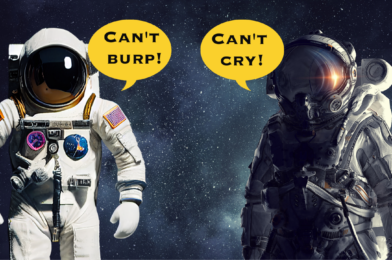
2 They can’t cry in space
Tears are pulled down by gravity, but in space, there’s no gravity to pull them down. So, when astronauts get emotional, they might feel like crying, but no tears will come out or if they did, they will make a ball around the corner of their eyes which will be very uncomfortable.

3 They can’t burp
In space, there is no gravity to pull things straight down, so the gas and liquids in the astronauts’ stomachs don’t separate. This means the gas can’t come back up to create a burp!

4 Their hair grows faster in space
This is because there’s no gravity to weigh down their hair, so it grows more quickly.

5 Get thrown back when sneeze
Gravity is so important and even a sneeze is enough to show you that in space. If an astronaut sneezes in space he or she will be thrown back because of the lack of gravity. They can be thrown back vigorously and their sneeze can travel up to 20 feet.

6 Their blood cells change shape
In space, the lack of gravity causes the blood cells to become more spherical. This makes it harder for the blood to circulate, which can lead to problems like fatigue and dizziness.

7 The silence
There’s no sound in space. This is because there’s no air to carry sound waves. The only sound they hear is their own breathing and the occasional equipment noise.

Can you imagine how it all must feel?

Tagged : / / / /
Verified by ExactMetrics