NASA’s Leftover Things Of Apollo Moon Mission Are Causing “Moonquakes”
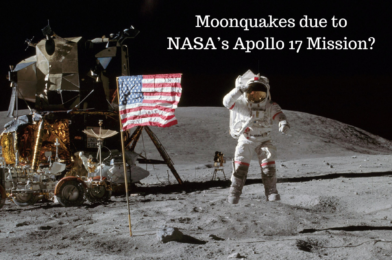
The Apollo 17 lunar module is causing tiny “moonquakes” on the lunar surface, according to a new study by scientists at the California Institute of Technology. The findings, published in the journal Nature Geoscience, are the first time that human-made objects have been shown to cause moonquakes.
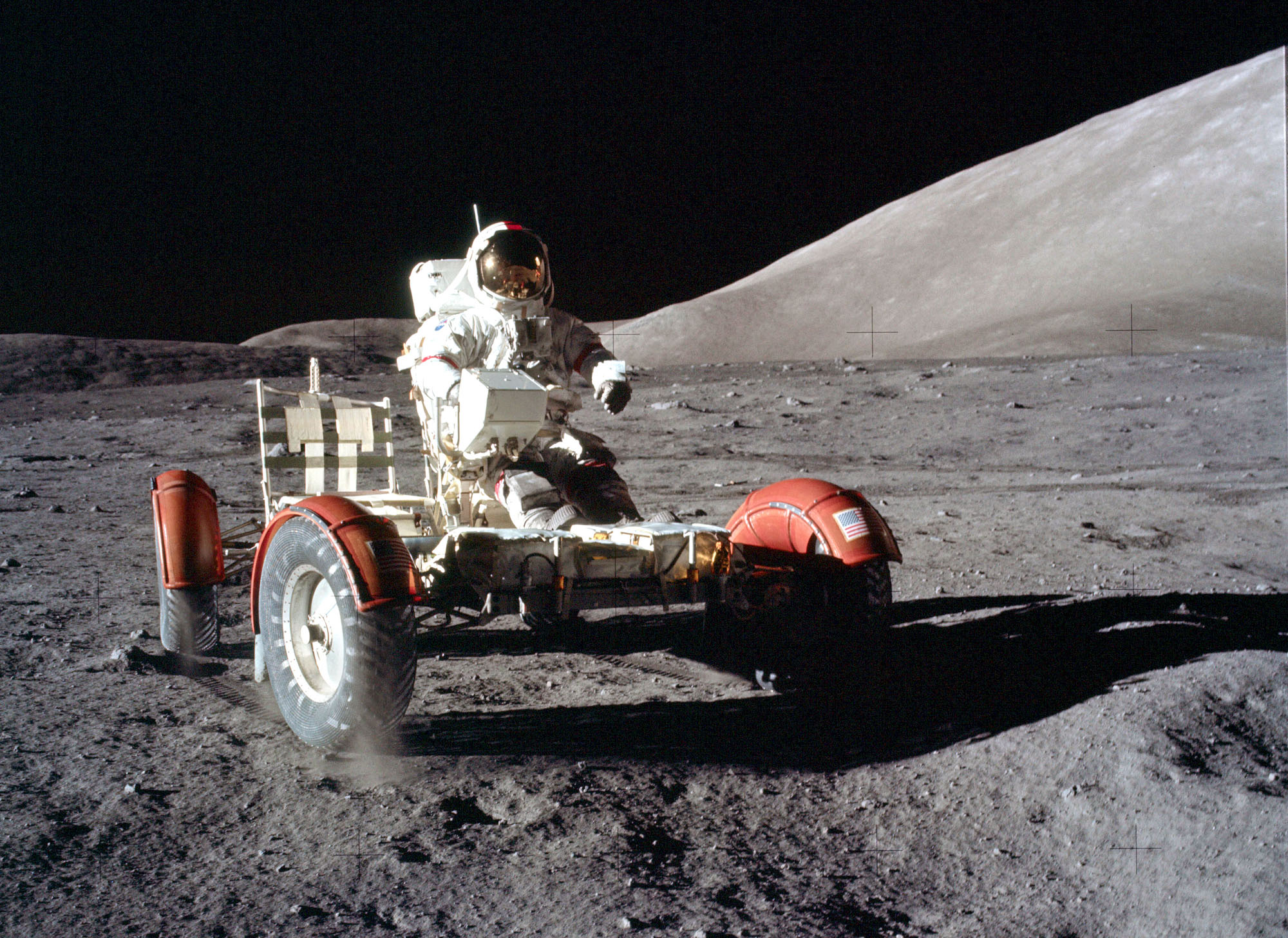
The Apollo 17 mission was the last of the crewed Apollo missions, and it landed on the moon in December 1972. The astronauts left behind a number of pieces of equipment, including the lunar module’s descent stage. The descent stage is a large, octagonal structure that sits on four legs. It is made of aluminum and is about 14 feet across.
The researchers believe that the descent stage is causing the moonquakes when it warms up and expands in the morning sunlight. As the structure expands, it puts stress on the surrounding soil, which can cause small earthquakes.
The researchers used data from seismometers that were placed on the moon by the Apollo missions. The seismometers are sensitive enough to detect even the smallest moonquakes. The researchers found that the moonquakes were most common in the morning, when the descent stage was warming up.
The moonquakes are very small, with magnitudes of less than 2.0. This is much smaller than the strongest moonquakes, which can have magnitudes of up to 5.0. However, the researchers believe that the moonquakes are still significant because they provide evidence that human-made objects can affect the lunar surface.
The findings could have implications for future missions to the moon. For example, if astronauts plan to leave behind large structures on the moon, they will need to take into account the potential for these structures to cause moonquakes.
The discovery of these moonquakes is also a reminder that the moon is not a completely dead place. The moon is still geologically active, and there are still small earthquakes happening on its surface. These earthquakes can provide scientists with valuable information about the moon’s interior and its history.
The next step for the researchers is to study the moonquakes in more detail. They want to know how strong the quakes are and how often they happen. They also want to know what effect the moonquakes are having on the lunar surface.
This research is helping scientists to better understand the moon and its environment. It is also helping them to plan for future missions to the moon.
In addition to the findings of this study, there are a few other things to keep in mind about moonquakes. First, they are much less common than earthquakes on Earth. This is because the moon does not have tectonic plates, which are the main cause of earthquakes on Earth. Second, moonquakes are typically much weaker than earthquakes on Earth. This is because the moon’s crust is much thinner than Earth’s crust.
Despite their rarity and weakness, moonquakes can still provide valuable information about the moon. By studying moonquakes, scientists can learn more about the moon’s interior structure, its history, and its current geological activity. This information can help scientists to better understand the moon and to plan for future missions to the moon.