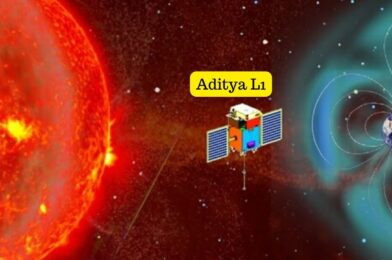
Aditya L1 Updates : India’s Aditya L1 spacecraft crosses key milestone on journey to solar center

Aditya L1 Updates : India’s Aditya L1 spacecraft crosses key milestone on journey to solar center
India’s Aditya L1 spacecraft has crossed a key milestone on its journey to the center of the solar system, escaping the sphere of Earth’s influence, the Indian Space Research Organisation (ISRO) said Saturday.

The Aditya L1 mission, which started its four-month journey towards the center of the solar system on September 2, carries instruments to observe the sun’s outermost layers.

“The spacecraft has escaped the sphere of Earth’s influence,” ISRO said in a statement late Saturday.

Aditya, named after the Hindu sun deity, has traveled 920,000 kilometers (570,000 miles), just over half the journey’s total distance.

Once it reaches its final destination, a halo orbit around the first Lagrangian point (L1) between the Earth and the Sun, Aditya L1 will begin a year-long mission to study the Sun.

The Aditya L1 mission is a significant milestone for India’s space program. It is the first Indian mission to study the Sun, and it is one of the most ambitious solar missions ever undertaken.

The data collected by Aditya L1 will help scientists to better understand the Sun’s structure and dynamics, and it will also help to develop new technologies to protect satellites and astronauts from harmful radiation from the Sun.

The Aditya L1 mission is expected to reach its final destination in January 2024.

Significance of the Aditya L1 mission

The Aditya L1 mission is a significant milestone for India’s space program and for solar science as a whole. The mission will provide new insights into the Sun’s structure and dynamics, and it will help to improve our understanding of space weather.

The data collected by Aditya L1 will also help to develop new technologies to protect satellites and astronauts from harmful radiation from the Sun.

Tagged : / / / / / /

5 Unsolved Mysteries of Physics That Have Left Scientists Baffled!

5 Unsolved Mysteries of Physics That Have Left Scientists Baffled!
Physics is the study of matter and its interactions. It is one of the most fundamental sciences, and it has helped us to understand the universe around us in incredible ways. However, there are still many mysteries of physics that remain unsolved.

Here are five of the biggest unsolved mysteries of physics:

1. Dark matter

Dark matter is a mysterious substance that makes up about 85% of the matter in the universe. However, we have never been able to directly detect it. Dark matter is only known to exist because of its gravitational effects on visible matter.

Scientists are still trying to figure out what dark matter is made of and how it interacts with other matter. There are many different theories about dark matter, but none of them have been definitively proven.

2. Parallel universes

The multiverse theory is the idea that there are many different universes, each with its own unique laws of physics and history. There is no scientific evidence to prove the existence of parallel universes, but many physicists believe that they are possible.

If parallel universes do exist, it raises many interesting questions. For example, is it possible to travel between parallel universes? And if so, what would happen if we did?

3. Inside of a black hole

Black holes are regions of space where gravity is so strong that nothing, not even light, can escape. Black holes are formed when massive stars collapse at the end of their lives.

We know very little about what happens inside of a black hole. Some scientists believe that black holes lead to other universes, while others believe that they destroy everything that falls into them.

4. Unified forces

The four fundamental forces of nature are gravity, electromagnetism, the strong nuclear force, and the weak nuclear force. Scientists are trying to develop a unified theory of physics that can explain all four forces as a single force.

A unified theory of physics would be a major breakthrough in our understanding of the universe. However, it is a very difficult problem to solve, and scientists have not yet been able to develop a successful unified theory.

5. The origin of time

Time is one of the most fundamental concepts in physics, but we still don’t fully understand what it is or how it began. Some physicists believe that time is an illusion, while others believe that it is a fundamental property of the universe.

The origin of time is one of the deepest mysteries of physics. It is a question that has puzzled philosophers and scientists for centuries.

These are just a few of the many unsolved mysteries of physics. While we have made great progress in our understanding of the universe, there is still much that we don’t know. Scientists are constantly working to solve these mysteries, and each new discovery brings us closer to a deeper understanding of the cosmos.

Conclusion

Physics is a fascinating and constantly evolving field. There are still many unsolved mysteries of physics, but scientists are making progress all the time. The study of physics helps us to understand the universe around us and our place in it.

If you are interested in learning more about physics, there are many resources available online and in libraries. You can also find many popular science books that discuss the latest discoveries in physics.

Tagged : / / / / / /

Drug that mimics exercise triggers weight loss and builds lean muscle
Drug that mimics exercise triggers weight loss and builds lean muscle

Exercise is one of the best things you can do for your overall health and well-being. It helps you lose weight, build muscle, reduce your risk of chronic diseases, and improve your mood and energy levels. However, for many people, exercise can be difficult to find time for or impossible due to health conditions.

That’s where exercise mimetics come in. Exercise mimetics are drugs that mimic the effects of exercise on the body without the need to actually exercise. They work by targeting the same molecular pathways that are activated during exercise, such as those involved in fat metabolism and muscle growth.

One promising exercise mimetic is a drug called SLU-PP-332. In a recent study, researchers at the University of Florida found that SLU-PP-332 was able to promote weight loss and build lean muscle in obese mice without any changes to diet or exercise.
SLU-PP-332 works by activating a specific estrogen-related receptor (ERR) in skeletal muscle. ERRs are proteins that play a role in regulating metabolism and muscle growth. When SLU-PP-332 activates ERRs, it triggers a cascade of events that lead to increased fat burning and muscle building.

In the mouse study, mice that were given SLU-PP-332 twice a day for a month lost 12% of their body weight and gained 10 times less fat than mice in the control group. They also showed significant increases in lean muscle mass and muscle strength.

The researchers were very excited about the results of the study, as they suggest that SLU-PP-332 could be a safe and effective way to help people lose weight and build muscle without having to exercise. However, more research is needed to confirm the safety and efficacy of SLU-PP-332 in humans.

Another promising exercise mimetic is a drug called bexarotene. Bexarotene is currently approved by the FDA to treat cutaneous T-cell lymphoma (CTCL), a type of skin cancer. However, researchers have also found that bexarotene has exercise mimetic effects.

In a study published in the journal Cell Metabolism, researchers found that bexarotene was able to promote weight loss and build muscle in obese mice without any changes to diet or exercise. Bexarotene also improved the metabolic health of the mice, reducing their blood sugar levels and cholesterol levels.

Bexarotene is a more potent drug than SLU-PP-332, and it has some serious side effects, such as liver toxicity. However, researchers are working to develop safer and more effective exercise mimetics that can be used to treat obesity and other chronic diseases.

Exercise mimetics are still in their early stages of development, but they have the potential to revolutionize the way we treat obesity and other chronic diseases. If exercise mimetics are proven to be safe and effective in humans, they could provide a valuable new tool for helping people lose weight, build muscle, and improve their overall health.

Potential benefits of exercise mimetics

1. Weight loss: Exercise mimetics can help people lose weight by increasing their metabolic rate and promoting fat burning.

2. Muscle building: Exercise mimetics can help people build muscle by stimulating muscle growth and repair.

3. Improved metabolic health: Exercise mimetics can improve metabolic health by reducing blood sugar levels, cholesterol levels, and other risk factors for chronic diseases.

4. Reduced risk of chronic diseases: Exercise mimetics may help to reduce the risk of chronic diseases such as obesity, diabetes, heart disease, and cancer.

5. Improved cardiovascular health: Exercise mimetics may help to improve cardiovascular health by increasing blood flow and reducing inflammation.

6. Improved bone health: Exercise mimetics may help to improve bone health by increasing bone density and reducing the risk of fractures.

7. Improved mood and energy levels: Exercise mimetics may help to improve mood and energy levels by reducing stress and promoting the release of endorphins.

Potential drawbacks of exercise mimetics

1. Side effects: Exercise mimetics may have side effects, depending on the specific drug. Some potential side effects include liver toxicity, muscle pain, and fatigue.

2. Safety: Exercise mimetics are still in their early stages of development, and their long-term safety is unknown.

3. Cost: Exercise mimetics are likely to be expensive drugs, especially if they are used for long-term treatment.

4. Not a substitute for exercise: Exercise mimetics should not be seen as a substitute for exercise. Exercise has many benefits that cannot be replicated by drugs, such as improved cardiovascular health, reduced stress levels, and stronger social connections.

Tagged : / / / /

8th Continent Of The World Hidden For 375 Years, Found By Scientists

8th Continent Of The World Hidden For 375 Years, Found By Scientists
A group of scientists announced the discovery of a new continent, which they named Zealandia. This continent is hidden underwater, but it is about the size of India and is located mostly in the South Pacific Ocean.

Zealandia was once part of the supercontinent Gondwana, which broke up around 185 million years ago. However, Zealandia remained mostly hidden from view for centuries because it is mostly underwater.

Scientists have been aware of Zealandia for many years, but they only recently agreed that it should be classified as a continent. This is because Zealandia has all of the geological features that are required for a continent, including a continental crust, a raised topography, and a well-defined boundary.

The discovery of Zealandia is a significant scientific event. It helps us to better understand the geological history of the Earth and the formation of continents. It also has implications for our understanding of the distribution of life on Earth.

Implications of the discovery of Zealandia

The discovery of Zealandia has a number of implications for our understanding of the Earth. For example, it suggests that the Earth’s continents have been more dynamic than previously thought. It also suggests that there may be other hidden continents waiting to be discovered.

Zealandia is also home to a unique biodiversity. For example, it is the only place on Earth where kiwis and tuataras live. The discovery of Zealandia highlights the importance of protecting the planet’s biodiversity, even in the most remote and hidden places.

Future research on Zealandia

Scientists are now planning new research campaigns to learn more about Zealandia. For example, they want to learn more about the continent’s geological history, its biodiversity, and its potential resources.

One of the most important research goals is to learn more about Zealandia’s geological history. This will help scientists to better understand how continents form and evolve. Scientists are also interested in learning more about the continent’s biodiversity. Zealandia is home to a number of unique plant and animal species, and scientists want to learn more about how these species evolved and how they adapted to living in a submerged continent.

Finally, scientists are interested in learning more about Zealandia’s potential resources. The continent is thought to be rich in minerals and other resources, but more research is needed to confirm this.

Conclusion

The discovery of Zealandia is a significant scientific event. It helps us to better understand the geological history of the Earth and the formation of continents. It also has implications for our understanding of the distribution of life on Earth.

Scientists are now planning new research campaigns to learn more about Zealandia. They want to learn more about the continent’s geological history, its biodiversity, and its potential resources. The discovery of Zealandia is a reminder that there is still much to learn about our planet.

Tagged : / / / / / /

James Webb Space Telescope Spots Thousands of Milky Way-Like Galaxies in the Early Universe

James Webb Space Telescope Spots Thousands of Milky Way-Like Galaxies in the Early Universe
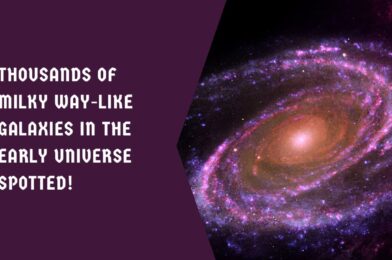
The James Webb Space Telescope (JWST) has made another incredible discovery, this time spotting thousands of Milky Way-like galaxies in the early universe. This discovery challenges our current understanding of how galaxies form and evolve.

The galaxies were found in a new image of the distant universe taken by JWST’s Near-Infrared Camera (NIRCam). The image shows a patch of sky that is only about one-twelfth the size of the full moon, but it is packed with thousands of galaxies.

Many of the galaxies in the image are spiral galaxies, similar to our own Milky Way galaxy. However, some of the galaxies are also elliptical galaxies, which are much rarer in the early universe.

The discovery of these galaxies is significant because it suggests that galaxies formed much earlier than previously thought. The galaxies in the image are so distant that their light has taken billions of years to reach us. This means that they were formed when the universe was just a few billion years old.

The discovery of these galaxies also challenges our current understanding of how galaxies form. According to the current theory, galaxies form slowly over time as smaller galaxies merge together. However, the discovery of so many Milky Way-like galaxies in the early universe suggests that galaxies can form much more quickly.

Astronomers are still trying to understand what this discovery means for our understanding of galaxy formation. However, it is clear that the JWST is revolutionizing our understanding of the early universe.

Here are some of the implications of this discovery:

  • It suggests that galaxies formed much earlier than previously thought.
  • It challenges our current understanding of how galaxies form.
  • It suggests that the early universe was much more crowded with galaxies than we thought.
  • It raises the possibility that there are many more galaxies in the universe than we previously thought.
  • This discovery is just the beginning. The JWST is expected to make many more groundbreaking discoveries in the years to come.
Tagged : / / / / /

Astrophysicists Finally Weigh The Universe !

Astrophysicists Finally Weigh The Universe!
Astrophysicists have successfully measured the total amount of matter, dark matter, and dark energy in the universe for the second time. The study, published in The Astrophysical Journal, found that matter makes up 31% of the total amount of matter and energy in the universe, with the remainder consisting of dark energy.

To make the measurement, the team used a technique called weak gravitational lensing. Weak gravitational lensing is a phenomenon that occurs when light from distant galaxies is bent by the gravity of galaxies in the foreground. By measuring the amount of bending, scientists can calculate the mass of the foreground galaxies.

The team used data from the Dark Energy Survey (DES), a survey of over 400 million galaxies. The DES is one of the largest and deepest galaxy surveys ever conducted.

The team’s findings are consistent with other measurements of the composition of the universe. For example, the Cosmic Microwave Background (CMB), which is the leftover radiation from the Big Bang, suggests that dark energy makes up about 68% of the universe.

The new measurement of the total amount of matter and energy in the universe is a significant advance in our understanding of the cosmos. It provides further evidence for the existence of dark matter and dark energy, and it helps to constrain cosmological models.

What is dark matter?

Dark matter is a mysterious substance that makes up about 85% of the matter in the universe. We can’t see dark matter directly, but we know it’s there because of its gravitational effects on visible matter.

What is dark energy?

Dark energy is an even more mysterious substance than dark matter. It makes up about 68% of the universe and it’s causing the universe to expand at an accelerating rate. We don’t know what dark energy is or how it works, but it’s the most dominant form of energy in the universe.

Implications of the new measurement

The new measurement of the total amount of matter and energy in the universe has a number of implications. First, it confirms the existence of dark matter and dark energy. Second, it helps to constrain cosmological models. Cosmological models are used to describe the evolution of the universe from the Big Bang to the present day. The new measurement will help scientists to develop more accurate cosmological models.

The new measurement also has implications for our understanding of the future of the universe. Dark energy is causing the universe to expand at an accelerating rate. This means that the galaxies in the universe will eventually move so far apart that they will no longer be able to interact with each other. This will lead to a very cold and empty universe.

The new measurement of the total amount of matter and energy in the universe is a significant advance in our understanding of the cosmos. It provides further evidence for the existence of dark matter and dark energy, and it helps to constrain cosmological models.

Future research

Scientists are continuing to study dark matter and dark energy. They are developing new experiments to search for dark matter and to measure the properties of dark energy. Scientists are also using cosmological models to try to understand the origin and nature of dark matter and dark energy.

The study of dark matter and dark energy is one of the most exciting areas of research in physics and cosmology. It is a field that is full of mystery and promise.

Tagged : / / / / /

Dark Photons: Could They Explain One of the Universe’s Greatest Mysteries?

Dark Photons: Could They Explain One of the Universe’s Greatest Mysteries?
Dark matter is one of the greatest mysteries of the universe. It makes up about 85% of the matter in the universe, but we don’t know what it is. Dark matter doesn’t interact with light, so we can’t see it directly. But we know it’s there because of its gravitational effects on visible matter.

One possible explanation for dark matter is that it’s made up of dark photons. Dark photons are hypothetical particles that are similar to photons, the particles of light, but they interact with ordinary matter much more weakly.

Dark photons could have been created in the early universe, when the universe was much hotter and denser. As the universe expanded and cooled, the dark photons would have become trapped in dark matter halos, which are large clouds of dark matter that surround galaxies.

Dark photons could explain a number of the observed properties of dark matter. For example, they could explain why dark matter doesn’t interact with light and why it’s so evenly distributed throughout the universe.

Scientists are searching for dark photons in a number of ways. One way is to look for them in particle accelerators. Another way is to look for them in the cosmic microwave background radiation, which is the leftover light from the Big Bang.

If dark photons are discovered, it would be a major breakthrough in our understanding of dark matter and the universe as a whole.

Here are some of the potential benefits of discovering dark photons:

1. A better understanding of dark matter: Dark photons could provide a new way to study dark matter and learn more about its properties.

2. A new window into the early universe: Dark photons could help us to understand how the universe formed and evolved in the early stages of its existence.

3. A new way to search for other dark matter candidates: If dark photons are discovered, they could help us to search for other dark matter candidates, such as weakly interacting massive particles (WIMPs).

The discovery of dark photons would be a major milestone in physics and cosmology. It would help us to better understand the universe and our place in it.

Here are some of the challenges of searching for dark photons:

  • Dark photons are very weakly interacting particles: This makes them very difficult to detect.
  • There are many different types of dark matter candidates: This makes it difficult to know which type of dark matter to search for.
  • Particle accelerators and other detectors are not very sensitive to dark photons: This makes it difficult to find dark photons, even if they exist.

    Despite the challenges, scientists are optimistic that dark photons will be discovered one day. The discovery of dark photons would be a major breakthrough in our understanding of the universe.

Tagged : / / / / /

8 Most Weird and Colourful Sea Creatures!

8 Most Beautiful and Colourful Sea Creatures!
The ocean is home to a vast variety of marine life, and some of the most beautiful and mesmerizing creatures on Earth can be found beneath the waves. From the vibrant colors of coral reefs to the psychedelic hues of deep-sea creatures, the ocean is a feast for the eyes.

Here are eight of the most colorful sea creatures:

1. Mandarin fish
The mandarin fish is a small, brightly colored fish that is native to the Indo-Pacific region. It is known for its elaborate courtship ritual, in which the male fish dances around the female fish in a display of his colors.

2. Parrot Fish
Parrotfish are brightly colored fish that are found in tropical and subtropical reefs around the world. They are known for their parrot-like beaks, which they use to graze on algae.

3. Peacock Mantis Shrimp
Peacock mantis shrimp are known for their striking colors and powerful punches. They can deliver a punch with the force of a bullet, which they use to stun or kill their prey. Mantis shrimp have excellent vision and can see colors that humans can’t.

4. Ribbon Eel
Ribbon eels are long, thin eels that can grow up to 6 feet long. They have a unique swimming style, where they move their bodies in a wave-like motion. Ribbon eels are ambush predators and use their camouflage to blend in with their surroundings.

5. Christmas tree worms
Christmas tree worms are marine worms that live in colorful tubes. They have spiral arms that they use to filter food from the water. Christmas tree worms are an important part of the reef ecosystem and provide food for other marine animals.

6. Sea Angel
Sea angels are small, transparent sea slugs. They have wing-like appendages that they use to swim. Sea angels are carnivores and eat other small sea creatures.

7. Marrus orthocanna
Marrus orthocanna is a rare and mysterious deep-sea creature. It is a member of the siphonophore class, which also includes jellyfish and Portuguese man o’ wars. Marrus orthocanna has a long, cylindrical body with a cluster of stinging tentacles at one end.

8. Glaucus Atlanticus
This sea creature is also known as the blue dragon, is a small, brightly colored sea slug that floats on the surface of the ocean. It is venomous, but its sting is not fatal to humans.

So which of these 8 did you find the most amazing and beautiful?

Tagged : / / /

The Future Of Space Travel : Solar sails could reach Mars in just 26 days

The Future Of Space Travel : Solar sails could reach Mars in just 26 days
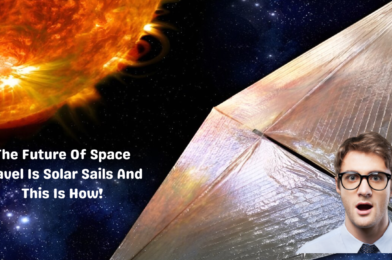
Solar sails are a type of spacecraft propulsion system that uses the pressure of sunlight to push a spacecraft through space. Solar sails are made of thin, reflective materials, and they are typically much larger than the spacecraft itself. This allows them to capture a large amount of sunlight, which can be used to accelerate the spacecraft to high speeds.

Solar sails have a number of advantages over traditional rocket propulsion systems. First, they do not require any fuel, which can significantly reduce the weight and cost of a spacecraft. Second, solar sails can generate thrust for an extended period of time, which allows them to reach very high speeds.

A recent study by researchers at the University of California, Los Angeles (UCLA) has found that solar sails could be used to reach Mars in just 26 days. This would be a significant improvement over the current travel time of 6-9 months.

The UCLA researchers developed a new type of solar sail made of aerographite, which is a material that is extremely lightweight and strong. They also developed a new trajectory that would allow the solar sail to reach Mars in a shorter amount of time.

The UCLA researchers’ study is a significant step forward in the development of solar sail technology. It shows that solar sails could be used to dramatically reduce the travel time to Mars and other planets in the solar system.

Here are some of the potential benefits of using solar sails to travel to Mars:

1. Faster travel time : Solar sails could reach Mars in just 26 days, compared to the current travel time of 6-9 months. This would allow astronauts to spend more time on Mars conducting research and exploration.

2. Reduced cost : Solar sails do not require any fuel, which can significantly reduce the cost of a mission to Mars.

3. Increased safety : Solar sails are a very safe and reliable propulsion system. They have no moving parts, and they are not prone to explosions.

Of course, there are still some challenges that need to be addressed before solar sails can be used for regular missions to Mars. One challenge is that solar sails are very fragile and difficult to manufacture. Another challenge is that solar sails are not very effective in low-light conditions.

Despite these challenges, solar sails have the potential to revolutionize space travel. They could allow us to reach Mars and other planets in the solar system much faster and more efficiently than we can today.

Here are some of the potential applications of solar sails in space exploration:

1. Planetary missions : Solar sails could be used to send spacecraft to Mars, Venus, Jupiter, Saturn, and other planets in the solar system.

2. Interstellar travel : Solar sails could be used to send spacecraft to other stars.

3. Space tourism : Solar sails could be used to send tourists to space at a much lower cost than traditional rocket-powered spacecraft.

Solar sails are a promising new technology that has the potential to change the way we explore space. It is an exciting time to be involved in space exploration, and I look forward to seeing what the future holds for solar sail technology.

Tagged : / / / /

Why does Earth have magnetic poles?

Why does Earth have magnetic poles?
Earth is the only rocky planet in the solar system with strong magnetic poles. These poles are generated by the movement of molten iron in Earth’s outer core. The magnetic poles help to protect Earth from harmful solar radiation.

How does Earth generate magnetic field?

The centre of the Earth is composed of two distinct layers, the inner core, which is solid, and the outer core, which is molten metal. Both layers are composed of a mixture of magnetic iron and nickel, with a few dashes of lighter elements like oxygen, silicon, and sulphur sprinkled in for good measure. The interior is exceedingly dense and extremely hot, resembling a gigantic glowing stone in appearance. On the other hand, the outer core is fluid, and it has its own convective circulation, which causes it to spin around the solid mass. This continuous convection is the source of the magnetic field that surrounds the Earth. The material that is being cooled by plate tectonic activity is encountered by heat that is continuously radiating from the inner core into the outer core. This cycle generates convection, which in turn gives rise to the so-called geodynamo that is responsible for producing the magnetic field.

The Earth’s magnetic field is important for several reasons. First, it protects Earth from harmful solar radiation. The magnetic field deflects charged particles from the sun, which would otherwise damage Earth’s atmosphere and ozone layer.
Second, the Earth’s magnetic field helps to orient compasses and other navigational instruments. The magnetic field also helps to create the aurora borealis and aurora australis, which are beautiful light displays that can be seen in the sky near the poles. The Earth’s magnetic field is constantly changing. The poles slowly drift over time, and the strength of the magnetic field can also vary. These changes can cause problems for compasses and other navigational instruments. However, the Earth’s magnetic field is generally very stable. It has been protecting Earth from harmful solar radiation for billions of years.

Because plate tectonics does not exist on other planets, such as Mars and Venus, magnetic fields are absent. Research points to the possibility that these planets originally had self-sustaining geodynamos, but for reasons that are yet unclear, they failed. While Mercury’s magnetic field is feeble, it is nevertheless 1.1% stronger than Earth’s and does little to protect the planet from solar radiation. Also a compass would be useless on Mars.

Additional facts about the Earth’s magnetic poles

  • The North Magnetic Pole is located in the Arctic Ocean, north of Canada.
  • The South Magnetic Pole is located in the Antarctic Ocean, north of Antarctica.
  • The North and South Magnetic Poles are not the same as the North and South Geographic Poles. The Geographic Poles are the points where the Earth’s axis of rotation intersects the Earth’s surface. The Magnetic Poles are the points where the Earth’s magnetic field is strongest.
  • The Earth’s magnetic poles have reversed polarity several times in the past. This means that the North Magnetic Pole has become the South Magnetic Pole, and vice versa.
  • The last time the Earth’s magnetic poles reversed polarity was about 780,000 years ago.
  • Scientists are not sure why the Earth’s magnetic poles reverse polarity, but they think it may have something to do with the movement of molten iron in the outer core.

The Earth’s magnetic field is a fascinating and important part of our planet. It helps to protect us from harmful solar radiation and helps us to navigate. The Earth’s magnetic field is also responsible for the beautiful aurora borealis and aurora australis.

Tagged : / / / /

Google develops new AI tool capable of predicting harmful genetic mutations

Google develops new AI tool capable of predicting harmful genetic mutations
Google has developed a new artificial intelligence (AI) tool that can predict whether genetic mutations are likely to be harmful. The tool, called AlphaMissense, could revolutionize the diagnosis and treatment of genetic diseases.

AlphaMissense works by analyzing the sequence of a gene and comparing it to a database of known mutations. The tool can then predict whether a new mutation is likely to cause a disease, and how severe the disease is likely to be.

In a recent study, AlphaMissense was able to predict the harmful effects of genetic mutations with 90% accuracy. This is a significant improvement over current methods, which are only able to predict the harmfulness of mutations with about 70% accuracy.

The development of AlphaMissense is a major breakthrough in the field of genetic medicine. The tool could help scientists to better understand the causes of genetic diseases, and to develop more effective treatments.

Potential benefits of AlphaMissense

AlphaMissense has the potential to revolutionize the diagnosis and treatment of genetic diseases. Here are some of the potential benefits of the tool:

1. More accurate diagnosis: AlphaMissense can help doctors to more accurately diagnose genetic diseases. This is because the tool can predict the harmful effects of mutations with 90% accuracy.

2. Earlier diagnosis: AlphaMissense can help doctors to diagnose genetic diseases earlier. This is because the tool can be used to screen for mutations in newborns, even before the child shows any symptoms of a disease.

3. More personalized treatment: AlphaMissense can help doctors to develop more personalized treatments for genetic diseases. This is because the tool can predict the severity of a disease based on the specific mutation that is present.

4. New drug development: AlphaMissense can help scientists to develop new drugs for genetic diseases. This is because the tool can be used to identify genes that are involved in causing diseases.

Challenges and limitations

While AlphaMissense is a powerful new tool, there are still some challenges and limitations that need to be addressed. One challenge is that the tool is still under development. This means that it is not yet perfect, and it may not be able to accurately predict the harmful effects of all mutations.

Another challenge is that AlphaMissense is a complex tool that requires a lot of data and computing power to run. This means that it may not be accessible to all doctors and hospitals.

Finally, AlphaMissense is only able to predict the harmful effects of mutations. It cannot be used to diagnose or treat diseases. This means that doctors will still need to use other methods to diagnose and treat diseases, even if they have access to AlphaMissense.

The development of AlphaMissense is a major breakthrough in the field of genetic medicine. The tool has the potential to revolutionize the diagnosis and treatment of genetic diseases. However, there are still some challenges and limitations that need to be addressed before the tool can be widely used.

Overall, AlphaMissense is a promising new tool that has the potential to make a significant impact on the lives of people with genetic diseases.

Tagged : / / /

Indian-origin scientist leads study that detects possible life on distant planet

Indian-origin scientist leads study that detects possible life on distant planet
With the discovery of a molecule on a distant planet that, at least on Earth, can only be created by living things, NASA’s James Webb Space Telescope (JWST) may have stumbled onto preliminary evidence of extraterrestrial life.

The molecule in question, dimethyl sulphide (DMS), as well as other carbon-bearing molecules like methane and carbon dioxide, were found in the atmosphere of exoplanet K2-18 b, indicating the presence of an ocean of water as well as the tantalising possibility of extraterrestrial life. K2-18 b is 2.6 times the radius of Earth, orbits a cool dwarf star in the constellation of Leo, and is in the habitable zone (or the Goldilocks Zone, as it is known) of the distant system. This makes NASA’s discoveries all the more encouraging. It is located 120 light-years away (1,135,287,656,709,696 km to be precise).

NASA stated that the possibility of a water ocean beneath a hydrogen-rich atmosphere in K2-18 b is supported by the abundance of methane and carbon dioxide and the lack of ammonia.

The dimethyl sulphide (DMS) molecule may have been detected by the first Webb observations. This can only be made by life on Earth. The space agency continued, “Phytoplankton in marine areas release the majority of the DMS in Earth’s atmosphere.

Simply put, current research indicates that a planet’s capacity to support life depends on the presence of carbon and liquid water, as well as the proper temperatures. According to preliminary JWST observations published by NASA, K2-18 b appears to meet all criteria.

Although the study’s prospects are expected to spark some creative thought, scientists are proceeding cautiously. The authors of the paper have already stated that additional validation is necessary for the detection of DMS in K2-18 b’s atmosphere.

Given the promise of these preliminary findings, the study’s team will now try to determine whether DMS is present in K2-18 b’s atmosphere in detectable concentrations.

Tagged : / / / / /

NASA’s Leftover Things Of Apollo Moon Mission Are Causing “Moonquakes”

NASA’s Leftover Things Of Apollo Moon Mission Are Causing “Moonquakes”
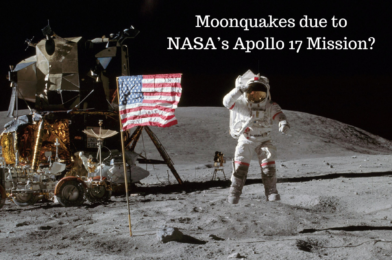
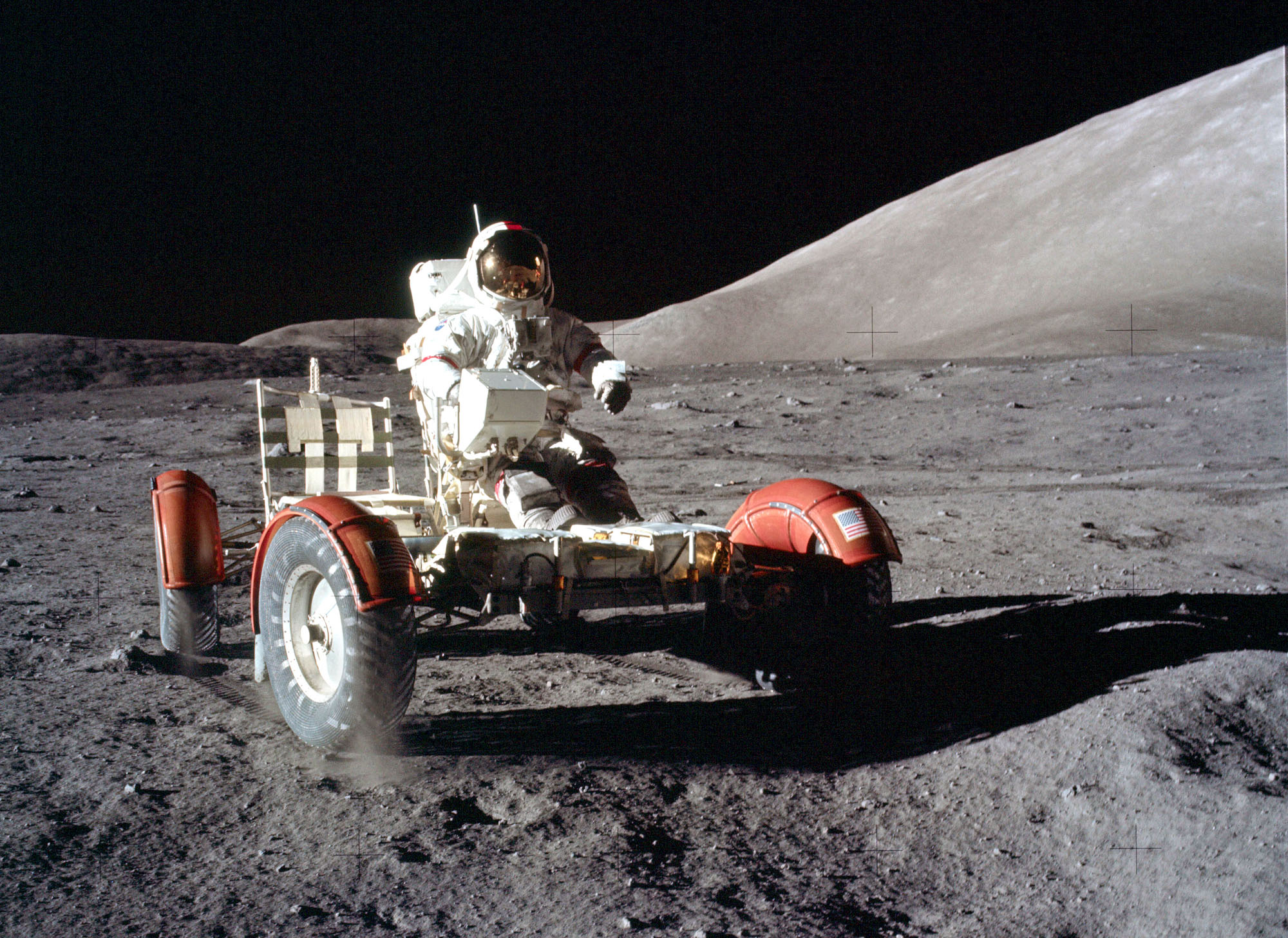
The Apollo 17 lunar module is causing tiny “moonquakes” on the lunar surface, according to a new study by scientists at the California Institute of Technology. The findings, published in the journal Nature Geoscience, are the first time that human-made objects have been shown to cause moonquakes.

The Apollo 17 mission was the last of the crewed Apollo missions, and it landed on the moon in December 1972. The astronauts left behind a number of pieces of equipment, including the lunar module’s descent stage. The descent stage is a large, octagonal structure that sits on four legs. It is made of aluminum and is about 14 feet across.

The researchers believe that the descent stage is causing the moonquakes when it warms up and expands in the morning sunlight. As the structure expands, it puts stress on the surrounding soil, which can cause small earthquakes.

The researchers used data from seismometers that were placed on the moon by the Apollo missions. The seismometers are sensitive enough to detect even the smallest moonquakes. The researchers found that the moonquakes were most common in the morning, when the descent stage was warming up.

The moonquakes are very small, with magnitudes of less than 2.0. This is much smaller than the strongest moonquakes, which can have magnitudes of up to 5.0. However, the researchers believe that the moonquakes are still significant because they provide evidence that human-made objects can affect the lunar surface.

The findings could have implications for future missions to the moon. For example, if astronauts plan to leave behind large structures on the moon, they will need to take into account the potential for these structures to cause moonquakes.

The discovery of these moonquakes is also a reminder that the moon is not a completely dead place. The moon is still geologically active, and there are still small earthquakes happening on its surface. These earthquakes can provide scientists with valuable information about the moon’s interior and its history.

The next step for the researchers is to study the moonquakes in more detail. They want to know how strong the quakes are and how often they happen. They also want to know what effect the moonquakes are having on the lunar surface.

This research is helping scientists to better understand the moon and its environment. It is also helping them to plan for future missions to the moon.

In addition to the findings of this study, there are a few other things to keep in mind about moonquakes. First, they are much less common than earthquakes on Earth. This is because the moon does not have tectonic plates, which are the main cause of earthquakes on Earth. Second, moonquakes are typically much weaker than earthquakes on Earth. This is because the moon’s crust is much thinner than Earth’s crust.

Despite their rarity and weakness, moonquakes can still provide valuable information about the moon. By studying moonquakes, scientists can learn more about the moon’s interior structure, its history, and its current geological activity. This information can help scientists to better understand the moon and to plan for future missions to the moon.

Tagged : / / / /

From Space Balloons to Zero-gravity Planes : US Company to Unveil Luxury Space Adventures in India

From Space Balloons to Zero-gravity Planes : US Company to Unveil Luxury Space Adventures in India
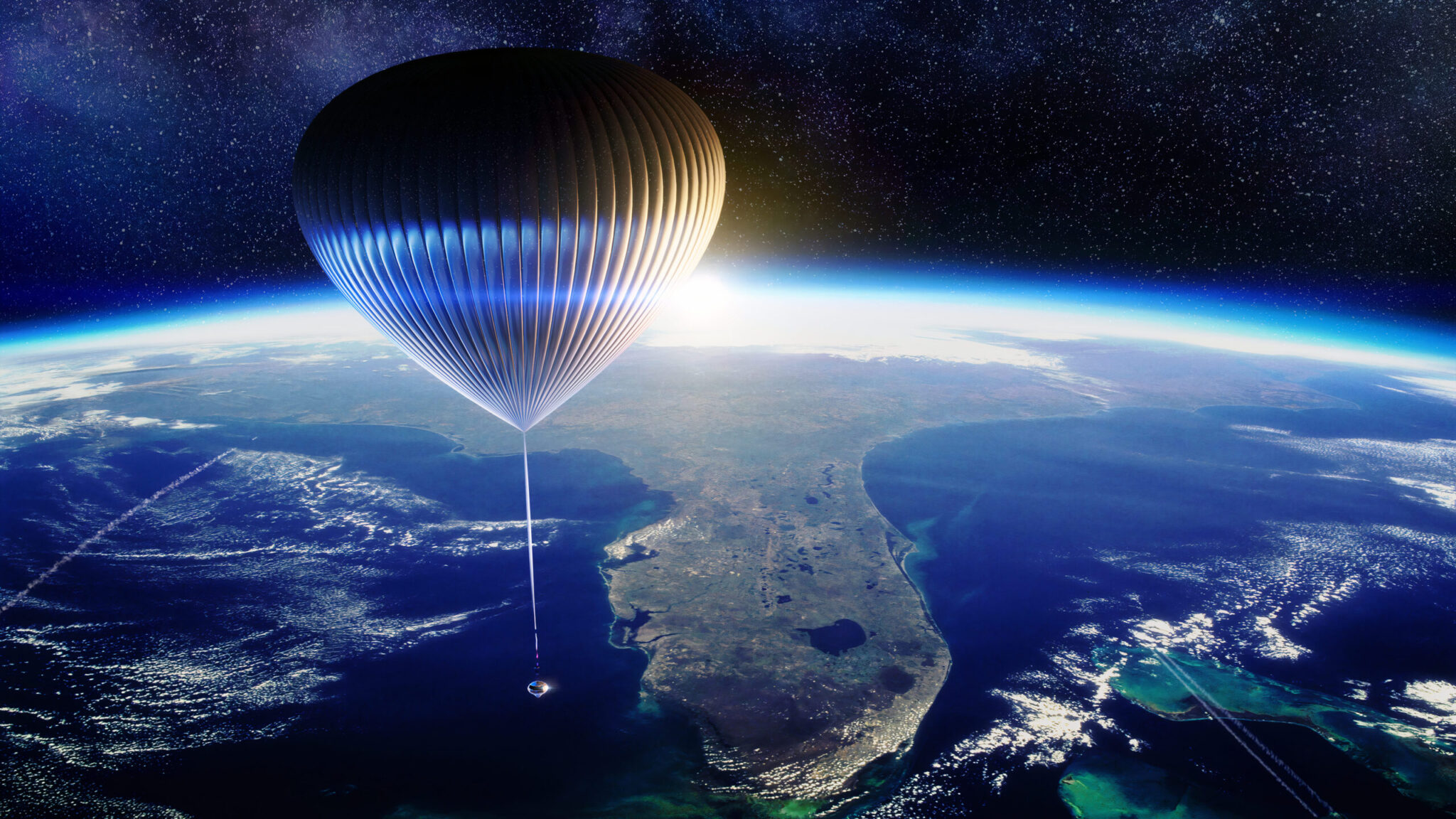
A US-based company called SpaceVIP is set to unveil its luxury space adventures in India next month. The company offers a variety of experiences, from travel to the International Space Station (ISS) to space balloons and zero-gravity flights.

SpaceVIP was founded by Roman Chiporuka and Eddie Miller in early 2021. Chiporuka is a former investment banker who has worked on several space tourism projects. Miller is a former pilot who has flown over 100 missions.

The company’s goal is to make space travel more accessible to high-net-worth individuals. SpaceVIP’s prices start at $50 million for a trip to the ISS. The company also offers shorter and more affordable experiences, such as a 3-hour space balloon flight for $125,000.

SpaceVIP is targeting the Indian market because of the country’s growing interest in space activities. India has a strong space program, and the country is home to a number of high-net-worth individuals.

The company’s launch in India is being supported by the Indian Space Research Organisation (ISRO). ISRO is providing SpaceVIP with technical assistance and access to its facilities.

The launch of SpaceVIP is a significant development in the space tourism industry. The company’s luxury experiences are likely to appeal to a wealthy clientele in India and around the world.

Here are some of the luxury space adventures that SpaceVIP will offer in India:

Travel to the International Space Station (ISS): This is the ultimate space adventure. SpaceVIP offers clients the opportunity to spend several days on the ISS, conducting experiments and enjoying the views of Earth from space.

Space balloons: Space balloons are a more affordable way to experience space travel. These balloons can reach altitudes of up to 100,000 feet, offering stunning views of the Earth below.

Zero-gravity flights: Zero-gravity flights are a great way to experience the sensation of weightlessness. These flights are typically conducted in specially-modified airplanes that fly parabolic arcs.

SpaceVIP is also planning to offer other space experiences in India, such as astronaut training and educational programs. The company is committed to making space travel more accessible and affordable for everyone.

The launch of SpaceVIP is a major milestone in the development of the space tourism industry. The company’s luxury experiences are likely to appeal to a wealthy clientele in India and around the world. This could help to further popularize space travel and inspire the next generation of scientists and engineers.

Tagged : / / / / / /

Earth-like Planet Discovered Within Our Solar System

Earth-like Planet Discovered Within Our Solar System
Japanese researchers may have discovered evidence that points to the existence of another planet in our solar system that is analogous to Earth.

Patryk Sofia Lykawka of Kindai University in Osaka and Takashi Ito of the National Astronomical Observatory of Japan in Tokyo said in their study that was published in the Astronomical Journal, “It’s possible that a body of a primordial planet can survive in the far Kuiper Belt as a KBP, as so many bodies existed early in the solar system.” Their findings were based on the fact that so many bodies existed in the early stages of the solar system.

Interstellar objects such as dwarf planets, asteroids, carbon masses, and ice volatile substances like methane and ammonia call the Kuiper Belt, which is located just beyond the orbit of Neptune and surrounds the Sun like everything else in our solar system, home. The Kuiper Belt may be found just beyond Neptune’s orbit.

The research group noted in their report, “We predict the existence of an Earth-like planet and several trans-Neptunian objects on peculiar orbits in the outer solar system which can serve as observationally testable signatures of the putative planet’s perturbations,” The researchers believe that the new planet might be anywhere from 200 to 500 astronomical units away from the Sun, and that it could be anywhere from 1.5 to 3 times the size of Earth.

They also mentioned the ways in which their proposed planet varies from the planet referred to in earlier forecasts as “Planet Nine.” According to the earlier forecasts, “Planet Nine” was going to be considerably more large and located in an orbit that was far further away.

According to what was stated by the researchers, “in conclusion, the results of the Kuiper Belt planet scenario provide support for the existence of a yet-to-be-discovered planet in the far outer reaches of the Solar System.” Finding planets that are analogous to Earth is a crucial element of the field of astronomy, and the idea that these planets might contain conditions that are suitable for the existence of life is a significant contribution to our understanding of the possibilities of livable habitats beyond the confines of our own planet.

Tagged : / / / /
Verified by ExactMetrics