Why does Earth have magnetic poles?
Earth is the only rocky planet in the solar system with strong magnetic poles. These poles are generated by the movement of molten iron in Earth’s outer core. The magnetic poles help to protect Earth from harmful solar radiation.
How does Earth generate magnetic field?
The centre of the Earth is composed of two distinct layers, the inner core, which is solid, and the outer core, which is molten metal. Both layers are composed of a mixture of magnetic iron and nickel, with a few dashes of lighter elements like oxygen, silicon, and sulphur sprinkled in for good measure. The interior is exceedingly dense and extremely hot, resembling a gigantic glowing stone in appearance. On the other hand, the outer core is fluid, and it has its own convective circulation, which causes it to spin around the solid mass. This continuous convection is the source of the magnetic field that surrounds the Earth. The material that is being cooled by plate tectonic activity is encountered by heat that is continuously radiating from the inner core into the outer core. This cycle generates convection, which in turn gives rise to the so-called geodynamo that is responsible for producing the magnetic field.
The Earth’s magnetic field is important for several reasons. First, it protects Earth from harmful solar radiation. The magnetic field deflects charged particles from the sun, which would otherwise damage Earth’s atmosphere and ozone layer.
Second, the Earth’s magnetic field helps to orient compasses and other navigational instruments. The magnetic field also helps to create the aurora borealis and aurora australis, which are beautiful light displays that can be seen in the sky near the poles. The Earth’s magnetic field is constantly changing. The poles slowly drift over time, and the strength of the magnetic field can also vary. These changes can cause problems for compasses and other navigational instruments. However, the Earth’s magnetic field is generally very stable. It has been protecting Earth from harmful solar radiation for billions of years.

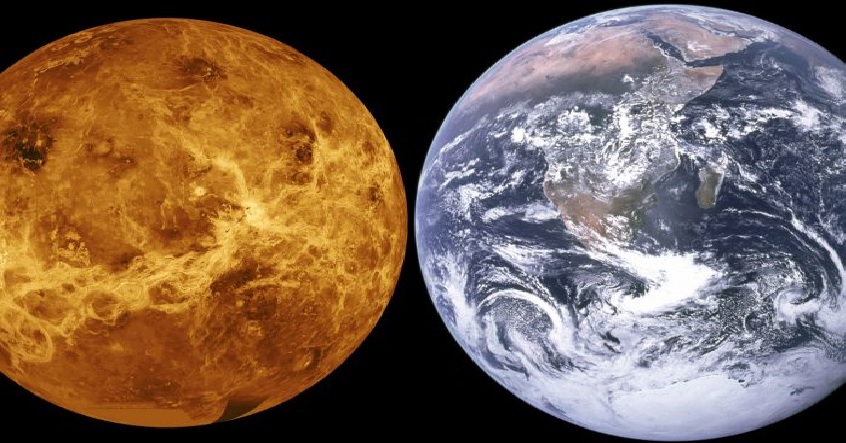
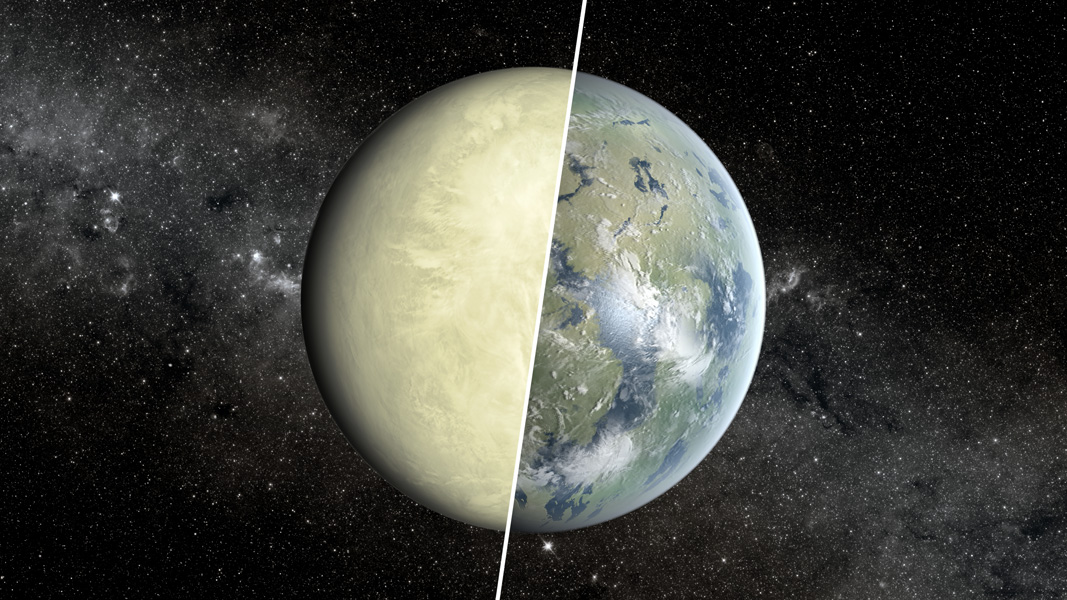
Because plate tectonics does not exist on other planets, such as Mars and Venus, magnetic fields are absent. Research points to the possibility that these planets originally had self-sustaining geodynamos, but for reasons that are yet unclear, they failed. While Mercury’s magnetic field is feeble, it is nevertheless 1.1% stronger than Earth’s and does little to protect the planet from solar radiation. Also a compass would be useless on Mars.
Additional facts about the Earth’s magnetic poles
- The North Magnetic Pole is located in the Arctic Ocean, north of Canada.
- The South Magnetic Pole is located in the Antarctic Ocean, north of Antarctica.
- The North and South Magnetic Poles are not the same as the North and South Geographic Poles. The Geographic Poles are the points where the Earth’s axis of rotation intersects the Earth’s surface. The Magnetic Poles are the points where the Earth’s magnetic field is strongest.
- The Earth’s magnetic poles have reversed polarity several times in the past. This means that the North Magnetic Pole has become the South Magnetic Pole, and vice versa.
- The last time the Earth’s magnetic poles reversed polarity was about 780,000 years ago.
- Scientists are not sure why the Earth’s magnetic poles reverse polarity, but they think it may have something to do with the movement of molten iron in the outer core.
The Earth’s magnetic field is a fascinating and important part of our planet. It helps to protect us from harmful solar radiation and helps us to navigate. The Earth’s magnetic field is also responsible for the beautiful aurora borealis and aurora australis.