5 Reasons to Embrace Jaggery In Your Meals Every Winter

5 Reasons to Embrace Jaggery In Your Meals Every Winter
As the wind nips at your cheeks and the sun dips lower, our bodies naturally crave warmth and comfort. And what better way to indulge than with a delicious and nutritious treat like jaggery? This unrefined sugar, also known as gur, is a winter staple in many cultures, and for good reason. Here are 5 reasons why you should embrace jaggery’s warmth this winter:

1. Natural Warmth: Ayurveda considers jaggery to have a “hot” potency, meaning it can help raise your body temperature and keep you feeling cozy from within. Perfect for combating those winter chills!

2. Energy Booster: Jaggery is rich in iron, which helps combat fatigue and anemia, both common issues during the colder months. This natural energy boost can leave you feeling revitalized and ready to tackle the day.

3. Digestive Delight: Jaggery is a good source of prebiotics, which promote gut health and digestion. This is especially helpful during winter when our digestive systems tend to slow down due to reduced activity.

4. Immunity Hero: Jaggery is packed with antioxidants and minerals like zinc and potassium, all of which play a crucial role in strengthening your immune system. This can help you ward off winter illnesses and stay healthy throughout the season.

5. Sweet Satisfaction: Jaggery offers a naturally sweet flavor without the refined sugar crash. It’s a delicious way to satisfy your sweet tooth while also providing your body with valuable nutrients.

Bonus Tip: Try incorporating jaggery into your winter diet in various ways. Add it to warm milk for a comforting drink, use it as a natural sweetener in your porridge or baking, or simply enjoy a small piece as a post-meal treat.

So, embrace the warmth and goodness of jaggery this winter. Your body and taste buds will thank you!

Remember, moderation is key when it comes to any food, including jaggery. Consult your doctor if you have any underlying health conditions before making significant changes to your diet.


Tagged : / / /

The Sneaky Signs of Vitamin B12 Deficiency You’re Probably Ignoring

The Sneaky Signs of Vitamin B12 Deficiency You’re Probably Ignoring
Vitamin B12 is crucial for a healthy body and mind. It plays a vital role in nerve function, red blood cell production, and DNA synthesis. Unfortunately, B12 deficiency is surprisingly common, and many people ignore its early warning signs. This can lead to serious health problems down the line.

Why is B12 Important?

B12 is mainly found in animal products like meat, poultry, fish, and eggs. Vegetarians and vegans are particularly at risk for deficiency, but other factors like age, digestive issues, and certain medications can also play a role.

So, how do you know if you’re deficient in B12?

The classic symptoms like fatigue and tingling in the hands and feet are well-known. But many other subtle signs often get overlooked. Here are some of the sneaky B12 deficiency symptoms you might be ignoring:

  • Mood Swings and Depression: Feeling unusually irritable, anxious, or down for no reason could be a sign of B12 deficiency.
  • Memory Fog and Forgetfulness: B12 is essential for cognitive function. Struggling to remember things or feeling mentally foggy could be a red flag.
  • Unexplained Weight Loss: If you’re losing weight without trying, B12 deficiency could be a culprit. It can affect your appetite and metabolism.
  • Swollen, Smooth Tongue: A glossitis, or a smooth, red tongue, can be a sign of B12 deficiency. It can also cause burning or tingling sensations.
  • Vision Changes: Blurred vision, double vision, or even vision loss can be caused by B12 deficiency due to its impact on the optic nerve.
  • Clumsiness and Balance Issues: Difficulty walking, stumbling, or feeling unsteady on your feet could be related to B12-related nerve damage.

Don’t Ignore the Signs!

If you’re experiencing any of these symptoms, it’s important to see your doctor to get a B12 blood test. Early diagnosis and treatment are crucial to prevent serious complications like permanent nerve damage.

How to Get Enough B12:

Dietary Changes: For non-vegetarians, incorporating more B12-rich foods like meat, poultry, fish, and eggs is key. Vegetarians and vegans can opt for fortified foods like plant-based milk and breakfast cereals or consider B12 supplements.
Supplementation: Talk to your doctor about B12 supplements if you’re at risk for deficiency or have confirmed B12 deficiency.
Remember, B12 deficiency is a treatable condition. By being aware of the often-ignored symptoms and taking proactive steps, you can ensure your body gets the B12 it needs to thrive.

Additional Tips:

  • Pay attention to your overall health and well-being. If you’re feeling off, don’t hesitate to schedule a checkup with your doctor.
  • Maintain a healthy lifestyle that includes a balanced diet, regular exercise, and adequate sleep.
  • Be proactive about your health and don’t be afraid to ask questions.
    By working together with your doctor, you can prevent B12 deficiency and live a healthy, vibrant life.
Tagged : / / /

Black Turmeric: The Spice of Life? 5 Benefits You Probably Didn’t Know

Black Turmeric: The Spice of Life? 5 Benefits You Probably Didn’t Know
Move over, regular turmeric, there’s a new player in town—black turmeric. This rare, deep-hued spice, also known as Kali Haldi, has been used in traditional medicine for centuries, but its recent scientific exploration is revealing incredible potential for promoting longevity and preventing cancer.

At the heart of this buzz lies curcumin, a bioactive compound found in both regular and black turmeric. However, black turmeric boasts a significantly higher concentration, sometimes up to eight times as much. This elevated potency is what makes black turmeric such a promising candidate for improving health and longevity.

1. Longevity Booster:

Black turmeric’s high curcumin content translates to several potential benefits for aging well. Its potent anti-inflammatory properties can combat chronic inflammation, a major contributor to age-related diseases like arthritis and Alzheimer’s. Additionally, curcumin’s antioxidant activity helps scavenge free radicals, the rogue molecules that damage cells and accelerate aging. Studies suggest that curcumin may also boost longevity by activating sirtuins, genes associated with increased lifespan.

2. Cancer Shield:

Black turmeric’s cancer-fighting potential is particularly exciting. Curcumin has been shown to inhibit the growth and spread of cancer cells in various types of cancer, including breast, lung, and colon cancers. Its anti-inflammatory and antioxidant properties play a crucial role here, along with its ability to interfere with cancer cell signaling pathways. While research is still ongoing, early results are promising, hinting at black turmeric’s potential as a complementary therapy alongside conventional cancer treatments.

3. Beyond the Hype:

It’s important to remember that black turmeric, while brimming with potential, is not a magic bullet. A healthy lifestyle with a balanced diet, regular exercise, and proper sleep remains paramount for longevity and cancer prevention. Additionally, research on black turmeric’s specific benefits is still in its early stages, and more clinical trials are needed to confirm its efficacy in humans.

4. Adding the Spice to Life:

So, how can you incorporate black turmeric into your routine? You can use it in place of regular turmeric in cooking, adding its earthy, slightly musky flavor to curries, soups, and stews. Alternatively, consider taking black turmeric supplements, following recommended dosages. However, consult your doctor before taking any supplements, especially if you have any underlying health conditions.

5. The Final Bite:

Black turmeric, with its high curcumin content, emerges as a promising player in the quest for a longer, healthier life. While further research is needed, its potential benefits for longevity and cancer prevention are too intriguing to ignore. So, whether you sprinkle it on your food or explore supplements, adding a touch of black magic to your life just might be the spice of life after all.

Tagged : / / / /

Beyond Hydration: Demystifying the Optimal Time to Drink Water After Meals in Ayurveda

Beyond Hydration: Demystifying the Optimal Time to Drink Water After Meals in Ayurveda
Drinking water is essential for our health, but Ayurveda, the ancient Indian system of holistic medicine, emphasizes the “when” just as much as the “what” when it comes to hydration, especially after meals. Forget chugging a glass right after your plate is cleared! In Ayurvedic wisdom, the timing of water intake plays a crucial role in supporting optimal digestion and overall well-being.

Why Wait? Understanding Agni, the Digestive Fire:

Ayurveda views digestion as a transformative process governed by “Agni,” the digestive fire. Water, according to this philosophy, can either dampen or support Agni depending on when it’s consumed. Drinking immediately after meals dilutes the digestive juices, potentially weakening Agni and hindering its ability to efficiently break down and absorb nutrients. This can lead to indigestion, bloating, and incomplete digestion, leaving you feeling sluggish and uncomfortable.

The Ayurvedic Guidelines:

So, when is the optimal time to quench your thirst after a meal? Ayurveda suggests waiting for a specific window depending on your individual constitution and digestive strength:

Vata Dosha: Individuals with Vata dominance, known for their airy and quick nature, are advised to wait at least 30 minutes after meals to drink warm water. This helps balance their tendency towards dryness and gas.
Pitta Dosha: Pitta individuals, fiery and intense, should wait for at least 1 hour before sipping on cool or room-temperature water. This helps avoid aggravating their internal heat and potential heartburn.
Kapha Dosha: Those with Kapha, the heavy and slow dosha, are recommended to wait for at least 2 hours before drinking a moderate amount of warm water. This helps stimulate their sluggish digestion and prevent Kapha accumulation.

Beyond Doshas:

Remember, these are general guidelines. Your individual digestive capacity and the type of meal you consumed also play a role. Avoid large quantities of water after heavy meals, and opt for small sips if you feel truly thirsty. Certain herbs like ginger and fennel can be infused in water after meals to aid digestion.

Hydration Beyond Meals:

Don’t neglect regular water intake throughout the day. Ayurveda recommends sipping warm water throughout the morning, especially on an empty stomach, to kindle Agni and prepare your body for digestion. Avoid cold water directly from the fridge, as it can shock your system and disrupt Agni.

Listen to Your Body:

Ultimately, the most important guide is your own body. Pay attention to how you feel after drinking water at different times. If you experience discomfort, adjust your timing accordingly. Remember, Ayurveda is a personalized approach, so what works for one person might not be ideal for another.

By understanding the Ayurvedic principles behind water intake after meals, you can optimize your digestion, enhance your well-being, and cultivate a deeper connection with your body’s innate wisdom. So, ditch the automatic post-meal gulp and embrace a mindful approach to hydration for a truly transformative experience.

Tagged : / / / /

7 Reasons to Embrace the Bitter Truth of Karela

7 Reasons to Embrace the Bitter Truth of Karela
Bitter gourd, the knobbly green vegetable with a reputation for, well, bitterness, might not be an instant crowd-pleaser. But don’t let its name fool you – this spiky powerhouse packs a punch of health benefits that are anything but sour. From regulating blood sugar to boosting immunity, here are 7 reasons to give bitter gourd a second chance:

1. Blood Sugar Superhero: Bitter gourd is rich in momordicin, a plant compound that mimics the effects of insulin, helping your body utilize blood sugar more efficiently. This makes it a valuable weapon in the fight against diabetes and can even improve blood sugar control in those already diagnosed.

2. Immunity Booster: Packed with vitamin C and antioxidants, bitter gourd strengthens your body’s defenses against infections and chronic diseases. Its anti-inflammatory properties also help combat conditions like arthritis and asthma.

3. Digestion Dynamo: Bitter gourd stimulates the production of bile, which aids in digestion and fat absorption. It also acts as a natural laxative, helping keep your digestive system running smoothly.

4. Weight Management Marvel: Low in calories and high in fiber, bitter gourd keeps you feeling fuller for longer. This can help curb cravings, potentially leading to weight loss or easier weight management.

5. Skin Savior: Vitamin C and antioxidants in bitter gourd promote collagen production, keeping your skin firm and youthful. Its anti-inflammatory properties can also help combat acne and other skin conditions.

6. Hair Heroine: Bitter gourd juice provides essential nutrients that nourish your scalp and hair follicles, promoting healthy hair growth and preventing hair loss. It can also add shine and luster to your mane.

7. Blood Purifier: Bitter gourd’s antioxidant and detoxifying properties help cleanse your blood of harmful toxins and free radicals. This can improve overall circulation and potentially fight the development of cancer and other chronic diseases.

Conquering the Karela:

So, how do you embrace the bitter truth of this beneficial veggie? While some swear by bitter gourd juice, incorporating it into your diet in different ways can make it more palatable. Try adding it to stir-fries, curries, or even smoothies. Roasted or pickled, it can be a surprisingly tasty snack. Remember, a little bitterness can go a long way when it comes to your health!

Give bitter gourd a try, and you might just find yourself singing its praises, bitterness and all. It’s time to unlock the amazing benefits hidden within this often-shunned vegetable and discover that sometimes, the best things in life come with a bit of bite.

Tagged : / / /

Breakfast for Champions, Dinner by 9: Protecting Your Heart with Meal Timing

Breakfast for Champions, Dinner by 9: Protecting Your Heart with Meal Timing
A new study has revealed a surprising link between meal timing and heart health: delaying breakfast and dinner could increase your risk of heart attack and stroke. This research, published in the journal “Nutrients,” sheds light on the importance of maintaining a consistent eating schedule for cardiovascular well-being.

The Study’s Findings

The study, conducted by researchers at the University of California, San Diego, followed over 700 participants for five years. They tracked their eating habits and monitored their cardiovascular health through blood tests and imaging scans. The results showed a clear link between delayed meals and an increased risk of heart disease.

  • Skipping breakfast: Participants who consistently delayed their first meal of the day by more than two hours had a 11% higher risk of coronary heart disease compared to those who ate breakfast within two hours of waking up.
  • Late-night dinners: Eating dinner after 9 pm was not associated with a significant risk of heart disease on its own. However, each hour of delay after 9 pm was linked to an 8% increased risk of stroke or transient ischemic attack (TIA).

The Science Behind the Link

The researchers believe that the timing of meals may impact the body’s natural circadian rhythm, which regulates various physiological processes, including blood pressure, metabolism, and insulin sensitivity. Delaying meals can disrupt this rhythm, leading to hormonal imbalances and inflammation, which are known risk factors for cardiovascular disease.

What This Means for You

While this study doesn’t necessarily mean you need to eat breakfast at sunrise or avoid dinner altogether, it does highlight the importance of maintaining a consistent eating schedule for heart health. Here are some key takeaways:

  • Aim to eat breakfast within two hours of waking up. Choose a healthy breakfast that includes whole grains, lean protein, and fruits or vegetables.
  • Try to finish dinner by 9 pm. If you must eat later, opt for a lighter meal and avoid processed foods and sugary drinks.
  • Maintain a regular eating schedule throughout the day. This helps regulate your circadian rhythm and keeps your metabolism functioning optimally.
  • Remember, meal timing is just one piece of the puzzle when it comes to heart health. Combining a consistent eating schedule with a healthy diet, regular exercise, and stress management can significantly reduce your risk of cardiovascular disease.

Additional Tips for a Heart-Healthy Lifestyle:

  • Limit your intake of saturated and unhealthy fats, added sugar, and processed foods.
  • Choose plenty of fruits, vegetables, and whole grains.
  • Get regular exercise, aiming for at least 150 minutes of moderate-intensity activity per week.
  • Manage stress through relaxation techniques such as yoga, meditation, or deep breathing.
  • By making small changes to your lifestyle, you can significantly improve your heart health and reduce your risk of cardiovascular disease. So, prioritize your breakfast, enjoy an early dinner, and keep your heart happy!

Please note: This blog post is for informational purposes only and should not be interpreted as medical advice. Always consult with your doctor before making any changes to your diet or exercise routine.

I hope this informative blog post helps you understand the link between meal timing and heart health and provides you with some tips for making healthy choices for your cardiovascular well-being.

Tagged : / / / /

10 Reasons to Start Your Day with Amla Juice: Nature’s Powerhouse on an Empty Stomach

10 Reasons to Start Your Day with Amla Juice: Nature’s Powerhouse on an Empty Stomach
The humble amla, also known as Indian gooseberry, packs a powerful punch when it comes to health benefits. But did you know that drinking amla juice on an empty stomach can unlock a whole new level of its goodness? Here are 10 reasons why you should consider making this a daily ritual:

1. Digestive Dynamo: Amla’s natural enzymes kickstart your digestive system, aiding in the breakdown and absorption of nutrients. This can help alleviate bloating, constipation, and other digestive woes.

2. Immunity Booster: Packed with Vitamin C and antioxidants, amla juice is a warrior against free radicals, strengthening your immune system and shielding you from infections and illnesses.

3. Detox Delight: Amla’s detoxifying properties help flush out toxins and impurities from your body, leaving you feeling refreshed and energized.

4. Weight Management Wonder: The high fiber content in amla juice keeps you feeling full for longer, curbing cravings and aiding in weight management.

5. Glowing Skin Secret: Vitamin C and antioxidants in amla juice combat free radicals, reducing wrinkles and blemishes, and giving your skin a natural, healthy glow.

6. Hair Health Hero: Amla juice nourishes your scalp and hair follicles, promoting hair growth and preventing hair loss. It can also combat dandruff and add shine to your locks.

7. Blood Sugar Balancing Act: Amla juice helps regulate blood sugar levels, making it beneficial for people with diabetes or prediabetes.

8. Heart Health Heroine: Amla juice is rich in potassium and fiber, which help lower bad cholesterol and blood pressure, keeping your heart healthy.

9. Eye Health Enhancer: Vitamin A in amla juice strengthens the retina and improves vision, protecting your eyes from age-related macular degeneration.

10. Cancer Prevention Powerhouse: Amla’s antioxidants and anti-inflammatory properties may help reduce the risk of certain types of cancer.

Remember, moderation is key. Start with a small amount of diluted amla juice on an empty stomach and gradually increase the intake as tolerated. Listen to your body and consult a doctor if you have any pre-existing health conditions.

So, ditch the sugary morning drinks and embrace the power of nature’s wonder fruit. Start your day with a glass of amla juice and unlock a world of health benefits, one sip at a time!

Tagged : / / /

10 Foods Marketed as Healthy But Aren’t Actually So Good for You

10 Foods Marketed as Healthy But Aren’t Actually So Good for You
We all want to make healthy choices when it comes to our diet. But with so much conflicting information out there, it can be hard to know which foods are truly good for us and which ones are just masquerading as health halos. This article takes a closer look at 10 common foods that are often marketed as healthy but can actually be detrimental to our health.

1. Sugary Drinks: Let’s face it, sugary sodas and juices are the ultimate guilty pleasure. But those sugary sips can quickly add up, leading to weight gain, type 2 diabetes, and heart disease. Even “natural” fruit juices can be surprisingly high in sugar, so it’s best to stick to water or unsweetened tea and coffee.

2. Granola Bars: Granola bars often get a health halo thanks to their whole-grain oats and nuts. However, many store-bought varieties are packed with added sugar, unhealthy fats, and artificial ingredients. To make a truly healthy choice, look for granola bars with minimal ingredients and no added sugar.

3. Trail Mix: Trail mix can be a great source of healthy fats, protein, and fiber. But be wary of mixes that are loaded with candy, chocolate chips, and dried fruit with added sugar. Opt for a DIY trail mix using nuts, seeds, and unsweetened dried fruit for a healthier option.

4. Cereals: Cereals are often marketed as a quick and easy breakfast option, but many popular varieties are loaded with sugar and refined grains. Choose cereals made with whole grains and low in sugar, or opt for oatmeal or Greek yogurt with berries for a more nutritious breakfast.

5. Flavored Yogurts: Yogurt can be a great source of calcium and probiotics, but flavored varieties can be loaded with added sugar. Opt for plain yogurt and add your own fruit or honey for sweetness.

6. Sports Drinks: Sports drinks are designed for athletes who are sweating heavily and need to replenish electrolytes. But for most people, they’re simply an unnecessary source of sugar and calories. Stick to water or unsweetened tea for hydration during exercise.

7. Protein Bars: Protein bars can be a convenient way to boost your protein intake, but many are loaded with unhealthy fats, sugar, and artificial ingredients. Choose bars with minimal ingredients and no added sugar for a healthier option.

8. Veggie Chips: Vegetable chips seem like a healthy alternative to potato chips, but they can be just as high in calories and unhealthy fats. Opt for baked kale chips or roasted chickpeas for a more nutritious snack.

9. Brown Bread: While brown bread is a better choice than white bread, it’s not a health saint. Many varieties are still high in refined grains and are actually just white breads with added brown colour to ‘look’ healthy. Look for breads made with 100% whole grains and sprouted grains for a more nutritious option.

10. Processed Soy Products: Soy can be a healthy part of a balanced diet, but processed soy products like tofu nuggets and veggie burgers can be high in sodium and unhealthy fats. Choose minimally processed soy products like edamame and tempeh for a healthier option.

Remember, reading food labels is key to making informed choices about what you put on your plate. Don’t be fooled by marketing claims and buzzwords. By understanding the ingredients and nutritional value of the foods you eat, you can make sure you’re making choices that are truly good for your health.

We hope this article has helped you to make more informed choices about the foods you eat. Remember, it’s all about balance and moderation. Enjoy your favorite treats in small amounts, and focus on filling your plate with plenty of fruits, vegetables, and whole grains.

Tagged : / / /

7 Superfoods to Soothe Acid Reflux and Heartburn Naturally

7 Superfoods to Soothe Acid Reflux and Heartburn Naturally
Acid reflux, that burning sensation creeping up your chest, can make even the simplest meal a daunting task. But fear not, fellow heartburn warriors! Mother Nature has provided us with an arsenal of delicious “superfoods” that can help calm the flames and bring peace to your gut. Ditch the antacids and embrace these 7 natural heartburn heroes:

1. Melons: Watermelon, cantaloupe, and honeydew are nature’s candy, packed with water and electrolytes that help dilute stomach acid and soothe irritation. Plus, their high fiber content aids digestion, preventing food from sitting in your stomach and triggering reflux.

2. Bananas: This potassium-rich fruit is a natural antacid, neutralizing stomach acid and preventing heartburn. Their creamy texture also coats the esophagus, providing a protective barrier against irritation. Bonus points for ripe bananas, as unripe ones can be acidic.

3. Leafy Greens: Don’t underestimate the power of greens! Spinach, kale, and collard greens are low in fat and acid, making them easy on your stomach. They’re also packed with vitamins and minerals that support overall gut health and digestion.

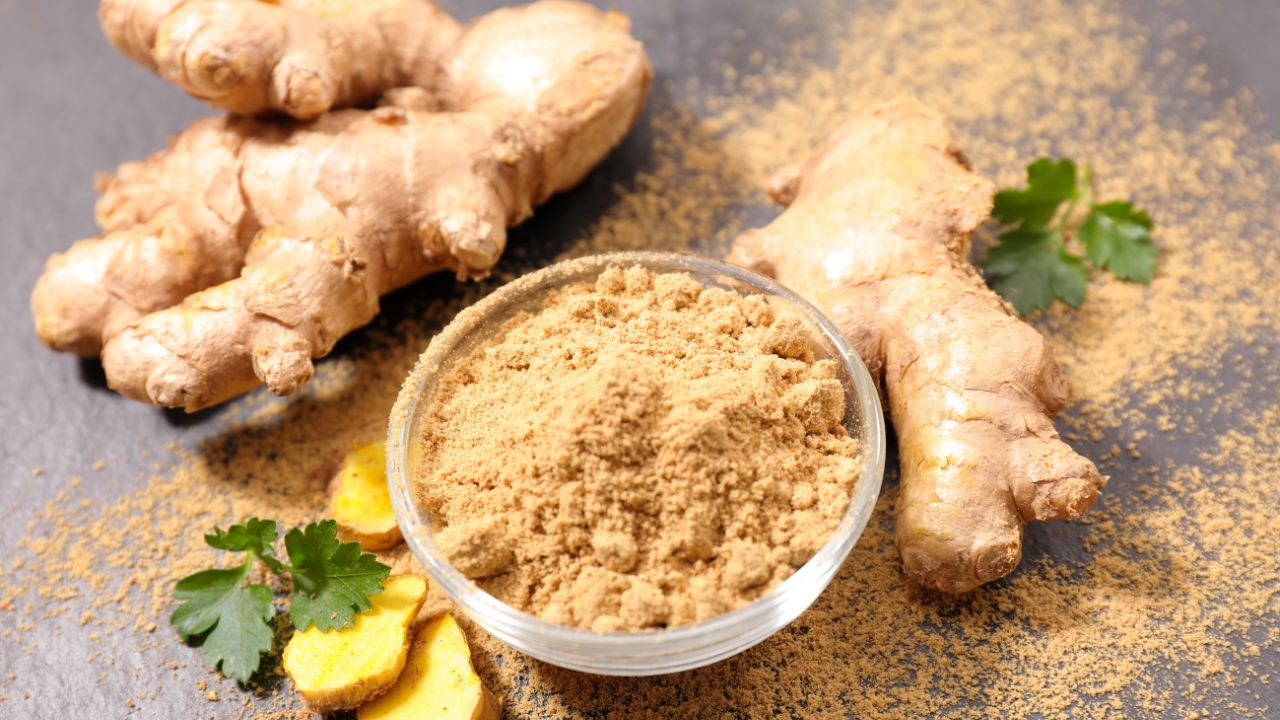
4. Ginger: This spicy root is a natural anti-inflammatory and has been used for centuries to soothe digestive issues. Ginger tea or a few slices chewed after a meal can help calm stomach upset and reduce acid reflux symptoms.

5. Oatmeal: This fiber-rich breakfast staple is a lifesaver for heartburn sufferers. Oatmeal absorbs excess stomach acid and creates a barrier against irritation. Opt for steel-cut oats for the most fiber and avoid sugary toppings.

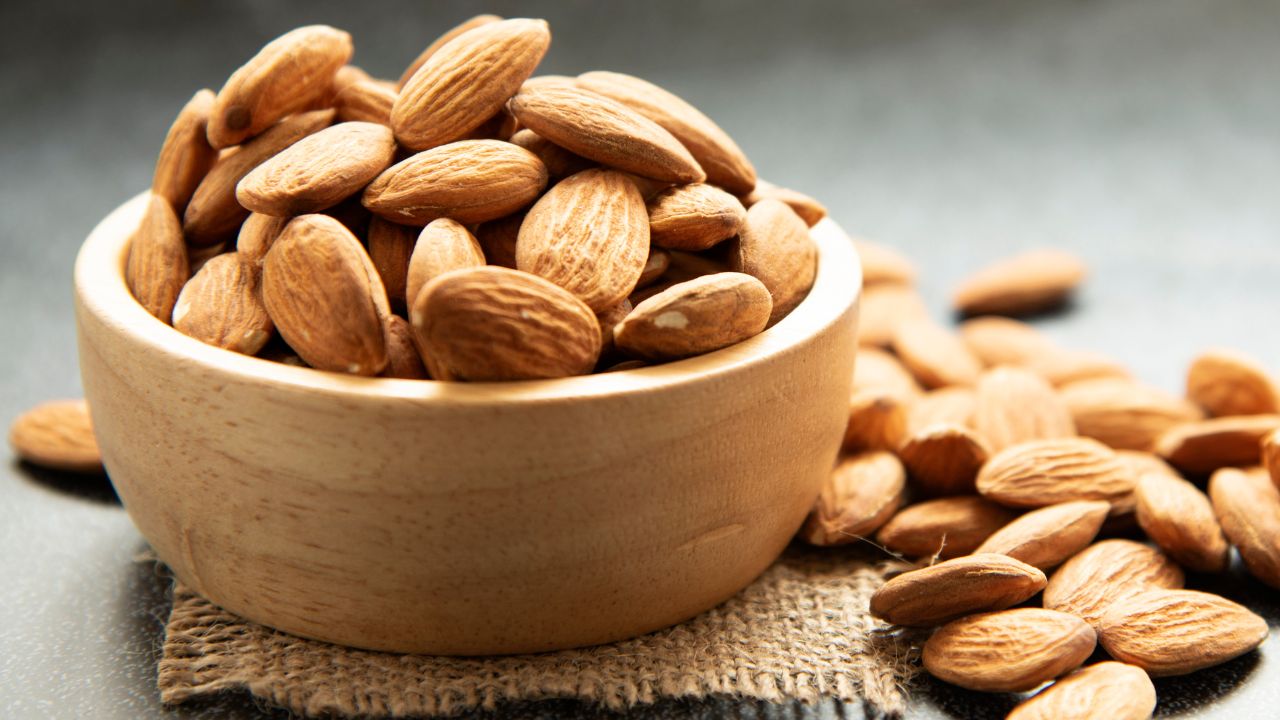
6. Almonds: These crunchy nuts are a good source of healthy fats and magnesium, both of which can help relax the esophageal sphincter and prevent reflux. Enjoy a handful as a snack or sprinkle them on yogurt for added texture and flavor.

7. Yogurt: Plain, unsweetened yogurt is a probiotic powerhouse, teeming with good bacteria that aid digestion and keep your gut microbiome happy. This can help prevent acid reflux and other digestive issues. Choose low-fat or fat-free options for optimal comfort.

Remember, everyone’s triggers are different, so experiment and find what works best for you. Incorporate these superfoods into your diet, listen to your body, and enjoy the freedom of a heartburn-free life!

Bonus Tip: Lifestyle changes like eating smaller meals more frequently, managing stress, and avoiding trigger foods can also significantly improve acid reflux symptoms. Consult your doctor if symptoms persist or worsen.

With these superfoods and a little lifestyle tweaking, you can say goodbye to heartburn and embrace a life of delicious, comfortable meals!

Tagged : / / / / / /

The Curious Case of Taste Buds: Why Do We Crave Sweet or Salty?

The Curious Case of Taste Buds: Why Do We Crave Sweet or Salty?
Have you ever wondered why your friend douses their popcorn in ketchup while you reach for the chili flakes? Or why some people swoon over a plate of Brussels sprouts while others recoil in horror? The fascinating mystery of taste preferences is as old as humanity itself, and the answer lies in a complex interplay of biology, environment, and even personal history.

The Science of Sweetness and Salt:

Our taste buds, those tiny bumps on our tongue, are equipped with specialized receptors for five basic tastes: sweet, salty, bitter, sour, and umami (savory). These receptors send signals to the brain, triggering the flavor sensations we experience.

Sweetness: Our love for sugar can be traced back to our evolutionary past. Sweet foods often indicate high energy content, essential for survival. Receptors for sweetness, located primarily on the tip of the tongue, trigger a pleasurable dopamine release, reinforcing our desire for sugary treats.

Saltiness: Our craving for salt is equally rooted in biology. Sodium is crucial for maintaining proper fluid balance and nerve function. Salt receptors, found across the tongue, alert us to potential deficiencies and drive us to seek out salty foods.

Beyond Biology: The Role of Experience and Environment:

While our taste buds play a crucial role, our preferences are far from preordained. Experience and environment play a significant role in shaping our palates.

Early Exposure: Babies exposed to a variety of flavors during breastfeeding and early weaning tend to have more diverse palates. Cultural and family food traditions also influence our preferences.
Learned Associations: If you associate a particular food with positive memories or emotional comfort, you’re more likely to develop a fondness for it. Conversely, negative experiences, like childhood food poisoning, can lead to aversions.
Sensory Cues: The color, aroma, and texture of food can also influence our perception of taste. Creamy textures often enhance sweetness, while bright colors can make salty foods more appealing.

The Genetic Factor:

Emerging research suggests that genetics may also play a part. Studies have identified genes linked to taste sensitivity, with some individuals possessing more or fewer taste receptors for specific flavors. This could explain why some people find bitter vegetables intensely unpleasant, while others find them surprisingly enjoyable.

The Takeaway: A Spectrum of Deliciousness:

Ultimately, taste preferences are unique and multifaceted. There’s no single answer to why some people crave sweet while others seek out salty. It’s a beautiful tapestry woven from biology, experience, and personal history. So next time you find yourself reaching for a different flavor than your friend, remember – there’s no right or wrong answer in the world of taste! Embrace the diversity and celebrate the unique flavor journey of each individual palate.

Tagged : / / /

8 Leafy Superstars to Power Up Your Plate : Know The Benefits!

8 Leafy Superstars to Power Up Your Plate : Know The Benefits!
We often focus on fruits and vegetables, but the humble leaf often gets relegated to garnish duty. It’s time to give these leafy powerhouses their due! They’re packed with nutrients, antioxidants, and unique flavors that can transform your meals and your health. Here are 8 amazing leaves to add to your diet and their incredible benefits:

1. Neem: This bitter-tasting wonder from the Indian subcontinent is revered for its medicinal properties. Neem leaves are loaded with antioxidants, anti-inflammatory compounds, and blood sugar regulators. They can be used to make tea, chutneys, or even toothpaste!

2. Curry Leaves: Don’t underestimate these tiny, citrusy leaves! They’re a staple in South Indian cuisine and are rich in vitamin A, C, and E. Curry leaves boost immunity, aid digestion, and even have anti-cancer properties. Toss them into curries, dals, or even chutneys for a flavor and health boost.

3. Basil: The fragrant king of herbs, basil, is not just for pesto. It’s an excellent source of vitamins K, A, and C, as well as magnesium and iron. Basil has anti-inflammatory, antibacterial, and mood-boosting properties. Enjoy it fresh in salads, stir-fries, or infused in your favorite oils.

4. Mint: This refreshing herb is more than just a breath freshener. Mint leaves are packed with antioxidants, digestive enzymes, and pain-relieving menthol. They can aid digestion, soothe nausea, and even freshen your breath naturally. Add them to teas, smoothies, or simply chew on a few leaves after a meal.

5. Cilantro: This vibrant herb, also known as coriander, adds a unique citrusy punch to dishes. It’s rich in vitamin K, C, and folate, as well as powerful antioxidants. Cilantro can help lower cholesterol, fight inflammation, and even protect brain health. Sprinkle it on tacos, salsas, or even toss it into your smoothie for a surprising twist.

6. Spinach: This leafy green superstar is a nutritional powerhouse. It’s loaded with vitamins A, C, K, and iron, as well as fiber and folate. Spinach strengthens bones, boosts immunity, and improves eye health. Enjoy it raw in salads, steamed, or even blended into your favorite smoothie.

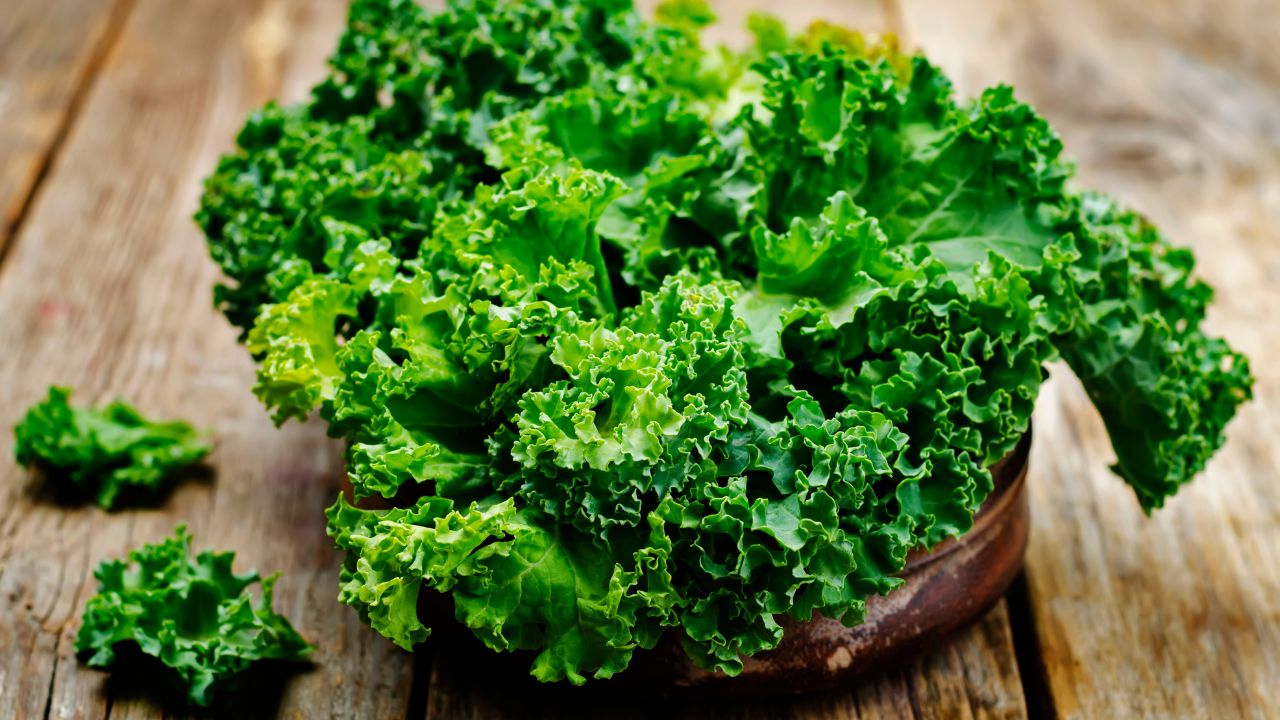
7. Kale: This trendy green is here to stay for a reason! It’s a nutritional powerhouse, boasting vitamins A, C, K, and B6, as well as fiber and antioxidants. Kale can help lower cholesterol, fight inflammation, and even protect against certain cancers. Sauté it, blend it into smoothies, or enjoy it raw in salads for a burst of flavor and nutrients.

8. Oregano: This aromatic herb is not just for pizza! Oregano leaves are rich in antioxidants, anti-inflammatory compounds, and immune-boosting vitamins. They can aid digestion, fight infections, and even improve oral health. Sprinkle it on pizzas, pastas, or even enjoy it as a tea for a soothing and flavorful experience.

Remember, these are just a few of the many amazing leaves out there. Experiment, explore, and discover new leafy favorites to add variety and a nutritional punch to your diet. Your taste buds and your body will thank you!
So, ditch the boring lettuce and embrace the leafy revolution! These 8 amazing leaves are just the tip of the iceberg when it comes to the health and flavor potential hidden in the plant kingdom. Go green, get leafy, and watch your health and taste buds soar!

Tagged : / / /

Sweeten Your Winter with Figs: A Treasure Trove of Health Benefits

Sweeten Your Winter with Figs: A Treasure Trove of Health Benefits
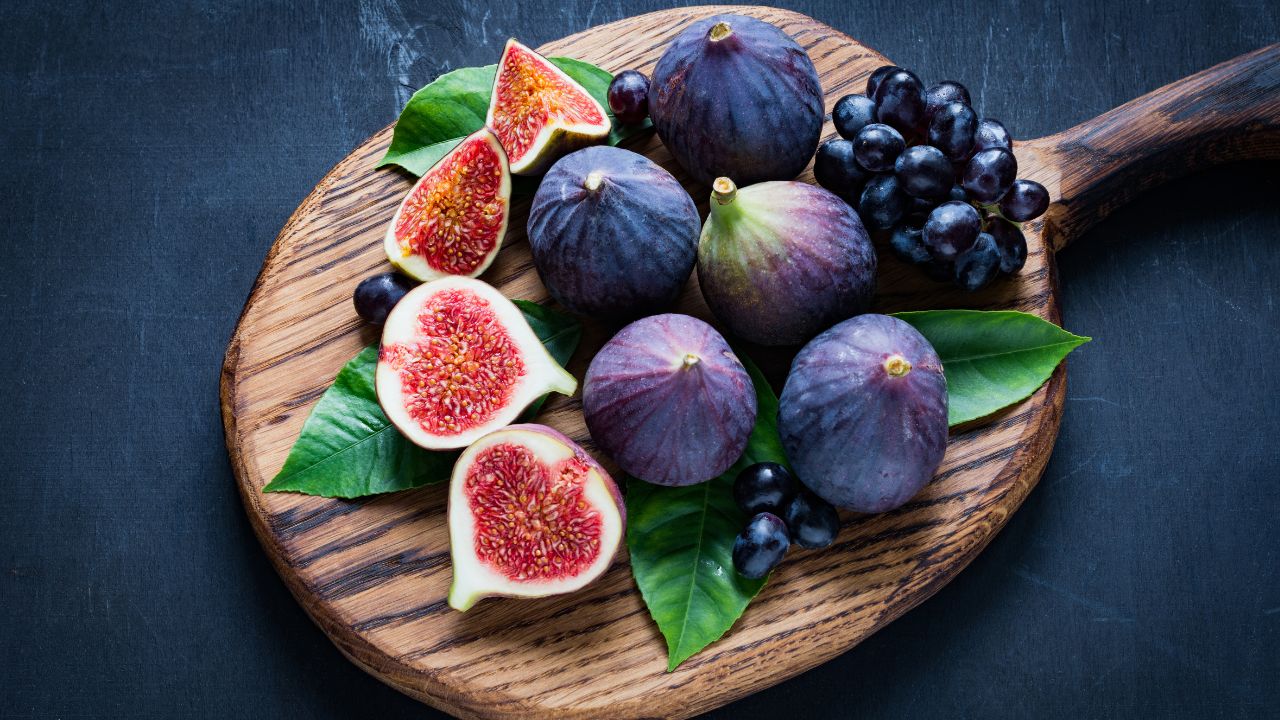
As winter settles in, our bodies crave warmth and nourishment. While we often turn to hearty soups and stews, a little sweetness can go a long way in boosting our spirits and well-being. Enter the humble fig, a fruit bursting with flavor and a surprising array of health benefits that are ideal for the colder months.

1. Immunity Booster: Figs are packed with vitamin C, a natural antioxidant that strengthens our immune system, helping us fight off those pesky winter colds and flus. A single serving of fresh figs can provide over 20% of our daily recommended intake of vitamin C, making them a delicious way to stay healthy and energized throughout the season.

2. Digestive Delight: The high fiber content in figs keeps our digestive system happy and regular. This is especially helpful during winter when heavier meals and holiday indulgences can lead to constipation. Figs act as a gentle laxative, promoting healthy digestion and gut health.

3. Bone Builder: Figs are a rich source of calcium, magnesium, and phosphorus, all essential minerals for maintaining strong bones. This is particularly important for women and older adults who are at higher risk of osteoporosis. Snacking on figs regularly can help prevent bone loss and keep your skeleton sturdy throughout the winter months.

4. Energy Enhancer: Figs are a natural source of sugar, providing a quick burst of energy when you need it most. Unlike processed sugars, the natural sugars in figs are released slowly into the bloodstream, preventing energy crashes and keeping you feeling satisfied for longer. This makes them a perfect pre-workout snack or a healthy afternoon pick-me-up.

5. Warmth from Within: Figs are naturally sweet and have a warming, almost honey-like flavor. They can be enjoyed fresh, dried, or incorporated into warm winter dishes like oatmeal, stews, or even baked into pies and cakes. Their sweetness adds a touch of luxury to any winter meal, while the warming spices often used with them further enhance their comforting properties.

Beyond the benefits mentioned above, figs are also a good source of potassium, manganese, and iron, all essential for overall health and well-being. So, this winter, don’t just reach for the hot cocoa or mulled wine. Grab a handful of figs and discover the delightful taste of good health. Your body will thank you for it!

Here are some additional tips for incorporating figs into your winter diet:

  • Pair fresh figs with creamy cheeses like ricotta or goat cheese for a delicious and satisfying appetizer.
  • Add chopped dried figs to your oatmeal or yogurt for a natural sweetness boost.
  • Make a warm fig compote to serve with roasted meats or grilled cheese.
  • Infuse water with fresh figs and herbs for a refreshing and healthy beverage.

    With a little creativity, you can enjoy the many health benefits and deliciousness of figs all winter long. So, embrace the season and let the sweetness of figs warm you up from the inside out!

Tagged : / / / /

Soaked vs Unsoaked Almonds: Which Is The Bigger Nutritional Treasure Chest?

Soaked vs Unsoaked Almonds: Which Is The Bigger Nutritional Treasure Chest?
Almonds, the crunchy, buttery jewels of the nut world, have long been revered for their nutritional prowess. But when it comes to maximizing their goodness, a debate arises: soak them or not? Let’s dive into the world of soaked and unsoaked almonds, cracking open the secrets to unlocking their full potential.

Soaking the Science:

Soaking almonds overnight in water activates enzymes, which break down phytic acid, a compound that can hinder nutrient absorption. This process also makes the nuts softer and easier to digest, especially for those with sensitive stomachs.

Benefits of Soaked Almonds:

1. Enhanced nutrient absorption: Studies suggest soaking can increase the bioavailability of minerals like iron, calcium, and magnesium by up to 50%.
2. Improved digestion: Soaking breaks down complex carbohydrates, making the nuts gentler on the gut and potentially reducing bloating and gas.
3. Creamier texture: Soaked almonds have a softer, creamier texture, making them ideal for snacking, blending into smoothies, or using in desserts.

But wait, unsoaked almonds have their own perks!

1.Convenience: No need for pre-planning, just grab and munch.
2. Potentially higher nutrient content: Soaking can lead to a slight loss of water-soluble vitamins like vitamin B6.
3. Nutty flavor: Unsoaked almonds have a more intense, nutty flavor that some prefer.

So, which is the ultimate winner?

The answer, like most things in life, is: it depends!

For optimal nutrient absorption and digestion, soaked almonds are the clear champions.
If convenience and a stronger nutty flavor are your priorities, unsoaked almonds might be your match.
Ultimately, listen to your body and choose what works best for you.
Bonus tip: Don’t discard the soaking water! It’s packed with nutrients and can be used in smoothies, pancakes, or even as a facial toner.

Remember: Both soaked and unsoaked almonds are excellent sources of healthy fats, protein, fiber, vitamins, and minerals. So, don’t get caught up in the debate – just enjoy these delicious nuts in whatever way you find most appealing!

And hey, don’t stop exploring! Experiment with different soaking times, try dry-roasting for a different texture, or get creative and whip up some almond butter or milk. The possibilities are endless, just like the health benefits of these amazing nuts.

So, go forth and conquer the world of almonds, soaked or unsoaked, your taste buds and body will thank you!

Tagged : / / / /

5 Health Benefits of Black Carrots: Nature’s Hidden Gems

5 Health Benefits of Black Carrots: Nature’s Hidden Gems
Black carrots, with their striking dark purple color, are gaining popularity not just for their unique appearance, but also for their impressive health benefits. Packed with powerful antioxidants and essential nutrients, these colorful beauties offer a variety of advantages for your well-being. Let’s explore five key benefits of black carrots:

1. Vision Boost: Black carrots are rich in anthocyanins, the same pigments that give blueberries their vibrant color. These antioxidants have been shown to improve eye health and protect against age-related macular degeneration and cataracts.

2. Weight Management: Black carrots are high in fiber, which helps you feel full for longer and promotes digestive health. This can be beneficial for weight management as it reduces cravings and controls calorie intake.

3. Improved Heart Health: The anthocyanins in black carrots help protect against cardiovascular diseases by lowering bad cholesterol levels and reducing inflammation. Additionally, black carrots are a good source of potassium, which is essential for maintaining healthy blood pressure.

4. Skin Health: The antioxidants in black carrots help protect your skin from harmful UV rays and environmental damage. They also promote collagen production, which keeps your skin looking youthful and radiant.

5. Stronger Immune System: Black carrots are rich in vitamin C, a powerful antioxidant that boosts your immune system and helps your body fight off infections and diseases.

In addition to these benefits, black carrots are also a good source of vitamins A, K, and B vitamins. They are also low in calories and fat, making them a healthy and nutritious addition to your diet.

Here are some ways to enjoy the benefits of black carrots:

  • Eat them raw as a snack or add them to salads.
  • Juice them and enjoy them fresh.
  • Roast them and add them to stir-fries or soups.
  • Use them to make black carrot cake or muffins.
    With its vibrant color and impressive health benefits, the black carrot is a hidden gem that deserves a place in your diet. So, next time you’re at the grocery store, be sure to pick up a bunch of these colorful beauties and experience their amazing benefits for yourself.

Tagged : / / / /

Fueling Your Fight: How Nutrition Can Boost Your Immune System During Sickness

Fueling Your Fight: How Nutrition Can Boost Your Immune System During Sickness
With autumn’s arrival comes the dreaded cold and flu season. As temperatures drop, so do our immune defenses, making us more susceptible to these unwelcome visitors. While there’s no magic bullet to prevent illness entirely, proper nutrition can play a vital role in strengthening your immune system and helping your body fight back.

Food for Defense: Key Nutrients to Boost Immunity
1. Vitamin C
This antioxidant powerhouse is renowned for its immune-boosting properties. Citrus fruits like oranges and grapefruits are excellent sources, but don’t forget about bell peppers, broccoli, and strawberries.

2. Vitamin D
Often dubbed the “sunshine vitamin,” Vitamin D plays a crucial role in regulating immune function. Fatty fish like salmon and tuna are rich sources, as are fortified milk and egg yolks.

3. Zinc
This essential mineral is vital for cell growth and immune function. Oysters, beef, and pumpkin seeds are excellent dietary sources of zinc.

4. Probiotics
These “good bacteria” residing in our gut play a crucial role in overall health, including immune function. Fermented foods like yogurt, kimchi, and sauerkraut are excellent sources.

5. Protein
This building block of life is essential for building and repairing tissues, including immune cells. Lean protein sources like poultry, fish, and legumes are key dietary components.

Beyond the Plate: Additional Tips for Immune Support

i. Hydration is Key: Water is essential for overall health and immune function. Aim to drink eight glasses of water daily, especially during cold and flu season.

ii. Prioritize Sleep: Sleep deprivation can weaken your immune system. Aim for 7-8 hours of quality sleep each night.

iii. Manage Stress: Chronic stress can negatively impact your immune system. Practice stress-reducing techniques like yoga, meditation, or deep breathing exercises.

iv. Move Your Body: Regular exercise helps boost your immune system and overall health. Aim for at least 30 minutes of moderate-intensity exercise most days of the week.

v. Consider Supplements: While a balanced diet should provide most essential nutrients, some individuals may benefit from supplements like Vitamin D or Zinc, especially during cold and flu season. Consult your doctor before starting any supplements.

Remember: A healthy immune system is your body’s best defense against colds and flu. By incorporating these nutritional and lifestyle changes into your routine, you can empower your immune system and stay strong during cold and flu season.

Tagged : / / / / /
Verified by ExactMetrics