6 Sweet Reasons to Savor the Sweetness of Sapota (Chikoo) Daily

6 Sweet Reasons to Savor the Sweetness of Sapota (Chikoo) Daily
The humble chikoo, also known as sapota, is a tropical delight enjoyed for its creamy texture and sweet, honeyed flavor. But beyond its deliciousness, this fruit packs a powerful punch of nutrients that can have a significant impact on your well-being. Here are 6 compelling reasons to include chikoo in your daily diet:

1. Energy Booster: Chikoo is a natural powerhouse of carbohydrates and fiber, providing sustained energy throughout the day. It’s a perfect morning pick-me-up or afternoon snack to combat fatigue and keep you focused.

2. Digestive Delight: Rich in fiber, chikoo promotes healthy digestion by facilitating smooth bowel movements and preventing constipation. It also acts as a prebiotic, nourishing gut bacteria for optimal gut health.

3. Immunity Guardian: Sapota is loaded with vitamin C, a key antioxidant that strengthens your immune system, protecting you from infections and illnesses. It also has anti-inflammatory properties that can help fight chronic diseases.
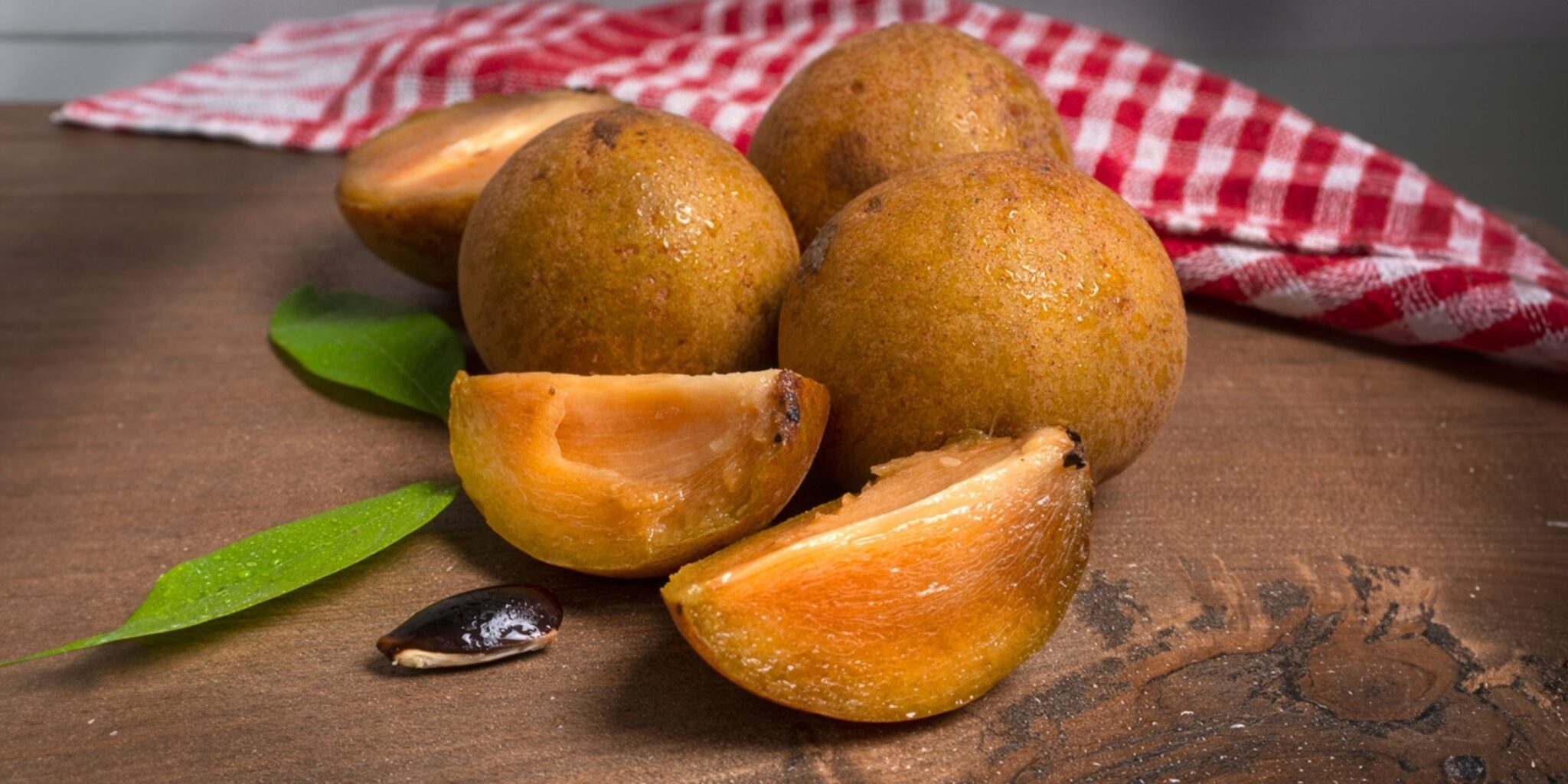
4. Skin Savior: This delicious fruit is a treasure trove of vitamin A, vital for maintaining healthy skin and vision. Vitamin A promotes collagen production, keeping your skin firm and youthful, and also aids in cell regeneration and wound healing.

5. Blood Sugar Balanced: Chikoo’s natural sugars are released slowly into the bloodstream, preventing spikes in blood sugar levels. This makes it a good choice for diabetics and anyone looking to manage their blood sugar effectively.

6. Stress Slayer: Sapota contains tryptophan, an amino acid converted into serotonin, the neurotransmitter that promotes relaxation and improves mood. Enjoying a chikoo can help reduce stress and anxiety, leaving you feeling calm and balanced.

So, ditch the processed snacks and reach for the natural sweetness of chikoo. With its array of health benefits and delectable taste, it’s an easy and delicious way to nourish your body and mind. Start incorporating this tropical gem into your daily diet and unlock a world of goodness!

Remember, moderation is key. While chikoo has numerous benefits, excessive consumption can lead to digestive issues due to its high fiber content. Consult your doctor if you have any underlying health conditions.
Tagged : / / / / /

Broccoli vs Cauliflower: Which Is Better And Healthier?

Broccoli vs Cauliflower: Which Is Better And Healthier?
Cruciferous vegetables, like broccoli and cauliflower, are health champions packed with vitamins, minerals, and antioxidants. But when it comes to choosing between these green giants, which one deserves the gold medal in the nutrition ring? Buckle up, veggie fans, because we’re diving into the delicious debate of broccoli vs cauliflower!

Round 1: Nutritional Knockouts

Both contenders pack a nutritious punch, boasting high levels of fiber, vitamin C, and potassium. But let’s see where each one lands a knockout:

  • Vitamin Power: Broccoli delivers a stronger uppercut with higher levels of vitamin C and K, essential for immunity and bone health.
  • Fiber Fury: Cauliflower is the fiber champion, containing slightly more to keep you feeling fuller for longer.
  • Antioxidant Blitz: Both are antioxidant all-stars, but broccoli holds a slight advantage with sulforaphane, a compound linked to potential anti-cancer properties.

Round 2: Special Moves and Quirks

Besides core nutrients, each fighter brings unique moves to the table:

  • Broccoli: Boasts more folate, important for cell growth and development.
  • Cauliflower: Contains choline, a friend to brain health and memory.
  • Versatility Champs: Both are culinary chameleons, easily roasted, steamed, mashed, or used in raw veggie platters. Cauliflower even offers low-carb alternatives like rice and pizza crust.

    Deciding the Champion:

So, who wins the crown? The truth is, there’s no clear champion. Both broccoli and cauliflower offer unique nutritional benefits and culinary strengths. Your choice depends on your individual needs and preferences.

The Final Takeaway:

Don’t get stuck in a green corner! Embrace both broccoli and cauliflower and reap the benefits of their diverse nutritional arsenals. Mix them up in your meals, explore new recipes, and enjoy the delicious satisfaction of these health-promoting powerhouses. Remember, variety is the spice of life (and good health)!

Bonus tip: To maximize your veggie impact, try steaming or roasting to preserve vital nutrients. So, go forth, cruciferous champions, and conquer your daily dietary goals!

Tagged : / / / / /

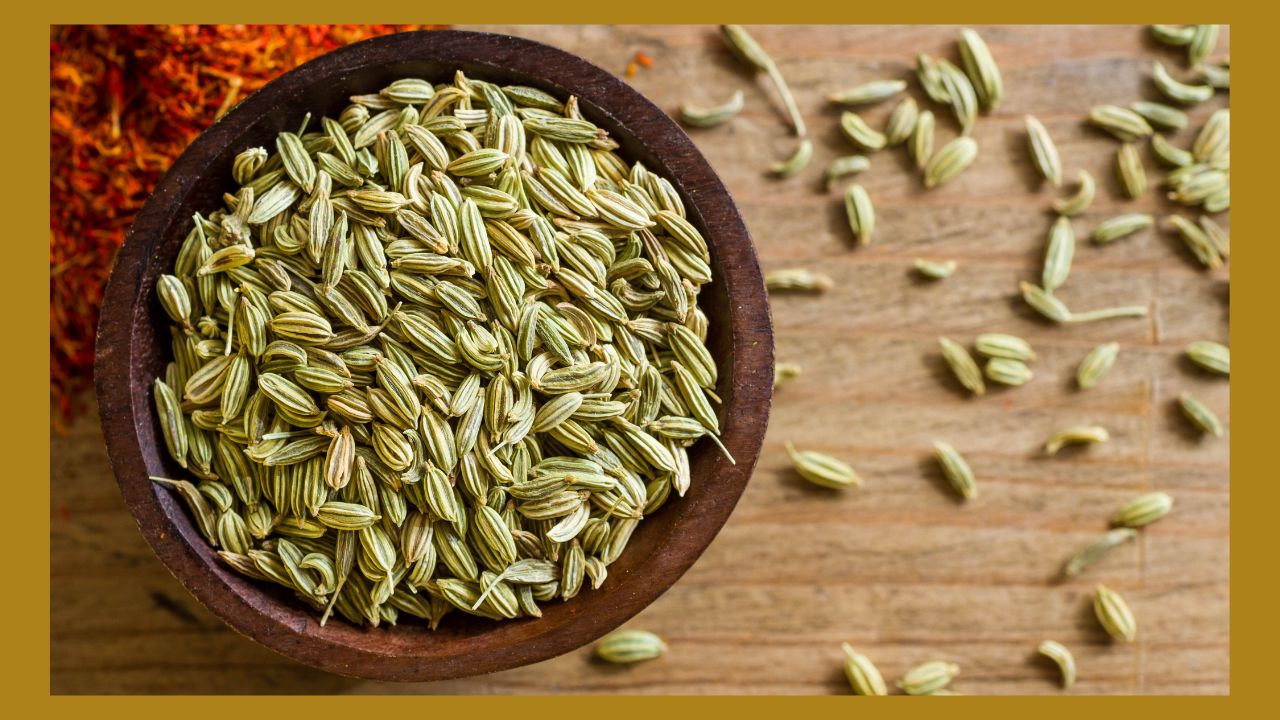
10 Reasons to Start Your Day with a Glass of Fennel Water

10 Reasons to Start Your Day with a Glass of Fennel Water
Fennel, with its licorice-like aroma and flavor, isn’t just a delicious addition to your meals. It boasts a range of health benefits that can be yours with a simple ritual: drinking fennel water every morning. So ditch the caffeine jolt and start your day on a healthy note with this refreshing beverage.

1. Digestive Dream Team: Fennel seeds relax your digestive muscles, encouraging the flow of digestive juices. This translates to relief from indigestion, bloating, and constipation.

2. Quelling Inflammation: Fennel’s anti-inflammatory properties work wonders throughout your body, reducing pain and swelling.

3. Immune System Ally: Packed with vitamin C and antioxidants, fennel water gives your immune system a much-needed boost.

4. Weight Management Warrior: Feeling fuller for longer is easier with fennel water. This translates to reduced calorie intake and support for your weight management goals.

5. Detox Delight: Need a gentle detox? Fennel water acts as a natural diuretic, aiding the body in eliminating toxins through urine.

6. Glowing Skin Secret: Hydrated, radiant skin? Yes, please! Fennel water helps achieve both.

7. Blood Sugar Balance: Fennel may play a role in maintaining healthy blood sugar levels, a boon for those with diabetes or prediabetes.

8. Balancing Act: Say hello to balanced pH levels! Fennel water’s alkaline nature contributes to overall health.

9. Kiss Bad Breath Goodbye: Fennel seeds’ inherent antiseptic and deodorizing properties leave you feeling confident and minty fresh.

10. Energy Explosion: Improved circulation and digestion, courtesy of fennel water, translate to a surge in energy levels.

Making Fennel Water Magic:

It’s as simple as 1-2-3! Steep 1 tablespoon of fennel seeds in 1 cup of hot water for 10-15 minutes. Fancy a twist? Add cucumber or lemon slices for extra flavor. Strain and enjoy warm or cold.

So, start your day with a refreshing glass of fennel water and unlock a treasure trove of health benefits. You might just be surprised at how much better you feel!

Tagged : / / / / /

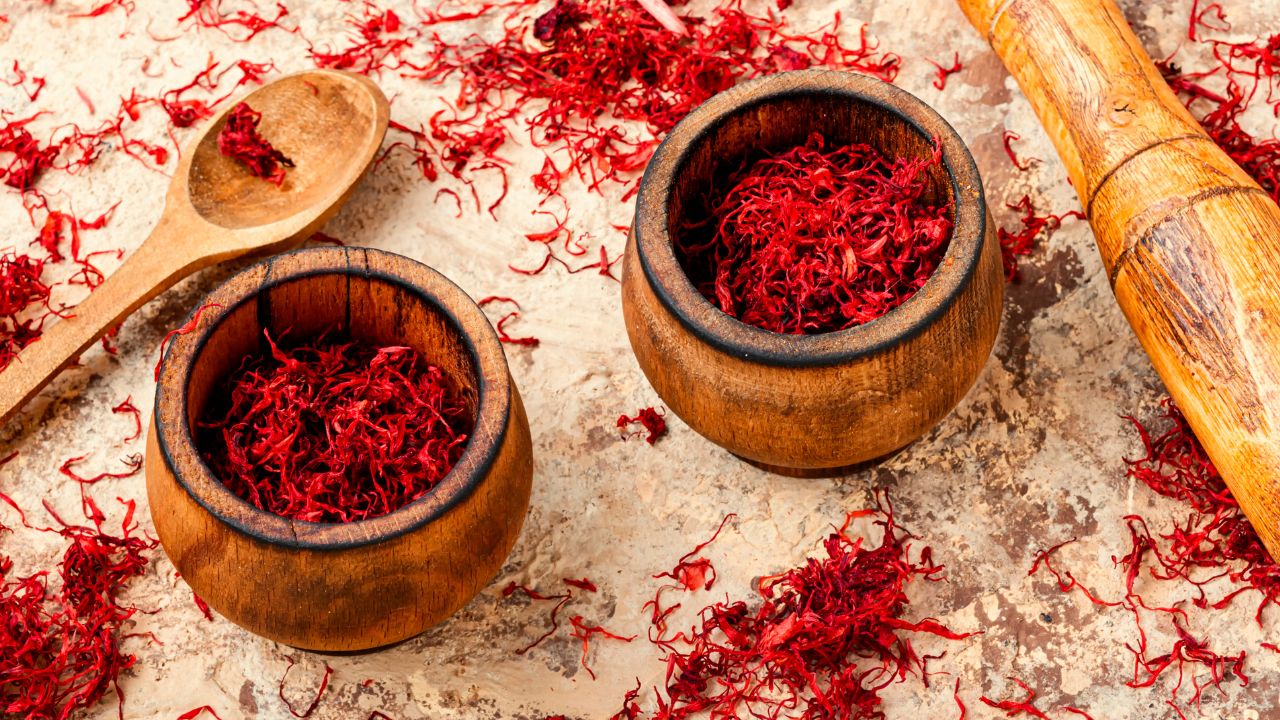
5 Amazing Benefits of Saffron: The “Sunshine Spice”

5 Amazing Benefits of Saffron: The “Sunshine Spice”
Saffron, often called the “sunshine spice” for its vibrant color and origin from the Crocus sativus flower, has been prized for centuries for its culinary and medicinal properties. This precious spice, renowned for its delicate flavor and aroma, boasts a surprising array of health benefits that go far beyond the kitchen.

Here are 5 amazing benefits of saffron that might just make you want to sprinkle it on everything:

1. Mood Booster: Saffron is known for its natural mood-enhancing properties. Studies have shown it to be as effective as some antidepressants in treating mild to moderate depression, thanks to its ability to increase serotonin and dopamine levels in the brain.

2. Anti-inflammatory Powerhouse: Saffron is packed with powerful antioxidants and anti-inflammatory compounds that can help reduce inflammation throughout the body. This can be beneficial for various conditions, including arthritis, heart disease, and even cancer.

3. Heart Health Hero: Saffron’s anti-inflammatory and antioxidant properties also contribute to improved heart health. It can help lower bad cholesterol levels, reduce blood pressure, and improve blood flow, all of which are important for maintaining a healthy heart.

4. Memory and Cognitive Enhancement: Studies suggest that saffron may help improve memory and cognitive function. It may even have neuroprotective properties that could help protect the brain from age-related decline and neurodegenerative diseases like Alzheimer’s.

5. Weight Management Support: Saffron may aid in weight management by suppressing appetite and reducing cravings. It may also help regulate blood sugar levels, which can further contribute to healthy weight management.

Beyond these benefits, saffron also offers:

  • Antibacterial and antiviral properties: Studies suggest that saffron may help fight off bacteria and viruses, potentially aiding the immune system.
  • Pain relief: Saffron has been used traditionally for pain relief, and some studies suggest it may be effective for treating menstrual cramps and other types of pain.
  • Aphrodisiac properties: Saffron has been used as an aphrodisiac for centuries, and some studies suggest it may improve sexual function in both men and women.

    Remember: While saffron is generally safe for most people, it is important to consult with your doctor before using it if you are pregnant, breastfeeding, or taking any medications.

So, the next time you’re looking for a way to boost your mood, improve your health, or simply add a touch of luxury to your dishes, consider reaching for the sunshine spice – saffron. It might just become your new favorite ingredient!

Tagged : / / /

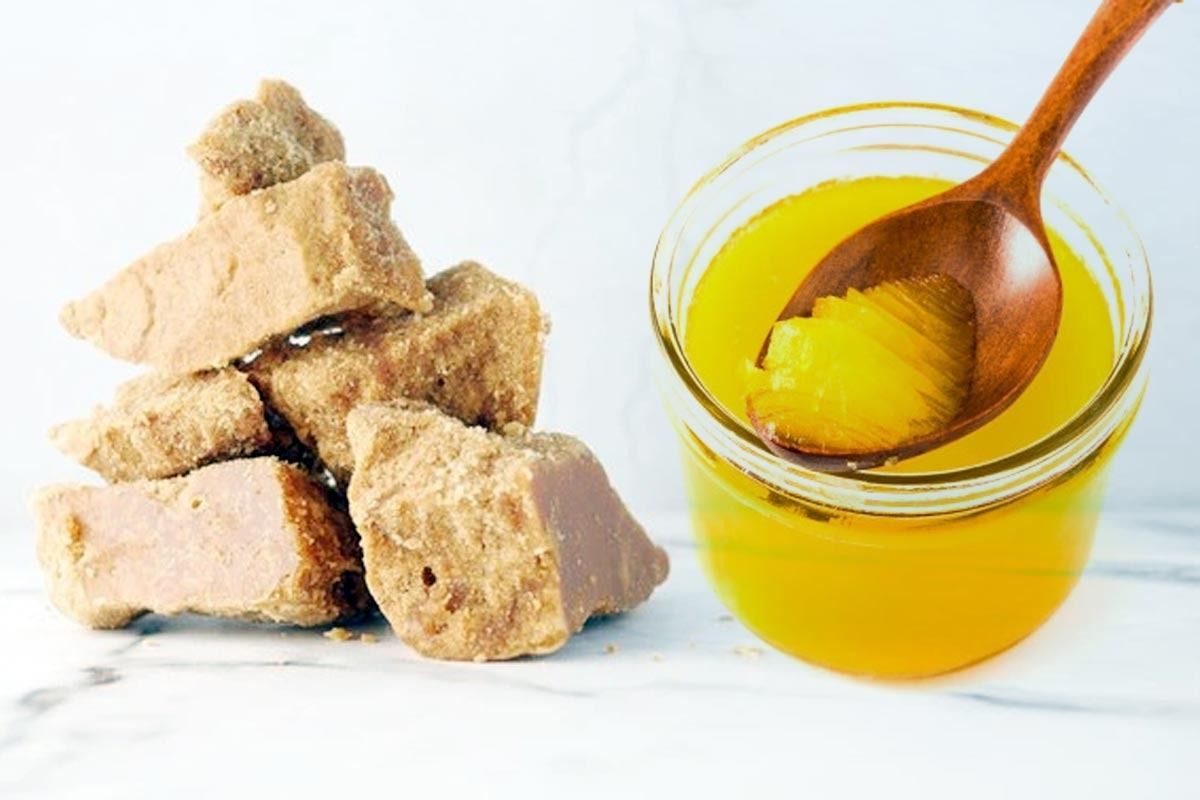
Beyond Dessert: Why Jaggery and Ghee After Meals Offer More Than Sweetness

Beyond Dessert: Why Jaggery and Ghee After Meals Offer More Than Sweetness
For centuries, a simple tradition has graced Indian kitchens: consuming a small ball of jaggery and ghee after meals. But is this practice just a sweet ending, or does it hold a hidden health-boosting secret? Turns out, there’s more to this duo than meets the eye.

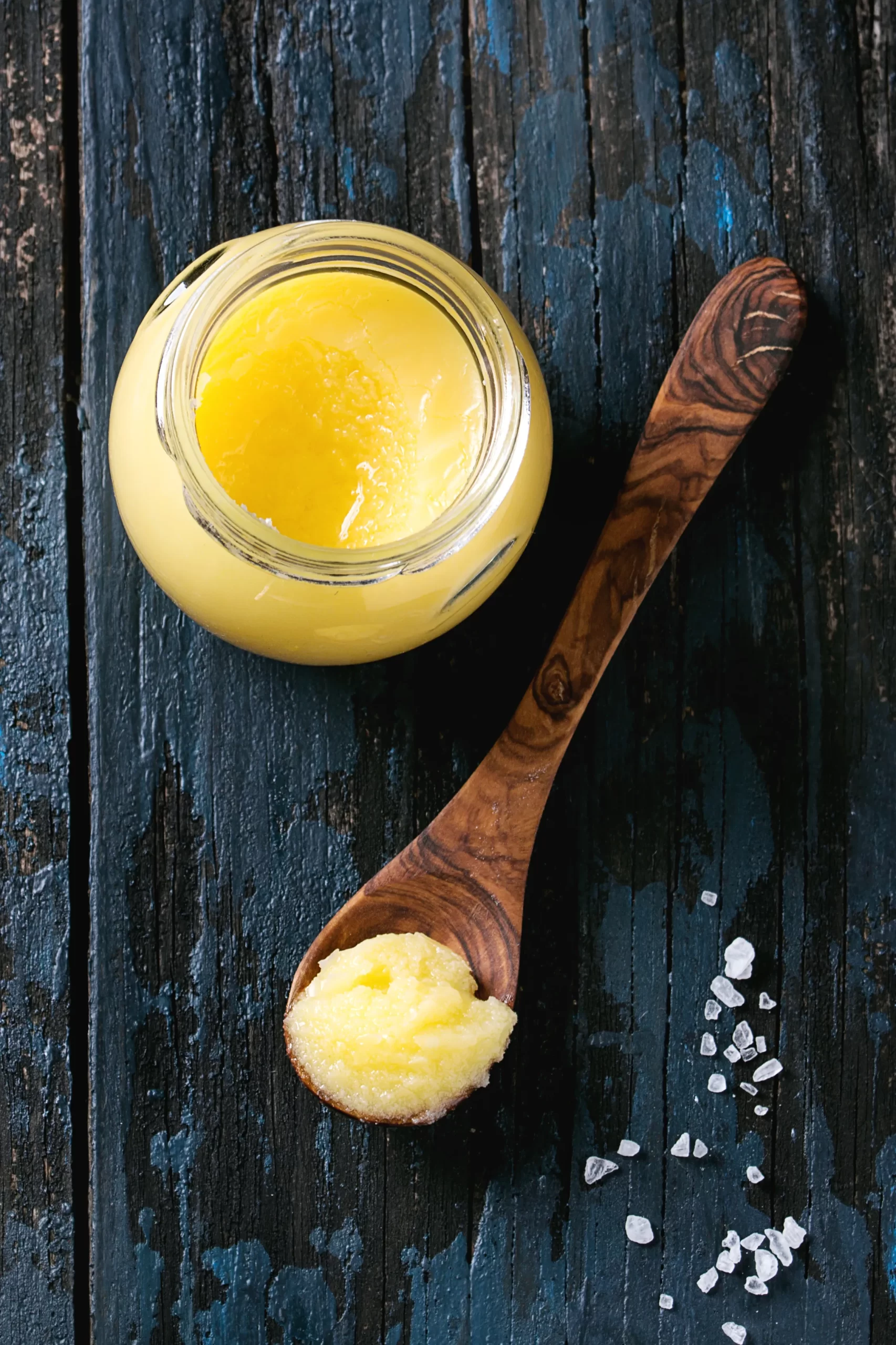
A Powerhouse of Nutrients: Both jaggery and ghee are packed with beneficial components. Jaggery, unrefined sugarcane juice, boasts natural sugars, minerals like iron and potassium, and even trace amounts of vitamins. Ghee, clarified butter, offers healthy fats, fat-soluble vitamins like A and K, and conjugated linoleic acid (CLA), known for its immune-boosting properties. Together, they create a nutrient-rich synergy.

Digestion Dynamo: Ghee has long been considered a digestive aid, lubricating the gut and easing the passage of food. Jaggery, with its fiber content, further assists digestion and helps maintain gut health. This combination can combat constipation, bloating, and discomfort, leaving you feeling lighter and healthier.

Metabolism Marvel: The slow-releasing sugars in jaggery, coupled with the healthy fats in ghee, stabilize blood sugar levels and prevent spikes. This helps regulate metabolism, preventing cravings and promoting efficient energy utilization. Regular consumption may even contribute to weight management.

Immunity Hero: The combined powers of CLA in ghee and minerals in jaggery act as a shield against infections. Ghee also possesses anti-inflammatory properties, further bolstering the immune system. This dynamic duo can help fight off seasonal illnesses and keep you feeling strong.

Sweeten the Deal: Jaggery’s natural sweetness satisfies cravings without refined sugar’s downsides. This makes it a healthy alternative for sugar-conscious individuals. Ghee adds a creamy richness, creating a satisfying post-meal treat that’s good for your body and mind.

Remember: Moderation is key. While beneficial, both jaggery and ghee are calorie-dense. Stick to small portions, around a teaspoon of each, to reap the rewards without the burden. Consult your doctor if you have any underlying health conditions before incorporating this practice into your diet.

So, the next time you finish your meal, consider swapping that cookie for a small jaggery-ghee ball. This ancient wisdom, backed by modern science, may just become your secret weapon for better digestion, stabilized energy, and a stronger immune system. Give it a try and discover the hidden benefits of this powerful post-meal ritual.

Tagged : / / /

Embrace the K-Wave: 6 Korean Habits for Sustainable Weight Loss

Embrace the K-Wave: 6 Korean Habits for Sustainable Weight Loss
South Korea has taken the world by storm with its vibrant pop culture and captivating dramas. But beyond the catchy tunes and dazzling visuals lies a treasure trove of wellness wisdom. When it comes to weight management, Koreans prioritize long-term health and sustainable habits over quick fixes. So, ditch the fad diets and restrictive regimes, and embrace these 6 Korean habits for a healthy and balanced approach to weight loss:

1. Vegetable Wonderland:
Forget counting calories – Koreans focus on filling their plates with fresh, colorful vegetables. Kimchi, a fermented staple, is just the tip of the iceberg. Every Korean meal features an array of side dishes brimming with vegetables like bean sprouts, spinach, cucumbers, and mushrooms. This fiber-rich bounty keeps you feeling full and satisfied, naturally reducing cravings for unhealthy options.

2. Seafood sensation
Koreans adore seafood, and for good reason! It’s a protein powerhouse that’s lower in saturated fat than red meat. Salmon, tuna, mackerel, and shellfish find their way into everything from soups and stews to grilled dishes and bibimbap. This protein-rich seafood helps build and maintain muscle mass, boosting metabolism and burning more calories throughout the day.

3. Fermented Frenzy
Koreans have mastered the art of fermentation, and their gut-friendly creations go beyond the iconic kimchi. Fermented soybean paste (doenjang), fermented tofu (cheonggukjang), and even fermented green tea (kombucha) are staples in Korean cuisine. These fermented foods are packed with probiotics, which aid digestion, improve nutrient absorption, and contribute to a healthy gut microbiome – all essential for weight management.

4. Mindful Munching
Koreans prioritize slow, mindful eating. Meals are often enjoyed communally, with shared dishes and plenty of conversation. This practice encourages savoring each bite, recognizing satiety cues, and preventing overeating. Ditch the distractions, set the table, and turn mealtimes into mindful moments of nourishment.

5. Move It Or Lose It
Koreans understand the importance of physical activity. From brisk walks in nature to group hikes and fitness classes, movement is woven into their daily lives. Choose activities you enjoy, be it dancing, swimming, or cycling, and aim for at least 30 minutes of moderate-intensity exercise most days of the week.

6. Home Cooked Goodness
Eating out frequently often means calorie overload and unhealthy choices. Koreans prioritize home-cooked meals, packed with fresh ingredients and prepared with traditional methods. This gives you control over portion sizes, ingredients, and cooking methods, allowing you to tailor your meals to your health goals.

Remember: Weight loss is a journey, not a destination. Embrace these Korean habits as a long-term lifestyle shift, not a quick fix. Focus on nourishing your body, moving your body, and enjoying the process. With dedication and these simple Korean secrets, you can shed pounds and build a healthier, happier you!

Bonus Tip: Sip on Korean green tea! Packed with antioxidants and metabolism-boosting properties, it’s the perfect accompaniment to your weight loss journey.

So, are you ready to ditch the fad diets and embrace the K-wave of weight loss? Start incorporating these Korean habits into your life, and you’ll be surprised at how your relationship with food and your overall well-being transform!

Tagged : / / / / /

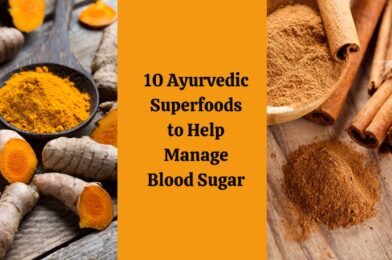
10 Ayurvedic Superfoods to Help Manage Blood Sugar

10 Ayurvedic Superfoods to Help Manage Blood Sugar
Blood sugar control is crucial for overall health and well-being. Ayurveda, the ancient Indian science of healing, offers a wealth of natural remedies to manage blood sugar levels and prevent diabetes. Here are 10 powerful Ayurvedic foods that can be your allies in this journey:

1. Bitter Gourd (Bitter Melon): This unappetizing veggie might surprise you with its blood-sugar-lowering properties. Momordica charantia, as it’s called scientifically, contains compounds that mimic insulin and regulate glucose metabolism. Enjoy it in juices, stir-fries, or even pickles.

2. Fenugreek Seeds: These tiny seeds pack a big punch when it comes to blood sugar control. Fenugreek’s fiber content slows down sugar absorption, while its trigonelline compound mimics insulin’s action. Soak or sprout them before consuming for better digestion.

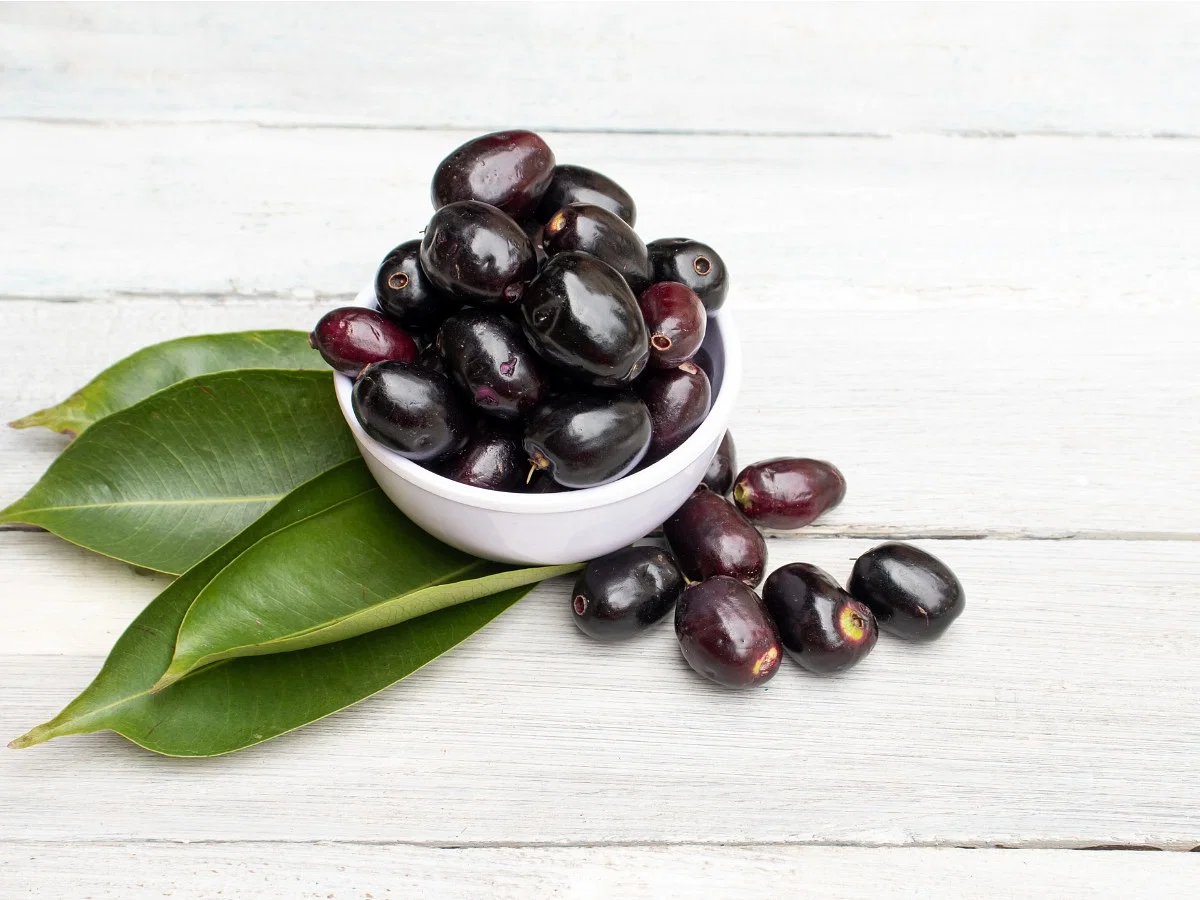
3. Jamun (Black Plum): This delicious fruit is a treasure trove of antioxidants and jambosine, a compound that aids in pancreatic beta-cell function, crucial for insulin production. Enjoy it fresh, dried, or as juice.

4. Giloy (Guduchi): This herb is revered in Ayurveda for its immune-boosting and blood sugar-lowering properties. Giloy helps regulate glucose metabolism and pancreatic function. Consume it in juice form or as a decoction.

5. Neem Leaves: Don’t let the bitter taste fool you! Neem leaves are packed with anti-diabetic properties. They help improve insulin sensitivity and pancreatic beta-cell function. Consume them in juice form or add them to curries.

6. Turmeric: This golden spice is a well-known anti-inflammatory wonder. Curcumin in turmeric helps regulate blood sugar levels and protects against diabetic complications. Add it to your daily meals or consume it in milk with honey.

7. Cinnamon: This fragrant spice not only adds flavor but also helps manage blood sugar. Cinnamon improves insulin sensitivity and slows down glucose absorption. Sprinkle it on your oatmeal, yogurt, or even coffee.

8. Flaxseeds: These tiny seeds are rich in fiber and omega-3 fatty acids, both of which contribute to blood sugar control. Grind them into flour or enjoy them soaked in water or yogurt.

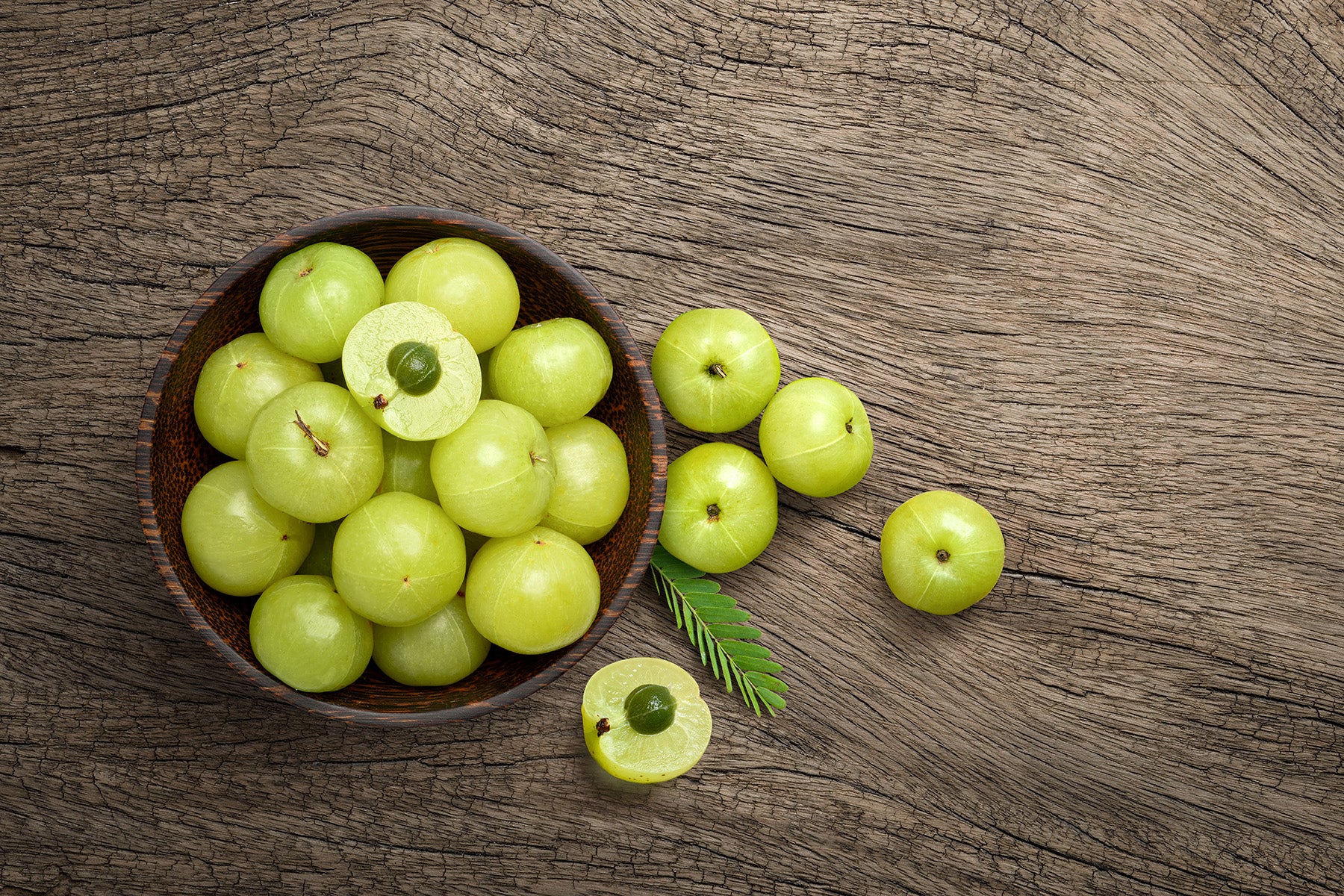
9. Amla (Indian Gooseberry): This vitamin C powerhouse boosts immunity and aids in blood sugar regulation. Amla’s chromium content enhances insulin sensitivity, making it a diabetic-friendly fruit. Enjoy it fresh, juiced, or in chutneys.

10. Aloe Vera: This gel-like wonder isn’t just for soothing sunburns! Aloe vera gel helps regulate blood sugar levels and protects against oxidative stress. Consume it fresh, in juice form, or add it to smoothies.

Remember, these foods are best incorporated into a healthy lifestyle that includes regular exercise and stress management. Consult your doctor before making any drastic dietary changes, especially if you have pre-existing medical conditions.
By incorporating these Ayurvedic superfoods into your diet, you can take a proactive approach to managing your blood sugar levels and live a healthier, happier life.

Tagged : / / / / /

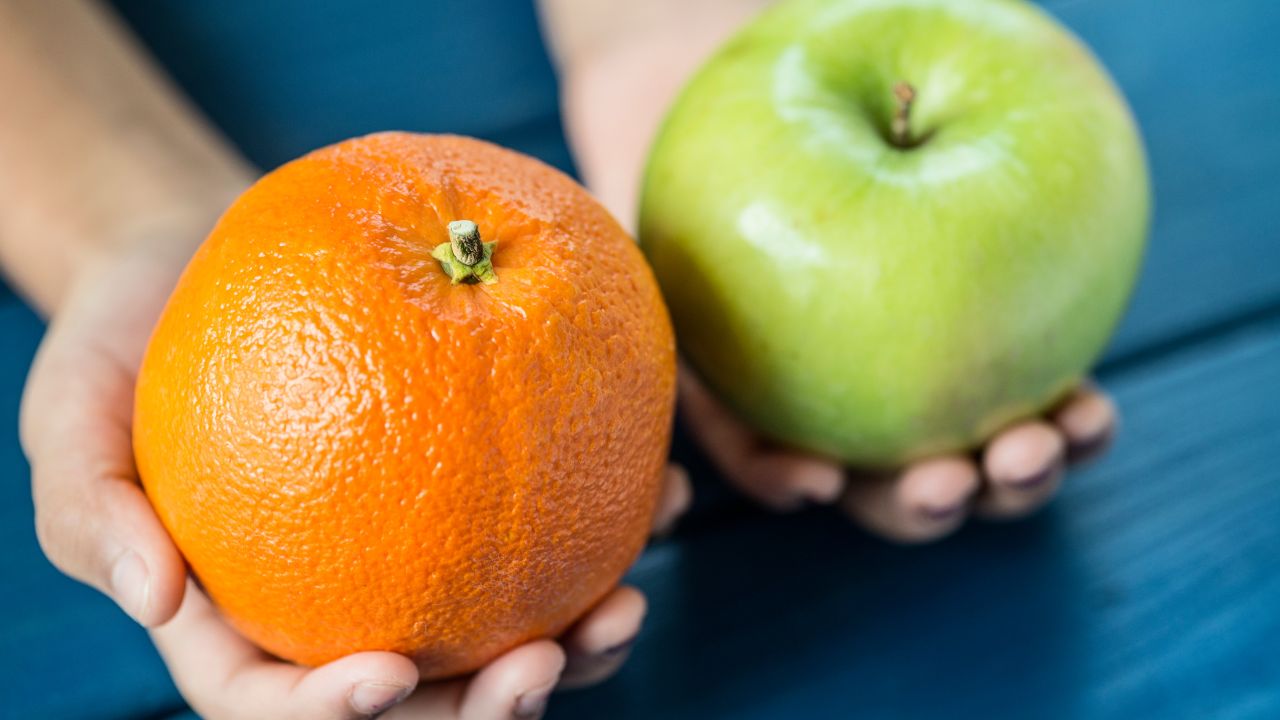
Apple vs. Orange: Who Wins The Blood Sugar Battle Royale?

Apple vs. Orange: Who Wins The Blood Sugar Battle Royale?
When it comes to keeping your blood sugar in check, both apples and oranges are superstar contenders. But choosing the champion can feel like navigating a fruit-filled maze. Fear not, sugar warriors! This blog will crack the code, revealing the hidden powers of each fruit and crowning the ultimate blood sugar hero.

Round 1: Fiber Frenzy

Fiber, the mighty moderator, slows down sugar absorption, preventing blood sugar spikes. Apples pack a powerful punch with 4.4 grams per medium fruit, while oranges offer a respectable 3.1 grams. Apple takes the first round!

Round 2: Glycemic Index Showdown

The Glycemic Index (GI) measures how quickly a food raises blood sugar, with lower numbers being better. Apples boast a GI of 36, while oranges come in slightly higher at 43. Apple maintains its lead!

Round 3: Vitamin Bonanza

Vitamin C is another champion for blood sugar control. Both fruits are bursting with this antioxidant powerhouse, with oranges slightly ahead with 70mg per fruit compared to an apple’s 8.4mg. Orange scores a point!

Round 4: Sugar Showdown

Naturally occurring sugars, like fructose, can impact blood sugar. Oranges have a slightly higher sugar content, with 9 grams per fruit versus an apple’s 5.3 grams. Apple regains control!

The Final Tally:

After a fierce battle, the apple emerges victorious, thanks to its superior fiber content, lower GI, and lower sugar content. However, oranges shouldn’t be banished from your blood sugar-balancing arsenal. Their vitamin C richness and deliciousness offer valuable contributions to a healthy diet.

Remember:

  • Portion control is key! Stick to one medium apple or orange per serving.
  • Variety is vital! Enjoy both fruits as part of a balanced diet rich in fruits, vegetables, and whole grains.
  • Consult your doctor for personalized advice on managing your blood sugar.
    So, ditch the fruit-picking panic and embrace both apples and oranges. With mindful consumption and a balanced diet, you can keep your blood sugar happy and your taste buds singing!

Bonus Round:

Feeling adventurous? Combine the powers of both fruits in a delicious and nutritious salad or smoothie! Mix sliced apple with segmented orange, leafy greens, and a sprinkle of nuts for a blood sugar-balancing powerhouse.

Now go forth, fruit-fueled warriors, and conquer your blood sugar with the wisdom of both the apple and the orange!

Tagged : / / / / /

Beyond the Blue Hue: 5 Reasons to Embrace the Amazing Blue Corn

Beyond the Blue Hue: 5 Reasons to Embrace the Amazing Blue Corn
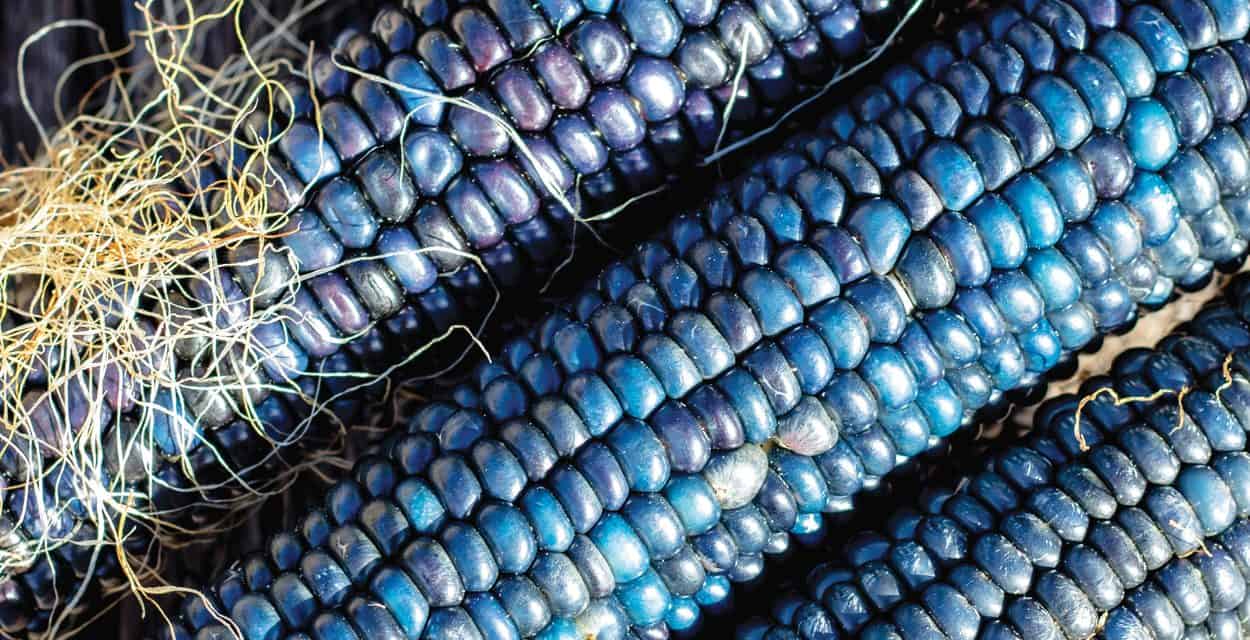
Move over, yellow corn! There’s a new sheriff in town, and it’s dressed in dazzling cerulean. Blue corn, once relegated to niche markets and souvenirs, is emerging as a nutritional powerhouse with a range of benefits that go far beyond its vibrant color. Whether you’re a health enthusiast, a culinary adventurer, or simply curious about trying something new, here are 5 reasons why blue corn should be on your radar:

1. Antioxidant Fiesta: Forget berries and acai bowls; blue corn is the hidden king of antioxidants. The vibrant pigment responsible for its color – anthocyanin – possesses potent antioxidant properties that fight free radicals, reduce inflammation, and potentially shield against chronic diseases like heart disease and diabetes.

2. Gut-Friendly Goodness: Unlike regular corn, which can be tough on digestion, blue corn boasts a lower starch content and higher fiber count. This translates to easier digestion, improved gut health, and a feeling of satiety that keeps you fuller for longer.

3. Protein Powerhouse: Compared to its yellow counterpart, blue corn packs a surprising punch of protein, clocking in at about 20% more. This makes it a valuable addition to vegetarian and vegan diets, contributing to muscle repair, tissue regeneration, and overall energy levels.

4. Gluten-Free Goodness: For those with gluten sensitivities or celiac disease, blue corn offers a ray of hope. Naturally gluten-free, it provides a delicious and nutritious alternative to wheat and other gluten-containing grains, allowing everyone to enjoy its benefits without dietary restrictions.

5. Culinary Chameleon: Don’t be fooled by its unusual color – blue corn is a culinary chameleon that readily adapts to your creativity. From vibrant tortillas and pasta to colorful pancakes and polenta, its earthy flavor adds a unique depth to familiar dishes. Plus, its natural dye lends itself to playful desserts and eye-catching cocktails.

So, ditch the ordinary and embrace the extraordinary! With its stunning looks and hidden treasure chest of health benefits, blue corn is more than just a pretty face. It’s a versatile ingredient waiting to be explored, promising deliciousness, nutrition, and a touch of magic to your meals. So, go ahead, embrace the blue and unlock the potential of this ancient grain for a healthier, tastier, and more colorful you!

Tagged : / / / /

Peanut vs. Almond: Which One Wins The Nutrition Battle?

Peanut vs. Almond: Which One Wins The Nutrition Battle?
Peanuts and almonds, two titans of the nut world, often clash in the battle for snack supremacy. But what about their nutritional punch? Are they heavyweight champions, or do they leave us wanting more?

1. Protein Power: Peanuts pack a mightier protein punch, with 25 grams per 100g compared to almonds’ 21 grams. This makes them a valuable addition for vegetarians and vegans seeking plant-based protein sources.

2. Vitamin E Extravaganza: Almonds reign supreme in the vitamin E arena, boasting a whopping 45% of your daily needs in just one ounce. This antioxidant powerhouse protects cells from damage and promotes heart health.

3. B-Vitamin Bonanza: Peanuts score big in the B-vitamin department, especially folate and niacin. These vitamins are crucial for energy production, cell health, and brain function.

4. Mineral Mania: Both nuts offer a plethora of minerals, but almonds hold a slight edge in magnesium and calcium, important for bone health and muscle function.

5. Dietary Differences: Remember, peanuts are legumes, technically, while almonds are true nuts. This means they may affect some people differently in terms of digestion and allergies.

The Winner?: A Tie!

Declaring a definitive champion is near impossible! Both peanuts and almonds offer unique nutritional benefits, making them valuable additions to a balanced diet. Choose peanuts for a protein and B-vitamin boost, and opt for almonds for their vitamin E and mineral prowess. Remember, variety is key!

So, ditch the boxing gloves and embrace the bounty! Whether you crave crunchy peanuts or creamy almonds, enjoy them guilt-free as delicious sources of health and nutrition.

Bonus Tip: Mix and match! Combining these nuts creates a nutritional powerhouse snack rich in protein, vitamins, and minerals.

Tagged : / / / / /

7 Amazing Foods That Help Prevent Gallstones

7 Amazing Foods That Help Prevent Gallstones
Gallstones are hardened deposits of bile that form in your gallbladder, a small sac located beneath your liver. They can cause pain, nausea, and vomiting, and in some cases, even require surgery. While genetics and certain medical conditions can play a role, diet is also a significant factor in gallstone formation.

Eating a healthy diet rich in fiber, low in saturated fat, and cholesterol can help prevent gallstones. Here are seven amazing foods that you can include in your diet to keep your gallbladder happy and healthy:

1. High-fiber fruits and vegetables: Fiber helps to bind cholesterol and bile acids in the intestines, preventing them from forming into gallstones. Aim for at least 25 grams of fiber per day. Some good choices include fruits like berries, apples, pears, and vegetables like broccoli, Brussels sprouts, and leafy greens.

2. Whole grains: Whole grains are another good source of fiber. They also contain other nutrients, such as magnesium and vitamin B6, which may help to protect against gallstones. Choose whole-wheat bread, brown rice, quinoa, and oats over refined grains. 

3. Olive oil: Olive oil is a healthy monounsaturated fat that can help to reduce cholesterol levels and improve bile flow. Use olive oil for cooking, dressing salads, and drizzling over vegetables.

4. Nuts and seeds: Nuts and seeds are a good source of plant-based protein, fiber, and healthy fats. They also contain magnesium, which may help to prevent gallstones. Choose almonds, walnuts, chia seeds, and flaxseeds.

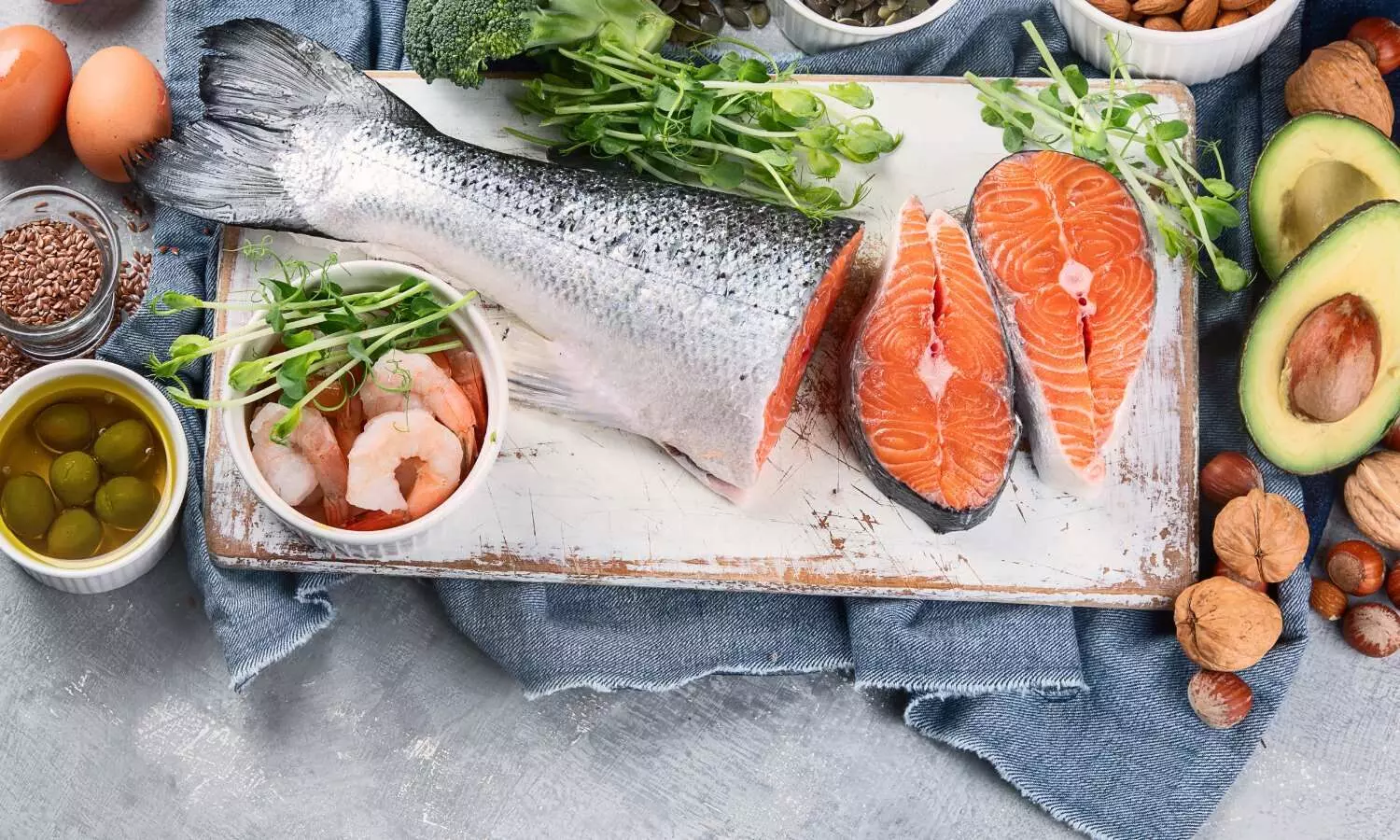
5. Fatty fish: Fatty fish, such as salmon, tuna, and mackerel, are rich in omega-3 fatty acids, which have anti-inflammatory properties. Omega-3s may help to reduce the risk of gallstones. Aim to eat two servings of fatty fish per week.

6. Legumes: Legumes, such as beans, lentils, and chickpeas, are a good source of plant-based protein, fiber, and folate. They may also help to lower cholesterol levels. Aim to include legumes in your diet at least a few times per week.

7. Water: Drinking plenty of water is essential for overall health and can also help to prevent gallstones. Aim to drink eight glasses of water per day.

In addition to eating these foods, it’s also important to limit your intake of saturated fat, cholesterol, and refined sugar. These can all contribute to gallstone formation.

If you are concerned about your risk of gallstones, talk to your doctor. They can help you create a personalized diet plan to reduce your risk.

Remember, these are just general guidelines. It’s always best to talk to your doctor about the best diet for you.

Tagged : / / / /

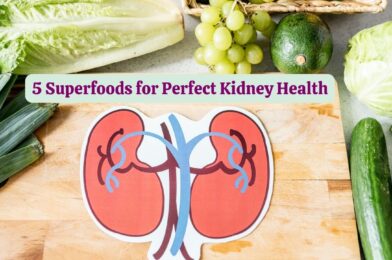
5 Superfoods for Kidney Health to Include in Your Daily Diet

5 Superfoods for Kidney Health to Include in Your Daily Diet
Our kidneys are silent powerhouses, working tirelessly to filter waste products from our blood and maintain electrolyte balance. Keeping them healthy is crucial for overall well-being, and incorporating certain superfoods into your daily diet can play a significant role. Here are 5 kidney-friendly superstars you should consider adding to your plate:

1. Berries: These antioxidant powerhouses are packed with vitamins, minerals, and fiber, all of which contribute to kidney health. Blueberries, strawberries, and cranberries are particularly beneficial, thanks to their anti-inflammatory properties and ability to help prevent urinary tract infections.

2. Cruciferous Vegetables: Broccoli, kale, and cabbage are loaded with sulforaphane, a compound that helps detoxify the body and protect the kidneys from damage. They’re also rich in vitamin C and potassium, further supporting kidney function.

3. Fatty Fish: Salmon, tuna, and mackerel are excellent sources of omega-3 fatty acids, which have anti-inflammatory effects and can help reduce protein in the urine, a marker of kidney damage. Aim for two servings per week of these oily fish.

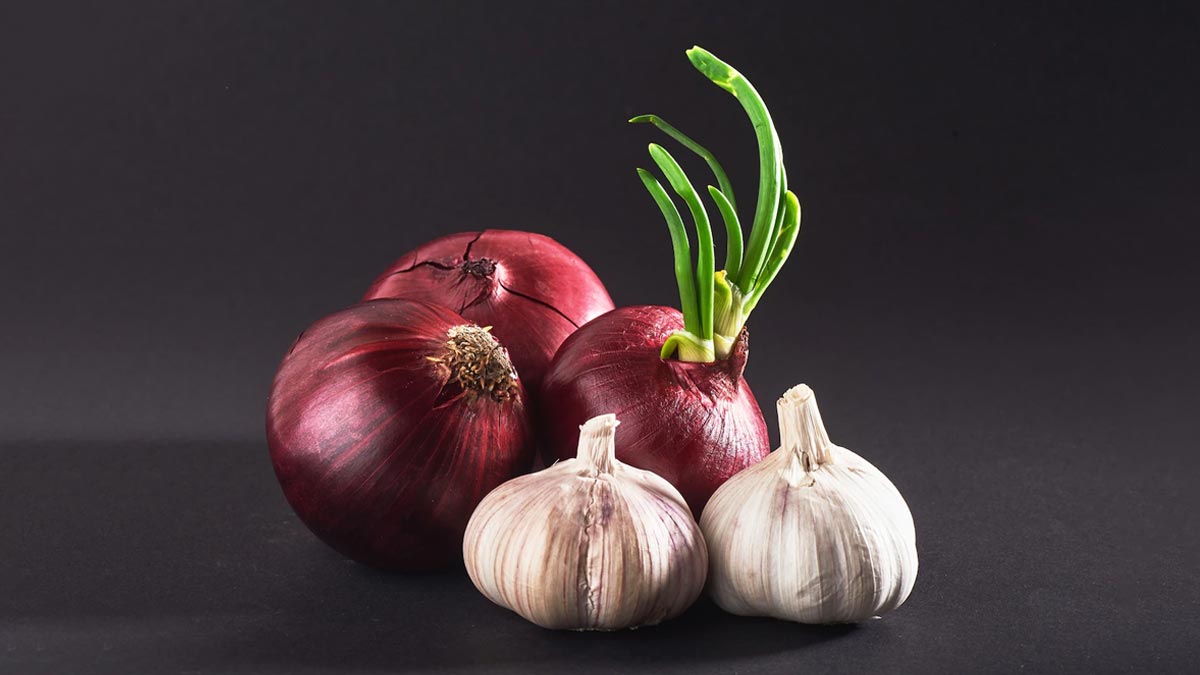
4. Garlic and Onions: These flavorful allies contain allicin, a compound with antioxidant and anti-inflammatory properties. Studies suggest that regular consumption of garlic and onions may help protect against kidney disease.

5. Bell Peppers: These vibrant vegetables are low in potassium and phosphorus, making them ideal for kidney-conscious individuals. They’re also packed with vitamin C and antioxidants, further supporting kidney health.

Remember, while these superfoods are excellent for kidney health, moderation is key. It’s important to consult a healthcare professional for personalized dietary advice, especially if you have any existing kidney concerns.

Bonus Tip: Hydration is essential for kidney function! Aim for eight glasses of water per day, and adjust based on your activity level and climate.

By incorporating these kidney-friendly superfoods into your daily diet and staying hydrated, you can give your silent heroes the support they deserve and contribute to a long and healthy life.

Tagged : / / / /

5 Indian Foods That Are Surprisingly Banned in Other Countries

5 Indian Foods That Are Surprisingly Banned in Other Countries
India’s culinary scene is a vibrant tapestry of flavors, spices, and traditions. But did you know that some of our beloved dishes are actually banned in other countries? It’s true! From the humble samosa to the exotic chyawanprash, here are five Indian foods that have faced the banhammer abroad:

1. Samosas: These crispy, golden triangles filled with spiced potatoes are a ubiquitous street food in India. But in Somalia, samosas are considered a symbol of Western cultural influence and are therefore prohibited.

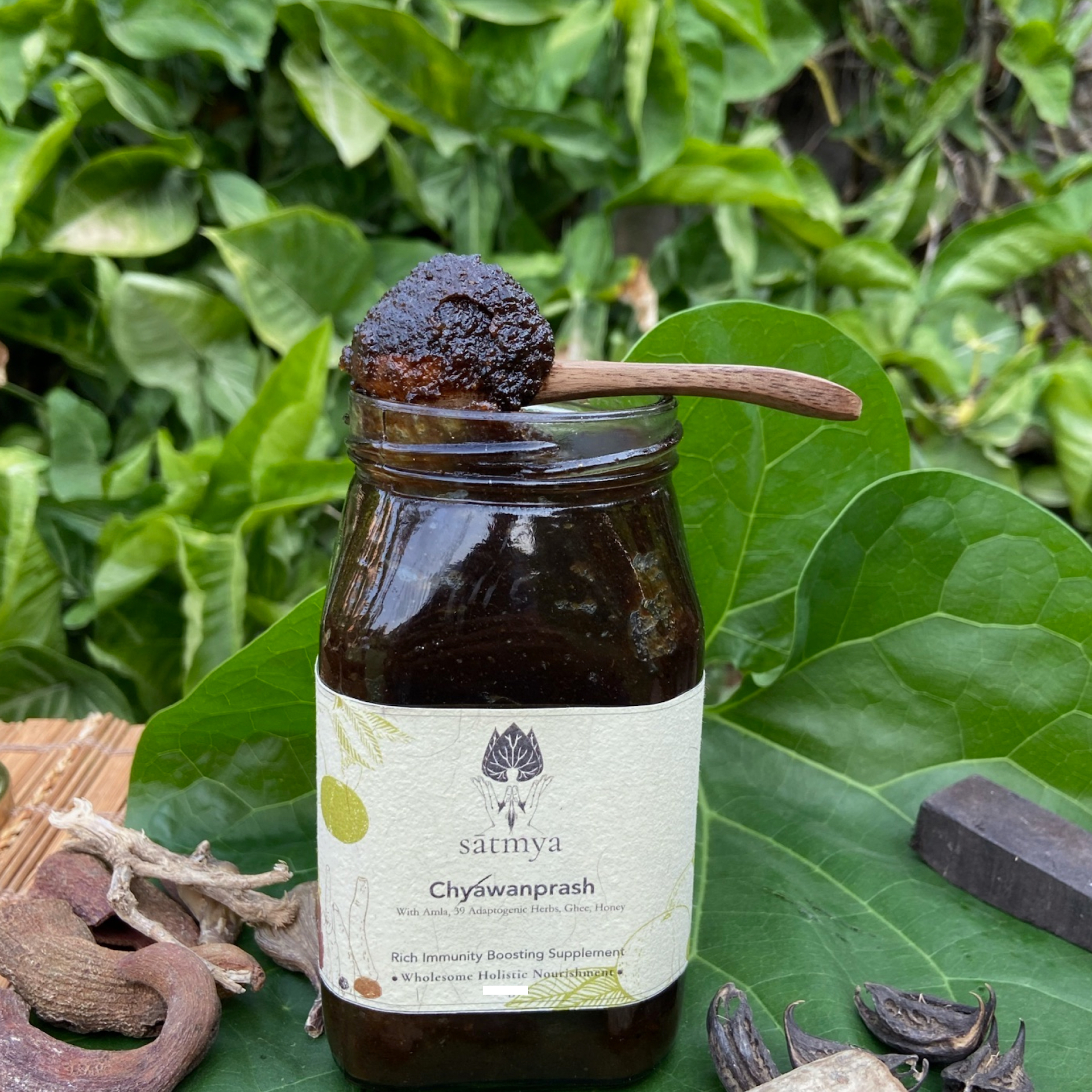
2. Chyawanprash: This ancient Ayurvedic jam made with a blend of herbs and fruits is revered for its health benefits in India. However, in Canada, chyawanprash was banned for containing high levels of lead and mercury.

3. Ghee: Clarified butter, or ghee, is a staple in Indian kitchens, adding richness and flavor to countless dishes. However, the European Union has banned ghee because it exceeds the permitted levels of saturated fat.

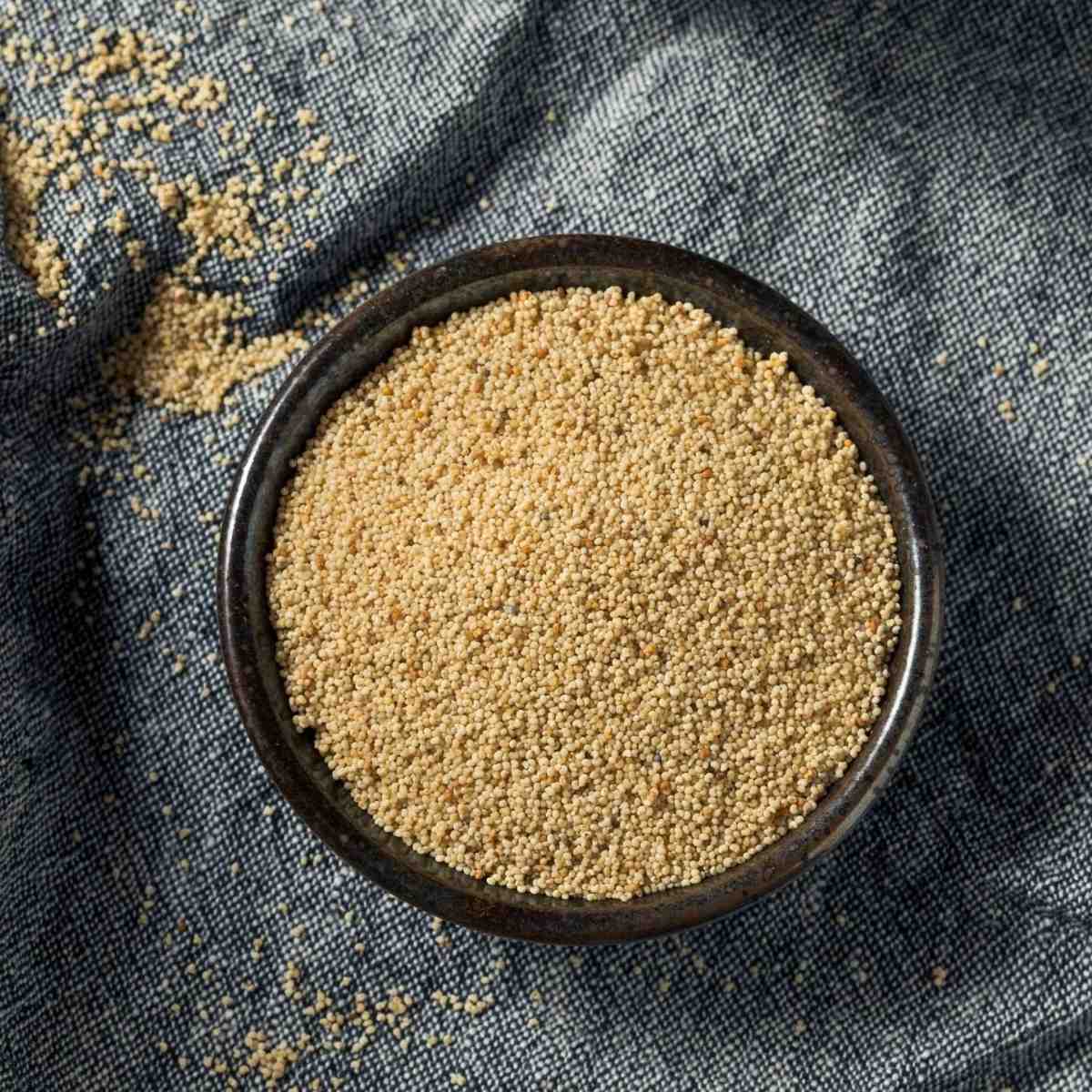
4. Poppy Seeds: These tiny black seeds are used in various Indian sweets and breads. But in some countries, like Australia and Singapore, poppy seeds are banned due to their potential to contain trace amounts of opiates.

5. Jelly Cups: These wobbly treats, beloved by children across India, have been banned in the United States due to concerns about choking hazards posed by the gelatin sheets used to seal them.

These are just a few examples of how cultural and regulatory differences can lead to unexpected bans on certain foods. So, the next time you enjoy a plate of samosas or a spoonful of chyawanprash, remember that these culinary delights are not universally embraced!

Beyond the Bans: A Celebration of Indian Food

While these bans may seem strange or even unfair, they highlight the fascinating diversity of food cultures around the world. They also serve as a reminder of the importance of appreciating and respecting our own culinary heritage.

So, let us continue to celebrate the unique flavors and traditions of Indian food, both at home and abroad. And who knows, maybe someday these banned foods will find their way back onto menus around the world, bringing a taste of India to new and unexpected corners of the globe.

Tagged : / / / / /

Pink Guava: Beyond the Blush – A Diabetic’s Superfruit Secret

Pink Guava: Beyond the Blush – A Diabetic’s Superfruit Secret
There’s a reason why the blushing, tropical beauty known as the pink guava is rising in popularity, and it’s not just the Instagram-worthy hue. Beyond its irresistible sweetness and refreshing tang, this little fruit packs a secret arsenal of health benefits, particularly for those keeping sugar in check.

So, if you’re managing diabetes or simply looking for a delightful and diabetes-friendly way to boost your well-being, step aside bananas and hello pink guavas! Here’s why:

1. Low Glycemic King: Unlike many fruits that send blood sugar on a rollercoaster ride, pink guava boasts a surprisingly low glycemic index (GI) of around 24. This means it digests slowly, releasing sugar gradually and preventing spikes in blood sugar levels.

2. Fiber Fortress: Guavas are fiber champions, with one serving offering nearly 9 grams of this gut-friendly goodness. Fiber not only slows down sugar absorption but also helps manage weight and keeps you feeling full for longer. This is a win-win for anyone watching their diet and managing blood sugar.

3. Vitamin Wonderland: Don’t be fooled by its tiny size; the pink guava is a powerhouse of vitamins. Vitamin C reigns supreme, offering a whopping 126% of your daily needs in a single serving, boosting your immune system and fighting inflammation. It’s also rich in vitamin A, good for eyes and skin, and B vitamins, essential for energy metabolism.

4. Antioxidant Arsenal: These vibrant fruits are loaded with antioxidants like carotenoids and flavonoids, which combat free radicals and protect your cells from damage. This, in turn, reduces the risk of chronic diseases like diabetes and heart disease.

5. Blood Sugar Balancing Act: Guava not only excels in prevention but also actively aids in blood sugar control. Studies suggest that guava leaf extract can improve insulin sensitivity and help regulate blood sugar levels.

6. Beyond the Bowl: Don’t limit yourself to just devouring slices of this delectable fruit. Get creative! Blend it into smoothies for a tropical twist, incorporate it into salsas for a sweet and spicy kick, or whip up some guava jam for a guilt-free spread.

Beyond the pink flesh, the humble guava reveals a treasure trove of benefits, particularly for those managing diabetes. Its low GI, high fiber content, and vitamin wonderland make it a delicious and powerful ally in a healthy lifestyle. So, embrace the blush of the pink guava and unlock its secret weapons for a sweeter, healthier future.

Tagged : / / / / /

Clogged Arteries? Consume these 7 Foods in your Daily Diet

Clogged Arteries? Consume these 7 Foods in your Daily Diet
Clogged arteries are a major health concern, and they can lead to serious problems like heart disease, stroke, and peripheral artery disease. But what you eat can make a big difference in your risk of developing clogged arteries.

In this blog post, we will discuss seven foods that you should include in your daily diet to help keep your arteries clear and healthy.

1. Fatty Fish

Fatty fish, such as salmon, sardines, and mackerel, are a great source of omega-3 fatty acids. Omega-3s have been shown to reduce inflammation, lower blood pressure, and improve blood flow. Aim to eat fatty fish at least twice a week.

2. Avocados

Avocados are a good source of monounsaturated fats, which can help to lower LDL (bad) cholesterol and raise HDL (good) cholesterol. They are also a good source of fiber, which can help to keep your blood sugar levels under control.

3. Nuts and Seeds

Nuts and seeds are a good source of healthy fats, fiber, and protein. They also contain antioxidants, which can help to protect your arteries from damage. Aim to eat a handful of nuts or seeds each day.

4. Olive Oil

Olive oil is a good source of monounsaturated fats and antioxidants. It can help to lower LDL cholesterol and raise HDL cholesterol. Use olive oil for cooking, salad dressings, and dips.

5. Fruits and Vegetables

Fruits and vegetables are low in calories and fat and high in fiber, vitamins, and minerals. They can help to lower blood pressure, improve blood flow, and reduce inflammation. Aim to eat five servings of fruits and vegetables each day.

6. Whole Grains

Whole grains are a good source of fiber, which can help to lower LDL cholesterol and improve blood sugar control. Choose whole-wheat bread, brown rice, and quinoa over refined grains.

7. Dark Chocolate

Dark chocolate is a good source of antioxidants, which can help to protect your arteries from damage. Choose dark chocolate with at least 70% cocoa solids.

In addition to eating these foods, there are other things you can do to reduce your risk of clogged arteries. These include quitting smoking, limiting your intake of alcohol, getting regular exercise, and managing stress.

If you are concerned about your risk of clogged arteries, talk to your doctor. They can help you create a plan to reduce your risk.

Tagged : / / / /
Verified by ExactMetrics