5 Best Foods for Breastfeeding Mothers

5 Best Foods for Breastfeeding Mothers
Breastfeeding is a great way to nourish your baby and bond with them. But it can also be demanding on your body. That’s why it’s important to eat a healthy diet to support your milk production and overall health.

Here are 5 of the best foods for breastfeeding mothers:
1. Oatmeal: Oatmeal is a good source of fiber, iron, and magnesium, all of which are important for breastfeeding mothers. It is also a good source of complex carbohydrates, which will give you sustained energy throughout the day.

2. Salmon: Salmon is a good source of omega-3 fatty acids, which are important for brain development in babies. It is also a good source of protein, which is essential for milk production.

3. Dark leafy greens: Dark leafy greens are a good source of vitamins A, C, and K, all of which are important for breastfeeding mothers. They are also a good source of fiber, which can help to prevent constipation.

4. Yogurt: Yogurt is a good source of protein and calcium, both of which are important for milk production. It is also a good source of probiotics, which are beneficial for gut health.

5. Water: Water is essential for good health, and it is especially important for breastfeeding mothers. Staying hydrated will help to prevent dehydration, which can lead to low milk supply.

In addition to these foods, it is also important to eat a variety of other healthy foods, such as fruits, vegetables, whole grains, and lean protein. You should also avoid sugary drinks and processed foods, which can contribute to weight gain and other health problems.

If you are concerned about your diet, talk to your doctor or a registered dietitian. They can help you create a plan that meets your individual needs.

Here are some additional tips for breastfeeding mothers:

  • Eat small, frequent meals throughout the day.
  • Drink plenty of fluids, especially water.
  • Get enough rest.
  • Manage stress.
  • Talk to your doctor if you have any concerns about your diet or milk supply

Breastfeeding is a wonderful way to nourish your baby and bond with them. By eating a healthy diet and taking care of yourself, you can make sure that you have the energy and nutrients you need to breastfeed successfully.

Tagged : / / / /

Why Is Collagen Important For Aging And What Are Its Vegetarian Sources?

Why Is Collagen Important For Aging And What Are Its Vegetarian Sources?
Collagen is the most abundant protein in the human body, making up about 30% of all proteins. It is found in the bones, skin, muscles, tendons, and ligaments. Collagen is responsible for providing structure and strength to these tissues. It also helps to keep the skin looking young and healthy.

As we age, our body’s production of collagen decreases. This can lead to wrinkles, sagging skin, and joint pain. There are a number of ways to boost collagen production, including eating a diet rich in collagen-rich foods, taking collagen supplements, and getting regular exercise.

Here are 8 vegetarian food sources of collagen:

1. Avocado: Avocados are a good source of healthy fats, which are essential for collagen production. They also contain vitamins C and E, which are antioxidants that can help to protect the skin from damage.

2. Papaya: Papaya contains papain, an enzyme that helps to break down collagen. This can be helpful for people who are trying to reduce wrinkles or improve the appearance of their skin.

3. Spinach: Spinach is a good source of vitamin C, which is essential for collagen production. It also contains beta-carotene, which is converted to vitamin A in the body. Vitamin A is important for collagen production.

4. Carrots: Carrots are a good source of beta-carotene, which is converted to vitamin A in the body. Vitamin A is important for collagen production.

5. Almonds: Almonds are a good source of vitamin E, which is an antioxidant that can help to protect collagen from damage. They are also a good source of magnesium, which is needed for collagen production.

6. Cucumber: Cucumber is a good source of silica, which is a mineral that is important for collagen production.

7. Mushrooms: Mushrooms are a good source of lentinan, a compound that has been shown to boost collagen production.

8. Cashews: Cashews are a good source of copper, which is a mineral that is essential for collagen production.

In addition to eating a diet rich in collagen-rich foods, there are a few other things you can do to boost collagen production:

Get enough sleep. Sleep is when the body repairs and rebuilds tissues, including collagen.
Get regular exercise. Exercise helps to stimulate collagen production.
Avoid smoking and excessive sun exposure. Smoking and excessive sun exposure can damage collagen.

Tagged : / / / / /

6 Lifestyle habits that can damage your eyes

6 Lifestyle habits that can damage your eyes
Our eyes are one of our most important senses, and we need to take care of them. However, there are many lifestyle habits that can damage our eyesight, even if we don’t realize it. In this blog post, we will discuss some of the most common eye damaging lifestyle habits and how to avoid them. We will also provide tips on how to protect your eye health and keep your vision healthy for many years to come.

Eye damaging habits:

1. Smoking
Smoking damages the blood vessels in the retina, which can lead to age-related macular degeneration (AMD), a leading cause of vision loss.

2. Too much screen time
Spending too much time looking at screens, such as computers, tablets, and smartphones, can cause eye strain and dry eyes and weaken them.

3. Not getting enough sleep
When we don’t get enough sleep, our eyes don’t have a chance to rest and repair themselves. This can lead to eye fatigue and blurred vision.

4. Not wearing sunglasses
Sunglasses are not just a fashion accessory. Wearing sunglasses protects our eyes from the sun’s harmful ultraviolet (UV) rays, which can cause cataracts and macular degeneration.

5. Lack of nutrients
Not getting enough of certain nutrients, such as vitamin C, vitamin E, and zinc, can increase the risk of developing eye problems, such as cataracts and macular degeneration.

6. Being overweight or obese
Being overweight or obese can increase the risk of developing glaucoma, a condition that damages the optic nerve. Obesity can also lead to diabetes which may lead to weakening of eyes in the long run, sometimes vision impairment too.

If you are concerned about your eye health, it is important to see an eye doctor for regular checkups. They can check for any eye problems and recommend ways to protect your vision.

In addition to avoiding the habits listed above, there are also some things you can do to protect your eye health, such as:

  • Eating a healthy diet that includes plenty of fruits, vegetables, and whole grains.
  • Getting regular exercise.
  • Quitting smoking.
  • Wearing sunglasses that block UV rays.
  • Taking breaks from screens every 20-30 minutes.
  • Blinking often to keep your eyes moist.By following these tips, you can help protect your eyes and keep your vision healthy for many years to come.
Tagged : / / / / /

6 Health Benefits of Eating Dragon Fruit

6 Health Benefits of Eating Dragon Fruit
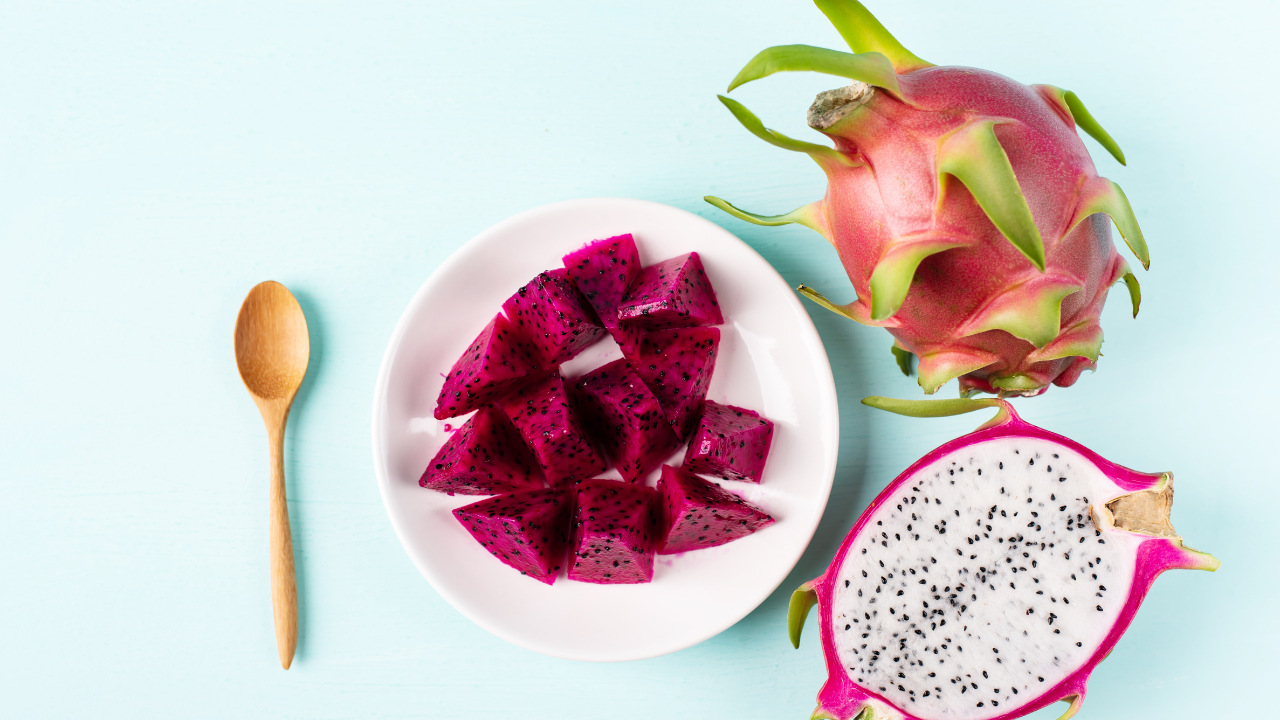
Dragon fruit is a tropical fruit that is native to Mexico and Central America. It is also known as pitaya, strawberry pear, and barbed pear. Dragon fruit is a good source of vitamins C, A, and fiber. It also contains antioxidants and other nutrients that can be beneficial for health.

Here are some of the health benefits of eating dragon fruit:

1. Boosts the immune system
Dragon fruit is a good source of vitamin C, which is an antioxidant that helps boost the immune system. Vitamin C helps protect the body from harmful bacteria and viruses.

2. Improves digestion
Dragon fruit is a good source of fiber, which is essential for digestive health. Fiber helps to keep the digestive system healthy by adding bulk to stool and helping it move through the intestines more easily.

3. Lowers blood sugar levels
Dragon fruit contains antioxidants that can help lower blood sugar levels. These antioxidants help to prevent the oxidation of LDL cholesterol, which is a type of cholesterol that can build up in the arteries and increase the risk of heart disease.

4. Protects against cancer
Dragon fruit contains antioxidants that can help protect against cancer. These antioxidants help to neutralize free radicals, which are unstable molecules that can damage cells and lead to cancer.

5. Promotes heart health
Dragon fruit contains antioxidants that can help promote heart health. These antioxidants help to protect the heart from damage caused by free radicals.

6. Improves skin health
Dragon fruit contains antioxidants that can help improve skin health. These antioxidants help to protect the skin from damage caused by the sun and pollution.

Dragon fruit is a delicious and nutritious fruit that can be enjoyed fresh, frozen, or canned. It can be added to smoothies, salads, or yogurt. Dragon fruit is also a good source of potassium, magnesium, and phosphorus.

If you are looking for a healthy and delicious fruit to add to your diet, dragon fruit is a great option.

Here are some additional tips for getting the most out of dragon fruit:

  • Choose dragon fruit that is firm and has bright, evenly colored skin.
  • Store dragon fruit in the refrigerator for up to 3 days.
  • To eat dragon fruit, simply cut it in half and scoop out the flesh with a spoon.
  • You can also blend dragon fruit with other fruits and vegetables to make a smoothie.

Dragon fruit is a versatile and delicious fruit that can be enjoyed in many different ways. So next time you are at the grocery store, be sure to pick up a few pieces of dragon fruit to try. Your taste buds and your health will thank you!

Tagged : / / /

4 Simple Yoga Poses to Relieve Constipation

4 Simple Yoga Poses to Relieve Constipation
Constipation is a common problem that affects people of all ages. It can be caused by a variety of factors, including dehydration, lack of fiber in the diet, and certain medications. Yoga can be a helpful way to relieve constipation by improving digestion and stimulating the bowels. Here are 4 Simple Asanas that you can do easily in order to relieve constipation:

1. Child’s Pose (Balasana)


This pose is a gentle way to stretch the lower back and abdomen. To do Child’s Pose, start on your hands and knees. Then, slowly lower your hips down to your heels and rest your forehead on the ground. You can keep your arms extended in front of you or rest them on the ground beside your body. Hold the pose for 5-10 breaths.

2. Supine Twist (Supta Matsyendrasana)


This pose is a gentle twist that can help to relieve gas and bloating. To do Supine Twist, lie on your back with your knees bent and your feet flat on the floor. Bring your right knee up towards your chest and cross it over your left leg. Place your right hand on the floor behind you for support. Gently twist your upper body to the left, bringing your left arm up towards the ceiling. Hold the pose for 5-10 breaths, then repeat on the other side.

3. Cobra Pose (Bhujangasana)


This pose is a backbend that can help to massage the abdominal organs. To do Cobra Pose, start on your hands and knees. Then, slowly arch your back and lift your chest off the ground. Keep your shoulders down and your neck long. Hold the pose for 5-10 breaths.

4. Bridge Pose (Setu Bandhasana)


This pose is a hip opener that can help to relieve pressure on the digestive system. To do Bridge Pose, lie on your back with your knees bent and your feet flat on the floor. Place your arms at your sides, palms down. Slowly lift your hips off the ground, keeping your knees bent. Hold the pose for 5-10 breaths.

These are just a few of the many yoga poses that can help relieve constipation. If you are struggling with constipation, it is important to talk to your doctor to rule out any underlying medical conditions. However, yoga can be a safe and effective way to relieve constipation and improve your overall digestive health.

Other tips for relieving constipation

In addition to yoga, there are other things you can do to relieve constipation, such as:

  • Drinking plenty of fluids, especially water
  • Eating a high-fiber diet
  • Getting regular exercise
  • Avoiding foods that are constipating, such as dairy products, processed foods, and sugary drinks
  • Taking over-the-counter laxatives, if necessary                                                               If you have tried these tips and you are still struggling with constipation, talk to your doctor. They may be able to recommend other treatments or help you identify an underlying medical condition that is causing your constipation.
Tagged : / / / /

5 Reasons Why Oats Are Wonder Food For Diabetics

5 Reasons Why Oats Are Wonder Food For Diabetics
Oats are a whole grain that is packed with nutrients and has been shown to have many health benefits, including for people with diabetes. Here are some of the reasons why oats are considered a wonder food for diabetics:

1. Oats are high in fiber
Fiber is an important nutrient for people with diabetes because it helps to slow down the absorption of glucose into the bloodstream. This can help to prevent blood sugar spikes after meals. Oats are a good source of both soluble and insoluble fiber. Soluble fiber forms a gel in the stomach that slows down digestion and absorption of glucose. Insoluble fiber helps to keep the digestive system healthy and regular.

2. Oats have a low glycemic index
The glycemic index (GI) is a measure of how quickly a food raises blood sugar levels. Foods with a low GI are digested and absorbed slowly, which helps to prevent blood sugar spikes. Oats have a GI of 55, which is considered to be low.

3. Oats are a good source of magnesium
Magnesium is a mineral that is important for blood sugar control. Studies have shown that people with low magnesium levels are more likely to have type 2 diabetes. Oats are a good source of magnesium, providing about 27% of the Daily Value (DV) in a 1/2 cup serving.

4. Oats may help to lower cholesterol
Oats contain soluble fiber, which has been shown to lower cholesterol levels. Studies have shown that eating oats can help to reduce LDL (bad) cholesterol and total cholesterol levels.

5. Oats may help to improve heart health
In addition to lowering cholesterol, oats may also help to improve heart health by reducing inflammation and blood pressure. Studies have shown that eating oats can help to reduce the risk of heart disease and stroke.

How to eat oats for diabetes?

Oats can be eaten in a variety of ways, and there are many healthy recipes that incorporate oats. Here are a few ideas:

Oatmeal for breakfast : Oatmeal is a classic breakfast food that is easy to make and customize. You can add your favorite toppings, such as fruit, nuts, seeds, or yogurt.

Overnight oats : Overnight oats are a convenient way to have a healthy breakfast on the go. Simply combine oats, milk, yogurt, and your favorite toppings in a jar and let it sit in the refrigerator overnight.

Oat bran muffins : Oat bran muffins are a good source of fiber and can help to keep you feeling full. You can find recipes for oat bran muffins that are specifically designed for people with diabetes.

Oat-based snacks : There are many healthy snacks that can be made with oats, such as oat bars, oat cookies, and oat balls. These snacks can help to keep you feeling full between meals and prevent blood sugar spikes.

No matter how you choose to eat them, oats are a healthy and nutritious food that can be enjoyed by people with diabetes. When choosing oats, it is important to select whole grain oats, as these are higher in fiber and nutrients than refined oats. It is also important to limit the amount of added sugar and fat in your oat dishes. By following these tips, you can enjoy the health benefits of oats without sabotaging your blood sugar control.

Tagged : / / / /

7 Diet Tips That Vegetarians Should Follow To Improve Their Protein Intake

7 Diet Tips That Vegetarians Should Follow To Improve Their Protein Intake
Protein is an essential nutrient that the body needs for many important functions, including building and repairing tissues, making enzymes and hormones, and transporting nutrients. Vegetarians can get plenty of protein from a variety of plant-based foods. However, it is important to be mindful of their protein intake in order to meet their daily requirements.

Here are 7 diet tips for vegetarians to improve their protein consumption:

1. Diversify your protein sources
Don’t rely on just one or two protein sources. Instead, include a variety of plant-based proteins in your diet, such as beans, lentils, tofu, tempeh, nuts, seeds, and whole grains.

2. Pair complementary proteins
Some plant-based proteins are incomplete proteins, meaning they do not contain all of the essential amino acids that the body needs. However, you can combine two or more incomplete proteins to create complete proteins. For example, you could pair beans with rice, or lentils with quinoa.

3. Include protein at every meal
Don’t just focus on protein at dinnertime. Include protein at every meal, even breakfast. This will help you spread your protein intake throughout the day and make it easier to meet your daily requirements.

4. Eat whole foods
Processed foods are often low in protein and high in unhealthy fats and calories. Instead, focus on eating whole foods, such as beans, lentils, tofu, tempeh, nuts, seeds, and whole grains.

5. Don’t be afraid to supplement
If you find it difficult to meet your protein needs through diet alone, you may want to consider taking a protein supplement. There are many different types of protein supplements available, so you can find one that fits your needs and preferences.

6. Consume a lot of dairy products
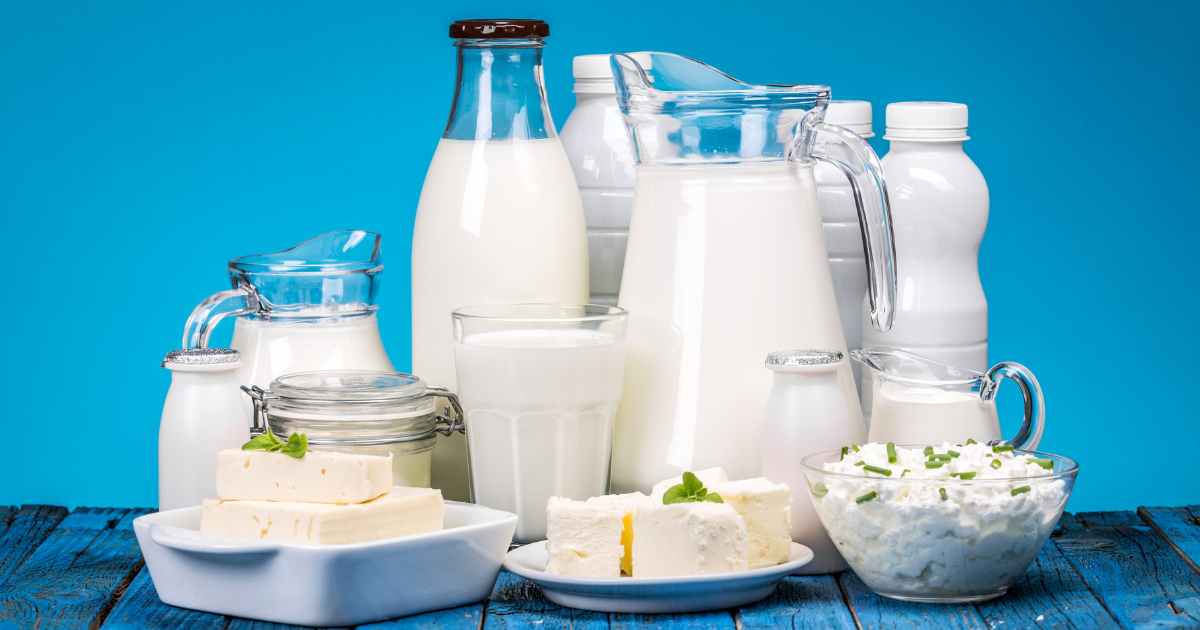
Dairy products, such as milk, yogurt, and cheese, are also a good source of protein for vegetarians. They are complete proteins, meaning they contain all of the essential amino acids that the body needs. These products do not involve killing animals and vegetarians can easily consume them .

7. Talk to your doctor or a registered dietitian
If you have any concerns about your protein intake, talk to your doctor or a registered dietitian. They can help you create a personalized plan to meet your needs.

Additional tips:

  • Cook with beans and lentils. Beans and lentils are a great way to add protein to soups, stews, chilis, and other dishes.
  • Make tofu or tempeh a regular part of your diet. Tofu and tempeh are made from soybeans and are a good source of protein and other nutrients.
  • Add nuts and seeds to your meals and snacks. Nuts and seeds are a portable and convenient way to get protein.
  • Drink soy milk or other plant-based milks. Soy milk is a good source of protein and calcium.
  • Enjoy a protein-rich breakfast. A protein-rich breakfast can help you stay full and satisfied throughout the day.Conclusion

By following these tips, vegetarians can easily improve their protein consumption and meet their daily requirements. By eating a variety of plant-based proteins, pairing complementary proteins, including protein at every meal, eating whole foods, and not being afraid to supplement, vegetarians can ensure that they are getting the protein they need to stay healthy and strong.

Tagged : / / / / /

10 Toxic Habits That Are Pushing You Towards Loneliness

10 Toxic Habits That Are Pushing You Towards Loneliness
Loneliness is a common experience that can have a negative impact on our physical and mental health. It can lead to depression, anxiety, and even physical health problems such as heart disease and stroke. While there are many factors that can contribute to loneliness, our habits can play a big role. Here are 10 habits that are pushing you towards loneliness:

1. Isolating yourself
If you withdraw from social activities and spend most of your time alone, you’re more likely to feel lonely. Make an effort to reach out to friends and family, or join a club or group that interests you.

2. Negative self-talk
If you constantly put yourself down or focus on your flaws, it’s hard to feel good about yourself and attract positive relationships. Be more mindful of your thoughts and challenge any negative ones.

3. Comparing yourself to others
It’s easy to get caught up in comparing yourself to others, especially on social media. Remember that everyone is on their own journey, and what you see online is often not the whole story. Focus on your own unique strengths and accomplishments.

4. Being afraid to take risks
If you’re afraid to put yourself out there, you’re less likely to meet new people and make connections. Take some risks, even if it’s just saying hello to someone new.

5. Neglecting your self-care
When you don’t take care of yourself physically and mentally, you’re more likely to feel down and isolated. Make sure you’re getting enough sleep, eating healthy foods, and exercising regularly.

6. Using social media excessively
Social media can be a great way to stay connected with friends and family, but it can also be a major source of comparison and anxiety. Limit your time on social media and focus on real-world interactions.

7. Watching too much TV
Watching too much TV can make you feel passive and isolated. Instead, try to get out and do things that involve other people, such as going for a walk, volunteering, or joining a club.

8. Overworking
If you’re always working and never taking time for yourself, you’re more likely to feel stressed and isolated. Make sure to schedule some time for relaxation and fun each week.

9. Dwelling on the past
Holding onto grudges and regrets can make it difficult to move on and build new relationships. Forgive yourself and others, and focus on the present moment.

10. Giving up
If you’re feeling lonely, it’s important to remember that you’re not alone. There are many people who feel the same way. Don’t give up on finding the relationships that you crave.

If you’re struggling with loneliness, there are things you can do to break these habits and build more fulfilling relationships. Talk to a therapist or counselor, join a support group, or find a hobby or activity that you enjoy and can do with other people. Remember, you’re not alone, and there is hope.

Here are some additional tips for overcoming loneliness:

  • Be patient. It takes time to break old habits and build new ones. Don’t get discouraged if you don’t see results overnight.
  • Seek professional help. If you’re struggling to overcome loneliness on your own, consider talking to a therapist or counselor. They can help you identify the root of your loneliness and develop strategies for coping.
  • Remember that you’re worthy of love and connection. Everyone deserves to feel loved and connected. Don’t give up on finding the relationships that you crave.
Tagged : / / /

7 Foods That Keep Your Kidneys Healthy

7 Foods That Keep Your Kidneys Healthy
Your kidneys are two bean-shaped organs that are located in your lower back. They are responsible for filtering waste products and excess fluids from your blood. They also help to regulate your blood pressure, produce red blood cells, and keep your bones healthy. There are many foods that are good for your kidneys. These foods are typically low in sodium, potassium, and phosphorus. They are also high in antioxidants, fiber, and vitamins. In this article, we will discuss some of the best foods for kidney health and here they are:

1. Water: Water is essential for kidney health. It helps to flush out toxins and waste products from the body. Aim to drink 8-10 glasses of water per day.

2. Berries: Berries are a good source of antioxidants, which can help protect the kidneys from damage. Some good choices include blueberries, strawberries, and raspberries.

3. Citrus fruits: Citrus fruits are also a good source of antioxidants. They also contain potassium, which is an important mineral for kidney health. Some good choices include oranges, lemons, and grapefruits.

4. Green leafy vegetables: Green leafy vegetables are a good source of vitamins, minerals, and antioxidants. They are also low in calories and fat. Some good choices include spinach, kale, and collard greens.

5. Salmon: Salmon is a good source of omega-3 fatty acids, which have been shown to protect the kidneys from damage.

6. Oats: Oats are a good source of fiber, which can help to lower blood pressure and cholesterol levels. These are two risk factors for kidney disease.

7. Legumes: Legumes are a good source of protein, fiber, and potassium. They are also low in saturated fat. Some good choices include beans, lentils, and peas.

In addition to eating these healthy foods, it is also important to avoid foods that are high in sodium, potassium, and phosphorus. These minerals can damage the kidneys if consumed in excess.

Here are some tips for following a kidney-healthy diet:

  • Limit your intake of processed foods, sugary drinks, and red meat.
  • Cook with herbs and spices instead of salt.
  • Choose low-sodium canned foods.
  • Read food labels carefully and choose foods that are low in sodium, potassium, and phosphorus.                                                                                                    By following these tips, you can help to keep your kidneys healthy and prevent kidney disease.

Here are some additional things you can do to protect your kidney health:

  • Maintain a healthy weight.
  • Exercise regularly.
  • Don’t smoke.
  • Control your blood pressure, blood sugar, and cholesterol levels.
  • Get regular checkups with your doctor.
    By taking these steps, you can help to keep your kidneys healthy for life.
Tagged : / / / /

5 Strong Reasons To Eat Dinner Before 8 PM

5 Strong Reasons To Eat Dinner Before 8 PM
Eating an early dinner has always been a part of cultures where people are known for their good health and longevity. It is one of the best things you can do for your health. Today’s fast paced life has made following this simple habit much difficult but it is never too late to start. There are many benefits to eating an early dinner, including:

1. Weight loss: Eating an early dinner can help you lose weight or maintain a healthy weight. When you eat dinner later in the evening, your body has less time to burn off the calories before you go to bed. This can lead to weight gain over time.

2. Improved sleep: Eating an early dinner can help you sleep better at night. When you eat a heavy meal before bed, it can make it difficult to fall asleep and stay asleep. This is because your body has to work hard to digest the food, which can keep you awake.

3. Reduced risk of diabetes: Eating an early dinner can help reduce your risk of developing type 2 diabetes. When you eat dinner later in the evening, your blood sugar levels can spike, which can increase your risk of developing diabetes.

4. Improved digestion: Eating an early dinner can help improve your digestion. When you give your body enough time to digest your food before you go to bed, it can help prevent digestive problems such as heartburn and acid reflux.

5. Reduced risk of heart disease: Eating an early dinner can help reduce your risk of developing heart disease. When you eat dinner later in the evening, your body has to work harder to process the food, which can put stress on your heart.

If you’re looking to improve your health, eating an early dinner is a great place to start. Aim to eat dinner at least 2-3 hours before bedtime. This will give your body enough time to digest your food and prepare for sleep.

Here are some tips for eating an early dinner:

  • Pack your lunch for work or school so you’re less likely to eat out at night.
  • Have a light snack in the evening instead of a full meal.
  • Go to bed earlier so you have more time to digest your food before you sleep.
  • Making small changes to your eating habits can have a big impact on your health. Eating an early dinner is one simple change that can help you lose weight, improve your sleep, and reduce your risk of chronic diseases.

In addition to the benefits mentioned above, eating an early dinner can also help improve your mood, boost your energy levels, and give you more time to do the things you enjoy. So if you’re looking for a way to improve your health and well-being, make sure to eat your dinner early!

Tagged : / / / /

6 Tips to Maintain Work-Life Balance During Pregnancy

6 Tips to Maintain Work-Life Balance During Pregnancy
Pregnancy is a time of great change and adjustment, both physically and emotionally. It can be challenging to maintain a healthy work-life balance during this time, but it is important to find ways to do so. Here are a few tips:

1 Communicate with your employer
Let your employer know that you are pregnant and discuss your needs and expectations. This could include things like flexible working hours, the ability to work from home, or taking some time off for doctor’s appointments. Most employers are understanding and willing to work with pregnant employees to find a solution that works for everyone.

2 Prioritize your work
It is important to prioritize your work and focus on the most important tasks. This may mean saying no to some requests or delegation of tasks. It is also important to take breaks throughout the day to rest and recharge.

3 Take care of yourself
Make sure to get enough sleep, eat healthy foods, and exercise regularly. These things will help you stay healthy and cope with the demands of pregnancy. You should also find time for activities that you enjoy, such as spending time with loved ones or doing something creative.

4 Delegate tasks
If you are feeling overwhelmed, don’t be afraid to delegate tasks to your colleagues or ask for help from your manager. This will free up some of your time so that you can focus on the most important things.

5 Take time for yourself
It is important to take some time for yourself each day, even if it is just for a few minutes. This could mean taking a walk, reading a book, or taking a bath. Taking some time for yourself will help you relax and de-stress.

6 Don’t be afraid to ask for help
If you are struggling to maintain a work-life balance during pregnancy, don’t be afraid to ask for help from your partner, family, friends, or doctor. They can offer support and advice to help you through this time.

Maintaining a healthy work-life balance during pregnancy can be challenging, but it is important to find ways to do so. By following these tips, you can reduce stress and improve your overall well-being.

Here are some additional tips that may be helpful:

  • Plan ahead. This will help you avoid feeling overwhelmed and stressed. Make a list of your priorities and schedule time for each task.
  • Set boundaries. It is important to set boundaries between your work life and your personal life. This means not checking work emails or taking work calls outside of work hours.
  • Take care of your mental health. Pregnancy can be a time of great emotional upheaval. Make sure to take care of your mental health by talking to a therapist or counselor if needed.
  • Be patient with yourself. It is important to be patient with yourself during this time. There will be days when you feel tired and overwhelmed. Just take things one day at a time and don’t be afraid to ask for help.

Maintaining a healthy work-life balance during pregnancy is important for both your physical and mental health. By following these tips, you can make this time in your life as stress-free as possible.

Tagged : / / / /

6 Benefits of Drinking Cumin Water on an Empty Stomach

6 Benefits of Drinking Cumin Water on an Empty Stomach
Cumin is a spice that has been used for centuries for its medicinal properties. It is rich in antioxidants, fiber, and essential minerals. Cumin water is made by soaking cumin seeds in water overnight and then drinking the water in the morning on an empty stomach.

There are many benefits to drinking cumin water on an empty stomach. Here are five of the most important ones:

1. Improves digestion

Cumin is a natural digestive aid. It contains compounds that help to break down food and reduce gas and bloating. Drinking cumin water can help to improve digestion and relieve constipation.

2. Boosts metabolism

Cumin contains compounds that can help to boost metabolism. This can lead to weight loss, as a faster metabolism burns more calories.

3. Fights inflammation

Cumin has anti-inflammatory properties. This can help to reduce inflammation in the body, which is linked to a number of chronic diseases, including heart disease, cancer, and arthritis.

4. Lowers blood sugar levels

Cumin can help to lower blood sugar levels. This is beneficial for people with diabetes or prediabetes.

5. Improves skin health

Cumin has antioxidant and anti-inflammatory properties that can help to improve skin health. It can help to reduce acne, eczema, and other skin problems.

6. Aids in weight loss

Cumin contains compounds that can help to boost metabolism and reduce appetite. One of these compounds is called thymoquinone, which has been shown to increase the production of heat in the body, which can help to burn calories. Cumin also contains fiber, which can help to make you feel full and satisfied after eating. A study published in the journal “Nutrition Research” found that people who drank cumin water for 12 weeks lost more weight than those who did not drink cumin water. The study participants who drank cumin water also had lower body fat percentages and reduced waist circumference.

How to make cumin water?

To make cumin water, you will need:

1 tablespoon of cumin seeds
1 cup of water
Instructions:

Rinse the cumin seeds and place them in a glass jar.
Add the water to the jar and cover it tightly.
Soak the cumin seeds in the water overnight.
In the morning, strain the water and drink it on an empty stomach.
You can also add other ingredients to your cumin water, such as lemon juice, ginger, or honey. These ingredients can enhance the flavor of the water and add additional health benefits.

Cumin water is a simple and delicious way to improve your health. It is a good source of antioxidants, fiber, and essential minerals. It can help to improve digestion, boost metabolism, fight inflammation, lower blood sugar levels, and improve skin health. If you are looking for a natural way to improve your health and lose weight, drinking cumin water is a great option.

Tagged : / / /

11 Reasons Why You Should Eat Green Chillies Daily!

11 Reasons Why You Should Eat Green Chillies Daily!
Green chillies are a popular ingredient in Indian cuisine, but they are also packed with health benefits. Here are 11 reasons why you should consider eating green chillies daily:

1. Boosts your immune system
Green chillies are a good source of vitamin C, an antioxidant that helps boost the immune system. Vitamin C also helps protect the body against damage from free radicals, which can contribute to chronic diseases.

2. Helps you lose weight
Green chillies are low in calories and fat, but they are high in fiber. Fiber helps you feel full and satisfied, which can help you eat less and lose weight.

3. Improves digestion
Green chillies contain capsaicin, a compound that has been shown to improve digestion. Capsaicin can help to break down food and increase the movement of food through the digestive tract.

4. Relieve pain
Green chillies have been shown to have pain-relieving properties. Capsaicin can help to block pain signals from the body, which can be helpful for relieving headaches, muscle pain, and arthritis pain.

5. Lowers blood sugar levels
Green chillies can help to lower blood sugar levels in people with diabetes. Capsaicin can help to improve insulin sensitivity, which is the body’s ability to use insulin to control blood sugar levels.

6. Protects your heart
Green chillies contain antioxidants that can help protect your heart against damage. Capsaicin has also been shown to lower cholesterol levels and reduce the risk of heart disease.

7. Fights cancer
The capsaicin in green chillies has been shown to have anti-cancer properties. Capsaicin can help to kill cancer cells and prevent them from growing.

8. Improves skin health
The antioxidants in green chillies can help to protect your skin from damage from the sun and pollution. Capsaicin can also help to reduce the appearance of wrinkles and age spots.

9. Boosts your mood
Green chillies contain a compound called phenylethylamine, which is a neurotransmitter that has mood-boosting effects. Eating green chillies can help to improve your mood and reduce stress levels.

10. Increases your metabolism
Green chillies can help to increase your metabolism, which can help you burn more calories. This can be helpful for weight loss or maintaining a healthy weight.

11. Enhances your taste buds
The capsaicin in green chillies can help to enhance your taste buds, making food taste more flavorful.

If you are looking for a healthy and flavorful way to boost your health, then consider adding green chillies to your diet. They are a versatile ingredient that can be used in a variety of dishes, from curries to salsas to stir-fries.

Here are some tips for adding green chillies to your diet:

  • Start with a small amount and gradually increase the amount you eat as your tolerance builds.
  • If you are sensitive to heat, you can remove the seeds and ribs from the chillies before eating them.
  • Add green chillies to cooked dishes, such as curries, soups, and stews.
  • Blend green chillies into sauces, salsas, and chutneys.
  • Add green chillies to stir-fries and salads.
  • Garnish your food with sliced green chillies.Eating green chillies is a delicious and easy way to improve your health. So why not give it a try today?
Tagged : / / /

7 Foods That Are The Biggest Enemies Of Diabetic People

7 Foods That Are The Biggest Enemies Of Diabetic People
Diabetes is a chronic health condition that affects how your body turns food into energy. If you have diabetes, it’s important to eat a healthy diet to help manage your blood sugar levels.

There are certain foods that are worse for diabetics than others. These foods can cause your blood sugar levels to spike, which can lead to health problems like heart disease, stroke, and blindness.

Here are some of the worst foods for diabetics:

1. Fried foods: Fried foods are high in unhealthy fats, which can raise your cholesterol levels and increase your risk of heart disease. They’re also high in calories, which can lead to weight gain.


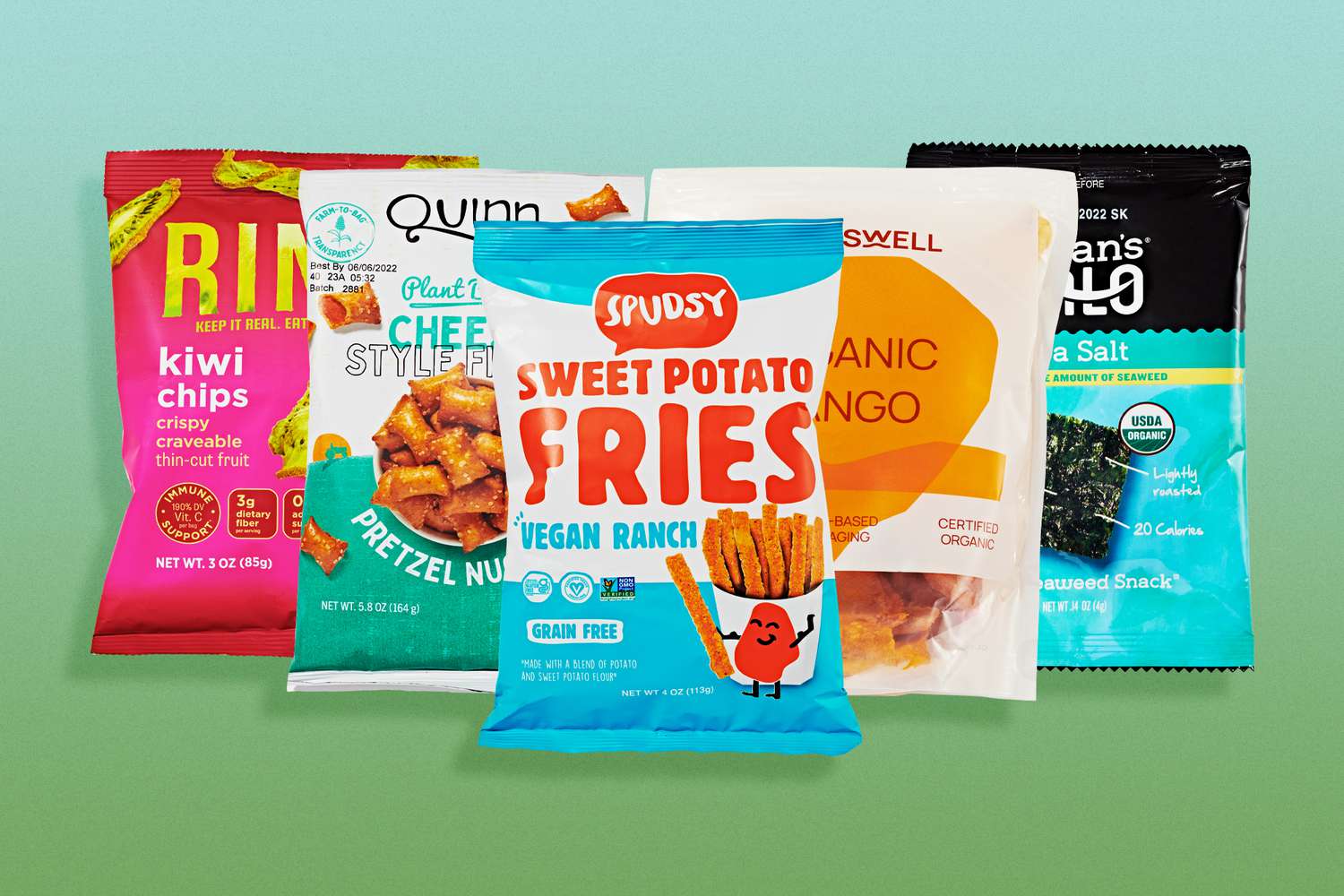
2. Packaged snacks and processed baked goods: Packaged snacks and processed baked goods are often high in sugar, unhealthy fats, and calories. They’re also low in nutrients.

3. White carbohydrates: White carbohydrates, such as white bread, pasta, and rice, are quickly digested and absorbed into the bloodstream, which can cause a spike in blood sugar levels.

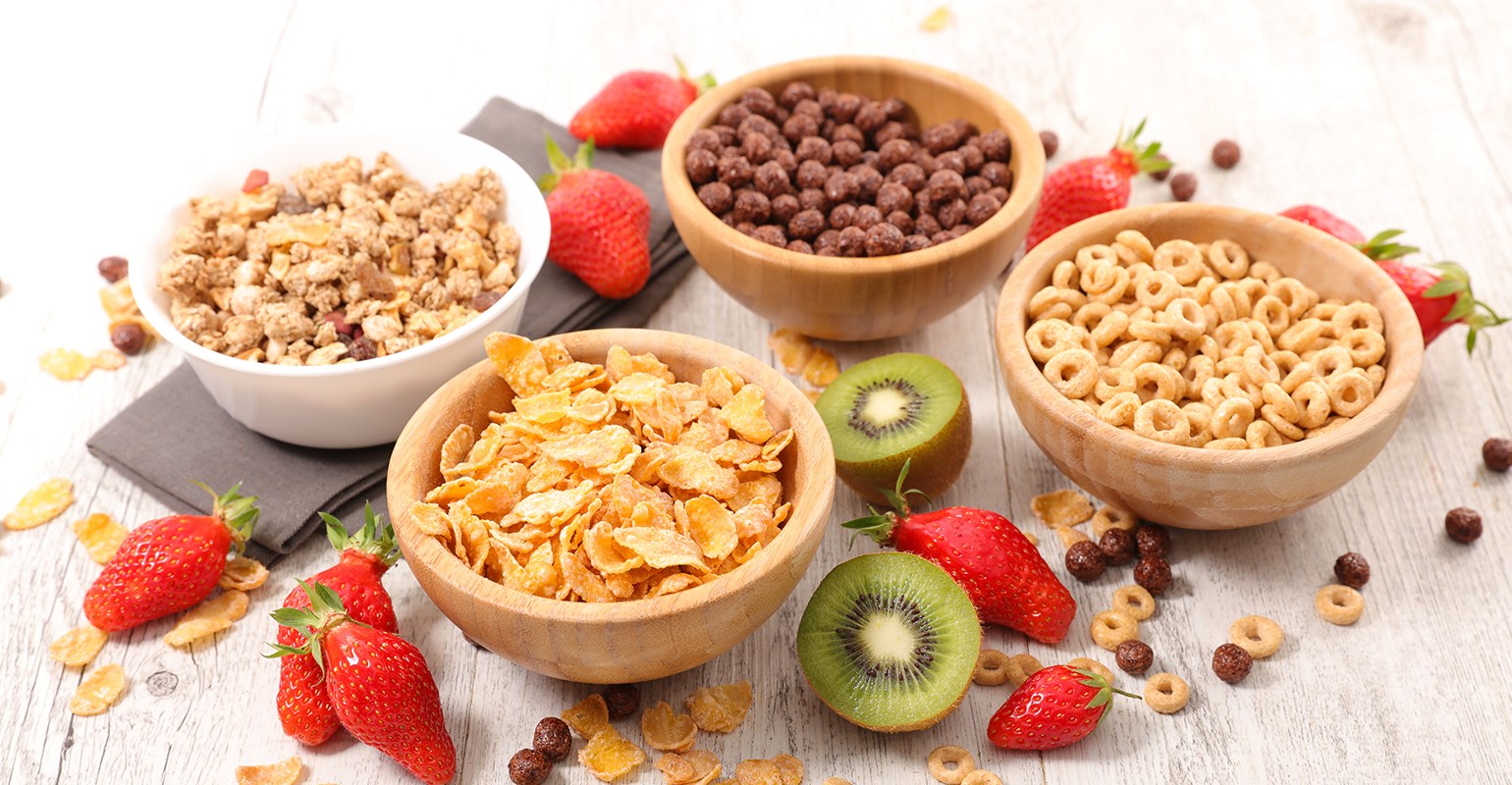
4. Sweetened breakfast cereals: Sweetened breakfast cereals are often high in sugar and calories. They’re also low in fiber, which can contribute to weight gain.

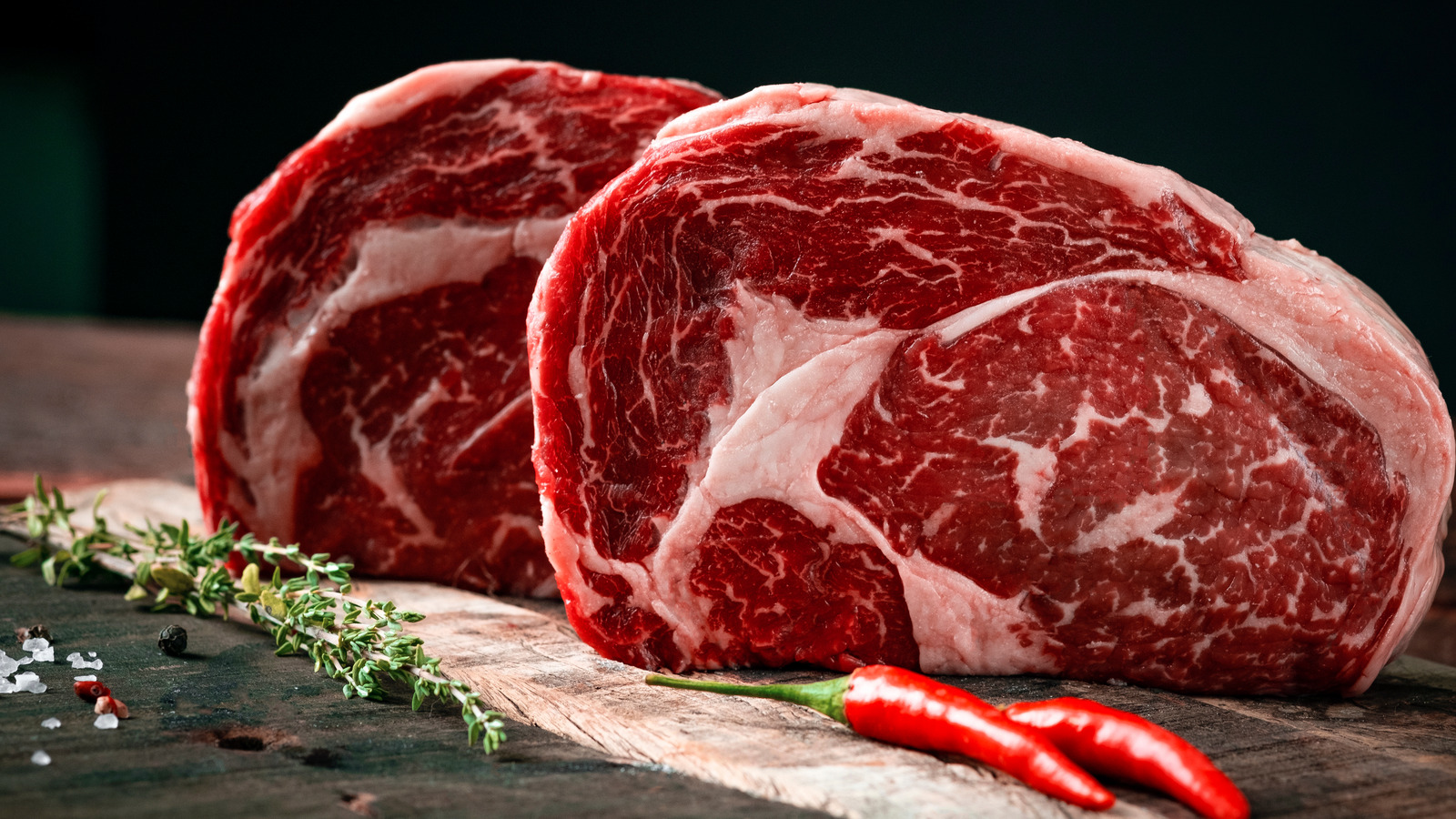
5. Higher-fat cuts of meat: Higher-fat cuts of meat, such as beef, lamb, and pork, are high in saturated fat. Saturated fat can raise your cholesterol levels and increase your risk of heart disease.

6. Foods with trans fats: Foods with trans fats, such as margarine and shortening, are also bad for diabetics. Trans fats can raise your cholesterol levels and increase your risk of heart disease.

7. Sugary foods: Sugary foods, such as candy, soda, and pastries, are high in sugar and calories. They’re also low in nutrients.

If you have diabetes, it’s important to avoid these foods as much as possible. Instead, focus on eating a healthy diet that includes plenty of fruits, vegetables, whole grains, and lean protein. You should also talk to your doctor or a registered dietitian about creating a meal plan that is right for you.

Here are some additional tips for diabetics:

  • Eat regular meals and snacks throughout the day.
  • Choose foods that are low on the glycemic index.
  • Limit your intake of unhealthy fats.
  • Get regular exercise.
  • Manage stress.
    By following these tips, you can help manage your diabetes and improve your overall health.
Tagged : / / / /

10 Vitamin E-Rich Foods for Healthy Eyes and Heart

10 Vitamin E-Rich Foods for Healthy Eyes and Heart
Vitamin E is a powerful antioxidant that can help protect your cells from damage. It is especially important for protecting your eyes and heart.

Here are 10 vitamin E-rich foods that you can add to your diet to promote eye and heart health:

1. Almonds: Almonds are a great source of vitamin E, providing about 7.4 mg per ounce. They are also a good source of fiber, magnesium, and calcium. Almonds can be eaten on their own, added to cereal, or used in baking.

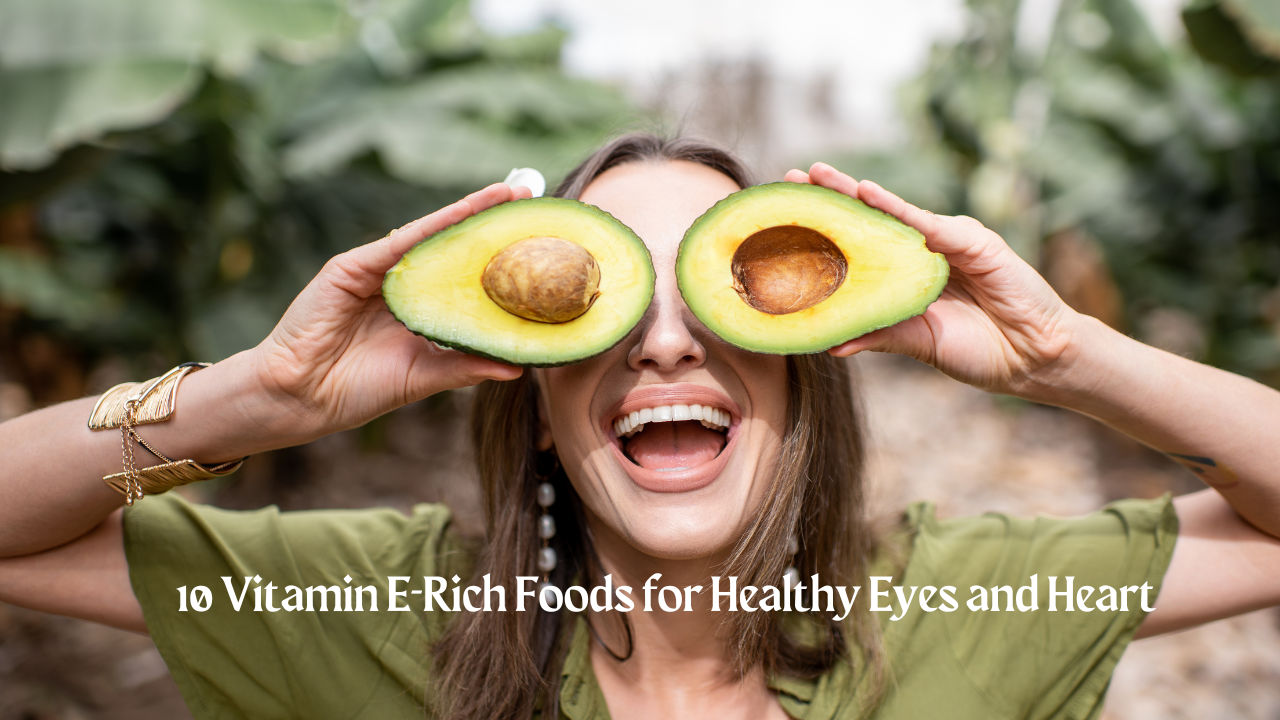
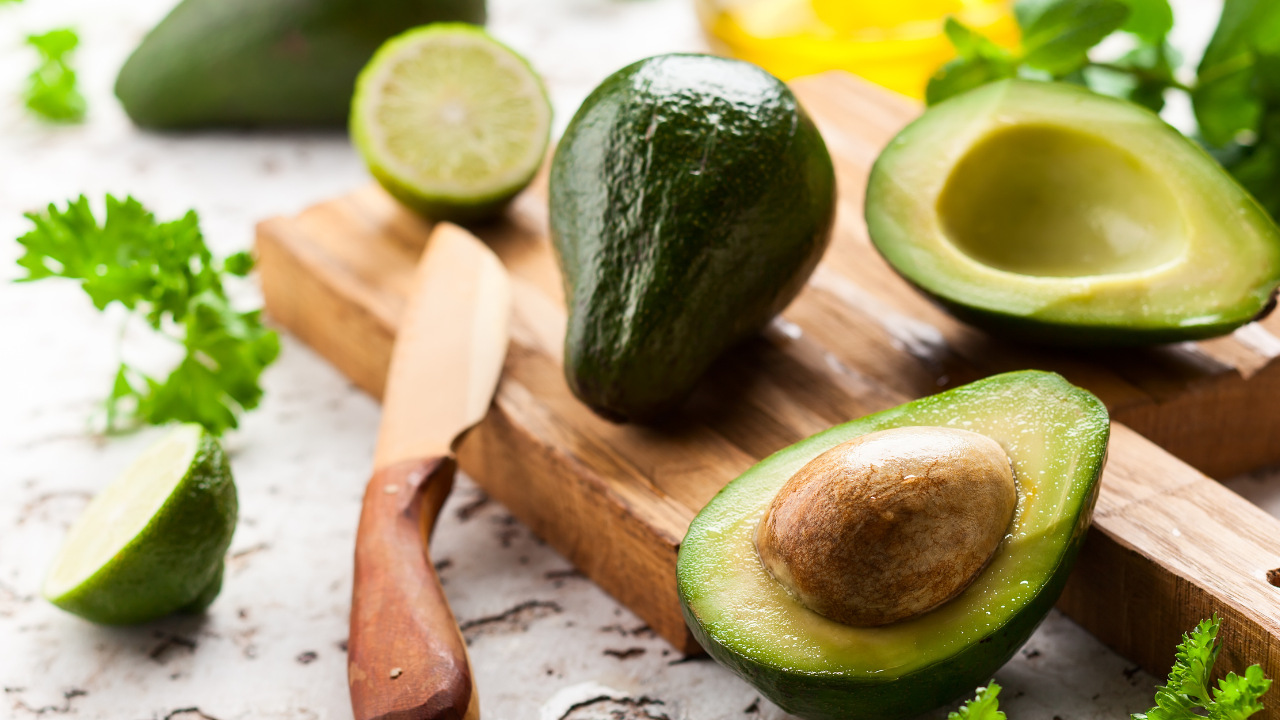
2. Avocado: Avocados are another good source of vitamin E, providing about 4.9 mg per ounce. They are also a good source of healthy fats, fiber, and potassium. Avocados can be eaten on their own, added to salads, or used in guacamole.

3. Ghee: Ghee is a type of clarified butter that is high in vitamin E. It is also a good source of conjugated linoleic acid (CLA), a type of fat that has been shown to have health benefits. Ghee can be used in cooking or drizzled over food.

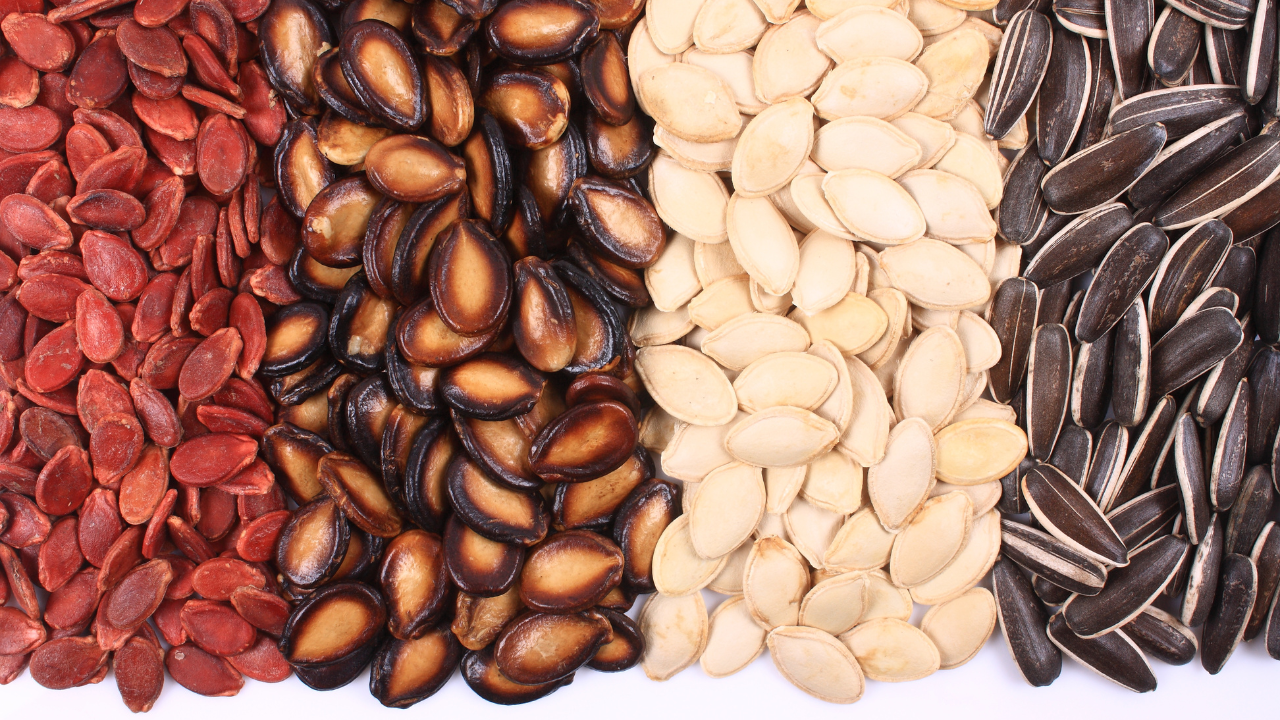
4. Pumpkin seeds: Pumpkin seeds are a good source of vitamin E, providing about 4.1 mg per ounce. They are also a good source of magnesium, zinc, and iron. Pumpkin seeds can be eaten on their own, roasted, or added to salads or yogurt.

5. Sunflower seeds: Sunflower seeds are another good source of vitamin E, providing about 3.7 mg per ounce. They are also a good source of selenium, a mineral that has antioxidant properties. Sunflower seeds can be eaten on their own, roasted, or added to trail mix.

6. Spinach: Spinach is a leafy green vegetable that is a good source of vitamin E, providing about 2.5 mg per cup. It is also a good source of vitamins A, C, and K. Spinach can be eaten raw in salads or cooked.

7. Sweet potatoes: Sweet potatoes are a good source of vitamin E, providing about 2 mg per cup. They are also a good source of beta-carotene, which is converted to vitamin A in the body. Sweet potatoes can be eaten baked, roasted, or mashed.

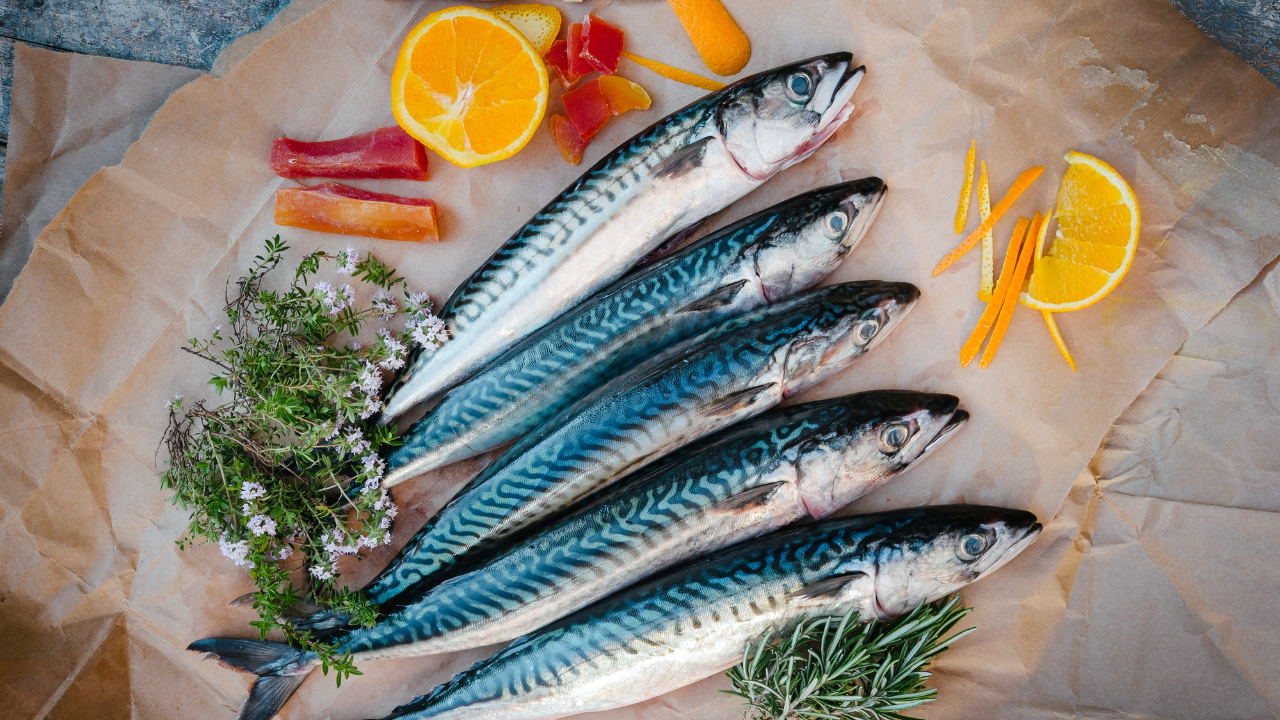
8. Mackerel: Mackerel is a fatty fish that is a good source of vitamin E, providing about 1.4 mg per ounce. It is also a good source of omega-3 fatty acids, which have heart-healthy benefits. Mackerel can be grilled, baked, or smoked.

9. Salmon: Salmon is another fatty fish that is a good source of vitamin E, providing about 1.3 mg per ounce. It is also a good source of omega-3 fatty acids. Salmon can be grilled, baked, or poached.

10. Tofu: Tofu is a good source of vitamin E, providing about 1 mg per ounce. It is also a good source of protein and iron. Tofu can be eaten plain or flavored with different sauces.

In addition to these foods, there are many other foods that contain vitamin E. By including a variety of vitamin E-rich foods in your diet, you can help to protect your eyes and heart from damage.

Here are some additional tips for getting enough vitamin E in your diet:

  • Eat a variety of colorful fruits and vegetables.
  • Include some nuts and seeds in your diet.
  • Choose fatty fish a few times a week.
  • Use vitamin E-rich oils in cooking.
  • Take a vitamin E supplement, if necessary.
    It is important to note that vitamin E is a fat-soluble vitamin, so it is best to consume it with some fat to help with absorption. You should also talk to your doctor before taking a vitamin E supplement, especially if you have any health conditions.

By following these tips, you can easily get enough vitamin E in your diet and improve your eye and heart health.

Tagged : / / / / /
Verified by ExactMetrics