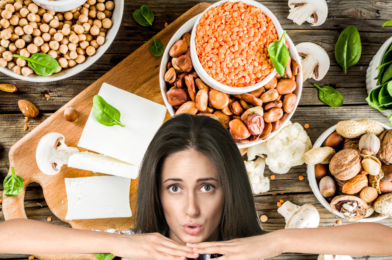
7 Diet Tips That Vegetarians Should Follow To Improve Their Protein Intake

7 Diet Tips That Vegetarians Should Follow To Improve Their Protein Intake
Protein is an essential nutrient that the body needs for many important functions, including building and repairing tissues, making enzymes and hormones, and transporting nutrients. Vegetarians can get plenty of protein from a variety of plant-based foods. However, it is important to be mindful of their protein intake in order to meet their daily requirements.

Here are 7 diet tips for vegetarians to improve their protein consumption:

1. Diversify your protein sources
Don’t rely on just one or two protein sources. Instead, include a variety of plant-based proteins in your diet, such as beans, lentils, tofu, tempeh, nuts, seeds, and whole grains.

2. Pair complementary proteins
Some plant-based proteins are incomplete proteins, meaning they do not contain all of the essential amino acids that the body needs. However, you can combine two or more incomplete proteins to create complete proteins. For example, you could pair beans with rice, or lentils with quinoa.

3. Include protein at every meal
Don’t just focus on protein at dinnertime. Include protein at every meal, even breakfast. This will help you spread your protein intake throughout the day and make it easier to meet your daily requirements.

4. Eat whole foods
Processed foods are often low in protein and high in unhealthy fats and calories. Instead, focus on eating whole foods, such as beans, lentils, tofu, tempeh, nuts, seeds, and whole grains.

5. Don’t be afraid to supplement
If you find it difficult to meet your protein needs through diet alone, you may want to consider taking a protein supplement. There are many different types of protein supplements available, so you can find one that fits your needs and preferences.

6. Consume a lot of dairy products
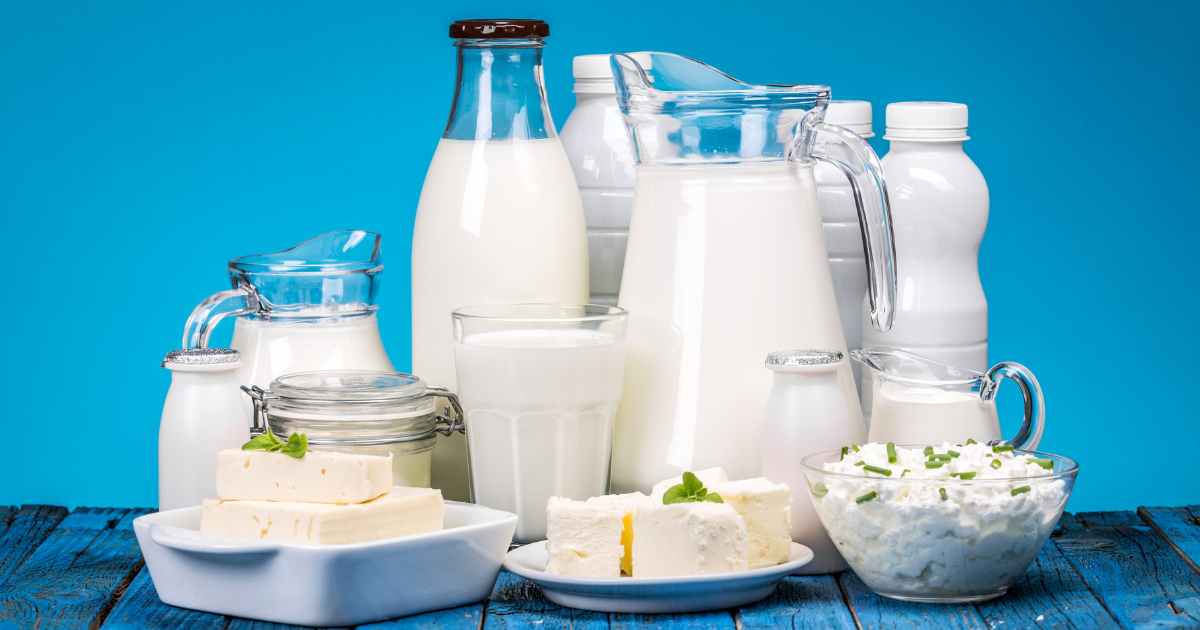
Dairy products, such as milk, yogurt, and cheese, are also a good source of protein for vegetarians. They are complete proteins, meaning they contain all of the essential amino acids that the body needs. These products do not involve killing animals and vegetarians can easily consume them .
7. Talk to your doctor or a registered dietitian
If you have any concerns about your protein intake, talk to your doctor or a registered dietitian. They can help you create a personalized plan to meet your needs.

Additional tips:

  • Cook with beans and lentils. Beans and lentils are a great way to add protein to soups, stews, chilis, and other dishes.
  • Make tofu or tempeh a regular part of your diet. Tofu and tempeh are made from soybeans and are a good source of protein and other nutrients.
  • Add nuts and seeds to your meals and snacks. Nuts and seeds are a portable and convenient way to get protein.
  • Drink soy milk or other plant-based milks. Soy milk is a good source of protein and calcium.
  • Enjoy a protein-rich breakfast. A protein-rich breakfast can help you stay full and satisfied throughout the day.Conclusion

By following these tips, vegetarians can easily improve their protein consumption and meet their daily requirements. By eating a variety of plant-based proteins, pairing complementary proteins, including protein at every meal, eating whole foods, and not being afraid to supplement, vegetarians can ensure that they are getting the protein they need to stay healthy and strong.
Tagged : / / / / /

10 High Protein Snacks Under 100 Calories!

10 High Protein Snacks Under 100 Calories!
Protein is an essential nutrient that plays a vital role in many bodily functions, including building and repairing muscle tissue, keeping you feeling full, and boosting your metabolism. While it is important to get enough protein throughout the day, it can be difficult to know which snacks are both high in protein and low in calories.

This blog post will provide you with a list of 10 high protein snacks that are under 100 calories each. These snacks are perfect for those who are looking to boost their protein intake without overdoing it on the calories.

10 High Protein Snacks Under 100 Calories

1 Hard-boiled eggs
Hard-boiled eggs are a classic high protein snack that is also very low in calories. One large hard-boiled egg contains 6 grams of protein and only 78 calories.
2 Edamame
Edamame are soybeans that have been steamed and are a great source of protein and fiber. One cup of edamame contains 17 grams of protein and only 150 calories.
3 Greek yogurt
Greek yogurt is a thick and creamy yogurt that is high in protein and low in sugar. One cup of Greek yogurt contains 17 grams of protein and only 100 calories.
4 Cottage cheese
Cottage cheese is another high protein, low calorie snack. One cup of cottage cheese contains 24 grams of protein and only 110 calories.
5 Tuna
Tuna is a low-fat fish that is high in protein. One can of tuna (packed in water) contains 26 grams of protein and only 100 calories.
6 Salmon
Salmon is another high protein fish that is also a good source of omega-3 fatty acids. One cooked salmon fillet (3 ounces) contains 22 grams of protein and only 140 calories.
7 Chicken breast
Chicken breast is a lean protein that is low in calories and fat. One cooked chicken breast (3 ounces) contains 26 grams of protein and only 165 calories.
8 Turkey breast
Turkey breast is another lean protein that is low in calories and fat. One cooked turkey breast (3 ounces) contains 23 grams of protein and only 140 calories.
9 Beans
Beans are a good source of protein and fiber. One cup of cooked beans contains 15 grams of protein and only 200 calories.
10 Lentils
Lentils are another good source of protein and fiber. One cup of cooked lentils contains 18 grams of protein and only 230 calories.

Conclusion

These are just a few of the many high protein snacks that are under 100 calories. By choosing these snacks, you can boost your protein intake without going overboard on the calories. So next time you are looking for a snack, reach for one of these healthy and satisfying options.

Tagged : / / / /

Vegetarians! Eat these 10 vegetarian sources of protein which are better than meat and eggs!

Vegetarians! Eat these 10 vegetarian sources of protein which are better than meat and eggs!
In recent years, there has been a growing interest in vegetarian and vegan diets. This is due in part to a growing awareness of the environmental impact of animal agriculture, as well as the health benefits of plant-based diets. One of the biggest concerns that people have about vegetarian and vegan diets is that they may not provide enough protein. However, this is a misconception. There are many plant-based foods that are excellent sources of protein. In fact, some of them contain more protein than meat and eggs.

Here are 10 vegetarian sources of protein that are better than meat and eggs:

1 Tofu
Tofu is a high-protein food that is made from soybeans. It is a versatile ingredient that can be used in a variety of dishes, from stir-fries to curries. One half-cup serving of tofu contains 10 grams of protein.
2 Tempeh
Tempeh is another high-protein food that is made from soybeans. It is fermented, which gives it a slightly nutty flavor. Tempeh is a good source of iron and calcium as well. One half-cup serving of tempeh contains 15 grams of protein.
3 Edamame
Edamame are immature soybeans that are eaten in the pod. They are a good source of protein, fiber, and vitamins. One cup of edamame contains 17 grams of protein.
4 Lentils
Lentils are a type of legume that is high in protein and fiber. They are also a good source of iron and potassium. One cup of cooked lentils contains 18 grams of protein.
5 Chickpeas
Chickpeas are another type of legume that is high in protein. They are also a good source of fiber, iron, and folate. One cup of cooked chickpeas contains 13 grams of protein.
6 Peanuts
Peanuts are a good source of protein and fiber. They are also a good source of healthy fats. One ounce of peanuts contains 7 grams of protein.
7 Almonds
Almonds are another good source of protein and fiber. They are also a good source of vitamin E and magnesium. One ounce of almonds contains 6 grams of protein.
8 Quinoa
Quinoa is a pseudocereal that is high in protein and fiber. It is also a good source of iron and magnesium. One cup of cooked quinoa contains 8 grams of protein.
9 Sprouted grains
Sprouted grains are a good source of protein and fiber. They are also a good source of vitamins and minerals. One cup of sprouted lentils contains 13 grams of protein.
10 Mycoprotein
Mycoprotein is a type of fungus that is grown on a substrate. It is a good source of protein and fiber. It is also a good source of iron and B vitamins. One ounce of mycoprotein contains 8 grams of protein.

These are just a few of the many vegetarian sources of protein that are better than meat and eggs. If you are looking for a healthy and sustainable diet, a vegetarian diet is a great option. With so many delicious and nutritious plant-based foods to choose from, you won’t miss meat or eggs at all. In addition to the protein content, these foods are also good sources of other nutrients that are important for health. For example, tofu and tempeh are good sources of iron, chickpeas and lentils are good sources of folate, and peanuts and almonds are good sources of vitamin E.

If you are new to vegetarian or vegan eating, it is important to make sure that you are getting enough protein. A good way to do this is to include a variety of protein-rich foods in your meals and snacks throughout the day. You can also use protein powders or supplements to help you meet your daily needs.

With a little planning, it is easy to get all the protein you need from a vegetarian or vegan diet. These 10 foods are a great place to start.

Tagged : / / / / /
Verified by ExactMetrics