5 Easy – Peasy Nutrition Indian Vegetarian Recipes For Lazy Bachelors Living Alone!

5 Easy – Peasy Indian Vegetarian Recipes For Lazy Bachelors Living Alone !
Living your bachelor life can be liberating as well as difficult too. For those who have lived in the loving shadow of their mothers far too long and for those whose mothers did not seem to realise the importance of teaching cooking to their adorable sons, here are 5 simple vegetarian dishes that are easy to make and can be eaten whenever they want. Afterall, you can’t keep eating Maggi and bread all month long!

1. Chickpea salad
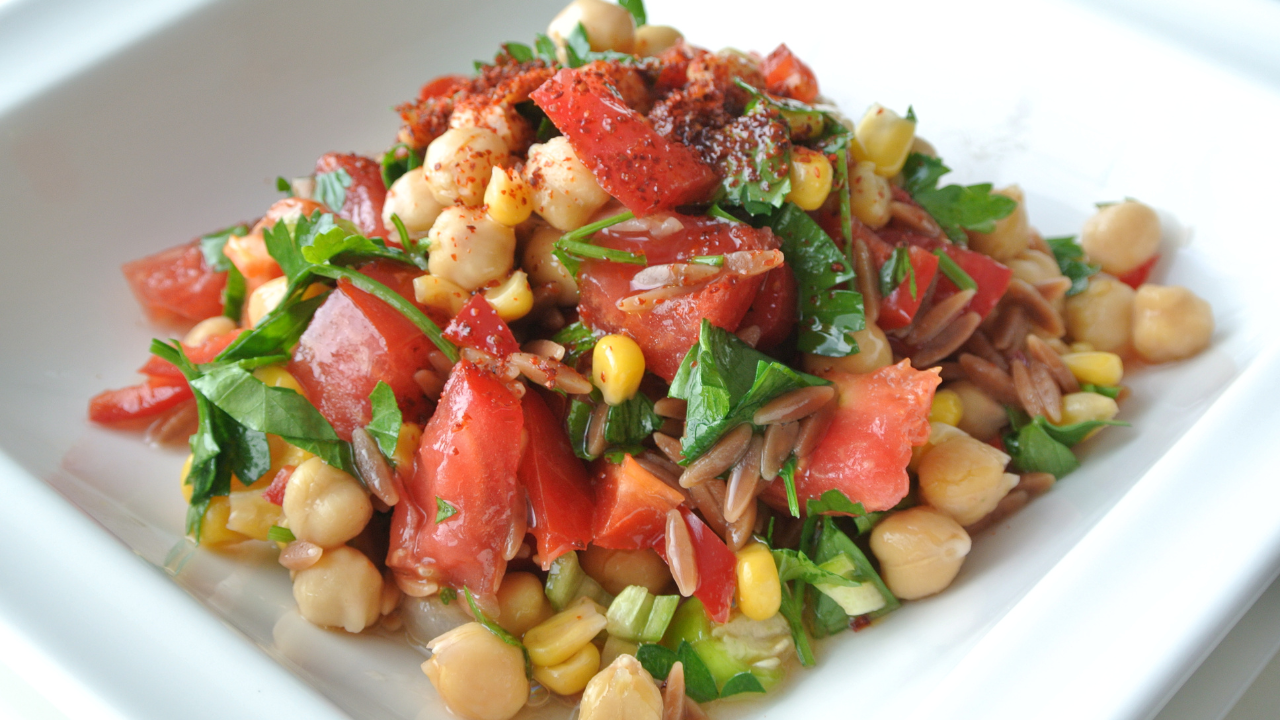

What you need for this simplest of dishes is a pressure cooker, a knife and some vegetables and spices. After soaking the chick peas overnight or 5-6 hours, just boil them in a pressure cooker. While it is being boiled, chop vegetables of your choice like tomato, onion, green chillies, carrots, cucumber, mint or coriander. Once the chick peas are done or completely boiled, remove the excess water and then mix all the chopped vegetables along with it. Add salt to taste, green chillies, chat masala, red chilli powder and one teaspoon lemon juice. Your Chickpea salad is ready.

2. Paneer bhurji
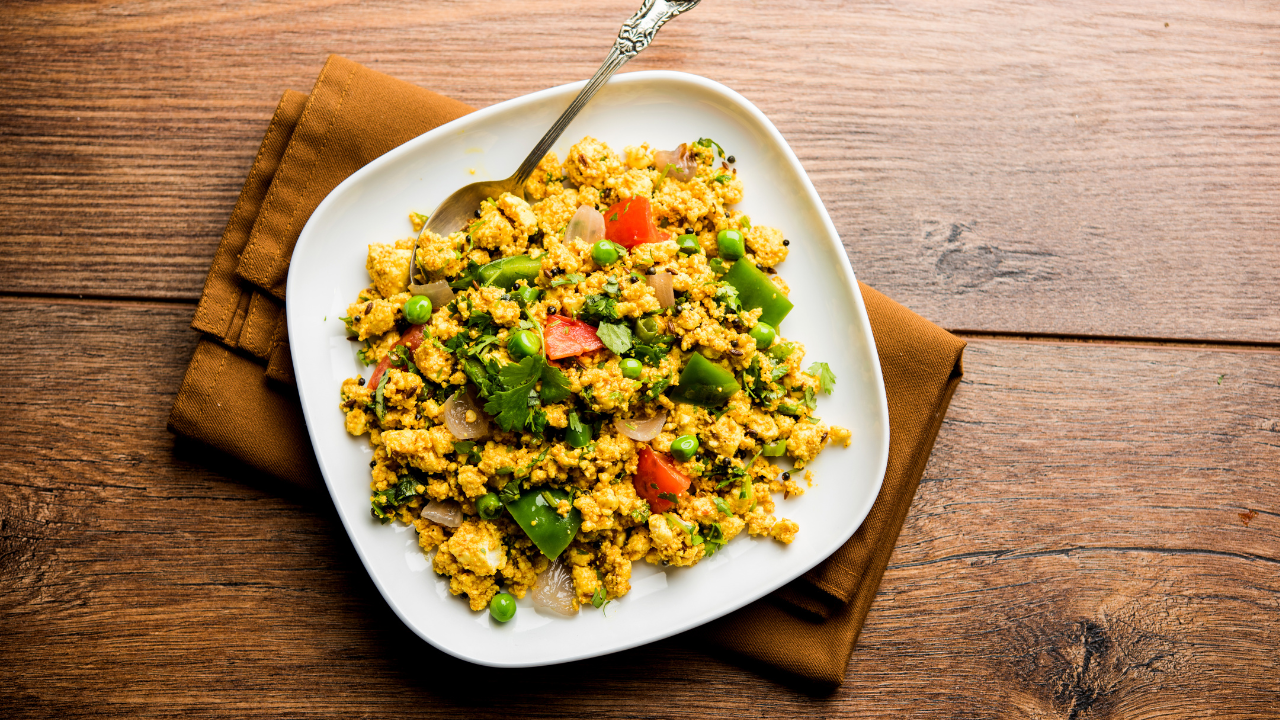

This is one of the simplest dishes to make. Just mash a cup of paneer. Take one tablespoon of oil in a pan. Sauté onion and tomatoes in it. Add the mashed paneer along with turmeric powder, red chilli powder, coriander powder and salt. Let it cook for 5 minutes and your paneer bhurji is ready. Garnish with fresh coriander leaves and enjoy it with bread or chapati.

3. Vegetable Stir Fry
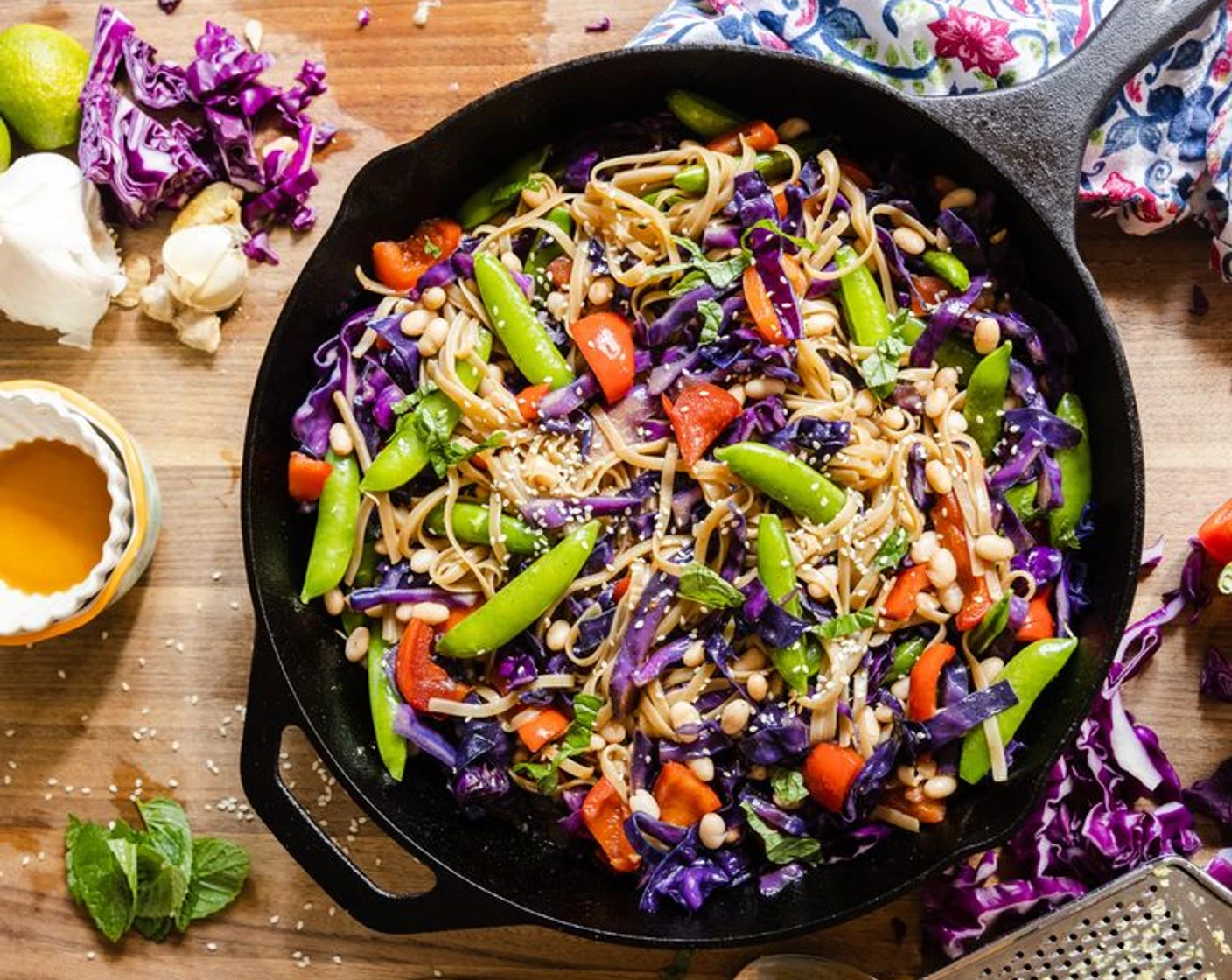

Yet another simple recipe for those who do not want to do elaborate cooking. Just chop all your favourite vegetables. Take a wok, put a tablespoon of oil in it. Add minced garlic and then onions. Sauté for some time and then add all the cut and diced vegetables one by one – carrots, broccoli, capsicum, cabbage, etc. Sauté all these on a high flame for 5-7 minutes. Add salt to taste and black pepper powder. You can also add soy sauce and vinegar to add that extra zing and it is ready!

4. Curd Rice
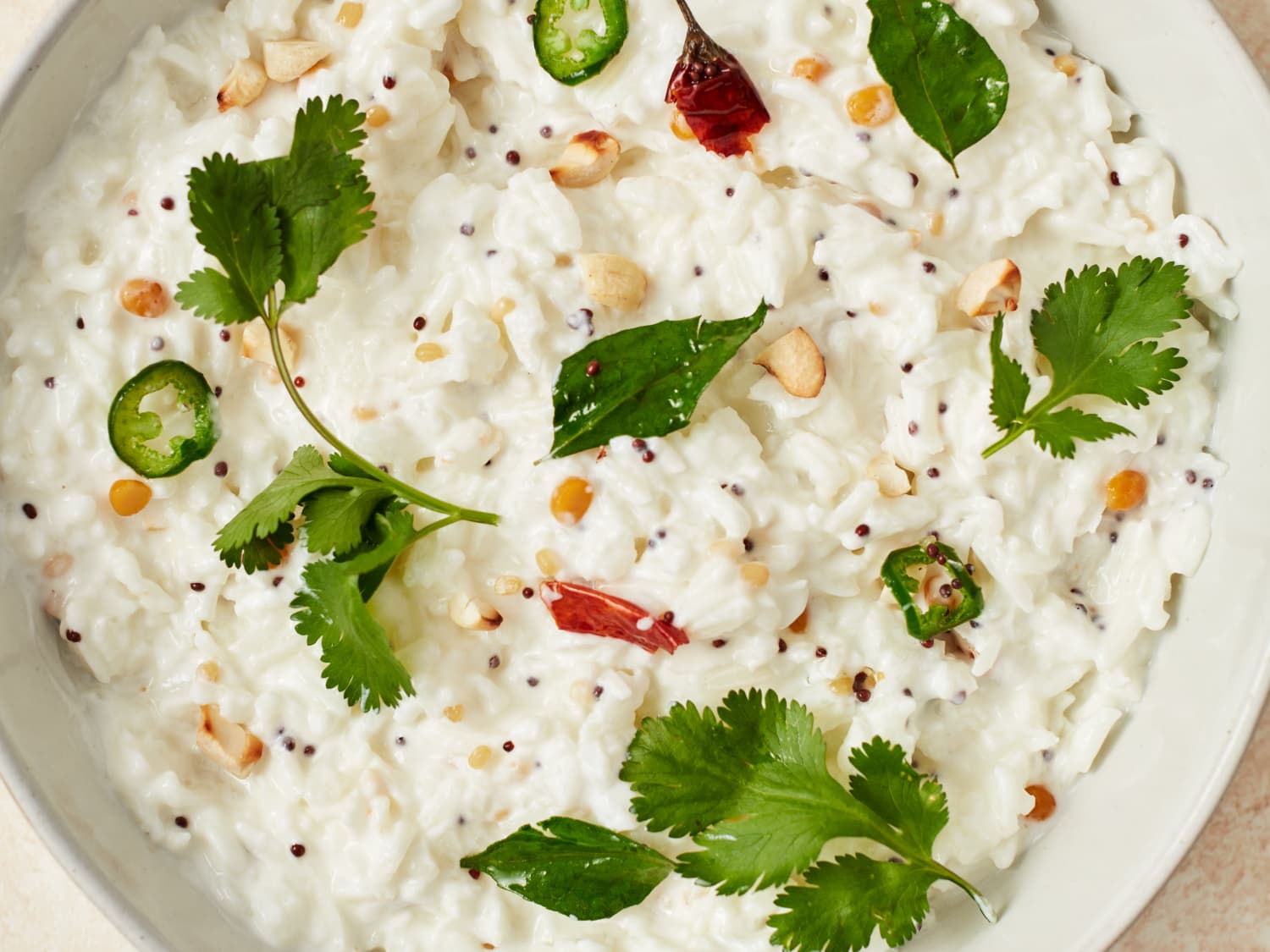

Simple and savoury with the least amount of ingredients and when you are not in the mood of cutting and chopping vegetables. Just Take one big bowl of cooked rice. Add equal amount of curd in it. Mix it well. Now add a teaspoon of oil in a pan, splutter some mustard seeds and curry leaves. Then add the mixture of curd and rice. Let it cook for 3-4 minutes and the curd rice is ready.

5. Besan cheela


Another nutritious dish that you can prepare in a jiffy is besan cheela. Just make a batter with besan while adding little by little water into it. Add salt, red chilli powder, coriander powder and chat masala to it. You can also add choped onion and other finely grated vegetables to the batter. Spread it on a non stick pan or pour it while moving the pan to spread the batter. Bake from both the sides and the cheela is ready.

See? Not that difficult to eat healthy food even when you are a lonely lazy bachelor! Haha!
Tagged : / / / / / / /

7 Diet Tips That Vegetarians Should Follow To Improve Their Protein Intake

7 Diet Tips That Vegetarians Should Follow To Improve Their Protein Intake
Protein is an essential nutrient that the body needs for many important functions, including building and repairing tissues, making enzymes and hormones, and transporting nutrients. Vegetarians can get plenty of protein from a variety of plant-based foods. However, it is important to be mindful of their protein intake in order to meet their daily requirements.

Here are 7 diet tips for vegetarians to improve their protein consumption:

1. Diversify your protein sources
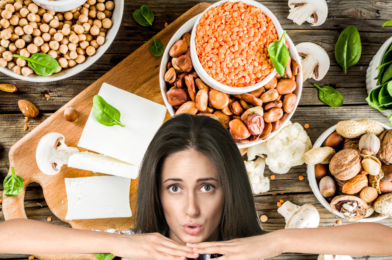
Don’t rely on just one or two protein sources. Instead, include a variety of plant-based proteins in your diet, such as beans, lentils, tofu, tempeh, nuts, seeds, and whole grains.

2. Pair complementary proteins
Some plant-based proteins are incomplete proteins, meaning they do not contain all of the essential amino acids that the body needs. However, you can combine two or more incomplete proteins to create complete proteins. For example, you could pair beans with rice, or lentils with quinoa.

3. Include protein at every meal
Don’t just focus on protein at dinnertime. Include protein at every meal, even breakfast. This will help you spread your protein intake throughout the day and make it easier to meet your daily requirements.

4. Eat whole foods
Processed foods are often low in protein and high in unhealthy fats and calories. Instead, focus on eating whole foods, such as beans, lentils, tofu, tempeh, nuts, seeds, and whole grains.

5. Don’t be afraid to supplement
If you find it difficult to meet your protein needs through diet alone, you may want to consider taking a protein supplement. There are many different types of protein supplements available, so you can find one that fits your needs and preferences.

6. Consume a lot of dairy products
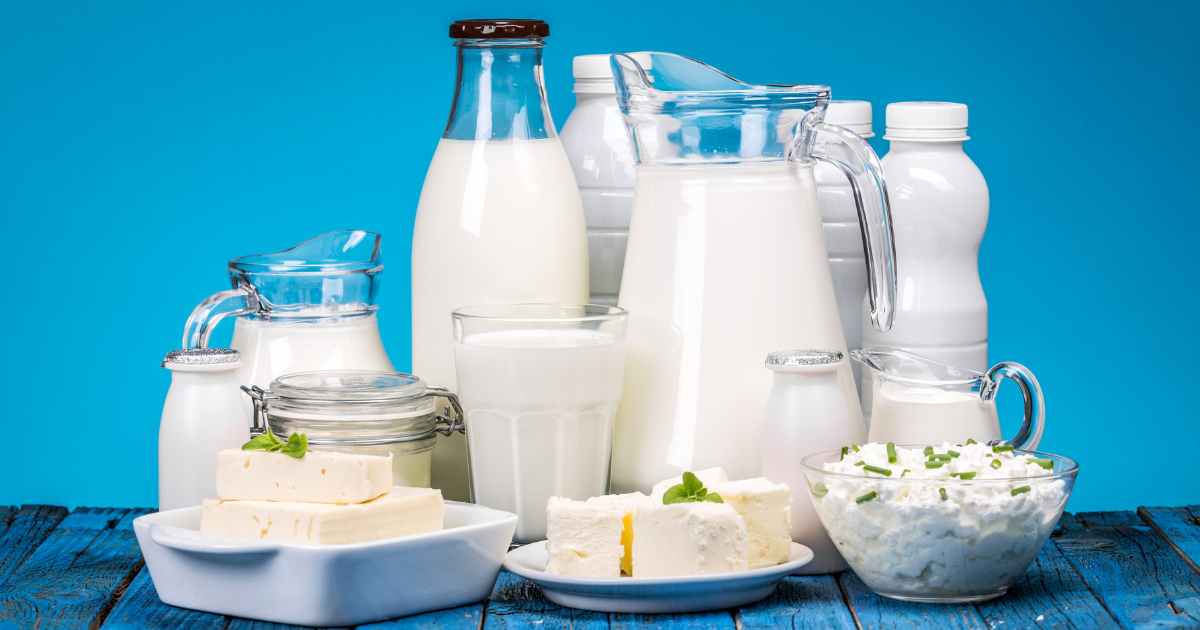
Dairy products, such as milk, yogurt, and cheese, are also a good source of protein for vegetarians. They are complete proteins, meaning they contain all of the essential amino acids that the body needs. These products do not involve killing animals and vegetarians can easily consume them .

7. Talk to your doctor or a registered dietitian
If you have any concerns about your protein intake, talk to your doctor or a registered dietitian. They can help you create a personalized plan to meet your needs.

Additional tips:

  • Cook with beans and lentils. Beans and lentils are a great way to add protein to soups, stews, chilis, and other dishes.
  • Make tofu or tempeh a regular part of your diet. Tofu and tempeh are made from soybeans and are a good source of protein and other nutrients.
  • Add nuts and seeds to your meals and snacks. Nuts and seeds are a portable and convenient way to get protein.
  • Drink soy milk or other plant-based milks. Soy milk is a good source of protein and calcium.
  • Enjoy a protein-rich breakfast. A protein-rich breakfast can help you stay full and satisfied throughout the day.Conclusion

By following these tips, vegetarians can easily improve their protein consumption and meet their daily requirements. By eating a variety of plant-based proteins, pairing complementary proteins, including protein at every meal, eating whole foods, and not being afraid to supplement, vegetarians can ensure that they are getting the protein they need to stay healthy and strong.

Tagged : / / / / /
Verified by ExactMetrics