8 Foods You Should Never Consume With Milk

8 Foods You Should Never Consume With Milk
Milk is a nutrient-rich food that is a good source of protein, calcium, and other essential vitamins and minerals. However, there are some foods that should not be consumed with milk, as they can interfere with digestion and cause other health problems.

Here are 8 foods to avoid consuming with milk:

1. Citrus fruits
The acidity of citrus fruits can curdle milk and make it difficult to digest. This can lead to stomach upset, gas, and bloating.

2. Fish
Milk and fish are both high in protein, and consuming them together can put a strain on the digestive system. This can lead to nausea, vomiting, and diarrhea.

3. Banana
Bananas are high in magnesium, which can slow down the digestion of milk. This can lead to stomach upset and indigestion.

4. Radish
Radish has a heating effect on the body, while milk has a cooling effect. Consuming them together can cause stomach upset and indigestion.
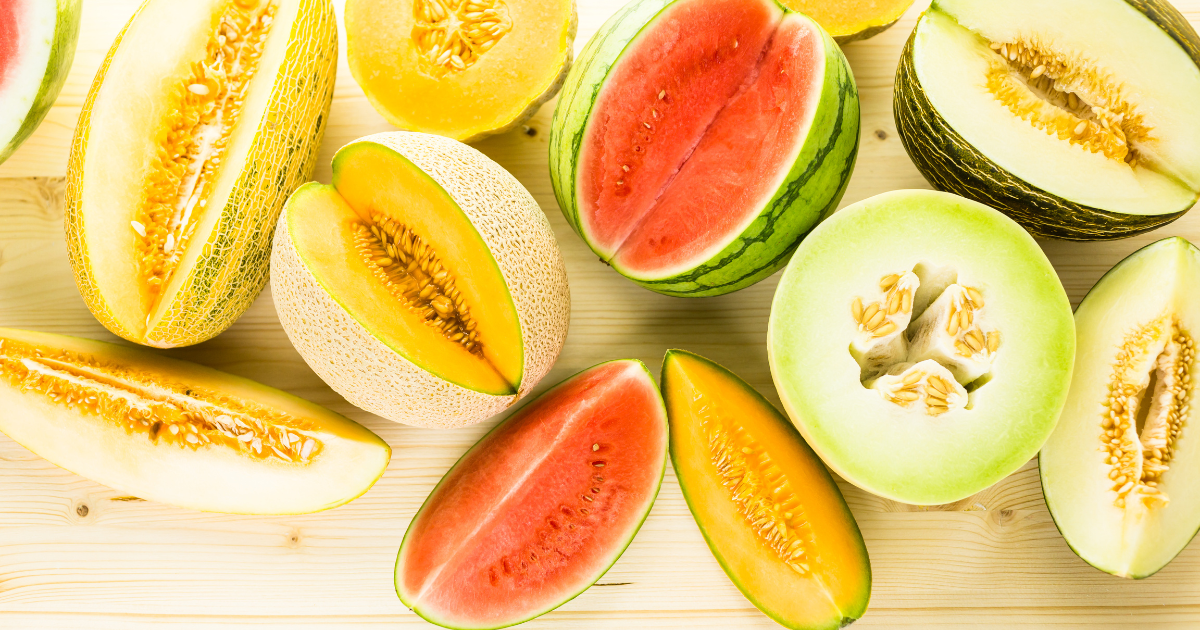
5. Melons
Melons are high in water content and can dilute the digestive enzymes in the stomach. This can make it difficult to digest milk and other foods.

6. Spicy foods
Spicy foods can irritate the lining of the stomach and make it difficult to digest milk. This can lead to heartburn, acid reflux, and indigestion.

7. Curd
Curd is a fermented milk product that can react with the lactose in milk and cause digestive problems. This is especially true for people who are lactose intolerant.

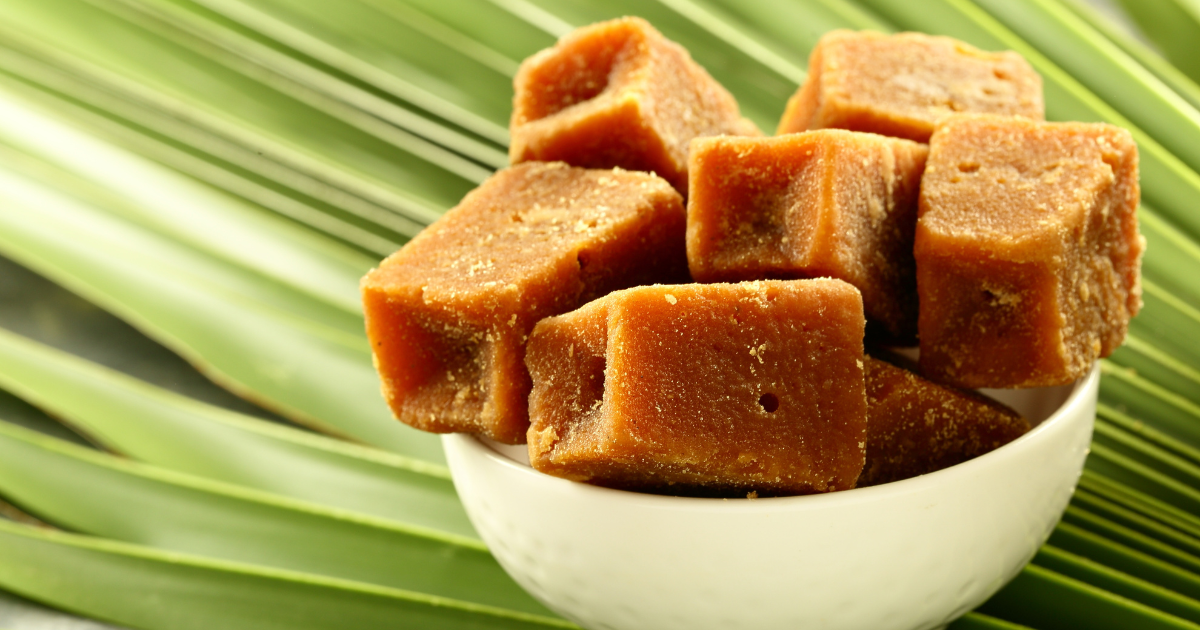
8. Jaggery
Jaggery is a type of sugar that is high in acidity. Consuming jaggery with milk can curdle the milk and make it difficult to digest.
If you are experiencing digestive problems after consuming milk, it is a good idea to avoid these foods. You may also want to try drinking milk with other foods that are easier to digest, such as whole-grain bread or crackers.

It is also important to note that these are just general guidelines. Some people may be able to tolerate milk with these foods without any problems. If you are unsure whether or not a particular food combination is safe for you, it is best to err on the side of caution and avoid it.

Here are some tips for improving your digestion when consuming milk:

  • Drink milk in moderation. Too much milk can be difficult to digest for some people.
  • Eat milk with other foods that are easy to digest. This will help to slow down the absorption of milk and make it easier on your stomach.
  • Avoid consuming milk with acidic foods. As mentioned above, acidic foods can curdle milk and make it difficult to digest.
  • If you are lactose intolerant, you may want to try lactose-free milk. Lactose-free milk has had the lactose removed, making it easier to digest for people with lactose intolerance.
    If you are still experiencing digestive problems after taking these precautions, you may want to talk to your doctor. There may be an underlying medical condition that is causing your digestive problems.
Tagged : / / / /

4 Yoga Asanas for Healthy Hair Growth

4 Yoga Asanas for Healthy Hair Growth
Yoga is a great way to improve your overall health and well-being, and it can also be beneficial for your hair. In fact, there are several yoga asanas that have been shown to promote hair growth and thickness.

Here are four yoga asanas that are great for hair growth:

1. Adho Mukha Svanasana (Downward Facing Dog Pose)
Adho Mukha Svanasana is a classic yoga pose that is known for its many benefits, including improved circulation, digestion, and flexibility. It is also a great pose for hair growth.

To do Adho Mukha Svanasana, start in a plank position with your hands shoulder-width apart and your feet hip-width apart. Lower your body down until your chest touches your thighs and your chin touches the ground. Keep your legs straight and your back flat. Hold the pose for 5-10 breaths, then slowly come back up to standing.

Adho Mukha Svanasana increases blood flow to the scalp, which helps to nourish the hair follicles and promote hair growth. It also helps to relieve stress, which can be a contributing factor to hair loss.

2. Sirsasana (Headstand Pose)
Sirsasana is a more advanced yoga pose, but it is also one of the most effective poses for hair growth. In Sirsasana, you balance your body upside down on your head and shoulders. This pose can be challenging, but it is definitely worth it for the benefits it offers for hair growth.

To do Sirsasana, start by lying on your back with your legs straight up in the air. Place your hands on the ground next to your ears, with your fingers facing forward. Inhale and lift your legs up, keeping your body in a straight line from your head to your heels. Rest your head on the ground and balance your body on your hands and shoulders. Hold the pose for as long as you can, then slowly come back down to lying on your back.

Sirsasana increases blood flow to the scalp and stimulates the hair follicles. It also helps to balance the hormones, which can be beneficial for preventing hair loss.

3. Sarvangasana (Shoulder Stand Pose)
Sarvangasana is another advanced yoga pose that is great for hair growth. In Sarvangasana, you balance your body on your shoulders with your legs up in the air. This pose can be challenging, but it is definitely worth it for the benefits it offers for hair growth.

To do Sarvangasana, start by lying on your back with your legs straight up in the air. Bend your knees and place your feet on your hips. Inhale and lift your hips up off the ground, keeping your legs straight. Rest your shoulders on the ground and balance your body on your shoulders and feet. Hold the pose for as long as you can, then slowly come back down to lying on your back.

Sarvangasana increases blood flow to the scalp and stimulates the hair follicles. It also helps to improve digestion, which can be beneficial for overall health and well-being.

4. Matsyasana (Fish Pose)
Matsyasana is a gentle yoga pose that is easy to do and still offers many benefits for hair growth. In Matsyasana, you lie on your back with your legs straight up in the air and your head tilted back. This pose helps to stretch the neck and scalp, which can improve circulation and promote hair growth.

To do Matsyasana, start by lying on your back with your legs straight up in the air. Bend your knees and place your feet on your hips. Inhale and lift your head and chest up off the ground, keeping your arms straight and your elbows bent. Rest your hands on your lower back for support. Hold the pose for as long as you can, then slowly come back down to lying on your back.

Matsyasana also helps to relieve stress, which can be a contributing factor to hair loss.

In addition to these four asanas, there are many other yoga poses that can be beneficial for hair growth. If you are looking for a way to improve the health of your hair, yoga is a great option. Just be sure to start slowly and gradually increase the duration of each pose as you get stronger.

Tagged : / / / /

5 Nutrient-Dense Vegetables That Are Superfoods for Your Health

5 Nutrient-Dense Vegetables That Are Superfoods for Your Health
Vegetables are an essential part of a healthy diet. They are low in calories and fat, and they are packed with vitamins, minerals, and antioxidants. Some vegetables are more nutrient-dense than others, meaning that they contain more nutrients per calorie. These nutrient-dense vegetables are often referred to as “superfoods.”

Here are 5 of the most nutrient-dense vegetables that you should add to your diet:

1. Kale
Kale is a leafy green vegetable that is packed with vitamins A, C, and K. It is also a good source of calcium, potassium, and fiber. Kale is known for its antioxidant properties, which can help protect cells from damage. It can be eaten raw, cooked, or juiced.

2. Broccoli
Broccoli is another leafy green vegetable that is high in nutrients. It is a good source of vitamins C, K, and A, as well as fiber and potassium. Broccoli is also a good source of sulforaphane, an antioxidant that has been shown to have cancer-fighting properties. Broccoli can be eaten raw, cooked, or steamed.

3. Spinach
Spinach is a leafy green vegetable that is low in calories and fat, but high in nutrients. It is a good source of vitamins A, C, and K, as well as folate and magnesium. Spinach is also a good source of lutein and zeaxanthin, antioxidants that are important for eye health. Spinach can be eaten raw, cooked, or juiced.

4. Sweet Potatoes
These are a root vegetable that is high in vitamins A and C. They are also a good source of fiber, potassium, and manganese. Sweet potatoes are a good source of beta-carotene, an antioxidant that is converted to vitamin A in the body. Sweet potatoes can be eaten baked, roasted, or mashed.

5. Carrots
Carrots are a root vegetable that is high in vitamin A. They are also a good source of fiber, potassium, and vitamin K. Carrots are a good source of beta-carotene, an antioxidant that is converted to vitamin A in the body. Carrots can be eaten raw, cooked, or juiced.

These are just a few of the many nutrient-dense vegetables that are available. By adding these vegetables to your diet, you can improve your overall health and well-being.

Here are some tips for incorporating more nutrient-dense vegetables into your diet:

  • Add vegetables to your breakfast, lunch, and dinner.
  • Snack on vegetables throughout the day.
  • Try new vegetables and find ones that you enjoy.
  • Cook vegetables in a variety of ways to keep them interesting.
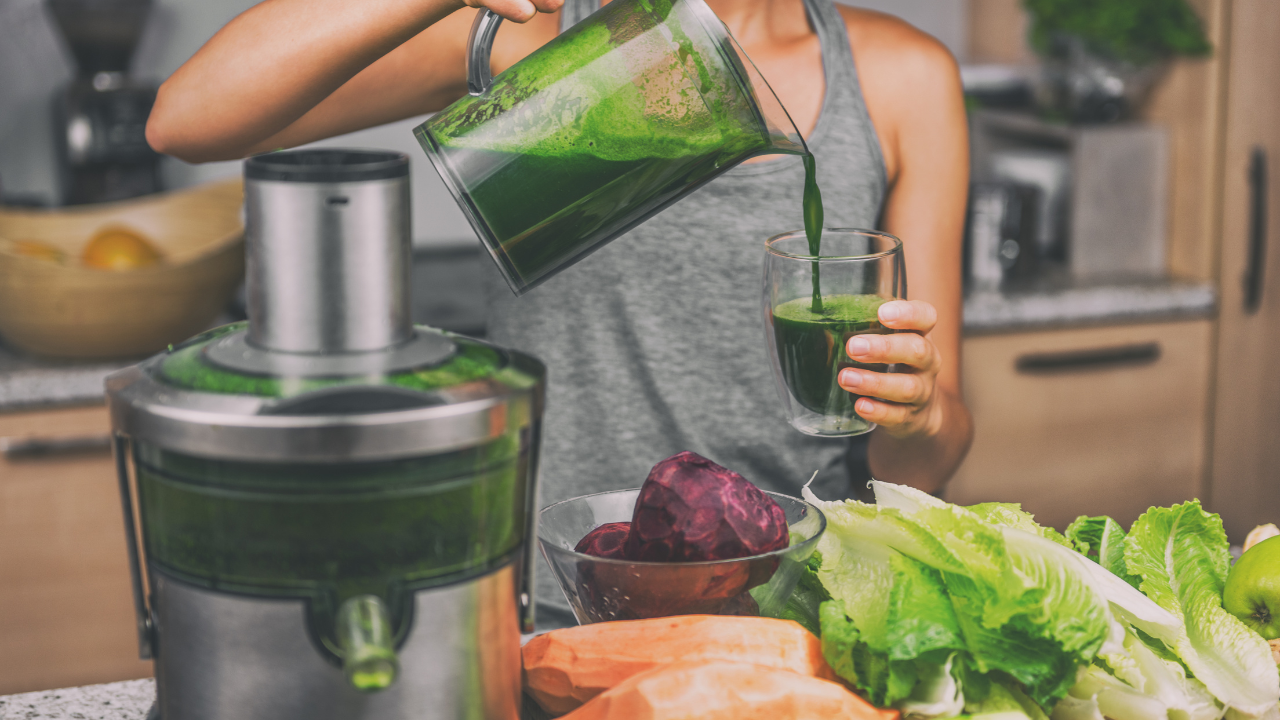
  • Add vegetables to smoothies and juices.
    By following these tips, you can make sure that you are getting the nutrients you need from vegetables.
Tagged : / / / /

What Would Happen If You Ate Potatoes Everyday? Are Potatoes A Healthy Food Or Unhealthy One?

What Would Happen If You Ate Potatoes Everyday? Are Potatoes A Healthy Food Or Unhealthy One?
Potatoes have long been a staple food in many cultures around the world. They are a good source of carbohydrates, vitamins, and minerals. But are they healthy? And what happens if you eat potatoes every day?

The Health Benefits of Potatoes

Potatoes are a good source of carbohydrates, which are the body’s main source of energy. They also contain vitamins C and B6, potassium, and fiber. Vitamin C is an antioxidant that helps protect the body against damage from free radicals. Potassium is important for heart health, and fiber can help regulate digestion and promote weight loss.

In addition to these nutrients, potatoes also contain resistant starch. Resistant starch is a type of carbohydrate that is not digested by the body. Instead, it travels to the colon where it is fermented by gut bacteria. This fermentation process produces short-chain fatty acids, which have a number of health benefits, including improved gut health, reduced inflammation, and weight loss.

What Happens if You Eat Potatoes Every Day?
If you eat potatoes every day, you are likely to get a good dose of the nutrients they contain. You may also find that you have more energy and that your digestion improves. The regular use of potatoes may have advantages. As long as you don’t deep fry it or top it with meals high in saturated fat, mixing it with other foods low in saturated fat could help lower your blood pressure, according to health experts. Potassium and fibre in potatoes are beneficial for heart health. Your heart is a vital muscle that requires potassium to maintain proper muscular function.

However, it is important to note that potatoes are also high in calories. If you eat too many potatoes, you may gain weight. It is also important to choose the right way to cook potatoes. Boiling or steaming potatoes is a healthier option than frying them. This is because frying potatoes adds extra fat and calories.

Overall, potatoes can be a healthy part of a balanced diet. However, it is important to eat them in moderation and to choose healthy cooking methods.

Here are some tips for eating potatoes in a healthy way:

  • Choose whole potatoes over processed potato products, such as french fries and potato chips.
  • Boil, steam, or roast potatoes instead of frying them.
  • Add healthy toppings to your potatoes, such as vegetables, beans, or lean protein.
  • Limit your intake of potatoes if you are trying to lose weight.
    If you eat potatoes every day, you can enjoy the health benefits of this versatile vegetable. Just be sure to choose healthy cooking methods and to eat them in moderation.
Tagged : / / /

7 Ways In Which Your Body Gives You Hint About High Sugar Levels

7 Ways In Which Your Body Gives You Hint About High Sugar Levels
Diabetes is a chronic health condition that affects how your body turns food into energy. There are two main types of diabetes: type 1 and type 2.

Type 1 diabetes is an autoimmune disease that causes your body to attack the cells in your pancreas that produce insulin. Insulin is a hormone that helps your body use glucose for energy.
Type 2 diabetes is caused by a combination of genetics and lifestyle factors, such as being overweight or obese, having a family history of diabetes, or being inactive.

Diabetes can affect many parts of your body, but there are 7 body parts that can give you a hint that you may have diabetes.

1. Your skin
If you have diabetes, you may be more likely to develop skin problems, such as:

  • Darkened skin patches, especially in the armpits, elbows, knees, and knuckles (acanthosis nigricans)
  • Slow-healing sores
  • Infections of the skin, nails, and gums

2. Your eyes
Diabetes can damage your eyes and lead to serious vision problems, such as:

  • Cataracts
  • Glaucoma
  • Diabetic retinopathy, which can cause blindness

3. Your kidneys
Diabetes can damage your kidneys and lead to kidney disease. Symptoms of kidney disease can include:

  • Foamy urine
  • Trouble concentrating
  • Swelling in your feet, ankles, or legs

4. Your heart and blood vessels
Diabetes can increase your risk of heart disease and stroke. Symptoms of heart disease can include:

  • Chest pain
  • Shortness of breath
  • Pain in your arms, neck, or jaw

5. Your feet
Diabetes can damage your nerves and blood vessels in your feet. This can lead to problems such as:

  • Numbness or tingling in your feet
  • Painful sores that don’t heal
  • Foot infections
  • Gangrene, which is the death of tissue in your feet

6. Your gums
Diabetes can increase your risk of gum disease. Symptoms of gum disease can include:

  • Red, swollen, or bleeding gums
  • Bad breath
  • Loose teeth

7. Your mood
Diabetes can affect your mood and make you more likely to experience:

  • Anxiety
  • Depression
  • Mood swings
    If you notice any of these symptoms, it’s important to see your doctor right away. Early diagnosis and treatment of diabetes can help prevent serious complications.

In addition to the 7 body parts listed above, there are other signs and symptoms that could indicate diabetes, such as:

  • Increased thirst
  • Frequent urination
  • Extreme hunger
  • Unexplained weight loss
  • Fatigue
  • Irritability
    If you have any of these symptoms, it’s important to see your doctor for a blood test to check your blood sugar levels. Early diagnosis and treatment of diabetes can help you live a long and healthy life.
Tagged : / / / /

5 Simple Ways To Reduce Uric Acid In Your Body!

5 Simple Ways To Reduce Uric Acid In Your Body!
Uric acid is a waste product that is produced when your body breaks down purines. Purines are found in some foods, such as red meat, seafood, and organ meats. When you have too much uric acid in your blood, it can crystallize and form deposits in your joints, leading to a condition called gout.

There are a number of things you can do to reduce your uric acid levels and lower your risk of developing gout. Here are 5 simple ways to reduce uric acid:

1 Drink plenty of water
Water helps to flush uric acid out of your body. Aim to drink 8-10 glasses of water per day.

2 Reduce the consumption of purine rich foods
Red meat, fish and organ meat are purine rich foods. Avoid foods that are high in purines, such as red meat, seafood, and organ meats. Instead, focus on eating fruits, vegetables, and whole grains. These foods are low in purines and can help to lower uric acid levels.

3. Eat Vitamin C rich foods
Foods rich in Vitamin C help curb the formation of uric acid in the body. So increase your consumption of Vitamin C rich foods like Kiwi, Oranges, grapefruit, etc.

4. Eating more fibre
Include more fibre rich foods in your diet like chickpeas and lentils. These help reduce uric acid levels in the body.

5. Avoiding high sugar content beverages
Beverages that are high in sugar content are responsible for increasing uric acid levels in the body. So avoid drinking such beverages. If you like drinking your coffee with sugar, shift to lack coffee.

Apart from these 5 things you should also lose weight if you are overweight or obese, limit alcohol intake, manage your stress levels and get regular exercise.

Tagged : / / / /

6 Habits That Accelerate Belly Fat Loss

6 Habits That Accelerate Belly Fat Loss
Belly fat is a major health concern, as it is linked to an increased risk of heart disease, stroke, type 2 diabetes, and other chronic diseases. If you are looking to lose belly fat, there are a number of habits that you can adopt to help you reach your goals.

1. Eat a breakfast rich in protein.

Starting your day with a protein-rich breakfast is a great way to jumpstart your metabolism and help you lose belly fat. Protein helps to keep you feeling full and satisfied, which can prevent you from overeating later in the day. Good sources of protein for breakfast include eggs, Greek yogurt, oatmeal with protein powder, or nuts and seeds.

2. Drink warm water.

Drinking warm water can help to boost your metabolism and promote weight loss. Warm water helps to increase the body’s temperature, which can lead to an increase in calorie burn. Additionally, warm water can help to improve digestion and reduce bloating, which can contribute to belly fat.

3. Eat smaller, more frequent meals.

Eating smaller, more frequent meals can help to keep your metabolism revved up and prevent you from overeating. When you eat large meals, your body goes into “storage mode” and starts to store more calories as fat. However, when you eat smaller meals more often, your body has a chance to burn off the calories before they are stored as fat.

4. Limit your processed food intake.

Processed foods are often high in unhealthy fats, sugar, and calories. These foods can contribute to weight gain, especially belly fat. If you are looking to lose belly fat, it is important to limit your intake of processed foods.

5. Get regular exercise.

Exercise is one of the most important things you can do to lose belly fat. When you exercise, your body burns calories, which can help you to create a calorie deficit. A calorie deficit is when you burn more calories than you consume, which is essential for weight loss.

6. Get enough sleep.

When you don’t get enough sleep, your body produces more of the stress hormone cortisol. Cortisol can promote the accumulation of belly fat. Aim for 7-8 hours of sleep each night to help you lose belly fat and improve your overall health.

In addition to these habits, there are a few other things you can do to help you lose belly fat. These include:

  • Managing stress
  • Drinking plenty of water
  • Eating plenty of fruits and vegetables
  • Avoiding sugary drinks
  • Quitting smoking
    If you are serious about losing belly fat, it is important to make lifestyle changes that you can stick with in the long term. By adopting the habits listed above, you can start to see results in no time.

Here are some additional tips for losing belly fat:

  • Set realistic goals. Don’t try to lose too much weight too quickly. Aim to lose 1-2 pounds per week.
  • Be patient. It takes time to lose belly fat. Don’t get discouraged if you don’t see results immediately.
  • Find a support system. Having people to support you on your weight loss journey can make a big difference.
    Remember, losing belly fat is not a quick fix. It takes hard work and dedication. But if you are willing to put in the effort, you can reach your goals and improve your health.
Tagged : / / /

Influencer Eating Raw Vegan Foods For 4 Years Dies! Here Is Why You Should Not Eat A Completely Raw Diet

Influencer Eating Raw Vegan Foods For 4 Years Dies! Here Is Why You Should Not Eat A Completely Raw Diet
Zhanna Samsonova, a prominent vegan who for years only consumed raw food,  has passed away. According to accounts, Zhanna had been adhering to a wholly raw vegan diet for at least four years and subsisted solely on “fruits, sunflower seed sprouts, fruit smoothies, and juices.” Zhanna supposedly starved to death at the age of 39. Samsonova’s mother described the cause of death as a “cholera-like infection.”

Due to its potential health advantages, the raw vegan diet—a mix of veganism and raw foodism—has been gaining popularity. Fruits, vegetables, nuts, seeds, sprouted grains, legumes, and other plant-based foods are the mainstays of this diet. To keep the nutritional content of the nutrients, the preparation techniques frequently involve soaking, sprouting, mixing, or dehydrating. People who follow this diet think that raw foods are more nutrient-dense than cooked meals and can help with weight loss, heart health, and lowering the chance of developing diabetes.

Ayurveda suggests that eating raw food may not be ideal for the body. Although some foods, such as fruits, nuts, and salads, can be eaten raw, other foods should be cooked to enhance digestion and promote blood flow to the gut. According to studies, eating a raw vegan diet can reduce body fat percentages and raise cholesterol levels. It’s important to remember, though, that a poorly thought-out raw vegan diet might result in shortages of important nutrients including the vitamins B12 and D, selenium, zinc, iron, and some omega-3 fatty acids.

The death of Zhanna Samsonova is a tragic reminder of the potential dangers of raw food diets. If you are considering following a raw food diet, it is important to talk to your doctor first. They can help you determine if a raw food diet is right for you and can provide you with guidance on how to do it safely.

Here are some of the potential risks of raw food diets:

Nutrient deficiencies: Raw food diets can be low in essential nutrients, such as vitamin B12, iron, and calcium. This can lead to health problems, such as anemia, fatigue, and osteoporosis.

Foodborne illness: Raw foods can contain harmful bacteria that can cause food poisoning. This is especially true of foods that are eaten raw, such as fruits and vegetables.

Too Much Weight loss: Raw food diets can be very restrictive, which can lead to weight loss. This can be dangerous, especially if you are already underweight or have a history of eating disorders.

If you are considering following a raw food diet, it is important to talk to your doctor first. They can help you determine if a raw food diet is right for you and can provide you with guidance on how to do it safely.

Here are some tips for following a raw food diet safely:

i. Variety is key: Make sure to include a variety of raw foods in your diet to ensure that you are getting all the nutrients you need.
ii. Cook some foods: Not all foods need to be eaten raw. Some foods, such as beans and lentils, are easier to digest when cooked.
iii. Take supplements: If you are concerned about nutrient deficiencies, talk to your doctor about taking supplements.
iv. Listen to your body: If you feel tired, weak, or have other symptoms, stop following the diet and talk to your doctor.
Following a raw food diet can be a healthy way to eat. However, it is important to do it safely and to listen to your body.

Tagged : / / / / / /

5 Simple Yoga Asanas To Enhance Your Immunity And Improve Blood Circulation

5 Simple Yoga Asanas To Enhance Your Immunity And Improve Blood Circulation
Yoga is a great way to improve your overall health and well-being. It can help to reduce stress, improve flexibility, and strengthen your muscles. Yoga can also help to improve blood circulation and immunity.

Blood Circulation

Blood circulation is the process of blood flowing through your body. It is important for delivering oxygen and nutrients to your cells, and for removing waste products. Poor blood circulation can lead to a number of problems, including fatigue, pain, and cold hands and feet.

Immunity

Your immune system is your body’s defense against infection. It helps to fight off germs and bacteria. When your immune system is strong, you are less likely to get sick.

Yoga Poses for Improved Blood Circulation and Immunity

There are many yoga poses that can help to improve blood circulation and immunity. Here are 5 simple poses that you can try:

1. Downward-Facing Dog (Adho Mukha Svanasana)


This pose is a great way to improve blood circulation to your head, neck, and spine. It also helps to strengthen your arms and legs.

To do Downward-Facing Dog, start on your hands and knees. Spread your fingers wide and press your palms into the ground. Inhale and lift your knees off the ground, keeping your hips in line with your knees and your spine long. Reach your heels towards the ground, but don’t force it if you can’t reach them. Hold for 5-10 breaths, then exhale and lower your knees back to the ground.

2. Cobra Pose (Bhujangasana)


This pose is another great way to improve blood circulation to your head, neck, and spine. It also helps to strengthen your back muscles.

To do Cobra Pose, start on your stomach with your forehead on the ground. Place your hands under your shoulders, with your fingers facing forward. Inhale and lift your chest off the ground, keeping your arms straight. Gaze forward and hold for 5-10 breaths, then exhale and lower your chest back to the ground.

3. Bridge Pose (Setu Bandhasana)


This pose is a great way to improve blood circulation to your pelvis and legs. It also helps to strengthen your core muscles.

To do Bridge Pose, start lying on your back with your knees bent and your feet flat on the ground. Place your arms by your sides, with your palms facing down. Inhale and lift your hips off the ground, keeping your knees bent and your feet flat on the ground. Hold for 5-10 breaths, then exhale and lower your hips back to the ground.

4. Seated Forward Bend (Paschimottanasana)


This pose is a great way to improve blood circulation to your legs and hips. It also helps to stretch your hamstrings and spine.

To do Seated Forward Bend, start sitting on the ground with your legs extended in front of you. Bend forward from your hips, keeping your back straight. Reach for your toes, or as far as you can comfortably reach. Hold for 5-10 breaths, then inhale and come back to sitting.

5. Legs Up the Wall Pose (Viparita Karani)


This pose is a great way to improve blood circulation to your legs and feet. It also helps to relax your mind and body.

To do Legs Up the Wall Pose, start by sitting on the ground with your legs extended in front of you. Lean back against a wall, and slide your legs up the wall until your hips are at a 90-degree angle. Rest your arms by your sides, with your palms facing up. Close your eyes and relax for 5-10 minutes.

Conclusion

These are just a few of the many yoga poses that can help to improve blood circulation and immunity. If you are new to yoga, it is a good idea to start with these simple poses and gradually work your way up to more challenging poses. With regular practice, you will start to see and feel the benefits of yoga.

Additional Tips

When doing yoga, it is important to listen to your body and not push yourself too hard.
If you have any health conditions, talk to your doctor before starting a yoga practice.
Make sure to warm up before doing any yoga poses.
Breathe deeply and slowly throughout your yoga practice.
Relax and enjoy the benefits of yoga!

Tagged : / / / /

7 Foods That Can Help You Lower Your Cholesterol

7 Foods That Can Help You Lower Your Cholesterol
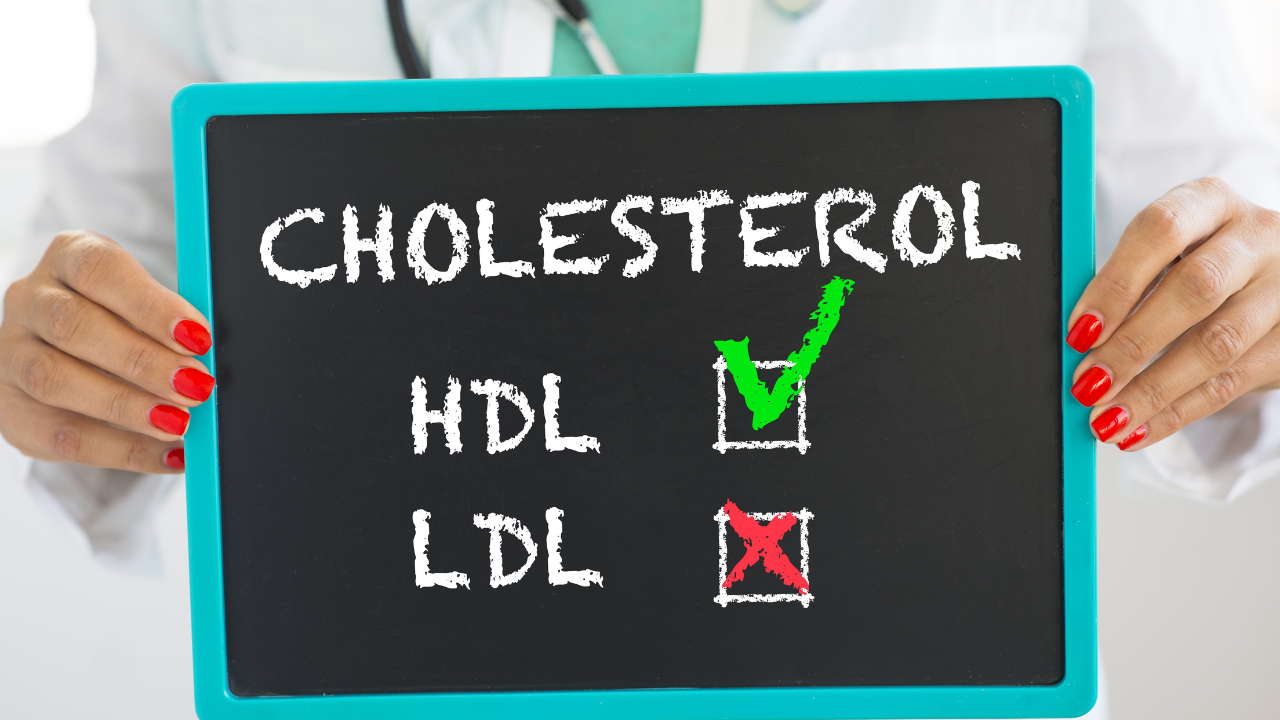
High cholesterol is a common condition that affects millions of people worldwide. It occurs when there is too much LDL cholesterol (also known as “bad” cholesterol) in the blood. LDL cholesterol can build up in the arteries, narrowing them and increasing the risk of heart disease, stroke, and other health problems.

There are a number of things you can do to lower your cholesterol, including eating a healthy diet, exercising regularly, and taking medication if necessary. However, one of the most effective ways to lower your cholesterol is to eat certain foods that have been shown to have cholesterol-lowering properties.

Here are 7 foods that can help you lower your cholesterol:

1. Oats: Oats are a good source of soluble fiber, which has been shown to lower LDL cholesterol levels. You can eat oats for breakfast, as a snack, or even add them to smoothies.

2. Beans: Beans are another good source of soluble fiber, and they also contain plant sterols, which can help block the absorption of cholesterol from the gut. Beans can be eaten in a variety of dishes, such as soups, salads, and burritos.

3. Apples: Apples are a good source of pectin, a soluble fiber that has been shown to lower LDL cholesterol levels. You can eat apples as a snack, add them to salads, or make them into applesauce.

4. Citrus fruits: Citrus fruits, such as oranges, grapefruits, and lemons, are a good source of vitamin C, which has been shown to help lower cholesterol levels. You can eat citrus fruits fresh, juiced, or as a frozen treat.

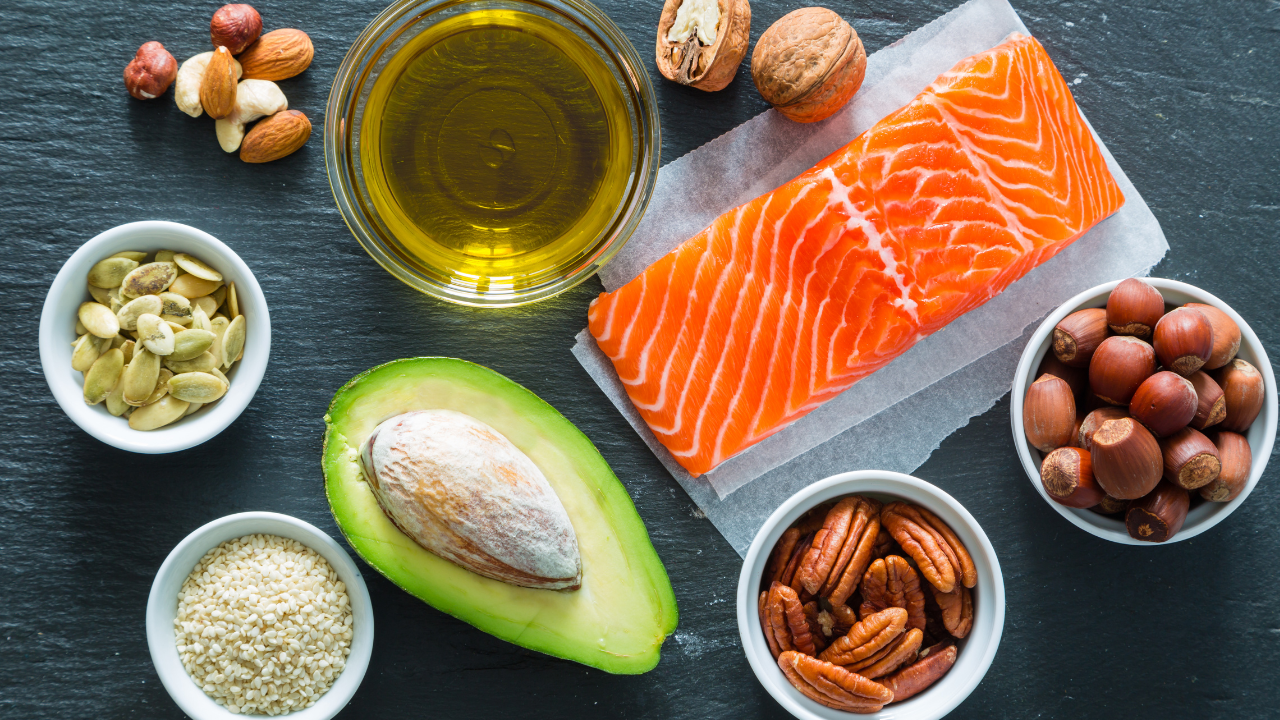
5. Nuts: Nuts are a good source of unsaturated fats, which can help lower LDL cholesterol levels. Some good choices of nuts include almonds, walnuts, and peanuts.

6. Soy products: Soy products, such as tofu, tempeh, and edamame, are a good source of soy protein, which has been shown to lower cholesterol levels. You can add soy products to a variety of dishes, such as stir-fries, salads, and soups.

7. Salmon: Salmon is a good source of omega-3 fatty acids, which have been shown to lower LDL cholesterol levels and raise HDL cholesterol levels (the “good” cholesterol). You can eat salmon grilled, baked, or poached.

These are just a few of the many foods that can help you lower your cholesterol. By incorporating these foods into your diet, you can help improve your cholesterol levels and reduce your risk of heart disease.

Here are some additional tips for lowering your cholesterol:

  • Limit your intake of saturated and trans fats.
  • Eat plenty of fruits, vegetables, and whole grains.
  • Choose lean protein sources, such as fish, chicken, and beans.
  • Limit your intake of processed foods and sugary drinks.
  • Exercise regularly.
Tagged : / / / / /

What Is Mindful Eating And How It Improves Your Health And Well-Being?

What Is Mindful Eating And How It Improves Your Health And Well-Being?
Mindful eating is the practice of paying attention to your food, on purpose, moment by moment, without judgment. It is a way of eating that can help you to enjoy your food more, eat less, and improve your overall health.

There are many benefits to mindful eating. It can help you to:

i. Lose weight or maintain a healthy weight
Mindful eating can help you to become more aware of your hunger and fullness cues, so that you eat only when you are truly hungry and stop eating when you are full.
ii. Improve your digestion
Mindful eating can help you to chew your food more thoroughly, which can improve your digestion and absorption of nutrients.
iii. Reduce stress
Mindful eating can help you to relax and enjoy your food, which can reduce stress levels.
iv. Improve your overall health
Mindful eating can help you to make healthier food choices, which can improve your overall health.

Here are 5 ways to be mindful while eating:

1. Eat slowly and without distractions
When you eat slowly, you give your body time to register that you are full. Distractions, such as watching TV or working on your computer, can make it harder to focus on your food and eat mindfully.

2. Pay attention to your body
Notice how your body feels before, during, and after you eat. Are you hungry? Full? What are your physical sensations?

3. Focus on the taste of your food
Notice the different flavors, textures, and smells of your food. How does it taste? What does it feel like in your mouth?

4. Be aware of your emotions
Are you eating because you are hungry, or are you eating for other reasons, such as stress or boredom? Be aware of your emotions and how they are affecting your eating.

5. Approach your meal with gratitude
Take a moment before you eat to appreciate the food you are about to eat. Think about where your food came from and the people who helped to prepare it.

Mindful eating is a skill that takes practice. The more you practice, the better you will become at it. Start by trying to be mindful for a few minutes at each meal. As you get more comfortable, you can gradually increase the amount of time you spend eating mindfully.

Here are some additional tips for mindful eating:

  • Eat in a quiet place where you won’t be interrupted.
  • Put your phone away.
  • Focus on your food and nothing else.
  • Take small bites and chew your food thoroughly.
  • Pay attention to how your food makes you feel.
  • Stop eating when you are full.

    Mindful eating is a simple but powerful way to improve your health and well-being. By following these tips, you can learn to eat more mindfully and enjoy your food more.

Tagged : / / / / /

Why Losing Weight In Your 40’s Becomes Difficult And What Are The Ways To Combat This?

Why Losing Weight In Your 40’s Becomes Difficult And What Are The Ways To Combat This?
Weight Loss is a difficult uphill task for most of us but it becomes more so when someone is in his or her 40’s. As you get older, it can become more difficult to lose weight. This is due to a number of factors, including:

1. A slower metabolism
Your metabolism is the rate at which your body burns calories. As you get older, your metabolism naturally slows down. This is because your body becomes less active and your muscle mass decreases. Muscle tissue burns more calories than fat tissue, so having less muscle mass means that you burn fewer calories overall.

2. Hormonal changes
Hormonal changes, such as those that occur during menopause, can also make it more difficult to lose weight. During menopause, women’s levels of estrogen decline. Estrogen helps to regulate metabolism, so when levels decline, metabolism can slow down. This can make it more difficult to lose weight and easier to gain weight.

3. Less muscle mass
As you age, you tend to lose muscle mass. This is because muscle tissue is metabolically active, meaning that it burns calories even when you’re at rest. When you lose muscle mass, you also lose some of your metabolic activity, which means that you burn fewer calories overall.

4. Changing lifestyle
As you get older, your lifestyle may also change. You may have less time to exercise, or you may find that you are more stressed, which can lead to unhealthy eating habits. Stress can lead to increased levels of the stress hormone cortisol, which can promote weight gain.

How to combat these factors:

There are a few things you can do to combat these factors and make it easier to lose weight in your 40s:

  • One is to eat a healthy diet that is high in protein and fiber. Protein helps to build and maintain muscle mass, while fiber helps you feel full and satisfied after eating.
  • Another is to exercise regularly. Aim for at least 30 minutes of moderate-intensity exercise most days of the week.
  • You can also try to manage stress in healthy ways. Exercise, yoga, and meditation are all great ways to reduce stress levels.
  • Finally, talk to your doctor if you are having trouble losing weight on your own. They can help you create a personalized weight loss plan that is right for you.
Tagged : / / / /

How Baby Corns Are a Super Food for Diabetic People

How Baby Corns Are a Super Food for Diabetic People
Baby corn is a miniature version of fully grown corn, but it packs a big nutritional punch. It is a low-calorie, high-fiber vegetable that is also a good source of vitamins, minerals, and antioxidants. For people with diabetes, baby corn can be a valuable addition to their diet. Here are some of the reasons why:

1. Low glycemic index
The glycemic index (GI) is a measure of how quickly a food raises blood sugar levels. Baby corn has a low GI, which means that it does not cause a sharp spike in blood sugar levels after eating.

2. High fiber content
Fiber helps to slow down the absorption of sugar into the bloodstream, which can help to keep blood sugar levels stable. Baby corn is a good source of soluble fiber, which is the type of fiber that has the most beneficial effects on blood sugar control.

3. Low in calories and fat
Baby corn is a low-calorie food, which makes it a good choice for people who are trying to lose weight or manage their weight. It is also a low-fat food, which is important for people with diabetes who are at risk of heart disease.

4. Rich in vitamins and minerals
Baby corn is a good source of vitamins A, C, and K, as well as the minerals magnesium, phosphorus, and potassium. These vitamins and minerals are essential for overall health and well-being, and they can also help to improve blood sugar control.

5. Antioxidant-rich
Baby corn is a good source of antioxidants, which can help to protect the body against damage from free radicals. Free radicals are unstable molecules that can damage cells, and they have been linked to a number of chronic diseases, including diabetes.

In addition to these health benefits, baby corn is also a versatile vegetable that can be enjoyed in a variety of dishes. It can be eaten raw, cooked, or stir-fried. It can also be added to soups, salads, and casseroles.

If you are looking for a healthy and delicious way to add more vegetables to your diet, baby corn is a great option. It is a low-calorie, high-fiber food that is also a good source of vitamins, minerals, and antioxidants. Baby corn can be a valuable addition to the diet of people with diabetes, as it can help to keep blood sugar levels stable.

Tagged : / / / / /

5 Strong Reasons Why You Should Drink Water From A Copper Bottle

5 Strong Reasons Why You Should Drink Water From A Copper Bottle
For centuries, people have been drinking water from copper vessels or bottles. There are many benefits to doing so, both for your health and for the environment.

Health benefits of drinking water from copper

Copper is an essential mineral for human health. It helps with the formation of red blood cells, the absorption of iron, and the production of collagen. Copper also has antimicrobial properties, which can help to keep you healthy by fighting off bacteria and viruses. When water is stored in a copper vessel or bottle, it reacts with the copper to form copper ions. These ions have been shown to have a number of health benefits, including:

1. Improved digestion
Copper is essential for the production of stomach acid, which helps to break down food and absorb nutrients. Copper also helps to regulate the movement of food through the digestive tract.

2. Boosted immunity
Copper is a key component of the immune system. It helps to produce white blood cells, which fight off infection. Copper also helps to repair damage to cells and tissues, which can help to prevent infection.

3. Reduced inflammation
Copper has anti-inflammatory properties. It helps to reduce inflammation in the body, which can help to relieve pain and improve overall health.

4. Protection against cancer
Copper has been shown to have some protective effects against cancer. It helps to repair DNA damage, which can help to prevent cancer cells from developing.

5. Anti-aging effects
Copper is essential for the production of collagen, which is a protein that gives the skin its elasticity and strength. Drinking water from copper can help to improve the appearance of the skin and reduce the signs of aging.

Environmental benefits of drinking water from copper

Copper is a sustainable material that can be recycled indefinitely. When you drink water from a copper vessel or bottle, you are helping to reduce waste and protect the environment.

How to drink water from a copper vessel or bottle?

To drink water from a copper vessel or bottle, simply fill it with fresh water and let it sit for at least 8 hours. The longer the water sits, the more copper ions will be released. You can also add a slice of lemon or lime to the water, which will help to enhance the flavor and the health benefits.

Safety precautions

It is important to note that drinking too much copper can be toxic. The recommended daily intake of copper is 0.9 mg for adults. If you are pregnant or breastfeeding, you should talk to your doctor before drinking water from a copper vessel or bottle.

Conclusion

Drinking water from a copper vessel or bottle is a healthy and sustainable way to hydrate. There are many potential health benefits, and it is a great way to reduce your environmental impact. If you are considering drinking water from copper, be sure to talk to your doctor first to make sure it is safe for you.

Tagged : / /

How to Protect Your Eyes from Conjunctivitis?

How to Protect Your Eyes from Conjunctivitis?
Conjunctivitis, also known as pink eye, is a common eye infection that causes the conjunctiva, the clear lining of the eye, to become inflamed. It can be caused by a virus, bacteria, or allergies.Conjunctivitis is usually not serious and goes away on its own within a week or two. However, it can be uncomfortable and contagious. There are a few things you can do to protect your eyes from conjunctivitis:

1. Wash your hands often. This is the single most important thing you can do to prevent the spread of conjunctivitis. Wash your hands with soap and water for at least 20 seconds, especially after using the bathroom, changing diapers, or blowing your nose.

2. Avoid touching your eyes. If you do touch your eyes, wash your hands immediately.

3. Avoid sharing personal items. This includes things like towels, makeup, and eye drops.

4. If you have conjunctivitis, stay home from work or school until your symptoms have cleared up. This will help to prevent the spread of the infection to others.

5. If you wear contact lenses, take them out and clean them according to the manufacturer’s instructions. You may also want to consider wearing glasses instead of contacts until your conjunctivitis has cleared up.

There are also a few over-the-counter medications that can help to relieve the symptoms of conjunctivitis, such as:

  • Artificial tears. These can help to keep your eyes moist and relieve dryness and irritation.
  • Cold compresses. Applying a cold compress to your eyes can help to reduce inflammation and swelling.
  • Antihistamine eye drops. If your conjunctivitis is caused by allergies, antihistamine eye drops can help to relieve itching and redness.

    If your conjunctivitis does not improve after a few days, or if it is accompanied by other symptoms, such as fever or pain, see your doctor. They may prescribe antibiotics or other medications to help you get better faster.

Tagged : / / /
Verified by ExactMetrics