How to Keep Your Vagina Clean and Healthy?

How to Keep Your Vagina Clean and Healthy?
The vagina is a muscular tube that connects the uterus to the outside of the body. The vagina is lined with a mucous membrane that helps to protect it from infection. The vagina produces natural fluids that help to keep it clean and healthy. The vagina is home to a variety of bacteria, most of which are harmless. However, some bacteria can cause infection, such as yeast infections and bacterial vaginosis. The vagina is a self-cleaning organ. This means that it produces natural fluids that help to keep it clean and healthy. However, there are some things you can do to help maintain vaginal health.

1. Wash the outside of your vagina with mild soap and water. Do not use soap inside your vagina, as this can irritate the delicate tissues.

2. Avoid using scented soaps, washes, or douches. These products can also irritate the vagina.

3. Wear loose-fitting, breathable clothing. This will help to keep the area cool and dry.

4. Change your underwear daily. This will help to prevent the growth of bacteria.

5. Urinate after sex. This will help to flush out any bacteria that may have been introduced during intercourse.

Here are some additional things to keep in mind:

  • The vagina is naturally acidic. This acidity helps to protect it from infection.
  • Do not douche. Douching can actually disrupt the natural balance of bacteria in the vagina and lead to infection.
  • If you are using a tampon, change it every 4-8 hours.
  • If you are experiencing any pain, itching, or unusual discharge, see your doctor.
    By following these tips, you can help to keep your vagina clean and healthy.
Tagged : / / /

5 Benefits of Drinking Aloe Vera Juice Everyday

5 Benefits of Drinking Aloe Vera Juice Everyday
Aloe vera is a succulent plant that has been used for centuries for its medicinal properties. The gel from the aloe vera plant is known for its moisturizing and soothing effects on the skin. But did you know that drinking aloe vera juice can also have a number of health benefits?

Here are 5 benefits of drinking aloe vera juice everyday:

1. Improves digestion. Aloe vera juice can help to improve digestion by increasing the production of gastric juices and enzymes. It can also help to soothe the stomach and intestines, making it a good choice for people with digestive problems such as ulcers, gastritis, and irritable bowel syndrome (IBS).

2. Boosts immunity. Aloe vera juice is a good source of antioxidants, which can help to boost the immune system and protect the body against infection. It also contains vitamins A, C, and E, which are all important for immune function.

3. Moisturizes the skin. The gel from the aloe vera plant is a natural humectant, which means that it attracts and retains moisture. This makes it a great way to hydrate the skin and keep it looking and feeling soft and smooth.

4. Reduces inflammation. Aloe vera juice has anti-inflammatory properties that can help to reduce swelling and pain in the body. This makes it a good choice for people with conditions such as arthritis, muscle pain, and joint pain.

5. Promotes wound healing. The gel from the aloe vera plant has been shown to promote wound healing. It can help to reduce inflammation and pain, and it can also help to prevent infection. This makes it a good choice for people with cuts, scrapes, and burns.

Aloe vera juice is generally safe to drink, but it is important to start with a small amount and gradually increase the amount you drink as tolerated. If you have any underlying health conditions, it is always a good idea to talk to your doctor before starting to drink aloe vera juice. By drinking aloe vera juice, you can reap the many health benefits of this amazing plant. So why not give it a try today?

Tagged : / / / / /

10 Shocking Health Hazards of Sitting

10 Shocking Health Hazards of Sitting
Sitting is a major part of our lives now. We sit at work, we sit at school, and we sit at home. But did you know that sitting for too long can be harmful to your health? In fact, sitting has been linked to a number of health problems, including:

1. Obesity: Sitting for long periods of time can lead to weight gain. This is because when you sit, your body burns fewer calories than when you are standing or moving.

2. Type 2 diabetes: Sitting for long periods of time can increase your risk of developing type 2 diabetes. This is because sitting can lead to insulin resistance, which is a condition in which the body does not use insulin properly.

3. Heart disease: Sitting for long periods of time can increase your risk of developing heart disease. This is because sitting can lead to high blood pressure, high cholesterol, and inflammation.

4. Stroke: Sitting for long periods of time can increase your risk of having a stroke. This is because sitting can lead to blood clots, which can block blood flow to the brain.

5. Deep vein thrombosis (DVT): Sitting for long periods of time can increase your risk of developing deep vein thrombosis (DVT). DVT is a blood clot that forms in a deep vein, usually in the leg.

6. Cancer: Sitting for long periods of time has been linked to an increased risk of developing certain types of cancer, including colon cancer, breast cancer, and endometrial cancer.

7. Dementia: Sitting for long periods of time can increase your risk of developing dementia, such as Alzheimer’s disease. This is because sitting can lead to cognitive decline.

8. Muscle weakness: Sitting for long periods of time can weaken your muscles. This is because when you sit, your muscles are not being used.

9. Varicose veins: Sitting for long periods of time can increase your risk of developing varicose veins. Varicose veins are enlarged veins that can cause pain and discomfort.

10. Back pain: Sitting for long periods of time can put stress on your back. This can lead to back pain and other problems.

If you sit for long periods of time, it is important to take breaks and move around as often as possible. You can also try to stand up and walk around every 20-30 minutes.

Here are some other tips to reduce the health risks of sitting:

  • Get regular exercise. Aim for at least 30 minutes of moderate-intensity exercise most days of the week.
  • Stand up and move around as often as possible. Get up and walk around every 20-30 minutes, even if it’s just to go to the bathroom or get a drink of water.
  • Avoid sitting for long periods of time at work. If you have a desk job, try to get up and move around every hour or so.
  • Use a standing desk or treadmill desk if possible. This will help you to stay active while you work.
  • Choose an active form of transportation whenever possible. Instead of driving, take a walk, bike ride, or public transportation.
    By following these tips, you can reduce your risk of developing the health problems associated with sitting.
Tagged : / / / /

Is Skipping Dinner for Weight Loss Healthy?

Is Skipping Dinner for Weight Loss Healthy?
Skipping dinner is a popular weight loss strategy that has been around for many years. The idea is that by skipping a meal, you will consume fewer calories overall and lose weight.

However, there is no scientific evidence to support the claim that skipping dinner is an effective way to lose weight. In fact, some studies have shown that skipping dinner can actually lead to weight gain.

One study published in the journal “Obesity” found that people who skipped dinner were more likely to gain weight over a 12-month period than those who ate dinner every day. The study’s authors believe that skipping dinner may lead to overeating later in the day or night.

Another study published in the journal “Nutrition and Metabolism” found that people who skipped dinner had lower levels of leptin, a hormone that helps regulate appetite. This suggests that skipping dinner may make it harder to feel full and satisfied, which could lead to overeating later.

If you are considering skipping dinner for weight loss, it is important to talk to your doctor first. There are other, more effective ways to lose weight that do not involve skipping meals.

Here are some healthy and effective ways to lose weight:

  • Eat a balanced diet that includes plenty of fruits, vegetables, and whole grains.
  • Limit processed foods, sugary drinks, and unhealthy fats.
  • Exercise regularly. Aim for at least 30 minutes of moderate-intensity exercise most days of the week.
  • Get enough sleep. Most adults need 7-8 hours of sleep per night.
    If you are overweight or obese, talk to your doctor about a safe and effective weight loss plan.

Here are some additional things to keep in mind if you are considering skipping dinner:

  • Skipping dinner can lead to hunger and cravings, which can make it difficult to stick to your weight loss plan.
  • Skipping dinner can disrupt your sleep, which can also make it harder to lose weight.
  • Skipping dinner can lead to nutrient deficiencies, especially if you are not eating other healthy meals throughout the day.
    If you are considering skipping dinner, it is important to weigh the risks and benefits carefully. There are other, more effective ways to lose weight that do not involve skipping meals.
Tagged : / / / /

Magnesium Deficiency Causes Heart Problems! Eat These 8 Magnesium Rich Foods Daily!

Magnesium Deficiency Causes Heart Problems! Eat These 8 Magnesium Rich Foods Daily!
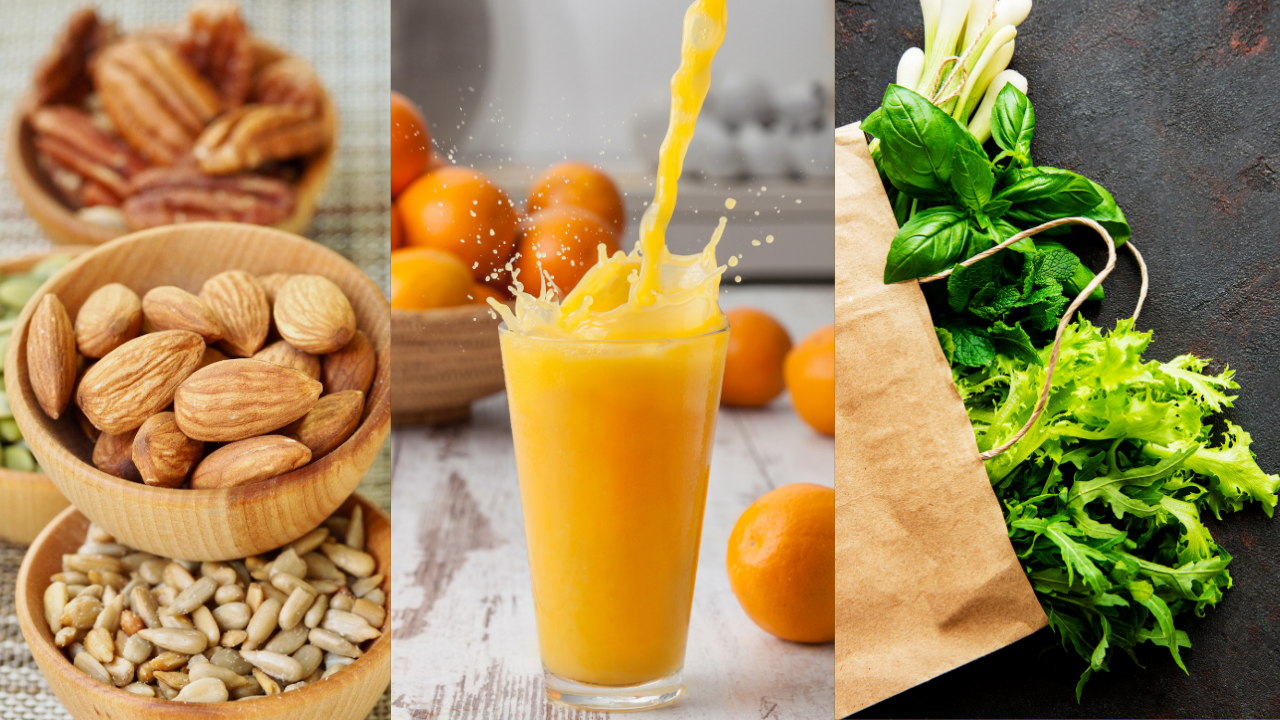
Magnesium is an essential mineral that plays a vital role in many bodily functions, including heart health. Magnesium helps regulate blood pressure, blood sugar levels, and heart rhythm. It also helps to keep the arteries relaxed, which can help to prevent heart disease. This is why you should make it a point to include Magnesium rich foods in your diet on a daily basis. Here are 8 good sources of Magnesium:

1. Dark Chocolate
Dark chocolate is a good source of magnesium, as well as other nutrients that are beneficial for heart health, such as antioxidants and flavonoids. A study published in the journal “Nutrition, Metabolism and Cardiovascular Diseases” found that people who ate 2 ounces of dark chocolate per day for two weeks had lower blood pressure and improved blood vessel function than those who did not eat dark chocolate.

2. Avocados
Avocados are another good source of magnesium, as well as healthy fats that can help to lower cholesterol levels. A study published in the journal “Nutrition Research” found that people who ate avocados for five days had lower levels of LDL (bad) cholesterol and triglycerides than those who did not eat avocados.

3. Almonds
Almonds are a good source of magnesium, vitamin E, fiber, and protein. They are also low in calories and fat. You should consume at least a fistful of almonds every day which have been soaked over night in water. Not only do they provide Magnesium for your heart health, the Vitamin E present in these nus is good for your skin health too.
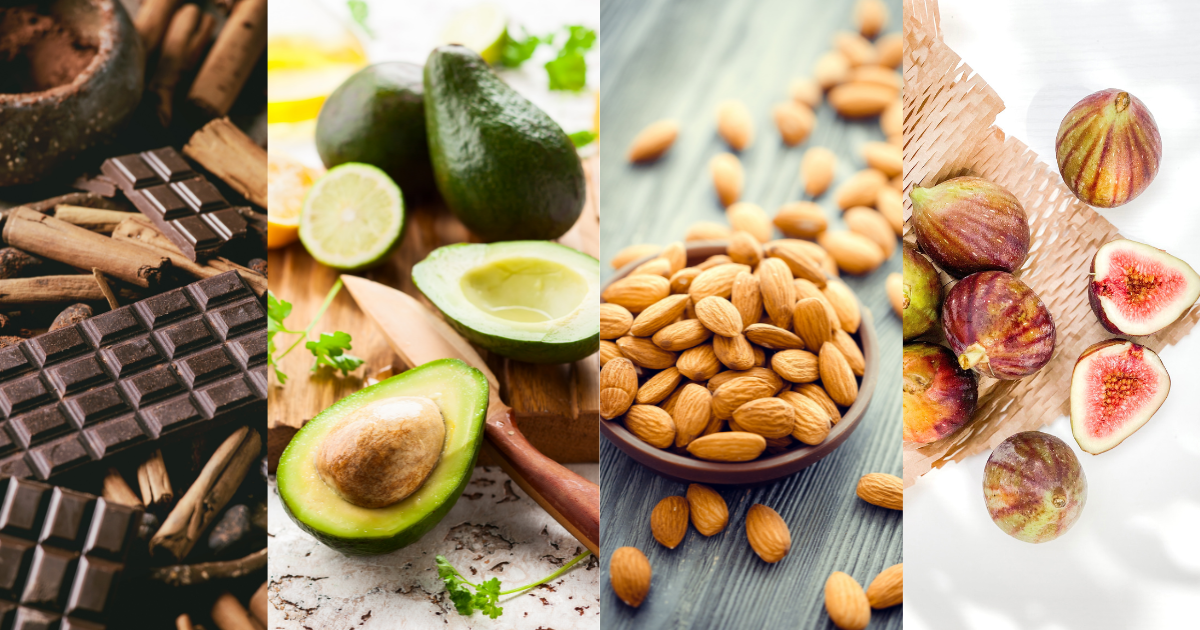
4. Figs
Magnesium content tends to be high in fruits with a high fibre content. Magnesium, which may be found in abundance in figs, is known to assist in the reduction of high blood pressure. However, amazingly, magnesium has no effect on blood pressure levels that are already considered normal. Because of its inherent sweetness, this fruit is perfect for both a snack and a dessert. Dried figs have 51 milligrammes of magnesium in every half cup serving.

5. Kidney Beans (Rajma)
According to a number of studies, having a magnesium intake that is too low depletes the blood of a vital mineral, which in turn raises the risk of developing chronic inflammation as well as cardiac issues. There are several positive health effects associated with eating kidney beans due to their high nutrient content. You can get 79.3 mg of magnesium from eating one cup of boiling beans.

6. Banana
Not only is banana a great source of Potassium, it also provides one with a considerable amount of magnesium too. One medium sized banana provides 32 mg of magnesium. The best thing about bananas is that they are available throughout the year and are not very expensive.
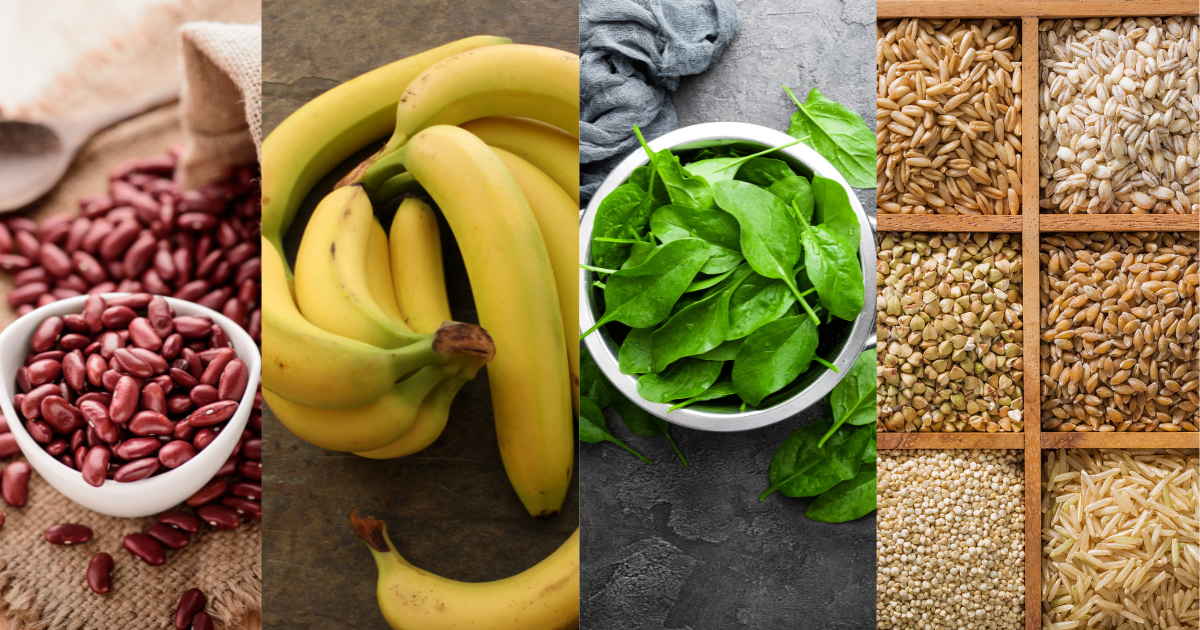
7. Spinach
Spinach is a great green leafy vegetable because of the many nutrients and micronutrients it contains. A cup of raw spinach has around 23 mg of magnesium. So always include spinach in your diet.

8. Whole Grains
Whole grains are a good source of magnesium, as well as fiber and other nutrients that are beneficial for heart health. Some good choices include brown rice, quinoa, and whole wheat bread. One cup of whole wheat flour has nearly 165 mg of magnesium.

In addition to eating these magnesium-rich foods, there are other things you can do to improve your heart health, such as exercising regularly, maintaining a healthy weight, and quitting smoking.

Tagged : / / / /

Why Should You Soak Walnuts In Before Consuming In Any Season

Why Should You Soak Walnuts In Before Consuming In Any Season
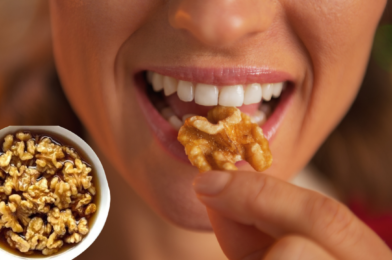
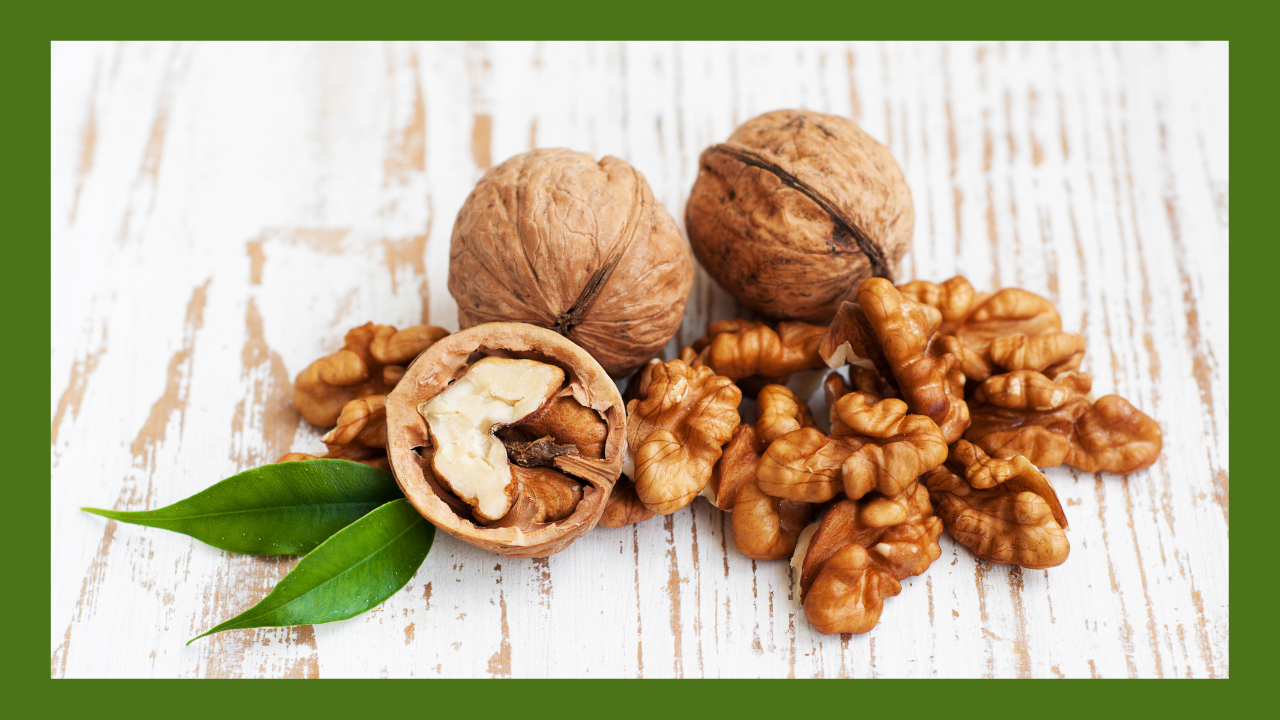
Walnuts are a popular and nutritious nut that is a good source of protein, fiber, and healthy fats. They are also a good source of vitamins and minerals, including vitamin E, magnesium, and phosphorus.

Walnuts are often soaked before consuming them. Soaking walnuts makes them easier to digest and also helps to improve their nutritional value.

Here are some of the benefits of soaking walnuts:

1. Improved digestibility
Soaking walnuts helps to break down the phytic acid that they contain. Phytic acid is an antinutrient that can interfere with the absorption of nutrients.

2. Increased nutrient absorption
Soaking walnuts also helps to increase the absorption of their nutrients. This is because the soaking process breaks down the cell walls of the walnuts, making the nutrients more accessible.

3. Reduced enzyme inhibitors
Walnuts contain enzyme inhibitors that can interfere with digestion. Soaking walnuts helps to reduce these enzyme inhibitors, making them easier to digest.

4. Increased bioavailability of antioxidants
Soaking walnuts helps to increase the bioavailability of their antioxidants. This is because the soaking process helps to break down the cell walls of the walnuts, making the antioxidants more accessible.

5. Improved taste and texture
Soaking walnuts can also improve their taste and texture. Soaking walnuts makes them softer and easier to chew.

To soak walnuts, simply place them in a bowl of water and let them soak for at least 4 hours, or overnight. After soaking, drain the walnuts and rinse them well. You can then eat them raw, add them to recipes, or grind them into a powder.

Walnuts are a healthy and nutritious nut that can be enjoyed in many ways. Soaking walnuts before consuming them can improve their nutritional value and make them easier to digest.

Here are some additional tips for soaking walnuts:

  • Use filtered or bottled water to soak the walnuts.
  • Soak the walnuts in a glass or ceramic bowl, as metal can react with the walnuts and alter their flavor.
  • Change the water every 8-12 hours to prevent the walnuts from fermenting.
  • Soak the walnuts for at least 4 hours, or overnight, for the best results.
  • Once the walnuts are soaked, you can store them in the refrigerator for up to 5 days.
Tagged : / / /

What is Skin Cancer, Its Symptoms and How to prevent it?

What is Skin Cancer, Its Symptoms and How to prevent it?
What is Skin Cancer?

Skin cancer is the most common cancer in the United States. It is caused by the damage to the DNA of skin cells caused by ultraviolet (UV) radiation from the sun or tanning beds.

There are three main types of skin cancer:

1. Basal cell carcinoma is the most common type of skin cancer. It usually appears as a small, raised bump on the skin.

2. Squamous cell carcinoma is the second most common type of skin cancer. It usually appears as a scaly or crusty patch on the skin.

3. Melanoma is the least common but most serious type of skin cancer. It can appear as a new mole or a change in an existing mole.

Symptoms of Skin Cancer

The symptoms of skin cancer can vary depending on the type of cancer. However, some common symptoms include:

  • A new growth or change in an existing mole
  • A sore that does not heal
  • A scaly or crusty patch on the skin
  • A red, scaly patch that itches
  • A bleeding or crusting growth
  • How to Prevent Skin Cancer

There are a number of things you can do to help prevent skin cancer, including:

  • Limit your exposure to UV radiation from the sun and tanning beds.
  • Wear sunscreen with an SPF of 30 or higher every day, even on cloudy days.
  • Wear protective clothing, such as a hat and sunglasses, when you are outdoors.
  • Avoid tanning beds.
  • Get regular skin checks from your doctor.
  • If you notice any changes in your skin, such as a new growth or a change in an existing mole, it is important to see your doctor right away. Early detection and treatment of skin cancer is important to improve the chances of a cure.

Tagged : / / / /

10 Best Calcium Sources for Women’s Bone Health

10 Best Calcium Sources for Women’s Bone Health
Calcium is an essential mineral for women of all ages. It is needed for strong bones and teeth, as well as for muscle function, blood clotting, and nerve transmission.

The recommended daily intake of calcium for women is 1,000 milligrams (mg) per day. However, some women, such as those who are pregnant or breastfeeding, may need more calcium. Here are 10 of the best calcium sources for women:

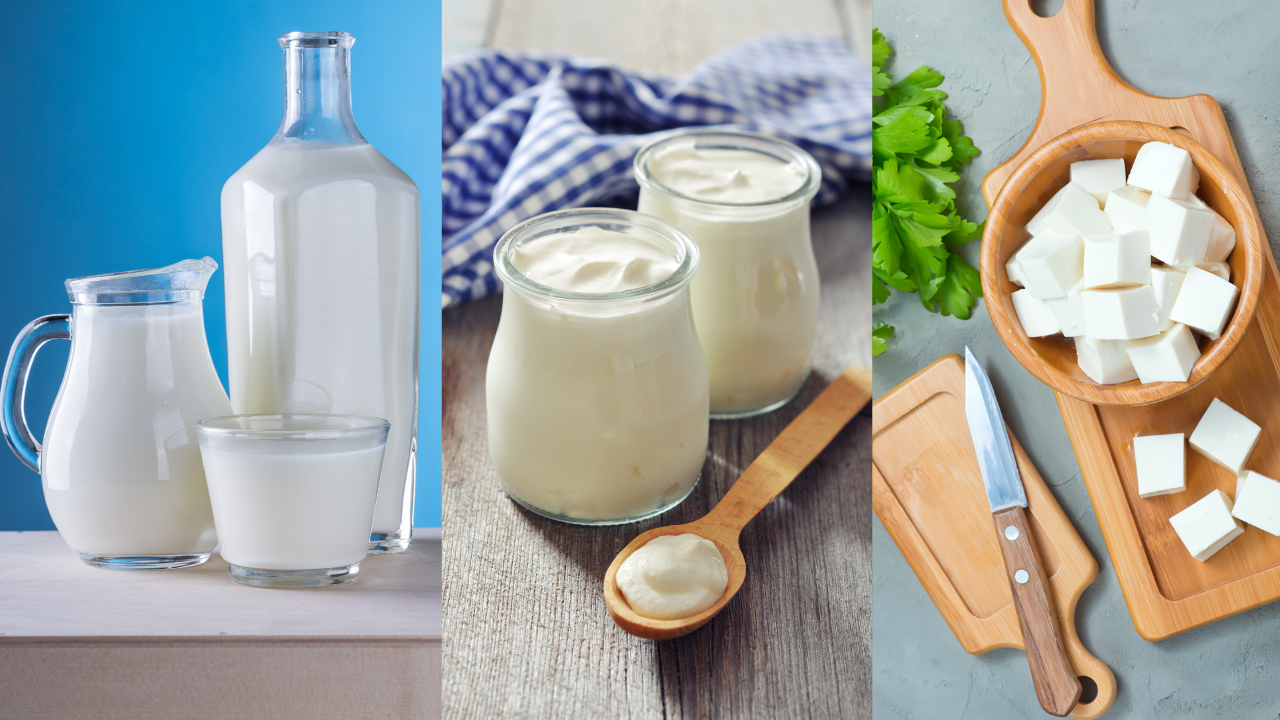
1. Milk and yogurt
Milk and yogurt are excellent sources of calcium. A cup of milk contains about 300 mg of calcium, and a cup of yogurt contains about 400 mg.

2. Cheese
Cheese is another good source of calcium. A slice of cheddar cheese contains about 200 mg of calcium.

3. Tofu
Tofu is a plant-based source of calcium. A 100-gram serving of tofu contains about 250 mg of calcium.

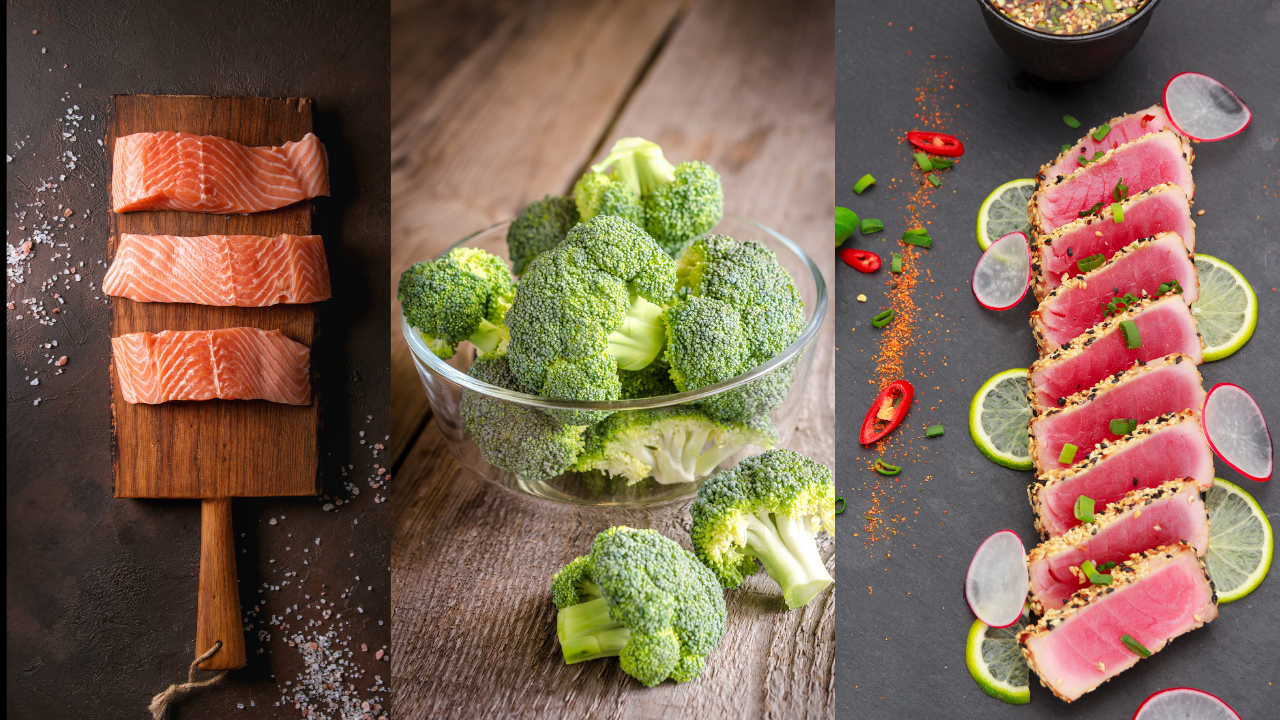
4. Broccoli
Broccoli is a good source of calcium, as well as other nutrients like vitamin C and fiber. A cup of cooked broccoli contains about 100 mg of calcium.

5. Salmon
Salmon is a good source of calcium, as well as protein and omega-3 fatty acids. A 3-ounce serving of salmon contains about 180 mg of calcium.

6. Tuna
Tuna is another good source of calcium from fish. A 3-ounce serving of tuna contains about 120 mg of calcium

7. Orange juice
Orange juice is fortified with calcium, making it a good source of this mineral. A cup of orange juice contains about 300 mg of calcium.

8. Soy milk
Soy milk is a good source of calcium for people who are lactose intolerant. A cup of soy milk contains about 300 mg of calcium.

9. Nuts and seeds.
Nuts and seeds are a good source of calcium, as well as other nutrients like protein and fiber. Almonds, sesame seeds, and chia seeds are all good sources of calcium.

10. Dark green leafy vegetables
Dark green leafy vegetables, such as kale, spinach, and collard greens, are a good source of calcium. A cup of cooked kale contains about 200 mg of calcium.

In addition to these foods, there are also calcium supplements available. Calcium supplements are a good option for people who do not get enough calcium from their diet. It is important to note that too much calcium can be harmful. The upper limit for calcium intake is 2,500 mg per day. If you are taking calcium supplements, it is important to talk to your doctor to make sure you are not getting too much.

By eating a variety of calcium-rich foods, women can ensure that they are getting enough of this important mineral for good health.

Tagged : / / / / /

7 Simple Ways To Boost Blood Circulation

7 Simple Ways To Boost Blood Circulation
Blood circulation is the process of blood flowing through your body. It delivers oxygen and nutrients to your cells and removes waste products. Good blood circulation is essential for your overall health and well-being.

There are many things you can do to boost blood circulation. Here are a few tips:

1. Exercise regularly
Exercise is one of the best things you can do for your blood circulation. It helps to keep your blood vessels healthy and open. Aim for at least 30 minutes of moderate-intensity exercise most days of the week.

2. Keep yourself hydrated
When you’re dehydrated, your blood becomes thicker and more viscous, which makes it harder for it to flow through your blood vessels. Aim to drink 8 glasses of water per day, or more if you’re active or live in a hot climate.

3. Eat a healthy diet
A healthy diet includes plenty of fruits, vegetables, and whole grains. These foods are rich in antioxidants and other nutrients that help to keep your blood vessels healthy.

4. Maintain a healthy weight
Excess weight can put extra strain on your blood vessels, making it harder for blood to flow. If you are overweight or obese, losing even a small amount of weight can help to improve your blood circulation.

5. Quit smoking
Smoking damages your blood vessels and makes it harder for blood to flow. If you smoke, quitting is one of the best things you can do for your overall health.

6. Get enough sleep
When you don’t get enough sleep, your body produces more of the stress hormone cortisol. Cortisol can constrict your blood vessels and make it harder for blood to flow. Aim for 7-8 hours of sleep per night.

7. Manage stress
Stress can also constrict your blood vessels and make it harder for blood to flow. Find healthy ways to manage stress, such as exercise, yoga, or meditation.

If you have any concerns about your blood circulation, talk to your doctor. They can help you determine if you have a problem and recommend treatment options.

Tagged : / / /

5 Reasons Why Ghee Should Be A Part Of Your Daily Diet

5 Reasons Why Ghee Should Be A Part Of Your Daily Diet
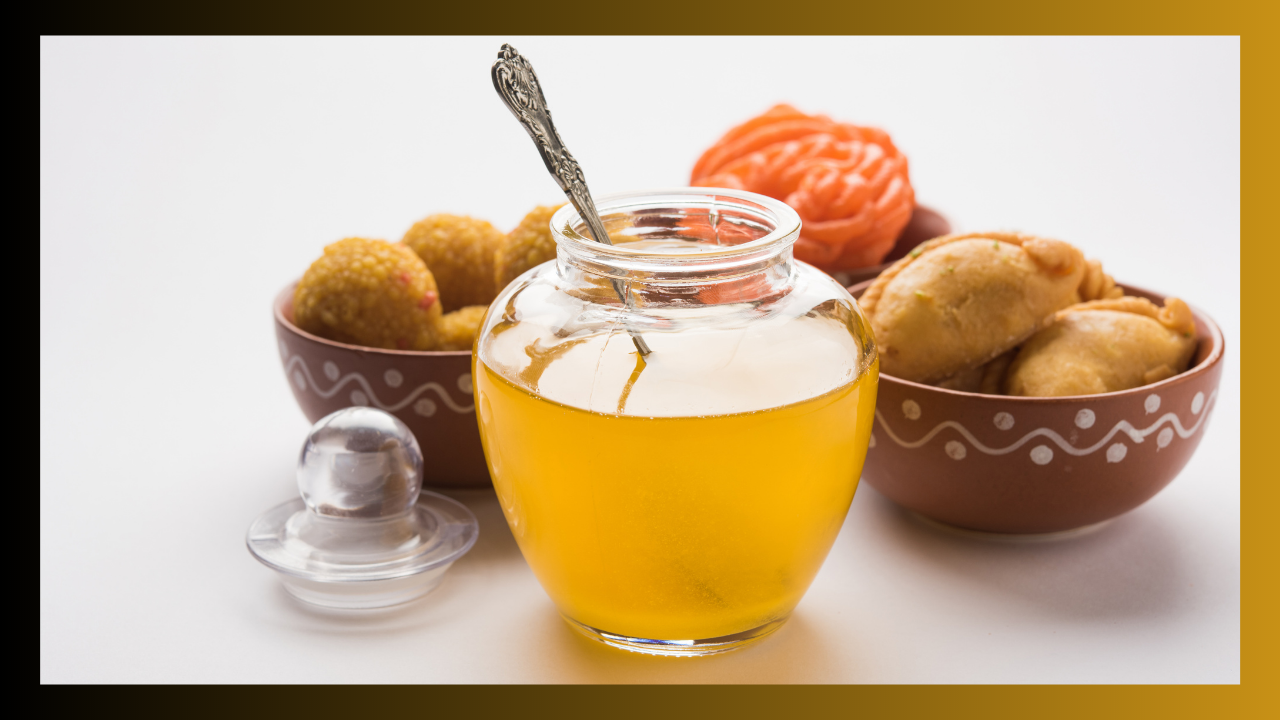
Ghee is a type of clarified butter that has been used for centuries in Ayurvedic medicine. It is made by simmering butter until the milk solids and water evaporate, leaving behind a pure, golden oil. Ghee has a nutty flavor and a high smoke point, making it ideal for cooking.

Here are 5 reasons why ghee should be a part of your daily diet:

1. It is a good source of healthy fats
Ghee is high in saturated fat, but these fats are different from the unhealthy saturated fats found in processed foods. Ghee contains butyric acid, a short-chain fatty acid that has been shown to have many health benefits, including improved gut health and brain function.

2. It is easy to digest
Ghee is a very digestible fat, which is why it is often recommended for people with digestive problems. The milk solids in butter are what make it difficult to digest, but these solids are removed during the ghee-making process.

3. It is rich in vitamins and minerals
Ghee is a good source of vitamins A, D, E, and K. These vitamins are essential for many bodily functions, including vision, bone health, and immunity.

4. It has anti-inflammatory properties
Ghee contains butyric acid, which has been shown to have anti-inflammatory properties. Inflammation is a major underlying factor in many chronic diseases, so eating ghee may help to reduce your risk of these diseases.

5. It can boost your immunity
Ghee contains butyric acid, which has been shown to boost immunity. Butyric acid helps to maintain the health of the gut lining, which is important for a strong immune system.

Ghee is a versatile and healthy fat that can be enjoyed in many ways. It can be used for cooking, baking, or simply drizzled on top of your favorite foods. If you are looking for a healthy way to add fat to your diet, ghee is a great option.

Here are some tips for using ghee in your diet:

  •  Use ghee instead of butter for cooking. Ghee has a higher smoke point than butter, so it is less likely to burn.
  • Add ghee to your favorite recipes. Ghee can be used in a variety of dishes, from curries to stir-fries.
  • Drizzle ghee on top of your food. Ghee adds a delicious flavor and richness to any dish.
  • Use ghee as a dipping sauce. Ghee can be used as a dip for bread, vegetables, or crackers.
Tagged : / / / /

5 Yoga Poses to Lower Hypertension Naturally

5 Yoga Poses to Lower Hypertension Naturally
Hypertension, or high blood pressure, is a common health concern that affects millions of people worldwide. It is a major risk factor for heart disease, stroke, and other serious health problems.

There are many different ways to lower hypertension, including medication, diet, and exercise. Yoga is a natural and effective way to lower blood pressure, and it can also help to improve your overall health and well-being.

Here are 6 yoga poses that can help to lower hypertension:

1. Shavasana (Corpse Pose)

This pose is a great way to relax and reduce stress, which can both contribute to high blood pressure. Lie on your back with your legs extended and your arms at your sides. Close your eyes and breathe deeply for 5-10 minutes.

2. Viparita Karani (Legs Up the Wall Pose)


This pose helps to improve circulation and reduce stress. Lie on your back with your legs up the wall, keeping your hips and knees at a right angle. Hold for 5-10 minutes.

3. Sukhasana (Easy Pose)


This pose is a simple and relaxing pose that can help to improve your posture and reduce stress. Sit cross-legged with your back straight. Close your eyes and breathe deeply for 5-10 minutes.

4. Baddha Konasana (Butterfly Pose)


This pose helps to stretch the inner thighs and hips, which can help to improve circulation and reduce stress. Sit on the floor with your legs extended in front of you. Bend your knees and bring the soles of your feet together. Hold for 5-10 breaths.

5. Balasana (Child’s Pose)


This pose is a gentle and relaxing pose that can help to calm the mind and reduce stress. Kneel on the floor with your big toes touching. Sit back on your heels and bring your forehead to the ground. Hold for 5-10 breaths.

If you are new to yoga, it is important to start slowly and gradually increase the duration of your practice. It is also important to talk to your doctor before starting any new exercise program, especially if you have any health conditions.

Yoga is a safe and effective way to lower hypertension and improve your overall health and well-being. By incorporating these poses into your regular practice, you can help to reduce your risk of heart disease, stroke, and other chronic health problems.

Tagged : / / / /

Guinness World Records Shares The Bizarre Incident Of 11-Year-Old Boy Sleepwalking for 160 km

Guinness World Records Shares The Bizarre Incident Of 11-Year-Old Boy Sleepwalking for 160 km
Sleepwalking is a disorder that causes a person to walk while they are in a sleep-like state, as the name of the condition suggests. According to the Guinness World Records, there was a strange incident in which a little youngster sleepwalked almost 100 miles (160 kilometres) away from his home.

On Tuesday, GWR stated that the incident occurred 36 years ago, when Michael Dixon was discovered walking down a railway track near Peru, Indiana, in the United States. This location is in the United States. He had no shoes on and was only wearing his pyjamas when I saw him.

A member of the train crew saw the 11-year-old youngster around 2:45 in the morning on April 6, 1987, and they reported to the authorities that the boy was in an unusual state. Dixon told the police that he was from Danville, Illinois, in response to their question on his residence.

By joining a goods train from a station that was located close to his residence, Dixon was able to travel such a significant distance in the middle of the night. After some time had passed, he related his story to a social worker working for the Miami County Welfare Department. He stated that he did not recall getting on or off the train. A nurse attended to his injured feet, but other than that, he was completely undamaged. His feet had cuts all over because he was not wearing any footwear.

Soon after, Dixon’s mother was notified about her son’s whereabouts, and she hurried over to get him as soon as she could. According to an article that was published in The Ball State Daily News, Michael’s mother stated that the last time she saw her son was at ten o’clock at night, while he was still in his bed. She stated that he would sleepwalk, but he was never expected to leave the house because of this behaviour.

According to the Cleveland Clinic, sleepwalking is a common childhood disorder that, in most cases, resolves on its own by the time a child enters puberty.

Tagged : / / / /

9 Solid Reasons For Avoiding Soft Drinks

9 Solid Reasons For Avoiding Soft Drinks
Soft drinks and sodas are a popular beverage choice for many people. However, they are also high in sugar, calories, and artificial ingredients. There are many reasons why you should avoid soft drinks and sodas.

Here are 9 reasons to avoid soft drinks and sodas:

1. They are high in sugar. Soft drinks and sodas are often loaded with sugar, which can lead to weight gain and tooth decay. A single can of soda can contain more sugar than the recommended daily intake for adults.

2. They are high in calories. Soft drinks and sodas are also high in calories, which can contribute to weight gain. A single can of soda can contain over 100 calories.

3. They contain artificial ingredients. Soft drinks and sodas often contain artificial sweeteners, colors, and flavors. These ingredients have been linked to health problems such as headaches, anxiety, and hyperactivity.

4. They can cause tooth decay. The sugar in soft drinks and sodas can damage teeth and lead to tooth decay. The acids in soft drinks can also erode tooth enamel.

5. They can lead to weight gain. The high sugar and calorie content of soft drinks and sodas can contribute to weight gain. Overweight and obesity are linked to a number of health problems, including heart disease, stroke, and type 2 diabetes.

6. They can cause dehydration. Soft drinks and sodas can actually dehydrate you. The caffeine in soft drinks can also make you feel jittery and anxious.

7. They can cause kidney stones. The high phosphorus content of soft drinks can increase your risk of developing kidney stones.

8. They can increase your risk of type 2 diabetes. The sugar and calories in soft drinks can increase your risk of developing type 2 diabetes.

9. They can damage your liver. The high fructose corn syrup in soft drinks can damage your liver.

If you are looking for a healthier beverage choice, there are many alternatives to soft drinks and sodas. Water, unsweetened tea, and coffee are all good options. You can also try flavored sparkling water or fruit-infused water.

If you are addicted to soft drinks, it may be difficult to quit cold turkey. However, there are a few things you can do to make the transition easier. Start by gradually reducing the amount of soft drinks you drink each day. You can also try replacing soft drinks with healthier beverages. With a little effort, you can kick your soft drink habit and improve your health.

Tagged : / / / / / /

7 Easily Available Foods That Reduce Body Heat Naturally

7 Easily Available Foods That Reduce Body Heat Naturally
Do you know that our different bodies have different level of heat? Some people naturally have high body heat while others don’t. Our body heat is also responsible for our health and problems related to it. Generally high body heat is not considered good. So if you are someone who has high body heat, consume these easily available 7 foods to reduce it.

1. Coconut water is a natural electrolyte drink that is also rich in potassium. It can help to cool the body and prevent dehydration.

2. Mint has cooling properties that can help to soothe a hot body. It can be used in dips, chutneys, or drinks.

3. Watermelon is a refreshing fruit that is mostly made up of water. It is also a good source of vitamins A and C, which can help to boost the body’s cooling system.

4. Curd is a fermented milk product that is rich in probiotics. Probiotics can help to regulate the body’s temperature.

5. Buttermilk is a drink made from fermented milk. It is rich in electrolytes and can help to cool the body.

6. Cucumber is a vegetable that is mostly made up of water. It is also a good source of vitamins K and C, which can help to cool the body.

7. Sattu is a flour made from roasted gram flour. It is a good source of protein and fiber, and it can help to keep the body cool.

In addition to eating these foods, there are other things you can do to help reduce body heat, such as:

Drinking plenty of fluids
Staying in cool environments
Wearing loose-fitting clothing
Taking a cool shower or bath
Avoiding strenuous activity during hot weather

Tagged : / / / /

5 Benefits of Post-Dinner Evening Walk You Should Know About

5 Benefits of Post-Dinner Evening Walk You Should Know About
Walking is a great way to get exercise and stay healthy. But did you know that walking after dinner can be especially beneficial? Here are 5 reasons why you should consider taking a post-dinner evening walk:

1. Improved digestion
Walking after dinner can help to improve digestion. This is because walking helps to move food through the digestive system and can also help to reduce bloating and gas.

2. Weight loss
Walking after dinner can help you to lose weight or maintain a healthy weight. This is because walking burns calories and can help to create a calorie deficit.

3. Reduced stress
Walking after dinner can help to reduce stress. This is because walking releases endorphins, which have mood-boosting effects.

4. Improved sleep
Walking after dinner can help to improve sleep. This is because walking can help to tire you out and make it easier to fall asleep.

5. Sharper mind
Walking after dinner can help to improve cognitive function. This is because walking helps to increase blood flow to the brain.

If you are looking for a way to improve your health, consider taking a post-dinner evening walk. It is a simple way to get exercise and reap many benefits.

Here are some additional tips for getting the most out of your post-dinner evening walk:

  • Walk for at least 30 minutes.
  • Walk at a moderate pace.
  • Walk in a safe area.
  • Wear comfortable shoes.
  • Bring water with you.

    If you are new to walking, start slowly and gradually increase the duration and intensity of your walks. And if you have any health concerns, talk to your doctor before starting a new exercise program.

Tagged : / / /
Verified by ExactMetrics