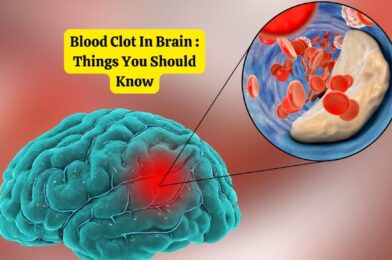
Why Do people suddenly develop brain clots in the brain? Can It Be prevented?
Blood clots are clumps of blood cells that form in the bloodstream. They can be dangerous because they can block blood flow to vital organs, such as the heart, brain, and lungs.
There are a number of reasons why people can suddenly develop brain clots, including:
1. Atherosclerosis: Atherosclerosis is a condition in which plaque builds up on the walls of the arteries. This can narrow the arteries and reduce blood flow to the brain. If a plaque ruptures, a blood clot can form.
2. Hypertension: Hypertension, or high blood pressure, can damage the arteries and make them more prone to blood clots
3. Heart disease: Heart disease can increase the risk of blood clots forming in the heart. These clots can then travel to the brain and cause a stroke.
4. Diabetes: Diabetes can damage blood vessels and increase the risk of blood clots.
5. Smoking: Smoking damages blood vessels and increases the risk of blood clots.
6. Certain medications: Some medications, such as birth control pills and hormone replacement therapy, can increase the risk of blood clots.
7. Medical conditions: Certain medical conditions, such as cancer and blood disorders, can also increase the risk of blood clots.
8. Head injury: A head injury can damage blood vessels in the brain and increase the risk of a blood clot forming.
In some cases, people may develop a brain clot without any obvious cause. This is known as a cryptogenic stroke.

Symptoms of a blood clot in the brain
The symptoms of a blood clot in the brain can vary depending on the size and location of the clot. Some common symptoms include:
- Sudden numbness or weakness in the face, arm, or leg, especially on one side of the body
- Sudden confusion, trouble speaking or understanding speech
- Sudden trouble seeing in one or both eyes
- Sudden trouble walking, maintaining balance, or coordination
- Sudden severe headache with no known cause
- Sudden dizziness, loss of balance, or coordination
- Sudden fainting or loss of consciousness
- Treatment for a blood clot in the brain
Treatment for a blood clot in the brain depends on the size and location of the clot. In some cases, the clot may dissolve on its own. However, in other cases, treatment may be necessary to prevent the clot from growing or breaking off and traveling to other parts of the body.
Common treatments for a blood clot in the brain include:
Blood thinners: Blood thinners are medications that help to prevent blood clots from forming and growing.
Clot-busting drugs: Clot-busting drugs are medications that help to dissolve blood clots.
Surgery: In some cases, surgery may be necessary to remove a blood clot.
Prevention of a blood clot in the brain
There are a number of things you can do to prevent a blood clot in the brain, including:
Maintaining a healthy weight: Being overweight or obese increases your risk of blood clots

i. Exercising regularly: Exercise helps to improve blood flow and reduce the risk of blood clots.
ii. Avoiding smoking: Smoking damages blood vessels and increases the risk of blood clots.
iii. Managing any underlying medical conditions: If you have any underlying medical conditions, such as heart disease, cancer, or diabetes, it is important to manage them carefully to reduce your risk of blood clots
Can a blood clot in the brain be prevented?
Some cases of brain clots can be prevented by managing underlying medical conditions and lifestyle factors. For example, if you have high blood pressure, diabetes, or high cholesterol, it is important to work with your doctor to manage these conditions. You should also avoid smoking and maintain a healthy weight.
However, some cases of brain clots are not preventable, especially those that are caused by genetic factors or head injuries. If you have a family history of blood clots or have had a head injury, it is important to talk to your doctor about your risk factors.
If you are concerned about your risk of a blood clot in the brain, talk to your doctor. They can help you assess your risk and develop a plan to reduce your chances of developing a blood clot.