Apples were not like what they are now! Here’s how modern juicy apples evolved

Tracing the evolutionary history of the crisp and juicy apples, scientists have found that modern apples originated in a mountainous region of Kazakhstan around 10,000 years ago.

The study showed that the modern domesticated apple — Malus domestica — emerged as a result of genetic exchange because of traders travelling back and forth along the Silk Road — ancient routes running from the far east to the Mediterranean sea.

“We narrowed down the origin of domesticated apple from very broad central Asia to Kazakhstan area west of Tian Shan Mountain,” said lead author Zhangjun Fei, Professor at Boyce Thompson Institute (BTI) — a research institute in the US.

For the study, published in the journal Nature Communications, the team sequenced and compared the genomes of 117 diverse apple accessions, including M. domestica and 23 wild species from North America, Europe and East and central Asia.

In addition, the first domesticated apple had also travelled to the east, hybridising with local wild apples along the way, yielding the ancestors of soft, dessert apples.

As the apple travelled west along the Silk Road in the hands of travellers, trees grew from dropped seeds and crossed with other wild apple varieties, including the incredibly sour European crabapple — Malus sylvestris.

M. sylvestris contributed extensively to the fruit’s genome, making the modern apple more similar to the sour crabapple than to its Kazakhstani ancestor — M. sieversii.

The hybridisation and M. sylvestris, followed by extensive human selection, resulted in new apples that are larger and fuller in flavour, and with a crispy firmness that gives them a longer shelf life, the researchers said.

Thus, “the modern domesticated apples have higher and well-balanced sugar and organic acid contents. That is how the apple started to become a popular and favoured fruit”, the researchers said.

As a technology lover you may like our daily important technology news series. It’s a playlist and you can retrieve the total day-wise videos. Please consider subscribing our YouTube channel:

Author: Technology Vista

Tagged : /

Promising kidney disease cure to undergo first human trial in Australia

A drug that successfully prevented kidney disease in diabetic mice is set to undergo its first human trial in Australia.

More than 140 Australians suffering from Type-1 or Type-2 diabetes will participate in the study to be run by the Baker Heart and Diabetes Institute, Xinhua news agency reported.

A drug developed by researchers at Monash University that blocks a pathway through which NOX enzymes cause damage to the kidneys will be tested in the trial, which will begin in September.

Blocking the pathway in mice had prevented kidney damage and the drug has shown promise in repairing eye and heart damage related to diabetes, said Mark Cooper from Monash University.

The rights to the drug are owned by Swiss pharmaceutical company Genkyotex.

“In the diabetic kidney, three things happen: it scars, it gets inflamed, and it leaks the protein albumin,” Cooper was quoted as saying by the Australian media on Wednesday.

“We were able to show this drug stopped the protein leaking, stopped the inflammation, and stopped the scarring. It’s the scarring, particularly, that causes kidney failure,” Cooper said.

The 142 study participants will have their urine tested for albumin and then be administered the NOX-inhibitor or a placebo for 12 months.

Kidney disease is one of the most common causes of death associated with diabetes.

“If we can slow down kidney disease, and also reduce heart and eye disease in the diabetes population, it will dramatically improve lifespan and quality of life,” Cooper said.

“These people (sufferers of both type 1 and 2 diabetes) can avoid dialysis, have fewer heart attacks, and suffer less blindness,” he added.

As a technology lover you may like our daily important technology news series. It’s a playlist and you can retrieve the total day-wise videos. Please consider subscribing our YouTube channel:

Author: Technology Vista
Tagged : /

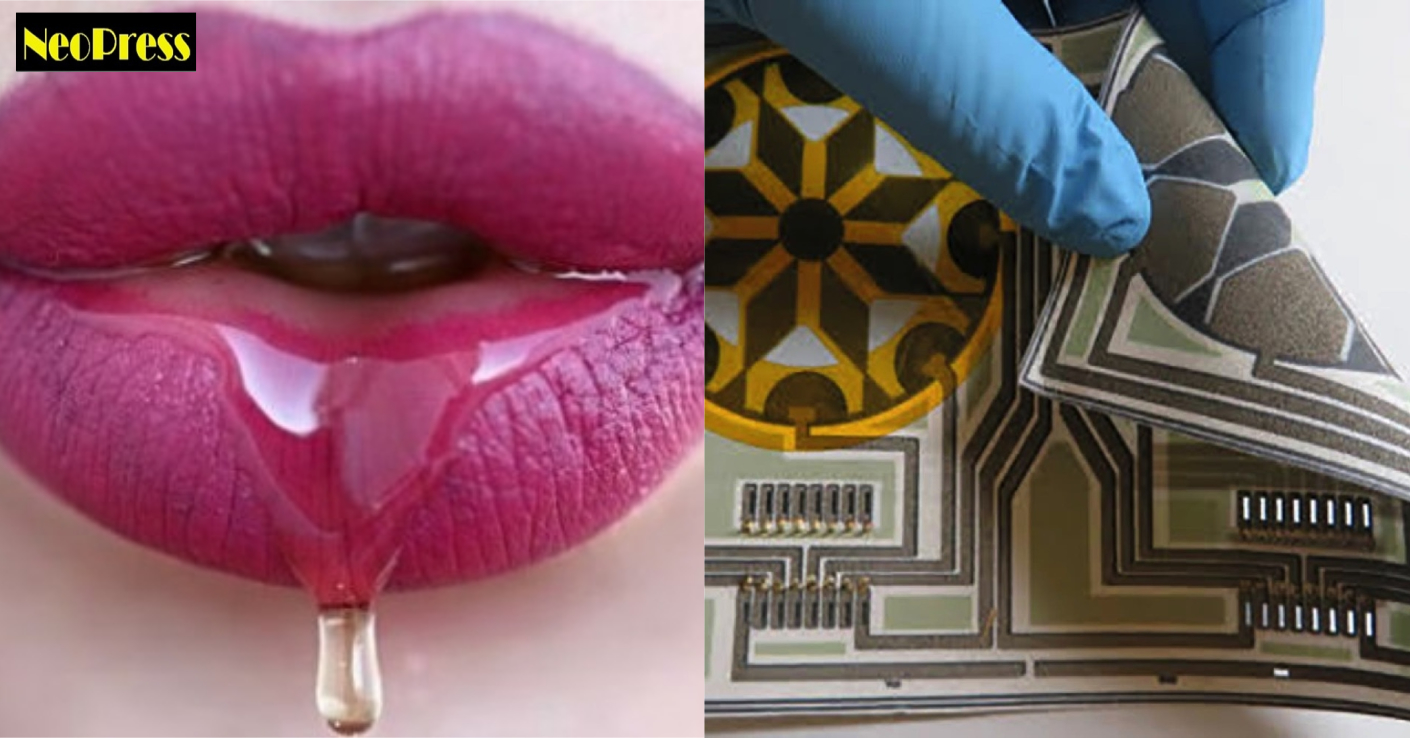
Saliva-powered battery could run diagnostic applications

Researchers have shown that a battery activated by spit has the potential to power point-of-care diagnostic applications in extreme conditions.

In a paper published in the journal Advanced Materials Technologies, the researchers described how they created a high-performance, paper-based, bacteria-powered battery which generates power within minutes of adding saliva.

They created the battery by building microbial fuel cells with inactive, freeze-dried exoelectrogenic cells.

“On-demand micro-power generation is required, especially for point-of-care diagnostic applications in developing countries,” said Seokheun Choi, Assistant Professor, Binghamton University, State University of New York.

“Typically, those applications require only several tens of microwatt-level power for several minutes, but commercial batteries or other energy harvesting technologies are too expensive and over-qualified. Also, they pose environmental pollution issues,” Choi added.

The battery generated reliable power with one drop of saliva, supplying on-board power that could be used by the next generation of disposable, paper-based point-of-care diagnostic platforms.

“The proposed battery has competitive advantages over other conventional power solutions because the biological fluid for on-demand battery activation is readily available even in the most resource-constrained settings, and the freeze-drying technology enables long-term storage of cells without degradation or denaturation,” wrote the researchers.

Choi now wants to improve the batter’s power density so that more applications can be powered.

“Now, our power density is about a few microwatts per centimetre square. Although 16 microbial fuel cells connected in a series on a single sheet of paper generated desired values of electrical current and voltage to power a light-emitting diode (LED), further power improvement is required for other electronic applications demanding hundreds of milliwatts of energy,” Choi said.

As a technology lover you may like our daily important technology news series. It’s a playlist and you can retrieve the total day-wise videos. Please consider subscribing our YouTube channel:

Author: Technology Vista
Tagged : /

Does probiotics work? Here is what the scientists say!

There is no clear evidence that probiotics, the “friendly” bacteria strain of lactobacillus, prevent eczema — a frequent precursor to asthma, a study has said.

Published in the journal Pediatrics on Monday, the study fuels the debate over whether probiotics, sold as dietary supplements, have protective effects against colds, tummy bugs and more serious conditions, Xinhua news agency reported.

Author Michael Cabana, director of the division of general pediatrics at the University of California, Benioff Children’s Hospital, worked with his colleagues to see if the probiotic would work among infants who were at high risk of developing asthma, due to one or both parents having the condition, which is caused by both hereditary and environmental factors.

Exactly half of the 184 newborns received capsules of the probiotic for the first six months of life, while the second group of 92 newborns received placebo capsules with the same look and feel as the probiotic.

The results showed little difference: At age two, 30.9 per cent of the placebo recipients were diagnosed with eczema, versus 28.7 per cent of the probiotic group.

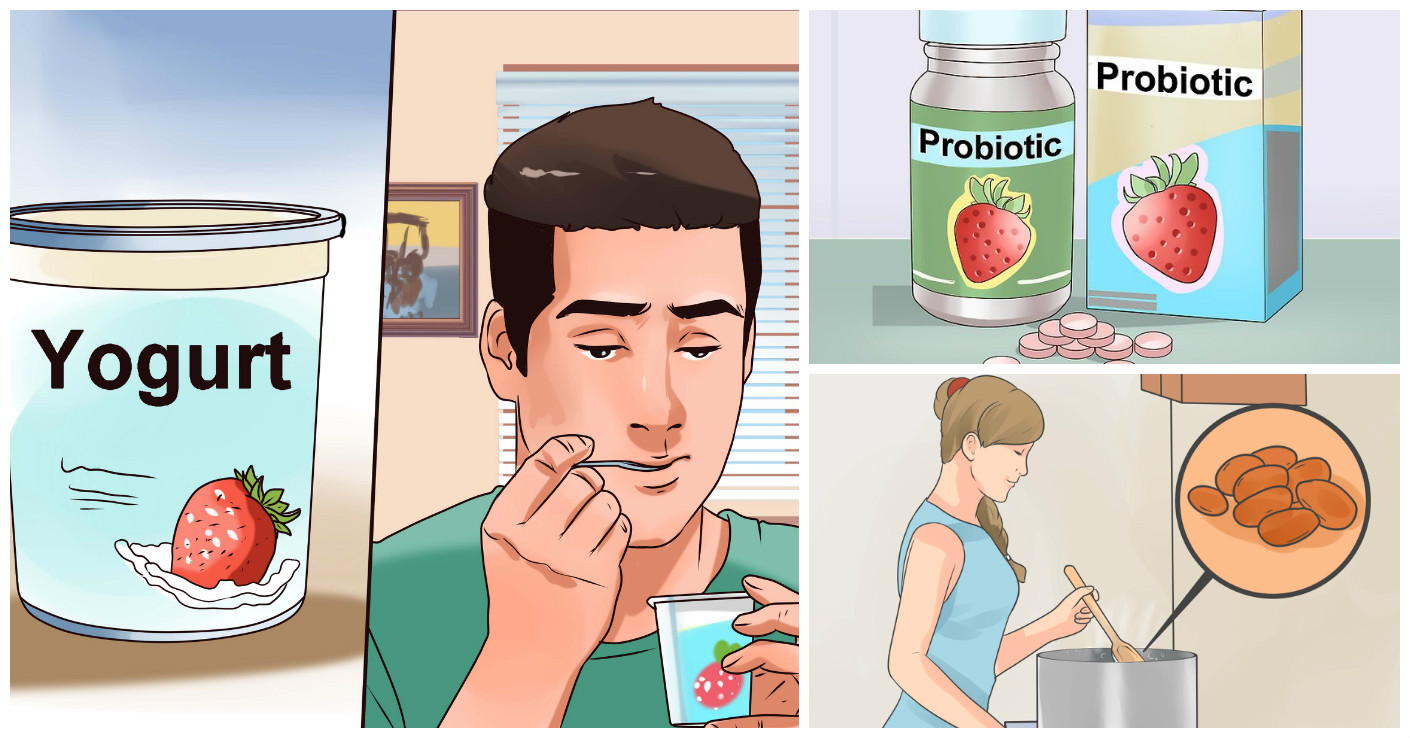
Found in yogurt, kefir and fermented foods, and described by the World Health Organization (WHO) as “live micro-organisms which when administered in adequate amounts confer a health benefit on the host”, probiotics are believed to enhance the defensive action of the cells that line the gut by stimulating healthy immune function and inhibiting the growth of viral and bacterial pathogens.

Regarding the new study, Cabana said the absence of infectious exposure at a critical point in immune system development leads to a greater risk for eczema and asthma.

Additionally, lack of key bacteria in the infant intestinal microbiota has been associated with the later increased risk of allergic disease.

Therefore, supplementing with specific probiotic strains may modify the entire microbiota community patterns and decrease this risk.

However, in an editorial titled “Probiotics in the Child Care Center: Context Matters” and published in the same issue of Pediatrics, Cabana and Daniel Merenstein of Georgetown University Medical Centre in Washington, suggest that as breast milk contains natural compounds that act like prebiotics, the best source of influencing a child’s gastrointestinal tract is breast milk.

As a technology lover you may like our daily important technology news series. It’s a playlist and you can retrieve the total day-wise videos. Please consider subscribing our YouTube channel:

Author: Technology Vista
Tagged : /

Australian scientists make breakthrough over miscarriage prevention

Australian researchers have discovered a dietary supplement which can prevent miscarriages, and many different types of birth defects for pregnant women.

The discovery, announced on Thursday at the Victor Chang Cardiac Research Institute in Sydney, said that the common supplement Niacin, known as Vitamin B3, can cure molecular deficiencies that cause birth defects and miscarriages in women, reports Xinhua news agency.

Until now, the cause of 80 per cent of birth defects had remained unknown to scientists, but with this discovery, pregnant women around the world will now be able to prevent many common abnormalities such as cleft palate, kidney, heart, and spinal issues.

The lead scientist who made this remarkable discovery, professor Sally Dunwoodie, told Xinhua that she never believed that she would be able to make such an important difference, and that this would now lead to new opportunities to improve the lives of women around the world.

The discovery showed that a major cause was a deficiency of a vital molecule known as NAD, which is important for normal development of organs.

To make NAD, vitamin B3 is necessary, and the vitamin is found in most meats and green vegetables, even in one of Australia’s most famous exports, Vegemite.

Studies have shown however that by the third trimester of pregnancy, 60 per cent of women are deficient in their vitamin B3 levels, and as such need to complement their diet with additional supplements.

The Executive Director of the Victor Chang Institute Robert Graham said that women need to be taking vitamin B3 well before they decide to get pregnant.

“This will change the way pregnant women are cared for around the world,” Graham said.

“We believe that this breakthrough will be one of our country’s greatest medical discoveries. It’s extremely rare to discover the problem and provide a preventative solution at the same time,” he added.

As a technology lover you may like our daily important technology news series. It’s a playlist and you can retrieve the total day-wise videos. Please consider subscribing our YouTube channel:

Author: Technology Vista

Tagged : /

Is there any connection between excess workout and infertility? Read to find out!

A combination of intense workout, which has become a daily trend for many men, along with consumption of steroids is becoming a rising cause of infertility, according to IVF experts.

Long-term exhaustive exercises decreases sperm count and one’s potential for reproduction, said IVF experts.

Another factor contributing to infertility was the consumption of steroids for body building which was causing zoospermia – a condition in which sperm does not generate in semen.

Recent studies have said some 1 per cent of the Indian males is affected by zoospermia.

“In males, heavy training sessions can reduce the sperm count in the body that is directly related to the fertility of a man. There are many who have been following long-term training sessions in order to maintain the body. If one is into exhaustive training sessions, there are chances that they might have less sperm count compared to a man who has been following normal training sessions,” said Arvind Vaid, an IVF expert at the city-based Indira IVF Hospital.

Rekha Goswami, a city-based independent IVF expert, who previously worked with the AIIMS, said though heavy workout causes infertility problems in the long run, what is of immediate concern was consumption of steroids without medical advice.

As a technology lover you may like our daily important technology news series. It’s a playlist and you can retrieve the total day-wise videos. Please consider subscribing our YouTube channel:

Author: Technology Vista

Tagged : /

Revealed: Goldfish can survive without oxygen! Here is how!

A team of scientists has uncovered how goldfish survive the harsh winters beneath frozen lakes by producing alcohol.

Scientists at the Universities of Oslo and Liverpool said that during winters, the fish are able to convert anaerobically produced lactic acid into ethanol, which then diffuses across their gills into the surrounding water and avoids a dangerous build-up of lactic acid in the body.

This helps the fish and their wild relatives, crucian carp survive for days, even months, in oxygen-free water at the bottom of ice-covered ponds.

“During their time in oxygen-free water in ice-covered ponds, which can last for several months in their northern European habitat, blood alcohol concentrations in crucian carp can reach more than 50 mg per 100 millilitres, which is above the drink drive limit in these countries,” said Dr Michael Berenbrink from University of Liverpool in the research published in the journal Scientific Reports.

“However, this is still a much better situation than filling up with lactic acid, which is the metabolic end product for other vertebrates, including humans, when devoid of oxygen,” Berenbrink added. The muscles of goldfish and crucian carp contain two sets of the proteins normally used to channel carbohydrates towards their breakdown within a cell’s mitochondria.

The second set is activated by the absence of oxygen and shows a mutation that allows channelling of metabolic substrates to ethanol formation outside the mitochondria. “This research emphasises the role of whole genome duplications in the evolution of biological novelty and the adaptation of species to previously inhospitable environments,” added lead author Dr Cathrine Elisabeth Fagernes from the University of Oslo.

“The ethanol production allows the crucian carp to be the only fish species surviving and exploiting these harsh environments, thereby avoiding competition and escaping predation by other fish species with which they normally interact in better oxygenated waters,” Elisabeth noted.

As a technology lover you may like our daily important technology news series. It’s a playlist and you can retrieve the total day-wise videos. Please consider subscribing our YouTube channel:

Author: Technology Vista

Tagged : /

New technique to make heat pass through plastic

Researchers in materials science and mechanical engineering at the University of Michigan (UM) have developed a new technique that can change plastic’s molecular structure to help it cast off heat.

The new technique uses a process that engineers the structure of the material itself, considering the nature of plastics made of long chains of molecules that are tightly coiled and tangled like a bowl of spaghetti, Xinhua reported.

It used a chemical process to expand and straighten the molecule chains, giving heat energy a more direct route through the material. To accomplish this, the researchers first dissolved a typical polymer, or plastic in water, then added electrolytes to the solution to raise its pH, making it alkaline.

The individual links in the polymer chain, called monomers, take on a negative charge, which causes them to repel each other. As the monomers spread apart, they unfurl the chain’s tight coils. Finally, water and polymer solution is sprayed onto plates using a common industrial process called spin casting, which reconstitutes it into a solid plastic film. The uncoiled molecule chains within the plastic make it easier for heat to travel through it.

Researchers also found that the process has a secondary benefit: it stiffens the polymer chains and helps them pack together more tightly, making them even more thermally conductive. “Polymer molecules conduct heat by vibrating, and a stiffer molecule chain can vibrate more easily,” said Apoorv Shanker, a materials science and engineering graduate student.

“Think of a tightly stretched guitar string compared to a loosely coiled piece of twine. The guitar string will vibrate when plucked, the twine won’t. Polymer molecule chains behave in a similar way,” Shanker added. The process is a major departure from previous approaches, which have focused on adding metallic or ceramic fillers to plastics, a process that is expensive as well as can change the properties of the plastic in undesirable ways.

The work has important consequences because of the large number of polymer applications where temperature is important. The study has been published in the journal Science Advances.

As a technology lover you may like our daily important technology news series. It’s a playlist and you can retrieve the total day-wise videos. Please consider subscribing our YouTube channel:

Author: Technology Vista

Tagged : /

Now water used as propellant for tiny satellites

Engineers at Purdue University in the US have designed and tested a micropropulsion system that uses liquid water as the propellant for orbital maneuvering of tiny satellites called CubeSats.

With rapid developments in miniaturisation of technologies CubeSats — which typically weigh about two kilograms — are poised to take over the sky in the future to carry out tasks like imaging and remote-sensing currently performed by heavier satellites which are expensive to build and launch.

However, today’s CubeSats cannot totally replace their larger counterparts as they are incapable of changing orbit or performing complex manoeuvres. For instance, none of the 101 nanosatellites that were launched aboard India’s PSLV from the Sriharikota Space Centre in February 2017 had propulsion. A propulsion system would allow such tiny satellites to correct their orbit or maintain their altitude, thereby prolonging their operating life in space before becoming space debris.

A dedicated propulsion system that is also compact and not power hungry has been the aim of CubeSat builders in several laboratories to exploit their full potential.

The system developed at Purdue uses an innovative design of small thrusters that deliver bursts of water vapor to manoeuvre the spacecraft, its developers — most of them undergraduate students — reported at a recent “Conference on Small Satellites” held at Logan, Utah, in the US.

Pure water is chosen as the propellant since it is green, safe, easy to use and free from the risk of contaminating sensitive instruments by the backflow from plumes as in the case of thrusters using chemical propellants.

Called a “Film-Evaporation MEMS Tunable Array”, or FEMTA thruster, it uses capillaries thinner than human hair through which the propellant water can flow. Small heaters located near the ends of the capillaries turn the water into vapor, which, on escape from these tiny tubes, provides the thrust. The minuscule capillaries act like valves that can be turned on and off by activating the heaters. The technology is said to be similar to the inkjet printer, which uses heaters that fire dots of ink at the paper.

CubeSats are usually made up of several units, each unit measuring 10 centimetres on a side. In the Purdue research, a single unit CubeSat prototype — integrated with four FEMTA thrusters loaded with about a teaspoon of water — was tested in a large vacuum chamber of the university’s high vacuum facility.

The prototype contained electronics and an inertial measurement unit sensor to monitor the performance of the thruster system, which rotates the satellite using short-lived bursts of water vapor.

“We demonstrated that one 180-degree rotation can be performed in less than a minute and requires less than a quarter watt, showing that FEMTA is a viable method for attitude control of CubeSats,” its developers reported in their paper.

Although the researchers used only four thrusters during the test, which allowed the satellite to rotate on a single axis, a fully functional satellite would require 12 thrusters for 3-axis rotation. The team is confident this device can be developed for a CubeSat. “What we really want to do next is to integrate our system into a satellite for an actual space mission,” the researchers said.

The NASA-funded research involved collaboration with the space agency’s Goddard Space Flight Center. A patent application for the concept has been filed.

As a technology lover you may like our daily important technology news series. It’s a playlist and you can retrieve the total day-wise videos. Please consider subscribing our YouTube channel:

Author: Technology Vista

Tagged : /

Did humans evolve by chance?

A new study says that origin of human genus could have occurred by chance and might not be directly related to climate change, as commonly believed.

Many scientists have argued that an influx, described as a “pulse”, of new animal species appears in the African fossil record between 2.8 and 2.5 million years ago, including our own genus Homo.

Experts believe it takes a broad-scale event like global climate change to spark the origination of so many diverse new species. However, the new study, published in the journal Paleobiology, says it is possible the pulse of new species could have occurred by chance. “The idea that our genus originated more than 2.5 million years ago as part of a turnover pulse in direct response to climate change has a deep history in paleonthropology,” said Andrew Barr from George Washington University.

“My study shows that the magnitude of that pulse could be caused by random fluctuations in speciation rates. One implication is that we may need to broaden our search for why our genus arose at that time and place,” Barr said. It is generally accepted that when major environmental changes occur, some species will go extinct and others will originate, which can create a cluster or pulse of new species in the fossil record.

However, there is not a set definition of what is considered a pulse, so experts have disagreed about which clusters constitute meaningful events and which can be explained as random fluctuations. Barr used computer simulation to model what the fossil record might look like over time in the absence of any climate change and found clusters of species originations that were of similar magnitude to the clusters observed in the fossil record.

This means random patterns are likely under-credited for their role in speciation fluctuation, he said. The findings mean scientists may need to rethink widely-accepted ideas about why human ancestors became smarter and more sophisticated.

As a technology lover you may like our daily important technology news series. It’s a playlist and you can retrieve the total day-wise videos. Please consider subscribing our YouTube channel:

Author: Technology Vista

Tagged : /

This biosensor creates sweat even when patient is resting and facilitates medical condition monitoring

Researchers have developed a biosensor that uses a chemical stimulant to produce sweat even when the patient is relaxed and cool.

Testing sweat, an important factor in understanding the hormones or chemicals, has several possible benefits over blood, according to the the findings published in the journal Lab on a Chip.

Blood analysis is considered the gold standard for biometric analysis. But biometric testing with blood is invasive and often requires the use of a lab. It is far more difficult for the doctors to perform continuous monitoring of blood over hours or days.

Sweat provides a noninvasive alternative, with chemical markers that are more useful in monitoring health than saliva or tears, said Jason Heikenfeld, Professor at the University of Cincinnati.

“People for a long time ignored sweat because although it can be a higher-quality fluid for biomarkers, you can’t rely on having access to it,” Heikenfeld said. “Our goal was to achieve methods to stimulate sweat whenever needed — or for days,” Heikenfeld added.

For the study, the researchers applied sensors and a gel containing carbachol, a chemical used in eyedrops, to their subject’s forearm for 2.5 minutes. They then recorded data obtained from the subject’s sweat for 30 minutes using sensors that measured concentrations of sweat electrolytes. Carbachol was effective at inducing sweating under the sensor for as long as five hours.

A subsequent experiment successfully generated sensor results for several days, using this process to stimulate sweat, Heikenfeld said. “This work represents a significant leap forward in sweat-sensing technology.” “Imagine being able to monitor cardiac patients after they have been released from the hospital, or preventing dehydration in athletes or even helping ensure that your body is getting the exact right concentrations of a prescription drug,” Heikenfeld said.

As a technology lover you may like our daily important technology news series. It’s a playlist and you can retrieve the total day-wise videos. Please consider subscribing our YouTube channel:

Author: Technology Vista
Tagged : /

Ever heard about Google Mosquitoes? They are planned to to shrink the numbers of the disease-carrying ones.

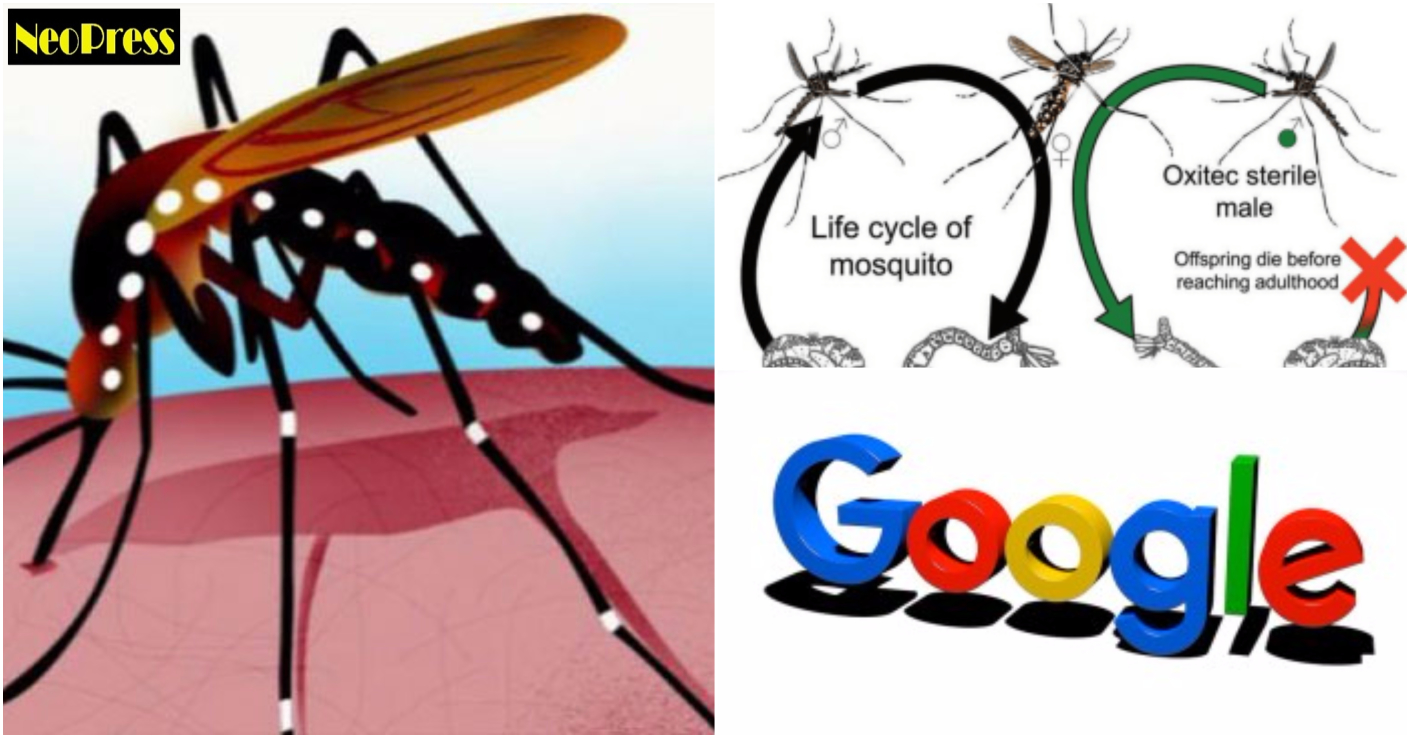
Google’s parent company Alphabet and scientists in the US have teamed up to release 20 million machine-raised mosquitoes to shrink the numbers of the disease-carrying ones.

According to the plans, millions of sterile male mosquitoes will be released in Fresno county in California, which will then mate with wild female mosquitoes. The eggs the females lay won’t hatch, a report in the Washington Post said.

The project, called Debug Fresno, is being undertaken by Verily, a subsidiary of Alphabet, Google’s holding company.

Scientists said that the goal is to cut the numbers of Aedes aegypti mosquitoes — the species responsible for spreading zika, dengue and chikungunya.

For 20 weeks, the company plans to release a million of the sterile, non-biting male mosquitoes in two neighbourhoods in Fresno county.

The male mosquitoes are bred and infected with Wolbachia, a bacterium that is naturally found in at least 40 per cent of all insect species, the report said.

“Over time, we hope to see a steep decline in the presence of Aedes aegypti in these communities,” Verily was quoted as saying.

In a phenomenon called cytoplasmic incompatibility, “matings between Wolbachia-infected males and uninfected females result in embryo lethality or low hatch rates”, William Sullivan and Scott L. O’Neill wrote in the journal Nature.

They said that the bacterium used to sterilise mosquitoes “is not known” to infect humans.

As a technology lover you may like our daily important technology news series. It’s a playlist and you can retrieve the total day-wise videos. Please consider subscribing our YouTube channel:

Author: Technology Vista

Tagged : /

Why Real Life Spiderman Won’t be able to climb walls!

Have you ever noticed that geckos are actually the last animals up the size scale, who can successfully scale a wall? Latest research reveals why.

A new study, published today in PNAS, shows that in climbing animals from mites and spiders up to tree frogs and geckos, the percentage of body surface covered by adhesive footpads increases as body size increases, setting a limit to the size of animal that can use this strategy because larger animals would require impossibly big feet. Scientists estimate that a human would need adhesive pads covering 40% of their body surface in order to walk up a wall like Spiderman, and believe their insights have implications for the feasibility of large-scale, gecko-like adhesives.

j-850x560

Dr David Labonte and his colleagues in the University of Cambridge’s Department of Zoology discovered that tiny mites use approximately 200 times less of their total body area for adhesive pads than geckos. We humans would require roughly 80% of our front, to be covered in sticky footpads if we wanted to achieve the same.

“As animals increase in size, the amount of body surface area per volume decreases – an ant has a lot of surface area and very little volume, and a blue whale is mostly volume with not much surface area” explains Labonte.

“This poses a problem for larger climbing species because, when they are bigger and heavier, they need more sticking power to be able to adhere to vertical or inverted surfaces, but they have comparatively less body surface available to cover with sticky footpads. This implies that there is a size limit to sticky footpads as an evolutionary solution to climbing – and that turns out to be about the size of a gecko.”

These investigations also gave the researchers greater insights into how the size of adhesive footpads is influenced and constrained by the animals’ evolutionary history.

“We were looking at vastly different animals – a spider and a gecko are about as different as a human is to an ant- but if you look at their feet, they have remarkably similar footpads,” says Labonte.

“Adhesive pads of climbing animals are a prime example of convergent evolution – where multiple species have independently, through very different evolutionary histories, arrived at the same solution to a problem. When this happens, it’s a clear sign that it must be a very good solution.”

“Our study emphasises the importance of scaling for animal adhesion, and scaling is also essential for improving the performance of adhesives over much larger areas. There is a lot of interesting work still to do looking into the strategies that animals have developed in order to maintain the ability to scale smooth walls, which would likely also have very useful applications in the development of large-scale, powerful yet controllable adhesives.”

Thus, we can see two different evolutionary solutions to the problem of scaling walls. One is to get the adhesive pads bigger, and second is to get them stickier. “Across all species the problem is solved by evolving relatively bigger pads, but this does not seem possible within closely related species, probably since there is not enough morphological diversity to allow it. Instead, within these closely related groups, pads get stickier. This is a great example of evolutionary constraint and innovation.”

Author: Technology Vista

Tagged : /

Don’t like your blood type? Here is the way to go!

Even the smallest amount of antigen in donated blood can set off a dangerous immune response in the recipient. And that is why the right blood type is very important (and can be difficult) to find for transfusion. Now scientists have discovered that a particular type of enzyme can cut away antigens in blood types A and B, to make them more like Type O – considered the ‘universal’ blood type, because it’s the only type that can be donated to anyone without the risk of provoking a life-threatening immune response.

The team, from the University of British Columbia of Canada, worked with a family of enzymes called 98 glycoside hydrolase, extracted from a strain of Streptococcus pneumoniae. “A major limitation has always been the efficiency of the enzymes,” one of the team, Stephen Withers, said in a press release. “Impractically large amounts of enzyme were needed.”

Over many generations, they were able to engineer a super high-powered enzyme strain that can very effectively snip away blood antigens where previous generations of the enzyme struggled. Now we have an enzyme that’s 170 times more effective than its parent strain.

Getting the right type of blood when you need it is crucial, and it has to do with the different types of residue that can accumulate the surface of red blood cells. Both blood types A and B have this residue – A has an N-acetylgalactosamine residue, and B has a galactose residue – and Type AB has a mixture of both. Only Blood Type O is free from this residue, which means it can be received by any patient, no matter what type they’re carrying.

Withers and his team managed to create their ‘mutant’ enzyme strain using a technology called directed evolution, which allows them to insert many different types of mutations into the gene that codes for it. They progressively selected strains that are the best at snipping away the blood antigens.

While the current enzyme strain is not yet capable of removing 100 percent of the antigens from Blood Types A and B, which is where it needs to get if the researchers want to make any real use of it, the team is confident that they’ll get it there so they can try it out in clinical trials.

“The concept is not new, but until now we needed so much of the enzyme to make it work that it was impractical,” said Withers. “Now I’m confident that we can take this a whole lot further.”

As a technology lover you may like our daily important technology news series. It’s a playlist and you can retrieve the total day-wise videos. Please consider subscribing our YouTube channel:

Author: Technology Vista

Tagged : /

Only Electric Cars Will be Sold in India by 2030

An investigation by Greenpeace finding that the number of deaths caused by air pollution is only a fraction less than the number of smoking-related deaths. In 2014, the World Health Organization determined that out of the 20 global cities with the most air pollution, 13 are in India.

We need change, and it is hoped that by ridding India’s roads of petrol and diesel cars in the years ahead, the country will be able to reduce the harmful levels of air pollution that contribute to a staggering 1.2 million deaths per year. Every car sold in India from 2030 will be electric.

India’s booming economy has seen it become the world’s third-largest oil importer, shelling out $150 billion annually for the resource – so a switch to electric-powered vehicles would put a sizable dent in demand for oil. It’s been calculated that the revolutionary move would save the country $60 billion in energy costs by 2030, while also reducing running costs for millions of Indian car owners.

Efforts have been made by the country’s leaders to to improve air quality, with one example coming in January 2016 when New Delhi’s government mandated that men could only drive their cars on alternate days depending on whether their registration plate ended with an odd or even number (single women were permitted to drive every day).

While such interventions have enjoyed modest success, switching to a fleet of purely electric cars would have a much greater environmental impact. It’s been calculated that the gradual switch to electric vehicles across India would decrease carbon emissions by 37% by 2030.

India’s Energy Minister Piyush Goyal says the government will financially support the initiative for the first two or three years, but the production of electric vehicles will be “driven by demand and not subsidy” after that.

Asia has long been the main driver of future oil demand. China is also gearing up for a move away from gas-guzzling cars. Oil bosses claim it’s too early to tell what the implications of a move away from petrol and diesel cars will be.

width="560" height="314" allowfullscreen="allowfullscreen">

As a technology lover you may like our daily important technology news series. It’s a playlist and you can retrieve the total day-wise videos. Please consider subscribing our YouTube channel:

Author: Technology Vista

Tagged : /
Verified by ExactMetrics