The Future Of Space Travel : Solar sails could reach Mars in just 26 days

The Future Of Space Travel : Solar sails could reach Mars in just 26 days
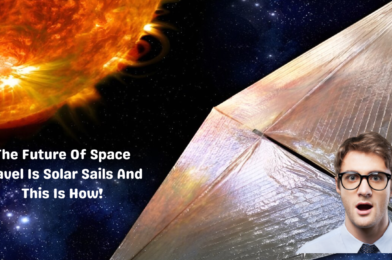
Solar sails are a type of spacecraft propulsion system that uses the pressure of sunlight to push a spacecraft through space. Solar sails are made of thin, reflective materials, and they are typically much larger than the spacecraft itself. This allows them to capture a large amount of sunlight, which can be used to accelerate the spacecraft to high speeds.

Solar sails have a number of advantages over traditional rocket propulsion systems. First, they do not require any fuel, which can significantly reduce the weight and cost of a spacecraft. Second, solar sails can generate thrust for an extended period of time, which allows them to reach very high speeds.

A recent study by researchers at the University of California, Los Angeles (UCLA) has found that solar sails could be used to reach Mars in just 26 days. This would be a significant improvement over the current travel time of 6-9 months.

The UCLA researchers developed a new type of solar sail made of aerographite, which is a material that is extremely lightweight and strong. They also developed a new trajectory that would allow the solar sail to reach Mars in a shorter amount of time.

The UCLA researchers’ study is a significant step forward in the development of solar sail technology. It shows that solar sails could be used to dramatically reduce the travel time to Mars and other planets in the solar system.

Here are some of the potential benefits of using solar sails to travel to Mars:

1. Faster travel time : Solar sails could reach Mars in just 26 days, compared to the current travel time of 6-9 months. This would allow astronauts to spend more time on Mars conducting research and exploration.

2. Reduced cost : Solar sails do not require any fuel, which can significantly reduce the cost of a mission to Mars.

3. Increased safety : Solar sails are a very safe and reliable propulsion system. They have no moving parts, and they are not prone to explosions.

Of course, there are still some challenges that need to be addressed before solar sails can be used for regular missions to Mars. One challenge is that solar sails are very fragile and difficult to manufacture. Another challenge is that solar sails are not very effective in low-light conditions.

Despite these challenges, solar sails have the potential to revolutionize space travel. They could allow us to reach Mars and other planets in the solar system much faster and more efficiently than we can today.

Here are some of the potential applications of solar sails in space exploration:

1. Planetary missions : Solar sails could be used to send spacecraft to Mars, Venus, Jupiter, Saturn, and other planets in the solar system.

2. Interstellar travel : Solar sails could be used to send spacecraft to other stars.

3. Space tourism : Solar sails could be used to send tourists to space at a much lower cost than traditional rocket-powered spacecraft.

Solar sails are a promising new technology that has the potential to change the way we explore space. It is an exciting time to be involved in space exploration, and I look forward to seeing what the future holds for solar sail technology.

Tagged : / / / /

Huawei’s NearLink: A new wireless technology that promises to be faster, more efficient, and have lower latency than Bluetooth

Huawei’s NearLink: A new wireless technology that promises to be faster, more efficient, and have lower latency than Bluetooth
Huawei has developed a new wireless technology called NearLink that promises to be faster, more efficient, and have lower latency than Bluetooth. NearLink is a short-range wireless connection that can be used to connect devices such as phones, laptops, smart watches, and connected-home gadgets.

NearLink is based on the IEEE 802.15.4 standard, which is also used by Bluetooth. However, NearLink uses a number of optimizations that make it faster and more efficient than Bluetooth. For example, NearLink uses a wider bandwidth and a more efficient modulation scheme.

NearLink also has a number of advantages over other wireless technologies such as Wi-Fi and NFC. NearLink is faster than Wi-Fi at short ranges, and it has less interference. NearLink is also longer-range than NFC.

Huawei has already integrated NearLink into its latest Mate 60 smartphone. NearLink is expected to be used in a variety of other devices in the future.

Here are some of the potential applications of NearLink:

1. File sharing: NearLink can be used to quickly and easily share files between devices.

2. Streaming media: NearLink can be used to stream media from one device to another.

3. Gaming: NearLink can be used to connect devices for multiplayer gaming.
Internet of Things (IoT): NearLink can be used to connect IoT devices such as smart thermostats and smart light bulbs.

NearLink is a new and promising wireless technology that has the potential to revolutionize the way we connect our devices. It is faster, more efficient, and has lower latency than Bluetooth, and it has a number of advantages over other wireless technologies such as Wi-Fi and NFC. NearLink is expected to be used in a variety of devices in the future, and it has the potential to change the way we interact with the world around us.

Tagged : /

Why does Earth have magnetic poles?

Why does Earth have magnetic poles?
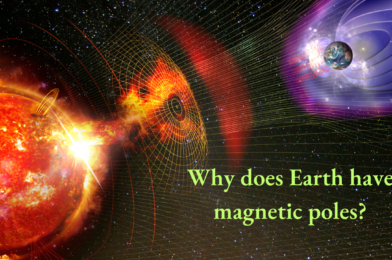
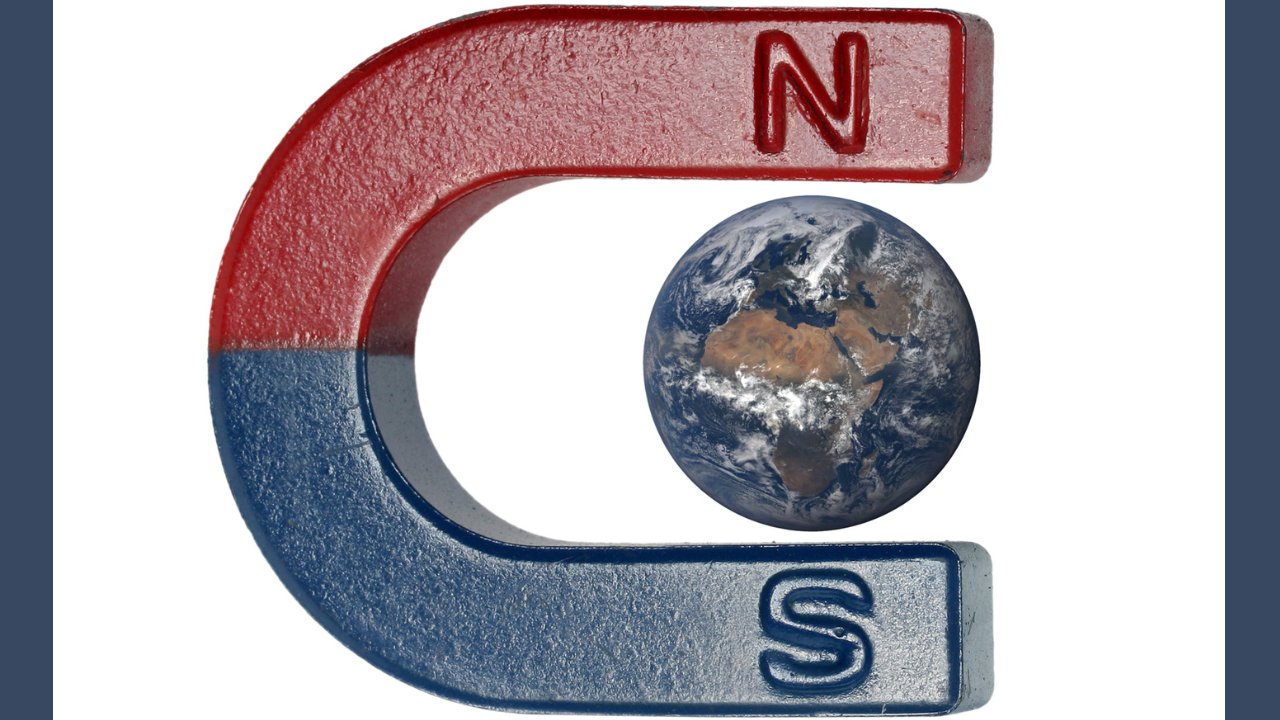
Earth is the only rocky planet in the solar system with strong magnetic poles. These poles are generated by the movement of molten iron in Earth’s outer core. The magnetic poles help to protect Earth from harmful solar radiation.

How does Earth generate magnetic field?

The centre of the Earth is composed of two distinct layers, the inner core, which is solid, and the outer core, which is molten metal. Both layers are composed of a mixture of magnetic iron and nickel, with a few dashes of lighter elements like oxygen, silicon, and sulphur sprinkled in for good measure. The interior is exceedingly dense and extremely hot, resembling a gigantic glowing stone in appearance. On the other hand, the outer core is fluid, and it has its own convective circulation, which causes it to spin around the solid mass. This continuous convection is the source of the magnetic field that surrounds the Earth. The material that is being cooled by plate tectonic activity is encountered by heat that is continuously radiating from the inner core into the outer core. This cycle generates convection, which in turn gives rise to the so-called geodynamo that is responsible for producing the magnetic field.

The Earth’s magnetic field is important for several reasons. First, it protects Earth from harmful solar radiation. The magnetic field deflects charged particles from the sun, which would otherwise damage Earth’s atmosphere and ozone layer.
Second, the Earth’s magnetic field helps to orient compasses and other navigational instruments. The magnetic field also helps to create the aurora borealis and aurora australis, which are beautiful light displays that can be seen in the sky near the poles. The Earth’s magnetic field is constantly changing. The poles slowly drift over time, and the strength of the magnetic field can also vary. These changes can cause problems for compasses and other navigational instruments. However, the Earth’s magnetic field is generally very stable. It has been protecting Earth from harmful solar radiation for billions of years.

Because plate tectonics does not exist on other planets, such as Mars and Venus, magnetic fields are absent. Research points to the possibility that these planets originally had self-sustaining geodynamos, but for reasons that are yet unclear, they failed. While Mercury’s magnetic field is feeble, it is nevertheless 1.1% stronger than Earth’s and does little to protect the planet from solar radiation. Also a compass would be useless on Mars.

Additional facts about the Earth’s magnetic poles

  • The North Magnetic Pole is located in the Arctic Ocean, north of Canada.
  • The South Magnetic Pole is located in the Antarctic Ocean, north of Antarctica.
  • The North and South Magnetic Poles are not the same as the North and South Geographic Poles. The Geographic Poles are the points where the Earth’s axis of rotation intersects the Earth’s surface. The Magnetic Poles are the points where the Earth’s magnetic field is strongest.
  • The Earth’s magnetic poles have reversed polarity several times in the past. This means that the North Magnetic Pole has become the South Magnetic Pole, and vice versa.
  • The last time the Earth’s magnetic poles reversed polarity was about 780,000 years ago.
  • Scientists are not sure why the Earth’s magnetic poles reverse polarity, but they think it may have something to do with the movement of molten iron in the outer core.

The Earth’s magnetic field is a fascinating and important part of our planet. It helps to protect us from harmful solar radiation and helps us to navigate. The Earth’s magnetic field is also responsible for the beautiful aurora borealis and aurora australis.

Tagged : / / / /

WhatsApp Pay to rival Google Pay, Paytm, PhonePe in India with in-app credit/debit card payments

WhatsApp Pay to rival Google Pay, Paytm, PhonePe in India with in-app credit/debit card payments
WhatsApp, the popular messaging app owned by Meta, is reportedly planning to launch a new feature that will allow users to make digital payments using their credit and debit cards directly within the app. This feature, which is currently in beta testing, is expected to be rolled out to all users in India in the coming months.

The launch of WhatsApp Pay’s credit and debit card payment feature will make it a direct competitor to popular digital payment apps like Google Pay, Paytm, and PhonePe in India. These apps already allow users to make credit and debit card payments, as well as other payment methods such as UPI and mobile wallets.

WhatsApp Pay’s entry into the Indian digital payments market is likely to shake up the industry. The app has a massive user base in India, with over 400 million users. This gives WhatsApp Pay a significant advantage over its competitors.

In addition, WhatsApp Pay is already integrated into the WhatsApp app, which means that users will not need to download a separate app to make digital payments. This is likely to make WhatsApp Pay more convenient and user-friendly than its competitors.

The launch of WhatsApp Pay’s credit and debit card payment feature is expected to benefit both consumers and merchants. Consumers will benefit from having more options for making digital payments, and merchants will benefit from increased sales.

Here are some of the potential benefits of WhatsApp Pay’s credit and debit card payment feature:

Convenience: WhatsApp Pay will allow users to make digital payments using their credit and debit cards directly within the app. This will be more convenient than having to download a separate digital payment app.

Security: WhatsApp Pay will use the latest security features to protect users’ financial data. This will make it a safe and secure way to make digital payments.

Affordability: WhatsApp Pay is expected to be a very affordable digital payment option. This is because WhatsApp does not charge any fees for using its payment services.

Increased competition: The launch of WhatsApp Pay is expected to increase competition in the Indian digital payments market. This will lead to better pricing and more innovation for consumers.

Overall, the launch of WhatsApp Pay’s credit and debit card payment feature is a positive development for both consumers and merchants in India. It is expected to make digital payments more convenient, secure, affordable, and innovative.

Here are some of the challenges that WhatsApp Pay may face in the Indian digital payments market:

Competition: The Indian digital payments market is highly competitive, with established players like Google Pay, Paytm, and PhonePe. WhatsApp Pay will need to offer something unique and valuable in order to stand out from the competition.

Regulatory challenges: The Indian government has been tightening regulations on the digital payments industry in recent years. WhatsApp Pay will need to comply with all applicable regulations in order to operate in India.

User adoption: WhatsApp Pay will need to convince users to start using its payment service. This may be challenging, as users are already accustomed to using other digital payment apps.

Despite these challenges, WhatsApp Pay has the potential to become a major player in the Indian digital payments market. The app’s massive user base and its integration into the WhatsApp app give it a significant advantage over its competitors.

Tagged : / / / / /

Indian-origin scientist leads study that detects possible life on distant planet

Indian-origin scientist leads study that detects possible life on distant planet
With the discovery of a molecule on a distant planet that, at least on Earth, can only be created by living things, NASA’s James Webb Space Telescope (JWST) may have stumbled onto preliminary evidence of extraterrestrial life.

The molecule in question, dimethyl sulphide (DMS), as well as other carbon-bearing molecules like methane and carbon dioxide, were found in the atmosphere of exoplanet K2-18 b, indicating the presence of an ocean of water as well as the tantalising possibility of extraterrestrial life. K2-18 b is 2.6 times the radius of Earth, orbits a cool dwarf star in the constellation of Leo, and is in the habitable zone (or the Goldilocks Zone, as it is known) of the distant system. This makes NASA’s discoveries all the more encouraging. It is located 120 light-years away (1,135,287,656,709,696 km to be precise).

NASA stated that the possibility of a water ocean beneath a hydrogen-rich atmosphere in K2-18 b is supported by the abundance of methane and carbon dioxide and the lack of ammonia.

The dimethyl sulphide (DMS) molecule may have been detected by the first Webb observations. This can only be made by life on Earth. The space agency continued, “Phytoplankton in marine areas release the majority of the DMS in Earth’s atmosphere.

Simply put, current research indicates that a planet’s capacity to support life depends on the presence of carbon and liquid water, as well as the proper temperatures. According to preliminary JWST observations published by NASA, K2-18 b appears to meet all criteria.

Although the study’s prospects are expected to spark some creative thought, scientists are proceeding cautiously. The authors of the paper have already stated that additional validation is necessary for the detection of DMS in K2-18 b’s atmosphere.

Given the promise of these preliminary findings, the study’s team will now try to determine whether DMS is present in K2-18 b’s atmosphere in detectable concentrations.

Tagged : / / / / /

From Space Balloons to Zero-gravity Planes : US Company to Unveil Luxury Space Adventures in India

From Space Balloons to Zero-gravity Planes : US Company to Unveil Luxury Space Adventures in India
A US-based company called SpaceVIP is set to unveil its luxury space adventures in India next month. The company offers a variety of experiences, from travel to the International Space Station (ISS) to space balloons and zero-gravity flights.

SpaceVIP was founded by Roman Chiporuka and Eddie Miller in early 2021. Chiporuka is a former investment banker who has worked on several space tourism projects. Miller is a former pilot who has flown over 100 missions.

The company’s goal is to make space travel more accessible to high-net-worth individuals. SpaceVIP’s prices start at $50 million for a trip to the ISS. The company also offers shorter and more affordable experiences, such as a 3-hour space balloon flight for $125,000.

SpaceVIP is targeting the Indian market because of the country’s growing interest in space activities. India has a strong space program, and the country is home to a number of high-net-worth individuals.

The company’s launch in India is being supported by the Indian Space Research Organisation (ISRO). ISRO is providing SpaceVIP with technical assistance and access to its facilities.

The launch of SpaceVIP is a significant development in the space tourism industry. The company’s luxury experiences are likely to appeal to a wealthy clientele in India and around the world.

Here are some of the luxury space adventures that SpaceVIP will offer in India:

Travel to the International Space Station (ISS): This is the ultimate space adventure. SpaceVIP offers clients the opportunity to spend several days on the ISS, conducting experiments and enjoying the views of Earth from space.

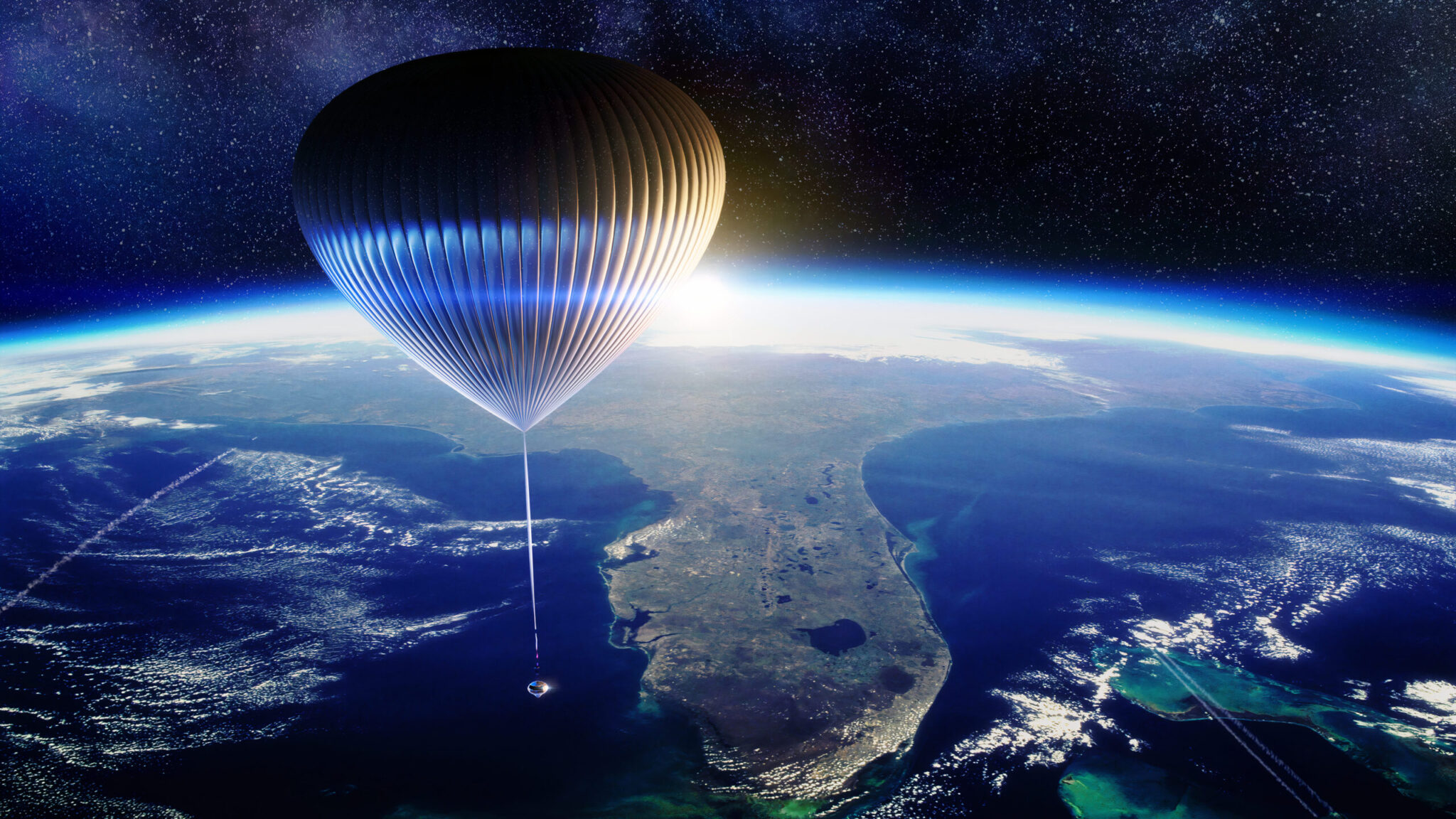
Space balloons: Space balloons are a more affordable way to experience space travel. These balloons can reach altitudes of up to 100,000 feet, offering stunning views of the Earth below.

Zero-gravity flights: Zero-gravity flights are a great way to experience the sensation of weightlessness. These flights are typically conducted in specially-modified airplanes that fly parabolic arcs.

SpaceVIP is also planning to offer other space experiences in India, such as astronaut training and educational programs. The company is committed to making space travel more accessible and affordable for everyone.

The launch of SpaceVIP is a major milestone in the development of the space tourism industry. The company’s luxury experiences are likely to appeal to a wealthy clientele in India and around the world. This could help to further popularize space travel and inspire the next generation of scientists and engineers.

Tagged : / / / / / /

The 7 Fastest-Growing Technical Jobs in India in the Next 5 Years

The 7 Fastest-Growing Technical Jobs in India in the Next 5 Years
The job market is constantly changing, and the skills that are in demand are always evolving. In India, the following are the 7 fastest-growing jobs in the next 5 years:

1. Data scientists and analysts : With the increasing reliance on data-driven decision-making, data scientists and analysts will continue to be in high demand across industries. They interpret data to guide businesses in making informed choices.

2. Cloud computing engineers : Cloud computing is becoming increasingly popular, and businesses are looking for skilled engineers to manage and maintain their cloud-based systems.

3. Cybersecurity experts : Cybersecurity is a critical issue for businesses of all sizes, and the demand for cybersecurity experts is only going to grow in the years to come.

4. Artificial intelligence (AI) engineers : AI is rapidly transforming many industries, and businesses are looking for engineers to develop and implement AI solutions.

5. Blockchain developers :  Blockchain is a new technology with the potential to disrupt many industries. Businesses are looking for developers to build and maintain blockchain-based applications.

6. Web developers : The demand for web developers is always high, and it is expected to continue to grow in the years to come. Web developers are responsible for designing, developing, and maintaining websites.

7. Digital marketers : Digital marketing is becoming increasingly important, and businesses are looking for marketers who can help them reach their target audience online.

These are just a few of the fastest-growing jobs in India in the next 5 years. If you are looking for a career that is in high demand and offers good prospects for growth, then these are the jobs to consider.

Here are some tips for getting a job in one of these fast-growing fields:

  • Get the right education and training. Many of these jobs require specialized skills and knowledge. Make sure you have the education and training you need to be competitive.
  • Build your skills and experience. The more skills and experience you have, the more attractive you will be to employers.
  • Network with people in your field. Attend industry events, join professional organizations, and connect with people on LinkedIn.
  • Stay up-to-date on the latest trends. The tech industry is constantly changing, so it is important to stay up-to-date on the latest trends.

If you are willing to put in the work, you can get a job in one of these fast-growing fields and build a successful career.

Tagged : / / /

These 10 Countries Have The Fastest Mobile Internet Speed! Do You Live In One Of These?

These 10 Countries Have The Fastest Mobile Internet Speed! Do You Live In One Of These?
The world’s mobile internet speeds are getting faster and faster, and the competition to be the fastest is fierce. In 2023, the countries with the fastest mobile internet speeds are:

1. United Arab Emirates (238.06 Mbps)
2. South Korea (202.61 Mbps)
3. Norway (177.72 Mbps)
4. Qatar (172.18 Mbps)
5. China (165.38 Mbps)
6. Kuwait (157.18 Mbps)
7. Saudi Arabia (155.97 Mbps)
8. Cyprus (144.64 Mbps)
9. Bulgaria (142.27 Mbps)
10. Switzerland (135.70 Mbps)

These countries have all invested heavily in their mobile infrastructure, and are reaping the benefits of faster speeds and better connectivity. The United Arab Emirates, for example, has rolled out 5G networks across the country, and now offers average speeds of over 200 Mbps. South Korea is also a leader in 5G, and has average speeds of over 200 Mbps as well.

China is another country that has made significant investments in its mobile infrastructure. The country has over 1 billion mobile subscribers, and is constantly expanding its network to meet the growing demand. China’s average mobile internet speed is now over 160 Mbps, and is expected to continue to grow in the coming years.

The United States does not make the top 10 list, but it still has relatively fast mobile internet speeds. The average speed in the US is 100 Mbps, which is more than enough for most people’s needs. However, the US is falling behind some other countries in terms of 5G adoption. Only about 10% of US cell towers are currently 5G-enabled, compared to over 50% in South Korea and the UAE.

As 5G continues to roll out around the world, we can expect to see even faster mobile internet speeds in the years to come. This will open up new possibilities for mobile applications and services, and make it easier for people to stay connected no matter where they are.

Fast mobile internet speeds have a number of positive impacts on society. They can help to improve education, healthcare, and economic development. For example, fast mobile internet speeds can be used to deliver high-quality online education to students in rural areas. They can also be used to provide remote healthcare services to people in remote areas. And they can be used to connect businesses with customers and suppliers around the world.

Tagged : / / / /

How to Reverse UPI Transactions on PhonePe, Paytm, Google Pay, and Other UPI Apps

How to Reverse UPI Transactions on PhonePe, Paytm, Google Pay, and Other UPI Apps
UPI (Unified Payments Interface) is a popular payment method in India that allows users to send and receive money instantly using their bank accounts. However, there may be times when you need to reverse a UPI transaction. Here’s how to do it on PhonePe, Paytm, Google Pay, and other UPI apps:

On PhonePe

  • Open the PhonePe app and go to the “Transactions” tab.
  • Select the UPI transaction that you want to reverse.
  • Tap on the “3 dots” icon in the top right corner and select “Reverse Transaction”.
  • Enter the reason for reversing the transaction and tap on “Reverse”.

On Paytm

  • Open the Paytm app and go to the “Banking” tab.
  • Select “UPI” and then “Transaction History”.
  • Select the UPI transaction that you want to reverse.
  • Tap on the “3 dots” icon in the top right corner and select “Reverse Transaction”.
  • Enter the reason for reversing the transaction and tap on “Reverse”.

On Google Pay

  • Open the Google Pay app and go to the “Payments” tab.
  • Select the UPI transaction that you want to reverse.
  • Tap on the “3 dots” icon in the top right corner and select “Report a Problem”.
  • Select “I accidentally sent money to the wrong person” and then tap on “Next”.
  • Enter the reason for reversing the transaction and tap on “Submit”.On Other UPI Apps

The process for reversing a UPI transaction on other UPI apps is similar to the process described above. However, the specific steps may vary depending on the app.

It’s important to note that not all UPI transactions can be reversed. For example, you cannot reverse a transaction that has already been credited to the recipient’s account. Additionally, you may be charged a fee for reversing a transaction.

If you need to reverse a UPI transaction, it’s important to do so as soon as possible. The sooner you reverse the transaction, the more likely it is that the money will be returned to your account.

Here are some additional things to keep in mind when reversing a UPI transaction:

  • You will need to have the UPI transaction ID in order to reverse the transaction.
  • You may need to provide additional information, such as the reason for reversing the transaction.
  • The process for reversing a UPI transaction may take a few days.
    If you have any questions about reversing a UPI transaction, you should contact your bank or the UPI app provider.
Tagged : / / /

10 Jobs That Artificial Intelligence Will Never Replace

10 Jobs That Artificial Intelligence Will Never Replace
Artificial intelligence (AI) is rapidly changing the world, and many jobs are being automated. Because of this, there is a general sense of fear in almost every sector of the jobs market that the jobs are getting replaced by AI and the human workforce will soon be out of job. But no, this is not the case. AI is here to stay but so are many jobs – jobs that AI can never do as efficiently as the humans. Here are 10 such jobs:

1. Teachers
We spend between 15 and 20 years of our first years learning because it is such an essential part of who we are. It’s a huge societal commitment that affects a lot of various facets of who we are. It is a significant time in our life. Between the lines of the things they particularly teach, teachers have a significant responsibility to communicate to us fundamental principles and values. For many of us, teachers frequently serve as a point of reference. We frequently base our academic choices in part on how motivating a certain teacher was to us in previous years. Due to all of these factors, it is improbable that future classrooms will be entirely computerised.

2. Lawyers and Judges
These roles heavily rely on case analysis, strategy, and negotiation. Much depends on the unique experience and expertise of each specialist. A specific set of abilities is necessary to successfully negotiate intricate legal frameworks and present a client’s case in court. When it comes to weighing all the many factors in a case and making a choice that, in the instance of a judge, might result in years in prison, there is a human element at play. Even the most knowledgeable Android won’t be able to handle these types of jobs, either today or in the future. Additionally, will you actually feel at ease having a robot defend you in court?

3. Psychologists and Psychiatrists
Despite the fact that a lot of facial recognition technology is presently being used to create first AI counselling care and assistance, mental health is a particularly sensitive subject due to the rising demand. When it comes to assisting people in succeeding in their life in all that it may entail, a human touch is crucial. No matter how sophisticated systems might develop, let’s say 50 years from now, these jobs are extremely unlikely to be replaced by complicated and cyber-friendly algorithms with prosthetic faces since in order to aid a human in their activities, you first need to have had a human experience.

4. Surgeons
Technology has undoubtedly greatly improved the accuracy with which we are now able to identify disorders in any medical report. Micro robots also improves the surgical precision of the doctors, allowing for less intrusive operations. However, being a surgeon necessitates the capacity to relate to the patient on a variety of other levels while simultaneously taking a huge number of factors into account. During an operation, experience, knowledge, and abilities that have been accumulated through time must all be distilled into a few minutes. Critical choices will always be made with the assistance of humans. Therefore, you might want to pay attention to your mother if she continues to push for you to pursue a career in medical.

5. Computer System Analysts
No matter how automated we get, we’ll always need people to do maintenance work, update, upgrade, fix, and set up complicated software and hardware systems that frequently require collaboration between multiple specialists to function properly. Computer system analysts, whose services have seen increased demand in recent years, review system capabilities, manage workflow, schedule enhancements, and increase automation. The internet of things, in which an enormous number of gadgets are connected, share data (ostensibly for our benefit), and actively engage with one another, is about to enter our lives. Therefore, there will be a growing demand for this particular occupation in the years to come.

6. Directors, Managers and CEOs
It takes leadership to manage teams inside an organisation, yet leadership is not a set of behaviours that can be codified and applied in a linear manner. A CEO is also in charge of communicating the company’s values and mission to the team. Investors are very unlikely to ever feel at ease making investments in a company run by robots or algorithms. Unless, of course, robot investors become a reality in the future.

7. Cooks and Chefs
Yes there are automated machines and AI based ovens and fryers but what a chef does, a robot will never be able to do because cooking is not just about adding certain ingredients for some recipe, it is also about making something good based on the preference of the person who is going to eat it. This is something a robot will never be able to do, that is cook from the heart. No AI can replace a good chef.

8. Politicians
Politicians need to develop this talent since it is one of the main distinctions between what distinguishes humans from machines or artificial intelligence (AI): people are actually fairly good at coming up with original answers for unforeseen events. Due to the current pandemic crisis and how specific leaders’ decisions have had a very significant impact on the conclusion of the virus spread, we have lately witnessed this, for better or worse outcomes. Would you honestly cast your vote for a robot to stand in for the vast majority of people and their needs? Politicians, for better or worse, are not likely to be leaving office very soon.

9. Priests and Spiritual Figures
You may not be religious or a fervent believer in anything, yet for many centuries, spirituality has been seen as a fundamental element of the human experience. Priests, priests, and other religious leaders in general played significant roles in our communities by providing assistance and frequently educational opportunities to millions of people in earlier generations when educational systems were less advanced and networks of emotional support were harder to access.
It almost seems contradictory to think that robots or artificial intelligence (AI) would someday take over this area of our lives because spirituality is such a very personal and human experience. We will never attribute faith, empathy, sympathy, or feeling to supernatural beings who are not human.
10. Farming
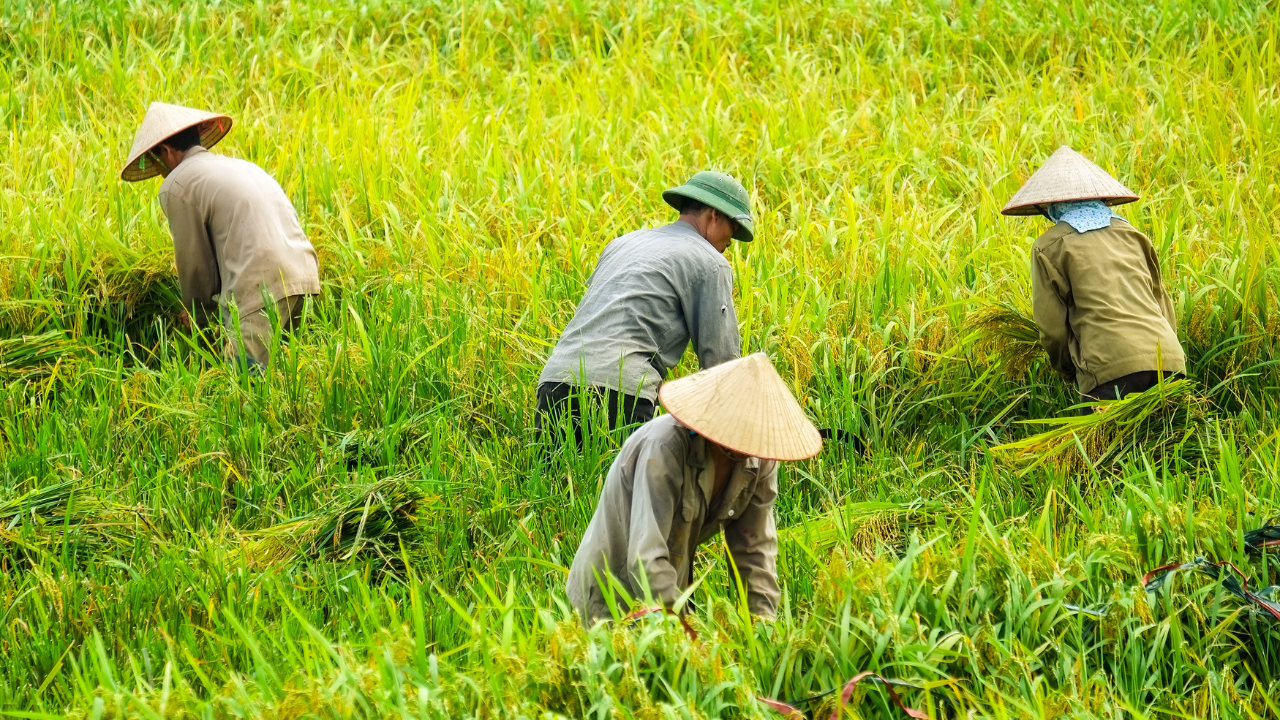
Yes there is a lot of mechanization happening in the field of mechanization but no machine can replace a farmer’s labour, his knowledge and his skill set. You can never see robots deciding what to sow and when to sow in which part of the pasture or the farm. Similarly, a robot can not handle livestock forget rearing them.

Apart from these there many other jobs like that of a singer, a painter or a writer that AI can never do as good as a human being. Yes AI can read a book in seconds and give you in words what it feels but in reality it does not feel. A singer singing notes right from his or her heart, a painter drawing something unbelievable just based on his or her imagination, a port writing words that can only be written when you have had the same feeling are simply the most amazing things that no AI can do as good as humans.

So don’t you worry and start thinking about what you are gonna do when you grow up.

Tagged : / / / / /

Google Launches AI-Powered Search in India

Google Launches AI-Powered Search in India
Google has launched its AI-powered Search in India, making it easier for users to find information and get answers to their questions. The new search experience, called Search Generative Experience (SGE), uses generative AI to provide more comprehensive and informative results.

SGE can answer your questions in a natural language format, providing summaries of factual topics, lists of relevant information, and even images and videos. It can also help you explore a topic in more depth by providing pointers to related content.

To use SGE, simply visit Google.com and enable the feature in Search Labs. You can do this by clicking on the gear icon in the top right corner of the search results page and selecting Search Labs. Then, scroll down to the Generative AI in Search section and toggle the switch to On.

Once SGE is enabled, you can start asking your questions in a natural language format. For example, you could ask “What is the capital of India?” or “How do I make a cake?” SGE will then provide you with a comprehensive answer, including a summary of the topic, relevant information, and even images and videos.

SGE is currently available in English and Hindi. It is still under development, but Google plans to add more languages in the future.

Here are some tips for using SGE:

  • Be as specific as possible when asking your questions.
  • Use keywords that are relevant to the topic you are interested in.
  • Avoid using slang or informal language.
  • If you are not sure how to phrase your question, try using the Search bar to get suggestions.

SGE is a powerful new tool that can help you find information and get answers to your questions more easily. With its ability to understand natural language and provide comprehensive and informative results, SGE is a valuable resource for anyone who uses Google Search.

How to enable SGE in Google Search

1.Open Google.com in your web browser.
2.Click on the gear icon in the top right corner of the search results page.
3.Select Search Labs.
4.Scroll down to the Generative AI in Search section and toggle the switch to On.
Once SGE is enabled, you can start asking your questions in a natural language format.

Tagged : / / /

Google Flights Introduces New Feature to Help Users Book Cheaper Flights

Google Flights Introduces New Feature to Help Users Book Cheaper Flights
Google Flights, a popular flight search engine, has announced a new feature that aims to help users book cheaper flights. The new feature, called “Insights,” uses historical data to show users when prices for flights to their desired destinations are typically lowest.

To use Insights, users simply enter their travel dates and destinations into the Google Flights search bar. The Insights feature will then display a graph showing the average price of flights to that destination over the past year. Users can also see the cheapest days to fly and the cheapest times of day to book flights.

In addition to Insights, Google Flights also offers a number of other features to help users find the best deals on flights. These features include:

  • Price Alerts: Users can set up price alerts to be notified when the price of a flight they are interested in drops.
  • Price Graphs: Users can view price graphs for specific flights to see how prices have fluctuated over time.
  • Multi-City Search: Users can search for flights to multiple destinations at once.
    Cancellation Policies: Users can view the cancellation policies for specific flights before booking.
  • Google Flights is a great resource for finding cheap flights. The new Insights feature is a valuable addition that can help users save money on their next trip.

Here are some additional tips for booking cheaper flights:

  • Be flexible with your travel dates. Flying on weekdays or during off-peak hours can often save you money.
  • Consider flying into smaller airports. Smaller airports often have lower landing fees, which can translate into lower ticket prices.
  • Book your flight in advance. Airlines often offer discounts for booking flights in advance.
  • Use a travel rewards card. Travel rewards cards can give you points or miles that you can redeem for free flights or other travel expenses.
    By following these tips, you can save money on your next flight.
Tagged : / / / / / /

iPhone 15 launch on 12th September 2023 : Everything We Know So Far

iPhone 15 launch on 12th September 2023 : Everything We Know So Far
Apple is expected to launch the iPhone 15 on September 12, 2023. The new iPhone is rumored to feature a number of upgrades over the iPhone 14, including a new design, a better camera system, and a more powerful processor.

Here is a look at some of the rumored features of the iPhone 15:

New design: The iPhone 15 is rumored to have a new design with flat edges, similar to the iPhone 14 Pro and iPhone 14 Pro Max. It is also rumored to have a smaller notch and a hole-punch display for the front-facing camera.

Better camera system: The iPhone 15 is rumored to have a better camera system than the iPhone 14. It is expected to have a 48-megapixel main sensor, a 12-megapixel ultrawide sensor, and a telephoto sensor with 3x optical zoom.

More powerful processor: The iPhone 15 is rumored to be powered by the A16 Bionic chip, which is expected to be a significant upgrade over the A15 Bionic chip in the iPhone 14.

USB-C port: The iPhone 15 is rumored to switch from the Lightning port to the USB-C port. This would make it easier to connect the iPhone to other devices and accessories.

The iPhone 15 is also rumored to come in four models: two 6.1-inch models and two 6.7-inch models. The base models are expected to start at $799 and $899, respectively.

The iPhone 15 is still a few months away, but it is already generating a lot of excitement. With its rumored new design, better camera system, and more powerful processor, the iPhone 15 is shaping up to be a major upgrade over the iPhone 14.

Here are some other rumors about the iPhone 15:

It may have an always-on display.
It may have a titanium frame.
It may have a satellite mode for making calls and sending text messages in areas with no cellular coverage.
These are just some of the rumors about the iPhone 15. It is still too early to say for sure what features the new iPhone will have. However, one thing is for sure: the iPhone 15 is sure to be one of the most anticipated smartphones of the year.

Tagged : / / / /

Top 7 Countries With The Highest Numbers Of Satellites In The Space

Top 7 Countries With The Highest Numbers Of Satellites In The Space
Satellites are objects that orbit Earth or other celestial bodies. They are used for a variety of purposes, including communication, navigation, Earth observation, and scientific research. The number of satellites in space is constantly increasing, as more and more countries and private companies are investing in space technology. This is leading to a new era of space exploration and discovery, with the potential to revolutionize our understanding of the world and our place in it. In the list of countries with satellites up in the space, there are few who are front runners. Here are the top 7 countries with maximum number of satellites in the space:

1. United States of America – 3,449 satellites

2. China – 541 satellites

3. United Kingdom – 486 satellites

4. Multinational collaborations – 180 satellites

5. Russia – 170 satellites

6. Japan – 88 satellites

7. India – 62 satellites

The satellites in these countries are used for a variety of purposes, including communication, navigation, Earth observation, and scientific research. Communication satellites are used to transmit data and voice signals around the world. Navigation satellites are used to track the location of ships, airplanes, and other vehicles. Earth observation satellites are used to collect data about the Earth’s surface, such as its landforms, vegetation, and climate. Scientific research satellites are used to study a variety of phenomena, such as the stars, planets, and black holes.

In addition to the countries listed above, other countries with a significant number of satellites in space include France, Italy, Brazil, and South Korea. These countries are also investing heavily in space technology, and their number of satellites is expected to grow in the coming years. The development of space technology is a key driver of economic growth and innovation. Satellites are used in a wide range of industries, from telecommunications to agriculture. They are also used to provide essential services, such as weather forecasting and disaster relief.

The future of space exploration is bright. With the increasing number of satellites in space, we are learning more about our planet and the universe around us. We are also developing new technologies that will allow us to explore further into space. This is an exciting time to be involved in space exploration, and the next few decades will see even more amazing discoveries.

Tagged : / / / / /

This Is What Chandrayan-3 Has Found On The Moon’s Surface Till 30th August ’23!

This Is What Chandrayan-3 Has Found On The Moon’s Surface Till 30th August ’23!
On August 23, the Chandrayaan-3 Lander Module successfully touched down at the South Pole of the Moon. Following this momentous achievement by the Indian Space Research Organisation (ISRO), the Pragyan Rover has been conducting investigations at the lunar South Pole in an effort to solve some of the moon’s mysteries. The mission had a total of three objectives. Two of these goals have already been met: the first was a successful soft landing in the lunar south pole, and the second was to safely land the rover on the surface of the moon. Experiments are currently being carried out on the moon in order to fulfil the third objective, which is currently being worked on.
The following is a list of some intriguing discoveries made by Chadrayaan-3 in the south polar region of the Moon so far:

Temperature at the moon’s South Pole

On August 27, ISRO published a graph that detailed the changes in temperature on the surface of the moon. The graph focused on the temperature at the moon’s South Pole. The senior scientist at the space agency was taken aback by the readings of the unexpectedly high temperature that were obtained from the surface of the moon. ISRO released an update in which they explained that in order to evaluate the temperature profile of the soil around the pole on the moon, they utilised a tool known as ChaSTE, which was located on Chandrayaan-3’s Vikram Lander. This was done in order to get an understanding of how the surface of the moon reacts to heat. ISRO scientist B H M Darukesha noted in an interview with the news agency PTI that they had estimated the temperature might vary from roughly 20 to 30 degrees Celsius on the surface, but it’s actually 70 degrees Celsius, which is far greater than what they initially anticipated. This information was provided by ISRO.

Crater Encounter

On August 27, the Chandrayaan-3 rover was investigating the surface of the Moon when it came across a crater that was 4 metres wide. This presented a problem for the rover. An update from the ISRO indicated that the crater was actually located three metres in front of where they first assumed it was. ISRO told the Rover to go in the opposite direction in order to tackle the situation and informed it that it was now on a different path and proceeding in a secure manner.

Elements on the Moon’s Surface

Moving forward in time to the 30th of August, the Laser-Induced Breakdown Spectroscope that was mounted on the Pragyan Rover discovered some fascinating elements on the surface of the moon close to the South Pole. They were able to establish that sulphur was present, in addition to discovering the presence of other elements such as aluminium, calcium, iron, chromium, titanium, manganese, silicon, and oxygen. The researchers are not giving up their search for hydrogen just yet.

At the moment, the Rover is working within a time limit, which can be metaphorically seen as “racing against time.” According to ANI’s report, Nilesh M. Desai, who is in charge of the Space Applications Centre and revealed on Sunday that they have a total of just 14 days for this entire mission, which is equivalent to just one day on the moon, said that they only have one day on the moon. They have already used up four of those days as of right now. He underlined that it is vitally crucial for them to make the most of the remaining ten days by conducting as many experiments and research as possible in order to get the most out of their time. In addition to that, he stated that each and every scientist working for ISRO is contributing their best efforts.

Tagged : / / / / /
Verified by ExactMetrics