It’s there! Nokia 8 launched globally, to soon be available in India

Finnish company HMD Global on Thursday launched its much-awaited flagship device Nokia 8 that will be available in India during the festival season.

Available in four colours — polished blue, polished copper, tempered blue and steel — Nokia 8 would be available at the global price of 599 euros ($705) through September, the company said in a statement.

The device boasts three industry-first features for Android smartphones, including a collaboration with ZEISS optics, Nokia ‘OZO Audio’ and ‘Dual-Sight’ mode.

With only 4.6mm thin at the edge and 7.3mm slim on average, the flagship device’s unibody is made from 6000 series aluminium with select models featuring a high-gloss mirror finish.

“People are inspired by the content they consume. It’s these people who have inspired us to craft a flagship smartphone which perfectly balances premium design, an outstanding experience and powerful performance,” said Juho Sarvikas, Chief Product Officer of HMD Global.

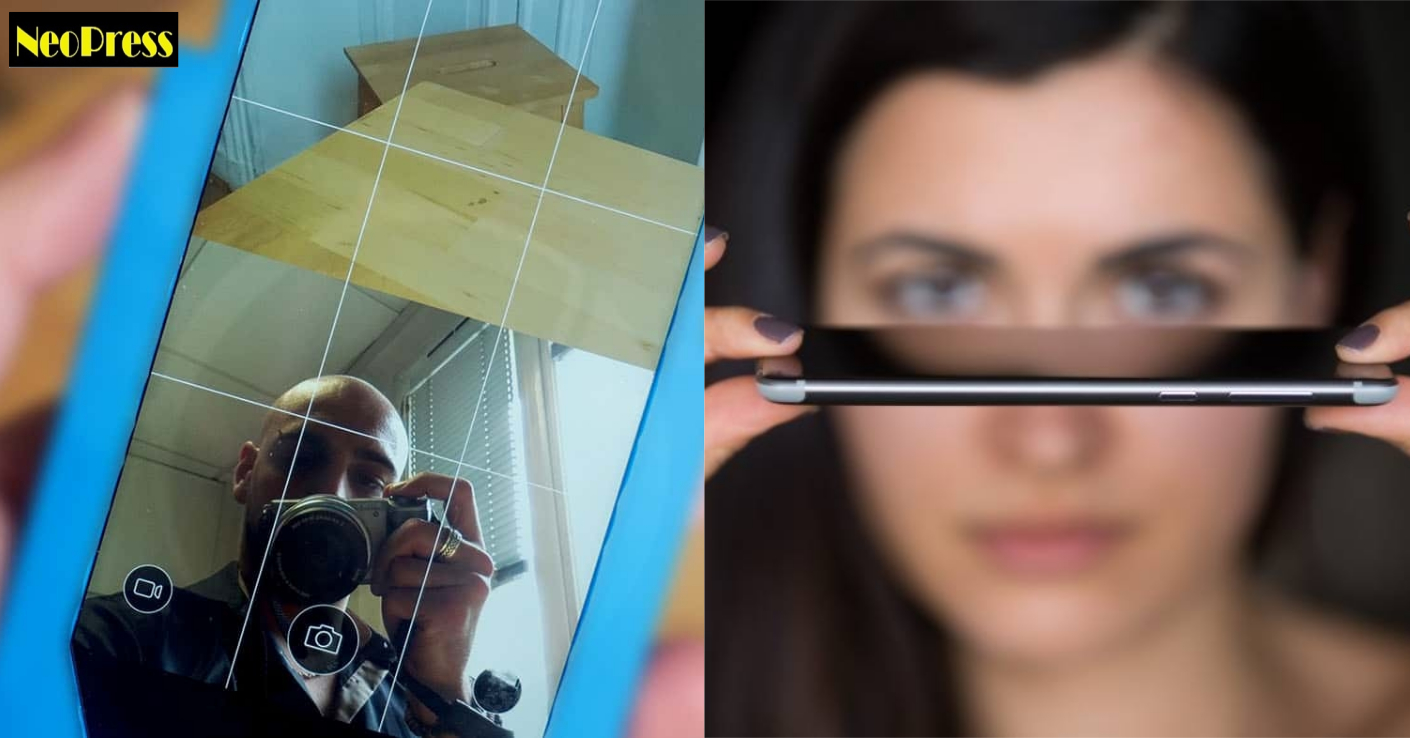
Nokia 8 enables its users livestream videos on social feeds such as Facebook and YouTube using its Dual-Sight feature that uses both the front and rear cameras simultaneously in a split screen visual for both photos and videos.

The front and rear-facing cameras on the Nokia 8 have been co-developed with ZEISS optics for ‘bothie’. Users also get unlimited photo and video uploads to Google Photos.

Nokia 8 is also the first smartphone to feature Nokia OZO Audio. OZO spatial 360 degrees audio brings an immersive experience to 4K video.

The phone features Qualcomm Snapdragon 835 chip, offers pure, secure and updated Android experience and is Qualcomm Quick Charge 3.0 compatible for 3,090 mAh battery.

The device comes with a lightweight, water, sweat, and dust-proof premium Nokia ‘Active Wireless Headset’.

It comes with a 4GB RAM and 64GB storage that can be extended up to 256GB. It has a 5.3-inch IPS LCD QHD display and is protected by Corning Gorilla Glass 5.

The primary camera has two lenses — 13MP (Colour + OIS) and 13MP (Mono) with dual tone flash. The 13MP front facing camera has Phase-detection autofocus (PDAF).

The Nokia 5 smartphone, already released in India, is available in retail stores at Rs 12,499.

The Nokia 6 has received over one million registrations on Amazon.in and customers can buy the smartphone for Rs 14,999 from August 23.

As a technology lover you may like our daily important technology news series. It’s a playlist and you can retrieve the total day-wise videos. Please consider subscribing our YouTube channel:

Author: Technology Vista

Tagged : /

ASUS launches camera-centric ‘ZenFone Zoom S’ at Rs 26,999 (USD 415)

Taiwanese electronics giant ASUS on Thursday launched its new ‘ZenFone Zoom S’ smartphone with a dual-camera for photography lovers for Rs 26,999.

The 5.5-inch device, available on Flipkart, comes with a 2.3X optical and 12 X digital zoom and 12MP dual camera setup on the rear and a 13MP front camera.

“On the onset of ‘World Photography Day’, ASUS India wishes to rejuvenate the passion and commitment of photography enthusiast by launching ‘ZenFone Zoom S’,” said Peter Chang, Regional Head, South Asia and Country Head, System Business Group-ASUS India, in a statement.

With a high-capacity 5000mAh battery onboard, the phone can last up to two days on a single charge, the company claimed.

Powered by Qualcomm Snapdragon 625, ‘ZenFone Zoom S’ comes with 4GB RAM and 64GB internal storage.

The ‘ZenFone Zoom S’ features ‘ASUS SuperPixel Camera’ for low-light photography.

The device has an improved ASUS ‘TriTech’ autofocus system with new ‘Dual Pixel PDAF’ technology as one of its three focusing technologies along with the second-generation laser autofocus and subject tracking autofocus.

ASUS ‘TriTech’ automatically chooses the best technology to use depending on the subject, and achieves focus in an amazingly fast 0.03 seconds.

‘ZenFone Zoom S’ shoots videos at 4K (3840×2160) at 30 frames per second, along with the subject tracking autofocus system allowing the smartphone to continuously focus on subjects.

The device is also one of the first few smartphones to have a Corning Gorilla Glass 5 display cover panel that is 70 per cent more resistant to drop damage compared to the previous Gorilla Glass generation.

As a technology lover you may like our daily important technology news series. It’s a playlist and you can retrieve the total day-wise videos. Please consider subscribing our YouTube channel:

Author: Technology Vista

Tagged : /

This is how Mars 2020 rover will find the signs of life!

NASA’s Mars 2020 rover mission, which aims look for signs of past life on the Red Planet, will use smart X-ray techniques originally developed to find the oldest life on Earth, according a mission scientist.

“Previous missions to Mars have used a relatively broad brush – analysing average chemistry over roughly the size of a postage stamp – to ‘follow the water’ and seek ancient habitable environments,” said the mission’s Deputy Project Scientist Ken Williford.

“Mars 2020 takes the next natural step in its direct search for evidence of ancient microbial life, focusing measurements to the microbial scale and producing high-resolution maps over similarly postage stamp-sized analytical areas,” Williford said while speaking at the Goldschmidt geochemistry conference in Paris where he presented the methods to be adopted.

Rather than using “bulk” geochemistry techniques that measure the average composition of a rock, Mars 2020 is developing new capabilities including X-ray fluorescence and Raman spectroscopy to map the elemental, mineral, and organic composition of rocks at high spatial resolution, with analytical spot sizes about the width of a human hair.

Understanding the spatial distribution of chemical features preserved in ancient rocks is key to determining whether or not they were formed by life.

The instruments in development for Mars 2020 have roots in the search for the earliest signs of life on Earth, as well as life in extreme environments – deep underground, or in hydrothermal settings along ocean-floor ridges.

When these methods have been applied on Earth they have enabled scientists to lower limits of detection or to better understand formerly ambiguous observations.

In addition, the Mars 2020 mission will use the knowledge gained from its scientific exploration to select and collect key samples that could one day be examined in laboratories back on Earth.

About 30-40 rock and sediment core samples, each about 15 grams, will be hermetically sealed in titanium tubes and deposited in a safe location on the surface of Mars for possible retrieval by a future mission.

“Mars 2020 represents a crucial first step towards a possible Mars sample return. Our objective is to collect a diverse set of samples from our landing site with the best potential to preserve records of the evolution of Mars – including the presence of life if it was there,” Williford said.

“We’ll use our onboard instruments to provide the critical field context that future scientists would need to understand the measurements made back on Earth,” Williford added.

As a technology lover you may like our daily important technology news series. It’s a playlist and you can retrieve the total day-wise videos. Please consider subscribing our YouTube channel:

Author: Technology Vista

Tagged : /

Easy repair of damaged body parts! Researchers develop new method to 3D print living tissues

In a step towards helping repair damaged body parts, scientists in Britain have developed a new method to 3D-print laboratory-grown cells to form living structures.

In the study published in the journal Scientific Reports, the researchers demonstrated how a range of human and animal cells can be printed into high-resolution tissue constructs.

The approach could revolutionise regenerative medicine, enabling the production of complex tissues and cartilage that would potentially support, repair or augment diseased and damaged areas of the body. “The ability to 3D print with adult stem cells and still have them differentiate was remarkable, and really shows the potential of this new methodology to impact regenerative medicine globally,” said Adam Perriman from the University of Bristol.

Interest in 3D printing living tissues has grown in recent years, but, developing an effective way to use the technology has been difficult, particularly since accurately controlling the position of cells in 3D is hard to do.

They often move within printed structures and the soft scaffolding printed to support the cells can collapse on itself. As a result, it remains a challenge to print high-resolution living tissues. But, led by Professor Hagan Bayley of the University of Oxford, the team devised a way to produce tissues in self-contained cells that support the structures to keep their shape. The cells were contained within protective nanolitre droplets wrapped in a lipid coating that could be assembled, layer-by-layer, into living structures.

Producing printed tissues in this way improves the survival rate of the individual cells, and allowed the team to improve on current techniques by building each tissue one drop at a time to a more favourable resolution. To be useful, artificial tissues need to be able to mimic the behaviours and functions of the human body.

The method enables the fabrication of patterned cellular constructs, which, once fully grown, mimic or potentially enhance natural tissues, the researchers said. “We were aiming to fabricate three-dimensional living tissues that could display the basic behaviours and physiology found in natural organisms,” lead author Alexander Graham from Oxford Synthetic Biology said.

“To date, there are limited examples of printed tissues, which have the complex cellular architecture of native tissues. Hence, we focused on designing a high-resolution cell printing platform, from relatively inexpensive components, that could be used to reproducibly produce artificial tissues with appropriate complexity from a range of cells including stem cells,” Graham added.

As a technology lover you may like our daily important technology news series. It’s a playlist and you can retrieve the total day-wise videos. Please consider subscribing our YouTube channel:

Author: Technology Vista
Tagged : /

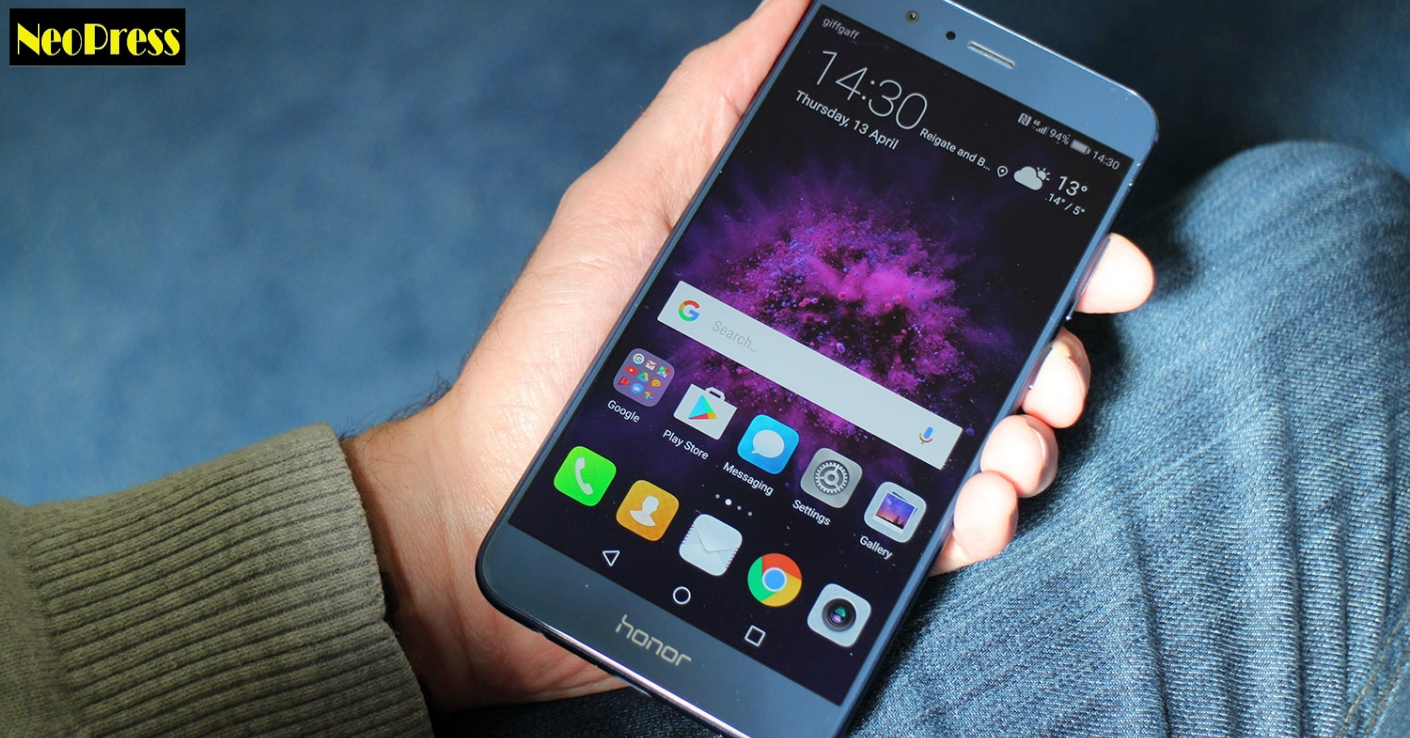
Honor 8 Pro wins ‘EISA Consumer Smartphone Award’. How do you rate it?

Chinese smartphone brand Huawei’s Honor 8 Pro has been accorded with ‘European Imaging and Sound Association (EISA) Consumer Smartphone 2017-2018’ award, the company announced on Wednesday.

EISA called the device as “a fitting tribute to the innovative engineering and great performance from Honor”.

“We are thrilled to receive the ‘EISA Consumer Smartphone 2017 – 2018’. This prestigious accolade represents a solid recognition from the industry – not only for the Honor 8 Pro but also for the wider Honor brand,” George Zhao, President of Honor, said in a statement.

“Despite the competitive smartphone market space, the Honor 8 Pro stood out from the crowd and has been extremely well-received by millennials, which has reinforced our confidence to develop further trend-setting devices which excel in design and performance for millennials around the globe,” Zhao added.

Priced at Rs 29,999, the 6GB ‘Honor 8 Pro’ with fourth generation 12MP dual-lens camera system was launched last month in India.

Honor 8 Pro has a 5.7-inch display, 128GB internal storage, which can be expanded up to 256GB, boasts a 2K quad HD display and houses 4,000mAh battery.

The device runs on the latest premium flagship Kirin 960 processor and an all-new EMUI 5.1 software. The duel-SIM smartphone that runs Android 7.0 Nougat-based EMUI 5 comes with 8MP selfie camera.

Globally, Huawei witnessed 35 per cent growth (YOY) in revenue in 2016, with 139 million smartphone shipments. In the first quarter of 2017, the company shipped 34.55 million units in 74 countries.

As a technology lover you may like our daily important technology news series. It’s a playlist and you can retrieve the total day-wise videos. Please consider subscribing our YouTube channel:

Author: Technology Vista
Tagged : /

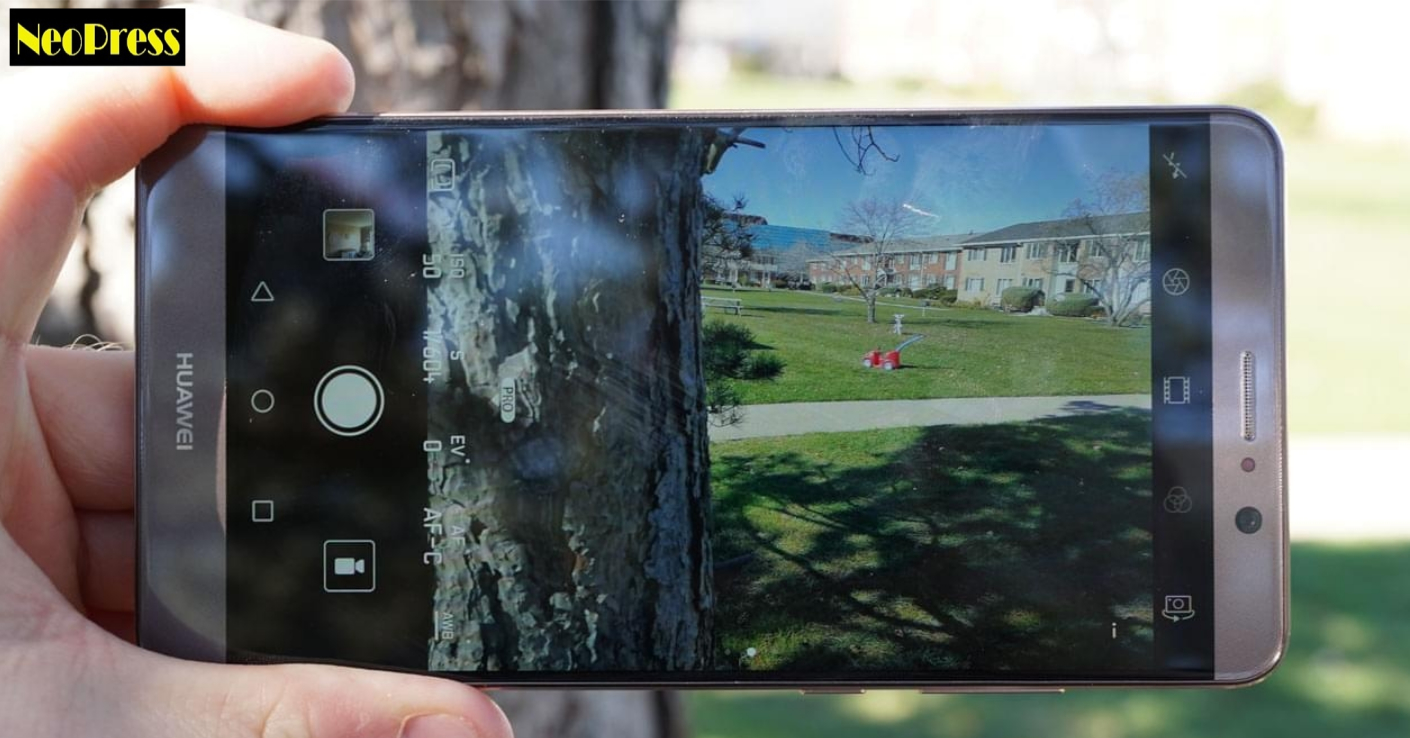
Huawei ‘Mate 10’ with bezel-less display leaked

The “leaked” first renders of Huawei’s next flagship smartphone “Mate 10” give an insight into the bezel-less design that was earlier confirmed by Richard Yu, Product Head of the company’s Consumer Division.

“The rear side of the forthcoming phone reveals a dual camera set-up with Leica lens, dual-LED flash along with Optical Image Stabilisation (OIS), a post on Chinese social networking site Weibo read on Wednesday.

Huawei Mate 10 could sport a 6.1-inch screen with Quad-HD resolution, it added.

“Fingerprint sensor and Huawei branding are very minimal,” Pocketnow earlier reported.

In terms of specifications, the phone is expected to be powered by a Kirin 970 chipset coupled with a 6GB RAM and 64GB internal memory configuration. The phablet could be powered by a 4,000mAh battery and would run Android Nougat OS out-of-the-box.

As a technology lover you may like our daily important technology news series. It’s a playlist and you can retrieve the total day-wise videos. Please consider subscribing our YouTube channel:

Author: Technology Vista

Tagged : /

IIT Kharagpur technology keeps coconut water fresh for months

Coconut water can be kept fresh for months without preservatives, thanks to a new technique developed by scientists at the Indian Institute of Technology, Kharagpur. Untreated coconut water has a shelf life of only 24 hours.

The team of Sankha Karmakar and professor Sirshendu De, Department of Chemical Engineering, IIT Kharagpur, used a membrane-based separation process through which all the bacterial content can be removed. Shelf life is enhanced to around 18 weeks without any use of preservatives.

“Generally, all the bacterial content can be removed by a microfiltration membrane or any ultrafiltration membrane. The membrane was such selected that it eliminates the potent sites for microbial growth (enzyme polyphenol oxidase and high molecular weight proteins present in the coconut water) to its best extent, so that further bacterial growth can be arrested,” the researchers said in a statement on Friday.

It can be stored in aseptic packaging for 18 weeks under normal refrigeration, they claim. The sterilised coconut water was tasted and scored by three professors from chemical engineering department, 10 Ph.D scholars and two children, in terms of aroma, taste, odour, texture, colour and acceptability.

“It was found that the treated coconut water maintained all its nutritional properties even after weeks of storage study. The process is better than conventional sterilization process like, hot pasteurization or freezing because of its economical viability, easy scalability and high storage tendency without any additional additive or preservative,” the researchers added.

As a technology lover you may like our daily important technology news series. It’s a playlist and you can retrieve the total day-wise videos. Please consider subscribing our YouTube channel:

Author: Technology Vista
Tagged : /

Lenovo K8 Note: Ups the ante in budget segment with dual rear cameras, stock Android (Tech Review)

Dual rear cameras and images with “Bokeh” effect gained popularity after Apple released the iPhone 7 Plus last year.

Now, Lenovo is betting big on the sub-Rs 15,000 segment with the K8 Note that boasts of dual rear cameras and packs decent specs in a sturdy body. At the launch event in New Delhi, Lenovo said it skipped a generation (K7 Note), took a leap and made K8 Note with the stock Android operating system (OS) and dual camera set-up.

So, does K8 Note have enough power to beat Xiaomi’s Redmi Note 4 — perhaps the most popular smartphone in its segment? Read on to find out.

What works for the device.

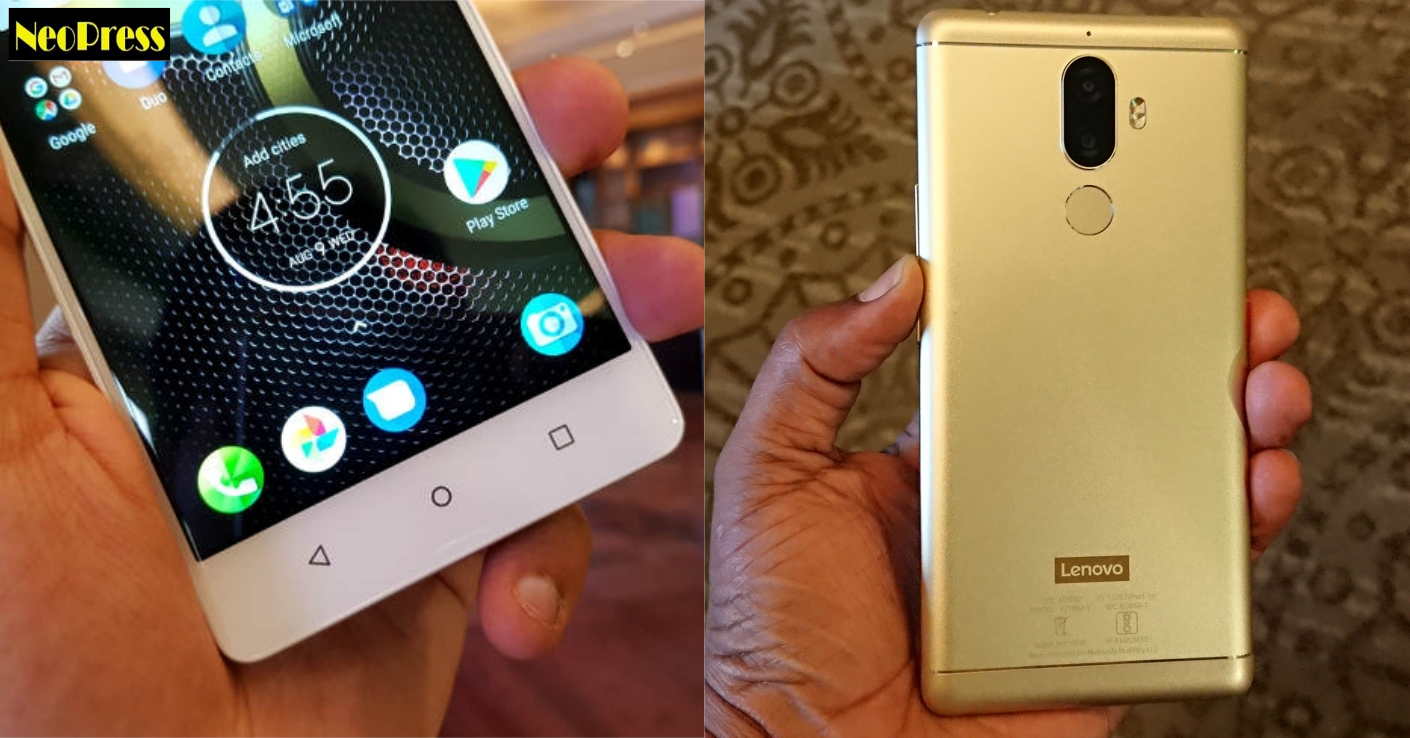
Lenovo is banking on the dual camera set-up at the rear which also makes it the company’s first phone with this feature.

A 13MP “Purecell” sensor along with 5MP Samsung “BSI” sensor and dual “CCT LED” flash combine to create good “depth-of-field” shots.

A 13MP front camera with flash is capable of satisfying the hunger of selfie lovers.

The camera app is neat and looks similar to the camera interface of Motorola phones. It lets the user change exposure quickly via the focus ring.

Lenovo K8 Note has a premium and sturdy design, thanks to the 6,000 series Aluminium body. The device is available in Venom Black and Fine Gold colours and the former looks classier than the gold variant.

The 5.5-inch full-HD (1920×1080 pixels) display is protected by a layer of 2.5D Corning Gorilla glass that renders a smooth finish. Lenovo has also added a layer of anti-fingerprint “oleophobic” coating that is a great value-addition and won’t leave smudges on the screen.

The viewing angles are great with decent sunlight legibility. This is the best-ever display on a Lenovo smartphone in this price segment.

Also, the splash-proof P2i nano-coating makes the device capable of handling a few splashes. This is also where Redmi Note 4 falls short.

In terms of performance, stock Android is a welcome change. The look and feel of the user interface delighted us.

K8 Note did not show any lag when we browsed videos on YouTube, used WhatsApp and surfed the internet simultaneously, thanks to the deca-core MediaTek Helio X23 (MT6797) chipset.

We especially liked the rather low placement of physical power and volume buttons (on the right side) which made it easy to reach them.

A dedicated “Music key” lies on the left which can be customised by users to suit their needs.

The fingerprint sensor right below the camera at the rear unlocks the phone in a snap.

A dedicated microSD card slot placed on the left can expand memory up to 128GB and is a good value-addition to the smartphone.

The hefty 4,000mAh non-removable battery lasted over a day on a single charge with moderate-to-heavy usage during our review.

A 15W “Turbo Charger” supplied in the box could provide 100 per cent juice in less than two hours.

What does not work.

The big camera bump at the rear is a downgrade from its predecessor K6 Note and gets a thumbs-down from our side.

It is disappointing that the three capacitive buttons below the display are not backlit.

The phone warmed up when we used it for navigation and played games.

The battery backup of the K8 Note is decent. But Redmi Note 4 scores better in this department with a bigger 4,100mAh battery and better optimisation.

Conclusion.

K8 Note is a serious attempt by Lenovo to woo consumers in the sub-Rs 15,000 segment. The prowess of its dual rear cameras and stock Android definitely make K8 Note stand out in the crowd and give a stiff competition to the best-selling phone in the segment — the Redmi Note 4.

As a technology lover you may like our daily important technology news series. It’s a playlist and you can retrieve the total day-wise videos. Please consider subscribing our YouTube channel:

Author: Technology Vista
Tagged : /

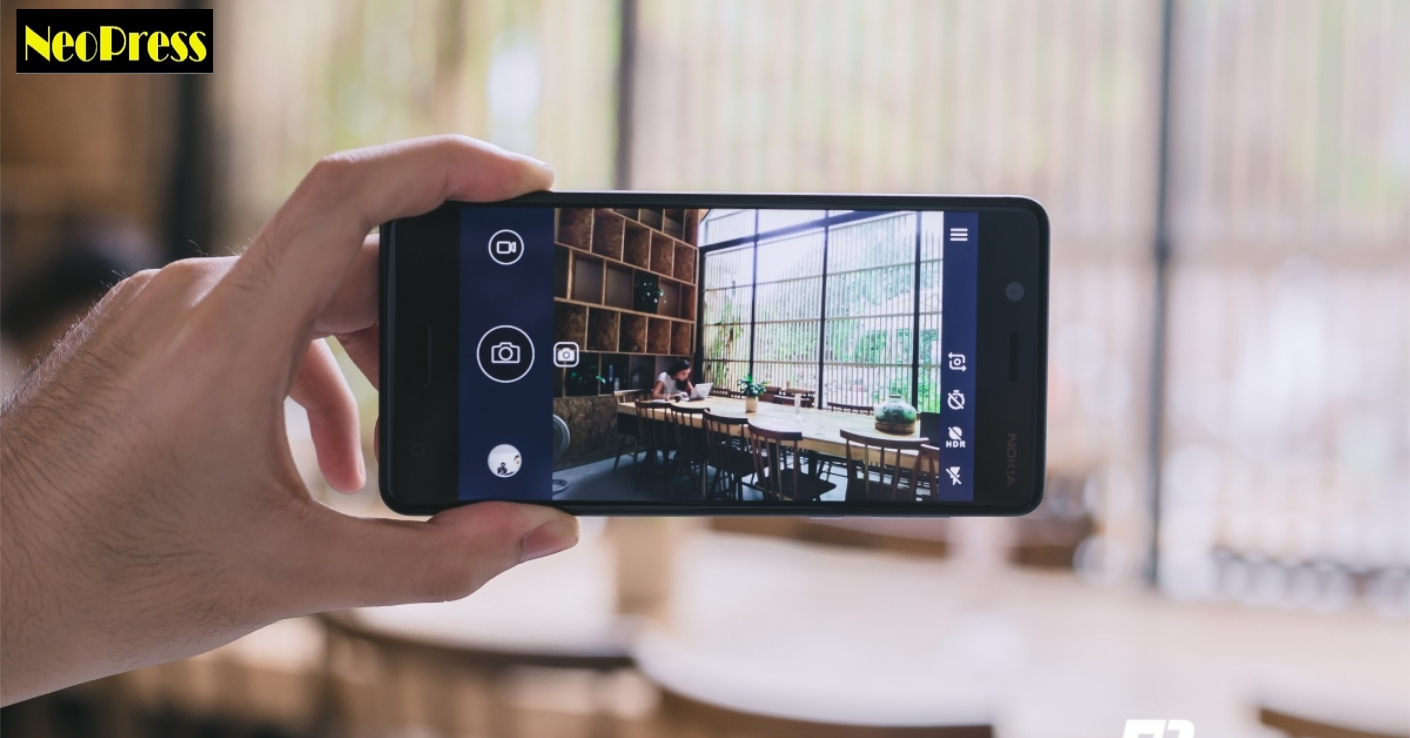
‘Nokia 5’ comes to India at Rs 12,499 (USD 190)

Finnish start-up HMD Global, which owns the Nokia brand, on Monday announced the release of ‘Nokia 5’ smartphone in India.

It will be available in retail stores at Rs 12,499 from August 15. The smartphone features a 5.2-inch IPS HD display with Corning Gorilla Glass, 2GB RAM and 16GB internal storage which can be expanded upto 128GB with microSD card.

“People today want something that fits in the palm of their hands and they want something that will go the distance. ‘Nokia 5’ is the ultimate pocketable phone at 5.2 inches with a very unique design,” Ajey Mehta, Vice-President, HMD Global India, said in a statement.

The phone sports a 13MP rear camera with dual flash which has been optimised for all light conditions and 8MP front camera for selfies.

Running on Android 7.1.1 Nougat, the device is powered by Qualcomm Snapdragon 430 mobile platform. Equipped with a 3000mAh battery, ‘Nokia 5’ comes with biometric fingerprint authentication feature.

As a technology lover you may like our daily important technology news series. It’s a playlist and you can retrieve the total day-wise videos. Please consider subscribing our YouTube channel:

Author: Technology Vista
Tagged : /

This is how you can use smartphone to spot fake products

Indian-origin researchers have developed a new system that uses Artificial Intelligence algorithms and a smartphone app to instantly distinguish between genuine and fake versions of the same product.

The system works by deploying a dataset of three million images across various objects and materials such as fabrics, leather, pills, electronics, toys and shoes. “The classification accuracy is more than 98 per cent, and we show how our system works with a cellphone to verify the authenticity of everyday objects,” said Lakshminarayanan Subramanian, Professor at New York University.

The system is scheduled to be presented on August 14 at the annual KDD Conference on Knowledge Discovery and Data Mining in Halifax, Nova Scotia, Canada. The system described in the presentation is commercialised by Entrupy Inc., an New York University start-up founded by Ashlesh Sharma, Vidyuth Srinivasan, and Subramanian.

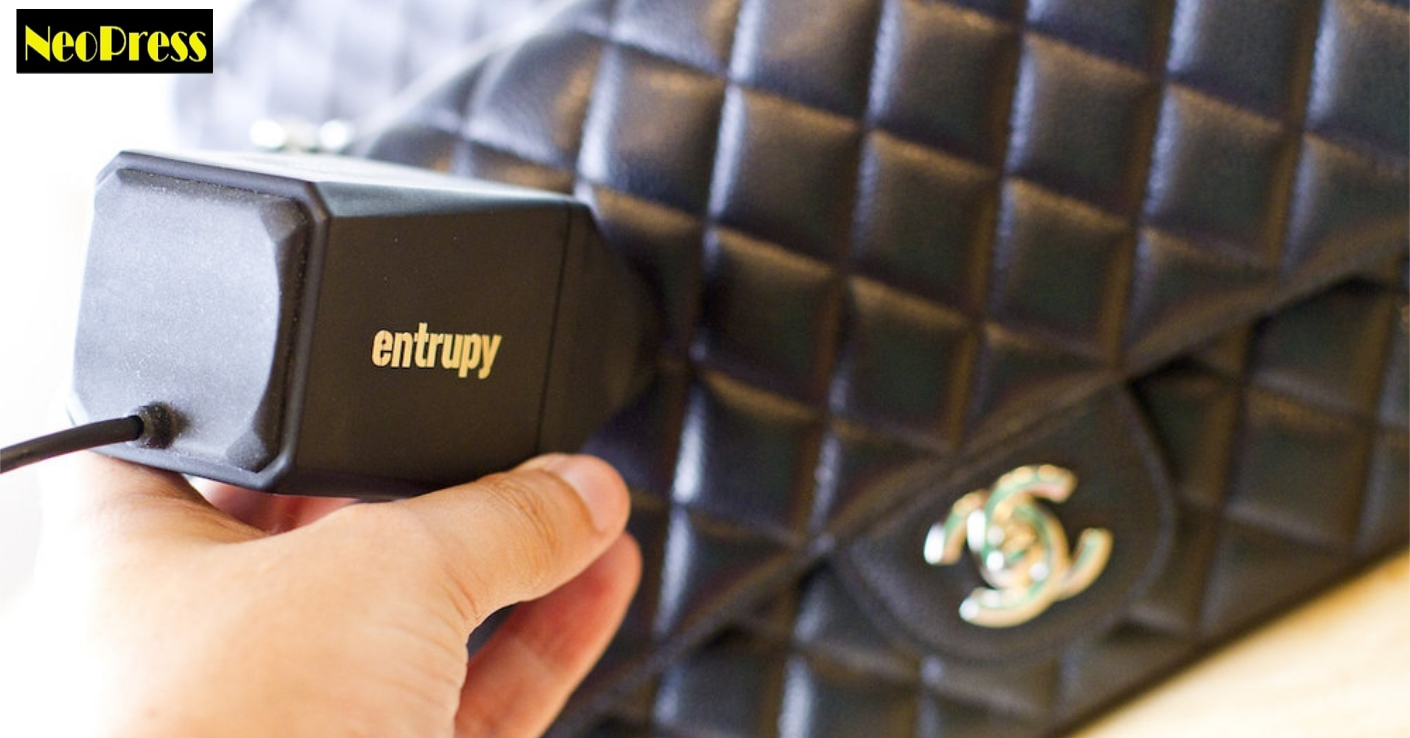
Detecting fake products with Entrupy is easy. One has to place the device directly on the item, open the Entrupy app on smartphone or tablet (iOS), and follow the onscreen prompts in the app to take images. The Artificial Intelligence algorithms then analyse the images to determine authenticity and provide results in real-time.

“The underlying principle of our system stems from the idea that microscopic characteristics in a genuine product or a class of products – corresponding to the same larger product line–exhibit inherent similarities that can be used to distinguish these products from their corresponding counterfeit versions,” Subramanian explained.

Counterfeit goods represent a massive worldwide problem with nearly every high-valued physical object or product directly affected by this issue, the researchers noted. While other counterfeit-detection methods exist, these are invasive and run the risk of damaging the products under examination.

The Entrupy method, by contrast, provides a non-intrusive solution to easily distinguish authentic versions of the product produced by the original manufacturer and fake versions of the product produced by counterfeiters.

As a technology lover you may like our daily important technology news series. It’s a playlist and you can retrieve the total day-wise videos. Please consider subscribing our YouTube channel:

Author: Technology Vista

Tagged : /

This Indian seismologist had predicted Aug 8 China quake!

Indian seismologist Arun Bapat had warned, a day before it struck, of the the 6.5 magnitude earthquake that rocked China on August 8, killing close to 40 people and forcing the evacuation of thousands more.

“I daily visit the website of the Indian Meteorological Department (IMD) for various geological, meteorological, ionospheric and seismic parameters,” Bapat, a former chief of earthquake research at the Central Water and Power Research Station in Pune, told IANS.

“On August 7, around midnight, I saw a satellite infra-red photo showing a thermal high in the China-Japan region that was not there five hours earlier.”

Bapat — a consulting seismologist at International Earthquake and Volcano Prediction Centre headquartered in Orlando, Florida — knew this was a sign of a moderate to a large magnitude earthquake. He immediately alerted seismologists in his group in an email warning that “an earthquake should occur within the next 18 to 24 hours”.

That forecast turned out to be correct. “Predicted China earthquake happened,” Hong-Chun Wu, a Chinese seismologist, responded in an email on August 8.

“This only confirms that the science of short-term earthquake forecasting and prediction is really progressing,” said Bapat who had predicted the 7.2-magnitude Mexico earthquake of April 18, 2014, two months before the event.

Bapat’s confidence stems from the string of correct predictions he had made using satellite readings of seismological and geophysical parameters like ‘Total Electron Content’ and ‘Outgoing Long Wave Radiation’ in addition to infra-red images of the Earth.

For instance, on April 14, 2017, in an email to the Chief Secretary of Jammu and Kashmir, Bapat wrote: “During my routine check of various earthquake-related parameters it has been found that the area near Bhaderwah could perhaps be heading for an earthquake of magnitude around 5.5 within next few days.” A 5 magnitude earthquake did occur four days later, some 80 km from Kargil, as predicted.

Bapat’s prediction based on surface temperatures also turned out to be correct in the case of an earthquake in Manipur early this year.

On February 23, he alerted the North-East Disaster Management Authority in an email: “The temperatures at three locations indicate the likely occurrence of an earthquake of magnitude around 5.0 within next few days. The epicenter could be within 70 km from any of the above locations. Most vulnerable dates could be 25/26 Feb.”

An earthquake of magnitude 5.2 did occur in Churachandpur district of Manipur on February 24. “The magnitude and location were fully correct,” Bapat said. “Only the date was missed by a few hours.”

Satellite-borne data, freely available on IMD website, could be effectively used for short-term earthquake forecasting and prediction on a 24×7 basis, he said. Besides satellite data, there are seismic precursors arising from “seismo-electromagnetic effect” that are worth watching, Bapat said.

“Before the occurrence of any moderate to large magnitude earthquake, the underground location where the rupture takes place gets heated. As the temperature rises, the geomagnetic field of the earth at that location goes on decreasing which adversely affects the propagation and reception of electromagnetic waves and communication.” The impact of this, Bapat said, can be observed by anyone with a telephone or television set.

About two days before an earthquake, landline telephone communication gets disturbed; radio reception fades away about 30 to 40 hours before the event and television reception gets disturbed about 10 hours before earthquake, Bapat said.

“If all mobile telephones in a radius of 15 km or more are affected, it could be a sign of earthquake within the next 100 minutes. This was noted for the first time prior to the 1993 Latur earthquake in Maharashtra, in Bhuj before the destructive quake of January 26, 2001, and prior to the 7.5 magnitude Kathmandu earthquake on April 25, 2015.”

“I would like to say with sufficient level of confidence that using electronics and satellite-borne data would definitely give good result-oriented earthquake predictions. All State Disaster Management Authorities (DMAs) and the NDMA are requested to consider this seriously,” Bapat said.

“In view of the predicted large magnitude earthquake in the Himalayan region, it is the right time to act now,” he added.

As a technology lover you may like our daily important technology news series. It’s a playlist and you can retrieve the total day-wise videos. Please consider subscribing our YouTube channel:

Author: Technology Vista
Tagged : /

Infinix Note 4: New battery leader in sub-Rs 10,000 segment (Tech Review)

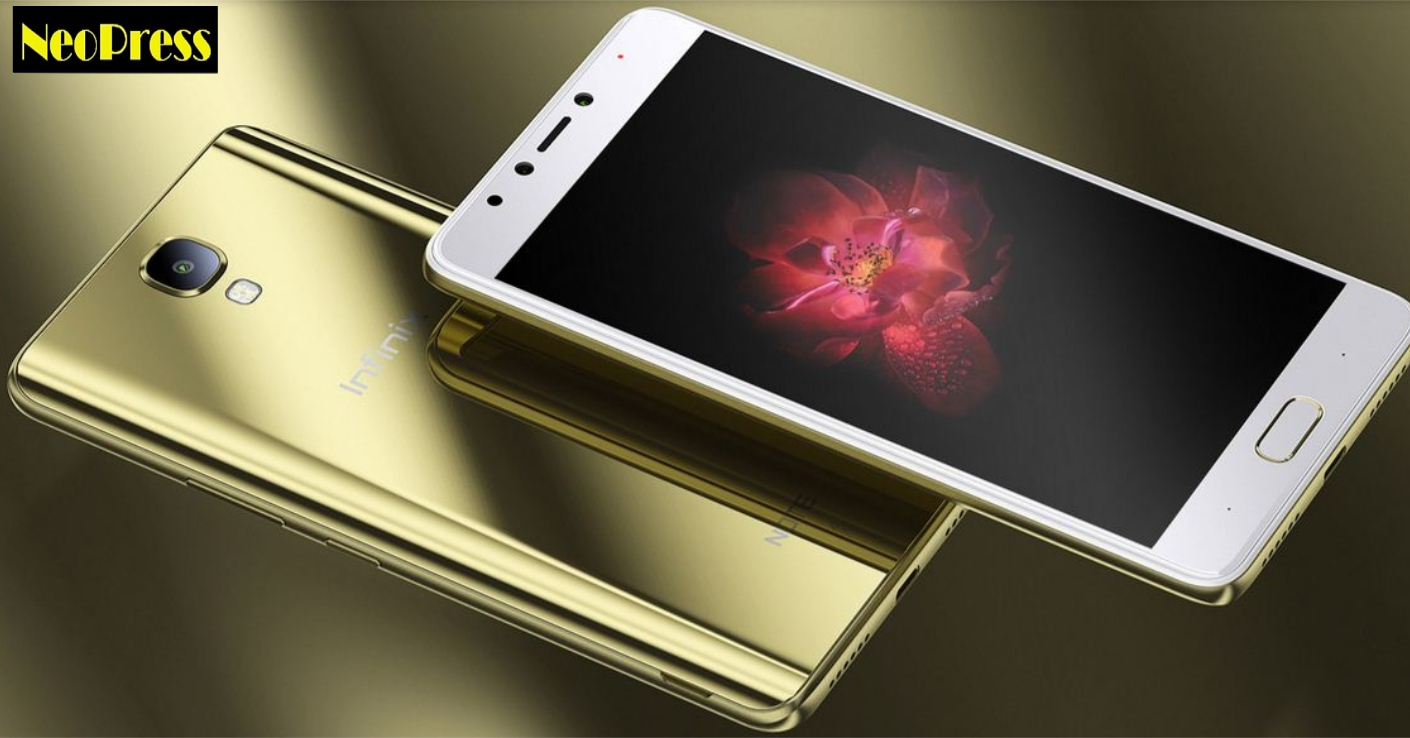
China-based Transsion Holdings has launched Infinix Note 4 smartphone in India that aims to compete with the likes of Lenovo, Xiaomi and Lenovo-owned Motorola — players with a strong foothold in the competitive sub-Rs 10,000 segment in the country. At Rs 8,999, Infinix ‘Note 4’ directly competes with the immensely-popular Xiaomi ‘Redmi Note 4’ that costs Rs 9,999 for the 2GB RAM/32GB ROM version. Does ‘Note 4’ have enough firepower to disrupt the crowded budget smartphone market in India? Let’s find out.

Design wise, the right side houses volume rockers and the power key. The 3.5-mm standard headphone jack sits at the top while dual speaker grilles and USB charging port can be found at the bottom. ‘Note 4’ follows the same design language of other Android smartphones but that does not make it look boring at all. The smartphone has a sturdy build and feels solid to hold.

Infinix has tried to make the rear panel look like Samsung Galaxy S8 — curved on both sides — which makes it ergonomic. The 5.7-inch full-HD display (1920 X 1080) pixels is bright with good sunlight legibility. The colours were vivid and did not look oversaturated.

Unlike most Android smartphones, Infinix ‘Note 4’ has a dedicated microSD slot to expand memory up to 128GB which is a great value addition. The device features a huge 4,300mAh non-removable battery that easily lasted for almost two days on a single charge with 4G connectivity on one SIM. The build of the device is not very bulky despite a hefty battery housed inside. A 1.3GHz octa-core Mediatek MT6753 chip paired with 3GB of RAM did a decent job of performing everyday tasks. We were able to quickly open and shuffle between apps sans any lag.

The overall performance was fast, especially the fingerprint scanner — embedded into the home key that could unlock the device in a snap. The 8MP front camera with flash is capable of taking decent selfies. The front flash can be customised and controlled to not blind the user.

What does not work.

In terms of camera performance, the 13MP primary camera offers nothing great. There was noticeable noise in the images clicked in low-light conditions.

The rear removable panel is made of plastic that does not impress. In fact, we felt that it would crack if not opened carefully.

On the other hand, Xiaomi Redmi 4 costs Rs 1,000 extra but offers a metal unibody design with a Qualcomm Snapdragon 625 CPU.

Infinix’s custom UI — XOS, based on Android 7.0 Nougat, has a lot of bloatware. In addition to Google’s own apps, there were applications ‘PHX Browser’ and ‘Palmchat’ that are not of much use in India.

The recently launched Motorola E4 Plus also offers a bigger 5,000mAh battery and a smoother stock Android experience.

Conclusion: Infinix ‘Note 4’ is a decent overall package with great battery life as its USP. Its primary camera, on the other hand, could have used slightly better optics. We would recommend this phone to those who want a great battery performance and experiment with new brands.

As a technology lover you may like our daily important technology news series. It’s a playlist and you can retrieve the total day-wise videos. Please consider subscribing our YouTube channel:

Author: Technology Vista

Tagged : /

Smartphone-based diagnostic tests could replace labs

Researchers have found that a smartphone-based diagnostic test technology could perform lab-grade medical diagnostic tests that typically require large, expensive instruments.

The researchers at the University of Illinois at Urbana-Champaign in the US have developed a handheld spectral analyser that attaches to a smartphone and analyses patient blood, urine or saliva samples.

In a study published in the journal Lab on a Chip, the researchers demonstrated that the spectral transmission-reflectance-intensity (TRI)-Analyser costing $550 could make a smartphone do the tests as reliably as clinic-based instruments that cost thousands of dollars. “Our TRI Analyser is like the Swiss Army knife of biosensing,” said Professor Brian Cunningham. “It’s capable of performing the three most common types of tests in medical diagnostics, so in practice, thousands of already-developed tests could be adapted to it,” Cunningham said.

Cunningham’s team used the TRI Analyser to perform two commercially available assays — a test to detect a biomarker associated with pre-term birth in pregnant women and the PKU test for newborns to indirectly detect an enzyme essential for normal growth and development. Their tests results were comparable to those acquired with clinic-grade spectrometer instrumentation, according to the study. “The TRI Analyser is more of a portable laboratory than a specialised device,” said Kenny Long who is lead author of the research study.

Among the many diagnostic tests that can be adapted to their point-of-care smartphone format, Long said, is an enzyme-linked immunosorbent assay (ELISA), which detects and measures a wide variety of proteins and antibodies in blood and is commonly used for a wide range of health diagnostics tests.

The system is capable of detecting the output of any test that uses a liquid that changes colour, or a liquid that generates light output (such as from fluorescent dyes).

The TRI Analyser operates by converting the smartphone camera into a high-performance spectrometer. Specifically, the analyser illuminates a sample fluid with the phone’s internal white LED flash or with an inexpensive external green laser diode. The light from the sample is collected in an optical fiber and guided through a diffraction grating into the phone’s rear-facing internal camera.

These optical components are all arranged within a 3D-printed plastic cradle. The TRI Analyser can simultaneously measure multiple samples by using a microfluidic cartridge that slides through an opening in the back of the cradle. This ability to analyse multiple samples quickly and reliably makes the Analyser suitable for patients who lack convenient access to a clinic or hospital with diagnostic test facilities or for patients with urgent health situations requiring rapid results, the researchers said.

As a technology lover you may like our daily important technology news series. It’s a playlist and you can retrieve the total day-wise videos. Please consider subscribing our YouTube channel:

Author: Technology Vista
Tagged : /

Know the release date of Nokia 6 . Over 1 million registered on Amazon already!

Nokia 6 has received over one million registrations on Amazon.in and customers can buy the smartphone for Rs 14,999 from August 23.

With an immersive audio experience and a 5.5-inch full-HD screen, Nokia 6 delivers a truly premium smartphone experience.

The smart audio amplifier with dual speakers allows consumers to experience a deep bass and unmatched clarity, whilst Dolby Atmos sound delivers a powerfully moving entertainment experience.

Powered by the Qualcomm Snapdragon 430 mobile platform and the Qualcomm Adreno 505 graphics processor, Nokia 6 is available in four colours — Matte Black, Silver, Tempered Blue and Copper. The new Nokia 6 comes pre-installed with the Amazon shopping app, Kindle app and a unique Daily Deals widget which gives users easy access to personalized deals, order history, shipment updates and more.

Amazon ‘Prime’ members can also access thousands of movies and TV shows through the pre-installed Amazon Prime Video app. The registrations for Nokia 6 opened on July 14. The Amazon ‘Prime’ members who purchase Nokia 6 using Amazon Pay balance can also avail a Rs 1,000 cashback offer.

As a technology lover you may like our daily important technology news series. It’s a playlist and you can retrieve the total day-wise videos. Please consider subscribing our YouTube channel:

Author: Technology Vista
Tagged : /

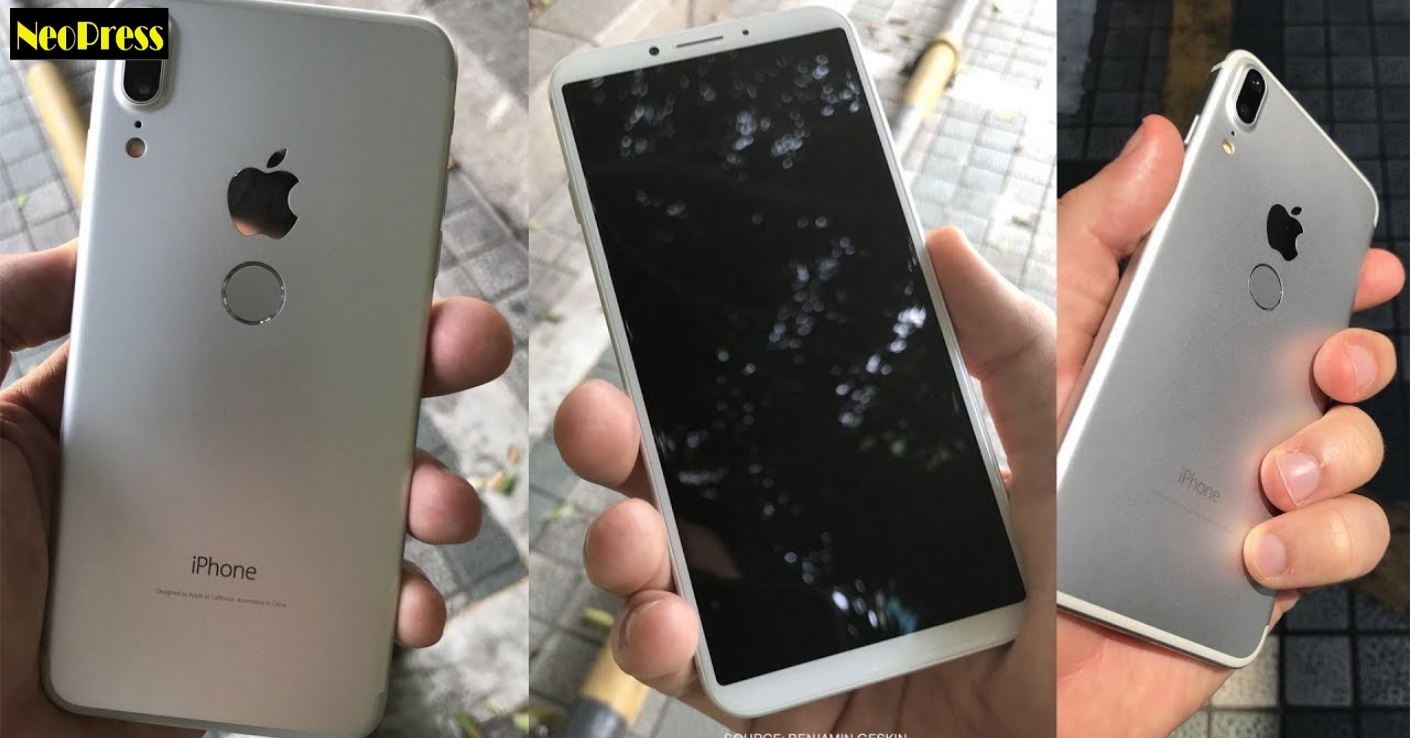
iPhone 8 can make Apple world’s first trillion dollar company

Riding on the ‘better-than-expected iPad and iPhone sales’, the upcoming flagship device iPhone 8 could make the Cupertino-based giant the first company to reach and sustain a $1 trillion market cap, analysts have predicted.

According to a report in MarketWatch late on Wednesday, since the announcement of its third quarter results, the stock momentum has added $56 billion to the company’s market cap.

Analysts from investment service company RBC Capital predicted that the stock momentum will continue as Apple will launch its flagship device iPhone 8 in mid-September.

RBC analysts said the iPhone 8 launch will create a ‘super cycle’ for the company.

“Apple has potential to achieve a $1 trillion dollar market cap and even surpass that over the next 12 to 18 months. We see upside occurring from multiple levers,” Amit Daryanani, lead analyst on the note, was quoted as saying.

Those “levers” to get to $12 per share in profit are revenue increasing from new iPhone models, including a higher-priced premium model, growing services revenue helping to expand profit margins, tighter cost control and strong stock buybacks, the analyst said.

Daryanani said that Apple’s share price would have to rise from its current level (about $160) to about $192 to $195, depending on the rate of the company’s stock buybacks, to reach the $1 trillion value.

According to reports, Apple might release three iPhones — iPhone 7S, 7S Plus and iPhone 8 — in September. With an expected price range of between $900 and $1,100, two of the three iPhones are expected to be more expensive compared with previous versions.

Apple posted a quarterly revenue of $45.4 billion — up seven per cent YoY (year-over-year) — for the third quarter of 2017. With revenue up seven per cent YoY, the company reported a third consecutive quarter of accelerating growth and an all-time quarterly record for services revenue.

The net income was up to $8.72 billion ($1.67 per share) from $7.80 billion ($1.42 per share) a year earlier. iPhone sales were up 1.6 per cent to 41.03 million in the third quarter that ended on July 1. The Cupertino-based tech giant sold 40.4 million iPhones a year earlier. Apple saw a 21.6 per cent jump in the services business – the App Store, Apple Pay and iCloud – to $7.27 billion.

We also returned $11.7 billion to investors during the quarter, bringing cumulative capital returns under our programme to almost $223 billion, the company said. According to The Verge, leading the way was Apple’s iPad sales, which were up 15 per cent from 2016. Hardware like the Apple Watch, AirPods, and Beats headphones were the highlights in the ‘Other Products’ category.

As a technology lover you may like our daily important technology news series. It’s a playlist and you can retrieve the total day-wise videos. Please consider subscribing our YouTube channel:

Author: Technology Vista

Tagged : /
Verified by ExactMetrics