Easy repair of damaged body parts! Researchers develop new method to 3D print living tissues

In a step towards helping repair damaged body parts, scientists in Britain have developed a new method to 3D-print laboratory-grown cells to form living structures.

In the study published in the journal Scientific Reports, the researchers demonstrated how a range of human and animal cells can be printed into high-resolution tissue constructs.

The approach could revolutionise regenerative medicine, enabling the production of complex tissues and cartilage that would potentially support, repair or augment diseased and damaged areas of the body. “The ability to 3D print with adult stem cells and still have them differentiate was remarkable, and really shows the potential of this new methodology to impact regenerative medicine globally,” said Adam Perriman from the University of Bristol.

Interest in 3D printing living tissues has grown in recent years, but, developing an effective way to use the technology has been difficult, particularly since accurately controlling the position of cells in 3D is hard to do.

They often move within printed structures and the soft scaffolding printed to support the cells can collapse on itself. As a result, it remains a challenge to print high-resolution living tissues. But, led by Professor Hagan Bayley of the University of Oxford, the team devised a way to produce tissues in self-contained cells that support the structures to keep their shape. The cells were contained within protective nanolitre droplets wrapped in a lipid coating that could be assembled, layer-by-layer, into living structures.

Producing printed tissues in this way improves the survival rate of the individual cells, and allowed the team to improve on current techniques by building each tissue one drop at a time to a more favourable resolution. To be useful, artificial tissues need to be able to mimic the behaviours and functions of the human body.

The method enables the fabrication of patterned cellular constructs, which, once fully grown, mimic or potentially enhance natural tissues, the researchers said. “We were aiming to fabricate three-dimensional living tissues that could display the basic behaviours and physiology found in natural organisms,” lead author Alexander Graham from Oxford Synthetic Biology said.

“To date, there are limited examples of printed tissues, which have the complex cellular architecture of native tissues. Hence, we focused on designing a high-resolution cell printing platform, from relatively inexpensive components, that could be used to reproducibly produce artificial tissues with appropriate complexity from a range of cells including stem cells,” Graham added.

As a technology lover you may like our daily important technology news series. It’s a playlist and you can retrieve the total day-wise videos. Please consider subscribing our YouTube channel:

Author: Technology Vista
Tagged : /

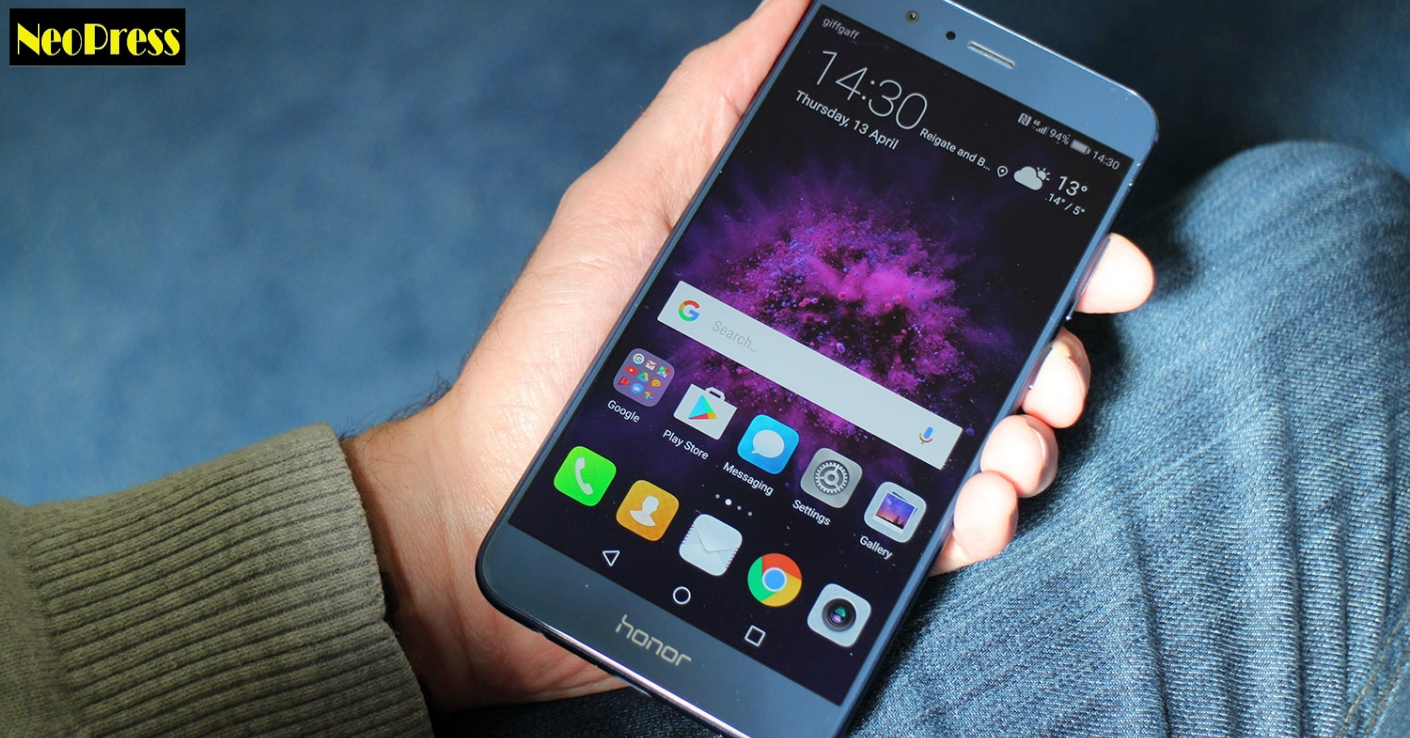
Honor 8 Pro wins ‘EISA Consumer Smartphone Award’. How do you rate it?

Chinese smartphone brand Huawei’s Honor 8 Pro has been accorded with ‘European Imaging and Sound Association (EISA) Consumer Smartphone 2017-2018’ award, the company announced on Wednesday.

EISA called the device as “a fitting tribute to the innovative engineering and great performance from Honor”.

“We are thrilled to receive the ‘EISA Consumer Smartphone 2017 – 2018’. This prestigious accolade represents a solid recognition from the industry – not only for the Honor 8 Pro but also for the wider Honor brand,” George Zhao, President of Honor, said in a statement.

“Despite the competitive smartphone market space, the Honor 8 Pro stood out from the crowd and has been extremely well-received by millennials, which has reinforced our confidence to develop further trend-setting devices which excel in design and performance for millennials around the globe,” Zhao added.

Priced at Rs 29,999, the 6GB ‘Honor 8 Pro’ with fourth generation 12MP dual-lens camera system was launched last month in India.

Honor 8 Pro has a 5.7-inch display, 128GB internal storage, which can be expanded up to 256GB, boasts a 2K quad HD display and houses 4,000mAh battery.

The device runs on the latest premium flagship Kirin 960 processor and an all-new EMUI 5.1 software. The duel-SIM smartphone that runs Android 7.0 Nougat-based EMUI 5 comes with 8MP selfie camera.

Globally, Huawei witnessed 35 per cent growth (YOY) in revenue in 2016, with 139 million smartphone shipments. In the first quarter of 2017, the company shipped 34.55 million units in 74 countries.

As a technology lover you may like our daily important technology news series. It’s a playlist and you can retrieve the total day-wise videos. Please consider subscribing our YouTube channel:

Author: Technology Vista
Tagged : /

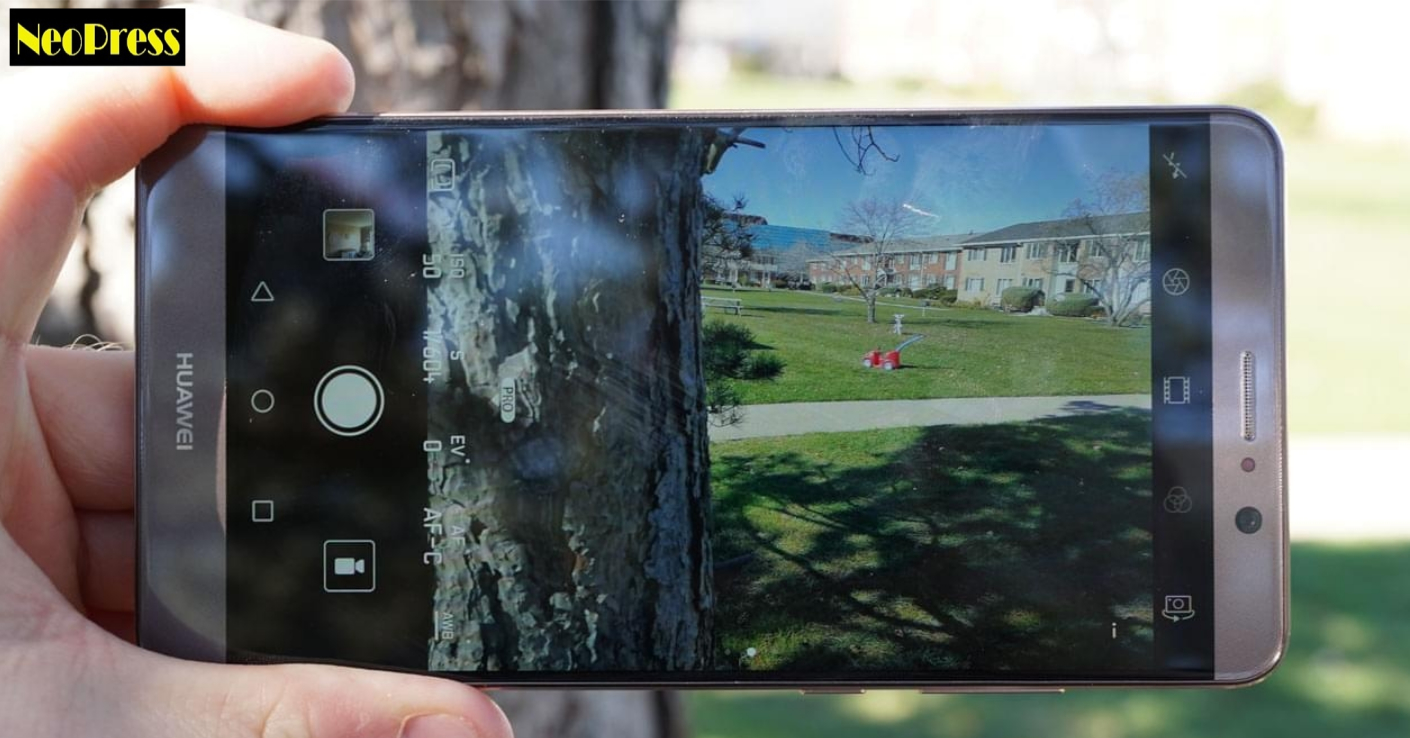
Huawei ‘Mate 10’ with bezel-less display leaked

The “leaked” first renders of Huawei’s next flagship smartphone “Mate 10” give an insight into the bezel-less design that was earlier confirmed by Richard Yu, Product Head of the company’s Consumer Division.

“The rear side of the forthcoming phone reveals a dual camera set-up with Leica lens, dual-LED flash along with Optical Image Stabilisation (OIS), a post on Chinese social networking site Weibo read on Wednesday.

Huawei Mate 10 could sport a 6.1-inch screen with Quad-HD resolution, it added.

“Fingerprint sensor and Huawei branding are very minimal,” Pocketnow earlier reported.

In terms of specifications, the phone is expected to be powered by a Kirin 970 chipset coupled with a 6GB RAM and 64GB internal memory configuration. The phablet could be powered by a 4,000mAh battery and would run Android Nougat OS out-of-the-box.

As a technology lover you may like our daily important technology news series. It’s a playlist and you can retrieve the total day-wise videos. Please consider subscribing our YouTube channel:

Author: Technology Vista

Tagged : /
Verified by ExactMetrics