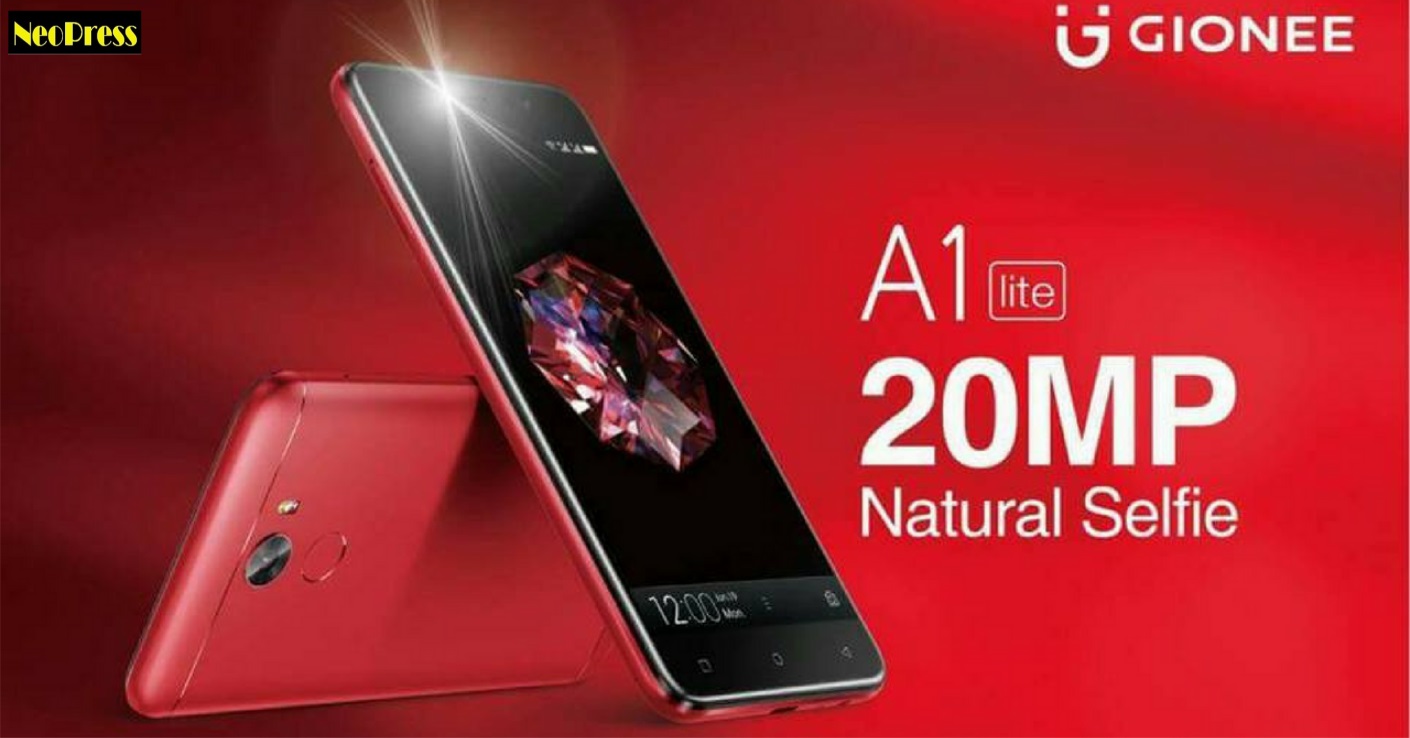
Gionee India unveils ‘A1 Lite’. Know the price and specifications

After receiving good response for ‘A1Plus’ that was launched last month, Gionee India on Wednesday launched ‘A1 Lite’ with dual-rear camera set-up for Rs 14,999.

Housing 20MP ‘selfie’ camera, a 4000mAh battery and lightning-fast fingerprint sensor, the device would be available across retail stores from August 10. Protected by Gorilla Glass, the 5.3-inch device offers split-screen experience for multi-taskers. The phone comes in two colours — gold and black.

“Keeping up with the growing demand for high-quality smartphones with superior photography capabilities, we are thrilled to launch ‘A1 Lite’. With the newest in line 13 MP dual rear camera and a trendy design, A1 Lite will surely be the next game changer,” said Alok Shrivastava, Director – Business Intelligence and Planning, Gionee India, in a statement.

The 4G VoLTE-enabled ‘A1 Lite’ runs octa-core 64-bit processor. Powered by 3GB RAM, ‘A1 Lite’ has 32GB internal storage (expandable up to 256GB). Powered by four-cell technology, the front camera captures more light than before, resulting in clearer selfies. Like its predecessor ‘A1’, ‘A1 Lite’ is equipped with fingerprint sensor that claims to unlock the phone in just 0.3 second.

The device has 2.5D curved glass, a back cover that gleams with metallic, and a sleek unibody design. Establishing its operations in India in 2012, Gionee currently has six per cent share in the domestic smartphone market. The company has presence in over 42,000 retail outlets across 2,200 cities and has invested in 555 exclusive service stations with plans to expand these to 600. This enhances its after-sales relationships with the customers.

Gionee has also partnered with Airtel and PayTm for some exciting offers on the purchase of ‘A1 Lite’.

As a technology lover you may like our daily important technology news series. It’s a playlist and you can retrieve the total day-wise videos. Please consider subscribing our YouTube channel:

Author: Technology Vista
Tagged : /

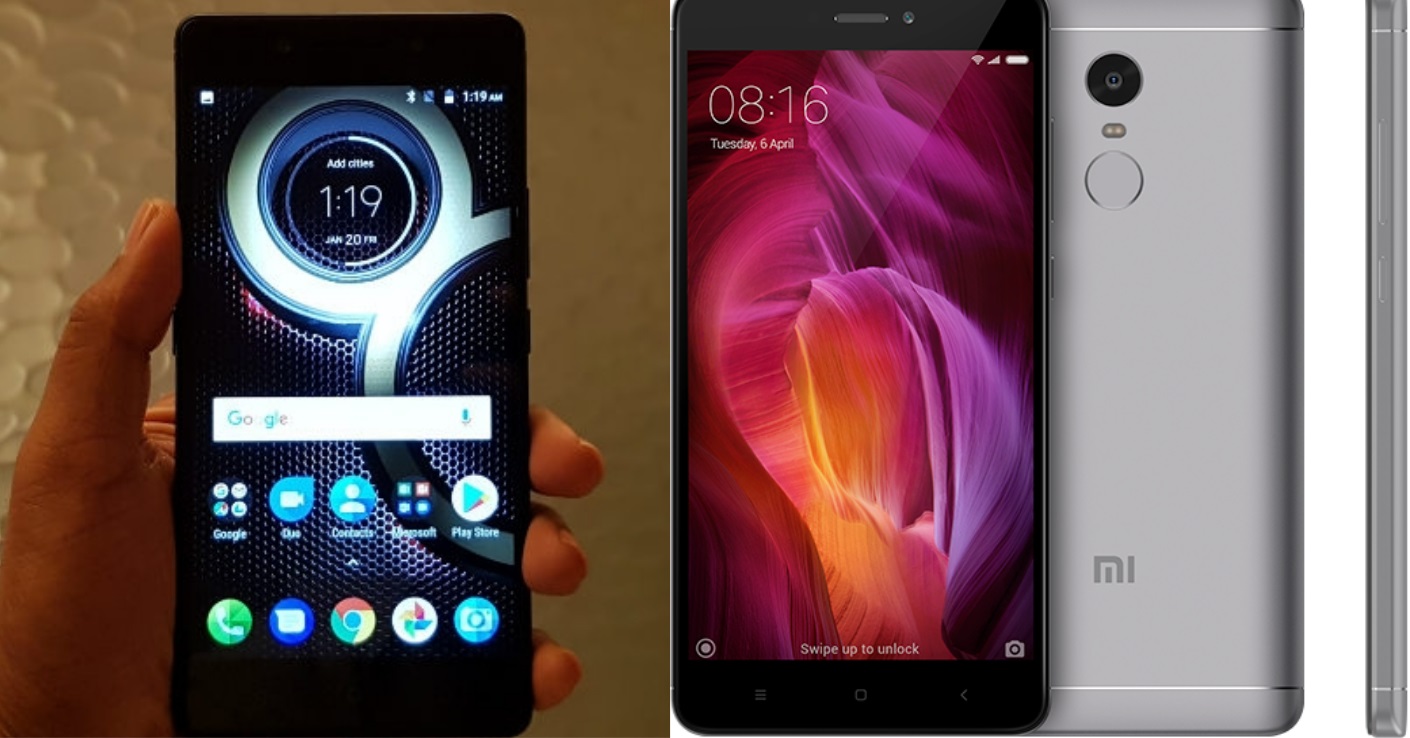
Lenovo ‘K8 Note’: Tough challenge to ‘Redmi Note 4’

Lenovo India made a new addition to its Note line-up with ‘K8 Note’. Priced at Rs 12,999 onwards, Lenovo has placed the ‘K8 Note’ in direct competition with the immensely-popular Xiaomi ‘Redmi Note 4’.

The high points of the device are its primary dual cameras and stock Android (7.1.1) operating system (OS).

The company’s ‘Note’ series has been quite popular in India and ‘K8 Note’ has come after a brief hiatus. In the mean time, Lenovo has launched seven Motorola-branded smartphones in the past six months.

We spent some time with ‘K8 Note’ and this is our first impression of the 4GB RAM, 64 ROM device. Lenovo’s Vibe UI was heavily-bloated and made devices pretty slow. But this time, the company has ditched its custom software in favour of stock Android for good. Powerful internals make the smartphone a great performer.

Lenovo ‘K8 Note’ comes with Google Assistant and multi-window function as well. Another highlight of ‘K8 Note’ — the primary camera (with dual sensors) — is capable of taking some really cool images. The camera set-up has 13MP primary sensor and 5MP depth sensor for better pictures and enhanced depth of field.

It delivers good ‘Bokeh’ shots with good details in daylight. However, we are yet to test the camera in low light. The camera app did not show lag and we were able to clicked multiple images without any lag. In terms of looks, the smartphone has a great built but does not stand out of the crowd.

The 5.5-inch full-HD (1920×1080 pixels) display is pretty bright. ‘Note’ series is focused on battery life and ‘K8 Note’ also features a big 4000mAh battery. A 15-watt turbo charger is included that promises to charge the device quickly. There’s a dedicated music key on the device for music lovers. The smartphone also supports 4G connectivity and VoLTE.

While Lenovo has strategically placed ‘K8 Note’ in a fiercely-competitive segment, it would be interesting to see how it proves to be a stiff competition to Xiaomi ‘Redmi Note 4’.

As a technology lover you may like our daily important technology news series. It’s a playlist and you can retrieve the total day-wise videos. Please consider subscribing our YouTube channel:

Author: Technology Vista

Tagged : /

‘LG Q6’ smartphone now in India at Rs 14,990 (USD 230)

Introducing its ‘Q’ series for the first time in India, LG Electronics on Wednesday launched “LG Q6” that sports a wide, 100-degree ‘selfie’ camera for Rs 14,990.

The device is powered by Qualcomm Snapdragon 435 processor coupled with 3GB RAM and 32GB ROM and runs Android 7.1.1 Nougat operating system. The 4G VoLTE-enabled device features a 3,000mAh battery.

“With the introduction of this new range, we have ensured that consumers are able to enjoy the best of technology from the house of LG at price points that are well-suited to all of them,” Amit Gujral, Chief Marketing Officer, LG Electronics India, said in a statement.

“LG Q6” comes with a 5.5-inch FHD Display and sports 13MP rear camera and 5MP wide-angle selfie shooter.

The company claims that the new device is the first mid-range phone with the proprietary ‘FullVision’ display technology.

The 5.5-inch device has Qualcomm Snapdragon 435 mobile platform, runs Android 7.1.1 Nougat, supports 4G VoLTE/ 3G/2G and has features like ‘Face Recognition, and ‘Google Assistant’.

It has 18:9 wide screen and military grade durability to give the consumers the best possible experience. LG offers one-time free screen replacement within six months for the users in the country. The device will be available online on Amazon India.

As a technology lover you may like our daily important technology news series. It’s a playlist and you can retrieve the total day-wise videos. Please consider subscribing our YouTube channel:

Author: Technology Vista
Tagged : /

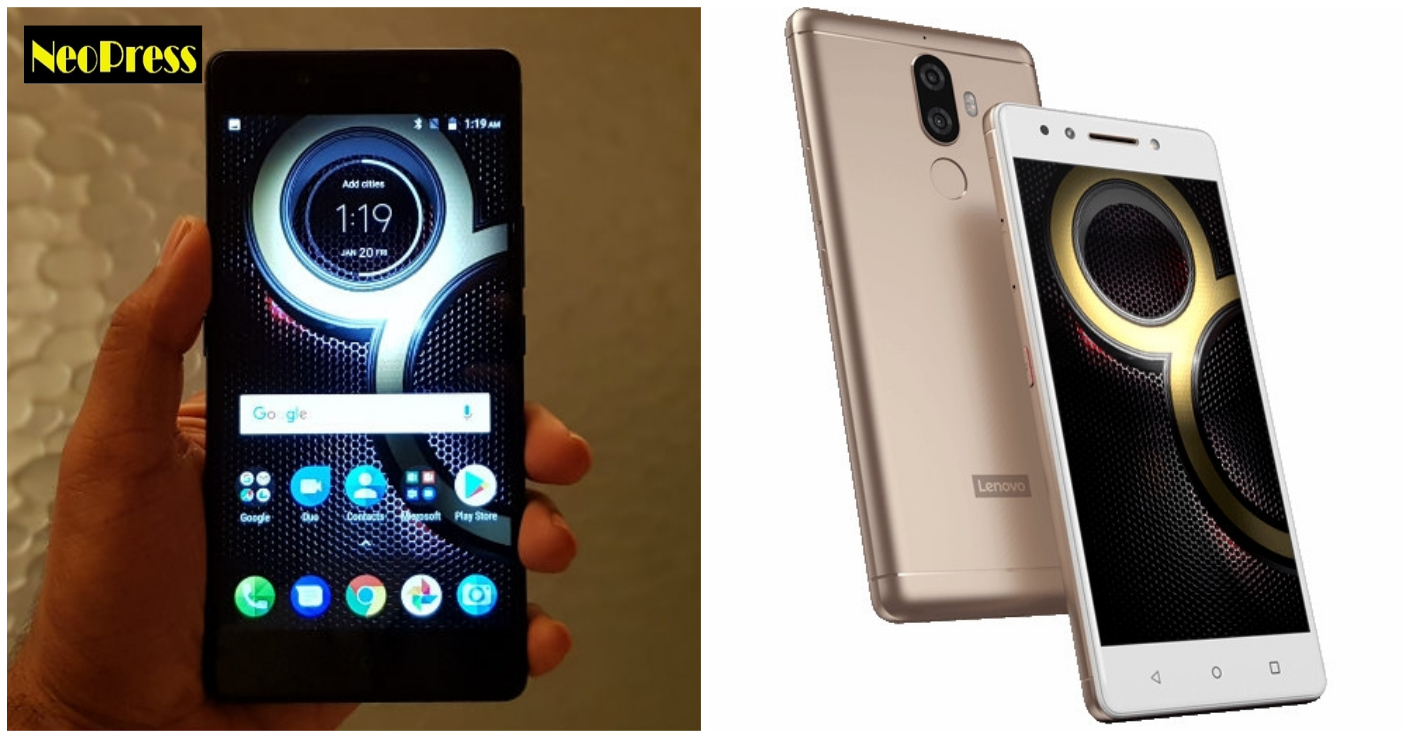
Lenovo K8 Note with Dual-camera and stock Android launched in India

Chinese smartphone maker Lenovo on Wednesday launched the much-awaited ‘K8 Note’ in India at Rs 12,999 (3GB RAM and 32GB storage version) that comes with a dual-camera setup (13MP+5MP sensor with flash).

The 4GB RAM and 64GB ROM variant will cost Rs 13,999. The device with first stock Android (7.1.1) has 13MP selfie camera that supports professional mode and flash (full-light LED flash) as well. Lenovo ‘K8 Note’ will retail in venom black and fine gold colours on Amazon India, starting August 18.

“This is the first global launch of a Lenovo product in India. ‘K8 Note’ comes packed with everything that our consumers would expect from a smartphone today – an eye-catching design, dual cameras, 10-core processor, great sound and, of course, the ‘TheaterMax’ technology that is the hallmark of the Note series,” Sudhin Mathur, Country Head, Lenovo Mobile Business Group, India, told reporters here.

‘TheaterMax’ allows users to view the content on your phone on a much larger virtual screen once they put on a VR headset and ‘Dolby Atmos’ ensures high-quality sound. The dual camera set-up has a 13MP primary and 5MP depth sensor for better pictures and enhanced depth of field.

Reacting to rumours that the company was superstitious and didn’t launch the ‘K7’ series, Anuj Sharma, Head of Product Marketing (Smartphones) at Lenovo, said: “There was a K7 Note but that wasn’t killer enough. We skipped a generation, took a leap and made ‘K8 Note'”.

In terms of specifications, ‘K8 Note’ is powered by a 10 core 2.3 Ghz Helio SoC processor. The 10-core processor is designed for those seeking high-performance. Also on board is an ‘ARM Mali T-880 MP4’ graphics processing unit to eliminate lags.

The device sports 5.5-inch full-HD (1920×1080 pixels) display with 450 NITs brightness. There’s a layer of Corning Gorilla glass and Oleophobic coating atop.

Lenovo has also made the K8 Note splash resistant. Note series has been focusing on excellent battery life and the K8 Note is no exception. It features a hefty 4000mAh battery. A 15-watt turbo charger is included that promises to charge the device quickly. There’s a dedicated music key on the device for music lovers. The smartphone also supports 4G connectivity and VoLTE.

The stock Anrdoid makes it the first device in the ‘Killer Note’ series to run on pure or stock Android, giving users a smooth and secure experience with all of Goo’le’s services including Google Assistant. The device would receive at least one OS upgrade.

As a technology lover you may like our daily important technology news series. It’s a playlist and you can retrieve the total day-wise videos. Please consider subscribing our YouTube channel:

Author: Technology Vista
Tagged : /

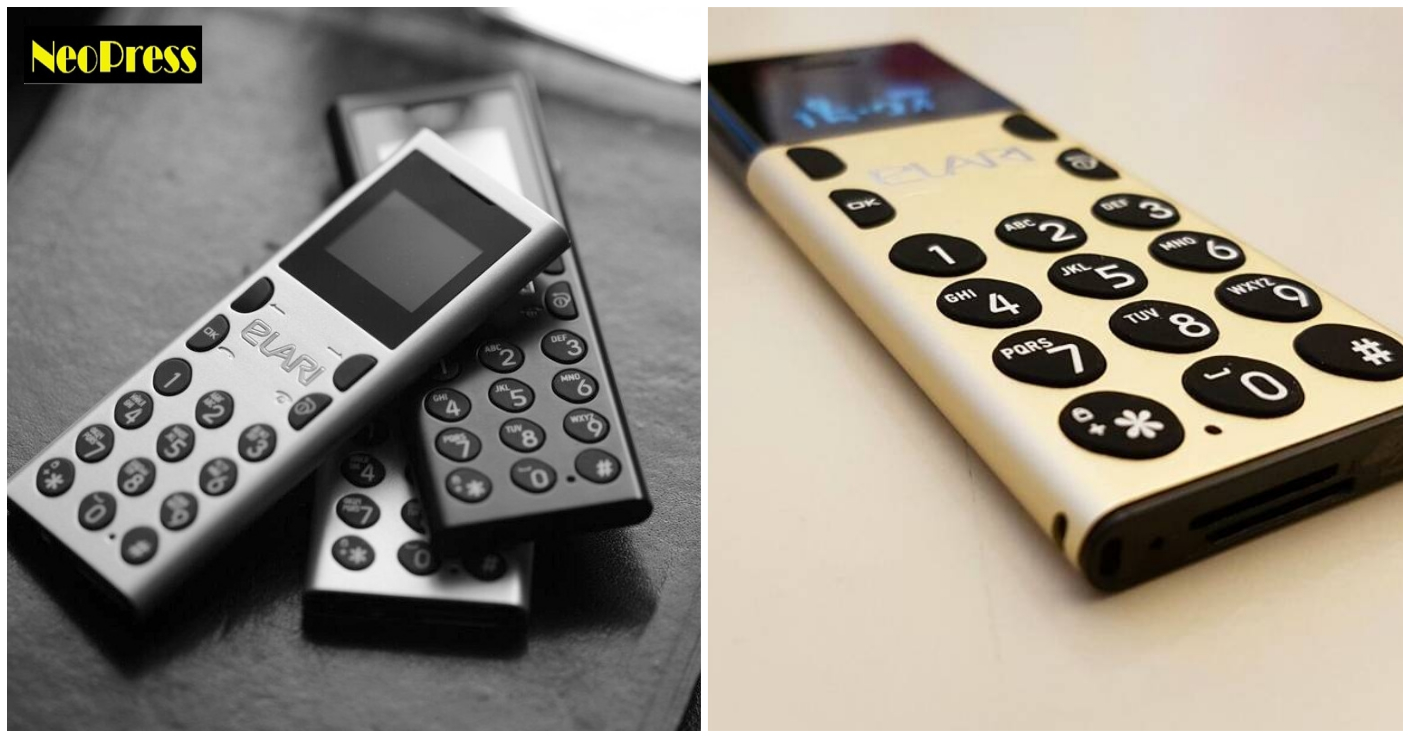
Elari ‘NanoPhone C’: Does the ‘Digital detox’ work? (Tech Review)

At a time when feature phones with better specifications are becoming a rage (you can’t miss the upcoming ‘intelligent’ JioPhone and the quintessential Nokia 3310), Russian company Elari has launched NanoPhone C which, it claims, is the world’s smallest GSM phone.

Weighing only 30 grams, NanoPhone C in rose gold, black anthracite and platinum silver colour variants can be purchased from e-commerce site yerha.com at Rs 3,999.

The phone was, however, launched for Rs 3,940 in July in India. In terms of specifications, it has a microSIM card slot, a microSD card slot, built-in FM radio and an MP3 player as well. Elari NanoPhone C also has basic features such as a 3.5-mm standard headphone jack and a microUSB port for charging the phone and syncing data. It measures 94.4mm x 35.85mm x 7.6mm and features a tiny, 1-inch TFT display.

The NanoPhone C directly competes with the likes of Nokia 3310 (2017 version) and aims to give users a shot of “digital detox”, but does it live up to the hype? Let’s find out. Here is what works for the device.

The fact that it smoothly synchronises with Android devices (we paired it with an Android smartphone) via Bluetooth is commendable. The sleek body and rounded buttons, at first glance, gives the impression of a small TV or audio remote which itself is quite intriguing. Audio call quality while making and receiving calls (after pairing it with our primary Android phone) was good.

The option to copy up to 1,000 contacts to the phonebook and use it as a stand-alone device also gets a thumbs-up from our side. What does not work:

NanoPhone C’s “Magic Voice” function lets the user make calls with a “fake voice”, but is not of much use in day-to-day life. In fact, it is no value addition to a feature phone in the sub-4K segment at all.

The 280mAh battery is not sufficient at all when compared to another feature phone in the same price segment. Nokia 3310 (2017 edition) features a bigger 1200mAh battery.

The company claims the battery will provide up to four days of standby time on a single charge but it did not last that long during the review.

Conclusion: Elari NanoPhone C might wish to offer an “antidote” to smartphone addiction, but the concept is not ground-breaking. Given the price, users looking for a feature phone would want better features and battery back-up which Nokia 3310 provides.

Buy it for its “tiny” size to surprise your friends, if you wish to.

As a technology lover you may like our daily important technology news series. It’s a playlist and you can retrieve the total day-wise videos. Please consider subscribing our YouTube channel:

Author: Technology Vista

Tagged : /

These are the most probable features of Apple iPhone 7S

Apple aficionados waiting for the next flagship device might be in for a treat as the Cupertino-based technology giant is expected to launch a refresh of iPhone 7 models along with iPhone 8 in the coming months.

Photos of a couple of iPhone dummy models were leaked online which show Apple devices with a glass backing, meaning the models shown in the pictures could have wireless charging as a feature, according to a report in The Verge.

The reports about iPhone 8 have been making rounds in the media for quite some time but information regarding iPhone 7S and iPhone 7S Plus have cropped up as recently as last month, suggesting that Apple might announce three iPhone models next month.

However, contrary reports have also surfaced with Business Insider saying the new iPhone might not be out until as early as 2018, and GSM Arena reporting that the iPhone 8 has gone into mass production. So far, we have to rely on the leaks and rumours. Come September, the situation will hopefully be cleared once and for all.

As a technology lover you may like our daily important technology news series. It’s a playlist and you can retrieve the total day-wise videos. Please consider subscribing our YouTube channel:

Author: Technology Vista

Tagged : /

Google glass is back. here is the price and how you can get it!!

Streye, a Glass for Work partner, on Tuesday started selling the eye-wearable device Google Glass Enterprise Edition starting from $1,829.

Google sells the eye-wearable device with ‘Glass for Work’ partners which are authorised to develop and deliver enterprise solutions for Glass customers. “Glass Enterprise Edition is clearly intended for businesses through Google’s network of expert partners and has a 780mAh battery and 32GB storage,” Engadget reported on Tuesday. The device runs on Intel Atom processor, consists of faster Wi-Fi, an expanded range of sensors than its predecessor and a louder speaker.

Last month, Jay Kothari, Project Lead, Glass, wrote in a blog post that the company has spent the last two years working closely with a network of more than 30 expert partners to build customised software and business solutions for Glass for people in these fields.

“We have also made improvements to the design and hardware so that it’s lightweight and comfortable for long term wear. We have increased the power and battery life too,” added Kothari, who is with Alphabet X, Google’s branch.

Google Glass is also helping scientists to study brain disease, during emergency and it can teach you Morse code in four hours. Glass is a small, lightweight wearable computer with a transparent display that brings information into your line of sight. The first Google Glass was introduced with much fanfare in 2014. At $1,500, it promised a new, bold era for information.

People, however, realised the device was not yet ready to be part of their lives. There were safety and health concerns. The built-in camera raised privacy and piracy issues too. “Now the Glass product team is back at X, and we’ll be collaborating with the Google Cloud team and our partners to help customers across a variety of business sectors make the most of Glass,” Kothari posted.

As a technology lover you may like our daily important technology news series. It’s a playlist and you can retrieve the total day-wise videos. Please consider subscribing our YouTube channel:

Author: Technology Vista
Tagged : /

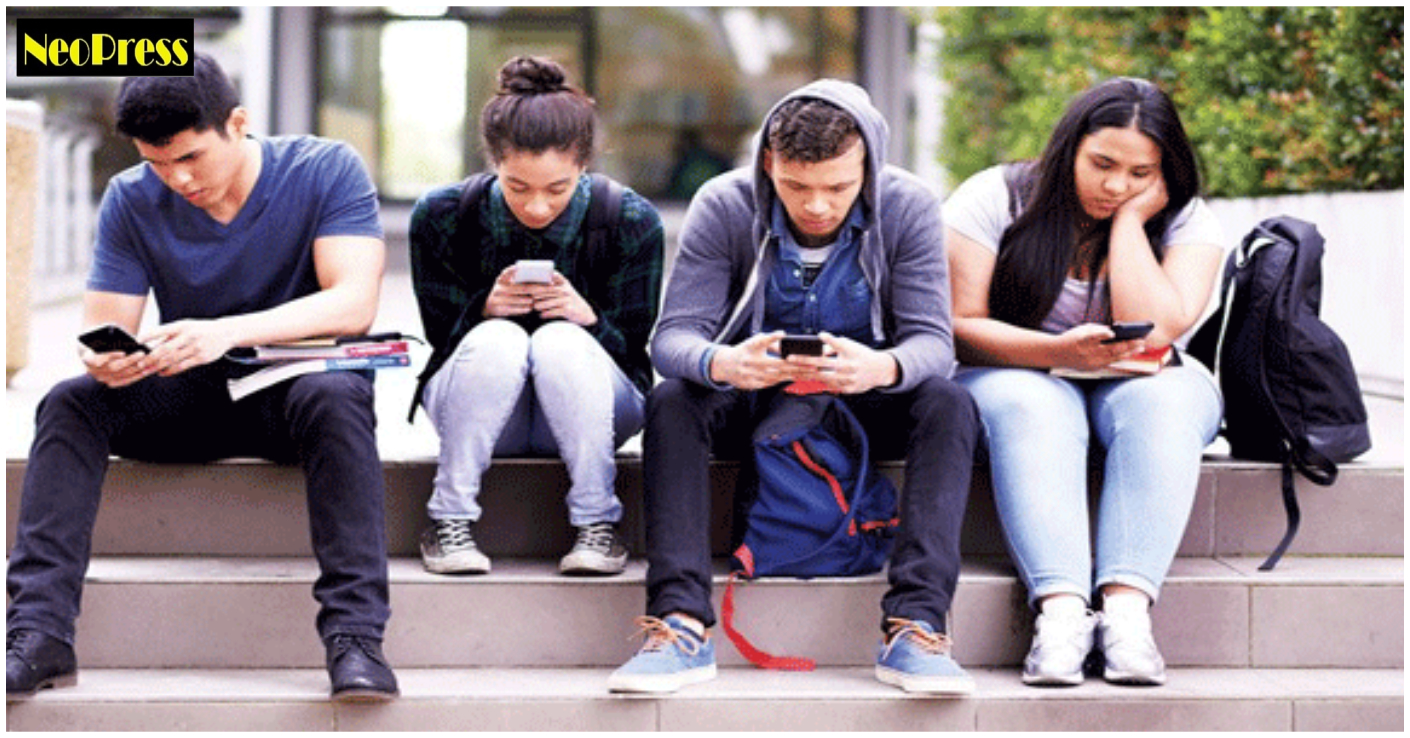
Smartphones are rendering teenagers lonely and distressed

Teenagers in the US today are working less, having less sex and are far less happy than previous generations because of increased use of smartphones, says a social psychologist who has been researching generational differences for 25 years.

In an article for The Atlantic, adapted from her forthcoming book on the current generation — the iGen, as she calls it, Jean Twenge says there is compelling evidence that the devices we have placed in young people’s hands are having profound effects on their lives — and making them seriously unhappy.

The statistics, as outlined by Twenge, are alarming, Fortune.com reported on Sunday.

While only 56 per cent of high school seniors dated in 2015, compared to 85 per cent for Gen Xers and Baby Boomers, the number of teenagers who spend daily time with friends dropped by 40 per cent between 2000 and 2015, it said.

The decline in dating tracks with a decline in sexual activity, Twenge said.

While this might have had a positive impact on teenage birth rate which hit an all-time low in 2016, down 67 per cent since its modern peak in 1991, Twenge said that increased smartphone use is also linked to loneliness and depression among the post-millennial generation.

Today’s teenagers are also working less than their predecessors and driving less, often depending on parents for the rides, according to the research.

So, if they are not meeting their friends, working less, and not often going on a date, what are they doing with all that time?

They are on their phone, in their room, alone and often distressed, Twenge said.

As a technology lover you may like our daily important technology news series. It’s a playlist and you can retrieve the total day-wise videos. Please consider subscribing our YouTube channel:

Author: Technology Vista
Tagged : /

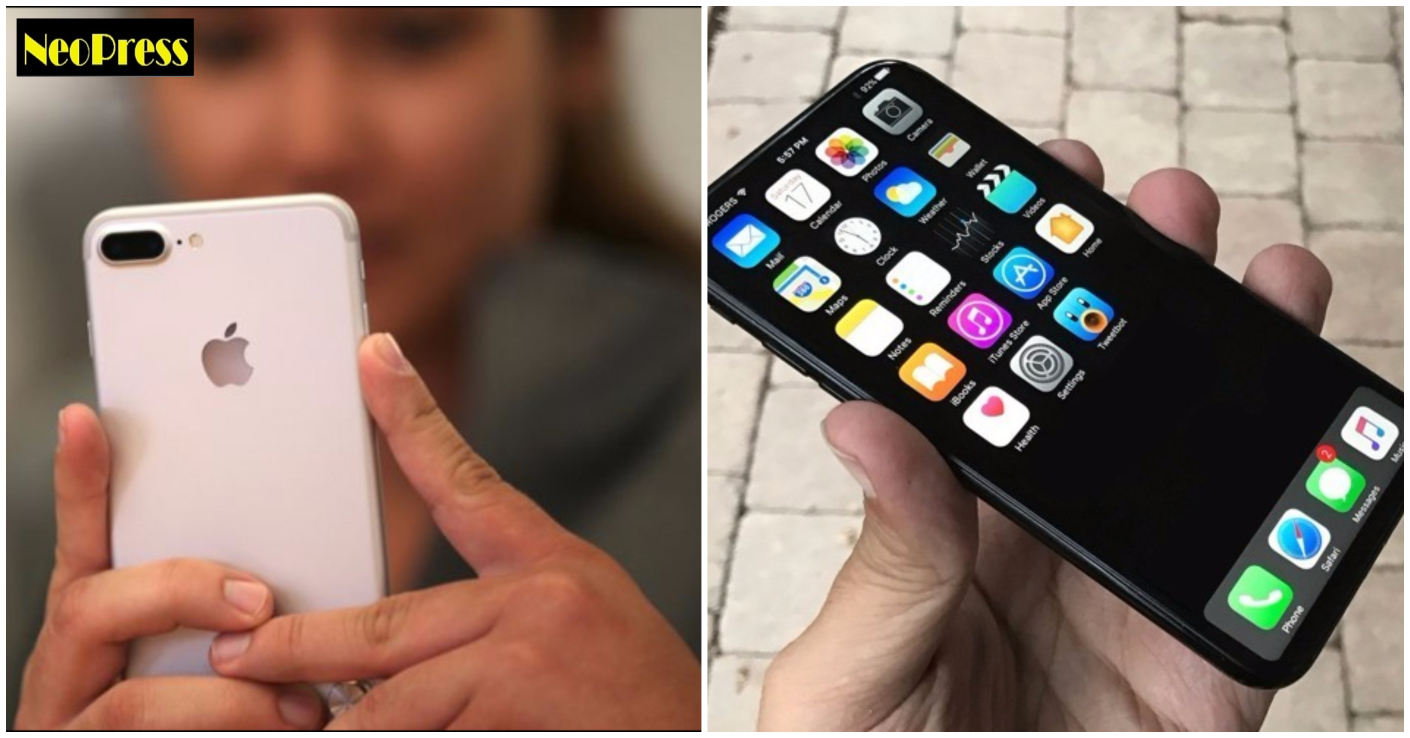
Will there be under-glass Touch ID in Apple iPhone 8?

In a breather to its rival Samsung, Apple has decided to give its Touch ID security solution for its forthcoming “iPhone 8” handset a pass and will instead rely on face unlock feature for all works, an analyst has said.

The move has left the door open for Samsung to bring the similar technology in next year’s Galaxy Note 9, AppleInsider reported.

According to analyst Ming-Chi Kuo, Apple has “cancelled” plans to embed a fingerprint recognition solution in the next-generation flagship iPhone.

“The analyst left embedded Touch ID off a list of standout ‘iPhone 8’ features published in July but did not indicate that Apple had abandoned the initiative altogether,” the report quoted Kuo as saying.

The analyst said Apple would swap out capacitive sensing technology with an optical solution capable of accepting readings.

The prediction also contradicts the reports claiming that Apple was building an under-glass fingerprint sensors a reality.

Earlier this year in Mobile World Congress in Shanghai, Qualcomm Technologies, Inc announced “Qualcomm Fingerprint Sensors” — next-generation ultrasonic fingerprint solutions.

It was also the first commercially announced integrated ultrasonic-based mobile solution to detect heart beat and blood flow for improved mobile authentication experiences.

As a technology lover you may like our daily important technology news series. It’s a playlist and you can retrieve the total day-wise videos. Please consider subscribing our YouTube channel:

Author: Technology Vista

Tagged : /

Smartness all around! Smart underwear may help prevent back pain!

Engineers in the US have designed a smart, mechanised undergarment that may help prevent lower back pain by reducing muscle fatigue.

While solutions for back pain are aplenty, most of them have at least one of three problems — they are unproven, unworkable or just plain unattractive. “People are often trying to capitalise on a huge societal problem with devices that are unproven or unviable,” said co-investigator Aaron Yang from Vanderbilt University Medical Center in Nashville, Tennessee, US.

“This smart clothing concept is different. I see a lot of health care workers or other professionals with jobs that require standing or leaning for long periods. Smart clothing may help offload some of those forces and reduce muscle fatigue,” Yang said. The device, unveiled at the Congress of the International Society of Biomechanics in Brisbane, Australia, consists of two fabric sections, made of nylon canvas, Lycra, polyester and other materials, for the chest and legs.

The sections are connected by sturdy straps across the middle back, with natural rubber pieces at the lower back and glutes. The device is designed so that users engage it only when they need it. A simple double tap to the shirt engages the straps. When the task is done, another double tap releases the straps so the user can sit down, and the device feels and behaves like normal clothes. The device also can be controlled by an app that the team created – users tap their phones to engage the smart clothing wirelessly via Bluetooth.

In experiments, the participants tested the device leaning forward and lifting 11-kg and 25-kg weights while holding their position at 30, 60 and 90 degrees.

Using motion capture, force plates and electromyography, the team demonstrated that the device reduced activity in the lower back extensor muscles by an average of 15 to 45 per cent for each task. The focus of this new technology is not for treating those with existing back pain but focuses on prevention by reducing stress and fatigue on the low back muscles, Yang said.

As a technology lover you may like our daily important technology news series. It’s a playlist and you can retrieve the total day-wise videos. Please consider subscribing our YouTube channel:

Author: Technology Vista
Tagged : /

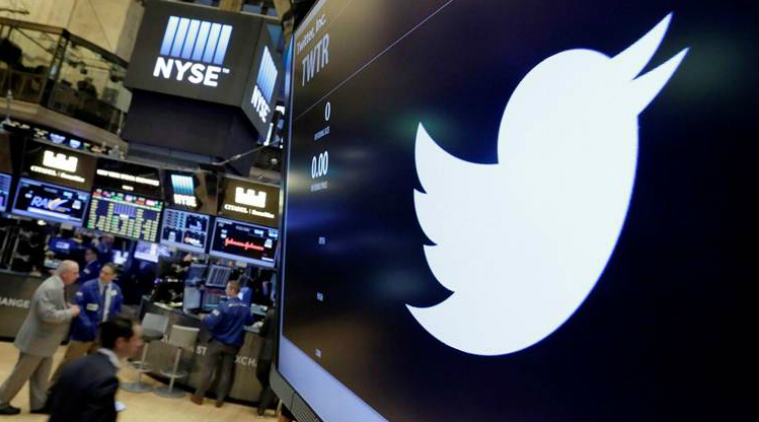
This is how Twitter can help in forecasting crime: Study

Microblogging site Twitter, which is open and accessible to anyone, can be used to help predict people engaged in criminal activity, a study has found.

Although “people don’t share with the world that they intend to or have just committed a crime…(but) they do share are things like social events or outings that could lead to criminal activity”, said Matthew Gerber, Assistant Professor at the University of Virginia in the US.

For the study, presented at the Joint Statistical Meetings in Baltimore, the team developed statistical crime prediction methods which involved collecting more than 1.5 million public tweets tagged with Chicago-area GPS coordinates spanning January to March of 2013 as well as crime records covering the same period and geographic area.

After dividing and mapping out tweets and crime records onto a grid and identifying common topics of discussion (e.g., sports, restaurants, and entertainment) appearing in tweets, Gerber combined conclusions from this analysis with older forecasting models to predict crimes over the next month.

The result of his combined method was more precise, accurately predicting 19 out of 25 crime types.

“Some cities that utilise such methods as a basis for resource allocation have seen dramatic decreases in crime,” Gerber said. The research could assist police departments in resource allocation, deciding where and when to deploy officers.

As a technology lover you may like our daily important technology news series. It’s a playlist and you can retrieve the total day-wise videos. Please consider subscribing our YouTube channel:

Author: Technology Vista
Tagged : /

Another Earth? Hot exoplanet with glowing water atmosphere found

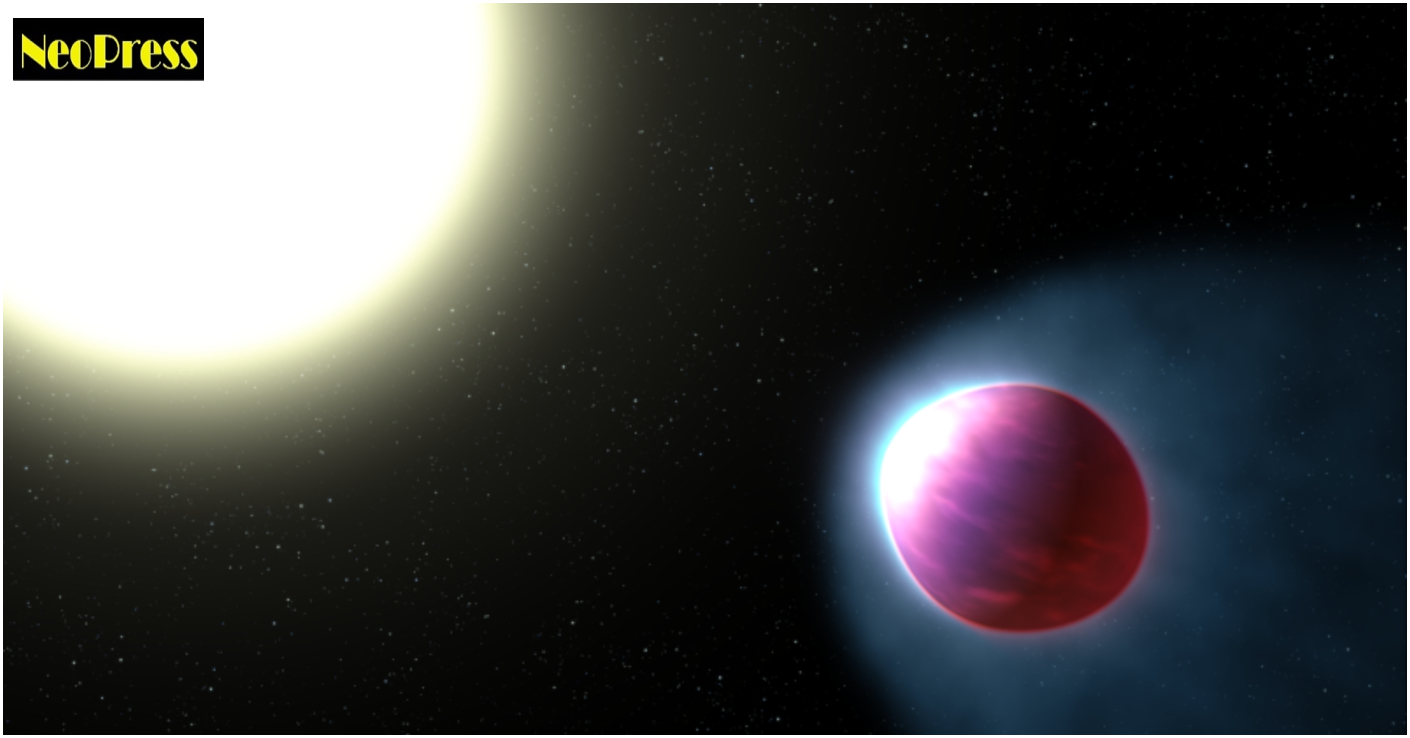
In a first, scientists have detected glowing water molecules in the atmosphere of a planet outside our solar system, implying that the exoplanet has a strong stratosphere.

The planet, WASP-121b, located approximately 900 light years from Earth, is a gas giant exoplanet commonly referred to as a “hot Jupiter.”

Finding glowing water molecules on the planet’s atmosphere, however, may not men detecting signs of alien life as its stratosphere – a layer of atmosphere where temperature increases with higher altitudes – is hot enough to boil iron.

“This result is exciting because it shows that a common trait of most of the atmospheres in our solar system — a warm stratosphere — also can be found in exoplanet atmospheres,” said Mark Marley, study co-author based at NASA’s Ames Research Center in California’s Silicon Valley.

“We can now compare processes in exoplanet atmospheres with the same processes that happen under different sets of conditions in our own solar system,” Marley said.

The discovery reported in the the journal Nature was made using NASA’s Hubble space telescope.

“The stratosphere of WASP-121b so hot it can make water vapour glow, which is the basis for our analysis,” said Drake Deming, Professor of Astronomy at University of Maryland and a co-author of the study.

To study the gas giant’s stratosphere, scientists used spectroscopy to analyse how the planet’s brightness changed at different wavelengths of light.

Water vapour in the planet’s atmosphere, for example, behaves in predictable ways in response to certain wavelengths of light, depending on the temperature of the water. At cooler temperatures, water vapour blocks light from beneath it. But at higher temperatures, the water molecules glow. The water molecules in the atmosphere of WASP-121b give off radiation as they lose energy, but it is in the form of infrared light, which the human eye is unable to detect.

“Theoretical models have suggested that stratospheres may define a special class of ultra-hot exoplanets, with important implications for the atmospheric physics and chemistry,” said Tom Evans, research fellow at the University of Exeter in Britain and lead author of the study. “When we pointed Hubble at WASP-121b, we saw glowing water molecules, implying that the planet has a strong stratosphere,” Evans said.

WASP-121b has a greater mass and radius than Jupiter, making it much puffier. But while Jupiter revolves around our Sun once every 12 years, WASP-121b has an orbital period of just 1.3 days. This exoplanet is so close to its star that if it got any closer, the star’s gravity would start ripping it apart. This close proximity also means that the top of the atmosphere is heated to a blazing hot 2,500 degrees Celsius – the temperature at which iron exists in gas rather than solid form.

“This new research is the smoking gun evidence scientists have been searching for when studying hot exoplanets,” said David Sing, Associate Professor University of Exeter and a co-author of the research paper. “We have discovered this hot Jupiter has a stratosphere, a common feature seen in most of our solar system planets,” Sing added.

As a technology lover you may like our daily important technology news series. It’s a playlist and you can retrieve the total day-wise videos. Please consider subscribing our YouTube channel:

Author: Technology Vista

Tagged : /

Apply for this job! NASA seeks officer to defend Earth from aliens

NASA is hiring a “planetary protection officer” who would be tasked to protect the Earth from potential alien contamination.

The US government’s official employment site advertised the job which is open to US citizens and nationals for applications until August 14, Newsweek reported on Wednesday.

“Planetary protection is concerned with the avoidance of organic-constituent and biological contamination in human and robotic space exploration,” the advertisement said.

The person who lands the job will draw a six figure salary — $124,406 to $187,000 per year — and security clearance is listed as “secret.”

“NASA maintains policies for planetary protection applicable to all space flight missions that may intentionally or unintentionally carry Earth organisms and organic constituents to the planets or other solar system bodies, and any mission employing spacecraft, which are intended to return to Earth and its biosphere with samples from extraterrestrial targets of exploration” the job advert said.

“This policy is based on federal requirements and international treaties and agreements,” it added. Candidates must have “broad engineering expertise,” and should be an expert in planetary protection.

“This includes demonstrated technical expertise to independently form technically sound judgments and evaluations in considerably complex situations,” according to the advert.

As a technology lover you may like our daily important technology news series. It’s a playlist and you can retrieve the total day-wise videos. Please consider subscribing our YouTube channel:

Author: Technology Vista

Tagged : /

Now, Control Microsoft Windows With your Eye! Microsoft launches ‘Eye Control’ beta for Windows 10

To empower people with disabilities to operate an on-screen mouse and keyboard, Microsoft has announced beta version of ‘Eye Control’ feature for Windows 10 that can be accessed by using eye movements.

According to a blog post by Dona Sarkar, Software Engineer at Microsoft, the ‘Eye Control’ feature requires a compatible eye tracker, like the ‘Tobii Eye Tracker 4C’, which can unlock access to the Windows operating system.

Once ‘Eye Control’ is turned on, a launchpad appears on the screen that allows a user to access the mouse, keyboard, text-to-speech and to reposition the User Interface (UI) to the opposite side of the screen. “To interact with the UI for ‘Eye Control’, simply look at the UI with your eyes until the button activates. A visual affordance will appear around the UI that you are looking at,” Sarkar said.

Users can control the mouse by simply selecting the mouse from the launchpad, position their eyes on the screen where they want the cursor to be placed.

Users can select the keyboard from the launchpad and dwell at the characters they want to type. However, the new tool faces challenges in direct sunlight and, therefore, the company said the device might require new calibration when moving to a location with different lighting conditions.

Also, the launchpad partially blocks the ‘Tobii UI’ during device calibration. “To work around this, turn off Eye Control during calibration and turn it back on when you are done,” Sarkar noted. The ‘Eye Control’ feature currently supports only selected eye trackers of ‘Tobii’ hardware.

As a technology lover you may like our daily important technology news series. It’s a playlist and you can retrieve the total day-wise videos. Please consider subscribing our YouTube channel:

Author: Technology Vista
Tagged : /

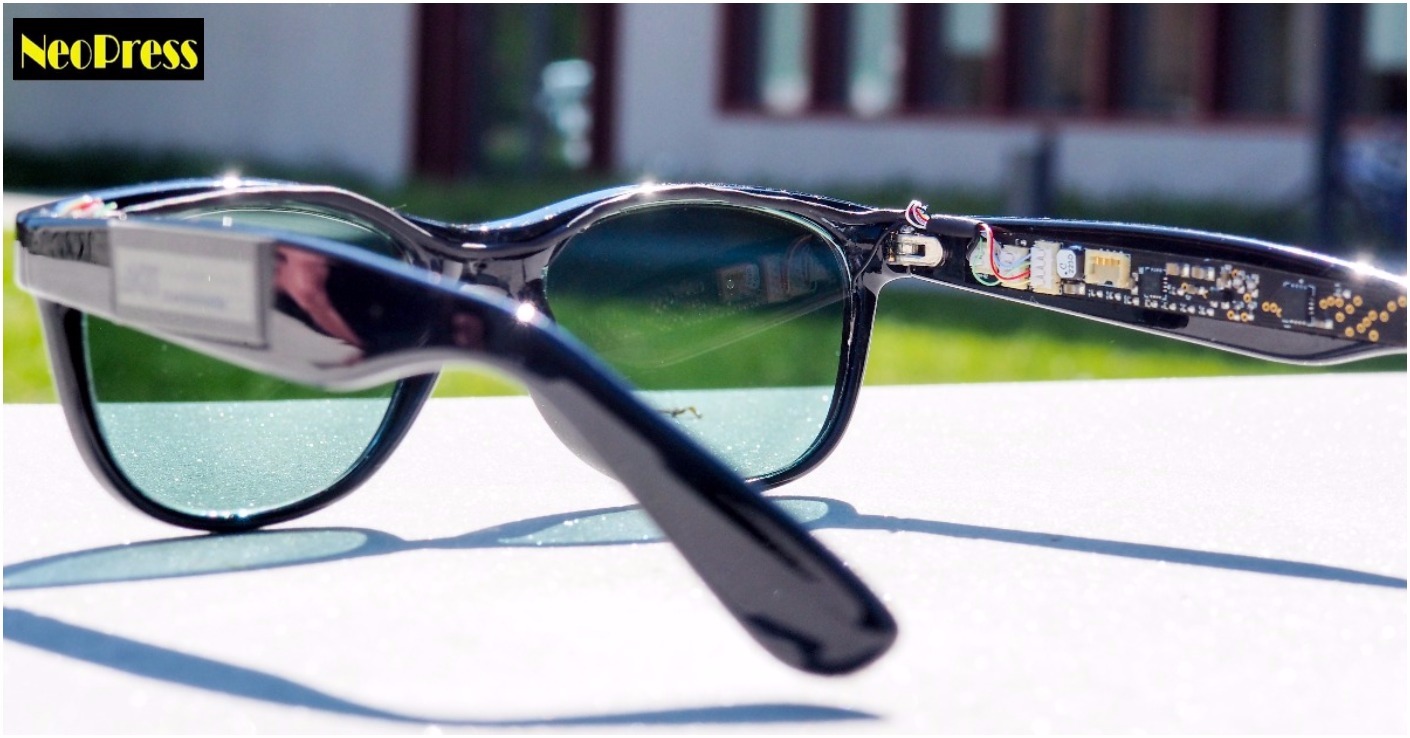
Now, sunglasses that can generate solar power

Researchers have designed new “smart” solar sunglasses incorporating semi-transparent organic solar cells that can generate electric power enough to operate devices such as hearing aids.

The invention can pave the way for other future applications such as the integration of organic solar cells into windows or overhead glazing, the researchers said.

“We bring solar power to places where other solar technologies fail,” said Alexander Colsmann, from the Karlsruhe Institute of Technology (KIT) in Germany.

“The solar glasses we developed are an example of how organic solar cells may be employed in applications that would not be feasible with conventional photovoltaics,” added Dominik Landerer, doctoral student at the KIT.

The solar cell lenses, perfectly fitted to a commercial frame, have a thickness of approximately 1.6 mm and weigh about six grams — just like the lenses of traditional sunglasses.

A microprocessor and two small displays are integrated into the temples of the solar glasses, which help these “smart” glasses to be self-powered to measure the solar illumination intensity and ambient temperature and view as bar graphs.

These solar glasses also work in indoor environments under illumination down to 500 lux — the usual illumination of an office or a living area.

Under these conditions, each of the “smart” lenses still generates 200 milliwatt of electric power — enough to operate devices such as a hearing aid or a step counter.

The solar cells, based on hydrocarbons, are very exciting devices due to their mechanical flexibility and the opportunity to adapt their colour, transparency, shape, and size to the desired application, Landerer added, in the paper detailed in the Energy Technology journal.

These solar glasses can also be integrated into the glass facades of high-rise buildings. Organic solar modules can be used for transforming the absorbed light into electric power, the study added.

As a technology lover you may like our daily important technology news series. It’s a playlist and you can retrieve the total day-wise videos. Please consider subscribing our YouTube channel:

Author: Technology Vista

Tagged : /
Verified by ExactMetrics