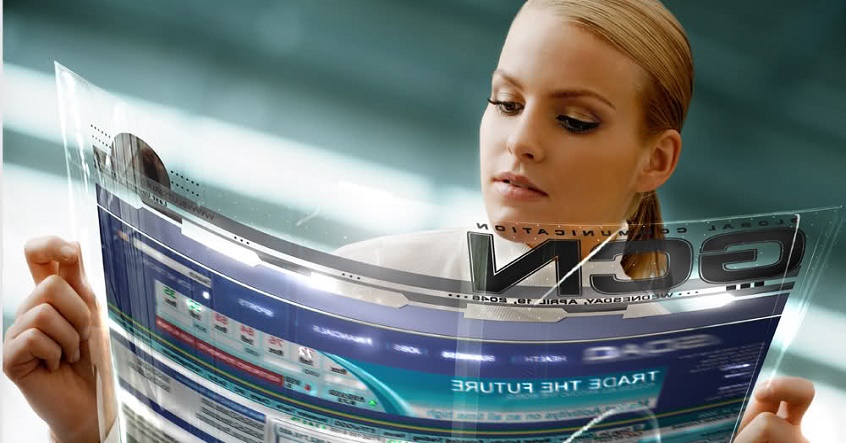
With 5D technology diseases could be diagnosed from cell phone images

Over in Los Angeles, scientists have built a 5D tech called “Hyper-Spectral Phasor” analysis, or HySP, that can correctly analyse images, an advance that may make it easier to quickly find tell-tale signs of diseases from pictures taken using cell phones.

This much faster and far less expensive than current techniques, and may be useful for diagnosing and monitoring diseases using cell phone images. Recent technology from NASA’s Jet Propulsion Laboratory can also do this, but the equipment and process are both extremely expensive and time-consuming.

It may be possible one day for clinicians to use HySP to analyze cell phone pictures of skin lesions to determine if they are at risk of being cancerous, said Fraser and Cutrale. Clinicians could then examine the patient further to be certain of a diagnosis and respond appropriately.

As for the technique, researchers at the University of Southern California (USC) in the US have used fluorescent imaging to locate proteins and other molecules in cells and tissues. It works by tagging the molecules with dyes that glow under certain kinds of light – the same principle behind so-called “black light” images.

Looking at just one or two molecules in cell or tissue samples is fairly straightforward. However, it does not provide a clear picture of how those molecules are behaving in the real world.

Whereas, fluorescent imaging can help scientists understand which molecules are produced in large amounts in cancer or other diseases, information that may be useful in diagnosis or in identifying possible targets for therapeutic drugs.

Researchers must look at different labels separately, then apply complicated techniques to layer them together and figure out how they relate to one another, a time-consuming and expensive process, Cutrale said. And HySP can look at many different molecules in one pass.

“By looking at multiple targets, or watching targets move over time, we can get a much better view of what’s actually happening within complex living systems,” Cutrale said. “Imagine looking at 18 targets. We can do that all at once, rather than having to perform 18 separate experiments and try to combine them later.”

In addition, the algorithm effectively filters through interference to discern the true signal, even if that signal is extremely weak.

As a technology lover you may like our daily important technology news series. It’s a playlist and you can retrieve the total day-wise videos. Please consider subscribing our YouTube channel:

Author: Technology Vista

Tagged : /

So where do we stand on the discovery of alien life?

2016 saw the discovery of a large of exoplanets, the extremely promising NASA missions to Mars, Saturn and Jupiter and, most interestingly of all, the ongoing SETI investigation into the theory that aliens are attempting to communicate with humans with pulse lights. All of this has led many scientists and laypeople alike to believe that 2017 will be the year that human beings finally come face to face with extraterrestrial life.

But where do we really stand? Dr. Simon Foster, a physicist based at Imperial College in London has shed some light on this. “In the past, when we thought we had discovered aliens previously, it was a new form of star called the pulsar. We don’t know hardly anything, and when we come up against something we don’t know or doesn’t fit into our current understanding, it is quite nice to say that it could be aliens, whereas a lot of it is just a phenomenon that we haven’t discovered, ” he said. But despite that, he said that he said that he was optimistic about whether humanity was heading saying that he was confident that “there is a breakthrough just around the corner.”

According to Dr. Foster, it is Cassini, the phenomenal probe currently monitoring Saturn and its moons which are most likely to yield definitive proof of life on other planets. He said that one of Saturn’s moons, Enceladus, is an icy moon and therefore it is highly possible that it is home to some form of rudimentary life. “The concentration has been on Mars, and I think moons like Enceladus and Europa, there is a good prospect of finding life – even if it’s on a microbial level, ” said Dr. Foster.

However, Professor Phillip Lubin from the University of California in Santa Barbara offers a different take on things. He believes that scientists might need to look a little further afield in order to discover alien life.

The newly discovered planet orbiting Proxima Centauri which is only four light years away from the Earth, might yield some astonishing results upon investigations. Across this year, astronomers are planning to examine this planet using newly developed and very powerful telescopes in the hope of discovering alien life.

As a technology lover you may like our daily important technology news series. It’s a playlist and you can retrieve the total day-wise videos. Please consider subscribing our YouTube channel:

Author: Technology Vista
Tagged : /

After Samsung and LG, Nokia too joins the race to create foldable smartphones

Nokia has made its comeback in the smartphone market under HMD Global and its eyeing the global dominance with the release of the Nokia 6 which is currently exclusive to China.  But this is just the beginning. PhoneArena reveals that Nokia has been granted a patent for a flexible smartphone by the US Patent and Trademark Office (USPTO).

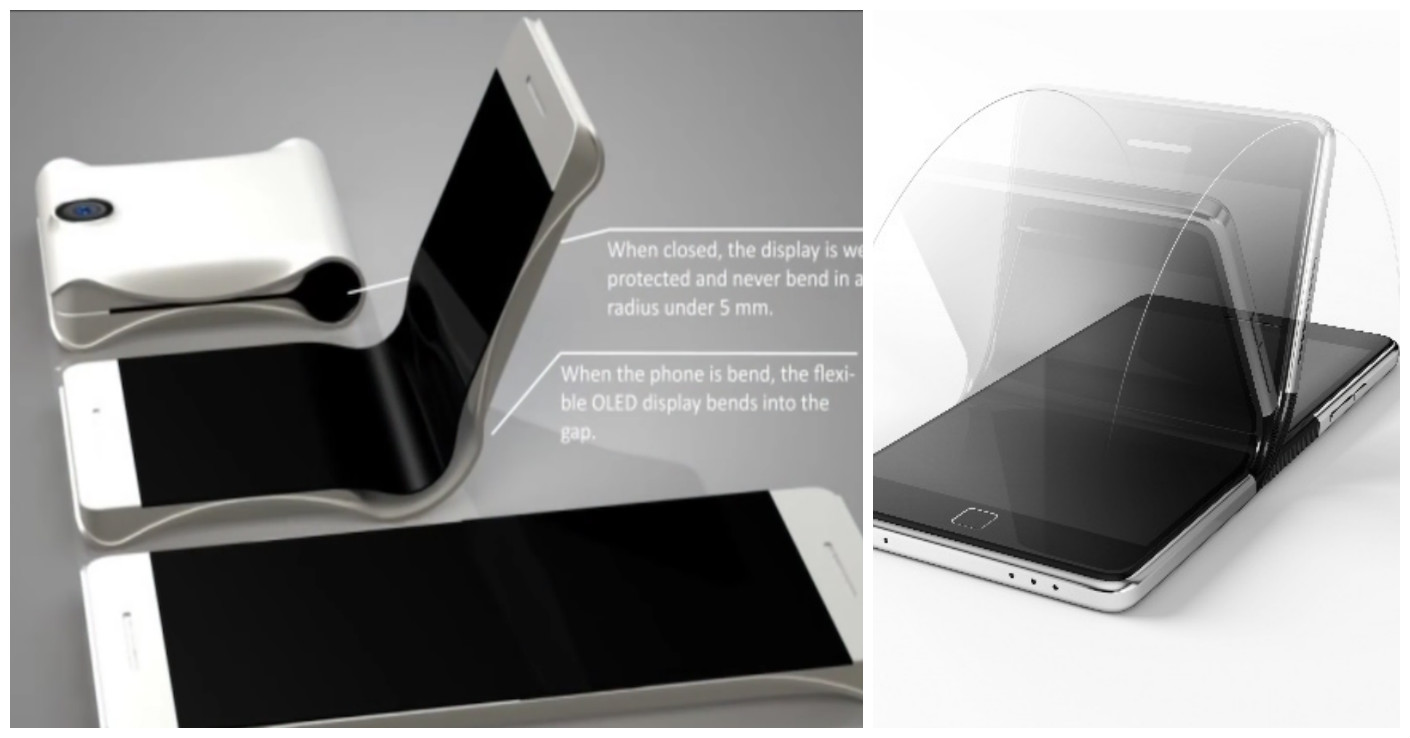
The patent for a “Foldable device” – which was filed in 2013 – features a device that resembles a pocket mirror. Now, a patent filing doesn’t not mean anything and Nokia may never release a foldable smartphone, but there’s certainly an interest in the form factor.

The picture in patent shows a Nokia device to have two identical sides connected by a hinge with a single screen that fold in half. The patent reads: “[i]n this way it is possible to provide a pocket size device with a relatively large display (for example, a 6, 7 or 8 inch display or larger).”

Nearly all other manufacturers seem to be aiming and racing to release the first functional foldable smartphones out in the market.

In November 2016, Apple was granted a patent for a flexible iPhone that can fold in half. The patent for “flexible display devices” was filed in July 2014 and features a touchscreen smartphone – one that opened and closed like a notebook. Then, we have Samsung which might be ready to launch its first foldable device this year, which has been dubbed the Galaxy X as of now. According to a report in the Korean Herald, Samsung may roll out more than “100,000 units of fold-out devices” later on this year. The device can be reportedly be used as a 7-inch tablet when unfolded. It is unclear whether it will be a phone or a tablet.

Similarly, LG is also considering a foldable device and is expected to roll-out 100,000 units in the fourth quarter of the year. . The Herald reported that LG’s technology is more advanced than Samsung, with a two- to three-year head start on development. LG may offer the foldable technology to outside companies like Apple and Huawei.

As a technology lover you may like our daily important technology news series. It’s a playlist and you can retrieve the total day-wise videos. Please consider subscribing our YouTube channel:

Author: Technology Vista
Tagged : /

Are we close to contact aliens? This new test to unveil alien life is more accurate than ever before!

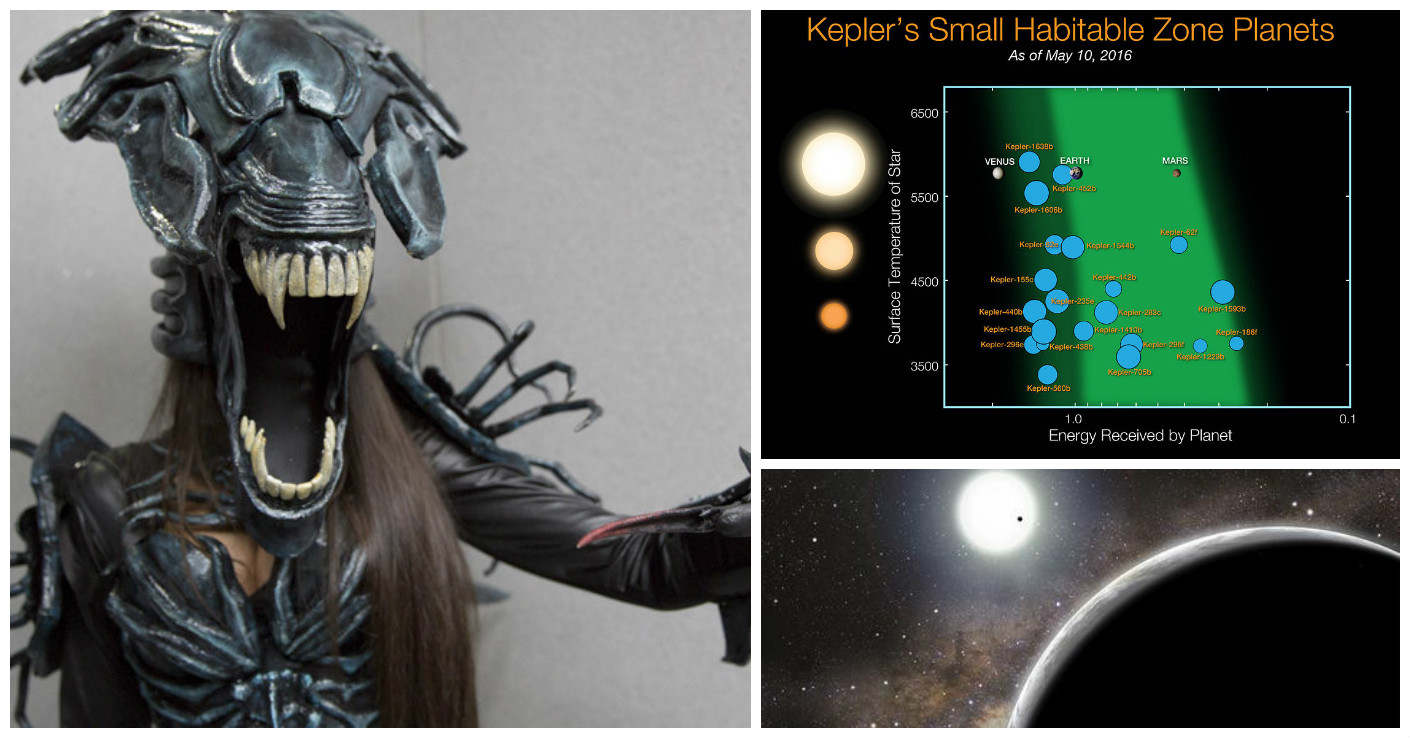
Scientists have developed a chemistry test, known as capillary electrophoresis in search for life on other planets. The boffins at NASA have just announced this test specifically designed to analyze for amino acids, the building blocks of all life on Earth, and perhaps life on similar planets.

To carry out the analysis, researchers combined a liquid sample with a liquid reagent (a mixture for use in chemical analysis), they then blasted a laser across the mixture, allowing them to observe molecules moving at different speeds. The technique designed in NASA’s Jet Propulsion Lab in California is 10,000 times more sensitive than current methods used to detect other lifeforms.

The tests were conducted in Mono Lake, California, known for it’s high salt content, making it an extremely hostile environment for life, and was chosen to mimic the expected conditions on Mars, the eerie moons of Jupiter and Saturn and unexplored worlds beyond our solar system.

As Peter Willis, principal investigator of the project, explains: “Using our method, we are able to tell the difference between amino acids that come from non-living sources like meteorites versus amino acids that come from living organisms.”

As a technology lover you may like our daily important technology news series. It’s a playlist and you can retrieve the total day-wise videos. Please consider subscribing our YouTube channel:

Author: Technology Vista
Tagged : /

What Will Be The Focus Of Google, Microsoft and Apple During 2017?

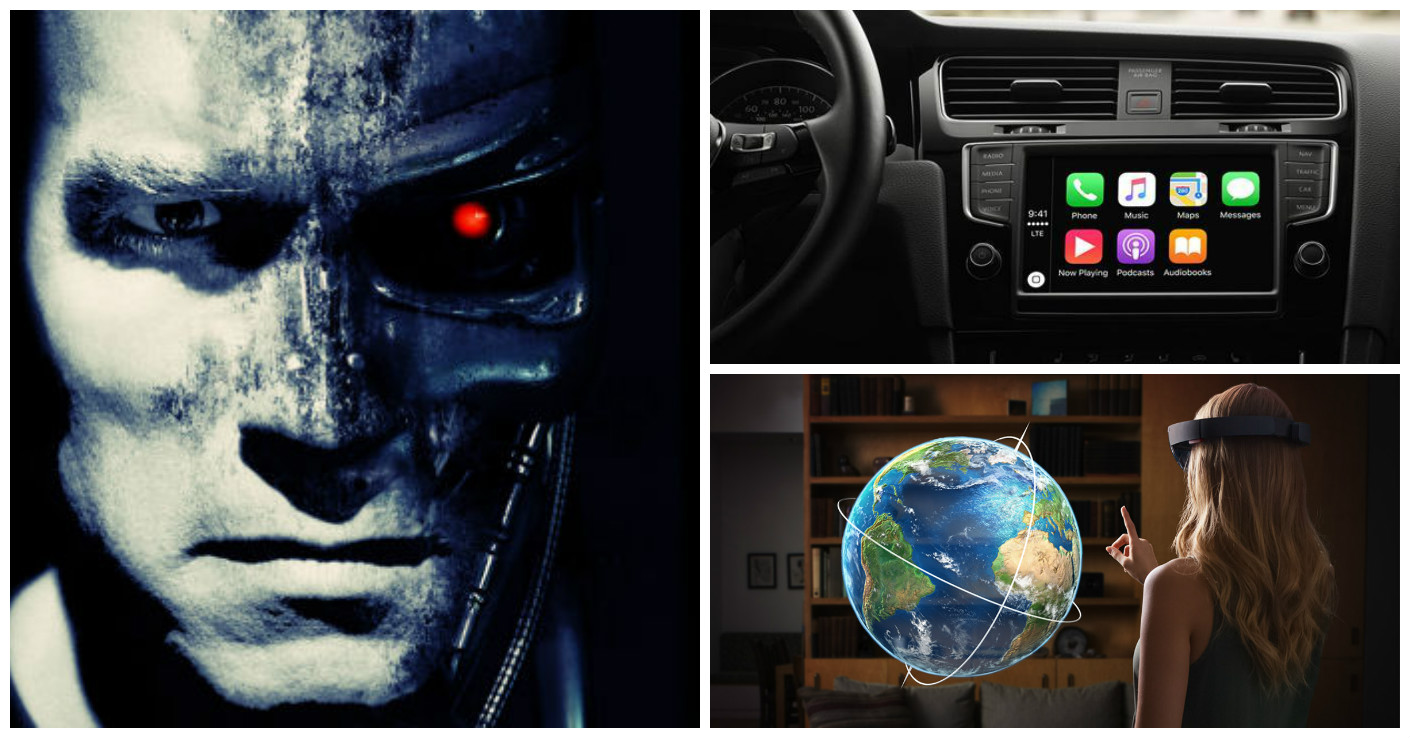
So what will be the potential new battlegrounds of the big tech brands in 2017? They have usually revolved around smartphones and computing devices, but there are some exciting new emerging fields.

Let’s start with smart speakers. With the Echo speaker, Amazon opened up an entirely new category of technology that the likes of Google, Apple and perhaps even Microsoft will look to cash in on in 2017.

Essentially, with these smart speakers which are connected to the internet, you can speak to them, and get responses based on context and can link up with compatible third party applications—and not to forget, it plays music too.

Amazon decided to try this out at a time when Google with Now, Apple with Siri and Microsoft with Cortana were restricting themselves to smartphones and computing devices. Google has already given indications that it is interested in this emerging space with Google Home.

Next up are virtual assistants. Companies are already investing heavily to make these assistants better listeners, their ability to understand context apart from just words and key phrases and are thus better geared up for completing requests and tasks.

These include Apple’s Siri, Google’s Assistant, Microsoft’s Cortana, and Amazon’s Alexa. Google has fired the first salvo with the artificial assistance capabilities in Assistant we have seen in the Pixel smartphones.

Artificial intelligence is a category that will perhaps be massive in 2017, and you’ll be touched by it as you use technology, more than you probably imagine. At present, AI is being trained with human intervention, mostly revolving around keywords and context. The next evolution will be able to learn on its own, as we see more advanced neural networks.

The best example of that is how Google, Apple and Facebook identify your friends in photos that you click. With Microsoft and Facebook relying ever so much on bots, you may not know whether you next conversation, for example with a business representative, will be with a human or a machine!

Lastly, a change we’re all going to see is the one in our cars. The integration of your smartphone with your car has well and truly started. Tech giants Google and Apple have each developed in-car platforms called Android Auto and CarPlay, respectively.

With Android and iOS now powering the in-car infotainment system, what you will inevitably get is a user experience far superior to what stock infotainment systems installed by carmakers tend to offer. The idea is to make your phone the critical piece for entertainment and communication requirements inside your vehicle, including apps such as messaging, music and navigation for handling tasks such as making and receiving phone calls, without having to look away from the road.

In India, most car makers are now including either Apple CarPlay or Android Auto as the default option in some of the vehicles that they sell, and this number will only increase in 2017.

As a technology lover you may like our daily important technology news series. It’s a playlist and you can retrieve the total day-wise videos. Please consider subscribing our YouTube channel:

Author: Technology Vista
Tagged : /

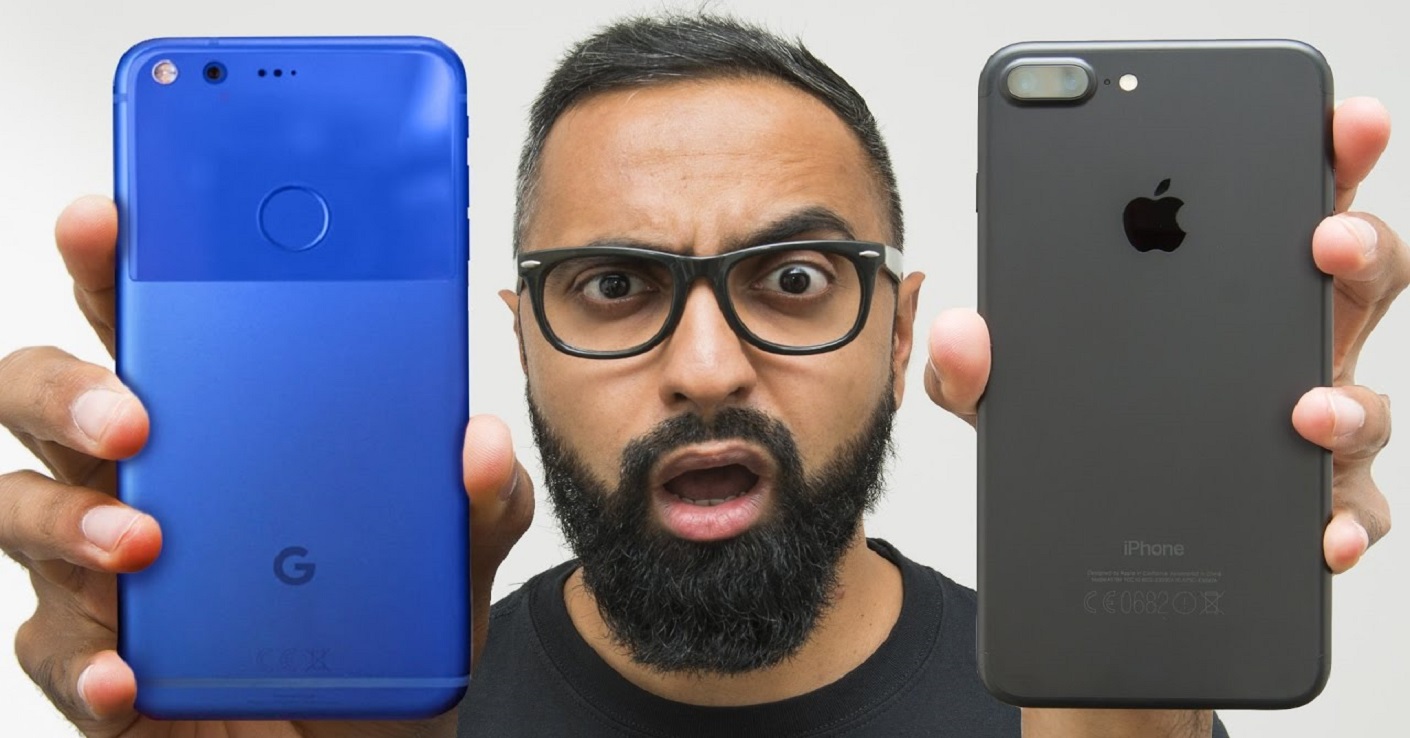
Why do people continue to buy iPhone 7 after the great success of Google Pixel XL?

Although receiving brilliant reviews, Google Pixel XL sales still shy away when it comes to Apple’s iPhone 7. Why is that? What’s ensuring this strong customer loyalty?

It is somewhat ironic that the iPhone 7 Plus considerably outperforms the Google Pixel XL in this area, considering that Apple has often been criticized for the relatively paltry battery life of its mobiles. Also, the stereo system included in the iPhone 7 Plus is simply superior and has been compared to the BoomSound Hi-Fi of the HTC 10, providing the Apple phablet with an extra kick in this department.

In tests, the iPhone 7 Plus delivered over nine hours of battery life on a single charge, which is around 20 percent more than the Google Pixel XL was able to deliver. It is surprising that there is such gulf between the two, but this can perhaps be explained by the superior screen resolution in the Google device. While, the bass speaker and tweet included in the iPhone 7 Plus ensures that music and sound quality produced by this smartphone are simply outstanding, enhancing music, video and games and resulting in many happy iPhone consumers.

On the question of durability, while the Pixel XL will receive updates for at least two more years, with security updates lasting three years, the iPhone 7 Plus is guaranteed four years of software updates. This will ensure that the Apple phablet is functional until iOS 14 is released in 2020. On this basis, there is no doubt that the iPhone simply has a longer shelf life. Apple has also made a big deal of the health-tracking capabilities of its product range in 2016, and among this was the inclusion of waterproofing in the iPhone 7 range. While the Pixel XL is pretty resilient in most respects, it is not actively water-resistant, or at least is not acknowledged as such by the manufacturer.

The iPhone 7 is officially certified IP67 for water and dust-resistance, meaning that the phablet is simply more durable than its Google rival.

While the Google Pixel XL is a pretty exciting device when first taken out of its box, over time it begins to slow down rather rapidly. There are various reasons for this, but what can be said in response is that Apple devices are notorious for retaining the same quality of performance over a staggering length of time. The MacBook series is particularly renowned for this quality, but it is almost equally applies to the iPhone 7 range as well.

Next Page For More

Tagged : /

Here’s how India’s ISRO managed to Launch 104 Satellites from a Single Rocket!

Fifteenth day of February saw a new record when the Indian Space Research Organisation (ISRO) launched 104 satellites in one go on a single rocket.

ISRO’s workhorse PSLV (C37) with 104 satellites launched from the Satish Dhawan Space Centre in Sriharikota in Andhra Pradesh. With the exception of three satellites from India, the rest are from other countries.

Explaining how all the satellites will be placed in orbit, Dr. K. Sivan, Director of the Vikram Sarabhai Space Centre (VSSC), Thiruvananthapuram, said: “The satellites will be separated from the launch vehicle in different directions. The separation angle and time of separation will be such that one satellite will not collide with another.”

In June last year, ISRO launched 20 satellites in one go. It took about 26 minutes to launch all the 20 satellites. In 2008, ISRO launched 10 satellites in a single mission. The highest number of satellites launched in a single mission so far has been 37 by Russia in 2014; NASA launched 29 satellites in one go in 2013.

Even one degree difference in separation angle combined with relative velocity will ensure that no two satellites would collide. “The satellites will be injected into orbit at different locations at different angles, at different times and different orientations,” Dr. Sivan said.

The satellite separated from the launch vehicle will have a relative velocity of one metre per second. So after 1,000 seconds the distance between a satellite and the rocket will be 1,000 metres. “The satellite that gets launched first will move at a relatively faster velocity than the next satellite that is launched. Due to different relative velocities, the distance between the satellites will increases continuously but the orbit will be the same,” he said.

“When the vehicle reaches the orbital condition, we will wait for the disturbances to die down before the preparation for separation begins,” Dr. Sivan explained. At an orbital altitude of around 500 km, it would take the vehicle 90 minutes to complete one orbit. “So we have sufficient time to launch all the 103 satellites,” he added.

As a technology lover you may like our daily important technology news series. It’s a playlist and you can retrieve the total day-wise videos. Please consider subscribing our YouTube channel:

Author: Technology Vista

Tagged : /

Boy or girl? This is how mother’s BP might be a clear indicator of the fetus’ Sex

According to a new study by researchers led by Dr Ravi Retnakaran, endocrinologist at Mount Sinai Hospital in Canada found the sex of a baby may be predicted by the mother’s blood pressure. While higher blood pressure was an indication that a boy was more likely to be conceived, women with lower blood pressure tended to give birth to a girl.

The possibility of predicting the sex of the baby in early pregnancy has long been a topic of public fascination, spawning numerous theories of maternal characteristics associated with the presence of a male or female foetus. Researchers established a unique pre-conception cohort consisting of young women who were planning to have a pregnancy in the near future and used the model to evaluate the relationship between maternal pre-pregnancy health and the sex of the baby.

Beginning in February 2009, researchers recruited 3375 women in Liuyang, China. Of these, 1,692 women were assessed for blood pressure, cholesterol, triglycerides, and glucose. Participants underwent baseline medical assessment at recruitment and then, whenever they subsequently became pregnant, were followed across the pregnancy up to delivery through their clinical care.

After the exclusion of 281 women who were potentially pregnant at their baseline assessment based on backdating of the length of gestation at delivery, the study population for the analysis consisted of 1,411 women who were assessed at median 26.3 weeks before pregnancy. Their pregnancies resulted in the delivery of 739 boys and 672 girls.

After adjustment for age, education, smoking, BMI, waist, LDL cholesterol, HDL cholesterol, triglycerides and glucose, mean adjusted systolic blood pressure before pregnancy was found to be higher in women who subsequently had a boy than in those who delivered a girl (106.0 vs 103.3 millimetres of mercury).

“This novel insight may hold implications for both reproductive planning and our understanding of the fundamental mechanisms underlying the sex ratio in humans.” Retnakaran said.

As a technology lover you may like our daily important technology news series. It’s a playlist and you can retrieve the total day-wise videos. Please consider subscribing our YouTube channel:

Author: Technology Vista

Tagged : /

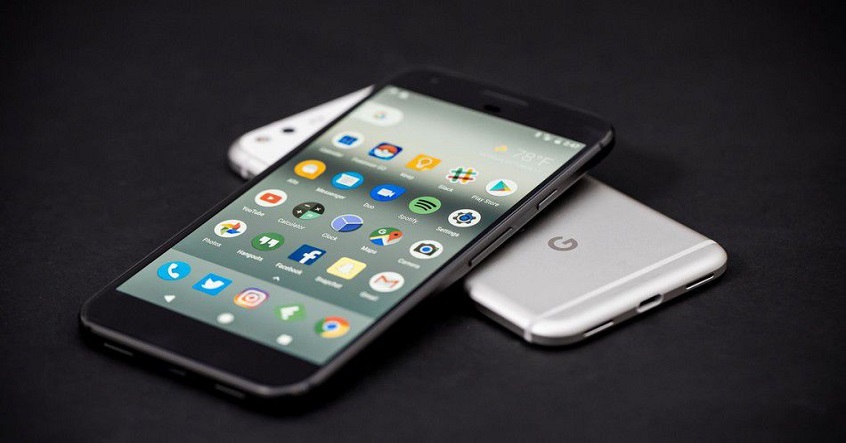
Google’s low-end Pixel 2B might be the next hit in the mobile phone market

It has only been a few months since Google launched its first smartphone with the company’s name on the back, and according to a recent report by 9to5Google, the Mountain View giant will be working on improving the camera of the Pixel 2, giving special emphasis to low-light photography and waterproofing.

The camera might not be coming with a higher mega-pixel number, but is instead expected to dazzle with new features. Google Pixel 2 is also expected to see a bump in RAM, going up from 4GB to 6GB; while also getting an upgrade in screen resolution.

Apart from the Pixel 2, 9to5Google’s source has also mentioned that Google has been testing lower-end Pixel smartphones, which will feature lower specs and also a much lower price tag – dubbed as Pixel 2B. Pixel 2B smartphones will be launched after the launch of the Pixel 2, and will be aiming at budget smartphone markets. Google is already testing its smartphones with multiple chipset makers like Qualcomm, Intel and even MediaTek. Google Pixel 2 devices are rumoured to be $50 (approx Rs 3,500) more expensive than the current generation.

Google might already be testing the budget smartphone market, and is rumoured to launch its ‘Android One’ phone is the US market sometime in the middle of 2017.

As a technology lover you may like our daily important technology news series. It’s a playlist and you can retrieve the total day-wise videos. Please consider subscribing our YouTube channel:

Author: Technology Vista
Tagged : /

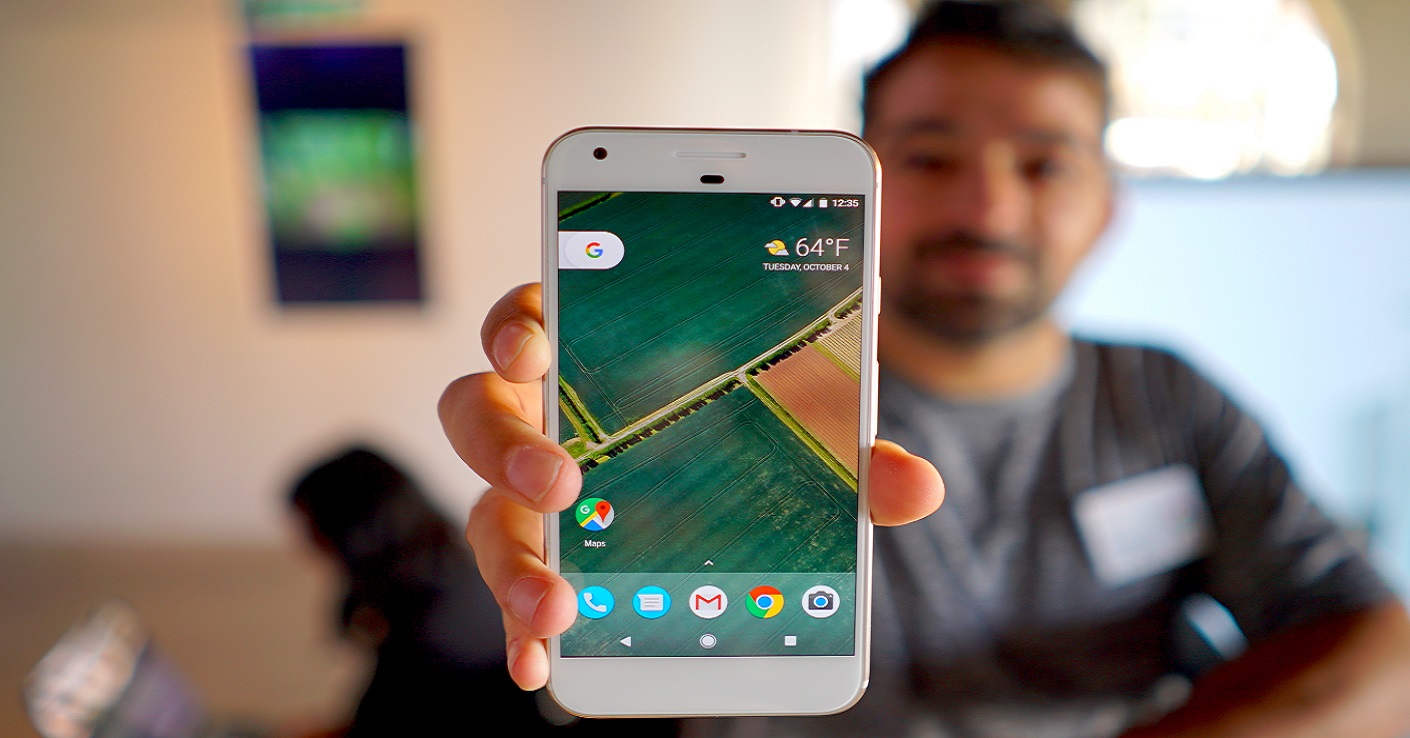
Now, you don’t have to buy a Google Pixel phone to avail most of its best features on your phone! Here is how!

The Google Pixel and Pixel XL have been extremely popular but, you might be hesitant to shell out bugs for it. Thankfully, you don’t necessarily have to shill out hundreds of dollars to get a Pixel-esque feel on your handset. Quite a few of the Pixel’s features can be added to any Android phone, and here’s how it’s done.

Nova Launcher has added a Pixel skin, complete with Pixel-style search bar and the swipe-to-open dock action. This should take care of most of the outward appearances of your phone and give it the basic look of the Pixel.

If you’re completely new to the world of launchers, they wrap your Android phone in a completely new software skin, covering icons, menus, wallpaper and more. Getting the old look back is just a question of uninstalling the launcher again, though, so don’t be afraid to do some experimenting. You obviously won’t be able to transform the physical shape of your current Android phone, but you can definitely mimic the look of the software.

With Nova Launcher on your phone, open the Nova Settings app to configure it. You can get the Pixel look for the search bar by choosing Desktop then Search bar style, for example. Developer Kevin Barry has some extra tips for stylizing the Nova Launcher interface so it copies the Pixel as closely as possible. To get the Pixel wallpapers used on Google’s flagships, simply install the official Wallpapers app from Google. This is the same app that ships on the Pixel so you can dig out any of the backgrounds you want.

There’s Google Assistant, a Pixel exclusive which you can’t yet get on any other Android phone. If you’re comfortable flashing or rooting your phone then you can trick Android into thinking it’s a Pixel XL

To emulate the Pixel’s rather nifty fingerprint button scrolling feature — which lets you scroll through screens by moving your finger across the sensor on the back of the phone — you need Fingerprint Gestures. Once it’s installed, you can configure the button to work in a variety of ways, just like the Pixel. You can also use Action Launcher for the same job, and it’s actually even easier. Open the launcher’s Settings app, then tap Looking for Pixel Launcher features for instructions — you will need to upgrade to the Pro version of the app, though. Neither launcher gives you an exact duplicate of the Pixel interface (you may need to play around with some icon packs) but both of them come very close.

If you don’t want to go down to that level of system tweaking, your only other option here is to install Google Allo, which lets you set up a separate chat stream with the Assistant. The integration isn’t as tight as it is with the Pixel, but it’s as close as you’ll get for now without doing any rooting or flashing.

As a technology lover you may like our daily important technology news series. It’s a playlist and you can retrieve the total day-wise videos. Please consider subscribing our YouTube channel:

Author: Technology Vista
Tagged : /

High Up, The Earth’s Atmosphere Could Hold Alien Life

Life has been found in very impossible nook and cranny- even in high-temperature vents deep undersea and high in the air. Researchers are now pondering about these “extremophiles” and how well can life reproduce in these environments.

Could microbes of this type also be found on other worlds?

In March, a group of University of Houston students will fly a high-altitude experiment from Alaska to see what microbes are in the high atmosphere, between 18 km and 50 km (11 miles and 31 miles) from the ground. The instrument, which looks almost like a small laundry hamper, pops open to collect what’s in the atmosphere. Then, as the balloon descends, it shuts closed for researchers to analyze. It’s the first time this has been used it, so isn’t sure how well it will function.

Jamie Lehnen, a fourth-year student on the team, says this system could be less open to contamination than pumps and other complicated mechanisms that require servicing on Earth.

“A lot of times, these microbes when they go up there, they shut down. They are not replicating and they are not metabolically active,” she said. “I’m interested in how their stress response is similar to those [microbes] back on Earth’s surface.”

That said, microorganism research in the upper atmosphere has been active since the 1930s at least. One of the earliest flights involved Charles Lindbergh, a pilot best known for piloting the Atlantic solo in 1927. Accompanied with his wife, Lindbergh periodically passed the monoplane controls over to her to take samples from the atmosphere around them. The research team found spores of fungi and pollen grains, among other specimens.

Planes still require a substantial amount of atmosphere to fly, so it’s with high-altitude balloons and rockets that we can get even higher — to the stratosphere and the mesosphere. Some of the earliest high-altitude microorganism experiments did not involve air travel at all — Charles Darwin picked up African dust on his ship while crossing the Atlantic Ocean, while Louis Pasteur made measurements on top of alpine glaciers. Both found microorganisms.

NASA microbial researcher David Smith and his team will fly with the team from NASA ABoVE (Arctic-Boreal Vulnerability Experiment), which uses a Gulfstream III jet to monitor how climate change affects animals, plants, the environment and infrastructure. In the spring, a vast airstream on the Pacific Ocean moves millions of tons of dust across the ocean, mostly from Asia. Smith’s team will use a cascade sampler for collection, which passes air through progressively finer impact plates with holes in them, he said. As the air moves through, dust and any microorganisms impact the surface of those plates. A portion of them stick to the surface, allowing researchers to analyze what is there afterwards.

Next Page For More 

Tagged : /

Europa, Jupiter’s Moon Could Be Hiding Alien Life, Scientists Suspect

Humans have always looked for alien life with fascination, awe and unbridled excitement. But, as the Curiosity Rover is scouring the barren surface of Mars, it becomes even clearer that there is little possibility of intelligent life there. But are we close to giving up? Absolutely not!

Life thrives in the most extreme conditions. Bacteria and unicellular life thrive even in the geothermal vents where the temperatures can soar to hundreds of temperature. Bacteria have been detected in the extremely rarefied atmosphere even at a height of 100 kilometers. This has enthused scientists to look for life at the most unlikely places. Most recently, Europa, a moon of Jupiter.

Scientists predict that there is liquid water under Europa’s icy surface which could harbor primitive life. The possibility of life on the moons of Jupiter and Saturn are very high. It is for this reason that NASA has decided to crash one of the spacecraft orbiting the giant outer planets deliberately into Saturn to prevent any contamination of the Moons which could be harboring life.

Radio signals have in the past been thought to be some kind of alien communications from far off galaxies. However, most of these have been later found to be false calls and they were the byproducts of some cosmic activity during the formation of new stars or old neutron stars.

Scientists also hope that with the Cassini mission coming to a close this year it could throw up some incredible discovery of alien life in one of the cosmic bodies. Fingers crossed, UFO buffs? Although, Stephen Hawking certainly doesn’t seem to think this might be the best idea.

width="560" height="314" allowfullscreen="allowfullscreen">

As a technology lover you may like our daily important technology news series. It’s a playlist and you can retrieve the total day-wise videos. Please consider subscribing our YouTube channel:

Author: Technology Vista

Tagged : / /

Why Does the Same Video or Joke Keep Coming Back on WhatsApp?

With 160 million users in India, the Facebook-owned mobile messaging app has become a top choice among marketers, social influencers and certain groups to reach them via jokes, videos and GIFs whenever there is a breaking news, a major announcement, a tongue-in-cheek celebrity statement or even a festival, say experts. Similarly, with 150 million active users in India, Facebook is the second-most used social media platform and can also act as a catalyst for proliferation of viral content due to a broader sharing and a greater engagement with the content.

In India, WhatsApp has the highest penetration among any “social-centric” web/app platform available on the nearly 260 million active smartphone users.

“However, Facebook is quite curated and controlled via an algorithm according to a person’s social graph and Facebook’s advertising engine and, hence, potentially less viral than Whatsapp,” Neil Shah, Research Director (Devices & Ecosystems) at the market research firm Counterpoint Research, told IANS.

“WhatsApp is emerging as a highly susceptible channel for propaganda, misinformation, fake news as well as highly influenceable from the targeted marketing message or advertisement perspective, i.e., digital word-of-mouth.”

“Several marketers are leveraging an infantry of smart or influential folks to develop and spread targeted and viral-natured content. I believe the viral messages developed and spread are not by a single source but many individuals and firms working on this behind the scenes,” Shah added.

Facebook’s third property, Instagram, is also quickly rising to become a popular platform from the perspective of social media influencers to drive rich content for marketers and mainly target millennials. But according to Shah, among several social media platforms, WhatsApp has a clear edge because of its user-friendly approach which has put the platform in a strong (as well as vulnerable position) for flow of both good and bad news or information or any content across the platform.

Next Page For More

Tagged : / /

2018: Foldable Displays by Google, Apple and Microsoft, you can to Look Forward to

We have had flip phones and sliders, round phones and rectangular ones, small ones barely bigger than your thumb and large ones that covered the palm of your hand. We even have had phones designed specifically for gamers or music enthusiasts.

But, since the advent of the smartphone, we’ve pretty much been stuck with the traditional candy bar shape. Time to spice things up a bit.

South Korean IT news site ET News has just reported that LG Display will not only be producing foldable displays for smartphones come 2018, they’ll also be supplying that technology to Apple, Google, and Microsoft. This implies that the technology will hit the market soon, possibly as early as 2018, and that some of the biggest names in the smartphone industry will be competing to introduce their own version of it.

As far back as December 2015, however, Samsung had already filed for patents for what can presumably be an upcoming fully foldable flagship product. They have pushed the boundaries of recent smartphone design with their EDGE technology, a minimal design edit that sees the smartphone screen curving around the edge of the phone for some added functionality.

Apple also happens to have a flexible device in the works — the company has been awarded a patent for carbon nanotube circuits that would allow for flexible electronic devices.

The talk of foldable smartphone technology isn’t exactly new, but seeing it finally hit the market would be. This would allow for more durable, adaptable devices. Semiconductor Energy Laboratory had long before demonstrated the first consumer-grade display that could be folded in three without breaking!

As a technology lover you may like our daily important technology news series. It’s a playlist and you can retrieve the total day-wise videos. Please consider subscribing our YouTube channel:

Author: Technology Vista

Tagged : / /

Nowhere To Hide! This Is How Facebook Know What You’re Up To, Even When You Are Offline!

Facebook is great, right? It does amazing social service and builds connections- all for free. In return, Facebook collects information about you—your profile information, articles or pages that you “like,” videos you watch, and so on—and uses that to sell ads.

The thing is, Facebook has made a show of being transparent with how it collects users’ information and what categories of interest it assigns to users. Anyone who wants to can look this information up on Facebook’s site. But it’s not that simple.

As an ongoing investigation by ProPublica has shown, Facebook is going beyond the tacit agreement that it provides a free service in exchange for online personal information. It has contracts with several data brokers that provide Facebook with information about your offline life—things like how much money you make, where you like to eat out, and how many credit cards you keep. It is using that data to flesh out its advertising profile of you, and it isn’t telling you about it.

The social network has an extraordinarily large user base, but what really turns advertisers on is that it lets marketers narrowly define the subset of users who will see an ad based on all sorts of parameters, including users’ shared interests, political leanings, age, and mobile devices.

Facebook’s advertising operation is a remarkable machine. This kind of microtargeting is incredibly valuable—and what better way to augment it than to buy up offline data sets that can then be matched to Facebook’s users?

As part of its investigation, ProPublica built a tool to help users with this—and encouraged them to share what they found. Since September, the publication has gathered over 52,000 categories of interest in this way ranging from, as they say, “Pretending to Text in Awkward Situations” to “Breastfeeding in Public.”

But when ProPublica went into Facebook’s advertising platform to see what parameters ad buyers could use to target an ad, it found close to 600 categories that were described as “provided by a third party.”

Most of those had to do with users’ financial attributes, and none of them showed up in the crowdsourced list that users sent in. Turns out, Facebook’s transparency has its limits.

But still, it’s far better than simply knowing that someone clicked “like” on the Food Network’s page, and instead knowing how much money they make each year, or whether they shop at low- or high-end retail stores.

As a technology lover you may like our daily important technology news series. It’s a playlist and you can retrieve the total day-wise videos. Please consider subscribing our YouTube channel:

Author: Technology Vista

Tagged : / /
Verified by ExactMetrics