Calling All Earthlings: Why Phoning Home From Distant Stars Might Be Tricky?

Calling All Earthlings: Why Phoning Home From Distant Stars Might Be Tricky?
Gazing at the star-studded night sky, it’s easy to imagine future astronauts effortlessly video-calling home from distant planets, sharing their cosmic adventures in real-time. But the reality of galactic communication is far more complex, presenting a multitude of challenges that could leave those brave explorers feeling a bit disconnected.

The Tyranny of Distance:

The vastness of space is the most fundamental obstacle. Light, our current champion of information exchange, travels at a measly 186,000 miles per second. This means a message from just our nearest star system, Proxima Centauri, would take over four years to reach Earth, and the reply another four years to make its way back. Imagine trying to have a conversation with a four-year delay between each word!

Cosmic Time Warp:

Even if we overcome the speed of light limitation (a feat currently beyond our grasp), Einsteinium throws another wrench in the works. According to relativity, time dilation occurs for objects traveling at high speeds or in strong gravitational fields. This means time passes differently for the astronauts and those back on Earth. While a few years might pass for the crew during their interstellar voyage, decades or even centuries could have elapsed on Earth, making real-time communication practically impossible.

Cosmic Static and the Signal Scramble:

Space isn’t exactly quiet. It’s filled with a cacophony of electromagnetic radiation from stars, black holes, and other celestial bodies. This cosmic static can corrupt and scramble signals, making it difficult to decipher messages, especially over vast distances. Additionally, interstellar gas and dust clouds can further attenuate and distort signals, adding another layer of complexity to the communication puzzle.

Technological Hurdles:

Building powerful antennas and transmitters capable of sending and receiving messages across interstellar distances is another hurdle. We currently lack the technology to generate and maintain signals strong enough to pierce the cosmic noise and reach their destination with enough clarity to be understood. Additionally, designing equipment that can withstand the harsh environment of space, with its intense radiation and extreme temperatures, is a significant challenge.

Beyond the Technical: The Psychological Toll:

The psychological impact of delayed or limited communication with loved ones back on Earth shouldn’t be underestimated. Imagine the loneliness and isolation of being millions of miles away, with news from home arriving years out of date. Astronauts venturing out into the cosmos will need robust psychological support and communication protocols to cope with the challenges of interstellar disconnection.

While the challenges of galactic communication are daunting, they don’t preclude us from striving for that first interstellar call. Breakthroughs in physics, advancements in signal processing technology, and the development of new materials could one day bring us closer to that dream.

In the meantime, we can celebrate the ingenuity of our scientists and engineers who are constantly pushing the boundaries of what’s possible. After all, who wouldn’t want to hear the first “Hello from Alpha Centauri”?

So, the next time you gaze at the stars, remember that the vastness of space isn’t just a physical barrier, but also a communication one. But with a little human ingenuity and a lot of determination, we might just bridge that gap and bring the cosmos a little closer to home.


Tagged : / / /

Protecting Your Little Ones: Warning Signs of Kidney Disease in Children

Protecting Your Little Ones: Warning Signs of Kidney Disease in Children
Our children’s health is our top priority, and keeping their tiny kidneys healthy is crucial. While kidney disease in children is less common than in adults, it’s important to be aware of the warning signs so you can catch any potential issues early on. Early detection and intervention are key to managing kidney disease effectively and preventing complications.

Silent Threat: Why Early Detection Matters

One of the biggest challenges with kidney disease in children is that it often progresses silently, without any noticeable symptoms in the early stages. This makes regular checkups and vigilance from parents all the more important.

Red Flags to Watch Out For:

Changes in urination: This is a key indicator of kidney problems. Look for changes in frequency, urgency, or amount of urine. Blood in the urine (hematuria) is a particularly concerning sign.

Swelling: Puffiness around the eyes, face, feet, or ankles (edema) can be a sign of fluid retention due to kidney dysfunction.

High blood pressure: Even in children, high blood pressure can be a symptom of underlying kidney disease.

Fatigue and lethargy: Unexplained tiredness and lack of energy can be a sign that the kidneys aren’t working properly.

Loss of appetite and nausea: These symptoms can also be associated with kidney problems, especially if accompanied by other warning signs.

Stunted growth: In some cases, kidney disease can affect a child’s growth and development.

Beyond the List:

Remember, every child is different, and these symptoms may not always appear in every case of kidney disease. If you notice any changes in your child’s health or behavior, even subtle ones, it’s always best to consult your pediatrician.

Protecting Your Child’s Kidneys:

While there’s no guaranteed way to prevent kidney disease, there are steps you can take to promote your child’s overall health and kidney function:

  • Encourage a healthy diet: Limit processed foods, sugary drinks, and excessive salt intake. Focus on fresh fruits, vegetables, and whole grains.
  • Ensure adequate hydration: Proper water intake is essential for healthy kidneys. Encourage your child to drink plenty of water throughout the day.
  • Regular exercise: Physical activity is crucial for overall health and can help regulate blood pressure.
  • Manage chronic conditions: If your child has any existing health conditions like diabetes or high blood pressure, ensure they receive proper treatment and monitoring.

    By being aware of the warning signs, taking preventive measures, and seeking medical advice promptly, you can help protect your child’s precious kidneys and ensure their long-term health and well-being. Remember, early detection and intervention are key to managing kidney disease effectively and giving your child the best chance for a healthy life.

Tagged : / / / / /

5 Realistic Ways to Actually Slow Down the Process of Aging

5 Realistic Ways to Actually Slow Down the Process of Aging
Aging is an inevitable part of life, but that doesn’t mean we have to surrender to wrinkles and creaky joints without a fight. By incorporating some simple yet effective habits into our daily lives, we can slow down the aging process and embrace a healthier, more vibrant version of ourselves. Here are 5 realistic ways to achieve just that:

1. Nourish Your Body with a Rainbow of Goodness:

What you eat plays a crucial role in how you age. Ditch the processed junk and embrace a diet rich in fruits, vegetables, whole grains, and healthy fats. These foods are packed with antioxidants and essential nutrients that combat free radical damage, keeping your cells healthy and your skin glowing. Think leafy greens, colorful berries, nuts, and avocados for a diet that’s as delicious as it is anti-aging.

2. Move Your Body, and Keep it Moving:

Regular exercise isn’t just good for your waistline; it’s also a fountain of youth! Physical activity strengthens your muscles and bones, improves circulation, and boosts brain function, all of which contribute to a more youthful appearance and overall well-being. Aim for at least 150 minutes of moderate-intensity exercise per week, or a combination of cardio and strength training. A brisk walk, a fun dance session, or a yoga class can all be fantastic ways to keep your body moving and your cells rejuvenated.

3. Befriend Sleep, Your Ultimate Rejuvenator:

While we sleep, our bodies repair and restore themselves, making sleep essential for both physical and mental health. Aim for 7-8 hours of quality sleep each night to allow your body to do its magic. Create a relaxing bedtime routine, avoid screens before bed, and ensure a cool, dark sleeping environment for optimal slumber. Remember, sleep deprivation shows on your face, so prioritize those precious Zzz’s for a youthful glow.

4. Stress Less, Live More:

Chronic stress wreaks havoc on our bodies, accelerating the aging process. Find healthy ways to manage stress, whether it’s through meditation, yoga, spending time in nature, or simply connecting with loved ones. Learning to relax and de-stress not only improves your mood but also keeps your cells happy and healthy, leading to a more youthful appearance.

5. Embrace the Sunshine, but with Caution:

While moderate sun exposure can be beneficial for vitamin D synthesis, excessive sunbathing is a major contributor to wrinkles and age spots. Protect your skin with a broad-spectrum sunscreen of SPF 30 or higher every time you step out, even on cloudy days. Additionally, consider wearing protective clothing and hats, especially during peak sun hours. Remember, sun protection is essential for maintaining healthy, youthful skin throughout your life.

By incorporating these 5 realistic tips into your daily routine, you can take control of your aging process and embrace a healthier, more vibrant version of yourself. Remember, aging is a natural part of life, but it doesn’t have to define you. With a little effort and the right approach, you can slow down the clock and live your life to the fullest, at any age!

Bonus Tip: Don’t underestimate the power of laughter, social connection, and a positive attitude. Staying positive, having fun, and nurturing your relationships can add years to your life and keep your spirit young.

So, let’s ditch the age-defying creams and quick fixes, and focus on building a healthy lifestyle that promotes inner and outer well-being. Remember, the best way to slow down aging is to embrace life with every fiber of your being, and age gracefully with wisdom, vitality, and a smile!

Tagged : / / /

Setting Weight Loss Goals: The Key to Unlocking a Fitter You!

Setting Weight Loss Goals: The Key to Unlocking a Fitter You!
We all know the drill: New Year, new you, new weight loss goals. But let’s be honest, those resolutions often fizzle out faster than a firework on Diwali. Why? Because vague aspirations like “get fit” or “lose weight” lack the specificity and direction needed for lasting success.

Instead, we need SMART goals: Specific, Measurable, Achievable, Relevant, and Time-bound. These are the goal-setting superheroes that will propel you towards a fitter, healthier you.

Step 1: Be a Detective. Uncover Your “Why”.

Before diving into numbers, ask yourself: why do I want to lose weight? Is it for better health, increased energy, or finally fitting into those dream jeans? Identifying your “why” fuels your motivation and keeps you going when the going gets tough.

Step 2: Ditch the Wishful Thinking, Embrace Reality.

Aiming to shed 20 pounds in a month might sound exciting, but it’s a recipe for disappointment and discouragement. Instead, base your goals on realistic expectations. A healthy weight loss rate is 1-2 pounds per week. So, aiming for 5-10 pounds in a month is far more achievable and sustainable.

Step 3: Make it Measurable. Numbers are Your Friends!

Don’t just say “eat healthier.” Quantify it! Aim for five servings of fruits and vegetables daily, or swap sugary drinks for water. Similarly, instead of “exercise more,” set a specific target like three 30-minute workouts per week. Tracking your progress, whether through a fitness tracker or a simple notebook, keeps you accountable and celebrates your milestones.

Step 4: Keep it Relevant. Tailor Your Goals to Your Lifestyle.

A fitness fanatic’s goals might not work for a busy parent. Choose activities you enjoy and can realistically fit into your schedule. Love dancing? Aim for two Zumba classes a week. Prefer the outdoors? Schedule weekend hikes with friends. Making exercise fun and social increases the chances of you sticking with it.

Step 5: Time Flies, Goals Don’t. Set Deadlines!

Having an end date gives you a clear target and prevents procrastination. Break down your long-term goal into smaller, weekly or monthly milestones. Achieving these mini-victories fuels your confidence and keeps you motivated on the path to success.

Remember, goal setting is a journey, not a destination. There will be bumps along the way, plateaus to conquer, and maybe even a slice of cake that beckons too loudly. But with SMART goals guiding you, you’ll have the resilience and direction to navigate these challenges and emerge fitter, healthier, and most importantly, proud of the amazing you that you’re becoming.

So, unleash your inner goal-setting superhero, embrace the SMART approach, and unlock the door to a fitter, happier you!

Bonus Tip: Celebrate your successes! Reward yourself for reaching milestones, not just the final goal. A new workout outfit, a relaxing spa day, or simply acknowledging your progress can keep you motivated and on track.

Tagged : / / /

The First Actor To Charge 100 Crore Rupees Per Film Got Only 75 Rupees As First Salary!

The First Actor To Charge 100 Crore Rupees Per Film Got Only 75 Rupees As First Salary!
When it comes to films running in theatres and their earnings, Hindi cinema has come a long way. There used to be a time when the benchmark for the success of a film used to be about how long it ran in the theatres. But now with satellite TV rights and OTT rights, films do not have to worry about that. Gone are the days of Golden Jubilee and Silver Jubilee, business nowadays is about crores and that too in hundreds and thousands.

Indian films are now making films that cost between 500 crore and 1000 crore, and stars are charging huge amounts of money for their parts. A lot of stars these days, like Shah Rukh Khan, Rajinikanth, Aamir Khan, and others, charge Rs 100 crore or more as their fees. But do you know who was the first star to charge 100 crore rupees for a movie?

That’s right, the star who first charged Rs 100 crore per movie is from a movie family. People all over the world have been blown away by his comedic, emotional, and action roles in Bollywood movies. He is the same actor whose first pay was Rs 75. He is now one of the richest stars in Bollywood. That would be Salman Khan. The very first time he earned money was when one of his friends took him to a function where he performed with other boys as a background dancer. For this simple job he got a meagre salary of Rupees 75.

Talking about those days, Salman went on to discuss his remunerations through the years. He revealed : “My first salary was, I think, about Rs 75. I was dancing behind in some show in the Taj Hotel. One of my friends was dancing there so he took me (and I did it) just for fun. hen it went up to Rs 750 for Campa Cola (a soft drink brand) and then it was Rs 1,500 for the longest time. Then I got paid Rs 31,000 for Maine Pyar Kiya, which was then increased to Rs 75,000 later.”

There you have it. Salman was the first star to charge Rs 100 crore. The actor has been in a lot of hit films. In 2016, he was paid Rs 100 crore for Sultan, which starred Anushka Sharma. Then Salman made Rs 130 crore from Tiger Zinda Hai in 2017. These two films, Sultan and Tiger Zinda Hai, were both made by YRF. According to reports, Salman also signed a deal to get 60 to 70 percent of the income made by these films.

Also, Shah Rukh Khan recently made Rs 120 crore for his hit movie Pathaan. Salman Khan also did well. It is also said that Aamir Khan charges between 100 and 150 crores for his pictures.Rajnikanth made Rs. 110 crore for his part in Nelson Dilipkumar’s film Jailer, and Kamal Haasan is said to make Rs. 150 crore per film as well. A lot of other stars, like Akshay Kumar, Prabhas, Mahesh Babu, and others, also charge a lot for their movies. But Salman Khan was the first to charge Rs 100 crore per movie, which has become the norm.

Tagged : / /

Cycling vs Walking: Pedaling Away the Pounds or Pounding the Pavement?

Cycling vs Walking: Pedaling Away the Pounds or Pounding the Pavement?
When it comes to shedding pounds, two age-old contenders stand out: cycling and walking. Both offer a healthy dose of exercise, but which reigns supreme for weight loss? Let’s hop on our bikes and hit the pavement to find out!

Calorie Combustion: Cycling Takes the Lead

Cycling generally burns more calories per minute than walking. A 150-pound person can torch around 260 calories in 30 minutes of moderately paced cycling, compared to 130 calories for brisk walking. This calorie-blasting edge comes from engaging larger muscle groups in your legs and core. So, if you’re looking for a faster calorie burn, cycling might be your champion.

Fat-Burning Battleground: It’s a Tie (With Nuances)

While cycling burns more total calories, walking might have a slight edge in fat-burning. Walking, especially uphill or on uneven terrain, engages more stabilizing muscles and increases fat metabolism. Additionally, a study suggests walking might be better at targeting belly fat, a pesky culprit in health issues. Ultimately, both activities can help you lose fat, and the key lies in consistency and a calorie deficit.

Joint Journey: Walking Wins the Comfort Round

Walking is a low-impact exercise, making it gentler on your joints, especially the knees and ankles. This is particularly beneficial for people with joint pain or limited mobility. Cycling, while generally safe, can put some strain on the lower back and knees, especially with improper posture or on hilly terrain. So, if joint health is a concern, walking might be your smoother stride.

Mental Miles: Choose Your Mood Booster

Both cycling and walking offer mental health benefits. Cycling can be exhilarating, providing a sense of freedom and speed. Walking, on the other hand, can be meditative and grounding, allowing you to connect with nature and your surroundings. Choose the activity that sparks joy and elevates your mood, as consistency is key for long-term weight loss success.

The Verdict: It’s a Draw!

Both cycling and walking are fantastic tools for weight loss, each with its own strengths and weaknesses. The best choice depends on your individual preferences, fitness level, and joint health. You can even mix and match both activities for a well-rounded workout routine. Remember, consistency is key, so find an activity you enjoy and stick with it!

Bonus Tip: Don’t forget about diet! A healthy, balanced diet combined with regular exercise is the ultimate recipe for weight loss success.

So, lace up your shoes or pump up your tires, and get ready to conquer your weight loss goals! Whether you choose to cycle or walk, remember, every step and pedal stroke counts!

Tagged : / / / / /

5 Ways to Keep Your Introvert Friend Happy: A Guide for Extroverts

5 Ways to Keep Your Introvert Friend Happy: A Guide for Extroverts
Navigating friendship with an introvert can feel like deciphering a secret code. Sometimes they crave your company, other times they vanish into their inner world, leaving you wondering what went wrong. Don’t worry, fellow extroverts, this guide will help you keep your introverted friend happy and thriving!

1. Respect their need for alone time : Introverts recharge their batteries by spending time alone. Don’t bombard them with constant texts or feel offended if they decline an invitation. Listen to their cues and understand that alone time isn’t a rejection, it’s a necessity.

2. Quality over quantity : Introverts prefer deep conversations over small talk. Skip the crowded parties and opt for one-on-one activities like coffee dates, movie nights, or quiet walks in nature. This allows for meaningful interaction and strengthens your bond.

3. Embrace their quietness : Not every silence needs filling. Don’t feel pressured to chatter non-stop or interpret pauses awkwardly. Enjoy the comfortable silence as a chance to simply be present with each other.

4. Encourage their passions : Introverts often channel their energy into specific interests. Whether it’s writing, coding, or playing music, support their endeavors and show genuine interest. Attending their performances or events demonstrates your care and understanding.

5. Communicate openly and honestly : Don’t make assumptions about their feelings. If you’re unsure about something, ask! Open communication is key in any relationship, but especially with introverts who might not always readily express their needs.

Remember, befriending an introvert is a rewarding experience. They offer unique perspectives, deep conversations, and unwavering loyalty. By respecting their needs and celebrating their strengths, you’ll cultivate a friendship that thrives on authenticity and mutual understanding.

Bonus tip: Don’t try to “fix” them. Introversion isn’t a problem to be solved. It’s simply a different way of experiencing the world. Embrace their individuality and learn to appreciate the quiet magic they bring to your life.

Friendship knows no personality types, only genuine connections. With these tips, you can navigate the wonderful world of introverts and build a friendship that brings joy and meaning to both of you. Happy introvert-ing!

Tagged : / / / / /

7 Positive Habits to Make This Year Your Best One

7 Positive Habits to Make This Year Your Best One
A new year arrives with the promise of fresh beginnings and the chance to ditch the baggage of the previous year. We often set resolutions, aiming to improve our health, relationships, and careers. But with so many options vying for our attention, where do we start?

Don’t worry, I’ve got you covered! Here are five positive habits that you can easily adopt to make this year your best one yet:

1. Start your day with gratitude

It’s easy to get caught up in the daily grind and forget to appreciate the good things in life. Taking a few minutes each morning to reflect on what you’re grateful for can shift the entire day towards positivity. This could be something as simple as being thankful for your health, your loved ones, or that delicious cup of coffee in your hand.

2. Move your body

Exercise isn’t just good for your physical health; it’s a miracle worker for your mental well-being as well. Aim for at least 30 minutes of moderate-intensity exercise most days of the week. This could be anything from a brisk walk or jog to a yoga class or dancing to your favorite music. Find an activity you enjoy and make it a regular part of your routine.

3. Challenge yourself

Stepping outside your comfort zone is essential for growth. Whether it’s learning a new skill, taking on a new challenge at work, or simply trying a new recipe, pushing yourself outside your comfort zone expands your horizons and helps you reach your full potential.

4. Focus on building strong social connections

Humans are social creatures, and strong social connections are crucial for our well-being. Make time for the people who matter most to you, whether it’s friends, family, or colleagues. Nurture your existing relationships and make an effort to connect with new people. Remember, quality time, not just quantity, matters.

5. Limit your screen time

In today’s digital age, it’s easy to get sucked into the black hole of screens. But excessive screen time can negatively impact our sleep, mental health, and relationships. Set boundaries for yourself, and make sure to carve out time for real-world interactions and activities that nourish your mind and body.

6. Give back

Helping others is a great way to boost your mood and make a difference in the world. Volunteer your time or donate to a cause you care about. Even small acts of kindness can make a big impact.

7. 20 minute Me – Time

Find a way to incorporate a 20 minute ‘me time’ slot everyday in your routine and this ‘me time’ should not include staring at a screen. Do something creative or soothing in those 20 minutes – even sleeping is also an option. But find those 20 minutes daily.

Remember, change takes time and effort. Don’t get discouraged if you don’t see results overnight. Just keep at it, and eventually, you’ll see the positive changes you’ve been working towards.

Tagged : / /

5 Superfoods for Kidney Health to Include in Your Daily Diet

5 Superfoods for Kidney Health to Include in Your Daily Diet
Our kidneys are silent powerhouses, working tirelessly to filter waste products from our blood and maintain electrolyte balance. Keeping them healthy is crucial for overall well-being, and incorporating certain superfoods into your daily diet can play a significant role. Here are 5 kidney-friendly superstars you should consider adding to your plate:

1. Berries: These antioxidant powerhouses are packed with vitamins, minerals, and fiber, all of which contribute to kidney health. Blueberries, strawberries, and cranberries are particularly beneficial, thanks to their anti-inflammatory properties and ability to help prevent urinary tract infections.

2. Cruciferous Vegetables: Broccoli, kale, and cabbage are loaded with sulforaphane, a compound that helps detoxify the body and protect the kidneys from damage. They’re also rich in vitamin C and potassium, further supporting kidney function.

3. Fatty Fish: Salmon, tuna, and mackerel are excellent sources of omega-3 fatty acids, which have anti-inflammatory effects and can help reduce protein in the urine, a marker of kidney damage. Aim for two servings per week of these oily fish.

4. Garlic and Onions: These flavorful allies contain allicin, a compound with antioxidant and anti-inflammatory properties. Studies suggest that regular consumption of garlic and onions may help protect against kidney disease.

5. Bell Peppers: These vibrant vegetables are low in potassium and phosphorus, making them ideal for kidney-conscious individuals. They’re also packed with vitamin C and antioxidants, further supporting kidney health.

Remember, while these superfoods are excellent for kidney health, moderation is key. It’s important to consult a healthcare professional for personalized dietary advice, especially if you have any existing kidney concerns.

Bonus Tip: Hydration is essential for kidney function! Aim for eight glasses of water per day, and adjust based on your activity level and climate.

By incorporating these kidney-friendly superfoods into your daily diet and staying hydrated, you can give your silent heroes the support they deserve and contribute to a long and healthy life.

Tagged : / / / /

7 Japanese Habits for a Youthful and Energetic Life

7 Japanese Habits for a Youthful and Energetic Life
Living in Japan is often associated with longevity and well-being. But what exactly are the secrets to their youthful energy? It’s not just about genetics; a big part of it lies in their daily habits. Here are 7 Japanese habits you can incorporate into your own life for a healthier and more vibrant you:

1. Hara Hachi Bu: This translates to “eat until 80% full.” The Japanese practice mindful eating, savoring their food and stopping before they feel stuffed. This not only helps with weight management but also aids digestion and prevents overeating.

2. Green Tea Ritual: Green tea is a staple in the Japanese diet, and for good reason. It’s packed with antioxidants that combat free radicals and inflammation, promoting overall health and longevity. So, ditch the sugary sodas and swap them for a steaming cup of green tea!

3. Embrace Nature: Gardening is a popular activity in Japan, and for good reason. Spending time outdoors surrounded by greenery reduces stress, boosts mood, and provides gentle exercise. Whether you have a balcony garden or a sprawling backyard, commune with nature for a dose of youthful energy.


4. The Power of Hot Baths: The Japanese love their hot baths, or Onsens. Soaking in hot water improves circulation, relaxes muscles, and eases joint pain. It’s also a great way to unwind after a long day, promoting better sleep and reducing stress.

5. Move It or Lose It: Regular exercise is key to maintaining a youthful body and mind. The Japanese prioritize physical activity, whether it’s brisk walking, cycling, or traditional exercises like Tai Chi. Find an activity you enjoy and make it a regular part of your routine.

6. Never Stop Learning: The Japanese value lifelong learning and mental stimulation. They constantly challenge themselves with new hobbies, skills, and intellectual pursuits. This keeps the mind sharp, engaged, and youthful. So, pick up a new language, read a challenging book, or enroll in a stimulating course.

7. Strong Social Connections: Social bonds are vital for overall well-being. The Japanese prioritize strong family and community ties, providing emotional support and a sense of belonging. Nurture your relationships, spend time with loved ones, and build a strong social network.

Remember, adopting these habits is not about drastic changes but about gradual integration into your lifestyle. Start small, be consistent, and witness the positive impact on your energy, health, and overall well-being. With a little Japanese wisdom, you can unlock the secret to a long and vibrant life!

Tagged : / / / / /

The Universe Unfurled: Measuring Distances Without Leaving the Couch

The Universe Unfurled: Measuring Distances Without Leaving the Couch
Gazing at the night sky, it’s hard to grasp the unimaginable vastness. Stars twinkle billions of light-years away, galaxies swirl in the cosmic dance, and yet, we know their distances with surprising precision. How? Unlike interstellar travellers hurtling through space, we rely on ingenious methods for unraveling the universe’s cosmic map.

Imagine holding a fingernail at arm’s length, that’s roughly the scale of Earth compared to our nearest star, Proxima Centauri. For such close neighbors, we employ a trick called parallax. By observing Proxima from opposite sides of Earth’s orbit, we witness a tiny shift in its position. This shift, like the difference in two photos taken from slightly different angles, reveals its distance.

But what about objects beyond our galactic doorstep? Enter the cosmic distance ladder, a series of rungs, each calibrated against the previous one. Pulsating stars called Cepheids act as our first rung. Their predictable brightness variations betray their intrinsic luminosity, allowing us to calculate their distance even in distant galaxies.

Think of these pulsating stars as cosmic lighthouses, their flashes signaling distance. But as with lighthouses, their visibility fades with distance. For far-flung galaxies, we turn to cosmic explosions called supernovae. These brilliant flares, though rare, provide a temporary cosmic yardstick, their peak brightness revealing their cosmic address.

The ladder reaches its final rungs with a concept called redshift. Galaxies moving away from us stretch the light they emit, making it appear “redder.” This stretching, like the Doppler effect for sound, tells us how fast they’re receding, and thanks to Hubble’s Law, we know their speed is directly proportional to their distance.

Each rung of the ladder builds upon the last, allowing us to climb ever deeper into the cosmos. It’s a bit like measuring the height of a skyscraper by first measuring the height of a door, then comparing it to the number of doors stacked on top.

So, while human probes may not yet roam the Milky Way’s outskirts, our minds, armed with scientific ingenuity, can travel billions of light-years. We map the universe’s expanse, not with footprints, but with the subtle whispers of light and the grand explosions of distant stars. Next time you gaze at the night sky, remember, you’re holding a cosmic map in your mind’s eye, a testament to the boundless human thirst for knowledge, even when confined to our earthly couch.

Tagged : / / /

5 Animals That Can Survive Without Food For Months

5 Animals That Can Survive Without Food For Months
The animal kingdom is full of amazing adaptations, and one of the most impressive is the ability to go for extended periods without food. While most animals need to eat regularly to stay alive, some have developed incredible strategies to survive in harsh environments with limited resources. Here are five animals that can go months without a single bite:

1. Camels: These iconic desert dwellers are perhaps the most famous for their ability to withstand long periods of hunger. Their humps store not just fat but also water, allowing them to trek for weeks through scorching sand dunes without needing to refuel.

2. Bears: During winter, many bear species hibernate, entering a state of deep sleep where their metabolism slows down significantly. They can live off their stored fat for months, emerging from their dens in the spring leaner but alive.

3. Crocodiles: These patient predators are masters of energy conservation. With a slow metabolism and efficient hunting techniques, crocodiles can go for months, or even years, between meals. They conserve energy by resting motionless in the water, waiting for prey to come within striking distance.

4. Snakes: Depending on the species, some snakes can go for months without eating. They achieve this by slowing down their metabolism and digesting their meals slowly. Pythons, for example, can swallow prey many times their own size and then slowly digest it over a period of weeks or even months.

5. Desert Tortoises: These slow-moving reptiles are perfectly adapted to life in arid environments. They can store water in their bladders and extract moisture from their food, allowing them to survive for months without drinking. Their low metabolic rate and ability to burrow underground for shade further help them conserve energy.

These are just a few examples of the many animals that have evolved remarkable strategies to survive without food. Their adaptations teach us about the incredible resilience of nature and the power of evolution in shaping the animal kingdom.

It’s important to note that while these animals can go for extended periods without eating, it’s not healthy for them to do so all the time. They still need to eat regularly to maintain their health and energy levels. So, the next time you see a camel crossing a desert or a snake curled up in its den, remember the incredible adaptations that allow them to thrive in some of the harshest environments on Earth.

Tagged : / /

5 Indian Foods That Are Surprisingly Banned in Other Countries

5 Indian Foods That Are Surprisingly Banned in Other Countries
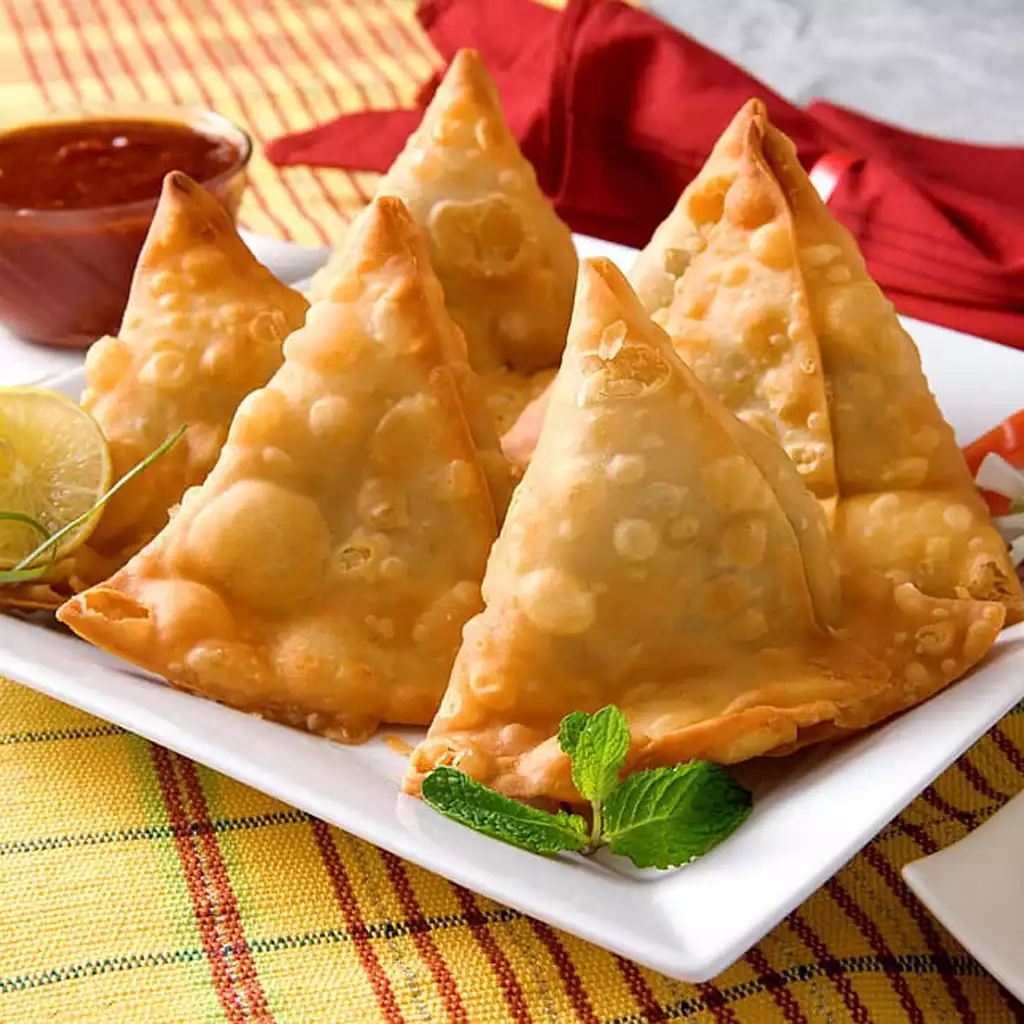
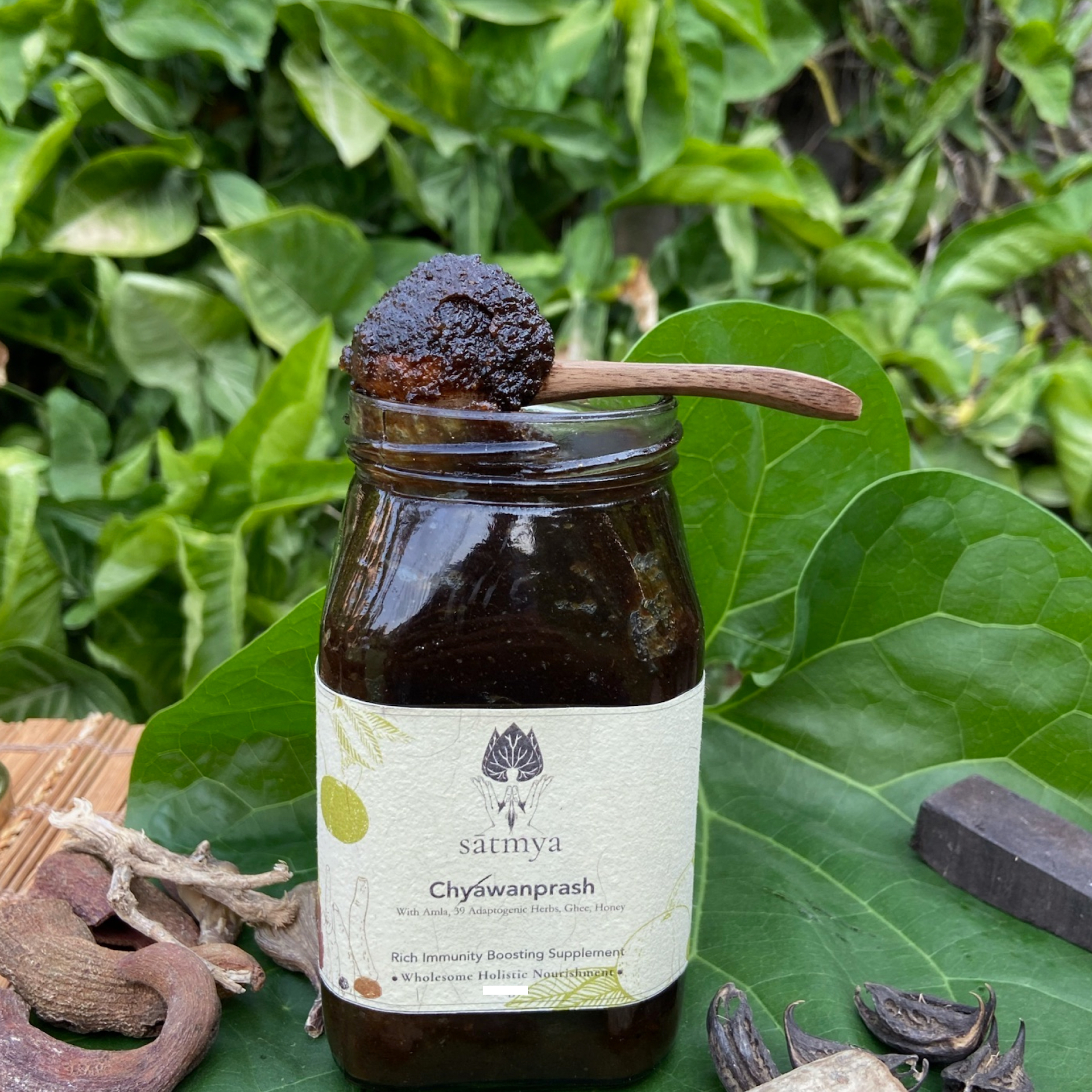
India’s culinary scene is a vibrant tapestry of flavors, spices, and traditions. But did you know that some of our beloved dishes are actually banned in other countries? It’s true! From the humble samosa to the exotic chyawanprash, here are five Indian foods that have faced the banhammer abroad:

1. Samosas: These crispy, golden triangles filled with spiced potatoes are a ubiquitous street food in India. But in Somalia, samosas are considered a symbol of Western cultural influence and are therefore prohibited.

2. Chyawanprash: This ancient Ayurvedic jam made with a blend of herbs and fruits is revered for its health benefits in India. However, in Canada, chyawanprash was banned for containing high levels of lead and mercury.

3. Ghee: Clarified butter, or ghee, is a staple in Indian kitchens, adding richness and flavor to countless dishes. However, the European Union has banned ghee because it exceeds the permitted levels of saturated fat.

4. Poppy Seeds: These tiny black seeds are used in various Indian sweets and breads. But in some countries, like Australia and Singapore, poppy seeds are banned due to their potential to contain trace amounts of opiates.

5. Jelly Cups: These wobbly treats, beloved by children across India, have been banned in the United States due to concerns about choking hazards posed by the gelatin sheets used to seal them.

These are just a few examples of how cultural and regulatory differences can lead to unexpected bans on certain foods. So, the next time you enjoy a plate of samosas or a spoonful of chyawanprash, remember that these culinary delights are not universally embraced!

Beyond the Bans: A Celebration of Indian Food

While these bans may seem strange or even unfair, they highlight the fascinating diversity of food cultures around the world. They also serve as a reminder of the importance of appreciating and respecting our own culinary heritage.

So, let us continue to celebrate the unique flavors and traditions of Indian food, both at home and abroad. And who knows, maybe someday these banned foods will find their way back onto menus around the world, bringing a taste of India to new and unexpected corners of the globe.

Tagged : / / / / /

Pink Guava: Beyond the Blush – A Diabetic’s Superfruit Secret

Pink Guava: Beyond the Blush – A Diabetic’s Superfruit Secret
There’s a reason why the blushing, tropical beauty known as the pink guava is rising in popularity, and it’s not just the Instagram-worthy hue. Beyond its irresistible sweetness and refreshing tang, this little fruit packs a secret arsenal of health benefits, particularly for those keeping sugar in check.

So, if you’re managing diabetes or simply looking for a delightful and diabetes-friendly way to boost your well-being, step aside bananas and hello pink guavas! Here’s why:

1. Low Glycemic King: Unlike many fruits that send blood sugar on a rollercoaster ride, pink guava boasts a surprisingly low glycemic index (GI) of around 24. This means it digests slowly, releasing sugar gradually and preventing spikes in blood sugar levels.

2. Fiber Fortress: Guavas are fiber champions, with one serving offering nearly 9 grams of this gut-friendly goodness. Fiber not only slows down sugar absorption but also helps manage weight and keeps you feeling full for longer. This is a win-win for anyone watching their diet and managing blood sugar.

3. Vitamin Wonderland: Don’t be fooled by its tiny size; the pink guava is a powerhouse of vitamins. Vitamin C reigns supreme, offering a whopping 126% of your daily needs in a single serving, boosting your immune system and fighting inflammation. It’s also rich in vitamin A, good for eyes and skin, and B vitamins, essential for energy metabolism.

4. Antioxidant Arsenal: These vibrant fruits are loaded with antioxidants like carotenoids and flavonoids, which combat free radicals and protect your cells from damage. This, in turn, reduces the risk of chronic diseases like diabetes and heart disease.

5. Blood Sugar Balancing Act: Guava not only excels in prevention but also actively aids in blood sugar control. Studies suggest that guava leaf extract can improve insulin sensitivity and help regulate blood sugar levels.

6. Beyond the Bowl: Don’t limit yourself to just devouring slices of this delectable fruit. Get creative! Blend it into smoothies for a tropical twist, incorporate it into salsas for a sweet and spicy kick, or whip up some guava jam for a guilt-free spread.

Beyond the pink flesh, the humble guava reveals a treasure trove of benefits, particularly for those managing diabetes. Its low GI, high fiber content, and vitamin wonderland make it a delicious and powerful ally in a healthy lifestyle. So, embrace the blush of the pink guava and unlock its secret weapons for a sweeter, healthier future.

Tagged : / / / / /

Beyond “I Love You”: 7 Phrases that Speak Volumes to Your Partner

Beyond “I Love You”: 7 Phrases that Speak Volumes to Your Partner
Sometimes, saying “I love you” simply doesn’t feel enough. You want to express the depth of your affection, the unspoken understanding, the way your partner makes your world brighter. In these moments, turn to these seven phrases that speak volumes without uttering the usual:

1. “I got you.”

These three simple words carry immense weight. They’re a promise of unwavering support, a silent assurance that you’ll always be there, no matter what. It’s saying, “I understand your struggles, and I’m here to face them with you.”

2. “You amaze me.”

Appreciation keeps love alive. Tell your partner how they constantly surprise you, with their strength, their humor, their kindness. It shows you see them, not just who they are, but who they’re becoming.

3. “I’m so proud of you.”

Celebrate their victories, big and small. A heartfelt expression of pride shows you recognize their efforts and believe in their dreams. It fuels their fire and strengthens your bond.

4. “I can’t imagine life without you.”

Vulnerability is powerful. Saying this isn’t a declaration of need, but of the profound impact they have on your life. It paints a picture of a future where they’re an inseparable part of the canvas.

5. “Thank you for choosing me.”

Gratitude goes a long way. Acknowledge their choice to be with you, to see potential in the person you are. It reminds them of the value they bring and reinforces the beauty of your shared journey.

6. “I’ll always be your biggest cheerleader.”

Be their rock, their hype person. Believe in them even when they doubt themselves. This unwavering support creates a safe space for them to soar.

7. “Let’s grow together.”

Love isn’t static. It’s a continuous dance of learning and evolving. This phrase shows you’re committed to the journey, to navigating life’s twists and turns hand-in-hand.

Remember, sometimes the most impactful words are the ones whispered in the quiet moments, spoken with genuineness and love. So go beyond the usual. Find phrases that resonate with your relationship, your unique story.

Express your love with words that paint a thousand pictures, that whisper promises and ignite passion. Because sometimes, the most eloquent way to say “I love you” is to say it differently.

Tagged : / / /
Verified by ExactMetrics